



Summary: Emotional Disconnect: Signs, Causes, & Repair — understanding the signal beneath the surface and what you can actually do about it.
Emotional disconnect doesn’t happen overnight. It builds slowly — one avoided conversation, one dismissed feeling, one moment of shutting down at a time. By the time you notice it, the gap feels enormous.
You answer the text. You sit through the meeting. You even say the right things to your partner or your team.
But something feels off.
You’re there, yet not fully there. Conversations stay on logistics. Your calendar is full, but your inner world feels strangely quiet. You’re producing, responding, moving, and functioning. Still, a part of you feels like it’s drifting a few steps behind your life.
That’s often how emotional disconnect starts. Not with a dramatic collapse, but with a slow fading of warmth, presence, and real contact.
For high-achievers, this can be especially confusing. You might assume the problem is time management, stress, or a rough season at work. Sometimes it is. But sometimes the deeper issue is that your emotional signal has weakened. You’ve stayed effective while losing touch with other people, or with yourself.
That Feeling of Drifting Apart
You might know this feeling already.
You finish a long workday, close the laptop, and walk into your home still carrying the pace of the office in your body. Someone asks how your day went, and you give the summary version. Meetings. Deadlines. A problem with a client. You talk, but you don’t really connect. They nod, you nod, and the evening keeps moving.
Or maybe the disconnect shows up at work. You used to care about the mission, the people, the challenge. Now you feel oddly flat. You still perform. You still hit deadlines. But your effort feels mechanical, like you’re running a system rather than living a life.

This isn’t rare. The 2023 Social Connection in America report found that nearly three-quarters, about 73%, of U.S. adults meet face-to-face with people they care about only twice a month or less. The same source notes that U.S. Surgeon General Dr. Vivek Murthy described the health risk of loneliness as equivalent to smoking 15 cigarettes daily.
That matters because emotional disconnect often hides inside normal-looking routines. From the outside, life may appear stable. Inside, you may feel less seen, less open, and less able to access warmth.
Why this feels so hard to name
Emotional disconnect doesn’t always look like conflict.
Sometimes it looks like:
- Polite distance where real conversation used to exist
- Low-grade numbness that’s hard to explain
- Functional relationships that handle tasks but avoid closeness
- Busy success that leaves little room for reflection
Emotional disconnect often feels less like a breakup and more like static in the background of daily life.
Many people blame themselves for this. They think, “Why can’t I just snap out of it?” But drifting isn’t the same as failing. Often, it’s a sign that your system has been overloaded, guarded, or undernourished for too long.
What Emotional Disconnect Really Means
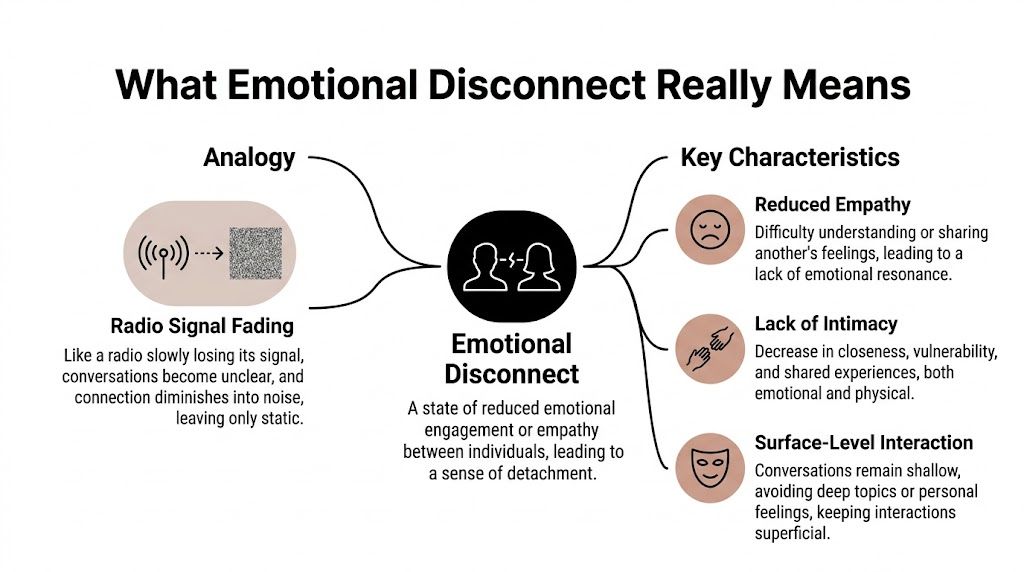
Emotional disconnect is a state where contact is still happening, but emotional engagement has thinned out. You may still talk, work together, or spend time side by side. What’s missing is the felt sense of closeness, empathy, openness, or emotional presence.
A useful analogy is a radio losing its station.
At first, the music is clear. Then the signal weakens. The song is still technically on, but static creeps in. You catch pieces of it, not the whole thing. Emotional disconnect works in a similar way. The relationship, the job, or even your own inner life is still there, but the signal is no longer coming through cleanly.
The three places it shows up
In close relationships
This is the version commonly recognized first.
Two people may still cooperate well. Bills get paid. Kids get picked up. Plans get made. But the relationship starts to feel more like a shared operation than a living bond. Conversations become practical. Affection becomes rare. Vulnerability feels awkward or unsafe.
At work
Professional emotional disconnect often gets mislabeled as laziness or lack of motivation.
It can look like reduced care, low engagement, short patience, or a sense that your work no longer feels meaningful. You may still deliver strong output while feeling detached from your team, your purpose, or your own standards. This is one reason high-achievers can miss the problem for a long time. Their results hide their inner distance.
Within yourself
This one is the most disorienting.
You may struggle to answer basic questions like “What am I feeling?” or “What do I need right now?” You know something feels off, but your emotional data is fuzzy. If you want a cleaner language distinction between internal experience, this guide on emotions vs feelings can help make that inner world easier to understand.
What emotional disconnect is not
It helps to clear up a few common misunderstandings.
- It isn’t always rejection. Sometimes people care a great deal and still can’t access their emotions well.
- It isn’t always permanent. Many forms of disconnect can soften when safety, awareness, and honest effort return.
- It isn’t only a relationship issue. It can affect your leadership, creativity, decision-making, and sense of self.
Practical rule: If connection has been replaced by performance, management, or avoidance, emotional disconnect may be involved.
The core problem is simple. You’re no longer relating from a fully present place. You’re relating through distance.
Recognizing the Signs and Understanding the Causes
Emotional disconnect becomes easier to address when you stop treating it like a vague mood and start noticing its patterns.
The signs are often ordinary on the surface. That’s why they get missed.

Signs you may be emotionally disconnected
You don’t need every sign for the pattern to be real. A few repeated signals are enough to pay attention.
- You avoid depth. Conversations stay on tasks, news, schedules, or other safe topics.
- You feel flat during meaningful moments. Good news lands weakly. Hard moments don’t fully register either.
- You get irritated faster than usual. Small things feel strangely sharp.
- You stop reaching. You text less, share less, ask fewer real questions, and assume it won’t matter.
- You feel lonely around people. This is often more painful than being physically alone.
- You function well but feel absent. You’re productive, but not emotionally present.
At work, the signs may sound different.
You may find yourself doing the minimum emotionally while still doing the maximum operationally. You attend the meeting but don’t feel invested. You lead the project but can’t access enthusiasm. You solve problems while feeling detached from the people involved.
Why people shut down
A lot of emotional disconnect begins as protection.
Chronic stress, repeated conflict, disappointment, grief, overload, or old attachment wounds can teach the nervous system that openness is risky. Instead of staying available and responsive, the system starts conserving energy. You become guarded, numb, or distant because some part of you believes that distance is safer than contact.
This is one reason people can seem cold when they’re overwhelmed.
There’s also a neurobiological piece. According to the Gottman discussion of emotional disconnection, unhealthy emotional detachment can stem from trauma-induced alexithymia, a condition where the brain’s ability to identify emotions is impaired. The same source states that fMRI data shows 35% to 50% reduced activation in key emotional processing centers in individuals with PTSD compared with controls, which can leave unprocessed emotion showing up as irritability or resentment.
Common causes in high-achieving lives
High performers often face a specific mix of pressures.
Unresolved conflict
Some people would rather overwork than have one hard conversation. The conflict remains, but the emotional cost keeps growing.
Constant productivity mode
If your mind is always optimizing, tracking, and pushing, it gets harder to shift into listening, receiving, grieving, or connecting.
Major transitions
A promotion, move, breakup, caregiving season, or identity shift can scramble your emotional map.
Old survival strategies
If you learned early that emotions led to criticism, chaos, or abandonment, you may have become “emotionally unavailable” without choosing it consciously. This deeper pattern is explained well in this article on what it means to be emotionally unavailable.
A shutdown response isn’t proof that you don’t care. Sometimes it’s proof that your system learned to survive by going quiet.
That distinction matters. Shame tends to freeze change. Understanding creates room for repair.
The Ripple Effect on Your Wellbeing and Performance
Emotional disconnect doesn’t stay neatly contained in one part of life.
If you feel cut off in one domain, the effects often spread. Your sleep may change. Your patience may shorten. Your work may become more effortful. Your relationships may start to feel like one more thing to manage.
Sponsored

The mental and emotional cost
When disconnect turns into chronic loneliness, the impact on mental health gets serious.
A CDC report using BRFSS data across 26 U.S. states found that feeling lonely was associated with 3.05 times higher prevalence of frequent mental distress and 2.38 times higher prevalence of depression history. The same report also showed especially high loneliness among bisexual adults and transgender people, along with higher stress and mental health burden.
That doesn’t mean every disconnected person has a clinical condition. It does mean emotional disconnect shouldn’t be brushed off as “just a phase” when it persists.
The professional cost
For high-achievers, the problem often gets translated into performance language first.
You might notice:
- Reduced creativity because your inner world feels less alive
- More friction with colleagues because emotional bandwidth is low
- Lower career satisfaction even when external progress looks good
- Burnout disguised as discipline because you keep pushing through
A future-dated source, the 2025 LinkedIn Wellness Report cited here, reported that 68% of professionals ages 25 to 44 described emotional disconnect linked to workaholism, and 42% cited poor work-life integration as a trigger.
That fits what many professionals already feel but struggle to name. Work can become both the engine of achievement and the hiding place for disconnection.
Why productivity alone won’t fix it
Productivity systems are useful. So are better calendars, clearer priorities, and focused work blocks.
But emotional disconnect isn’t just a scheduling problem. It’s a signal problem.
If you use output to outrun what you feel, your efficiency may rise while your sense of aliveness falls. You can become extremely competent at moving through life without being in contact with it.
The danger for ambitious people isn’t only burnout. It’s becoming so functional that you stop noticing you’re emotionally absent.
That’s why repair needs more than performance hacks. It needs practices that restore emotional access, relational safety, and honest attention.
A Practical Framework for Rebuilding Connection
Repair works better when you treat it as a set of small repeatable actions, not one dramatic breakthrough.
If emotional disconnect is a fading signal, your goal is to strengthen signal quality a little at a time. You don’t need to force intense vulnerability on day one. You need steady contact, better awareness, and safer conversations.
Start with nervous system safety
When people are shut down, insight alone usually isn’t enough.
Evidence from relational psychology shows that unresolved conflict can trigger a nervous system shutdown. The source on reconnecting after emotional disconnection notes that “nervous system co-regulation” practices, including 20-minute daily eye-gazing paired with 4-7-8 breathing, increased reconnection success rates by 60% in Gottman Method trials.
That may sound intimate for some readers, especially if the disconnect is more professional or internal than romantic. The broader point still applies. Before people can reconnect, they often need help feeling safe enough to stay present.
Try this in a way that fits your context:
- With a partner: sit facing each other, breathe slowly, and maintain gentle eye contact without forcing conversation.
- With yourself: place one hand on your chest, one on your stomach, and slow your exhale.
- Before a hard work conversation: breathe first, then speak. Don’t enter the room already flooded.
Use better language
A lot of people fail at repair because they use accusation when what they need is description.
Try scripts like these:
“I’ve noticed I’ve been physically present but emotionally far away.”
“I’m not trying to start a fight. I’m trying to be honest about the distance I feel.”
“I don’t fully know what I’m feeling yet, but I know I’ve been shut down.”
Those statements lower defensiveness. They also make room for truth without pretending you already have perfect clarity.
Rebuild contact in small units
Don’t wait for a free weekend, a retreat, or a major conversation. Small reps count.
Here’s a simple set of exercises you can use.
| Exercise | Focus | Instructions |
|---|---|---|
| One honest sentence | Self-awareness | Say or write one sentence that starts with “Right now I feel…” without editing it for polish. |
| Two-minute check-in | Relationship presence | Ask, “What’s something that felt heavy today?” Then listen without fixing. |
| Device-free transition | Work to home reset | Put your phone away for the first few minutes after work and notice your body before you speak. |
| Breath and label | Nervous system regulation | Take a slow breath cycle and name one emotion, even if the word is imperfect. |
| Appreciation rep | Reconnection | Tell someone one specific thing you appreciated about them today. |
Journal like a coach, not a critic
A useful journal doesn’t punish you. It helps you observe patterns.
Prompts that work:
- What do I keep saying “I’m fine” to when I’m not fine?
- Where am I most emotionally available, and where do I shut down?
- What usually happens right before I go numb, irritable, or distant?
- What would feeling more connected look like in one ordinary day?
If you want a guided tool for building steadier emotional habits, the emotion regulation checklist is one practical option. David Pexa also offers coaching content around emotional intelligence and healthier routines, which may fit readers who want structure and habit support rather than clinical treatment.
Protect connection with boundaries
Connection needs time and attention. High-achievers often give both away too easily.
You might need to say:
- At work: “I can take that on tomorrow, not tonight.”
- At home: “I need ten minutes to decompress, then I want to be fully with you.”
- With yourself: “I’m not using constant input to avoid how I feel.”
That’s not selfish. It’s maintenance.
When the Signal Fades Between You and Your Child
The radio analogy from earlier in this article doesn’t just apply to your inner world or your marriage. It applies to your child.
A parent and child can live in the same house, eat the same meals, follow the same routines—and still lose the signal. The conversations narrow to logistics: homework, schedules, chores. The child stops volunteering what happened at school. You stop noticing, because the silence is easier than the fight that might follow if you press.
This isn’t neglect. It’s the same slow fade. Static creeps in, and because nobody did anything dramatic, nobody names it.
But here’s what makes the parent-child version harder: your child doesn’t have the language to tell you the signal is weakening. They don’t say “I feel emotionally disconnected from you.” They say “Leave me alone.” They roll their eyes. They stop asking for help. And a parent who’s running their own version of high-functioning disconnection reads that as independence, or defiance, or just being a teenager.
It’s often neither. It’s two people losing the frequency at the same time, for the same reasons this article describes—overload, unprocessed stress, emotional signal that’s thinned out from too much demand and not enough presence.
The frameworks in this article can help you see the pattern. But translating that awareness into something a young person can actually receive—that’s a different skill. It’s the one Love, Success, Freedom and Boundaries was written for.
For the therapy option specifically, the access friction has dropped a lot in the last few years. Online platforms like Talkspace can match you with a licensed therapist usually within 24 hours, work in all 50 states, accept most major insurance, and let you message your therapist between sessions when something comes up that you don’t want to forget. I mention them by name because they’re the platform I’d point a student or coaching client to today — the path from “I think I need help” to “I’m in a session” is short enough to actually walk.
When to Seek Professional Support
Sometimes self-help is enough to restart movement. Sometimes it isn’t.
If emotional disconnect has been brief, mild, and clearly tied to a stressful season, habit changes and honest conversations may help. But if the numbness is deep, recurring, or paired with intense distress, outside support can make a major difference.
Signs it may be time
Look for patterns, not perfection.
You may benefit from professional support if:
- You can’t identify what you feel for long stretches
- Conflict keeps repeating without repair
- You feel persistently numb, hopeless, or detached
- You’re withdrawing from people who matter to you
- You suspect trauma is part of the pattern
- Your work performance is holding, but your inner life is collapsing
Chronic loneliness and mental distress often overlap. The CDC BRFSS findings already noted earlier show that loneliness is linked with a much higher prevalence of frequent mental distress and depression history, highlighting why prolonged disconnection should not be minimized.
Coaching and therapy serve different jobs
People often confuse these.
A coach can help with habits, communication practices, reflection frameworks, accountability, and behavior change. That can be useful if you know the issue and need structure to act on it.
A therapist is often the better fit when the disconnect seems tied to trauma, depression, chronic anxiety, attachment wounds, or emotional numbness that feels hard to access on your own.
Support isn’t an admission of failure. It’s a faster route to understanding patterns that are hard to see from inside them.
If you’re unsure, start with a simple question: Do I need strategy, or do I need healing?
Sometimes the answer is both. In that case, therapy and coaching can complement each other well, as long as each stays in its lane.
Choosing your next step
A good next step is specific.
You might:
- Book a therapy consultation if you feel shut down, overwhelmed, or chronically lonely
- Start couples counseling if the same conflict loops keep running
- Use coaching or guided frameworks if your main need is follow-through, boundaries, or emotional skills
- Tell one trusted person the truth if secrecy has been feeding the disconnect
The goal isn’t to become endlessly introspective. It’s to become more available to your actual life.
Frequently Asked Questions About Emotional Disconnect
| Question | Answer |
|---|---|
| Is emotional disconnect the same as falling out of love? | No. Sometimes it reflects stress, shutdown, resentment, burnout, or fear rather than lack of love. Love can still be present while access to warmth and vulnerability is impaired. |
| Can emotional disconnect happen at work, not just in relationships? | Yes. Many people feel detached from colleagues, purpose, or career meaning while still performing well. High-achievers often notice the productivity impact before they recognize the emotional root. |
| What if the other person doesn’t want to reconnect? | You can invite repair, but you can’t force mutual openness. Focus on honest communication, clear boundaries, and your own emotional clarity. |
| How long does repair take? | It depends on the cause, the level of safety, and whether both people are engaged. Small daily shifts often matter more than one intense conversation. |
| Can I fix emotional disconnect on my own? | Sometimes, especially if the pattern is recent and mild. If the disconnect feels entrenched, trauma-related, or linked to depression or persistent numbness, professional help is often the better path. |
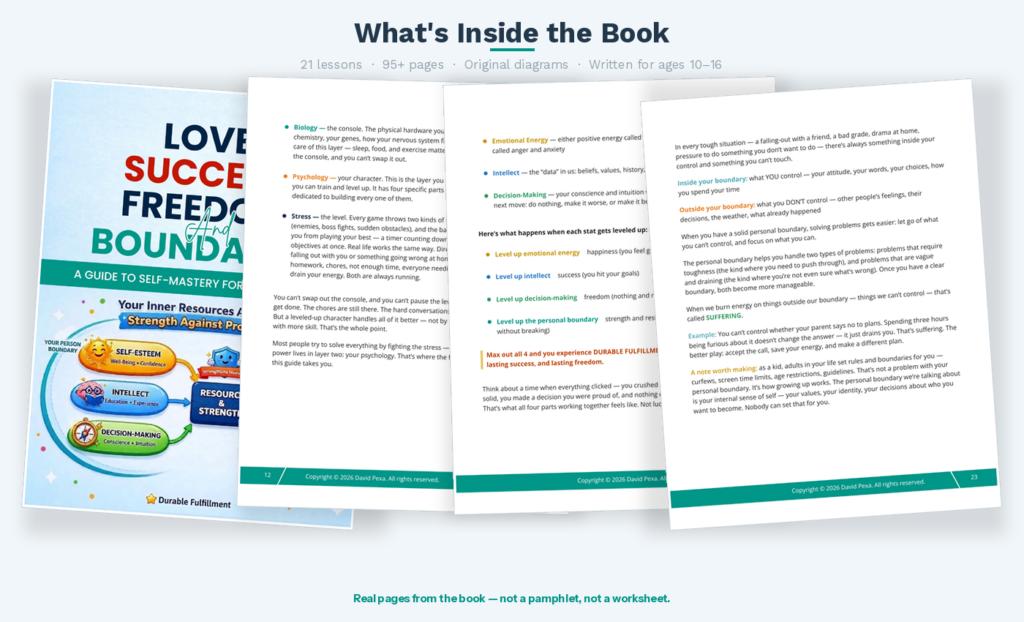
Love, Success, Freedom and Boundaries is a guide to helping young people build the frameworks they need to understand their own psychology—so they stop guessing and start building. If what you read here changed how you see your own patterns, the book shows you how to hand that same clarity to someone who’s still forming theirs.
Enter your email and get the first chapter sent to your inbox.
If this resonated, go deeper. My book Love, Success, Freedom and Boundaries gives you twelve frameworks for seeing the patterns that shape your life — and changing the ones that aren’t working.
Keep Reading
- Emotional Intelligence Chart: A Guide to Mapping Your EQ
- Why Am I So Emotional: Find Your Balance
- Unlock Emotional Value: Master Its Power for a Better Life
If this resonated, go deeper. My book Love, Success, Freedom and Boundaries gives you twelve frameworks for seeing the patterns that shape your life — and changing the ones that aren’t working.
Keep Reading
- Emotional Intelligence Chart: A Guide to Mapping Your EQ
- Why Am I So Emotional: Find Your Balance
- Unlock Emotional Value: Master Its Power for a Better Life
If this resonated, go deeper. My book Love, Success, Freedom and Boundaries gives you twelve frameworks for seeing the patterns that shape your life — and changing the ones that aren’t working.
Keep Reading
- Emotional Intelligence Chart: A Guide to Mapping Your EQ
- Why Am I So Emotional: Find Your Balance
- Unlock Emotional Value: Master Its Power for a Better Life
If this resonated, go deeper. My book Love, Success, Freedom and Boundaries gives you twelve frameworks for seeing the patterns that shape your life — and changing the ones that aren’t working.
Keep Reading
- Emotional Intelligence Chart: A Guide to Mapping Your EQ
- Why Am I So Emotional: Find Your Balance
- Unlock Emotional Value: Master Its Power for a Better Life
If this resonated, go deeper. My book Love, Success, Freedom and Boundaries gives you twelve frameworks for seeing the patterns that shape your life — and changing the ones that aren’t working.
Keep Reading
- Emotional Intelligence Chart: A Guide to Mapping Your EQ
- Why Am I So Emotional: Find Your Balance
- Unlock Emotional Value: Master Its Power for a Better Life
If this resonated, go deeper. My book Love, Success, Freedom and Boundaries gives you twelve frameworks for seeing the patterns that shape your life — and changing the ones that aren’t working.
Keep Reading
- Emotional Intelligence Chart: A Guide to Mapping Your EQ
- Why Am I So Emotional: Find Your Balance
- Unlock Emotional Value: Master Its Power for a Better Life
If this resonated, go deeper. My book Love, Success, Freedom and Boundaries gives you twelve frameworks for seeing the patterns that shape your life — and changing the ones that aren’t working.
Keep Reading
- Emotional Intelligence Chart: A Guide to Mapping Your EQ
- Why Am I So Emotional: Find Your Balance
- Unlock Emotional Value: Master Its Power for a Better Life
If this resonated, go deeper. My book Love, Success, Freedom and Boundaries gives you twelve frameworks for seeing the patterns that shape your life — and changing the ones that aren’t working.
Keep Reading
- Emotional Intelligence Chart: A Guide to Mapping Your EQ
- Why Am I So Emotional: Find Your Balance
- Unlock Emotional Value: Master Its Power for a Better Life
If this resonated, go deeper. My book Love, Success, Freedom and Boundaries gives you twelve frameworks for seeing the patterns that shape your life — and changing the ones that aren’t working.
Keep Reading
- Emotional Intelligence Chart: A Guide to Mapping Your EQ
- Why Am I So Emotional: Find Your Balance
- Unlock Emotional Value: Master Its Power for a Better Life
If this resonated, go deeper. My book Love, Success, Freedom and Boundaries gives you twelve frameworks for seeing the patterns that shape your life — and changing the ones that aren’t working.
Keep Reading
- Emotional Intelligence Chart: A Guide to Mapping Your EQ
- Why Am I So Emotional: Find Your Balance
- Unlock Emotional Value: Master Its Power for a Better Life
If this resonated, go deeper. My book Love, Success, Freedom and Boundaries gives you twelve frameworks for seeing the patterns that shape your life — and changing the ones that aren’t working.
Keep Reading
- Emotional Intelligence Chart: A Guide to Mapping Your EQ
- Why Am I So Emotional: Find Your Balance
- Unlock Emotional Value: Master Its Power for a Better Life
If this resonated, go deeper. My book Love, Success, Freedom and Boundaries gives you twelve frameworks for seeing the patterns that shape your life — and changing the ones that aren’t working.
Keep Reading
- Emotional Intelligence Chart: A Guide to Mapping Your EQ
- Why Am I So Emotional: Find Your Balance
- Unlock Emotional Value: Master Its Power for a Better Life
If this resonated, go deeper. My book Love, Success, Freedom and Boundaries gives you twelve frameworks for seeing the patterns that shape your life — and changing the ones that aren’t working.
Keep Reading
- Emotional Intelligence Chart: A Guide to Mapping Your EQ
- Why Am I So Emotional: Find Your Balance
- Unlock Emotional Value: Master Its Power for a Better Life
If this resonated, go deeper. My book Love, Success, Freedom and Boundaries gives you twelve frameworks for seeing the patterns that shape your life — and changing the ones that aren’t working.
Keep Reading
- Emotional Intelligence Chart: A Guide to Mapping Your EQ
- Why Am I So Emotional: Find Your Balance
- Unlock Emotional Value: Master Its Power for a Better Life
If this resonated, go deeper. My book Love, Success, Freedom and Boundaries gives you twelve frameworks for seeing the patterns that shape your life — and changing the ones that aren’t working.
Keep Reading
- Emotional Intelligence Chart: A Guide to Mapping Your EQ
- Why Am I So Emotional: Find Your Balance
- Unlock Emotional Value: Master Its Power for a Better Life
If this resonated, go deeper. My book Love, Success, Freedom and Boundaries gives you twelve frameworks for seeing the patterns that shape your life — and changing the ones that aren’t working.
Keep Reading
- Emotional Intelligence Chart: A Guide to Mapping Your EQ
- Why Am I So Emotional: Find Your Balance
- Unlock Emotional Value: Master Its Power for a Better Life
If this resonated, go deeper. My book Love, Success, Freedom and Boundaries gives you twelve frameworks for seeing the patterns that shape your life — and changing the ones that aren’t working.
Keep Reading
- Emotional Intelligence Chart: A Guide to Mapping Your EQ
- Why Am I So Emotional: Find Your Balance
- Unlock Emotional Value: Master Its Power for a Better Life
If this resonated, go deeper. My book Love, Success, Freedom and Boundaries gives you twelve frameworks for seeing the patterns that shape your life — and changing the ones that aren’t working.
Keep Reading
- Emotional Intelligence Chart: A Guide to Mapping Your EQ
- Why Am I So Emotional: Find Your Balance
- Unlock Emotional Value: Master Its Power for a Better Life
If this resonated, go deeper. My book Love, Success, Freedom and Boundaries gives you twelve frameworks for seeing the patterns that shape your life — and changing the ones that aren’t working.
Keep Reading
- Emotional Intelligence Chart: A Guide to Mapping Your EQ
- Why Am I So Emotional: Find Your Balance
- Unlock Emotional Value: Master Its Power for a Better Life
If this resonated, go deeper. My book Love, Success, Freedom and Boundaries gives you twelve frameworks for seeing the patterns that shape your life — and changing the ones that aren’t working.
Keep Reading
- Emotional Intelligence Chart: A Guide to Mapping Your EQ
- Why Am I So Emotional: Find Your Balance
- Unlock Emotional Value: Master Its Power for a Better Life
If this resonated, go deeper. My book Love, Success, Freedom and Boundaries gives you twelve frameworks for seeing the patterns that shape your life — and changing the ones that aren’t working.
Keep Reading
- Emotional Intelligence Chart: A Guide to Mapping Your EQ
- Why Am I So Emotional: Find Your Balance
- Unlock Emotional Value: Master Its Power for a Better Life
If this resonated, go deeper. My book Love, Success, Freedom and Boundaries gives you twelve frameworks for seeing the patterns that shape your life — and changing the ones that aren’t working.
Keep Reading
- Emotional Intelligence Chart: A Guide to Mapping Your EQ
- Why Am I So Emotional: Find Your Balance
- Unlock Emotional Value: Master Its Power for a Better Life
If this resonated, go deeper. My book Love, Success, Freedom and Boundaries gives you twelve frameworks for seeing the patterns that shape your life — and changing the ones that aren’t working.
Keep Reading
- Emotional Intelligence Chart: A Guide to Mapping Your EQ
- Why Am I So Emotional: Find Your Balance
- Unlock Emotional Value: Master Its Power for a Better Life
If this resonated, go deeper. My book Love, Success, Freedom and Boundaries gives you twelve frameworks for seeing the patterns that shape your life — and changing the ones that aren’t working.
Keep Reading
- Emotional Intelligence Chart: A Guide to Mapping Your EQ
- Why Am I So Emotional: Find Your Balance
- Unlock Emotional Value: Master Its Power for a Better Life
If this resonated, go deeper. My book Love, Success, Freedom and Boundaries gives you twelve frameworks for seeing the patterns that shape your life — and changing the ones that aren’t working.
Keep Reading
- Emotional Intelligence Chart: A Guide to Mapping Your EQ
- Why Am I So Emotional: Find Your Balance
- Unlock Emotional Value: Master Its Power for a Better Life
If this resonated, go deeper. My book Love, Success, Freedom and Boundaries gives you twelve frameworks for seeing the patterns that shape your life — and changing the ones that aren’t working.
Keep Reading
- Emotional Intelligence Chart: A Guide to Mapping Your EQ
- Why Am I So Emotional: Find Your Balance
- Unlock Emotional Value: Master Its Power for a Better Life
If this resonated, go deeper. My book Love, Success, Freedom and Boundaries gives you twelve frameworks for seeing the patterns that shape your life — and changing the ones that aren’t working.
Keep Reading
- Emotional Intelligence Chart: A Guide to Mapping Your EQ
- Why Am I So Emotional: Find Your Balance
- Unlock Emotional Value: Master Its Power for a Better Life
If this resonated, go deeper. My book Love, Success, Freedom and Boundaries gives you twelve frameworks for seeing the patterns that shape your life — and changing the ones that aren’t working.
Keep Reading
- Emotional Intelligence Chart: A Guide to Mapping Your EQ
- Why Am I So Emotional: Find Your Balance
- Unlock Emotional Value: Master Its Power for a Better Life
If this resonated, go deeper. My book Love, Success, Freedom and Boundaries gives you twelve frameworks for seeing the patterns that shape your life — and changing the ones that aren’t working.
Keep Reading
- Emotional Intelligence Chart: A Guide to Mapping Your EQ
- Why Am I So Emotional: Find Your Balance
- Unlock Emotional Value: Master Its Power for a Better Life
If this resonated, go deeper. My book Love, Success, Freedom and Boundaries gives you twelve frameworks for seeing the patterns that shape your life — and changing the ones that aren’t working.
Keep Reading
- Emotional Intelligence Chart: A Guide to Mapping Your EQ
- Why Am I So Emotional: Find Your Balance
- Unlock Emotional Value: Master Its Power for a Better Life
If this resonated, go deeper. My book Love, Success, Freedom and Boundaries gives you twelve frameworks for seeing the patterns that shape your life — and changing the ones that aren’t working.
Keep Reading
- Emotional Intelligence Chart: A Guide to Mapping Your EQ
- Why Am I So Emotional: Find Your Balance
- Unlock Emotional Value: Master Its Power for a Better Life
If this resonated, go deeper. My book Love, Success, Freedom and Boundaries gives you twelve frameworks for seeing the patterns that shape your life — and changing the ones that aren’t working.
Keep Reading
- Emotional Intelligence Chart: A Guide to Mapping Your EQ
- Why Am I So Emotional: Find Your Balance
- Unlock Emotional Value: Master Its Power for a Better Life
If this resonated, go deeper. My book Love, Success, Freedom and Boundaries gives you twelve frameworks for seeing the patterns that shape your life — and changing the ones that aren’t working.
Keep Reading
- Emotional Intelligence Chart: A Guide to Mapping Your EQ
- Why Am I So Emotional: Find Your Balance
- Unlock Emotional Value: Master Its Power for a Better Life
If this resonated, go deeper. My book Love, Success, Freedom and Boundaries gives you twelve frameworks for seeing the patterns that shape your life — and changing the ones that aren’t working.
Keep Reading
- Emotional Intelligence Chart: A Guide to Mapping Your EQ
- Why Am I So Emotional: Find Your Balance
- Unlock Emotional Value: Master Its Power for a Better Life
If this resonated, go deeper. My book Love, Success, Freedom and Boundaries gives you twelve frameworks for seeing the patterns that shape your life — and changing the ones that aren’t working.
Keep Reading
- Emotional Intelligence Chart: A Guide to Mapping Your EQ
- Why Am I So Emotional: Find Your Balance
- Unlock Emotional Value: Master Its Power for a Better Life
If this resonated, go deeper. My book Love, Success, Freedom and Boundaries gives you twelve frameworks for seeing the patterns that shape your life — and changing the ones that aren’t working.
Keep Reading
- Emotional Intelligence Chart: A Guide to Mapping Your EQ
- Why Am I So Emotional: Find Your Balance
- Unlock Emotional Value: Master Its Power for a Better Life
If this resonated, go deeper. My book Love, Success, Freedom and Boundaries gives you twelve frameworks for seeing the patterns that shape your life — and changing the ones that aren’t working.
Keep Reading
- Emotional Intelligence Chart: A Guide to Mapping Your EQ
- Why Am I So Emotional: Find Your Balance
- Unlock Emotional Value: Master Its Power for a Better Life
If this resonated, go deeper. My book Love, Success, Freedom and Boundaries gives you twelve frameworks for seeing the patterns that shape your life — and changing the ones that aren’t working.
Keep Reading
- Emotional Intelligence Chart: A Guide to Mapping Your EQ
- Why Am I So Emotional: Find Your Balance
- Unlock Emotional Value: Master Its Power for a Better Life
If this resonated, go deeper. My book Love, Success, Freedom and Boundaries gives you twelve frameworks for seeing the patterns that shape your life — and changing the ones that aren’t working.
Keep Reading
- Emotional Intelligence Chart: A Guide to Mapping Your EQ
- Why Am I So Emotional: Find Your Balance
- Unlock Emotional Value: Master Its Power for a Better Life
If this resonated, go deeper. My book Love, Success, Freedom and Boundaries gives you twelve frameworks for seeing the patterns that shape your life — and changing the ones that aren’t working.
Keep Reading
- Emotional Intelligence Chart: A Guide to Mapping Your EQ
- Why Am I So Emotional: Find Your Balance
- Unlock Emotional Value: Master Its Power for a Better Life
If this resonated, go deeper. My book Love, Success, Freedom and Boundaries gives you twelve frameworks for seeing the patterns that shape your life — and changing the ones that aren’t working.
Keep Reading
- Emotional Intelligence Chart: A Guide to Mapping Your EQ
- Why Am I So Emotional: Find Your Balance
- Unlock Emotional Value: Master Its Power for a Better Life
If this resonated, go deeper. My book Love, Success, Freedom and Boundaries gives you twelve frameworks for seeing the patterns that shape your life — and changing the ones that aren’t working.
Keep Reading
- Emotional Intelligence Chart: A Guide to Mapping Your EQ
- Why Am I So Emotional: Find Your Balance
- Unlock Emotional Value: Master Its Power for a Better Life
If this resonated, go deeper. My book Love, Success, Freedom and Boundaries gives you twelve frameworks for seeing the patterns that shape your life — and changing the ones that aren’t working.
Keep Reading
- Emotional Intelligence Chart: A Guide to Mapping Your EQ
- Why Am I So Emotional: Find Your Balance
- Unlock Emotional Value: Master Its Power for a Better Life
If this resonated, go deeper. My book Love, Success, Freedom and Boundaries gives you twelve frameworks for seeing the patterns that shape your life — and changing the ones that aren’t working.
Keep Reading
- Emotional Intelligence Chart: A Guide to Mapping Your EQ
- Why Am I So Emotional: Find Your Balance
- Unlock Emotional Value: Master Its Power for a Better Life
If this resonated, go deeper. My book Love, Success, Freedom and Boundaries gives you twelve frameworks for seeing the patterns that shape your life — and changing the ones that aren’t working.
Keep Reading
- Emotional Intelligence Chart: A Guide to Mapping Your EQ
- Why Am I So Emotional: Find Your Balance
- Unlock Emotional Value: Master Its Power for a Better Life
If this resonated, go deeper. My book Love, Success, Freedom and Boundaries gives you twelve frameworks for seeing the patterns that shape your life — and changing the ones that aren’t working.
Keep Reading
- Emotional Intelligence Chart: A Guide to Mapping Your EQ
- Why Am I So Emotional: Find Your Balance
- Unlock Emotional Value: Master Its Power for a Better Life
If this resonated, go deeper. My book Love, Success, Freedom and Boundaries gives you twelve frameworks for seeing the patterns that shape your life — and changing the ones that aren’t working.
Keep Reading
- Emotional Intelligence Chart: A Guide to Mapping Your EQ
- Why Am I So Emotional: Find Your Balance
- Unlock Emotional Value: Master Its Power for a Better Life
If this resonated, go deeper. My book Love, Success, Freedom and Boundaries gives you twelve frameworks for seeing the patterns that shape your life — and changing the ones that aren’t working.
Keep Reading
- Emotional Intelligence Chart: A Guide to Mapping Your EQ
- Why Am I So Emotional: Find Your Balance
- Unlock Emotional Value: Master Its Power for a Better Life
If this resonated, go deeper. My book Love, Success, Freedom and Boundaries gives you twelve frameworks for seeing the patterns that shape your life — and changing the ones that aren’t working.
Keep Reading
- Emotional Intelligence Chart: A Guide to Mapping Your EQ
- Why Am I So Emotional: Find Your Balance
- Unlock Emotional Value: Master Its Power for a Better Life
If this resonated, go deeper. My book Love, Success, Freedom and Boundaries gives you twelve frameworks for seeing the patterns that shape your life — and changing the ones that aren’t working.
Keep Reading
- Emotional Intelligence Chart: A Guide to Mapping Your EQ
- Why Am I So Emotional: Find Your Balance
- Unlock Emotional Value: Master Its Power for a Better Life
If this resonated, go deeper. My book Love, Success, Freedom and Boundaries gives you twelve frameworks for seeing the patterns that shape your life — and changing the ones that aren’t working.
Keep Reading
- Emotional Intelligence Chart: A Guide to Mapping Your EQ
- Why Am I So Emotional: Find Your Balance
- Unlock Emotional Value: Master Its Power for a Better Life
If this resonated, go deeper. My book Love, Success, Freedom and Boundaries gives you twelve frameworks for seeing the patterns that shape your life — and changing the ones that aren’t working.
Keep Reading
- Emotional Intelligence Chart: A Guide to Mapping Your EQ
- Why Am I So Emotional: Find Your Balance
- Unlock Emotional Value: Master Its Power for a Better Life
If this resonated, go deeper. My book Love, Success, Freedom and Boundaries gives you twelve frameworks for seeing the patterns that shape your life — and changing the ones that aren’t working.
Keep Reading
- Emotional Intelligence Chart: A Guide to Mapping Your EQ
- Why Am I So Emotional: Find Your Balance
- Unlock Emotional Value: Master Its Power for a Better Life
If this resonated, go deeper. My book Love, Success, Freedom and Boundaries gives you twelve frameworks for seeing the patterns that shape your life — and changing the ones that aren’t working.
Keep Reading
- Emotional Intelligence Chart: A Guide to Mapping Your EQ
- Why Am I So Emotional: Find Your Balance
- Unlock Emotional Value: Master Its Power for a Better Life
If this resonated, go deeper. My book Love, Success, Freedom and Boundaries gives you twelve frameworks for seeing the patterns that shape your life — and changing the ones that aren’t working.
Keep Reading
- Emotional Intelligence Chart: A Guide to Mapping Your EQ
- Why Am I So Emotional: Find Your Balance
- Unlock Emotional Value: Master Its Power for a Better Life
If this resonated, go deeper. My book Love, Success, Freedom and Boundaries gives you twelve frameworks for seeing the patterns that shape your life — and changing the ones that aren’t working.
Keep Reading
- Emotional Intelligence Chart: A Guide to Mapping Your EQ
- Why Am I So Emotional: Find Your Balance
- Unlock Emotional Value: Master Its Power for a Better Life
If this resonated, go deeper. My book Love, Success, Freedom and Boundaries gives you twelve frameworks for seeing the patterns that shape your life — and changing the ones that aren’t working.
Keep Reading
- Emotional Intelligence Chart: A Guide to Mapping Your EQ
- Why Am I So Emotional: Find Your Balance
- Unlock Emotional Value: Master Its Power for a Better Life
If this resonated, go deeper. My book Love, Success, Freedom and Boundaries gives you twelve frameworks for seeing the patterns that shape your life — and changing the ones that aren’t working.
Keep Reading
- Emotional Intelligence Chart: A Guide to Mapping Your EQ
- Why Am I So Emotional: Find Your Balance
- Unlock Emotional Value: Master Its Power for a Better Life
If this resonated, go deeper. My book Love, Success, Freedom and Boundaries gives you twelve frameworks for seeing the patterns that shape your life — and changing the ones that aren’t working.
Keep Reading
- Emotional Intelligence Chart: A Guide to Mapping Your EQ
- Why Am I So Emotional: Find Your Balance
- Unlock Emotional Value: Master Its Power for a Better Life
If this resonated, go deeper. My book Love, Success, Freedom and Boundaries gives you twelve frameworks for seeing the patterns that shape your life — and changing the ones that aren’t working.
Keep Reading
- Emotional Intelligence Chart: A Guide to Mapping Your EQ
- Why Am I So Emotional: Find Your Balance
- Unlock Emotional Value: Master Its Power for a Better Life
If this resonated, go deeper. My book Love, Success, Freedom and Boundaries gives you twelve frameworks for seeing the patterns that shape your life — and changing the ones that aren’t working.
Keep Reading
- Emotional Intelligence Chart: A Guide to Mapping Your EQ
- Why Am I So Emotional: Find Your Balance
- Unlock Emotional Value: Master Its Power for a Better Life
If this resonated, go deeper. My book Love, Success, Freedom and Boundaries gives you twelve frameworks for seeing the patterns that shape your life — and changing the ones that aren’t working.
Keep Reading
- Emotional Intelligence Chart: A Guide to Mapping Your EQ
- Why Am I So Emotional: Find Your Balance
- Unlock Emotional Value: Master Its Power for a Better Life
If this resonated, go deeper. My book Love, Success, Freedom and Boundaries gives you twelve frameworks for seeing the patterns that shape your life — and changing the ones that aren’t working.
Keep Reading
- Emotional Intelligence Chart: A Guide to Mapping Your EQ
- Why Am I So Emotional: Find Your Balance
- Unlock Emotional Value: Master Its Power for a Better Life
If this resonated, go deeper. My book Love, Success, Freedom and Boundaries gives you twelve frameworks for seeing the patterns that shape your life — and changing the ones that aren’t working.
Keep Reading
- Emotional Intelligence Chart: A Guide to Mapping Your EQ
- Why Am I So Emotional: Find Your Balance
- Unlock Emotional Value: Master Its Power for a Better Life
If this resonated, go deeper. My book Love, Success, Freedom and Boundaries gives you twelve frameworks for seeing the patterns that shape your life — and changing the ones that aren’t working.
Keep Reading
- Emotional Intelligence Chart: A Guide to Mapping Your EQ
- Why Am I So Emotional: Find Your Balance
- Unlock Emotional Value: Master Its Power for a Better Life
If this resonated, go deeper. My book Love, Success, Freedom and Boundaries gives you twelve frameworks for seeing the patterns that shape your life — and changing the ones that aren’t working.
Keep Reading
- Emotional Intelligence Chart: A Guide to Mapping Your EQ
- Why Am I So Emotional: Find Your Balance
- Unlock Emotional Value: Master Its Power for a Better Life
If this resonated, go deeper. My book Love, Success, Freedom and Boundaries gives you twelve frameworks for seeing the patterns that shape your life — and changing the ones that aren’t working.
Keep Reading
- Emotional Intelligence Chart: A Guide to Mapping Your EQ
- Why Am I So Emotional: Find Your Balance
- Unlock Emotional Value: Master Its Power for a Better Life
If this resonated, go deeper. My book Love, Success, Freedom and Boundaries gives you twelve frameworks for seeing the patterns that shape your life — and changing the ones that aren’t working.
Keep Reading
- Emotional Intelligence Chart: A Guide to Mapping Your EQ
- Why Am I So Emotional: Find Your Balance
- Unlock Emotional Value: Master Its Power for a Better Life
If this resonated, go deeper. My book Love, Success, Freedom and Boundaries gives you twelve frameworks for seeing the patterns that shape your life — and changing the ones that aren’t working.
Keep Reading
- Emotional Intelligence Chart: A Guide to Mapping Your EQ
- Why Am I So Emotional: Find Your Balance
- Unlock Emotional Value: Master Its Power for a Better Life
If this resonated, go deeper. My book Love, Success, Freedom and Boundaries gives you twelve frameworks for seeing the patterns that shape your life — and changing the ones that aren’t working.
Keep Reading
- Emotional Intelligence Chart: A Guide to Mapping Your EQ
- Why Am I So Emotional: Find Your Balance
- Unlock Emotional Value: Master Its Power for a Better Life
If this resonated, go deeper. My book Love, Success, Freedom and Boundaries gives you twelve frameworks for seeing the patterns that shape your life — and changing the ones that aren’t working.
Keep Reading
- Emotional Intelligence Chart: A Guide to Mapping Your EQ
- Why Am I So Emotional: Find Your Balance
- Unlock Emotional Value: Master Its Power for a Better Life
If this resonated, go deeper. My book Love, Success, Freedom and Boundaries gives you twelve frameworks for seeing the patterns that shape your life — and changing the ones that aren’t working.
Keep Reading
- Emotional Intelligence Chart: A Guide to Mapping Your EQ
- Why Am I So Emotional: Find Your Balance
- Unlock Emotional Value: Master Its Power for a Better Life
If this resonated, go deeper. My book Love, Success, Freedom and Boundaries gives you twelve frameworks for seeing the patterns that shape your life — and changing the ones that aren’t working.
Keep Reading
- Emotional Intelligence Chart: A Guide to Mapping Your EQ
- Why Am I So Emotional: Find Your Balance
- Unlock Emotional Value: Master Its Power for a Better Life
If this resonated, go deeper. My book Love, Success, Freedom and Boundaries gives you twelve frameworks for seeing the patterns that shape your life — and changing the ones that aren’t working.
Keep Reading
- Emotional Intelligence Chart: A Guide to Mapping Your EQ
- Why Am I So Emotional: Find Your Balance
- Unlock Emotional Value: Master Its Power for a Better Life
If this resonated, go deeper. My book Love, Success, Freedom and Boundaries gives you twelve frameworks for seeing the patterns that shape your life — and changing the ones that aren’t working.
Keep Reading
- Emotional Intelligence Chart: A Guide to Mapping Your EQ
- Why Am I So Emotional: Find Your Balance
- Unlock Emotional Value: Master Its Power for a Better Life
If this resonated, go deeper. My book Love, Success, Freedom and Boundaries gives you twelve frameworks for seeing the patterns that shape your life — and changing the ones that aren’t working.
Keep Reading
- Emotional Intelligence Chart: A Guide to Mapping Your EQ
- Why Am I So Emotional: Find Your Balance
- Unlock Emotional Value: Master Its Power for a Better Life
If this resonated, go deeper. My book Love, Success, Freedom and Boundaries gives you twelve frameworks for seeing the patterns that shape your life — and changing the ones that aren’t working.
Keep Reading
- Emotional Intelligence Chart: A Guide to Mapping Your EQ
- Why Am I So Emotional: Find Your Balance
- Unlock Emotional Value: Master Its Power for a Better Life
If this resonated, go deeper. My book Love, Success, Freedom and Boundaries gives you twelve frameworks for seeing the patterns that shape your life — and changing the ones that aren’t working.
Keep Reading
- Emotional Intelligence Chart: A Guide to Mapping Your EQ
- Why Am I So Emotional: Find Your Balance
- Unlock Emotional Value: Master Its Power for a Better Life
If this resonated, go deeper. My book Love, Success, Freedom and Boundaries gives you twelve frameworks for seeing the patterns that shape your life — and changing the ones that aren’t working.
Keep Reading
- Emotional Intelligence Chart: A Guide to Mapping Your EQ
- Why Am I So Emotional: Find Your Balance
- Unlock Emotional Value: Master Its Power for a Better Life
If this resonated, go deeper. My book Love, Success, Freedom and Boundaries gives you twelve frameworks for seeing the patterns that shape your life — and changing the ones that aren’t working.
Keep Reading
- Emotional Intelligence Chart: A Guide to Mapping Your EQ
- Why Am I So Emotional: Find Your Balance
- Unlock Emotional Value: Master Its Power for a Better Life
If this resonated, go deeper. My book Love, Success, Freedom and Boundaries gives you twelve frameworks for seeing the patterns that shape your life — and changing the ones that aren’t working.
Keep Reading
- Emotional Intelligence Chart: A Guide to Mapping Your EQ
- Why Am I So Emotional: Find Your Balance
- Unlock Emotional Value: Master Its Power for a Better Life
If this resonated, go deeper. My book Love, Success, Freedom and Boundaries gives you twelve frameworks for seeing the patterns that shape your life — and changing the ones that aren’t working.
Keep Reading
- Emotional Intelligence Chart: A Guide to Mapping Your EQ
- Why Am I So Emotional: Find Your Balance
- Unlock Emotional Value: Master Its Power for a Better Life
If this resonated, go deeper. My book Love, Success, Freedom and Boundaries gives you twelve frameworks for seeing the patterns that shape your life — and changing the ones that aren’t working.
Keep Reading
- Emotional Intelligence Chart: A Guide to Mapping Your EQ
- Why Am I So Emotional: Find Your Balance
- Unlock Emotional Value: Master Its Power for a Better Life
If this resonated, go deeper. My book Love, Success, Freedom and Boundaries gives you twelve frameworks for seeing the patterns that shape your life — and changing the ones that aren’t working.
Keep Reading
- Emotional Intelligence Chart: A Guide to Mapping Your EQ
- Why Am I So Emotional: Find Your Balance
- Unlock Emotional Value: Master Its Power for a Better Life
If this resonated, go deeper. My book Love, Success, Freedom and Boundaries gives you twelve frameworks for seeing the patterns that shape your life — and changing the ones that aren’t working.
Keep Reading
- Emotional Intelligence Chart: A Guide to Mapping Your EQ
- Why Am I So Emotional: Find Your Balance
- Unlock Emotional Value: Master Its Power for a Better Life
If this resonated, go deeper. My book Love, Success, Freedom and Boundaries gives you twelve frameworks for seeing the patterns that shape your life — and changing the ones that aren’t working.
Keep Reading
- Emotional Intelligence Chart: A Guide to Mapping Your EQ
- Why Am I So Emotional: Find Your Balance
- Unlock Emotional Value: Master Its Power for a Better Life
If this resonated, go deeper. My book Love, Success, Freedom and Boundaries gives you twelve frameworks for seeing the patterns that shape your life — and changing the ones that aren’t working.
Keep Reading
- Emotional Intelligence Chart: A Guide to Mapping Your EQ
- Why Am I So Emotional: Find Your Balance
- Unlock Emotional Value: Master Its Power for a Better Life
If this resonated, go deeper. My book Love, Success, Freedom and Boundaries gives you twelve frameworks for seeing the patterns that shape your life — and changing the ones that aren’t working.
Keep Reading
- Emotional Intelligence Chart: A Guide to Mapping Your EQ
- Why Am I So Emotional: Find Your Balance
- Unlock Emotional Value: Master Its Power for a Better Life
If this resonated, go deeper. My book Love, Success, Freedom and Boundaries gives you twelve frameworks for seeing the patterns that shape your life — and changing the ones that aren’t working.
Keep Reading
- Emotional Intelligence Chart: A Guide to Mapping Your EQ
- Why Am I So Emotional: Find Your Balance
- Unlock Emotional Value: Master Its Power for a Better Life
If this resonated, go deeper. My book Love, Success, Freedom and Boundaries gives you twelve frameworks for seeing the patterns that shape your life — and changing the ones that aren’t working.
Keep Reading
- Emotional Intelligence Chart: A Guide to Mapping Your EQ
- Why Am I So Emotional: Find Your Balance
- Unlock Emotional Value: Master Its Power for a Better Life
If this resonated, go deeper. My book Love, Success, Freedom and Boundaries gives you twelve frameworks for seeing the patterns that shape your life — and changing the ones that aren’t working.
Keep Reading
- Emotional Intelligence Chart: A Guide to Mapping Your EQ
- Why Am I So Emotional: Find Your Balance
- Unlock Emotional Value: Master Its Power for a Better Life
If this resonated, go deeper. My book Love, Success, Freedom and Boundaries gives you twelve frameworks for seeing the patterns that shape your life — and changing the ones that aren’t working.
Keep Reading
- Emotional Intelligence Chart: A Guide to Mapping Your EQ
- Why Am I So Emotional: Find Your Balance
- Unlock Emotional Value: Master Its Power for a Better Life
If this resonated, go deeper. My book Love, Success, Freedom and Boundaries gives you twelve frameworks for seeing the patterns that shape your life — and changing the ones that aren’t working.
Keep Reading
- Emotional Intelligence Chart: A Guide to Mapping Your EQ
- Why Am I So Emotional: Find Your Balance
- Unlock Emotional Value: Master Its Power for a Better Life
If this resonated, go deeper. My book Love, Success, Freedom and Boundaries gives you twelve frameworks for seeing the patterns that shape your life — and changing the ones that aren’t working.
Keep Reading
- Emotional Intelligence Chart: A Guide to Mapping Your EQ
- Why Am I So Emotional: Find Your Balance
- Unlock Emotional Value: Master Its Power for a Better Life
If this resonated, go deeper. My book Love, Success, Freedom and Boundaries gives you twelve frameworks for seeing the patterns that shape your life — and changing the ones that aren’t working.
Keep Reading
- Emotional Intelligence Chart: A Guide to Mapping Your EQ
- Why Am I So Emotional: Find Your Balance
- Unlock Emotional Value: Master Its Power for a Better Life
If this resonated, go deeper. My book Love, Success, Freedom and Boundaries gives you twelve frameworks for seeing the patterns that shape your life — and changing the ones that aren’t working.
Keep Reading
- Emotional Intelligence Chart: A Guide to Mapping Your EQ
- Why Am I So Emotional: Find Your Balance
- Unlock Emotional Value: Master Its Power for a Better Life
If this resonated, go deeper. My book Love, Success, Freedom and Boundaries gives you twelve frameworks for seeing the patterns that shape your life — and changing the ones that aren’t working.
Keep Reading
- Emotional Intelligence Chart: A Guide to Mapping Your EQ
- Why Am I So Emotional: Find Your Balance
- Unlock Emotional Value: Master Its Power for a Better Life
If this resonated, go deeper. My book Love, Success, Freedom and Boundaries gives you twelve frameworks for seeing the patterns that shape your life — and changing the ones that aren’t working.
Keep Reading
- Emotional Intelligence Chart: A Guide to Mapping Your EQ
- Why Am I So Emotional: Find Your Balance
- Unlock Emotional Value: Master Its Power for a Better Life
If this resonated, go deeper. My book Love, Success, Freedom and Boundaries gives you twelve frameworks for seeing the patterns that shape your life — and changing the ones that aren’t working.
Keep Reading
- Emotional Intelligence Chart: A Guide to Mapping Your EQ
- Why Am I So Emotional: Find Your Balance
- Unlock Emotional Value: Master Its Power for a Better Life
If this resonated, go deeper. My book Love, Success, Freedom and Boundaries gives you twelve frameworks for seeing the patterns that shape your life — and changing the ones that aren’t working.
Keep Reading
- Emotional Intelligence Chart: A Guide to Mapping Your EQ
- Why Am I So Emotional: Find Your Balance
- Unlock Emotional Value: Master Its Power for a Better Life
If this resonated, go deeper. My book Love, Success, Freedom and Boundaries gives you twelve frameworks for seeing the patterns that shape your life — and changing the ones that aren’t working.
Keep Reading
- Emotional Intelligence Chart: A Guide to Mapping Your EQ
- Why Am I So Emotional: Find Your Balance
- Unlock Emotional Value: Master Its Power for a Better Life
If this resonated, go deeper. My book Love, Success, Freedom and Boundaries gives you twelve frameworks for seeing the patterns that shape your life — and changing the ones that aren’t working.
Keep Reading
- Emotional Intelligence Chart: A Guide to Mapping Your EQ
- Why Am I So Emotional: Find Your Balance
- Unlock Emotional Value: Master Its Power for a Better Life
If this resonated, go deeper. My book Love, Success, Freedom and Boundaries gives you twelve frameworks for seeing the patterns that shape your life — and changing the ones that aren’t working.
Keep Reading
- Emotional Intelligence Chart: A Guide to Mapping Your EQ
- Why Am I So Emotional: Find Your Balance
- Unlock Emotional Value: Master Its Power for a Better Life
If this resonated, go deeper. My book Love, Success, Freedom and Boundaries gives you twelve frameworks for seeing the patterns that shape your life — and changing the ones that aren’t working.
Keep Reading
- Emotional Intelligence Chart: A Guide to Mapping Your EQ
- Why Am I So Emotional: Find Your Balance
- Unlock Emotional Value: Master Its Power for a Better Life
If this resonated, go deeper. My book Love, Success, Freedom and Boundaries gives you twelve frameworks for seeing the patterns that shape your life — and changing the ones that aren’t working.
Keep Reading
- Emotional Intelligence Chart: A Guide to Mapping Your EQ
- Why Am I So Emotional: Find Your Balance
- Unlock Emotional Value: Master Its Power for a Better Life
If this resonated, go deeper. My book Love, Success, Freedom and Boundaries gives you twelve frameworks for seeing the patterns that shape your life — and changing the ones that aren’t working.
Keep Reading
- Emotional Intelligence Chart: A Guide to Mapping Your EQ
- Why Am I So Emotional: Find Your Balance
- Unlock Emotional Value: Master Its Power for a Better Life
If this resonated, go deeper. My book Love, Success, Freedom and Boundaries gives you twelve frameworks for seeing the patterns that shape your life — and changing the ones that aren’t working.
Keep Reading
- Emotional Intelligence Chart: A Guide to Mapping Your EQ
- Why Am I So Emotional: Find Your Balance
- Unlock Emotional Value: Master Its Power for a Better Life
If this resonated, go deeper. My book Love, Success, Freedom and Boundaries gives you twelve frameworks for seeing the patterns that shape your life — and changing the ones that aren’t working.
Keep Reading
- Emotional Intelligence Chart: A Guide to Mapping Your EQ
- Why Am I So Emotional: Find Your Balance
- Unlock Emotional Value: Master Its Power for a Better Life
If this resonated, go deeper. My book Love, Success, Freedom and Boundaries gives you twelve frameworks for seeing the patterns that shape your life — and changing the ones that aren’t working.
Keep Reading
- Emotional Intelligence Chart: A Guide to Mapping Your EQ
- Why Am I So Emotional: Find Your Balance
- Unlock Emotional Value: Master Its Power for a Better Life
If this resonated, go deeper. My book Love, Success, Freedom and Boundaries gives you twelve frameworks for seeing the patterns that shape your life — and changing the ones that aren’t working.
Keep Reading
- Emotional Intelligence Chart: A Guide to Mapping Your EQ
- Why Am I So Emotional: Find Your Balance
- Unlock Emotional Value: Master Its Power for a Better Life
If this resonated, go deeper. My book Love, Success, Freedom and Boundaries gives you twelve frameworks for seeing the patterns that shape your life — and changing the ones that aren’t working.
Keep Reading
- Emotional Intelligence Chart: A Guide to Mapping Your EQ
- Why Am I So Emotional: Find Your Balance
- Unlock Emotional Value: Master Its Power for a Better Life
If this resonated, go deeper. My book Love, Success, Freedom and Boundaries gives you twelve frameworks for seeing the patterns that shape your life — and changing the ones that aren’t working.
Keep Reading
- Emotional Intelligence Chart: A Guide to Mapping Your EQ
- Why Am I So Emotional: Find Your Balance
- Unlock Emotional Value: Master Its Power for a Better Life
If this resonated, go deeper. My book Love, Success, Freedom and Boundaries gives you twelve frameworks for seeing the patterns that shape your life — and changing the ones that aren’t working.
Keep Reading
- Emotional Intelligence Chart: A Guide to Mapping Your EQ
- Why Am I So Emotional: Find Your Balance
- Unlock Emotional Value: Master Its Power for a Better Life
If this resonated, go deeper. My book Love, Success, Freedom and Boundaries gives you twelve frameworks for seeing the patterns that shape your life — and changing the ones that aren’t working.
Keep Reading
- Emotional Intelligence Chart: A Guide to Mapping Your EQ
- Why Am I So Emotional: Find Your Balance
- Unlock Emotional Value: Master Its Power for a Better Life
If this resonated, go deeper. My book Love, Success, Freedom and Boundaries gives you twelve frameworks for seeing the patterns that shape your life — and changing the ones that aren’t working.
Keep Reading
- Emotional Intelligence Chart: A Guide to Mapping Your EQ
- Why Am I So Emotional: Find Your Balance
- Unlock Emotional Value: Master Its Power for a Better Life
If this resonated, go deeper. My book Love, Success, Freedom and Boundaries gives you twelve frameworks for seeing the patterns that shape your life — and changing the ones that aren’t working.
Keep Reading
- Emotional Intelligence Chart: A Guide to Mapping Your EQ
- Why Am I So Emotional: Find Your Balance
- Unlock Emotional Value: Master Its Power for a Better Life
If this resonated, go deeper. My book Love, Success, Freedom and Boundaries gives you twelve frameworks for seeing the patterns that shape your life — and changing the ones that aren’t working.
Keep Reading
- Emotional Intelligence Chart: A Guide to Mapping Your EQ
- Why Am I So Emotional: Find Your Balance
- Unlock Emotional Value: Master Its Power for a Better Life
If this resonated, go deeper. My book Love, Success, Freedom and Boundaries gives you twelve frameworks for seeing the patterns that shape your life — and changing the ones that aren’t working.
Keep Reading
- Emotional Intelligence Chart: A Guide to Mapping Your EQ
- Why Am I So Emotional: Find Your Balance
- Unlock Emotional Value: Master Its Power for a Better Life
If this resonated, go deeper. My book Love, Success, Freedom and Boundaries gives you twelve frameworks for seeing the patterns that shape your life — and changing the ones that aren’t working.
Keep Reading
- Emotional Intelligence Chart: A Guide to Mapping Your EQ
- Why Am I So Emotional: Find Your Balance
- Unlock Emotional Value: Master Its Power for a Better Life
If this resonated, go deeper. My book Love, Success, Freedom and Boundaries gives you twelve frameworks for seeing the patterns that shape your life — and changing the ones that aren’t working.
Keep Reading
- Emotional Intelligence Chart: A Guide to Mapping Your EQ
- Why Am I So Emotional: Find Your Balance
- Unlock Emotional Value: Master Its Power for a Better Life
If this resonated, go deeper. My book Love, Success, Freedom and Boundaries gives you twelve frameworks for seeing the patterns that shape your life — and changing the ones that aren’t working.
Keep Reading
- Emotional Intelligence Chart: A Guide to Mapping Your EQ
- Why Am I So Emotional: Find Your Balance
- Unlock Emotional Value: Master Its Power for a Better Life
If this resonated, go deeper. My book Love, Success, Freedom and Boundaries gives you twelve frameworks for seeing the patterns that shape your life — and changing the ones that aren’t working.
Keep Reading
- Emotional Intelligence Chart: A Guide to Mapping Your EQ
- Why Am I So Emotional: Find Your Balance
- Unlock Emotional Value: Master Its Power for a Better Life
If this resonated, go deeper. My book Love, Success, Freedom and Boundaries gives you twelve frameworks for seeing the patterns that shape your life — and changing the ones that aren’t working.
Keep Reading
- Emotional Intelligence Chart: A Guide to Mapping Your EQ
- Why Am I So Emotional: Find Your Balance
- Unlock Emotional Value: Master Its Power for a Better Life
If this resonated, go deeper. My book Love, Success, Freedom and Boundaries gives you twelve frameworks for seeing the patterns that shape your life — and changing the ones that aren’t working.
Keep Reading
- Emotional Intelligence Chart: A Guide to Mapping Your EQ
- Why Am I So Emotional: Find Your Balance
- Unlock Emotional Value: Master Its Power for a Better Life
If this resonated, go deeper. My book Love, Success, Freedom and Boundaries gives you twelve frameworks for seeing the patterns that shape your life — and changing the ones that aren’t working.
Keep Reading
- Emotional Intelligence Chart: A Guide to Mapping Your EQ
- Why Am I So Emotional: Find Your Balance
- Unlock Emotional Value: Master Its Power for a Better Life
If this resonated, go deeper. My book Love, Success, Freedom and Boundaries gives you twelve frameworks for seeing the patterns that shape your life — and changing the ones that aren’t working.
Keep Reading
- Emotional Intelligence Chart: A Guide to Mapping Your EQ
- Why Am I So Emotional: Find Your Balance
- Unlock Emotional Value: Master Its Power for a Better Life
If this resonated, go deeper. My book Love, Success, Freedom and Boundaries gives you twelve frameworks for seeing the patterns that shape your life — and changing the ones that aren’t working.
Keep Reading
- Emotional Intelligence Chart: A Guide to Mapping Your EQ
- Why Am I So Emotional: Find Your Balance
- Unlock Emotional Value: Master Its Power for a Better Life
If this resonated, go deeper. My book Love, Success, Freedom and Boundaries gives you twelve frameworks for seeing the patterns that shape your life — and changing the ones that aren’t working.
Keep Reading
- Emotional Intelligence Chart: A Guide to Mapping Your EQ
- Why Am I So Emotional: Find Your Balance
- Unlock Emotional Value: Master Its Power for a Better Life
If this resonated, go deeper. My book Love, Success, Freedom and Boundaries gives you twelve frameworks for seeing the patterns that shape your life — and changing the ones that aren’t working.
Keep Reading
- Emotional Intelligence Chart: A Guide to Mapping Your EQ
- Why Am I So Emotional: Find Your Balance
- Unlock Emotional Value: Master Its Power for a Better Life
If this resonated, go deeper. My book Love, Success, Freedom and Boundaries gives you twelve frameworks for seeing the patterns that shape your life — and changing the ones that aren’t working.
Keep Reading
- Emotional Intelligence Chart: A Guide to Mapping Your EQ
- Why Am I So Emotional: Find Your Balance
- Unlock Emotional Value: Master Its Power for a Better Life
If this resonated, go deeper. My book Love, Success, Freedom and Boundaries gives you twelve frameworks for seeing the patterns that shape your life — and changing the ones that aren’t working.
Keep Reading
- Emotional Intelligence Chart: A Guide to Mapping Your EQ
- Why Am I So Emotional: Find Your Balance
- Unlock Emotional Value: Master Its Power for a Better Life
If this resonated, go deeper. My book Love, Success, Freedom and Boundaries gives you twelve frameworks for seeing the patterns that shape your life — and changing the ones that aren’t working.
Keep Reading
- Emotional Intelligence Chart: A Guide to Mapping Your EQ
- Why Am I So Emotional: Find Your Balance
- Unlock Emotional Value: Master Its Power for a Better Life
If this resonated, go deeper. My book Love, Success, Freedom and Boundaries gives you twelve frameworks for seeing the patterns that shape your life — and changing the ones that aren’t working.
Keep Reading
- Emotional Intelligence Chart: A Guide to Mapping Your EQ
- Why Am I So Emotional: Find Your Balance
- Unlock Emotional Value: Master Its Power for a Better Life
If this resonated, go deeper. My book Love, Success, Freedom and Boundaries gives you twelve frameworks for seeing the patterns that shape your life — and changing the ones that aren’t working.
Keep Reading
- Emotional Intelligence Chart: A Guide to Mapping Your EQ
- Why Am I So Emotional: Find Your Balance
- Unlock Emotional Value: Master Its Power for a Better Life
If this resonated, go deeper. My book Love, Success, Freedom and Boundaries gives you twelve frameworks for seeing the patterns that shape your life — and changing the ones that aren’t working.
Keep Reading
- Emotional Intelligence Chart: A Guide to Mapping Your EQ
- Why Am I So Emotional: Find Your Balance
- Unlock Emotional Value: Master Its Power for a Better Life
If this resonated, go deeper. My book Love, Success, Freedom and Boundaries gives you twelve frameworks for seeing the patterns that shape your life — and changing the ones that aren’t working.
Keep Reading
- Emotional Intelligence Chart: A Guide to Mapping Your EQ
- Why Am I So Emotional: Find Your Balance
- Unlock Emotional Value: Master Its Power for a Better Life
If this resonated, go deeper. My book Love, Success, Freedom and Boundaries gives you twelve frameworks for seeing the patterns that shape your life — and changing the ones that aren’t working.
Keep Reading
- Emotional Intelligence Chart: A Guide to Mapping Your EQ
- Why Am I So Emotional: Find Your Balance
- Unlock Emotional Value: Master Its Power for a Better Life
If this resonated, go deeper. My book Love, Success, Freedom and Boundaries gives you twelve frameworks for seeing the patterns that shape your life — and changing the ones that aren’t working.
Keep Reading
- Emotional Intelligence Chart: A Guide to Mapping Your EQ
- Why Am I So Emotional: Find Your Balance
- Unlock Emotional Value: Master Its Power for a Better Life
If this resonated, go deeper. My book Love, Success, Freedom and Boundaries gives you twelve frameworks for seeing the patterns that shape your life — and changing the ones that aren’t working.
Keep Reading
- Emotional Intelligence Chart: A Guide to Mapping Your EQ
- Why Am I So Emotional: Find Your Balance
- Unlock Emotional Value: Master Its Power for a Better Life
If this resonated, go deeper. My book Love, Success, Freedom and Boundaries gives you twelve frameworks for seeing the patterns that shape your life — and changing the ones that aren’t working.
Keep Reading
- Emotional Intelligence Chart: A Guide to Mapping Your EQ
- Why Am I So Emotional: Find Your Balance
- Unlock Emotional Value: Master Its Power for a Better Life
If this resonated, go deeper. My book Love, Success, Freedom and Boundaries gives you twelve frameworks for seeing the patterns that shape your life — and changing the ones that aren’t working.
Keep Reading
- Emotional Intelligence Chart: A Guide to Mapping Your EQ
- Why Am I So Emotional: Find Your Balance
- Unlock Emotional Value: Master Its Power for a Better Life
If this resonated, go deeper. My book Love, Success, Freedom and Boundaries gives you twelve frameworks for seeing the patterns that shape your life — and changing the ones that aren’t working.
Keep Reading
- Emotional Intelligence Chart: A Guide to Mapping Your EQ
- Why Am I So Emotional: Find Your Balance
- Unlock Emotional Value: Master Its Power for a Better Life
If this resonated, go deeper. My book Love, Success, Freedom and Boundaries gives you twelve frameworks for seeing the patterns that shape your life — and changing the ones that aren’t working.
Keep Reading
- Emotional Intelligence Chart: A Guide to Mapping Your EQ
- Why Am I So Emotional: Find Your Balance
- Unlock Emotional Value: Master Its Power for a Better Life
If this resonated, go deeper. My book Love, Success, Freedom and Boundaries gives you twelve frameworks for seeing the patterns that shape your life — and changing the ones that aren’t working.
Keep Reading
- Emotional Intelligence Chart: A Guide to Mapping Your EQ
- Why Am I So Emotional: Find Your Balance
- Unlock Emotional Value: Master Its Power for a Better Life
If this resonated, go deeper. My book Love, Success, Freedom and Boundaries gives you twelve frameworks for seeing the patterns that shape your life — and changing the ones that aren’t working.
Keep Reading
- Emotional Intelligence Chart: A Guide to Mapping Your EQ
- Why Am I So Emotional: Find Your Balance
- Unlock Emotional Value: Master Its Power for a Better Life
If this resonated, go deeper. My book Love, Success, Freedom and Boundaries gives you twelve frameworks for seeing the patterns that shape your life — and changing the ones that aren’t working.
Keep Reading
- Emotional Intelligence Chart: A Guide to Mapping Your EQ
- Why Am I So Emotional: Find Your Balance
- Unlock Emotional Value: Master Its Power for a Better Life
If this resonated, go deeper. My book Love, Success, Freedom and Boundaries gives you twelve frameworks for seeing the patterns that shape your life — and changing the ones that aren’t working.
Keep Reading
- Emotional Intelligence Chart: A Guide to Mapping Your EQ
- Why Am I So Emotional: Find Your Balance
- Unlock Emotional Value: Master Its Power for a Better Life
If this resonated, go deeper. My book Love, Success, Freedom and Boundaries gives you twelve frameworks for seeing the patterns that shape your life — and changing the ones that aren’t working.
Keep Reading
- Emotional Intelligence Chart: A Guide to Mapping Your EQ
- Why Am I So Emotional: Find Your Balance
- Unlock Emotional Value: Master Its Power for a Better Life
If this resonated, go deeper. My book Love, Success, Freedom and Boundaries gives you twelve frameworks for seeing the patterns that shape your life — and changing the ones that aren’t working.
Keep Reading
- Emotional Intelligence Chart: A Guide to Mapping Your EQ
- Why Am I So Emotional: Find Your Balance
- Unlock Emotional Value: Master Its Power for a Better Life
If this resonated, go deeper. My book Love, Success, Freedom and Boundaries gives you twelve frameworks for seeing the patterns that shape your life — and changing the ones that aren’t working.
Keep Reading
- Emotional Intelligence Chart: A Guide to Mapping Your EQ
- Why Am I So Emotional: Find Your Balance
- Unlock Emotional Value: Master Its Power for a Better Life
If this resonated, go deeper. My book Love, Success, Freedom and Boundaries gives you twelve frameworks for seeing the patterns that shape your life — and changing the ones that aren’t working.
Keep Reading
- Emotional Intelligence Chart: A Guide to Mapping Your EQ
- Why Am I So Emotional: Find Your Balance
- Unlock Emotional Value: Master Its Power for a Better Life
If this resonated, go deeper. My book Love, Success, Freedom and Boundaries gives you twelve frameworks for seeing the patterns that shape your life — and changing the ones that aren’t working.
Keep Reading
- Emotional Intelligence Chart: A Guide to Mapping Your EQ
- Why Am I So Emotional: Find Your Balance
- Unlock Emotional Value: Master Its Power for a Better Life
If this resonated, go deeper. My book Love, Success, Freedom and Boundaries gives you twelve frameworks for seeing the patterns that shape your life — and changing the ones that aren’t working.
Keep Reading
- Emotional Intelligence Chart: A Guide to Mapping Your EQ
- Why Am I So Emotional: Find Your Balance
- Unlock Emotional Value: Master Its Power for a Better Life
If this resonated, go deeper. My book Love, Success, Freedom and Boundaries gives you twelve frameworks for seeing the patterns that shape your life — and changing the ones that aren’t working.
Keep Reading
- Emotional Intelligence Chart: A Guide to Mapping Your EQ
- Why Am I So Emotional: Find Your Balance
- Unlock Emotional Value: Master Its Power for a Better Life
If this resonated, go deeper. My book Love, Success, Freedom and Boundaries gives you twelve frameworks for seeing the patterns that shape your life — and changing the ones that aren’t working.
Keep Reading
- Emotional Intelligence Chart: A Guide to Mapping Your EQ
- Why Am I So Emotional: Find Your Balance
- Unlock Emotional Value: Master Its Power for a Better Life
If this resonated, go deeper. My book Love, Success, Freedom and Boundaries gives you twelve frameworks for seeing the patterns that shape your life — and changing the ones that aren’t working.
Keep Reading
- Emotional Intelligence Chart: A Guide to Mapping Your EQ
- Why Am I So Emotional: Find Your Balance
- Unlock Emotional Value: Master Its Power for a Better Life
If this resonated, go deeper. My book Love, Success, Freedom and Boundaries gives you twelve frameworks for seeing the patterns that shape your life — and changing the ones that aren’t working.
Keep Reading
- Emotional Intelligence Chart: A Guide to Mapping Your EQ
- Why Am I So Emotional: Find Your Balance
- Unlock Emotional Value: Master Its Power for a Better Life
If this resonated, go deeper. My book Love, Success, Freedom and Boundaries gives you twelve frameworks for seeing the patterns that shape your life — and changing the ones that aren’t working.
Keep Reading
- Emotional Intelligence Chart: A Guide to Mapping Your EQ
- Why Am I So Emotional: Find Your Balance
- Unlock Emotional Value: Master Its Power for a Better Life
If this resonated, go deeper. My book Love, Success, Freedom and Boundaries gives you twelve frameworks for seeing the patterns that shape your life — and changing the ones that aren’t working.
Keep Reading
- Emotional Intelligence Chart: A Guide to Mapping Your EQ
- Why Am I So Emotional: Find Your Balance
- Unlock Emotional Value: Master Its Power for a Better Life
If this resonated, go deeper. My book Love, Success, Freedom and Boundaries gives you twelve frameworks for seeing the patterns that shape your life — and changing the ones that aren’t working.
Keep Reading
- Emotional Intelligence Chart: A Guide to Mapping Your EQ
- Why Am I So Emotional: Find Your Balance
- Unlock Emotional Value: Master Its Power for a Better Life
If this resonated, go deeper. My book Love, Success, Freedom and Boundaries gives you twelve frameworks for seeing the patterns that shape your life — and changing the ones that aren’t working.
Keep Reading
- Emotional Intelligence Chart: A Guide to Mapping Your EQ
- Why Am I So Emotional: Find Your Balance
- Unlock Emotional Value: Master Its Power for a Better Life
If this resonated, go deeper. My book Love, Success, Freedom and Boundaries gives you twelve frameworks for seeing the patterns that shape your life — and changing the ones that aren’t working.
Keep Reading
- Emotional Intelligence Chart: A Guide to Mapping Your EQ
- Why Am I So Emotional: Find Your Balance
- Unlock Emotional Value: Master Its Power for a Better Life
If this resonated, go deeper. My book Love, Success, Freedom and Boundaries gives you twelve frameworks for seeing the patterns that shape your life — and changing the ones that aren’t working.
Keep Reading
- Emotional Intelligence Chart: A Guide to Mapping Your EQ
- Why Am I So Emotional: Find Your Balance
- Unlock Emotional Value: Master Its Power for a Better Life
If this resonated, go deeper. My book Love, Success, Freedom and Boundaries gives you twelve frameworks for seeing the patterns that shape your life — and changing the ones that aren’t working.
Keep Reading
- Emotional Intelligence Chart: A Guide to Mapping Your EQ
- Why Am I So Emotional: Find Your Balance
- Unlock Emotional Value: Master Its Power for a Better Life
If this resonated, go deeper. My book Love, Success, Freedom and Boundaries gives you twelve frameworks for seeing the patterns that shape your life — and changing the ones that aren’t working.
Keep Reading
- Emotional Intelligence Chart: A Guide to Mapping Your EQ
- Why Am I So Emotional: Find Your Balance
- Unlock Emotional Value: Master Its Power for a Better Life
If this resonated, go deeper. My book Love, Success, Freedom and Boundaries gives you twelve frameworks for seeing the patterns that shape your life — and changing the ones that aren’t working.
Keep Reading
- Emotional Intelligence Chart: A Guide to Mapping Your EQ
- Why Am I So Emotional: Find Your Balance
- Unlock Emotional Value: Master Its Power for a Better Life
If this resonated, go deeper. My book Love, Success, Freedom and Boundaries gives you twelve frameworks for seeing the patterns that shape your life — and changing the ones that aren’t working.
Keep Reading
- Emotional Intelligence Chart: A Guide to Mapping Your EQ
- Why Am I So Emotional: Find Your Balance
- Unlock Emotional Value: Master Its Power for a Better Life
If this resonated, go deeper. My book Love, Success, Freedom and Boundaries gives you twelve frameworks for seeing the patterns that shape your life — and changing the ones that aren’t working.
Keep Reading
- Emotional Intelligence Chart: A Guide to Mapping Your EQ
- Why Am I So Emotional: Find Your Balance
- Unlock Emotional Value: Master Its Power for a Better Life
If this resonated, go deeper. My book Love, Success, Freedom and Boundaries gives you twelve frameworks for seeing the patterns that shape your life — and changing the ones that aren’t working.
Keep Reading
- Emotional Intelligence Chart: A Guide to Mapping Your EQ
- Why Am I So Emotional: Find Your Balance
- Unlock Emotional Value: Master Its Power for a Better Life
If this resonated, go deeper. My book Love, Success, Freedom and Boundaries gives you twelve frameworks for seeing the patterns that shape your life — and changing the ones that aren’t working.
Keep Reading
- Emotional Intelligence Chart: A Guide to Mapping Your EQ
- Why Am I So Emotional: Find Your Balance
- Unlock Emotional Value: Master Its Power for a Better Life
If this resonated, go deeper. My book Love, Success, Freedom and Boundaries gives you twelve frameworks for seeing the patterns that shape your life — and changing the ones that aren’t working.
Keep Reading
- Emotional Intelligence Chart: A Guide to Mapping Your EQ
- Why Am I So Emotional: Find Your Balance
- Unlock Emotional Value: Master Its Power for a Better Life
If this resonated, go deeper. My book Love, Success, Freedom and Boundaries gives you twelve frameworks for seeing the patterns that shape your life — and changing the ones that aren’t working.
Keep Reading
- Emotional Intelligence Chart: A Guide to Mapping Your EQ
- Why Am I So Emotional: Find Your Balance
- Unlock Emotional Value: Master Its Power for a Better Life
If this resonated, go deeper. My book Love, Success, Freedom and Boundaries gives you twelve frameworks for seeing the patterns that shape your life — and changing the ones that aren’t working.
Keep Reading
- Emotional Intelligence Chart: A Guide to Mapping Your EQ
- Why Am I So Emotional: Find Your Balance
- Unlock Emotional Value: Master Its Power for a Better Life
If this resonated, go deeper. My book Love, Success, Freedom and Boundaries gives you twelve frameworks for seeing the patterns that shape your life — and changing the ones that aren’t working.
Keep Reading
- Emotional Intelligence Chart: A Guide to Mapping Your EQ
- Why Am I So Emotional: Find Your Balance
- Unlock Emotional Value: Master Its Power for a Better Life
If this resonated, go deeper. My book Love, Success, Freedom and Boundaries gives you twelve frameworks for seeing the patterns that shape your life — and changing the ones that aren’t working.
Keep Reading
- Emotional Intelligence Chart: A Guide to Mapping Your EQ
- Why Am I So Emotional: Find Your Balance
- Unlock Emotional Value: Master Its Power for a Better Life
If this resonated, go deeper. My book Love, Success, Freedom and Boundaries gives you twelve frameworks for seeing the patterns that shape your life — and changing the ones that aren’t working.
Keep Reading
- Emotional Intelligence Chart: A Guide to Mapping Your EQ
- Why Am I So Emotional: Find Your Balance
- Unlock Emotional Value: Master Its Power for a Better Life
If this resonated, go deeper. My book Love, Success, Freedom and Boundaries gives you twelve frameworks for seeing the patterns that shape your life — and changing the ones that aren’t working.
Keep Reading
- Emotional Intelligence Chart: A Guide to Mapping Your EQ
- Why Am I So Emotional: Find Your Balance
- Unlock Emotional Value: Master Its Power for a Better Life
If this resonated, go deeper. My book Love, Success, Freedom and Boundaries gives you twelve frameworks for seeing the patterns that shape your life — and changing the ones that aren’t working.
Keep Reading
- Emotional Intelligence Chart: A Guide to Mapping Your EQ
- Why Am I So Emotional: Find Your Balance
- Unlock Emotional Value: Master Its Power for a Better Life
If this resonated, go deeper. My book Love, Success, Freedom and Boundaries gives you twelve frameworks for seeing the patterns that shape your life — and changing the ones that aren’t working.
Keep Reading
- Emotional Intelligence Chart: A Guide to Mapping Your EQ
- Why Am I So Emotional: Find Your Balance
- Unlock Emotional Value: Master Its Power for a Better Life
If this resonated, go deeper. My book Love, Success, Freedom and Boundaries gives you twelve frameworks for seeing the patterns that shape your life — and changing the ones that aren’t working.
Keep Reading
- Emotional Intelligence Chart: A Guide to Mapping Your EQ
- Why Am I So Emotional: Find Your Balance
- Unlock Emotional Value: Master Its Power for a Better Life
If this resonated, go deeper. My book Love, Success, Freedom and Boundaries gives you twelve frameworks for seeing the patterns that shape your life — and changing the ones that aren’t working.
Keep Reading
- Emotional Intelligence Chart: A Guide to Mapping Your EQ
- Why Am I So Emotional: Find Your Balance
- Unlock Emotional Value: Master Its Power for a Better Life
If this resonated, go deeper. My book Love, Success, Freedom and Boundaries gives you twelve frameworks for seeing the patterns that shape your life — and changing the ones that aren’t working.
Keep Reading
- Emotional Intelligence Chart: A Guide to Mapping Your EQ
- Why Am I So Emotional: Find Your Balance
- Unlock Emotional Value: Master Its Power for a Better Life
If this resonated, go deeper. My book Love, Success, Freedom and Boundaries gives you twelve frameworks for seeing the patterns that shape your life — and changing the ones that aren’t working.
Keep Reading
- Emotional Intelligence Chart: A Guide to Mapping Your EQ
- Why Am I So Emotional: Find Your Balance
- Unlock Emotional Value: Master Its Power for a Better Life
If this resonated, go deeper. My book Love, Success, Freedom and Boundaries gives you twelve frameworks for seeing the patterns that shape your life — and changing the ones that aren’t working.
Keep Reading
- Emotional Intelligence Chart: A Guide to Mapping Your EQ
- Why Am I So Emotional: Find Your Balance
- Unlock Emotional Value: Master Its Power for a Better Life
If this resonated, go deeper. My book Love, Success, Freedom and Boundaries gives you twelve frameworks for seeing the patterns that shape your life — and changing the ones that aren’t working.
Keep Reading
- Emotional Intelligence Chart: A Guide to Mapping Your EQ
- Why Am I So Emotional: Find Your Balance
- Unlock Emotional Value: Master Its Power for a Better Life
If this resonated, go deeper. My book Love, Success, Freedom and Boundaries gives you twelve frameworks for seeing the patterns that shape your life — and changing the ones that aren’t working.
Keep Reading
- Emotional Intelligence Chart: A Guide to Mapping Your EQ
- Why Am I So Emotional: Find Your Balance
- Unlock Emotional Value: Master Its Power for a Better Life
If this resonated, go deeper. My book Love, Success, Freedom and Boundaries gives you twelve frameworks for seeing the patterns that shape your life — and changing the ones that aren’t working.
Keep Reading
- Emotional Intelligence Chart: A Guide to Mapping Your EQ
- Why Am I So Emotional: Find Your Balance
- Unlock Emotional Value: Master Its Power for a Better Life
If this resonated, go deeper. My book Love, Success, Freedom and Boundaries gives you twelve frameworks for seeing the patterns that shape your life — and changing the ones that aren’t working.
Keep Reading
- Emotional Intelligence Chart: A Guide to Mapping Your EQ
- Why Am I So Emotional: Find Your Balance
- Unlock Emotional Value: Master Its Power for a Better Life
If this resonated, go deeper. My book Love, Success, Freedom and Boundaries gives you twelve frameworks for seeing the patterns that shape your life — and changing the ones that aren’t working.
Keep Reading
- Emotional Intelligence Chart: A Guide to Mapping Your EQ
- Why Am I So Emotional: Find Your Balance
- Unlock Emotional Value: Master Its Power for a Better Life
If this resonated, go deeper. My book Love, Success, Freedom and Boundaries gives you twelve frameworks for seeing the patterns that shape your life — and changing the ones that aren’t working.
Keep Reading
- Emotional Intelligence Chart: A Guide to Mapping Your EQ
- Why Am I So Emotional: Find Your Balance
- Unlock Emotional Value: Master Its Power for a Better Life
If this resonated, go deeper. My book Love, Success, Freedom and Boundaries gives you twelve frameworks for seeing the patterns that shape your life — and changing the ones that aren’t working.
Keep Reading
- Emotional Intelligence Chart: A Guide to Mapping Your EQ
- Why Am I So Emotional: Find Your Balance
- Unlock Emotional Value: Master Its Power for a Better Life
If this resonated, go deeper. My book Love, Success, Freedom and Boundaries gives you twelve frameworks for seeing the patterns that shape your life — and changing the ones that aren’t working.
Keep Reading
- Emotional Intelligence Chart: A Guide to Mapping Your EQ
- Why Am I So Emotional: Find Your Balance
- Unlock Emotional Value: Master Its Power for a Better Life
If this resonated, go deeper. My book Love, Success, Freedom and Boundaries gives you twelve frameworks for seeing the patterns that shape your life — and changing the ones that aren’t working.
Keep Reading
- Emotional Intelligence Chart: A Guide to Mapping Your EQ
- Why Am I So Emotional: Find Your Balance
- Unlock Emotional Value: Master Its Power for a Better Life
If this resonated, go deeper. My book Love, Success, Freedom and Boundaries gives you twelve frameworks for seeing the patterns that shape your life — and changing the ones that aren’t working.
Keep Reading
- Emotional Intelligence Chart: A Guide to Mapping Your EQ
- Why Am I So Emotional: Find Your Balance
- Unlock Emotional Value: Master Its Power for a Better Life
If this resonated, go deeper. My book Love, Success, Freedom and Boundaries gives you twelve frameworks for seeing the patterns that shape your life — and changing the ones that aren’t working.
Keep Reading
- Emotional Intelligence Chart: A Guide to Mapping Your EQ
- Why Am I So Emotional: Find Your Balance
- Unlock Emotional Value: Master Its Power for a Better Life
If this resonated, go deeper. My book Love, Success, Freedom and Boundaries gives you twelve frameworks for seeing the patterns that shape your life — and changing the ones that aren’t working.
Keep Reading
- Emotional Intelligence Chart: A Guide to Mapping Your EQ
- Why Am I So Emotional: Find Your Balance
- Unlock Emotional Value: Master Its Power for a Better Life
If this resonated, go deeper. My book Love, Success, Freedom and Boundaries gives you twelve frameworks for seeing the patterns that shape your life — and changing the ones that aren’t working.
Keep Reading
- Emotional Intelligence Chart: A Guide to Mapping Your EQ
- Why Am I So Emotional: Find Your Balance
- Unlock Emotional Value: Master Its Power for a Better Life
If this resonated, go deeper. My book Love, Success, Freedom and Boundaries gives you twelve frameworks for seeing the patterns that shape your life — and changing the ones that aren’t working.
Keep Reading
- Emotional Intelligence Chart: A Guide to Mapping Your EQ
- Why Am I So Emotional: Find Your Balance
- Unlock Emotional Value: Master Its Power for a Better Life
If this resonated, go deeper. My book Love, Success, Freedom and Boundaries gives you twelve frameworks for seeing the patterns that shape your life — and changing the ones that aren’t working.
Keep Reading
- Emotional Intelligence Chart: A Guide to Mapping Your EQ
- Why Am I So Emotional: Find Your Balance
- Unlock Emotional Value: Master Its Power for a Better Life
If this resonated, go deeper. My book Love, Success, Freedom and Boundaries gives you twelve frameworks for seeing the patterns that shape your life — and changing the ones that aren’t working.
Keep Reading
- Emotional Intelligence Chart: A Guide to Mapping Your EQ
- Why Am I So Emotional: Find Your Balance
- Unlock Emotional Value: Master Its Power for a Better Life
If this resonated, go deeper. My book Love, Success, Freedom and Boundaries gives you twelve frameworks for seeing the patterns that shape your life — and changing the ones that aren’t working.
Keep Reading
- Emotional Intelligence Chart: A Guide to Mapping Your EQ
- Why Am I So Emotional: Find Your Balance
- Unlock Emotional Value: Master Its Power for a Better Life
If this resonated, go deeper. My book Love, Success, Freedom and Boundaries gives you twelve frameworks for seeing the patterns that shape your life — and changing the ones that aren’t working.
Keep Reading
- Emotional Intelligence Chart: A Guide to Mapping Your EQ
- Why Am I So Emotional: Find Your Balance
- Unlock Emotional Value: Master Its Power for a Better Life
If this resonated, go deeper. My book Love, Success, Freedom and Boundaries gives you twelve frameworks for seeing the patterns that shape your life — and changing the ones that aren’t working.
Keep Reading
- Emotional Intelligence Chart: A Guide to Mapping Your EQ
- Why Am I So Emotional: Find Your Balance
- Unlock Emotional Value: Master Its Power for a Better Life
If this resonated, go deeper. My book Love, Success, Freedom and Boundaries gives you twelve frameworks for seeing the patterns that shape your life — and changing the ones that aren’t working.
Keep Reading
- Emotional Intelligence Chart: A Guide to Mapping Your EQ
- Why Am I So Emotional: Find Your Balance
- Unlock Emotional Value: Master Its Power for a Better Life
If this resonated, go deeper. My book Love, Success, Freedom and Boundaries gives you twelve frameworks for seeing the patterns that shape your life — and changing the ones that aren’t working.
Keep Reading
- Emotional Intelligence Chart: A Guide to Mapping Your EQ
- Why Am I So Emotional: Find Your Balance
- Unlock Emotional Value: Master Its Power for a Better Life
If this resonated, go deeper. My book Love, Success, Freedom and Boundaries gives you twelve frameworks for seeing the patterns that shape your life — and changing the ones that aren’t working.
Keep Reading
- Emotional Intelligence Chart: A Guide to Mapping Your EQ
- Why Am I So Emotional: Find Your Balance
- Unlock Emotional Value: Master Its Power for a Better Life
If this resonated, go deeper. My book Love, Success, Freedom and Boundaries gives you twelve frameworks for seeing the patterns that shape your life — and changing the ones that aren’t working.
Keep Reading
- Emotional Intelligence Chart: A Guide to Mapping Your EQ
- Why Am I So Emotional: Find Your Balance
- Unlock Emotional Value: Master Its Power for a Better Life
If this resonated, go deeper. My book Love, Success, Freedom and Boundaries gives you twelve frameworks for seeing the patterns that shape your life — and changing the ones that aren’t working.
Keep Reading
- Emotional Intelligence Chart: A Guide to Mapping Your EQ
- Why Am I So Emotional: Find Your Balance
- Unlock Emotional Value: Master Its Power for a Better Life
If this resonated, go deeper. My book Love, Success, Freedom and Boundaries gives you twelve frameworks for seeing the patterns that shape your life — and changing the ones that aren’t working.
Keep Reading
- Emotional Intelligence Chart: A Guide to Mapping Your EQ
- Why Am I So Emotional: Find Your Balance
- Unlock Emotional Value: Master Its Power for a Better Life
If this resonated, go deeper. My book Love, Success, Freedom and Boundaries gives you twelve frameworks for seeing the patterns that shape your life — and changing the ones that aren’t working.
Keep Reading
- Emotional Intelligence Chart: A Guide to Mapping Your EQ
- Why Am I So Emotional: Find Your Balance
- Unlock Emotional Value: Master Its Power for a Better Life
If this resonated, go deeper. My book Love, Success, Freedom and Boundaries gives you twelve frameworks for seeing the patterns that shape your life — and changing the ones that aren’t working.
Keep Reading
- Emotional Intelligence Chart: A Guide to Mapping Your EQ
- Why Am I So Emotional: Find Your Balance
- Unlock Emotional Value: Master Its Power for a Better Life
If this resonated, go deeper. My book Love, Success, Freedom and Boundaries gives you twelve frameworks for seeing the patterns that shape your life — and changing the ones that aren’t working.
Keep Reading
- Emotional Intelligence Chart: A Guide to Mapping Your EQ
- Why Am I So Emotional: Find Your Balance
- Unlock Emotional Value: Master Its Power for a Better Life
If this resonated, go deeper. My book Love, Success, Freedom and Boundaries gives you twelve frameworks for seeing the patterns that shape your life — and changing the ones that aren’t working.
Keep Reading
- Emotional Intelligence Chart: A Guide to Mapping Your EQ
- Why Am I So Emotional: Find Your Balance
- Unlock Emotional Value: Master Its Power for a Better Life
If this resonated, go deeper. My book Love, Success, Freedom and Boundaries gives you twelve frameworks for seeing the patterns that shape your life — and changing the ones that aren’t working.
Keep Reading
- Emotional Intelligence Chart: A Guide to Mapping Your EQ
- Why Am I So Emotional: Find Your Balance
- Unlock Emotional Value: Master Its Power for a Better Life
If this resonated, go deeper. My book Love, Success, Freedom and Boundaries gives you twelve frameworks for seeing the patterns that shape your life — and changing the ones that aren’t working.
Keep Reading
- Emotional Intelligence Chart: A Guide to Mapping Your EQ
- Why Am I So Emotional: Find Your Balance
- Unlock Emotional Value: Master Its Power for a Better Life
If this resonated, go deeper. My book Love, Success, Freedom and Boundaries gives you twelve frameworks for seeing the patterns that shape your life — and changing the ones that aren’t working.
Keep Reading
- Emotional Intelligence Chart: A Guide to Mapping Your EQ
- Why Am I So Emotional: Find Your Balance
- Unlock Emotional Value: Master Its Power for a Better Life
If this resonated, go deeper. My book Love, Success, Freedom and Boundaries gives you twelve frameworks for seeing the patterns that shape your life — and changing the ones that aren’t working.
Keep Reading
- Emotional Intelligence Chart: A Guide to Mapping Your EQ
- Why Am I So Emotional: Find Your Balance
- Unlock Emotional Value: Master Its Power for a Better Life
If this resonated, go deeper. My book Love, Success, Freedom and Boundaries gives you twelve frameworks for seeing the patterns that shape your life — and changing the ones that aren’t working.
Keep Reading
- Emotional Intelligence Chart: A Guide to Mapping Your EQ
- Why Am I So Emotional: Find Your Balance
- Unlock Emotional Value: Master Its Power for a Better Life
If this resonated, go deeper. My book Love, Success, Freedom and Boundaries gives you twelve frameworks for seeing the patterns that shape your life — and changing the ones that aren’t working.
Keep Reading
- Emotional Intelligence Chart: A Guide to Mapping Your EQ
- Why Am I So Emotional: Find Your Balance
- Unlock Emotional Value: Master Its Power for a Better Life
If this resonated, go deeper. My book Love, Success, Freedom and Boundaries gives you twelve frameworks for seeing the patterns that shape your life — and changing the ones that aren’t working.
Keep Reading
- Emotional Intelligence Chart: A Guide to Mapping Your EQ
- Why Am I So Emotional: Find Your Balance
- Unlock Emotional Value: Master Its Power for a Better Life
If this resonated, go deeper. My book Love, Success, Freedom and Boundaries gives you twelve frameworks for seeing the patterns that shape your life — and changing the ones that aren’t working.
Keep Reading
- Emotional Intelligence Chart: A Guide to Mapping Your EQ
- Why Am I So Emotional: Find Your Balance
- Unlock Emotional Value: Master Its Power for a Better Life
If this resonated, go deeper. My book Love, Success, Freedom and Boundaries gives you twelve frameworks for seeing the patterns that shape your life — and changing the ones that aren’t working.
Keep Reading
- Emotional Intelligence Chart: A Guide to Mapping Your EQ
- Why Am I So Emotional: Find Your Balance
- Unlock Emotional Value: Master Its Power for a Better Life
If this resonated, go deeper. My book Love, Success, Freedom and Boundaries gives you twelve frameworks for seeing the patterns that shape your life — and changing the ones that aren’t working.
Keep Reading
- Emotional Intelligence Chart: A Guide to Mapping Your EQ
- Why Am I So Emotional: Find Your Balance
- Unlock Emotional Value: Master Its Power for a Better Life
If this resonated, go deeper. My book Love, Success, Freedom and Boundaries gives you twelve frameworks for seeing the patterns that shape your life — and changing the ones that aren’t working.
Keep Reading
- Emotional Intelligence Chart: A Guide to Mapping Your EQ
- Why Am I So Emotional: Find Your Balance
- Unlock Emotional Value: Master Its Power for a Better Life
If this resonated, go deeper. My book Love, Success, Freedom and Boundaries gives you twelve frameworks for seeing the patterns that shape your life — and changing the ones that aren’t working.
Keep Reading
- Emotional Intelligence Chart: A Guide to Mapping Your EQ
- Why Am I So Emotional: Find Your Balance
- Unlock Emotional Value: Master Its Power for a Better Life
If this resonated, go deeper. My book Love, Success, Freedom and Boundaries gives you twelve frameworks for seeing the patterns that shape your life — and changing the ones that aren’t working.
Keep Reading
- Emotional Intelligence Chart: A Guide to Mapping Your EQ
- Why Am I So Emotional: Find Your Balance
- Unlock Emotional Value: Master Its Power for a Better Life
If this resonated, go deeper. My book Love, Success, Freedom and Boundaries gives you twelve frameworks for seeing the patterns that shape your life — and changing the ones that aren’t working.
Keep Reading
- Emotional Intelligence Chart: A Guide to Mapping Your EQ
- Why Am I So Emotional: Find Your Balance
- Unlock Emotional Value: Master Its Power for a Better Life
If this resonated, go deeper. My book Love, Success, Freedom and Boundaries gives you twelve frameworks for seeing the patterns that shape your life — and changing the ones that aren’t working.
Keep Reading
- Emotional Intelligence Chart: A Guide to Mapping Your EQ
- Why Am I So Emotional: Find Your Balance
- Unlock Emotional Value: Master Its Power for a Better Life
If this resonated, go deeper. My book Love, Success, Freedom and Boundaries gives you twelve frameworks for seeing the patterns that shape your life — and changing the ones that aren’t working.
Keep Reading
- Emotional Intelligence Chart: A Guide to Mapping Your EQ
- Why Am I So Emotional: Find Your Balance
- Unlock Emotional Value: Master Its Power for a Better Life
If this resonated, go deeper. My book Love, Success, Freedom and Boundaries gives you twelve frameworks for seeing the patterns that shape your life — and changing the ones that aren’t working.
Keep Reading
- Emotional Intelligence Chart: A Guide to Mapping Your EQ
- Why Am I So Emotional: Find Your Balance
- Unlock Emotional Value: Master Its Power for a Better Life
If this resonated, go deeper. My book Love, Success, Freedom and Boundaries gives you twelve frameworks for seeing the patterns that shape your life — and changing the ones that aren’t working.
Keep Reading
- Emotional Intelligence Chart: A Guide to Mapping Your EQ
- Why Am I So Emotional: Find Your Balance
- Unlock Emotional Value: Master Its Power for a Better Life
If this resonated, go deeper. My book Love, Success, Freedom and Boundaries gives you twelve frameworks for seeing the patterns that shape your life — and changing the ones that aren’t working.
Keep Reading
- Emotional Intelligence Chart: A Guide to Mapping Your EQ
- Why Am I So Emotional: Find Your Balance
- Unlock Emotional Value: Master Its Power for a Better Life
If this resonated, go deeper. My book Love, Success, Freedom and Boundaries gives you twelve frameworks for seeing the patterns that shape your life — and changing the ones that aren’t working.
Keep Reading
- Emotional Intelligence Chart: A Guide to Mapping Your EQ
- Why Am I So Emotional: Find Your Balance
- Unlock Emotional Value: Master Its Power for a Better Life
If this resonated, go deeper. My book Love, Success, Freedom and Boundaries gives you twelve frameworks for seeing the patterns that shape your life — and changing the ones that aren’t working.
Keep Reading
- Emotional Intelligence Chart: A Guide to Mapping Your EQ
- Why Am I So Emotional: Find Your Balance
- Unlock Emotional Value: Master Its Power for a Better Life
If this resonated, go deeper. My book Love, Success, Freedom and Boundaries gives you twelve frameworks for seeing the patterns that shape your life — and changing the ones that aren’t working.
Keep Reading
- Emotional Intelligence Chart: A Guide to Mapping Your EQ
- Why Am I So Emotional: Find Your Balance
- Unlock Emotional Value: Master Its Power for a Better Life
If this resonated, go deeper. My book Love, Success, Freedom and Boundaries gives you twelve frameworks for seeing the patterns that shape your life — and changing the ones that aren’t working.
Keep Reading
- Emotional Intelligence Chart: A Guide to Mapping Your EQ
- Why Am I So Emotional: Find Your Balance
- Unlock Emotional Value: Master Its Power for a Better Life
If this resonated, go deeper. My book Love, Success, Freedom and Boundaries gives you twelve frameworks for seeing the patterns that shape your life — and changing the ones that aren’t working.
Keep Reading
- Emotional Intelligence Chart: A Guide to Mapping Your EQ
- Why Am I So Emotional: Find Your Balance
- Unlock Emotional Value: Master Its Power for a Better Life
If this resonated, go deeper. My book Love, Success, Freedom and Boundaries gives you twelve frameworks for seeing the patterns that shape your life — and changing the ones that aren’t working.
Keep Reading
- Emotional Intelligence Chart: A Guide to Mapping Your EQ
- Why Am I So Emotional: Find Your Balance
- Unlock Emotional Value: Master Its Power for a Better Life
If this resonated, go deeper. My book Love, Success, Freedom and Boundaries gives you twelve frameworks for seeing the patterns that shape your life — and changing the ones that aren’t working.
Keep Reading
- Emotional Intelligence Chart: A Guide to Mapping Your EQ
- Why Am I So Emotional: Find Your Balance
- Unlock Emotional Value: Master Its Power for a Better Life
If this resonated, go deeper. My book Love, Success, Freedom and Boundaries gives you twelve frameworks for seeing the patterns that shape your life — and changing the ones that aren’t working.
Keep Reading
- Emotional Intelligence Chart: A Guide to Mapping Your EQ
- Why Am I So Emotional: Find Your Balance
- Unlock Emotional Value: Master Its Power for a Better Life
If this resonated, go deeper. My book Love, Success, Freedom and Boundaries gives you twelve frameworks for seeing the patterns that shape your life — and changing the ones that aren’t working.
Keep Reading
- Emotional Intelligence Chart: A Guide to Mapping Your EQ
- Why Am I So Emotional: Find Your Balance
- Unlock Emotional Value: Master Its Power for a Better Life
If this resonated, go deeper. My book Love, Success, Freedom and Boundaries gives you twelve frameworks for seeing the patterns that shape your life — and changing the ones that aren’t working.
Keep Reading
- Emotional Intelligence Chart: A Guide to Mapping Your EQ
- Why Am I So Emotional: Find Your Balance
- Unlock Emotional Value: Master Its Power for a Better Life
If this resonated, go deeper. My book Love, Success, Freedom and Boundaries gives you twelve frameworks for seeing the patterns that shape your life — and changing the ones that aren’t working.
Keep Reading
- Emotional Intelligence Chart: A Guide to Mapping Your EQ
- Why Am I So Emotional: Find Your Balance
- Unlock Emotional Value: Master Its Power for a Better Life
If this resonated, go deeper. My book Love, Success, Freedom and Boundaries gives you twelve frameworks for seeing the patterns that shape your life — and changing the ones that aren’t working.
Keep Reading
- Emotional Intelligence Chart: A Guide to Mapping Your EQ
- Why Am I So Emotional: Find Your Balance
- Unlock Emotional Value: Master Its Power for a Better Life
If this resonated, go deeper. My book Love, Success, Freedom and Boundaries gives you twelve frameworks for seeing the patterns that shape your life — and changing the ones that aren’t working.
Keep Reading
- Emotional Intelligence Chart: A Guide to Mapping Your EQ
- Why Am I So Emotional: Find Your Balance
- Unlock Emotional Value: Master Its Power for a Better Life
If this resonated, go deeper. My book Love, Success, Freedom and Boundaries gives you twelve frameworks for seeing the patterns that shape your life — and changing the ones that aren’t working.
Keep Reading
- Emotional Intelligence Chart: A Guide to Mapping Your EQ
- Why Am I So Emotional: Find Your Balance
- Unlock Emotional Value: Master Its Power for a Better Life
If this resonated, go deeper. My book Love, Success, Freedom and Boundaries gives you twelve frameworks for seeing the patterns that shape your life — and changing the ones that aren’t working.
Keep Reading
- Emotional Intelligence Chart: A Guide to Mapping Your EQ
- Why Am I So Emotional: Find Your Balance
- Unlock Emotional Value: Master Its Power for a Better Life
If this resonated, go deeper. My book Love, Success, Freedom and Boundaries gives you twelve frameworks for seeing the patterns that shape your life — and changing the ones that aren’t working.
Keep Reading
- Emotional Intelligence Chart: A Guide to Mapping Your EQ
- Why Am I So Emotional: Find Your Balance
- Unlock Emotional Value: Master Its Power for a Better Life
If this resonated, go deeper. My book Love, Success, Freedom and Boundaries gives you twelve frameworks for seeing the patterns that shape your life — and changing the ones that aren’t working.
Keep Reading
- Emotional Intelligence Chart: A Guide to Mapping Your EQ
- Why Am I So Emotional: Find Your Balance
- Unlock Emotional Value: Master Its Power for a Better Life
If this resonated, go deeper. My book Love, Success, Freedom and Boundaries gives you twelve frameworks for seeing the patterns that shape your life — and changing the ones that aren’t working.
Keep Reading
- Emotional Intelligence Chart: A Guide to Mapping Your EQ
- Why Am I So Emotional: Find Your Balance
- Unlock Emotional Value: Master Its Power for a Better Life
If this resonated, go deeper. My book Love, Success, Freedom and Boundaries gives you twelve frameworks for seeing the patterns that shape your life — and changing the ones that aren’t working.
Keep Reading
- Emotional Intelligence Chart: A Guide to Mapping Your EQ
- Why Am I So Emotional: Find Your Balance
- Unlock Emotional Value: Master Its Power for a Better Life
If this resonated, go deeper. My book Love, Success, Freedom and Boundaries gives you twelve frameworks for seeing the patterns that shape your life — and changing the ones that aren’t working.
Keep Reading
- Emotional Intelligence Chart: A Guide to Mapping Your EQ
- Why Am I So Emotional: Find Your Balance
- Unlock Emotional Value: Master Its Power for a Better Life
If this resonated, go deeper. My book Love, Success, Freedom and Boundaries gives you twelve frameworks for seeing the patterns that shape your life — and changing the ones that aren’t working.
Keep Reading
- Emotional Intelligence Chart: A Guide to Mapping Your EQ
- Why Am I So Emotional: Find Your Balance
- Unlock Emotional Value: Master Its Power for a Better Life
If this resonated, go deeper. My book Love, Success, Freedom and Boundaries gives you twelve frameworks for seeing the patterns that shape your life — and changing the ones that aren’t working.
Keep Reading
- Emotional Intelligence Chart: A Guide to Mapping Your EQ
- Why Am I So Emotional: Find Your Balance
- Unlock Emotional Value: Master Its Power for a Better Life
If this resonated, go deeper. My book Love, Success, Freedom and Boundaries gives you twelve frameworks for seeing the patterns that shape your life — and changing the ones that aren’t working.
Keep Reading
- Emotional Intelligence Chart: A Guide to Mapping Your EQ
- Why Am I So Emotional: Find Your Balance
- Unlock Emotional Value: Master Its Power for a Better Life
If this resonated, go deeper. My book Love, Success, Freedom and Boundaries gives you twelve frameworks for seeing the patterns that shape your life — and changing the ones that aren’t working.
Keep Reading
- Emotional Intelligence Chart: A Guide to Mapping Your EQ
- Why Am I So Emotional: Find Your Balance
- Unlock Emotional Value: Master Its Power for a Better Life
If this resonated, go deeper. My book Love, Success, Freedom and Boundaries gives you twelve frameworks for seeing the patterns that shape your life — and changing the ones that aren’t working.
Keep Reading
- Emotional Intelligence Chart: A Guide to Mapping Your EQ
- Why Am I So Emotional: Find Your Balance
- Unlock Emotional Value: Master Its Power for a Better Life
If this resonated, go deeper. My book Love, Success, Freedom and Boundaries gives you twelve frameworks for seeing the patterns that shape your life — and changing the ones that aren’t working.
Keep Reading
- Emotional Intelligence Chart: A Guide to Mapping Your EQ
- Why Am I So Emotional: Find Your Balance
- Unlock Emotional Value: Master Its Power for a Better Life
If this resonated, go deeper. My book Love, Success, Freedom and Boundaries gives you twelve frameworks for seeing the patterns that shape your life — and changing the ones that aren’t working.
Keep Reading
- Emotional Intelligence Chart: A Guide to Mapping Your EQ
- Why Am I So Emotional: Find Your Balance
- Unlock Emotional Value: Master Its Power for a Better Life
If this resonated, go deeper. My book Love, Success, Freedom and Boundaries gives you twelve frameworks for seeing the patterns that shape your life — and changing the ones that aren’t working.
Keep Reading
- Emotional Intelligence Chart: A Guide to Mapping Your EQ
- Why Am I So Emotional: Find Your Balance
- Unlock Emotional Value: Master Its Power for a Better Life
If this resonated, go deeper. My book Love, Success, Freedom and Boundaries gives you twelve frameworks for seeing the patterns that shape your life — and changing the ones that aren’t working.
Keep Reading
- Emotional Intelligence Chart: A Guide to Mapping Your EQ
- Why Am I So Emotional: Find Your Balance
- Unlock Emotional Value: Master Its Power for a Better Life
If this resonated, go deeper. My book Love, Success, Freedom and Boundaries gives you twelve frameworks for seeing the patterns that shape your life — and changing the ones that aren’t working.
Keep Reading
- Emotional Intelligence Chart: A Guide to Mapping Your EQ
- Why Am I So Emotional: Find Your Balance
- Unlock Emotional Value: Master Its Power for a Better Life
If this resonated, go deeper. My book Love, Success, Freedom and Boundaries gives you twelve frameworks for seeing the patterns that shape your life — and changing the ones that aren’t working.
Keep Reading
- Emotional Intelligence Chart: A Guide to Mapping Your EQ
- Why Am I So Emotional: Find Your Balance
- Unlock Emotional Value: Master Its Power for a Better Life
If this resonated, go deeper. My book Love, Success, Freedom and Boundaries gives you twelve frameworks for seeing the patterns that shape your life — and changing the ones that aren’t working.
Keep Reading
- Emotional Intelligence Chart: A Guide to Mapping Your EQ
- Why Am I So Emotional: Find Your Balance
- Unlock Emotional Value: Master Its Power for a Better Life
If this resonated, go deeper. My book Love, Success, Freedom and Boundaries gives you twelve frameworks for seeing the patterns that shape your life — and changing the ones that aren’t working.
Keep Reading
- Emotional Intelligence Chart: A Guide to Mapping Your EQ
- Why Am I So Emotional: Find Your Balance
- Unlock Emotional Value: Master Its Power for a Better Life
If this resonated, go deeper. My book Love, Success, Freedom and Boundaries gives you twelve frameworks for seeing the patterns that shape your life — and changing the ones that aren’t working.
Keep Reading
- Emotional Intelligence Chart: A Guide to Mapping Your EQ
- Why Am I So Emotional: Find Your Balance
- Unlock Emotional Value: Master Its Power for a Better Life
If this resonated, go deeper. My book Love, Success, Freedom and Boundaries gives you twelve frameworks for seeing the patterns that shape your life — and changing the ones that aren’t working.
Keep Reading
- Emotional Intelligence Chart: A Guide to Mapping Your EQ
- Why Am I So Emotional: Find Your Balance
- Unlock Emotional Value: Master Its Power for a Better Life
If this resonated, go deeper. My book Love, Success, Freedom and Boundaries gives you twelve frameworks for seeing the patterns that shape your life — and changing the ones that aren’t working.
Keep Reading
- Emotional Intelligence Chart: A Guide to Mapping Your EQ
- Why Am I So Emotional: Find Your Balance
- Unlock Emotional Value: Master Its Power for a Better Life
If this resonated, go deeper. My book Love, Success, Freedom and Boundaries gives you twelve frameworks for seeing the patterns that shape your life — and changing the ones that aren’t working.
Keep Reading
- Emotional Intelligence Chart: A Guide to Mapping Your EQ
- Why Am I So Emotional: Find Your Balance
- Unlock Emotional Value: Master Its Power for a Better Life
If this resonated, go deeper. My book Love, Success, Freedom and Boundaries gives you twelve frameworks for seeing the patterns that shape your life — and changing the ones that aren’t working.
Keep Reading
- Emotional Intelligence Chart: A Guide to Mapping Your EQ
- Why Am I So Emotional: Find Your Balance
- Unlock Emotional Value: Master Its Power for a Better Life
If this resonated, go deeper. My book Love, Success, Freedom and Boundaries gives you twelve frameworks for seeing the patterns that shape your life — and changing the ones that aren’t working.
Keep Reading
- Emotional Intelligence Chart: A Guide to Mapping Your EQ
- Why Am I So Emotional: Find Your Balance
- Unlock Emotional Value: Master Its Power for a Better Life
If this resonated, go deeper. My book Love, Success, Freedom and Boundaries gives you twelve frameworks for seeing the patterns that shape your life — and changing the ones that aren’t working.
Keep Reading
- Emotional Intelligence Chart: A Guide to Mapping Your EQ
- Why Am I So Emotional: Find Your Balance
- Unlock Emotional Value: Master Its Power for a Better Life
If this resonated, go deeper. My book Love, Success, Freedom and Boundaries gives you twelve frameworks for seeing the patterns that shape your life — and changing the ones that aren’t working.
Keep Reading
- Emotional Intelligence Chart: A Guide to Mapping Your EQ
- Why Am I So Emotional: Find Your Balance
- Unlock Emotional Value: Master Its Power for a Better Life
If this resonated, go deeper. My book Love, Success, Freedom and Boundaries gives you twelve frameworks for seeing the patterns that shape your life — and changing the ones that aren’t working.
Keep Reading
- Emotional Intelligence Chart: A Guide to Mapping Your EQ
- Why Am I So Emotional: Find Your Balance
- Unlock Emotional Value: Master Its Power for a Better Life
If this resonated, go deeper. My book Love, Success, Freedom and Boundaries gives you twelve frameworks for seeing the patterns that shape your life — and changing the ones that aren’t working.
Keep Reading
- Emotional Intelligence Chart: A Guide to Mapping Your EQ
- Why Am I So Emotional: Find Your Balance
- Unlock Emotional Value: Master Its Power for a Better Life
If this resonated, go deeper. My book Love, Success, Freedom and Boundaries gives you twelve frameworks for seeing the patterns that shape your life — and changing the ones that aren’t working.
Keep Reading
- Emotional Intelligence Chart: A Guide to Mapping Your EQ
- Why Am I So Emotional: Find Your Balance
- Unlock Emotional Value: Master Its Power for a Better Life
If this resonated, go deeper. My book Love, Success, Freedom and Boundaries gives you twelve frameworks for seeing the patterns that shape your life — and changing the ones that aren’t working.
Keep Reading
- Emotional Intelligence Chart: A Guide to Mapping Your EQ
- Why Am I So Emotional: Find Your Balance
- Unlock Emotional Value: Master Its Power for a Better Life
If this resonated, go deeper. My book Love, Success, Freedom and Boundaries gives you twelve frameworks for seeing the patterns that shape your life — and changing the ones that aren’t working.
Keep Reading
- Emotional Intelligence Chart: A Guide to Mapping Your EQ
- Why Am I So Emotional: Find Your Balance
- Unlock Emotional Value: Master Its Power for a Better Life
If this resonated, go deeper. My book Love, Success, Freedom and Boundaries gives you twelve frameworks for seeing the patterns that shape your life — and changing the ones that aren’t working.
Keep Reading
- Emotional Intelligence Chart: A Guide to Mapping Your EQ
- Why Am I So Emotional: Find Your Balance
- Unlock Emotional Value: Master Its Power for a Better Life
If this resonated, go deeper. My book Love, Success, Freedom and Boundaries gives you twelve frameworks for seeing the patterns that shape your life — and changing the ones that aren’t working.
Keep Reading
- Emotional Intelligence Chart: A Guide to Mapping Your EQ
- Why Am I So Emotional: Find Your Balance
- Unlock Emotional Value: Master Its Power for a Better Life
If this resonated, go deeper. My book Love, Success, Freedom and Boundaries gives you twelve frameworks for seeing the patterns that shape your life — and changing the ones that aren’t working.
Keep Reading
- Emotional Intelligence Chart: A Guide to Mapping Your EQ
- Why Am I So Emotional: Find Your Balance
- Unlock Emotional Value: Master Its Power for a Better Life
If this resonated, go deeper. My book Love, Success, Freedom and Boundaries gives you twelve frameworks for seeing the patterns that shape your life — and changing the ones that aren’t working.
Keep Reading
- Emotional Intelligence Chart: A Guide to Mapping Your EQ
- Why Am I So Emotional: Find Your Balance
- Unlock Emotional Value: Master Its Power for a Better Life
If this resonated, go deeper. My book Love, Success, Freedom and Boundaries gives you twelve frameworks for seeing the patterns that shape your life — and changing the ones that aren’t working.
Keep Reading
- Emotional Intelligence Chart: A Guide to Mapping Your EQ
- Why Am I So Emotional: Find Your Balance
- Unlock Emotional Value: Master Its Power for a Better Life
If this resonated, go deeper. My book Love, Success, Freedom and Boundaries gives you twelve frameworks for seeing the patterns that shape your life — and changing the ones that aren’t working.
Keep Reading
- Emotional Intelligence Chart: A Guide to Mapping Your EQ
- Why Am I So Emotional: Find Your Balance
- Unlock Emotional Value: Master Its Power for a Better Life
If this resonated, go deeper. My book Love, Success, Freedom and Boundaries gives you twelve frameworks for seeing the patterns that shape your life — and changing the ones that aren’t working.
Keep Reading
- Emotional Intelligence Chart: A Guide to Mapping Your EQ
- Why Am I So Emotional: Find Your Balance
- Unlock Emotional Value: Master Its Power for a Better Life
If this resonated, go deeper. My book Love, Success, Freedom and Boundaries gives you twelve frameworks for seeing the patterns that shape your life — and changing the ones that aren’t working.
Keep Reading
- Emotional Intelligence Chart: A Guide to Mapping Your EQ
- Why Am I So Emotional: Find Your Balance
- Unlock Emotional Value: Master Its Power for a Better Life
If this resonated, go deeper. My book Love, Success, Freedom and Boundaries gives you twelve frameworks for seeing the patterns that shape your life — and changing the ones that aren’t working.
Keep Reading
- Emotional Intelligence Chart: A Guide to Mapping Your EQ
- Why Am I So Emotional: Find Your Balance
- Unlock Emotional Value: Master Its Power for a Better Life
If this resonated, go deeper. My book Love, Success, Freedom and Boundaries gives you twelve frameworks for seeing the patterns that shape your life — and changing the ones that aren’t working.
Keep Reading
- Emotional Intelligence Chart: A Guide to Mapping Your EQ
- Why Am I So Emotional: Find Your Balance
- Unlock Emotional Value: Master Its Power for a Better Life
If this resonated, go deeper. My book Love, Success, Freedom and Boundaries gives you twelve frameworks for seeing the patterns that shape your life — and changing the ones that aren’t working.
Keep Reading
- Emotional Intelligence Chart: A Guide to Mapping Your EQ
- Why Am I So Emotional: Find Your Balance
- Unlock Emotional Value: Master Its Power for a Better Life
If this resonated, go deeper. My book Love, Success, Freedom and Boundaries gives you twelve frameworks for seeing the patterns that shape your life — and changing the ones that aren’t working.
Keep Reading
- Emotional Intelligence Chart: A Guide to Mapping Your EQ
- Why Am I So Emotional: Find Your Balance
- Unlock Emotional Value: Master Its Power for a Better Life
If this resonated, go deeper. My book Love, Success, Freedom and Boundaries gives you twelve frameworks for seeing the patterns that shape your life — and changing the ones that aren’t working.
Keep Reading
- Emotional Intelligence Chart: A Guide to Mapping Your EQ
- Why Am I So Emotional: Find Your Balance
- Unlock Emotional Value: Master Its Power for a Better Life
If this resonated, go deeper. My book Love, Success, Freedom and Boundaries gives you twelve frameworks for seeing the patterns that shape your life — and changing the ones that aren’t working.
Keep Reading
- Emotional Intelligence Chart: A Guide to Mapping Your EQ
- Why Am I So Emotional: Find Your Balance
- Unlock Emotional Value: Master Its Power for a Better Life
If this resonated, go deeper. My book Love, Success, Freedom and Boundaries gives you twelve frameworks for seeing the patterns that shape your life — and changing the ones that aren’t working.
Keep Reading
- Emotional Intelligence Chart: A Guide to Mapping Your EQ
- Why Am I So Emotional: Find Your Balance
- Unlock Emotional Value: Master Its Power for a Better Life
If this resonated, go deeper. My book Love, Success, Freedom and Boundaries gives you twelve frameworks for seeing the patterns that shape your life — and changing the ones that aren’t working.
Keep Reading
- Emotional Intelligence Chart: A Guide to Mapping Your EQ
- Why Am I So Emotional: Find Your Balance
- Unlock Emotional Value: Master Its Power for a Better Life
If this resonated, go deeper. My book Love, Success, Freedom and Boundaries gives you twelve frameworks for seeing the patterns that shape your life — and changing the ones that aren’t working.
Keep Reading
- Emotional Intelligence Chart: A Guide to Mapping Your EQ
- Why Am I So Emotional: Find Your Balance
- Unlock Emotional Value: Master Its Power for a Better Life
If this resonated, go deeper. My book Love, Success, Freedom and Boundaries gives you twelve frameworks for seeing the patterns that shape your life — and changing the ones that aren’t working.
Keep Reading
- Emotional Intelligence Chart: A Guide to Mapping Your EQ
- Why Am I So Emotional: Find Your Balance
- Unlock Emotional Value: Master Its Power for a Better Life
If this resonated, go deeper. My book Love, Success, Freedom and Boundaries gives you twelve frameworks for seeing the patterns that shape your life — and changing the ones that aren’t working.
Keep Reading
- Emotional Intelligence Chart: A Guide to Mapping Your EQ
- Why Am I So Emotional: Find Your Balance
- Unlock Emotional Value: Master Its Power for a Better Life
If this resonated, go deeper. My book Love, Success, Freedom and Boundaries gives you twelve frameworks for seeing the patterns that shape your life — and changing the ones that aren’t working.
Keep Reading
- Emotional Intelligence Chart: A Guide to Mapping Your EQ
- Why Am I So Emotional: Find Your Balance
- Unlock Emotional Value: Master Its Power for a Better Life
If this resonated, go deeper. My book Love, Success, Freedom and Boundaries gives you twelve frameworks for seeing the patterns that shape your life — and changing the ones that aren’t working.
Keep Reading
- Emotional Intelligence Chart: A Guide to Mapping Your EQ
- Why Am I So Emotional: Find Your Balance
- Unlock Emotional Value: Master Its Power for a Better Life
If this resonated, go deeper. My book Love, Success, Freedom and Boundaries gives you twelve frameworks for seeing the patterns that shape your life — and changing the ones that aren’t working.
Keep Reading
- Emotional Intelligence Chart: A Guide to Mapping Your EQ
- Why Am I So Emotional: Find Your Balance
- Unlock Emotional Value: Master Its Power for a Better Life
If this resonated, go deeper. My book Love, Success, Freedom and Boundaries gives you twelve frameworks for seeing the patterns that shape your life — and changing the ones that aren’t working.
Keep Reading
- Emotional Intelligence Chart: A Guide to Mapping Your EQ
- Why Am I So Emotional: Find Your Balance
- Unlock Emotional Value: Master Its Power for a Better Life
If this resonated, go deeper. My book Love, Success, Freedom and Boundaries gives you twelve frameworks for seeing the patterns that shape your life — and changing the ones that aren’t working.
Keep Reading
- Emotional Intelligence Chart: A Guide to Mapping Your EQ
- Why Am I So Emotional: Find Your Balance
- Unlock Emotional Value: Master Its Power for a Better Life
If this resonated, go deeper. My book Love, Success, Freedom and Boundaries gives you twelve frameworks for seeing the patterns that shape your life — and changing the ones that aren’t working.
Keep Reading
- Emotional Intelligence Chart: A Guide to Mapping Your EQ
- Why Am I So Emotional: Find Your Balance
- Unlock Emotional Value: Master Its Power for a Better Life
If this resonated, go deeper. My book Love, Success, Freedom and Boundaries gives you twelve frameworks for seeing the patterns that shape your life — and changing the ones that aren’t working.
Keep Reading
- Emotional Intelligence Chart: A Guide to Mapping Your EQ
- Why Am I So Emotional: Find Your Balance
- Unlock Emotional Value: Master Its Power for a Better Life
If this resonated, go deeper. My book Love, Success, Freedom and Boundaries gives you twelve frameworks for seeing the patterns that shape your life — and changing the ones that aren’t working.
Keep Reading
- Emotional Intelligence Chart: A Guide to Mapping Your EQ
- Why Am I So Emotional: Find Your Balance
- Unlock Emotional Value: Master Its Power for a Better Life
If this resonated, go deeper. My book Love, Success, Freedom and Boundaries gives you twelve frameworks for seeing the patterns that shape your life — and changing the ones that aren’t working.
Keep Reading
- Emotional Intelligence Chart: A Guide to Mapping Your EQ
- Why Am I So Emotional: Find Your Balance
- Unlock Emotional Value: Master Its Power for a Better Life
If this resonated, go deeper. My book Love, Success, Freedom and Boundaries gives you twelve frameworks for seeing the patterns that shape your life — and changing the ones that aren’t working.
Keep Reading
- Emotional Intelligence Chart: A Guide to Mapping Your EQ
- Why Am I So Emotional: Find Your Balance
- Unlock Emotional Value: Master Its Power for a Better Life
If this resonated, go deeper. My book Love, Success, Freedom and Boundaries gives you twelve frameworks for seeing the patterns that shape your life — and changing the ones that aren’t working.
Keep Reading
- Emotional Intelligence Chart: A Guide to Mapping Your EQ
- Why Am I So Emotional: Find Your Balance
- Unlock Emotional Value: Master Its Power for a Better Life
If this resonated, go deeper. My book Love, Success, Freedom and Boundaries gives you twelve frameworks for seeing the patterns that shape your life — and changing the ones that aren’t working.
Keep Reading
- Emotional Intelligence Chart: A Guide to Mapping Your EQ
- Why Am I So Emotional: Find Your Balance
- Unlock Emotional Value: Master Its Power for a Better Life
If this resonated, go deeper. My book Love, Success, Freedom and Boundaries gives you twelve frameworks for seeing the patterns that shape your life — and changing the ones that aren’t working.
Keep Reading
- Emotional Intelligence Chart: A Guide to Mapping Your EQ
- Why Am I So Emotional: Find Your Balance
- Unlock Emotional Value: Master Its Power for a Better Life
If this resonated, go deeper. My book Love, Success, Freedom and Boundaries gives you twelve frameworks for seeing the patterns that shape your life — and changing the ones that aren’t working.
Keep Reading
- Emotional Intelligence Chart: A Guide to Mapping Your EQ
- Why Am I So Emotional: Find Your Balance
- Unlock Emotional Value: Master Its Power for a Better Life
If this resonated, go deeper. My book Love, Success, Freedom and Boundaries gives you twelve frameworks for seeing the patterns that shape your life — and changing the ones that aren’t working.
Keep Reading
- Emotional Intelligence Chart: A Guide to Mapping Your EQ
- Why Am I So Emotional: Find Your Balance
- Unlock Emotional Value: Master Its Power for a Better Life
If this resonated, go deeper. My book Love, Success, Freedom and Boundaries gives you twelve frameworks for seeing the patterns that shape your life — and changing the ones that aren’t working.
Keep Reading
- Emotional Intelligence Chart: A Guide to Mapping Your EQ
- Why Am I So Emotional: Find Your Balance
- Unlock Emotional Value: Master Its Power for a Better Life
If this resonated, go deeper. My book Love, Success, Freedom and Boundaries gives you twelve frameworks for seeing the patterns that shape your life — and changing the ones that aren’t working.
Keep Reading
- Emotional Intelligence Chart: A Guide to Mapping Your EQ
- Why Am I So Emotional: Find Your Balance
- Unlock Emotional Value: Master Its Power for a Better Life
If this resonated, go deeper. My book Love, Success, Freedom and Boundaries gives you twelve frameworks for seeing the patterns that shape your life — and changing the ones that aren’t working.
Keep Reading
- Emotional Intelligence Chart: A Guide to Mapping Your EQ
- Why Am I So Emotional: Find Your Balance
- Unlock Emotional Value: Master Its Power for a Better Life
If this resonated, go deeper. My book Love, Success, Freedom and Boundaries gives you twelve frameworks for seeing the patterns that shape your life — and changing the ones that aren’t working.
Keep Reading
- Emotional Intelligence Chart: A Guide to Mapping Your EQ
- Why Am I So Emotional: Find Your Balance
- Unlock Emotional Value: Master Its Power for a Better Life
If this resonated, go deeper. My book Love, Success, Freedom and Boundaries gives you twelve frameworks for seeing the patterns that shape your life — and changing the ones that aren’t working.
Keep Reading
- Emotional Intelligence Chart: A Guide to Mapping Your EQ
- Why Am I So Emotional: Find Your Balance
- Unlock Emotional Value: Master Its Power for a Better Life
If this resonated, go deeper. My book Love, Success, Freedom and Boundaries gives you twelve frameworks for seeing the patterns that shape your life — and changing the ones that aren’t working.
Keep Reading
- Emotional Intelligence Chart: A Guide to Mapping Your EQ
- Why Am I So Emotional: Find Your Balance
- Unlock Emotional Value: Master Its Power for a Better Life
If this resonated, go deeper. My book Love, Success, Freedom and Boundaries gives you twelve frameworks for seeing the patterns that shape your life — and changing the ones that aren’t working.
Keep Reading
- Emotional Intelligence Chart: A Guide to Mapping Your EQ
- Why Am I So Emotional: Find Your Balance
- Unlock Emotional Value: Master Its Power for a Better Life
If this resonated, go deeper. My book Love, Success, Freedom and Boundaries gives you twelve frameworks for seeing the patterns that shape your life — and changing the ones that aren’t working.
Keep Reading
- Emotional Intelligence Chart: A Guide to Mapping Your EQ
- Why Am I So Emotional: Find Your Balance
- Unlock Emotional Value: Master Its Power for a Better Life
If this resonated, go deeper. My book Love, Success, Freedom and Boundaries gives you twelve frameworks for seeing the patterns that shape your life — and changing the ones that aren’t working.
Keep Reading
- Emotional Intelligence Chart: A Guide to Mapping Your EQ
- Why Am I So Emotional: Find Your Balance
- Unlock Emotional Value: Master Its Power for a Better Life
If this resonated, go deeper. My book Love, Success, Freedom and Boundaries gives you twelve frameworks for seeing the patterns that shape your life — and changing the ones that aren’t working.
Keep Reading
- Emotional Intelligence Chart: A Guide to Mapping Your EQ
- Why Am I So Emotional: Find Your Balance
- Unlock Emotional Value: Master Its Power for a Better Life
If this resonated, go deeper. My book Love, Success, Freedom and Boundaries gives you twelve frameworks for seeing the patterns that shape your life — and changing the ones that aren’t working.
Keep Reading
- Emotional Intelligence Chart: A Guide to Mapping Your EQ
- Why Am I So Emotional: Find Your Balance
- Unlock Emotional Value: Master Its Power for a Better Life
If this resonated, go deeper. My book Love, Success, Freedom and Boundaries gives you twelve frameworks for seeing the patterns that shape your life — and changing the ones that aren’t working.
Keep Reading
- Emotional Intelligence Chart: A Guide to Mapping Your EQ
- Why Am I So Emotional: Find Your Balance
- Unlock Emotional Value: Master Its Power for a Better Life
If this resonated, go deeper. My book Love, Success, Freedom and Boundaries gives you twelve frameworks for seeing the patterns that shape your life — and changing the ones that aren’t working.
Keep Reading
- Emotional Intelligence Chart: A Guide to Mapping Your EQ
- Why Am I So Emotional: Find Your Balance
- Unlock Emotional Value: Master Its Power for a Better Life
If this resonated, go deeper. My book Love, Success, Freedom and Boundaries gives you twelve frameworks for seeing the patterns that shape your life — and changing the ones that aren’t working.
Keep Reading
- Emotional Intelligence Chart: A Guide to Mapping Your EQ
- Why Am I So Emotional: Find Your Balance
- Unlock Emotional Value: Master Its Power for a Better Life
If this resonated, go deeper. My book Love, Success, Freedom and Boundaries gives you twelve frameworks for seeing the patterns that shape your life — and changing the ones that aren’t working.
Keep Reading
- Emotional Intelligence Chart: A Guide to Mapping Your EQ
- Why Am I So Emotional: Find Your Balance
- Unlock Emotional Value: Master Its Power for a Better Life
If this resonated, go deeper. My book Love, Success, Freedom and Boundaries gives you twelve frameworks for seeing the patterns that shape your life — and changing the ones that aren’t working.
Keep Reading
- Emotional Intelligence Chart: A Guide to Mapping Your EQ
- Why Am I So Emotional: Find Your Balance
- Unlock Emotional Value: Master Its Power for a Better Life
If this resonated, go deeper. My book Love, Success, Freedom and Boundaries gives you twelve frameworks for seeing the patterns that shape your life — and changing the ones that aren’t working.
Keep Reading
- Emotional Intelligence Chart: A Guide to Mapping Your EQ
- Why Am I So Emotional: Find Your Balance
- Unlock Emotional Value: Master Its Power for a Better Life
If this resonated, go deeper. My book Love, Success, Freedom and Boundaries gives you twelve frameworks for seeing the patterns that shape your life — and changing the ones that aren’t working.
Keep Reading
- Emotional Intelligence Chart: A Guide to Mapping Your EQ
- Why Am I So Emotional: Find Your Balance
- Unlock Emotional Value: Master Its Power for a Better Life
If this resonated, go deeper. My book Love, Success, Freedom and Boundaries gives you twelve frameworks for seeing the patterns that shape your life — and changing the ones that aren’t working.
Keep Reading
- Emotional Intelligence Chart: A Guide to Mapping Your EQ
- Why Am I So Emotional: Find Your Balance
- Unlock Emotional Value: Master Its Power for a Better Life
If this resonated, go deeper. My book Love, Success, Freedom and Boundaries gives you twelve frameworks for seeing the patterns that shape your life — and changing the ones that aren’t working.
Keep Reading
- Emotional Intelligence Chart: A Guide to Mapping Your EQ
- Why Am I So Emotional: Find Your Balance
- Unlock Emotional Value: Master Its Power for a Better Life
If this resonated, go deeper. My book Love, Success, Freedom and Boundaries gives you twelve frameworks for seeing the patterns that shape your life — and changing the ones that aren’t working.
Keep Reading
- Emotional Intelligence Chart: A Guide to Mapping Your EQ
- Why Am I So Emotional: Find Your Balance
- Unlock Emotional Value: Master Its Power for a Better Life
If this resonated, go deeper. My book Love, Success, Freedom and Boundaries gives you twelve frameworks for seeing the patterns that shape your life — and changing the ones that aren’t working.
Keep Reading
- Emotional Intelligence Chart: A Guide to Mapping Your EQ
- Why Am I So Emotional: Find Your Balance
- Unlock Emotional Value: Master Its Power for a Better Life
If this resonated, go deeper. My book Love, Success, Freedom and Boundaries gives you twelve frameworks for seeing the patterns that shape your life — and changing the ones that aren’t working.
Keep Reading
- Emotional Intelligence Chart: A Guide to Mapping Your EQ
- Why Am I So Emotional: Find Your Balance
- Unlock Emotional Value: Master Its Power for a Better Life
If this resonated, go deeper. My book Love, Success, Freedom and Boundaries gives you twelve frameworks for seeing the patterns that shape your life — and changing the ones that aren’t working.
Keep Reading
- Emotional Intelligence Chart: A Guide to Mapping Your EQ
- Why Am I So Emotional: Find Your Balance
- Unlock Emotional Value: Master Its Power for a Better Life
If this resonated, go deeper. My book Love, Success, Freedom and Boundaries gives you twelve frameworks for seeing the patterns that shape your life — and changing the ones that aren’t working.
Keep Reading
- Emotional Intelligence Chart: A Guide to Mapping Your EQ
- Why Am I So Emotional: Find Your Balance
- Unlock Emotional Value: Master Its Power for a Better Life
If this resonated, go deeper. My book Love, Success, Freedom and Boundaries gives you twelve frameworks for seeing the patterns that shape your life — and changing the ones that aren’t working.
Keep Reading
- Emotional Intelligence Chart: A Guide to Mapping Your EQ
- Why Am I So Emotional: Find Your Balance
- Unlock Emotional Value: Master Its Power for a Better Life
If this resonated, go deeper. My book Love, Success, Freedom and Boundaries gives you twelve frameworks for seeing the patterns that shape your life — and changing the ones that aren’t working.
Keep Reading
- Emotional Intelligence Chart: A Guide to Mapping Your EQ
- Why Am I So Emotional: Find Your Balance
- Unlock Emotional Value: Master Its Power for a Better Life
If this resonated, go deeper. My book Love, Success, Freedom and Boundaries gives you twelve frameworks for seeing the patterns that shape your life — and changing the ones that aren’t working.
Keep Reading
- Emotional Intelligence Chart: A Guide to Mapping Your EQ
- Why Am I So Emotional: Find Your Balance
- Unlock Emotional Value: Master Its Power for a Better Life
If this resonated, go deeper. My book Love, Success, Freedom and Boundaries gives you twelve frameworks for seeing the patterns that shape your life — and changing the ones that aren’t working.
Keep Reading
- Emotional Intelligence Chart: A Guide to Mapping Your EQ
- Why Am I So Emotional: Find Your Balance
- Unlock Emotional Value: Master Its Power for a Better Life
If this resonated, go deeper. My book Love, Success, Freedom and Boundaries gives you twelve frameworks for seeing the patterns that shape your life — and changing the ones that aren’t working.
Keep Reading
- Emotional Intelligence Chart: A Guide to Mapping Your EQ
- Why Am I So Emotional: Find Your Balance
- Unlock Emotional Value: Master Its Power for a Better Life
If this resonated, go deeper. My book Love, Success, Freedom and Boundaries gives you twelve frameworks for seeing the patterns that shape your life — and changing the ones that aren’t working.
Keep Reading
- Emotional Intelligence Chart: A Guide to Mapping Your EQ
- Why Am I So Emotional: Find Your Balance
- Unlock Emotional Value: Master Its Power for a Better Life
If this resonated, go deeper. My book Love, Success, Freedom and Boundaries gives you twelve frameworks for seeing the patterns that shape your life — and changing the ones that aren’t working.
Keep Reading
- Emotional Intelligence Chart: A Guide to Mapping Your EQ
- Why Am I So Emotional: Find Your Balance
- Unlock Emotional Value: Master Its Power for a Better Life
If this resonated, go deeper. My book Love, Success, Freedom and Boundaries gives you twelve frameworks for seeing the patterns that shape your life — and changing the ones that aren’t working.
Keep Reading
- Emotional Intelligence Chart: A Guide to Mapping Your EQ
- Why Am I So Emotional: Find Your Balance
- Unlock Emotional Value: Master Its Power for a Better Life
If this resonated, go deeper. My book Love, Success, Freedom and Boundaries gives you twelve frameworks for seeing the patterns that shape your life — and changing the ones that aren’t working.
Keep Reading
- Emotional Intelligence Chart: A Guide to Mapping Your EQ
- Why Am I So Emotional: Find Your Balance
- Unlock Emotional Value: Master Its Power for a Better Life
If this resonated, go deeper. My book Love, Success, Freedom and Boundaries gives you twelve frameworks for seeing the patterns that shape your life — and changing the ones that aren’t working.
Keep Reading
- Emotional Intelligence Chart: A Guide to Mapping Your EQ
- Why Am I So Emotional: Find Your Balance
- Unlock Emotional Value: Master Its Power for a Better Life
If this resonated, go deeper. My book Love, Success, Freedom and Boundaries gives you twelve frameworks for seeing the patterns that shape your life — and changing the ones that aren’t working.
Keep Reading
- Emotional Intelligence Chart: A Guide to Mapping Your EQ
- Why Am I So Emotional: Find Your Balance
- Unlock Emotional Value: Master Its Power for a Better Life
If this resonated, go deeper. My book Love, Success, Freedom and Boundaries gives you twelve frameworks for seeing the patterns that shape your life — and changing the ones that aren’t working.
Keep Reading
- Emotional Intelligence Chart: A Guide to Mapping Your EQ
- Why Am I So Emotional: Find Your Balance
- Unlock Emotional Value: Master Its Power for a Better Life
If this resonated, go deeper. My book Love, Success, Freedom and Boundaries gives you twelve frameworks for seeing the patterns that shape your life — and changing the ones that aren’t working.
Keep Reading
- Emotional Intelligence Chart: A Guide to Mapping Your EQ
- Why Am I So Emotional: Find Your Balance
- Unlock Emotional Value: Master Its Power for a Better Life
If this resonated, go deeper. My book Love, Success, Freedom and Boundaries gives you twelve frameworks for seeing the patterns that shape your life — and changing the ones that aren’t working.
Keep Reading
- Emotional Intelligence Chart: A Guide to Mapping Your EQ
- Why Am I So Emotional: Find Your Balance
- Unlock Emotional Value: Master Its Power for a Better Life
If this resonated, go deeper. My book Love, Success, Freedom and Boundaries gives you twelve frameworks for seeing the patterns that shape your life — and changing the ones that aren’t working.
Keep Reading
- Emotional Intelligence Chart: A Guide to Mapping Your EQ
- Why Am I So Emotional: Find Your Balance
- Unlock Emotional Value: Master Its Power for a Better Life
If this resonated, go deeper. My book Love, Success, Freedom and Boundaries gives you twelve frameworks for seeing the patterns that shape your life — and changing the ones that aren’t working.
Keep Reading
- Emotional Intelligence Chart: A Guide to Mapping Your EQ
- Why Am I So Emotional: Find Your Balance
- Unlock Emotional Value: Master Its Power for a Better Life
If this resonated, go deeper. My book Love, Success, Freedom and Boundaries gives you twelve frameworks for seeing the patterns that shape your life — and changing the ones that aren’t working.
Keep Reading
- Emotional Intelligence Chart: A Guide to Mapping Your EQ
- Why Am I So Emotional: Find Your Balance
- Unlock Emotional Value: Master Its Power for a Better Life
If this resonated, go deeper. My book Love, Success, Freedom and Boundaries gives you twelve frameworks for seeing the patterns that shape your life — and changing the ones that aren’t working.
Keep Reading
- Emotional Intelligence Chart: A Guide to Mapping Your EQ
- Why Am I So Emotional: Find Your Balance
- Unlock Emotional Value: Master Its Power for a Better Life
If this resonated, go deeper. My book Love, Success, Freedom and Boundaries gives you twelve frameworks for seeing the patterns that shape your life — and changing the ones that aren’t working.
Keep Reading
- Emotional Intelligence Chart: A Guide to Mapping Your EQ
- Why Am I So Emotional: Find Your Balance
- Unlock Emotional Value: Master Its Power for a Better Life
If this resonated, go deeper. My book Love, Success, Freedom and Boundaries gives you twelve frameworks for seeing the patterns that shape your life — and changing the ones that aren’t working.
Keep Reading
- Emotional Intelligence Chart: A Guide to Mapping Your EQ
- Why Am I So Emotional: Find Your Balance
- Unlock Emotional Value: Master Its Power for a Better Life
If this resonated, go deeper. My book Love, Success, Freedom and Boundaries gives you twelve frameworks for seeing the patterns that shape your life — and changing the ones that aren’t working.
Keep Reading
- Emotional Intelligence Chart: A Guide to Mapping Your EQ
- Why Am I So Emotional: Find Your Balance
- Unlock Emotional Value: Master Its Power for a Better Life
If this resonated, go deeper. My book Love, Success, Freedom and Boundaries gives you twelve frameworks for seeing the patterns that shape your life — and changing the ones that aren’t working.
Keep Reading
- Emotional Intelligence Chart: A Guide to Mapping Your EQ
- Why Am I So Emotional: Find Your Balance
- Unlock Emotional Value: Master Its Power for a Better Life
If this resonated, go deeper. My book Love, Success, Freedom and Boundaries gives you twelve frameworks for seeing the patterns that shape your life — and changing the ones that aren’t working.
Keep Reading
- Emotional Intelligence Chart: A Guide to Mapping Your EQ
- Why Am I So Emotional: Find Your Balance
- Unlock Emotional Value: Master Its Power for a Better Life
If this resonated, go deeper. My book Love, Success, Freedom and Boundaries gives you twelve frameworks for seeing the patterns that shape your life — and changing the ones that aren’t working.
Keep Reading
- Emotional Intelligence Chart: A Guide to Mapping Your EQ
- Why Am I So Emotional: Find Your Balance
- Unlock Emotional Value: Master Its Power for a Better Life
If this resonated, go deeper. My book Love, Success, Freedom and Boundaries gives you twelve frameworks for seeing the patterns that shape your life — and changing the ones that aren’t working.
Keep Reading
- Emotional Intelligence Chart: A Guide to Mapping Your EQ
- Why Am I So Emotional: Find Your Balance
- Unlock Emotional Value: Master Its Power for a Better Life
If this resonated, go deeper. My book Love, Success, Freedom and Boundaries gives you twelve frameworks for seeing the patterns that shape your life — and changing the ones that aren’t working.
Keep Reading
- Emotional Intelligence Chart: A Guide to Mapping Your EQ
- Why Am I So Emotional: Find Your Balance
- Unlock Emotional Value: Master Its Power for a Better Life
If this resonated, go deeper. My book Love, Success, Freedom and Boundaries gives you twelve frameworks for seeing the patterns that shape your life — and changing the ones that aren’t working.
Keep Reading
- Emotional Intelligence Chart: A Guide to Mapping Your EQ
- Why Am I So Emotional: Find Your Balance
- Unlock Emotional Value: Master Its Power for a Better Life
If this resonated, go deeper. My book Love, Success, Freedom and Boundaries gives you twelve frameworks for seeing the patterns that shape your life — and changing the ones that aren’t working.
Keep Reading
- Emotional Intelligence Chart: A Guide to Mapping Your EQ
- Why Am I So Emotional: Find Your Balance
- Unlock Emotional Value: Master Its Power for a Better Life
If this resonated, go deeper. My book Love, Success, Freedom and Boundaries gives you twelve frameworks for seeing the patterns that shape your life — and changing the ones that aren’t working.
Keep Reading
- Emotional Intelligence Chart: A Guide to Mapping Your EQ
- Why Am I So Emotional: Find Your Balance
- Unlock Emotional Value: Master Its Power for a Better Life
If this resonated, go deeper. My book Love, Success, Freedom and Boundaries gives you twelve frameworks for seeing the patterns that shape your life — and changing the ones that aren’t working.
Keep Reading
- Emotional Intelligence Chart: A Guide to Mapping Your EQ
- Why Am I So Emotional: Find Your Balance
- Unlock Emotional Value: Master Its Power for a Better Life
If this resonated, go deeper. My book Love, Success, Freedom and Boundaries gives you twelve frameworks for seeing the patterns that shape your life — and changing the ones that aren’t working.
Keep Reading
- Emotional Intelligence Chart: A Guide to Mapping Your EQ
- Why Am I So Emotional: Find Your Balance
- Unlock Emotional Value: Master Its Power for a Better Life
If this resonated, go deeper. My book Love, Success, Freedom and Boundaries gives you twelve frameworks for seeing the patterns that shape your life — and changing the ones that aren’t working.
Keep Reading
- Emotional Intelligence Chart: A Guide to Mapping Your EQ
- Why Am I So Emotional: Find Your Balance
- Unlock Emotional Value: Master Its Power for a Better Life
If this resonated, go deeper. My book Love, Success, Freedom and Boundaries gives you twelve frameworks for seeing the patterns that shape your life — and changing the ones that aren’t working.
Keep Reading
- Emotional Intelligence Chart: A Guide to Mapping Your EQ
- Why Am I So Emotional: Find Your Balance
- Unlock Emotional Value: Master Its Power for a Better Life
If this resonated, go deeper. My book Love, Success, Freedom and Boundaries gives you twelve frameworks for seeing the patterns that shape your life — and changing the ones that aren’t working.
Keep Reading
- Emotional Intelligence Chart: A Guide to Mapping Your EQ
- Why Am I So Emotional: Find Your Balance
- Unlock Emotional Value: Master Its Power for a Better Life
If this resonated, go deeper. My book Love, Success, Freedom and Boundaries gives you twelve frameworks for seeing the patterns that shape your life — and changing the ones that aren’t working.
Keep Reading
- Emotional Intelligence Chart: A Guide to Mapping Your EQ
- Why Am I So Emotional: Find Your Balance
- Unlock Emotional Value: Master Its Power for a Better Life
If this resonated, go deeper. My book Love, Success, Freedom and Boundaries gives you twelve frameworks for seeing the patterns that shape your life — and changing the ones that aren’t working.
Keep Reading
- Emotional Intelligence Chart: A Guide to Mapping Your EQ
- Why Am I So Emotional: Find Your Balance
- Unlock Emotional Value: Master Its Power for a Better Life
If this resonated, go deeper. My book Love, Success, Freedom and Boundaries gives you twelve frameworks for seeing the patterns that shape your life — and changing the ones that aren’t working.
Keep Reading
- Emotional Intelligence Chart: A Guide to Mapping Your EQ
- Why Am I So Emotional: Find Your Balance
- Unlock Emotional Value: Master Its Power for a Better Life
If this resonated, go deeper. My book Love, Success, Freedom and Boundaries gives you twelve frameworks for seeing the patterns that shape your life — and changing the ones that aren’t working.
Keep Reading
- Emotional Intelligence Chart: A Guide to Mapping Your EQ
- Why Am I So Emotional: Find Your Balance
- Unlock Emotional Value: Master Its Power for a Better Life
If this resonated, go deeper. My book Love, Success, Freedom and Boundaries gives you twelve frameworks for seeing the patterns that shape your life — and changing the ones that aren’t working.
Keep Reading
- Emotional Intelligence Chart: A Guide to Mapping Your EQ
- Why Am I So Emotional: Find Your Balance
- Unlock Emotional Value: Master Its Power for a Better Life
If this resonated, go deeper. My book Love, Success, Freedom and Boundaries gives you twelve frameworks for seeing the patterns that shape your life — and changing the ones that aren’t working.
Keep Reading
- Emotional Intelligence Chart: A Guide to Mapping Your EQ
- Why Am I So Emotional: Find Your Balance
- Unlock Emotional Value: Master Its Power for a Better Life
If this resonated, go deeper. My book Love, Success, Freedom and Boundaries gives you twelve frameworks for seeing the patterns that shape your life — and changing the ones that aren’t working.
Keep Reading
- Emotional Intelligence Chart: A Guide to Mapping Your EQ
- Why Am I So Emotional: Find Your Balance
- Unlock Emotional Value: Master Its Power for a Better Life
If this resonated, go deeper. My book Love, Success, Freedom and Boundaries gives you twelve frameworks for seeing the patterns that shape your life — and changing the ones that aren’t working.
Keep Reading
- Emotional Intelligence Chart: A Guide to Mapping Your EQ
- Why Am I So Emotional: Find Your Balance
- Unlock Emotional Value: Master Its Power for a Better Life
If this resonated, go deeper. My book Love, Success, Freedom and Boundaries gives you twelve frameworks for seeing the patterns that shape your life — and changing the ones that aren’t working.
Keep Reading
- Emotional Intelligence Chart: A Guide to Mapping Your EQ
- Why Am I So Emotional: Find Your Balance
- Unlock Emotional Value: Master Its Power for a Better Life
If this resonated, go deeper. My book Love, Success, Freedom and Boundaries gives you twelve frameworks for seeing the patterns that shape your life — and changing the ones that aren’t working.
Keep Reading
- Emotional Intelligence Chart: A Guide to Mapping Your EQ
- Why Am I So Emotional: Find Your Balance
- Unlock Emotional Value: Master Its Power for a Better Life
If this resonated, go deeper. My book Love, Success, Freedom and Boundaries gives you twelve frameworks for seeing the patterns that shape your life — and changing the ones that aren’t working.
Keep Reading
- Emotional Intelligence Chart: A Guide to Mapping Your EQ
- Why Am I So Emotional: Find Your Balance
- Unlock Emotional Value: Master Its Power for a Better Life
If this resonated, go deeper. My book Love, Success, Freedom and Boundaries gives you twelve frameworks for seeing the patterns that shape your life — and changing the ones that aren’t working.
Keep Reading
- Emotional Intelligence Chart: A Guide to Mapping Your EQ
- Why Am I So Emotional: Find Your Balance
- Unlock Emotional Value: Master Its Power for a Better Life
If this resonated, go deeper. My book Love, Success, Freedom and Boundaries gives you twelve frameworks for seeing the patterns that shape your life — and changing the ones that aren’t working.
Keep Reading
- Emotional Intelligence Chart: A Guide to Mapping Your EQ
- Why Am I So Emotional: Find Your Balance
- Unlock Emotional Value: Master Its Power for a Better Life
If this resonated, go deeper. My book Love, Success, Freedom and Boundaries gives you twelve frameworks for seeing the patterns that shape your life — and changing the ones that aren’t working.
Keep Reading
- Emotional Intelligence Chart: A Guide to Mapping Your EQ
- Why Am I So Emotional: Find Your Balance
- Unlock Emotional Value: Master Its Power for a Better Life
If this resonated, go deeper. My book Love, Success, Freedom and Boundaries gives you twelve frameworks for seeing the patterns that shape your life — and changing the ones that aren’t working.
Keep Reading
- Emotional Intelligence Chart: A Guide to Mapping Your EQ
- Why Am I So Emotional: Find Your Balance
- Unlock Emotional Value: Master Its Power for a Better Life
If this resonated, go deeper. My book Love, Success, Freedom and Boundaries gives you twelve frameworks for seeing the patterns that shape your life — and changing the ones that aren’t working.
Keep Reading
- Emotional Intelligence Chart: A Guide to Mapping Your EQ
- Why Am I So Emotional: Find Your Balance
- Unlock Emotional Value: Master Its Power for a Better Life
If this resonated, go deeper. My book Love, Success, Freedom and Boundaries gives you twelve frameworks for seeing the patterns that shape your life — and changing the ones that aren’t working.
Keep Reading
- Emotional Intelligence Chart: A Guide to Mapping Your EQ
- Why Am I So Emotional: Find Your Balance
- Unlock Emotional Value: Master Its Power for a Better Life
If this resonated, go deeper. My book Love, Success, Freedom and Boundaries gives you twelve frameworks for seeing the patterns that shape your life — and changing the ones that aren’t working.
Keep Reading
- Emotional Intelligence Chart: A Guide to Mapping Your EQ
- Why Am I So Emotional: Find Your Balance
- Unlock Emotional Value: Master Its Power for a Better Life
If this resonated, go deeper. My book Love, Success, Freedom and Boundaries gives you twelve frameworks for seeing the patterns that shape your life — and changing the ones that aren’t working.
Keep Reading
- Emotional Intelligence Chart: A Guide to Mapping Your EQ
- Why Am I So Emotional: Find Your Balance
- Unlock Emotional Value: Master Its Power for a Better Life
If this resonated, go deeper. My book Love, Success, Freedom and Boundaries gives you twelve frameworks for seeing the patterns that shape your life — and changing the ones that aren’t working.
Keep Reading
- Emotional Intelligence Chart: A Guide to Mapping Your EQ
- Why Am I So Emotional: Find Your Balance
- Unlock Emotional Value: Master Its Power for a Better Life
If this resonated, go deeper. My book Love, Success, Freedom and Boundaries gives you twelve frameworks for seeing the patterns that shape your life — and changing the ones that aren’t working.
Keep Reading
- Emotional Intelligence Chart: A Guide to Mapping Your EQ
- Why Am I So Emotional: Find Your Balance
- Unlock Emotional Value: Master Its Power for a Better Life
If this resonated, go deeper. My book Love, Success, Freedom and Boundaries gives you twelve frameworks for seeing the patterns that shape your life — and changing the ones that aren’t working.
Keep Reading
- Emotional Intelligence Chart: A Guide to Mapping Your EQ
- Why Am I So Emotional: Find Your Balance
- Unlock Emotional Value: Master Its Power for a Better Life
If this resonated, go deeper. My book Love, Success, Freedom and Boundaries gives you twelve frameworks for seeing the patterns that shape your life — and changing the ones that aren’t working.
Keep Reading
- Emotional Intelligence Chart: A Guide to Mapping Your EQ
- Why Am I So Emotional: Find Your Balance
- Unlock Emotional Value: Master Its Power for a Better Life
If this resonated, go deeper. My book Love, Success, Freedom and Boundaries gives you twelve frameworks for seeing the patterns that shape your life — and changing the ones that aren’t working.
Keep Reading
- Emotional Intelligence Chart: A Guide to Mapping Your EQ
- Why Am I So Emotional: Find Your Balance
- Unlock Emotional Value: Master Its Power for a Better Life
If this resonated, go deeper. My book Love, Success, Freedom and Boundaries gives you twelve frameworks for seeing the patterns that shape your life — and changing the ones that aren’t working.
Keep Reading
- Emotional Intelligence Chart: A Guide to Mapping Your EQ
- Why Am I So Emotional: Find Your Balance
- Unlock Emotional Value: Master Its Power for a Better Life
If this resonated, go deeper. My book Love, Success, Freedom and Boundaries gives you twelve frameworks for seeing the patterns that shape your life — and changing the ones that aren’t working.
Keep Reading
- Emotional Intelligence Chart: A Guide to Mapping Your EQ
- Why Am I So Emotional: Find Your Balance
- Unlock Emotional Value: Master Its Power for a Better Life
If this resonated, go deeper. My book Love, Success, Freedom and Boundaries gives you twelve frameworks for seeing the patterns that shape your life — and changing the ones that aren’t working.
Keep Reading
- Emotional Intelligence Chart: A Guide to Mapping Your EQ
- Why Am I So Emotional: Find Your Balance
- Unlock Emotional Value: Master Its Power for a Better Life
If this resonated, go deeper. My book Love, Success, Freedom and Boundaries gives you twelve frameworks for seeing the patterns that shape your life — and changing the ones that aren’t working.
Keep Reading
- Emotional Intelligence Chart: A Guide to Mapping Your EQ
- Why Am I So Emotional: Find Your Balance
- Unlock Emotional Value: Master Its Power for a Better Life
If this resonated, go deeper. My book Love, Success, Freedom and Boundaries gives you twelve frameworks for seeing the patterns that shape your life — and changing the ones that aren’t working.
Keep Reading
- Emotional Intelligence Chart: A Guide to Mapping Your EQ
- Why Am I So Emotional: Find Your Balance
- Unlock Emotional Value: Master Its Power for a Better Life
If this resonated, go deeper. My book Love, Success, Freedom and Boundaries gives you twelve frameworks for seeing the patterns that shape your life — and changing the ones that aren’t working.
Keep Reading
- Emotional Intelligence Chart: A Guide to Mapping Your EQ
- Why Am I So Emotional: Find Your Balance
- Unlock Emotional Value: Master Its Power for a Better Life
If this resonated, go deeper. My book Love, Success, Freedom and Boundaries gives you twelve frameworks for seeing the patterns that shape your life — and changing the ones that aren’t working.
Keep Reading
- Emotional Intelligence Chart: A Guide to Mapping Your EQ
- Why Am I So Emotional: Find Your Balance
- Unlock Emotional Value: Master Its Power for a Better Life
If this resonated, go deeper. My book Love, Success, Freedom and Boundaries gives you twelve frameworks for seeing the patterns that shape your life — and changing the ones that aren’t working.
Keep Reading
- Emotional Intelligence Chart: A Guide to Mapping Your EQ
- Why Am I So Emotional: Find Your Balance
- Unlock Emotional Value: Master Its Power for a Better Life
If this resonated, go deeper. My book Love, Success, Freedom and Boundaries gives you twelve frameworks for seeing the patterns that shape your life — and changing the ones that aren’t working.
Keep Reading
- Emotional Intelligence Chart: A Guide to Mapping Your EQ
- Why Am I So Emotional: Find Your Balance
- Unlock Emotional Value: Master Its Power for a Better Life
If this resonated, go deeper. My book Love, Success, Freedom and Boundaries gives you twelve frameworks for seeing the patterns that shape your life — and changing the ones that aren’t working.
Keep Reading
- Emotional Intelligence Chart: A Guide to Mapping Your EQ
- Why Am I So Emotional: Find Your Balance
- Unlock Emotional Value: Master Its Power for a Better Life
If this resonated, go deeper. My book Love, Success, Freedom and Boundaries gives you twelve frameworks for seeing the patterns that shape your life — and changing the ones that aren’t working.
Keep Reading
- Emotional Intelligence Chart: A Guide to Mapping Your EQ
- Why Am I So Emotional: Find Your Balance
- Unlock Emotional Value: Master Its Power for a Better Life
If this resonated, go deeper. My book Love, Success, Freedom and Boundaries gives you twelve frameworks for seeing the patterns that shape your life — and changing the ones that aren’t working.
Keep Reading
- Emotional Intelligence Chart: A Guide to Mapping Your EQ
- Why Am I So Emotional: Find Your Balance
- Unlock Emotional Value: Master Its Power for a Better Life
If this resonated, go deeper. My book Love, Success, Freedom and Boundaries gives you twelve frameworks for seeing the patterns that shape your life — and changing the ones that aren’t working.
Keep Reading
- Emotional Intelligence Chart: A Guide to Mapping Your EQ
- Why Am I So Emotional: Find Your Balance
- Unlock Emotional Value: Master Its Power for a Better Life
If this resonated, go deeper. My book Love, Success, Freedom and Boundaries gives you twelve frameworks for seeing the patterns that shape your life — and changing the ones that aren’t working.
Keep Reading
- Emotional Intelligence Chart: A Guide to Mapping Your EQ
- Why Am I So Emotional: Find Your Balance
- Unlock Emotional Value: Master Its Power for a Better Life
If this resonated, go deeper. My book Love, Success, Freedom and Boundaries gives you twelve frameworks for seeing the patterns that shape your life — and changing the ones that aren’t working.
Keep Reading
- Emotional Intelligence Chart: A Guide to Mapping Your EQ
- Why Am I So Emotional: Find Your Balance
- Unlock Emotional Value: Master Its Power for a Better Life
If this resonated, go deeper. My book Love, Success, Freedom and Boundaries gives you twelve frameworks for seeing the patterns that shape your life — and changing the ones that aren’t working.
Keep Reading
- Emotional Intelligence Chart: A Guide to Mapping Your EQ
- Why Am I So Emotional: Find Your Balance
- Unlock Emotional Value: Master Its Power for a Better Life
If this resonated, go deeper. My book Love, Success, Freedom and Boundaries gives you twelve frameworks for seeing the patterns that shape your life — and changing the ones that aren’t working.
Keep Reading
- Emotional Intelligence Chart: A Guide to Mapping Your EQ
- Why Am I So Emotional: Find Your Balance
- Unlock Emotional Value: Master Its Power for a Better Life
If this resonated, go deeper. My book Love, Success, Freedom and Boundaries gives you twelve frameworks for seeing the patterns that shape your life — and changing the ones that aren’t working.
Keep Reading
- Emotional Intelligence Chart: A Guide to Mapping Your EQ
- Why Am I So Emotional: Find Your Balance
- Unlock Emotional Value: Master Its Power for a Better Life
If this resonated, go deeper. My book Love, Success, Freedom and Boundaries gives you twelve frameworks for seeing the patterns that shape your life — and changing the ones that aren’t working.
Keep Reading
- Emotional Intelligence Chart: A Guide to Mapping Your EQ
- Why Am I So Emotional: Find Your Balance
- Unlock Emotional Value: Master Its Power for a Better Life
If this resonated, go deeper. My book Love, Success, Freedom and Boundaries gives you twelve frameworks for seeing the patterns that shape your life — and changing the ones that aren’t working.
Keep Reading
- Emotional Intelligence Chart: A Guide to Mapping Your EQ
- Why Am I So Emotional: Find Your Balance
- Unlock Emotional Value: Master Its Power for a Better Life
If this resonated, go deeper. My book Love, Success, Freedom and Boundaries gives you twelve frameworks for seeing the patterns that shape your life — and changing the ones that aren’t working.
Keep Reading
- Emotional Intelligence Chart: A Guide to Mapping Your EQ
- Why Am I So Emotional: Find Your Balance
- Unlock Emotional Value: Master Its Power for a Better Life
If this resonated, go deeper. My book Love, Success, Freedom and Boundaries gives you twelve frameworks for seeing the patterns that shape your life — and changing the ones that aren’t working.
Keep Reading
- Emotional Intelligence Chart: A Guide to Mapping Your EQ
- Why Am I So Emotional: Find Your Balance
- Unlock Emotional Value: Master Its Power for a Better Life
If this resonated, go deeper. My book Love, Success, Freedom and Boundaries gives you twelve frameworks for seeing the patterns that shape your life — and changing the ones that aren’t working.
Keep Reading
- Emotional Intelligence Chart: A Guide to Mapping Your EQ
- Why Am I So Emotional: Find Your Balance
- Unlock Emotional Value: Master Its Power for a Better Life
If this resonated, go deeper. My book Love, Success, Freedom and Boundaries gives you twelve frameworks for seeing the patterns that shape your life — and changing the ones that aren’t working.
Keep Reading
- Emotional Intelligence Chart: A Guide to Mapping Your EQ
- Why Am I So Emotional: Find Your Balance
- Unlock Emotional Value: Master Its Power for a Better Life
If this resonated, go deeper. My book Love, Success, Freedom and Boundaries gives you twelve frameworks for seeing the patterns that shape your life — and changing the ones that aren’t working.
Keep Reading
- Emotional Intelligence Chart: A Guide to Mapping Your EQ
- Why Am I So Emotional: Find Your Balance
- Unlock Emotional Value: Master Its Power for a Better Life
If this resonated, go deeper. My book Love, Success, Freedom and Boundaries gives you twelve frameworks for seeing the patterns that shape your life — and changing the ones that aren’t working.
Keep Reading
- Emotional Intelligence Chart: A Guide to Mapping Your EQ
- Why Am I So Emotional: Find Your Balance
- Unlock Emotional Value: Master Its Power for a Better Life
If this resonated, go deeper. My book Love, Success, Freedom and Boundaries gives you twelve frameworks for seeing the patterns that shape your life — and changing the ones that aren’t working.
Keep Reading
- Emotional Intelligence Chart: A Guide to Mapping Your EQ
- Why Am I So Emotional: Find Your Balance
- Unlock Emotional Value: Master Its Power for a Better Life
If this resonated, go deeper. My book Love, Success, Freedom and Boundaries gives you twelve frameworks for seeing the patterns that shape your life — and changing the ones that aren’t working.
Keep Reading
- Emotional Intelligence Chart: A Guide to Mapping Your EQ
- Why Am I So Emotional: Find Your Balance
- Unlock Emotional Value: Master Its Power for a Better Life
If this resonated, go deeper. My book Love, Success, Freedom and Boundaries gives you twelve frameworks for seeing the patterns that shape your life — and changing the ones that aren’t working.
Keep Reading
- Emotional Intelligence Chart: A Guide to Mapping Your EQ
- Why Am I So Emotional: Find Your Balance
- Unlock Emotional Value: Master Its Power for a Better Life
If this resonated, go deeper. My book Love, Success, Freedom and Boundaries gives you twelve frameworks for seeing the patterns that shape your life — and changing the ones that aren’t working.
Keep Reading
- Emotional Intelligence Chart: A Guide to Mapping Your EQ
- Why Am I So Emotional: Find Your Balance
- Unlock Emotional Value: Master Its Power for a Better Life
If this resonated, go deeper. My book Love, Success, Freedom and Boundaries gives you twelve frameworks for seeing the patterns that shape your life — and changing the ones that aren’t working.
Keep Reading
- Emotional Intelligence Chart: A Guide to Mapping Your EQ
- Why Am I So Emotional: Find Your Balance
- Unlock Emotional Value: Master Its Power for a Better Life
If this resonated, go deeper. My book Love, Success, Freedom and Boundaries gives you twelve frameworks for seeing the patterns that shape your life — and changing the ones that aren’t working.
Keep Reading
- Emotional Intelligence Chart: A Guide to Mapping Your EQ
- Why Am I So Emotional: Find Your Balance
- Unlock Emotional Value: Master Its Power for a Better Life
If this resonated, go deeper. My book Love, Success, Freedom and Boundaries gives you twelve frameworks for seeing the patterns that shape your life — and changing the ones that aren’t working.
Keep Reading
- Emotional Intelligence Chart: A Guide to Mapping Your EQ
- Why Am I So Emotional: Find Your Balance
- Unlock Emotional Value: Master Its Power for a Better Life
If this resonated, go deeper. My book Love, Success, Freedom and Boundaries gives you twelve frameworks for seeing the patterns that shape your life — and changing the ones that aren’t working.
Keep Reading
- Emotional Intelligence Chart: A Guide to Mapping Your EQ
- Why Am I So Emotional: Find Your Balance
- Unlock Emotional Value: Master Its Power for a Better Life
If this resonated, go deeper. My book Love, Success, Freedom and Boundaries gives you twelve frameworks for seeing the patterns that shape your life — and changing the ones that aren’t working.
Keep Reading
- Emotional Intelligence Chart: A Guide to Mapping Your EQ
- Why Am I So Emotional: Find Your Balance
- Unlock Emotional Value: Master Its Power for a Better Life
If this resonated, go deeper. My book Love, Success, Freedom and Boundaries gives you twelve frameworks for seeing the patterns that shape your life — and changing the ones that aren’t working.
Keep Reading
- Emotional Intelligence Chart: A Guide to Mapping Your EQ
- Why Am I So Emotional: Find Your Balance
- Unlock Emotional Value: Master Its Power for a Better Life
If this resonated, go deeper. My book Love, Success, Freedom and Boundaries gives you twelve frameworks for seeing the patterns that shape your life — and changing the ones that aren’t working.
Keep Reading
- Emotional Intelligence Chart: A Guide to Mapping Your EQ
- Why Am I So Emotional: Find Your Balance
- Unlock Emotional Value: Master Its Power for a Better Life
If this resonated, go deeper. My book Love, Success, Freedom and Boundaries gives you twelve frameworks for seeing the patterns that shape your life — and changing the ones that aren’t working.
Keep Reading
- Emotional Intelligence Chart: A Guide to Mapping Your EQ
- Why Am I So Emotional: Find Your Balance
- Unlock Emotional Value: Master Its Power for a Better Life
If this resonated, go deeper. My book Love, Success, Freedom and Boundaries gives you twelve frameworks for seeing the patterns that shape your life — and changing the ones that aren’t working.
Keep Reading
- Emotional Intelligence Chart: A Guide to Mapping Your EQ
- Why Am I So Emotional: Find Your Balance
- Unlock Emotional Value: Master Its Power for a Better Life
If this resonated, go deeper. My book Love, Success, Freedom and Boundaries gives you twelve frameworks for seeing the patterns that shape your life — and changing the ones that aren’t working.
Keep Reading
- Emotional Intelligence Chart: A Guide to Mapping Your EQ
- Why Am I So Emotional: Find Your Balance
- Unlock Emotional Value: Master Its Power for a Better Life
If this resonated, go deeper. My book Love, Success, Freedom and Boundaries gives you twelve frameworks for seeing the patterns that shape your life — and changing the ones that aren’t working.
Keep Reading
- Emotional Intelligence Chart: A Guide to Mapping Your EQ
- Why Am I So Emotional: Find Your Balance
- Unlock Emotional Value: Master Its Power for a Better Life
If this resonated, go deeper. My book Love, Success, Freedom and Boundaries gives you twelve frameworks for seeing the patterns that shape your life — and changing the ones that aren’t working.
Keep Reading
- Emotional Intelligence Chart: A Guide to Mapping Your EQ
- Why Am I So Emotional: Find Your Balance
- Unlock Emotional Value: Master Its Power for a Better Life
If this resonated, go deeper. My book Love, Success, Freedom and Boundaries gives you twelve frameworks for seeing the patterns that shape your life — and changing the ones that aren’t working.
Keep Reading
- Emotional Intelligence Chart: A Guide to Mapping Your EQ
- Why Am I So Emotional: Find Your Balance
- Unlock Emotional Value: Master Its Power for a Better Life
If this resonated, go deeper. My book Love, Success, Freedom and Boundaries gives you twelve frameworks for seeing the patterns that shape your life — and changing the ones that aren’t working.
Keep Reading
- Emotional Intelligence Chart: A Guide to Mapping Your EQ
- Why Am I So Emotional: Find Your Balance
- Unlock Emotional Value: Master Its Power for a Better Life
If this resonated, go deeper. My book Love, Success, Freedom and Boundaries gives you twelve frameworks for seeing the patterns that shape your life — and changing the ones that aren’t working.
Keep Reading
- Emotional Intelligence Chart: A Guide to Mapping Your EQ
- Why Am I So Emotional: Find Your Balance
- Unlock Emotional Value: Master Its Power for a Better Life
If this resonated, go deeper. My book Love, Success, Freedom and Boundaries gives you twelve frameworks for seeing the patterns that shape your life — and changing the ones that aren’t working.
Keep Reading
- Emotional Intelligence Chart: A Guide to Mapping Your EQ
- Why Am I So Emotional: Find Your Balance
- Unlock Emotional Value: Master Its Power for a Better Life
If this resonated, go deeper. My book Love, Success, Freedom and Boundaries gives you twelve frameworks for seeing the patterns that shape your life — and changing the ones that aren’t working.
Keep Reading
- Emotional Intelligence Chart: A Guide to Mapping Your EQ
- Why Am I So Emotional: Find Your Balance
- Unlock Emotional Value: Master Its Power for a Better Life
If this resonated, go deeper. My book Love, Success, Freedom and Boundaries gives you twelve frameworks for seeing the patterns that shape your life — and changing the ones that aren’t working.
Keep Reading
- Emotional Intelligence Chart: A Guide to Mapping Your EQ
- Why Am I So Emotional: Find Your Balance
- Unlock Emotional Value: Master Its Power for a Better Life
If this resonated, go deeper. My book Love, Success, Freedom and Boundaries gives you twelve frameworks for seeing the patterns that shape your life — and changing the ones that aren’t working.
Keep Reading
- Emotional Intelligence Chart: A Guide to Mapping Your EQ
- Why Am I So Emotional: Find Your Balance
- Unlock Emotional Value: Master Its Power for a Better Life
If this resonated, go deeper. My book Love, Success, Freedom and Boundaries gives you twelve frameworks for seeing the patterns that shape your life — and changing the ones that aren’t working.
Keep Reading
- Emotional Intelligence Chart: A Guide to Mapping Your EQ
- Why Am I So Emotional: Find Your Balance
- Unlock Emotional Value: Master Its Power for a Better Life
If this resonated, go deeper. My book Love, Success, Freedom and Boundaries gives you twelve frameworks for seeing the patterns that shape your life — and changing the ones that aren’t working.
Keep Reading
- Emotional Intelligence Chart: A Guide to Mapping Your EQ
- Why Am I So Emotional: Find Your Balance
- Unlock Emotional Value: Master Its Power for a Better Life
If this resonated, go deeper. My book Love, Success, Freedom and Boundaries gives you twelve frameworks for seeing the patterns that shape your life — and changing the ones that aren’t working.
Keep Reading
- Emotional Intelligence Chart: A Guide to Mapping Your EQ
- Why Am I So Emotional: Find Your Balance
- Unlock Emotional Value: Master Its Power for a Better Life
If this resonated, go deeper. My book Love, Success, Freedom and Boundaries gives you twelve frameworks for seeing the patterns that shape your life — and changing the ones that aren’t working.
Keep Reading
- Emotional Intelligence Chart: A Guide to Mapping Your EQ
- Why Am I So Emotional: Find Your Balance
- Unlock Emotional Value: Master Its Power for a Better Life
If this resonated, go deeper. My book Love, Success, Freedom and Boundaries gives you twelve frameworks for seeing the patterns that shape your life — and changing the ones that aren’t working.
Keep Reading
- Emotional Intelligence Chart: A Guide to Mapping Your EQ
- Why Am I So Emotional: Find Your Balance
- Unlock Emotional Value: Master Its Power for a Better Life
If this resonated, go deeper. My book Love, Success, Freedom and Boundaries gives you twelve frameworks for seeing the patterns that shape your life — and changing the ones that aren’t working.
Keep Reading
- Emotional Intelligence Chart: A Guide to Mapping Your EQ
- Why Am I So Emotional: Find Your Balance
- Unlock Emotional Value: Master Its Power for a Better Life
If this resonated, go deeper. My book Love, Success, Freedom and Boundaries gives you twelve frameworks for seeing the patterns that shape your life — and changing the ones that aren’t working.
Keep Reading
- Emotional Intelligence Chart: A Guide to Mapping Your EQ
- Why Am I So Emotional: Find Your Balance
- Unlock Emotional Value: Master Its Power for a Better Life
If this resonated, go deeper. My book Love, Success, Freedom and Boundaries gives you twelve frameworks for seeing the patterns that shape your life — and changing the ones that aren’t working.
Keep Reading
- Emotional Intelligence Chart: A Guide to Mapping Your EQ
- Why Am I So Emotional: Find Your Balance
- Unlock Emotional Value: Master Its Power for a Better Life
If this resonated, go deeper. My book Love, Success, Freedom and Boundaries gives you twelve frameworks for seeing the patterns that shape your life — and changing the ones that aren’t working.
Keep Reading
- Emotional Intelligence Chart: A Guide to Mapping Your EQ
- Why Am I So Emotional: Find Your Balance
- Unlock Emotional Value: Master Its Power for a Better Life
If this resonated, go deeper. My book Love, Success, Freedom and Boundaries gives you twelve frameworks for seeing the patterns that shape your life — and changing the ones that aren’t working.
Keep Reading
- Emotional Intelligence Chart: A Guide to Mapping Your EQ
- Why Am I So Emotional: Find Your Balance
- Unlock Emotional Value: Master Its Power for a Better Life
If this resonated, go deeper. My book Love, Success, Freedom and Boundaries gives you twelve frameworks for seeing the patterns that shape your life — and changing the ones that aren’t working.
Keep Reading
- Emotional Intelligence Chart: A Guide to Mapping Your EQ
- Why Am I So Emotional: Find Your Balance
- Unlock Emotional Value: Master Its Power for a Better Life
If this resonated, go deeper. My book Love, Success, Freedom and Boundaries gives you twelve frameworks for seeing the patterns that shape your life — and changing the ones that aren’t working.
Keep Reading
- Emotional Intelligence Chart: A Guide to Mapping Your EQ
- Why Am I So Emotional: Find Your Balance
- Unlock Emotional Value: Master Its Power for a Better Life
If this resonated, go deeper. My book Love, Success, Freedom and Boundaries gives you twelve frameworks for seeing the patterns that shape your life — and changing the ones that aren’t working.
Keep Reading
- Emotional Intelligence Chart: A Guide to Mapping Your EQ
- Why Am I So Emotional: Find Your Balance
- Unlock Emotional Value: Master Its Power for a Better Life
If this resonated, go deeper. My book Love, Success, Freedom and Boundaries gives you twelve frameworks for seeing the patterns that shape your life — and changing the ones that aren’t working.
Keep Reading
- Emotional Intelligence Chart: A Guide to Mapping Your EQ
- Why Am I So Emotional: Find Your Balance
- Unlock Emotional Value: Master Its Power for a Better Life
If this resonated, go deeper. My book Love, Success, Freedom and Boundaries gives you twelve frameworks for seeing the patterns that shape your life — and changing the ones that aren’t working.
Keep Reading
- Emotional Intelligence Chart: A Guide to Mapping Your EQ
- Why Am I So Emotional: Find Your Balance
- Unlock Emotional Value: Master Its Power for a Better Life
If this resonated, go deeper. My book Love, Success, Freedom and Boundaries gives you twelve frameworks for seeing the patterns that shape your life — and changing the ones that aren’t working.
Keep Reading
- Emotional Intelligence Chart: A Guide to Mapping Your EQ
- Why Am I So Emotional: Find Your Balance
- Unlock Emotional Value: Master Its Power for a Better Life
If this resonated, go deeper. My book Love, Success, Freedom and Boundaries gives you twelve frameworks for seeing the patterns that shape your life — and changing the ones that aren’t working.
Keep Reading
- Emotional Intelligence Chart: A Guide to Mapping Your EQ
- Why Am I So Emotional: Find Your Balance
- Unlock Emotional Value: Master Its Power for a Better Life
If this resonated, go deeper. My book Love, Success, Freedom and Boundaries gives you twelve frameworks for seeing the patterns that shape your life — and changing the ones that aren’t working.
Keep Reading
- Emotional Intelligence Chart: A Guide to Mapping Your EQ
- Why Am I So Emotional: Find Your Balance
- Unlock Emotional Value: Master Its Power for a Better Life
If this resonated, go deeper. My book Love, Success, Freedom and Boundaries gives you twelve frameworks for seeing the patterns that shape your life — and changing the ones that aren’t working.
Keep Reading
- Emotional Intelligence Chart: A Guide to Mapping Your EQ
- Why Am I So Emotional: Find Your Balance
- Unlock Emotional Value: Master Its Power for a Better Life
If this resonated, go deeper. My book Love, Success, Freedom and Boundaries gives you twelve frameworks for seeing the patterns that shape your life — and changing the ones that aren’t working.
Keep Reading
- Emotional Intelligence Chart: A Guide to Mapping Your EQ
- Why Am I So Emotional: Find Your Balance
- Unlock Emotional Value: Master Its Power for a Better Life
If this resonated, go deeper. My book Love, Success, Freedom and Boundaries gives you twelve frameworks for seeing the patterns that shape your life — and changing the ones that aren’t working.
Keep Reading
- Emotional Intelligence Chart: A Guide to Mapping Your EQ
- Why Am I So Emotional: Find Your Balance
- Unlock Emotional Value: Master Its Power for a Better Life
If this resonated, go deeper. My book Love, Success, Freedom and Boundaries gives you twelve frameworks for seeing the patterns that shape your life — and changing the ones that aren’t working.
Keep Reading
- Emotional Intelligence Chart: A Guide to Mapping Your EQ
- Why Am I So Emotional: Find Your Balance
- Unlock Emotional Value: Master Its Power for a Better Life
If this resonated, go deeper. My book Love, Success, Freedom and Boundaries gives you twelve frameworks for seeing the patterns that shape your life — and changing the ones that aren’t working.
Keep Reading
- Emotional Intelligence Chart: A Guide to Mapping Your EQ
- Why Am I So Emotional: Find Your Balance
- Unlock Emotional Value: Master Its Power for a Better Life
If this resonated, go deeper. My book Love, Success, Freedom and Boundaries gives you twelve frameworks for seeing the patterns that shape your life — and changing the ones that aren’t working.
Keep Reading
- Emotional Intelligence Chart: A Guide to Mapping Your EQ
- Why Am I So Emotional: Find Your Balance
- Unlock Emotional Value: Master Its Power for a Better Life
If this resonated, go deeper. My book Love, Success, Freedom and Boundaries gives you twelve frameworks for seeing the patterns that shape your life — and changing the ones that aren’t working.
Keep Reading
- Emotional Intelligence Chart: A Guide to Mapping Your EQ
- Why Am I So Emotional: Find Your Balance
- Unlock Emotional Value: Master Its Power for a Better Life
If this resonated, go deeper. My book Love, Success, Freedom and Boundaries gives you twelve frameworks for seeing the patterns that shape your life — and changing the ones that aren’t working.
Keep Reading
- Emotional Intelligence Chart: A Guide to Mapping Your EQ
- Why Am I So Emotional: Find Your Balance
- Unlock Emotional Value: Master Its Power for a Better Life
If this resonated, go deeper. My book Love, Success, Freedom and Boundaries gives you twelve frameworks for seeing the patterns that shape your life — and changing the ones that aren’t working.
Keep Reading
- Emotional Intelligence Chart: A Guide to Mapping Your EQ
- Why Am I So Emotional: Find Your Balance
- Unlock Emotional Value: Master Its Power for a Better Life
If this resonated, go deeper. My book Love, Success, Freedom and Boundaries gives you twelve frameworks for seeing the patterns that shape your life — and changing the ones that aren’t working.
Keep Reading
- Emotional Intelligence Chart: A Guide to Mapping Your EQ
- Why Am I So Emotional: Find Your Balance
- Unlock Emotional Value: Master Its Power for a Better Life
If this resonated, go deeper. My book Love, Success, Freedom and Boundaries gives you twelve frameworks for seeing the patterns that shape your life — and changing the ones that aren’t working.
Keep Reading
- Emotional Intelligence Chart: A Guide to Mapping Your EQ
- Why Am I So Emotional: Find Your Balance
- Unlock Emotional Value: Master Its Power for a Better Life
If this resonated, go deeper. My book Love, Success, Freedom and Boundaries gives you twelve frameworks for seeing the patterns that shape your life — and changing the ones that aren’t working.
Keep Reading
- Emotional Intelligence Chart: A Guide to Mapping Your EQ
- Why Am I So Emotional: Find Your Balance
- Unlock Emotional Value: Master Its Power for a Better Life
If this resonated, go deeper. My book Love, Success, Freedom and Boundaries gives you twelve frameworks for seeing the patterns that shape your life — and changing the ones that aren’t working.
Keep Reading
- Emotional Intelligence Chart: A Guide to Mapping Your EQ
- Why Am I So Emotional: Find Your Balance
- Unlock Emotional Value: Master Its Power for a Better Life
If this resonated, go deeper. My book Love, Success, Freedom and Boundaries gives you twelve frameworks for seeing the patterns that shape your life — and changing the ones that aren’t working.
Keep Reading
- Emotional Intelligence Chart: A Guide to Mapping Your EQ
- Why Am I So Emotional: Find Your Balance
- Unlock Emotional Value: Master Its Power for a Better Life
If this resonated, go deeper. My book Love, Success, Freedom and Boundaries gives you twelve frameworks for seeing the patterns that shape your life — and changing the ones that aren’t working.
Keep Reading
- Emotional Intelligence Chart: A Guide to Mapping Your EQ
- Why Am I So Emotional: Find Your Balance
- Unlock Emotional Value: Master Its Power for a Better Life
If this resonated, go deeper. My book Love, Success, Freedom and Boundaries gives you twelve frameworks for seeing the patterns that shape your life — and changing the ones that aren’t working.
Keep Reading
- Emotional Intelligence Chart: A Guide to Mapping Your EQ
- Why Am I So Emotional: Find Your Balance
- Unlock Emotional Value: Master Its Power for a Better Life
If this resonated, go deeper. My book Love, Success, Freedom and Boundaries gives you twelve frameworks for seeing the patterns that shape your life — and changing the ones that aren’t working.
Keep Reading
- Emotional Intelligence Chart: A Guide to Mapping Your EQ
- Why Am I So Emotional: Find Your Balance
- Unlock Emotional Value: Master Its Power for a Better Life
If this resonated, go deeper. My book Love, Success, Freedom and Boundaries gives you twelve frameworks for seeing the patterns that shape your life — and changing the ones that aren’t working.
Keep Reading
- Emotional Intelligence Chart: A Guide to Mapping Your EQ
- Why Am I So Emotional: Find Your Balance
- Unlock Emotional Value: Master Its Power for a Better Life
If this resonated, go deeper. My book Love, Success, Freedom and Boundaries gives you twelve frameworks for seeing the patterns that shape your life — and changing the ones that aren’t working.
Keep Reading
- Emotional Intelligence Chart: A Guide to Mapping Your EQ
- Why Am I So Emotional: Find Your Balance
- Unlock Emotional Value: Master Its Power for a Better Life
If this resonated, go deeper. My book Love, Success, Freedom and Boundaries gives you twelve frameworks for seeing the patterns that shape your life — and changing the ones that aren’t working.
Keep Reading
- Emotional Intelligence Chart: A Guide to Mapping Your EQ
- Why Am I So Emotional: Find Your Balance
- Unlock Emotional Value: Master Its Power for a Better Life
If this resonated, go deeper. My book Love, Success, Freedom and Boundaries gives you twelve frameworks for seeing the patterns that shape your life — and changing the ones that aren’t working.
Keep Reading
- Emotional Intelligence Chart: A Guide to Mapping Your EQ
- Why Am I So Emotional: Find Your Balance
- Unlock Emotional Value: Master Its Power for a Better Life
If this resonated, go deeper. My book Love, Success, Freedom and Boundaries gives you twelve frameworks for seeing the patterns that shape your life — and changing the ones that aren’t working.
Keep Reading
- Emotional Intelligence Chart: A Guide to Mapping Your EQ
- Why Am I So Emotional: Find Your Balance
- Unlock Emotional Value: Master Its Power for a Better Life
If this resonated, go deeper. My book Love, Success, Freedom and Boundaries gives you twelve frameworks for seeing the patterns that shape your life — and changing the ones that aren’t working.
Keep Reading
- Emotional Intelligence Chart: A Guide to Mapping Your EQ
- Why Am I So Emotional: Find Your Balance
- Unlock Emotional Value: Master Its Power for a Better Life
If this resonated, go deeper. My book Love, Success, Freedom and Boundaries gives you twelve frameworks for seeing the patterns that shape your life — and changing the ones that aren’t working.
Keep Reading
- Emotional Intelligence Chart: A Guide to Mapping Your EQ
- Why Am I So Emotional: Find Your Balance
- Unlock Emotional Value: Master Its Power for a Better Life
If this resonated, go deeper. My book Love, Success, Freedom and Boundaries gives you twelve frameworks for seeing the patterns that shape your life — and changing the ones that aren’t working.
Keep Reading
- Emotional Intelligence Chart: A Guide to Mapping Your EQ
- Why Am I So Emotional: Find Your Balance
- Unlock Emotional Value: Master Its Power for a Better Life
If this resonated, go deeper. My book Love, Success, Freedom and Boundaries gives you twelve frameworks for seeing the patterns that shape your life — and changing the ones that aren’t working.
Keep Reading
- Emotional Intelligence Chart: A Guide to Mapping Your EQ
- Why Am I So Emotional: Find Your Balance
- Unlock Emotional Value: Master Its Power for a Better Life
If this resonated, go deeper. My book Love, Success, Freedom and Boundaries gives you twelve frameworks for seeing the patterns that shape your life — and changing the ones that aren’t working.
Keep Reading
- Emotional Intelligence Chart: A Guide to Mapping Your EQ
- Why Am I So Emotional: Find Your Balance
- Unlock Emotional Value: Master Its Power for a Better Life
If this resonated, go deeper. My book Love, Success, Freedom and Boundaries gives you twelve frameworks for seeing the patterns that shape your life — and changing the ones that aren’t working.
Keep Reading
- Emotional Intelligence Chart: A Guide to Mapping Your EQ
- Why Am I So Emotional: Find Your Balance
- Unlock Emotional Value: Master Its Power for a Better Life
If this resonated, go deeper. My book Love, Success, Freedom and Boundaries gives you twelve frameworks for seeing the patterns that shape your life — and changing the ones that aren’t working.
Keep Reading
- Emotional Intelligence Chart: A Guide to Mapping Your EQ
- Why Am I So Emotional: Find Your Balance
- Unlock Emotional Value: Master Its Power for a Better Life
If this resonated, go deeper. My book Love, Success, Freedom and Boundaries gives you twelve frameworks for seeing the patterns that shape your life — and changing the ones that aren’t working.
Keep Reading
- Emotional Intelligence Chart: A Guide to Mapping Your EQ
- Why Am I So Emotional: Find Your Balance
- Unlock Emotional Value: Master Its Power for a Better Life
If this resonated, go deeper. My book Love, Success, Freedom and Boundaries gives you twelve frameworks for seeing the patterns that shape your life — and changing the ones that aren’t working.
Keep Reading
- Emotional Intelligence Chart: A Guide to Mapping Your EQ
- Why Am I So Emotional: Find Your Balance
- Unlock Emotional Value: Master Its Power for a Better Life
If this resonated, go deeper. My book Love, Success, Freedom and Boundaries gives you twelve frameworks for seeing the patterns that shape your life — and changing the ones that aren’t working.
Keep Reading
- Emotional Intelligence Chart: A Guide to Mapping Your EQ
- Why Am I So Emotional: Find Your Balance
- Unlock Emotional Value: Master Its Power for a Better Life
If this resonated, go deeper. My book Love, Success, Freedom and Boundaries gives you twelve frameworks for seeing the patterns that shape your life — and changing the ones that aren’t working.
Keep Reading
- Emotional Intelligence Chart: A Guide to Mapping Your EQ
- Why Am I So Emotional: Find Your Balance
- Unlock Emotional Value: Master Its Power for a Better Life
If this resonated, go deeper. My book Love, Success, Freedom and Boundaries gives you twelve frameworks for seeing the patterns that shape your life — and changing the ones that aren’t working.
Keep Reading
- Emotional Intelligence Chart: A Guide to Mapping Your EQ
- Why Am I So Emotional: Find Your Balance
- Unlock Emotional Value: Master Its Power for a Better Life
If this resonated, go deeper. My book Love, Success, Freedom and Boundaries gives you twelve frameworks for seeing the patterns that shape your life — and changing the ones that aren’t working.
Keep Reading
- Emotional Intelligence Chart: A Guide to Mapping Your EQ
- Why Am I So Emotional: Find Your Balance
- Unlock Emotional Value: Master Its Power for a Better Life
If this resonated, go deeper. My book Love, Success, Freedom and Boundaries gives you twelve frameworks for seeing the patterns that shape your life — and changing the ones that aren’t working.
Keep Reading
- Emotional Intelligence Chart: A Guide to Mapping Your EQ
- Why Am I So Emotional: Find Your Balance
- Unlock Emotional Value: Master Its Power for a Better Life
If this resonated, go deeper. My book Love, Success, Freedom and Boundaries gives you twelve frameworks for seeing the patterns that shape your life — and changing the ones that aren’t working.
Keep Reading
- Emotional Intelligence Chart: A Guide to Mapping Your EQ
- Why Am I So Emotional: Find Your Balance
- Unlock Emotional Value: Master Its Power for a Better Life
If this resonated, go deeper. My book Love, Success, Freedom and Boundaries gives you twelve frameworks for seeing the patterns that shape your life — and changing the ones that aren’t working.
Keep Reading
- Emotional Intelligence Chart: A Guide to Mapping Your EQ
- Why Am I So Emotional: Find Your Balance
- Unlock Emotional Value: Master Its Power for a Better Life
If this resonated, go deeper. My book Love, Success, Freedom and Boundaries gives you twelve frameworks for seeing the patterns that shape your life — and changing the ones that aren’t working.
Keep Reading
- Emotional Intelligence Chart: A Guide to Mapping Your EQ
- Why Am I So Emotional: Find Your Balance
- Unlock Emotional Value: Master Its Power for a Better Life
If this resonated, go deeper. My book Love, Success, Freedom and Boundaries gives you twelve frameworks for seeing the patterns that shape your life — and changing the ones that aren’t working.
Keep Reading
- Emotional Intelligence Chart: A Guide to Mapping Your EQ
- Why Am I So Emotional: Find Your Balance
- Unlock Emotional Value: Master Its Power for a Better Life
If this resonated, go deeper. My book Love, Success, Freedom and Boundaries gives you twelve frameworks for seeing the patterns that shape your life — and changing the ones that aren’t working.
Keep Reading
- Emotional Intelligence Chart: A Guide to Mapping Your EQ
- Why Am I So Emotional: Find Your Balance
- Unlock Emotional Value: Master Its Power for a Better Life
If this resonated, go deeper. My book Love, Success, Freedom and Boundaries gives you twelve frameworks for seeing the patterns that shape your life — and changing the ones that aren’t working.
Keep Reading
- Emotional Intelligence Chart: A Guide to Mapping Your EQ
- Why Am I So Emotional: Find Your Balance
- Unlock Emotional Value: Master Its Power for a Better Life
If this resonated, go deeper. My book Love, Success, Freedom and Boundaries gives you twelve frameworks for seeing the patterns that shape your life — and changing the ones that aren’t working.
Keep Reading
- Emotional Intelligence Chart: A Guide to Mapping Your EQ
- Why Am I So Emotional: Find Your Balance
- Unlock Emotional Value: Master Its Power for a Better Life
If this resonated, go deeper. My book Love, Success, Freedom and Boundaries gives you twelve frameworks for seeing the patterns that shape your life — and changing the ones that aren’t working.
Keep Reading
- Emotional Intelligence Chart: A Guide to Mapping Your EQ
- Why Am I So Emotional: Find Your Balance
- Unlock Emotional Value: Master Its Power for a Better Life
If this resonated, go deeper. My book Love, Success, Freedom and Boundaries gives you twelve frameworks for seeing the patterns that shape your life — and changing the ones that aren’t working.
Keep Reading
- Emotional Intelligence Chart: A Guide to Mapping Your EQ
- Why Am I So Emotional: Find Your Balance
- Unlock Emotional Value: Master Its Power for a Better Life
If this resonated, go deeper. My book Love, Success, Freedom and Boundaries gives you twelve frameworks for seeing the patterns that shape your life — and changing the ones that aren’t working.
Keep Reading
- Emotional Intelligence Chart: A Guide to Mapping Your EQ
- Why Am I So Emotional: Find Your Balance
- Unlock Emotional Value: Master Its Power for a Better Life
If this resonated, go deeper. My book Love, Success, Freedom and Boundaries gives you twelve frameworks for seeing the patterns that shape your life — and changing the ones that aren’t working.
Keep Reading
- Emotional Intelligence Chart: A Guide to Mapping Your EQ
- Why Am I So Emotional: Find Your Balance
- Unlock Emotional Value: Master Its Power for a Better Life
If this resonated, go deeper. My book Love, Success, Freedom and Boundaries gives you twelve frameworks for seeing the patterns that shape your life — and changing the ones that aren’t working.
Keep Reading
- Emotional Intelligence Chart: A Guide to Mapping Your EQ
- Why Am I So Emotional: Find Your Balance
- Unlock Emotional Value: Master Its Power for a Better Life
If this resonated, go deeper. My book Love, Success, Freedom and Boundaries gives you twelve frameworks for seeing the patterns that shape your life — and changing the ones that aren’t working.
Keep Reading
- Emotional Intelligence Chart: A Guide to Mapping Your EQ
- Why Am I So Emotional: Find Your Balance
- Unlock Emotional Value: Master Its Power for a Better Life
If this resonated, go deeper. My book Love, Success, Freedom and Boundaries gives you twelve frameworks for seeing the patterns that shape your life — and changing the ones that aren’t working.
Keep Reading
- Emotional Intelligence Chart: A Guide to Mapping Your EQ
- Why Am I So Emotional: Find Your Balance
- Unlock Emotional Value: Master Its Power for a Better Life
If this resonated, go deeper. My book Love, Success, Freedom and Boundaries gives you twelve frameworks for seeing the patterns that shape your life — and changing the ones that aren’t working.
Keep Reading
- Emotional Intelligence Chart: A Guide to Mapping Your EQ
- Why Am I So Emotional: Find Your Balance
- Unlock Emotional Value: Master Its Power for a Better Life
If this resonated, go deeper. My book Love, Success, Freedom and Boundaries gives you twelve frameworks for seeing the patterns that shape your life — and changing the ones that aren’t working.
Keep Reading
- Emotional Intelligence Chart: A Guide to Mapping Your EQ
- Why Am I So Emotional: Find Your Balance
- Unlock Emotional Value: Master Its Power for a Better Life
If this resonated, go deeper. My book Love, Success, Freedom and Boundaries gives you twelve frameworks for seeing the patterns that shape your life — and changing the ones that aren’t working.
Keep Reading
- Emotional Intelligence Chart: A Guide to Mapping Your EQ
- Why Am I So Emotional: Find Your Balance
- Unlock Emotional Value: Master Its Power for a Better Life
If this resonated, go deeper. My book Love, Success, Freedom and Boundaries gives you twelve frameworks for seeing the patterns that shape your life — and changing the ones that aren’t working.
Keep Reading
- Emotional Intelligence Chart: A Guide to Mapping Your EQ
- Why Am I So Emotional: Find Your Balance
- Unlock Emotional Value: Master Its Power for a Better Life
If this resonated, go deeper. My book Love, Success, Freedom and Boundaries gives you twelve frameworks for seeing the patterns that shape your life — and changing the ones that aren’t working.
Keep Reading
- Emotional Intelligence Chart: A Guide to Mapping Your EQ
- Why Am I So Emotional: Find Your Balance
- Unlock Emotional Value: Master Its Power for a Better Life
If this resonated, go deeper. My book Love, Success, Freedom and Boundaries gives you twelve frameworks for seeing the patterns that shape your life — and changing the ones that aren’t working.
Keep Reading
- Emotional Intelligence Chart: A Guide to Mapping Your EQ
- Why Am I So Emotional: Find Your Balance
- Unlock Emotional Value: Master Its Power for a Better Life
If this resonated, go deeper. My book Love, Success, Freedom and Boundaries gives you twelve frameworks for seeing the patterns that shape your life — and changing the ones that aren’t working.
Keep Reading
- Emotional Intelligence Chart: A Guide to Mapping Your EQ
- Why Am I So Emotional: Find Your Balance
- Unlock Emotional Value: Master Its Power for a Better Life
If this resonated, go deeper. My book Love, Success, Freedom and Boundaries gives you twelve frameworks for seeing the patterns that shape your life — and changing the ones that aren’t working.
Keep Reading
- Emotional Intelligence Chart: A Guide to Mapping Your EQ
- Why Am I So Emotional: Find Your Balance
- Unlock Emotional Value: Master Its Power for a Better Life
If this resonated, go deeper. My book Love, Success, Freedom and Boundaries gives you twelve frameworks for seeing the patterns that shape your life — and changing the ones that aren’t working.
Keep Reading
- Emotional Intelligence Chart: A Guide to Mapping Your EQ
- Why Am I So Emotional: Find Your Balance
- Unlock Emotional Value: Master Its Power for a Better Life
If this resonated, go deeper. My book Love, Success, Freedom and Boundaries gives you twelve frameworks for seeing the patterns that shape your life — and changing the ones that aren’t working.
Keep Reading
- Emotional Intelligence Chart: A Guide to Mapping Your EQ
- Why Am I So Emotional: Find Your Balance
- Unlock Emotional Value: Master Its Power for a Better Life
If this resonated, go deeper. My book Love, Success, Freedom and Boundaries gives you twelve frameworks for seeing the patterns that shape your life — and changing the ones that aren’t working.
Keep Reading
- Emotional Intelligence Chart: A Guide to Mapping Your EQ
- Why Am I So Emotional: Find Your Balance
- Unlock Emotional Value: Master Its Power for a Better Life
If this resonated, go deeper. My book Love, Success, Freedom and Boundaries gives you twelve frameworks for seeing the patterns that shape your life — and changing the ones that aren’t working.
Keep Reading
- Emotional Intelligence Chart: A Guide to Mapping Your EQ
- Why Am I So Emotional: Find Your Balance
- Unlock Emotional Value: Master Its Power for a Better Life
If this resonated, go deeper. My book Love, Success, Freedom and Boundaries gives you twelve frameworks for seeing the patterns that shape your life — and changing the ones that aren’t working.
Keep Reading
- Emotional Intelligence Chart: A Guide to Mapping Your EQ
- Why Am I So Emotional: Find Your Balance
- Unlock Emotional Value: Master Its Power for a Better Life
If this resonated, go deeper. My book Love, Success, Freedom and Boundaries gives you twelve frameworks for seeing the patterns that shape your life — and changing the ones that aren’t working.
Keep Reading
- Emotional Intelligence Chart: A Guide to Mapping Your EQ
- Why Am I So Emotional: Find Your Balance
- Unlock Emotional Value: Master Its Power for a Better Life
If this resonated, go deeper. My book Love, Success, Freedom and Boundaries gives you twelve frameworks for seeing the patterns that shape your life — and changing the ones that aren’t working.
Keep Reading
- Emotional Intelligence Chart: A Guide to Mapping Your EQ
- Why Am I So Emotional: Find Your Balance
- Unlock Emotional Value: Master Its Power for a Better Life
If this resonated, go deeper. My book Love, Success, Freedom and Boundaries gives you twelve frameworks for seeing the patterns that shape your life — and changing the ones that aren’t working.
Keep Reading
- Emotional Intelligence Chart: A Guide to Mapping Your EQ
- Why Am I So Emotional: Find Your Balance
- Unlock Emotional Value: Master Its Power for a Better Life
If this resonated, go deeper. My book Love, Success, Freedom and Boundaries gives you twelve frameworks for seeing the patterns that shape your life — and changing the ones that aren’t working.
Keep Reading
- Emotional Intelligence Chart: A Guide to Mapping Your EQ
- Why Am I So Emotional: Find Your Balance
- Unlock Emotional Value: Master Its Power for a Better Life
If this resonated, go deeper. My book Love, Success, Freedom and Boundaries gives you twelve frameworks for seeing the patterns that shape your life — and changing the ones that aren’t working.
Keep Reading
- Emotional Intelligence Chart: A Guide to Mapping Your EQ
- Why Am I So Emotional: Find Your Balance
- Unlock Emotional Value: Master Its Power for a Better Life
If this resonated, go deeper. My book Love, Success, Freedom and Boundaries gives you twelve frameworks for seeing the patterns that shape your life — and changing the ones that aren’t working.
Keep Reading
- Emotional Intelligence Chart: A Guide to Mapping Your EQ
- Why Am I So Emotional: Find Your Balance
- Unlock Emotional Value: Master Its Power for a Better Life
If this resonated, go deeper. My book Love, Success, Freedom and Boundaries gives you twelve frameworks for seeing the patterns that shape your life — and changing the ones that aren’t working.
Keep Reading
- Emotional Intelligence Chart: A Guide to Mapping Your EQ
- Why Am I So Emotional: Find Your Balance
- Unlock Emotional Value: Master Its Power for a Better Life
If this resonated, go deeper. My book Love, Success, Freedom and Boundaries gives you twelve frameworks for seeing the patterns that shape your life — and changing the ones that aren’t working.
Keep Reading
- Emotional Intelligence Chart: A Guide to Mapping Your EQ
- Why Am I So Emotional: Find Your Balance
- Unlock Emotional Value: Master Its Power for a Better Life
If this resonated, go deeper. My book Love, Success, Freedom and Boundaries gives you twelve frameworks for seeing the patterns that shape your life — and changing the ones that aren’t working.
Keep Reading
- Emotional Intelligence Chart: A Guide to Mapping Your EQ
- Why Am I So Emotional: Find Your Balance
- Unlock Emotional Value: Master Its Power for a Better Life
If this resonated, go deeper. My book Love, Success, Freedom and Boundaries gives you twelve frameworks for seeing the patterns that shape your life — and changing the ones that aren’t working.
Keep Reading
- Emotional Intelligence Chart: A Guide to Mapping Your EQ
- Why Am I So Emotional: Find Your Balance
- Unlock Emotional Value: Master Its Power for a Better Life
If this resonated, go deeper. My book Love, Success, Freedom and Boundaries gives you twelve frameworks for seeing the patterns that shape your life — and changing the ones that aren’t working.
Keep Reading
- Emotional Intelligence Chart: A Guide to Mapping Your EQ
- Why Am I So Emotional: Find Your Balance
- Unlock Emotional Value: Master Its Power for a Better Life
If this resonated, go deeper. My book Love, Success, Freedom and Boundaries gives you twelve frameworks for seeing the patterns that shape your life — and changing the ones that aren’t working.
Keep Reading
- Emotional Intelligence Chart: A Guide to Mapping Your EQ
- Why Am I So Emotional: Find Your Balance
- Unlock Emotional Value: Master Its Power for a Better Life
If this resonated, go deeper. My book Love, Success, Freedom and Boundaries gives you twelve frameworks for seeing the patterns that shape your life — and changing the ones that aren’t working.
Keep Reading
- Emotional Intelligence Chart: A Guide to Mapping Your EQ
- Why Am I So Emotional: Find Your Balance
- Unlock Emotional Value: Master Its Power for a Better Life
If this resonated, go deeper. My book Love, Success, Freedom and Boundaries gives you twelve frameworks for seeing the patterns that shape your life — and changing the ones that aren’t working.
Keep Reading
- Emotional Intelligence Chart: A Guide to Mapping Your EQ
- Why Am I So Emotional: Find Your Balance
- Unlock Emotional Value: Master Its Power for a Better Life
If this resonated, go deeper. My book Love, Success, Freedom and Boundaries gives you twelve frameworks for seeing the patterns that shape your life — and changing the ones that aren’t working.
Keep Reading
- Emotional Intelligence Chart: A Guide to Mapping Your EQ
- Why Am I So Emotional: Find Your Balance
- Unlock Emotional Value: Master Its Power for a Better Life
If this resonated, go deeper. My book Love, Success, Freedom and Boundaries gives you twelve frameworks for seeing the patterns that shape your life — and changing the ones that aren’t working.
Keep Reading
- Emotional Intelligence Chart: A Guide to Mapping Your EQ
- Why Am I So Emotional: Find Your Balance
- Unlock Emotional Value: Master Its Power for a Better Life
If this resonated, go deeper. My book Love, Success, Freedom and Boundaries gives you twelve frameworks for seeing the patterns that shape your life — and changing the ones that aren’t working.
Keep Reading
- Emotional Intelligence Chart: A Guide to Mapping Your EQ
- Why Am I So Emotional: Find Your Balance
- Unlock Emotional Value: Master Its Power for a Better Life
If this resonated, go deeper. My book Love, Success, Freedom and Boundaries gives you twelve frameworks for seeing the patterns that shape your life — and changing the ones that aren’t working.
Keep Reading
- Emotional Intelligence Chart: A Guide to Mapping Your EQ
- Why Am I So Emotional: Find Your Balance
- Unlock Emotional Value: Master Its Power for a Better Life
If this resonated, go deeper. My book Love, Success, Freedom and Boundaries gives you twelve frameworks for seeing the patterns that shape your life — and changing the ones that aren’t working.
Keep Reading
- Emotional Intelligence Chart: A Guide to Mapping Your EQ
- Why Am I So Emotional: Find Your Balance
- Unlock Emotional Value: Master Its Power for a Better Life
If this resonated, go deeper. My book Love, Success, Freedom and Boundaries gives you twelve frameworks for seeing the patterns that shape your life — and changing the ones that aren’t working.
Keep Reading
- Emotional Intelligence Chart: A Guide to Mapping Your EQ
- Why Am I So Emotional: Find Your Balance
- Unlock Emotional Value: Master Its Power for a Better Life
If this resonated, go deeper. My book Love, Success, Freedom and Boundaries gives you twelve frameworks for seeing the patterns that shape your life — and changing the ones that aren’t working.
Keep Reading
- Emotional Intelligence Chart: A Guide to Mapping Your EQ
- Why Am I So Emotional: Find Your Balance
- Unlock Emotional Value: Master Its Power for a Better Life
If this resonated, go deeper. My book Love, Success, Freedom and Boundaries gives you twelve frameworks for seeing the patterns that shape your life — and changing the ones that aren’t working.
Keep Reading
- Emotional Intelligence Chart: A Guide to Mapping Your EQ
- Why Am I So Emotional: Find Your Balance
- Unlock Emotional Value: Master Its Power for a Better Life
If this resonated, go deeper. My book Love, Success, Freedom and Boundaries gives you twelve frameworks for seeing the patterns that shape your life — and changing the ones that aren’t working.
Keep Reading
- Emotional Intelligence Chart: A Guide to Mapping Your EQ
- Why Am I So Emotional: Find Your Balance
- Unlock Emotional Value: Master Its Power for a Better Life
If this resonated, go deeper. My book Love, Success, Freedom and Boundaries gives you twelve frameworks for seeing the patterns that shape your life — and changing the ones that aren’t working.
Keep Reading
- Emotional Intelligence Chart: A Guide to Mapping Your EQ
- Why Am I So Emotional: Find Your Balance
- Unlock Emotional Value: Master Its Power for a Better Life
If this resonated, go deeper. My book Love, Success, Freedom and Boundaries gives you twelve frameworks for seeing the patterns that shape your life — and changing the ones that aren’t working.
Keep Reading
- Emotional Intelligence Chart: A Guide to Mapping Your EQ
- Why Am I So Emotional: Find Your Balance
- Unlock Emotional Value: Master Its Power for a Better Life
If this resonated, go deeper. My book Love, Success, Freedom and Boundaries gives you twelve frameworks for seeing the patterns that shape your life — and changing the ones that aren’t working.
Keep Reading
- Emotional Intelligence Chart: A Guide to Mapping Your EQ
- Why Am I So Emotional: Find Your Balance
- Unlock Emotional Value: Master Its Power for a Better Life
If this resonated, go deeper. My book Love, Success, Freedom and Boundaries gives you twelve frameworks for seeing the patterns that shape your life — and changing the ones that aren’t working.
Keep Reading
- Emotional Intelligence Chart: A Guide to Mapping Your EQ
- Why Am I So Emotional: Find Your Balance
- Unlock Emotional Value: Master Its Power for a Better Life
If this resonated, go deeper. My book Love, Success, Freedom and Boundaries gives you twelve frameworks for seeing the patterns that shape your life — and changing the ones that aren’t working.
Keep Reading
- Emotional Intelligence Chart: A Guide to Mapping Your EQ
- Why Am I So Emotional: Find Your Balance
- Unlock Emotional Value: Master Its Power for a Better Life
If this resonated, go deeper. My book Love, Success, Freedom and Boundaries gives you twelve frameworks for seeing the patterns that shape your life — and changing the ones that aren’t working.
Keep Reading
- Emotional Intelligence Chart: A Guide to Mapping Your EQ
- Why Am I So Emotional: Find Your Balance
- Unlock Emotional Value: Master Its Power for a Better Life
If this resonated, go deeper. My book Love, Success, Freedom and Boundaries gives you twelve frameworks for seeing the patterns that shape your life — and changing the ones that aren’t working.
Keep Reading
- Emotional Intelligence Chart: A Guide to Mapping Your EQ
- Why Am I So Emotional: Find Your Balance
- Unlock Emotional Value: Master Its Power for a Better Life
If this resonated, go deeper. My book Love, Success, Freedom and Boundaries gives you twelve frameworks for seeing the patterns that shape your life — and changing the ones that aren’t working.
Keep Reading
- Emotional Intelligence Chart: A Guide to Mapping Your EQ
- Why Am I So Emotional: Find Your Balance
- Unlock Emotional Value: Master Its Power for a Better Life
If this resonated, go deeper. My book Love, Success, Freedom and Boundaries gives you twelve frameworks for seeing the patterns that shape your life — and changing the ones that aren’t working.
Keep Reading
- Emotional Intelligence Chart: A Guide to Mapping Your EQ
- Why Am I So Emotional: Find Your Balance
- Unlock Emotional Value: Master Its Power for a Better Life
If this resonated, go deeper. My book Love, Success, Freedom and Boundaries gives you twelve frameworks for seeing the patterns that shape your life — and changing the ones that aren’t working.
Keep Reading
- Emotional Intelligence Chart: A Guide to Mapping Your EQ
- Why Am I So Emotional: Find Your Balance
- Unlock Emotional Value: Master Its Power for a Better Life
If this resonated, go deeper. My book Love, Success, Freedom and Boundaries gives you twelve frameworks for seeing the patterns that shape your life — and changing the ones that aren’t working.
Keep Reading
- Emotional Intelligence Chart: A Guide to Mapping Your EQ
- Why Am I So Emotional: Find Your Balance
- Unlock Emotional Value: Master Its Power for a Better Life
If this resonated, go deeper. My book Love, Success, Freedom and Boundaries gives you twelve frameworks for seeing the patterns that shape your life — and changing the ones that aren’t working.
Keep Reading
- Emotional Intelligence Chart: A Guide to Mapping Your EQ
- Why Am I So Emotional: Find Your Balance
- Unlock Emotional Value: Master Its Power for a Better Life
If this resonated, go deeper. My book Love, Success, Freedom and Boundaries gives you twelve frameworks for seeing the patterns that shape your life — and changing the ones that aren’t working.
Keep Reading
- Emotional Intelligence Chart: A Guide to Mapping Your EQ
- Why Am I So Emotional: Find Your Balance
- Unlock Emotional Value: Master Its Power for a Better Life
If this resonated, go deeper. My book Love, Success, Freedom and Boundaries gives you twelve frameworks for seeing the patterns that shape your life — and changing the ones that aren’t working.
Keep Reading
- Emotional Intelligence Chart: A Guide to Mapping Your EQ
- Why Am I So Emotional: Find Your Balance
- Unlock Emotional Value: Master Its Power for a Better Life
If this resonated, go deeper. My book Love, Success, Freedom and Boundaries gives you twelve frameworks for seeing the patterns that shape your life — and changing the ones that aren’t working.
Keep Reading
- Emotional Intelligence Chart: A Guide to Mapping Your EQ
- Why Am I So Emotional: Find Your Balance
- Unlock Emotional Value: Master Its Power for a Better Life
If this resonated, go deeper. My book Love, Success, Freedom and Boundaries gives you twelve frameworks for seeing the patterns that shape your life — and changing the ones that aren’t working.
Keep Reading
- Emotional Intelligence Chart: A Guide to Mapping Your EQ
- Why Am I So Emotional: Find Your Balance
- Unlock Emotional Value: Master Its Power for a Better Life
If this resonated, go deeper. My book Love, Success, Freedom and Boundaries gives you twelve frameworks for seeing the patterns that shape your life — and changing the ones that aren’t working.
Keep Reading
- Emotional Intelligence Chart: A Guide to Mapping Your EQ
- Why Am I So Emotional: Find Your Balance
- Unlock Emotional Value: Master Its Power for a Better Life
If this resonated, go deeper. My book Love, Success, Freedom and Boundaries gives you twelve frameworks for seeing the patterns that shape your life — and changing the ones that aren’t working.
Keep Reading
- Emotional Intelligence Chart: A Guide to Mapping Your EQ
- Why Am I So Emotional: Find Your Balance
- Unlock Emotional Value: Master Its Power for a Better Life
If this resonated, go deeper. My book Love, Success, Freedom and Boundaries gives you twelve frameworks for seeing the patterns that shape your life — and changing the ones that aren’t working.
Keep Reading
- Emotional Intelligence Chart: A Guide to Mapping Your EQ
- Why Am I So Emotional: Find Your Balance
- Unlock Emotional Value: Master Its Power for a Better Life
If this resonated, go deeper. My book Love, Success, Freedom and Boundaries gives you twelve frameworks for seeing the patterns that shape your life — and changing the ones that aren’t working.
Keep Reading
- Emotional Intelligence Chart: A Guide to Mapping Your EQ
- Why Am I So Emotional: Find Your Balance
- Unlock Emotional Value: Master Its Power for a Better Life
If this resonated, go deeper. My book Love, Success, Freedom and Boundaries gives you twelve frameworks for seeing the patterns that shape your life — and changing the ones that aren’t working.
Keep Reading
- Emotional Intelligence Chart: A Guide to Mapping Your EQ
- Why Am I So Emotional: Find Your Balance
- Unlock Emotional Value: Master Its Power for a Better Life
If this resonated, go deeper. My book Love, Success, Freedom and Boundaries gives you twelve frameworks for seeing the patterns that shape your life — and changing the ones that aren’t working.
Keep Reading
- Emotional Intelligence Chart: A Guide to Mapping Your EQ
- Why Am I So Emotional: Find Your Balance
- Unlock Emotional Value: Master Its Power for a Better Life
If this resonated, go deeper. My book Love, Success, Freedom and Boundaries gives you twelve frameworks for seeing the patterns that shape your life — and changing the ones that aren’t working.
Keep Reading
- Emotional Intelligence Chart: A Guide to Mapping Your EQ
- Why Am I So Emotional: Find Your Balance
- Unlock Emotional Value: Master Its Power for a Better Life
If this resonated, go deeper. My book Love, Success, Freedom and Boundaries gives you twelve frameworks for seeing the patterns that shape your life — and changing the ones that aren’t working.
Keep Reading
- Emotional Intelligence Chart: A Guide to Mapping Your EQ
- Why Am I So Emotional: Find Your Balance
- Unlock Emotional Value: Master Its Power for a Better Life
If this resonated, go deeper. My book Love, Success, Freedom and Boundaries gives you twelve frameworks for seeing the patterns that shape your life — and changing the ones that aren’t working.
Keep Reading
- Emotional Intelligence Chart: A Guide to Mapping Your EQ
- Why Am I So Emotional: Find Your Balance
- Unlock Emotional Value: Master Its Power for a Better Life
If this resonated, go deeper. My book Love, Success, Freedom and Boundaries gives you twelve frameworks for seeing the patterns that shape your life — and changing the ones that aren’t working.
Keep Reading
- Emotional Intelligence Chart: A Guide to Mapping Your EQ
- Why Am I So Emotional: Find Your Balance
- Unlock Emotional Value: Master Its Power for a Better Life
If this resonated, go deeper. My book Love, Success, Freedom and Boundaries gives you twelve frameworks for seeing the patterns that shape your life — and changing the ones that aren’t working.
Keep Reading
- Emotional Intelligence Chart: A Guide to Mapping Your EQ
- Why Am I So Emotional: Find Your Balance
- Unlock Emotional Value: Master Its Power for a Better Life
If this resonated, go deeper. My book Love, Success, Freedom and Boundaries gives you twelve frameworks for seeing the patterns that shape your life — and changing the ones that aren’t working.
Keep Reading
- Emotional Intelligence Chart: A Guide to Mapping Your EQ
- Why Am I So Emotional: Find Your Balance
- Unlock Emotional Value: Master Its Power for a Better Life
If this resonated, go deeper. My book Love, Success, Freedom and Boundaries gives you twelve frameworks for seeing the patterns that shape your life — and changing the ones that aren’t working.
Keep Reading
- Emotional Intelligence Chart: A Guide to Mapping Your EQ
- Why Am I So Emotional: Find Your Balance
- Unlock Emotional Value: Master Its Power for a Better Life
If this resonated, go deeper. My book Love, Success, Freedom and Boundaries gives you twelve frameworks for seeing the patterns that shape your life — and changing the ones that aren’t working.
Keep Reading
- Emotional Intelligence Chart: A Guide to Mapping Your EQ
- Why Am I So Emotional: Find Your Balance
- Unlock Emotional Value: Master Its Power for a Better Life
If this resonated, go deeper. My book Love, Success, Freedom and Boundaries gives you twelve frameworks for seeing the patterns that shape your life — and changing the ones that aren’t working.
Keep Reading
- Emotional Intelligence Chart: A Guide to Mapping Your EQ
- Why Am I So Emotional: Find Your Balance
- Unlock Emotional Value: Master Its Power for a Better Life
If this resonated, go deeper. My book Love, Success, Freedom and Boundaries gives you twelve frameworks for seeing the patterns that shape your life — and changing the ones that aren’t working.
Keep Reading
- Emotional Intelligence Chart: A Guide to Mapping Your EQ
- Why Am I So Emotional: Find Your Balance
- Unlock Emotional Value: Master Its Power for a Better Life
If this resonated, go deeper. My book Love, Success, Freedom and Boundaries gives you twelve frameworks for seeing the patterns that shape your life — and changing the ones that aren’t working.
Keep Reading
- Emotional Intelligence Chart: A Guide to Mapping Your EQ
- Why Am I So Emotional: Find Your Balance
- Unlock Emotional Value: Master Its Power for a Better Life
If this resonated, go deeper. My book Love, Success, Freedom and Boundaries gives you twelve frameworks for seeing the patterns that shape your life — and changing the ones that aren’t working.
Keep Reading
- Emotional Intelligence Chart: A Guide to Mapping Your EQ
- Why Am I So Emotional: Find Your Balance
- Unlock Emotional Value: Master Its Power for a Better Life
If this resonated, go deeper. My book Love, Success, Freedom and Boundaries gives you twelve frameworks for seeing the patterns that shape your life — and changing the ones that aren’t working.
Keep Reading
- Emotional Intelligence Chart: A Guide to Mapping Your EQ
- Why Am I So Emotional: Find Your Balance
- Unlock Emotional Value: Master Its Power for a Better Life
If this resonated, go deeper. My book Love, Success, Freedom and Boundaries gives you twelve frameworks for seeing the patterns that shape your life — and changing the ones that aren’t working.
Keep Reading
- Emotional Intelligence Chart: A Guide to Mapping Your EQ
- Why Am I So Emotional: Find Your Balance
- Unlock Emotional Value: Master Its Power for a Better Life
If this resonated, go deeper. My book Love, Success, Freedom and Boundaries gives you twelve frameworks for seeing the patterns that shape your life — and changing the ones that aren’t working.
Keep Reading
- Emotional Intelligence Chart: A Guide to Mapping Your EQ
- Why Am I So Emotional: Find Your Balance
- Unlock Emotional Value: Master Its Power for a Better Life
If this resonated, go deeper. My book Love, Success, Freedom and Boundaries gives you twelve frameworks for seeing the patterns that shape your life — and changing the ones that aren’t working.
Keep Reading
- Emotional Intelligence Chart: A Guide to Mapping Your EQ
- Why Am I So Emotional: Find Your Balance
- Unlock Emotional Value: Master Its Power for a Better Life
If this resonated, go deeper. My book Love, Success, Freedom and Boundaries gives you twelve frameworks for seeing the patterns that shape your life — and changing the ones that aren’t working.
Keep Reading
- Emotional Intelligence Chart: A Guide to Mapping Your EQ
- Why Am I So Emotional: Find Your Balance
- Unlock Emotional Value: Master Its Power for a Better Life
If this resonated, go deeper. My book Love, Success, Freedom and Boundaries gives you twelve frameworks for seeing the patterns that shape your life — and changing the ones that aren’t working.
Keep Reading
- Emotional Intelligence Chart: A Guide to Mapping Your EQ
- Why Am I So Emotional: Find Your Balance
- Unlock Emotional Value: Master Its Power for a Better Life
If this resonated, go deeper. My book Love, Success, Freedom and Boundaries gives you twelve frameworks for seeing the patterns that shape your life — and changing the ones that aren’t working.
Keep Reading
- Emotional Intelligence Chart: A Guide to Mapping Your EQ
- Why Am I So Emotional: Find Your Balance
- Unlock Emotional Value: Master Its Power for a Better Life
If this resonated, go deeper. My book Love, Success, Freedom and Boundaries gives you twelve frameworks for seeing the patterns that shape your life — and changing the ones that aren’t working.
Keep Reading
- Emotional Intelligence Chart: A Guide to Mapping Your EQ
- Why Am I So Emotional: Find Your Balance
- Unlock Emotional Value: Master Its Power for a Better Life
If this resonated, go deeper. My book Love, Success, Freedom and Boundaries gives you twelve frameworks for seeing the patterns that shape your life — and changing the ones that aren’t working.
Keep Reading
- Emotional Intelligence Chart: A Guide to Mapping Your EQ
- Why Am I So Emotional: Find Your Balance
- Unlock Emotional Value: Master Its Power for a Better Life
If this resonated, go deeper. My book Love, Success, Freedom and Boundaries gives you twelve frameworks for seeing the patterns that shape your life — and changing the ones that aren’t working.
Keep Reading
- Emotional Intelligence Chart: A Guide to Mapping Your EQ
- Why Am I So Emotional: Find Your Balance
- Unlock Emotional Value: Master Its Power for a Better Life
If this resonated, go deeper. My book Love, Success, Freedom and Boundaries gives you twelve frameworks for seeing the patterns that shape your life — and changing the ones that aren’t working.
Keep Reading
- Emotional Intelligence Chart: A Guide to Mapping Your EQ
- Why Am I So Emotional: Find Your Balance
- Unlock Emotional Value: Master Its Power for a Better Life
If this resonated, go deeper. My book Love, Success, Freedom and Boundaries gives you twelve frameworks for seeing the patterns that shape your life — and changing the ones that aren’t working.
Keep Reading
- Emotional Intelligence Chart: A Guide to Mapping Your EQ
- Why Am I So Emotional: Find Your Balance
- Unlock Emotional Value: Master Its Power for a Better Life
If this resonated, go deeper. My book Love, Success, Freedom and Boundaries gives you twelve frameworks for seeing the patterns that shape your life — and changing the ones that aren’t working.
Keep Reading
- Emotional Intelligence Chart: A Guide to Mapping Your EQ
- Why Am I So Emotional: Find Your Balance
- Unlock Emotional Value: Master Its Power for a Better Life
If this resonated, go deeper. My book Love, Success, Freedom and Boundaries gives you twelve frameworks for seeing the patterns that shape your life — and changing the ones that aren’t working.
Keep Reading
- Emotional Intelligence Chart: A Guide to Mapping Your EQ
- Why Am I So Emotional: Find Your Balance
- Unlock Emotional Value: Master Its Power for a Better Life
If this resonated, go deeper. My book Love, Success, Freedom and Boundaries gives you twelve frameworks for seeing the patterns that shape your life — and changing the ones that aren’t working.
Keep Reading
- Emotional Intelligence Chart: A Guide to Mapping Your EQ
- Why Am I So Emotional: Find Your Balance
- Unlock Emotional Value: Master Its Power for a Better Life
If this resonated, go deeper. My book Love, Success, Freedom and Boundaries gives you twelve frameworks for seeing the patterns that shape your life — and changing the ones that aren’t working.
Keep Reading
- Emotional Intelligence Chart: A Guide to Mapping Your EQ
- Why Am I So Emotional: Find Your Balance
- Unlock Emotional Value: Master Its Power for a Better Life
If this resonated, go deeper. My book Love, Success, Freedom and Boundaries gives you twelve frameworks for seeing the patterns that shape your life — and changing the ones that aren’t working.
Keep Reading
- Emotional Intelligence Chart: A Guide to Mapping Your EQ
- Why Am I So Emotional: Find Your Balance
- Unlock Emotional Value: Master Its Power for a Better Life
If this resonated, go deeper. My book Love, Success, Freedom and Boundaries gives you twelve frameworks for seeing the patterns that shape your life — and changing the ones that aren’t working.
Keep Reading
- Emotional Intelligence Chart: A Guide to Mapping Your EQ
- Why Am I So Emotional: Find Your Balance
- Unlock Emotional Value: Master Its Power for a Better Life
If this resonated, go deeper. My book Love, Success, Freedom and Boundaries gives you twelve frameworks for seeing the patterns that shape your life — and changing the ones that aren’t working.
Keep Reading
- Emotional Intelligence Chart: A Guide to Mapping Your EQ
- Why Am I So Emotional: Find Your Balance
- Unlock Emotional Value: Master Its Power for a Better Life
If this resonated, go deeper. My book Love, Success, Freedom and Boundaries gives you twelve frameworks for seeing the patterns that shape your life — and changing the ones that aren’t working.
Keep Reading
- Emotional Intelligence Chart: A Guide to Mapping Your EQ
- Why Am I So Emotional: Find Your Balance
- Unlock Emotional Value: Master Its Power for a Better Life
If this resonated, go deeper. My book Love, Success, Freedom and Boundaries gives you twelve frameworks for seeing the patterns that shape your life — and changing the ones that aren’t working.
Keep Reading
- Emotional Intelligence Chart: A Guide to Mapping Your EQ
- Why Am I So Emotional: Find Your Balance
- Unlock Emotional Value: Master Its Power for a Better Life
If this resonated, go deeper. My book Love, Success, Freedom and Boundaries gives you twelve frameworks for seeing the patterns that shape your life — and changing the ones that aren’t working.
Keep Reading
- Emotional Intelligence Chart: A Guide to Mapping Your EQ
- Why Am I So Emotional: Find Your Balance
- Unlock Emotional Value: Master Its Power for a Better Life
If this resonated, go deeper. My book Love, Success, Freedom and Boundaries gives you twelve frameworks for seeing the patterns that shape your life — and changing the ones that aren’t working.
Keep Reading
- Emotional Intelligence Chart: A Guide to Mapping Your EQ
- Why Am I So Emotional: Find Your Balance
- Unlock Emotional Value: Master Its Power for a Better Life
If this resonated, go deeper. My book Love, Success, Freedom and Boundaries gives you twelve frameworks for seeing the patterns that shape your life — and changing the ones that aren’t working.
Keep Reading
- Emotional Intelligence Chart: A Guide to Mapping Your EQ
- Why Am I So Emotional: Find Your Balance
- Unlock Emotional Value: Master Its Power for a Better Life
If this resonated, go deeper. My book Love, Success, Freedom and Boundaries gives you twelve frameworks for seeing the patterns that shape your life — and changing the ones that aren’t working.
Keep Reading
- Emotional Intelligence Chart: A Guide to Mapping Your EQ
- Why Am I So Emotional: Find Your Balance
- Unlock Emotional Value: Master Its Power for a Better Life
If this resonated, go deeper. My book Love, Success, Freedom and Boundaries gives you twelve frameworks for seeing the patterns that shape your life — and changing the ones that aren’t working.
Keep Reading
- Emotional Intelligence Chart: A Guide to Mapping Your EQ
- Why Am I So Emotional: Find Your Balance
- Unlock Emotional Value: Master Its Power for a Better Life
If this resonated, go deeper. My book Love, Success, Freedom and Boundaries gives you twelve frameworks for seeing the patterns that shape your life — and changing the ones that aren’t working.
Keep Reading
- Emotional Intelligence Chart: A Guide to Mapping Your EQ
- Why Am I So Emotional: Find Your Balance
- Unlock Emotional Value: Master Its Power for a Better Life
If this resonated, go deeper. My book Love, Success, Freedom and Boundaries gives you twelve frameworks for seeing the patterns that shape your life — and changing the ones that aren’t working.
Keep Reading
- Emotional Intelligence Chart: A Guide to Mapping Your EQ
- Why Am I So Emotional: Find Your Balance
- Unlock Emotional Value: Master Its Power for a Better Life
If this resonated, go deeper. My book Love, Success, Freedom and Boundaries gives you twelve frameworks for seeing the patterns that shape your life — and changing the ones that aren’t working.
Keep Reading
- Emotional Intelligence Chart: A Guide to Mapping Your EQ
- Why Am I So Emotional: Find Your Balance
- Unlock Emotional Value: Master Its Power for a Better Life
If this resonated, go deeper. My book Love, Success, Freedom and Boundaries gives you twelve frameworks for seeing the patterns that shape your life — and changing the ones that aren’t working.
Keep Reading
- Emotional Intelligence Chart: A Guide to Mapping Your EQ
- Why Am I So Emotional: Find Your Balance
- Unlock Emotional Value: Master Its Power for a Better Life
If this resonated, go deeper. My book Love, Success, Freedom and Boundaries gives you twelve frameworks for seeing the patterns that shape your life — and changing the ones that aren’t working.
Keep Reading
- Emotional Intelligence Chart: A Guide to Mapping Your EQ
- Why Am I So Emotional: Find Your Balance
- Unlock Emotional Value: Master Its Power for a Better Life
If this resonated, go deeper. My book Love, Success, Freedom and Boundaries gives you twelve frameworks for seeing the patterns that shape your life — and changing the ones that aren’t working.
Keep Reading
- Emotional Intelligence Chart: A Guide to Mapping Your EQ
- Why Am I So Emotional: Find Your Balance
- Unlock Emotional Value: Master Its Power for a Better Life
If this resonated, go deeper. My book Love, Success, Freedom and Boundaries gives you twelve frameworks for seeing the patterns that shape your life — and changing the ones that aren’t working.
Keep Reading
- Emotional Intelligence Chart: A Guide to Mapping Your EQ
- Why Am I So Emotional: Find Your Balance
- Unlock Emotional Value: Master Its Power for a Better Life
If this resonated, go deeper. My book Love, Success, Freedom and Boundaries gives you twelve frameworks for seeing the patterns that shape your life — and changing the ones that aren’t working.
Keep Reading
- Emotional Intelligence Chart: A Guide to Mapping Your EQ
- Why Am I So Emotional: Find Your Balance
- Unlock Emotional Value: Master Its Power for a Better Life
If this resonated, go deeper. My book Love, Success, Freedom and Boundaries gives you twelve frameworks for seeing the patterns that shape your life — and changing the ones that aren’t working.
Keep Reading
- Emotional Intelligence Chart: A Guide to Mapping Your EQ
- Why Am I So Emotional: Find Your Balance
- Unlock Emotional Value: Master Its Power for a Better Life
If this resonated, go deeper. My book Love, Success, Freedom and Boundaries gives you twelve frameworks for seeing the patterns that shape your life — and changing the ones that aren’t working.
Keep Reading
- Emotional Intelligence Chart: A Guide to Mapping Your EQ
- Why Am I So Emotional: Find Your Balance
- Unlock Emotional Value: Master Its Power for a Better Life
If this resonated, go deeper. My book Love, Success, Freedom and Boundaries gives you twelve frameworks for seeing the patterns that shape your life — and changing the ones that aren’t working.
Keep Reading
- Emotional Intelligence Chart: A Guide to Mapping Your EQ
- Why Am I So Emotional: Find Your Balance
- Unlock Emotional Value: Master Its Power for a Better Life
If this resonated, go deeper. My book Love, Success, Freedom and Boundaries gives you twelve frameworks for seeing the patterns that shape your life — and changing the ones that aren’t working.
Keep Reading
- Emotional Intelligence Chart: A Guide to Mapping Your EQ
- Why Am I So Emotional: Find Your Balance
- Unlock Emotional Value: Master Its Power for a Better Life
If this resonated, go deeper. My book Love, Success, Freedom and Boundaries gives you twelve frameworks for seeing the patterns that shape your life — and changing the ones that aren’t working.
Keep Reading
- Emotional Intelligence Chart: A Guide to Mapping Your EQ
- Why Am I So Emotional: Find Your Balance
- Unlock Emotional Value: Master Its Power for a Better Life
If this resonated, go deeper. My book Love, Success, Freedom and Boundaries gives you twelve frameworks for seeing the patterns that shape your life — and changing the ones that aren’t working.
Keep Reading
- Emotional Intelligence Chart: A Guide to Mapping Your EQ
- Why Am I So Emotional: Find Your Balance
- Unlock Emotional Value: Master Its Power for a Better Life
If this resonated, go deeper. My book Love, Success, Freedom and Boundaries gives you twelve frameworks for seeing the patterns that shape your life — and changing the ones that aren’t working.
Keep Reading
- Emotional Intelligence Chart: A Guide to Mapping Your EQ
- Why Am I So Emotional: Find Your Balance
- Unlock Emotional Value: Master Its Power for a Better Life
If this resonated, go deeper. My book Love, Success, Freedom and Boundaries gives you twelve frameworks for seeing the patterns that shape your life — and changing the ones that aren’t working.
Keep Reading
- Emotional Intelligence Chart: A Guide to Mapping Your EQ
- Why Am I So Emotional: Find Your Balance
- Unlock Emotional Value: Master Its Power for a Better Life
If this resonated, go deeper. My book Love, Success, Freedom and Boundaries gives you twelve frameworks for seeing the patterns that shape your life — and changing the ones that aren’t working.
Keep Reading
- Emotional Intelligence Chart: A Guide to Mapping Your EQ
- Why Am I So Emotional: Find Your Balance
- Unlock Emotional Value: Master Its Power for a Better Life
If this resonated, go deeper. My book Love, Success, Freedom and Boundaries gives you twelve frameworks for seeing the patterns that shape your life — and changing the ones that aren’t working.
Keep Reading
- Emotional Intelligence Chart: A Guide to Mapping Your EQ
- Why Am I So Emotional: Find Your Balance
- Unlock Emotional Value: Master Its Power for a Better Life
If this resonated, go deeper. My book Love, Success, Freedom and Boundaries gives you twelve frameworks for seeing the patterns that shape your life — and changing the ones that aren’t working.
Keep Reading
- Emotional Intelligence Chart: A Guide to Mapping Your EQ
- Why Am I So Emotional: Find Your Balance
- Unlock Emotional Value: Master Its Power for a Better Life
If this resonated, go deeper. My book Love, Success, Freedom and Boundaries gives you twelve frameworks for seeing the patterns that shape your life — and changing the ones that aren’t working.
Keep Reading
- Emotional Intelligence Chart: A Guide to Mapping Your EQ
- Why Am I So Emotional: Find Your Balance
- Unlock Emotional Value: Master Its Power for a Better Life
If this resonated, go deeper. My book Love, Success, Freedom and Boundaries gives you twelve frameworks for seeing the patterns that shape your life — and changing the ones that aren’t working.
Keep Reading
- Emotional Intelligence Chart: A Guide to Mapping Your EQ
- Why Am I So Emotional: Find Your Balance
- Unlock Emotional Value: Master Its Power for a Better Life
If this resonated, go deeper. My book Love, Success, Freedom and Boundaries gives you twelve frameworks for seeing the patterns that shape your life — and changing the ones that aren’t working.
Keep Reading
- Emotional Intelligence Chart: A Guide to Mapping Your EQ
- Why Am I So Emotional: Find Your Balance
- Unlock Emotional Value: Master Its Power for a Better Life
If this resonated, go deeper. My book Love, Success, Freedom and Boundaries gives you twelve frameworks for seeing the patterns that shape your life — and changing the ones that aren’t working.
Keep Reading
- Emotional Intelligence Chart: A Guide to Mapping Your EQ
- Why Am I So Emotional: Find Your Balance
- Unlock Emotional Value: Master Its Power for a Better Life
If this resonated, go deeper. My book Love, Success, Freedom and Boundaries gives you twelve frameworks for seeing the patterns that shape your life — and changing the ones that aren’t working.
Keep Reading
- Emotional Intelligence Chart: A Guide to Mapping Your EQ
- Why Am I So Emotional: Find Your Balance
- Unlock Emotional Value: Master Its Power for a Better Life
If this resonated, go deeper. My book Love, Success, Freedom and Boundaries gives you twelve frameworks for seeing the patterns that shape your life — and changing the ones that aren’t working.
Keep Reading
- Emotional Intelligence Chart: A Guide to Mapping Your EQ
- Why Am I So Emotional: Find Your Balance
- Unlock Emotional Value: Master Its Power for a Better Life
If this resonated, go deeper. My book Love, Success, Freedom and Boundaries gives you twelve frameworks for seeing the patterns that shape your life — and changing the ones that aren’t working.
Keep Reading
- Emotional Intelligence Chart: A Guide to Mapping Your EQ
- Why Am I So Emotional: Find Your Balance
- Unlock Emotional Value: Master Its Power for a Better Life
If this resonated, go deeper. My book Love, Success, Freedom and Boundaries gives you twelve frameworks for seeing the patterns that shape your life — and changing the ones that aren’t working.
Keep Reading
- Emotional Intelligence Chart: A Guide to Mapping Your EQ
- Why Am I So Emotional: Find Your Balance
- Unlock Emotional Value: Master Its Power for a Better Life
If this resonated, go deeper. My book Love, Success, Freedom and Boundaries gives you twelve frameworks for seeing the patterns that shape your life — and changing the ones that aren’t working.
Keep Reading
- Emotional Intelligence Chart: A Guide to Mapping Your EQ
- Why Am I So Emotional: Find Your Balance
- Unlock Emotional Value: Master Its Power for a Better Life
If this resonated, go deeper. My book Love, Success, Freedom and Boundaries gives you twelve frameworks for seeing the patterns that shape your life — and changing the ones that aren’t working.
Keep Reading
- Emotional Intelligence Chart: A Guide to Mapping Your EQ
- Why Am I So Emotional: Find Your Balance
- Unlock Emotional Value: Master Its Power for a Better Life
If this resonated, go deeper. My book Love, Success, Freedom and Boundaries gives you twelve frameworks for seeing the patterns that shape your life — and changing the ones that aren’t working.
Keep Reading
- Emotional Intelligence Chart: A Guide to Mapping Your EQ
- Why Am I So Emotional: Find Your Balance
- Unlock Emotional Value: Master Its Power for a Better Life
If this resonated, go deeper. My book Love, Success, Freedom and Boundaries gives you twelve frameworks for seeing the patterns that shape your life — and changing the ones that aren’t working.
Keep Reading
- Emotional Intelligence Chart: A Guide to Mapping Your EQ
- Why Am I So Emotional: Find Your Balance
- Unlock Emotional Value: Master Its Power for a Better Life
If this resonated, go deeper. My book Love, Success, Freedom and Boundaries gives you twelve frameworks for seeing the patterns that shape your life — and changing the ones that aren’t working.
Keep Reading
- Emotional Intelligence Chart: A Guide to Mapping Your EQ
- Why Am I So Emotional: Find Your Balance
- Unlock Emotional Value: Master Its Power for a Better Life
If this resonated, go deeper. My book Love, Success, Freedom and Boundaries gives you twelve frameworks for seeing the patterns that shape your life — and changing the ones that aren’t working.
Keep Reading
- Emotional Intelligence Chart: A Guide to Mapping Your EQ
- Why Am I So Emotional: Find Your Balance
- Unlock Emotional Value: Master Its Power for a Better Life
If this resonated, go deeper. My book Love, Success, Freedom and Boundaries gives you twelve frameworks for seeing the patterns that shape your life — and changing the ones that aren’t working.
Keep Reading
- Emotional Intelligence Chart: A Guide to Mapping Your EQ
- Why Am I So Emotional: Find Your Balance
- Unlock Emotional Value: Master Its Power for a Better Life
If this resonated, go deeper. My book Love, Success, Freedom and Boundaries gives you twelve frameworks for seeing the patterns that shape your life — and changing the ones that aren’t working.
Keep Reading
- Emotional Intelligence Chart: A Guide to Mapping Your EQ
- Why Am I So Emotional: Find Your Balance
- Unlock Emotional Value: Master Its Power for a Better Life
If this resonated, go deeper. My book Love, Success, Freedom and Boundaries gives you twelve frameworks for seeing the patterns that shape your life — and changing the ones that aren’t working.
Keep Reading
- Emotional Intelligence Chart: A Guide to Mapping Your EQ
- Why Am I So Emotional: Find Your Balance
- Unlock Emotional Value: Master Its Power for a Better Life
If this resonated, go deeper. My book Love, Success, Freedom and Boundaries gives you twelve frameworks for seeing the patterns that shape your life — and changing the ones that aren’t working.
Keep Reading
- Emotional Intelligence Chart: A Guide to Mapping Your EQ
- Why Am I So Emotional: Find Your Balance
- Unlock Emotional Value: Master Its Power for a Better Life
If this resonated, go deeper. My book Love, Success, Freedom and Boundaries gives you twelve frameworks for seeing the patterns that shape your life — and changing the ones that aren’t working.
Keep Reading
- Emotional Intelligence Chart: A Guide to Mapping Your EQ
- Why Am I So Emotional: Find Your Balance
- Unlock Emotional Value: Master Its Power for a Better Life
If this resonated, go deeper. My book Love, Success, Freedom and Boundaries gives you twelve frameworks for seeing the patterns that shape your life — and changing the ones that aren’t working.
Keep Reading
- Emotional Intelligence Chart: A Guide to Mapping Your EQ
- Why Am I So Emotional: Find Your Balance
- Unlock Emotional Value: Master Its Power for a Better Life
If this resonated, go deeper. My book Love, Success, Freedom and Boundaries gives you twelve frameworks for seeing the patterns that shape your life — and changing the ones that aren’t working.
Keep Reading
- Emotional Intelligence Chart: A Guide to Mapping Your EQ
- Why Am I So Emotional: Find Your Balance
- Unlock Emotional Value: Master Its Power for a Better Life
If this resonated, go deeper. My book Love, Success, Freedom and Boundaries gives you twelve frameworks for seeing the patterns that shape your life — and changing the ones that aren’t working.
Keep Reading
- Emotional Intelligence Chart: A Guide to Mapping Your EQ
- Why Am I So Emotional: Find Your Balance
- Unlock Emotional Value: Master Its Power for a Better Life
If this resonated, go deeper. My book Love, Success, Freedom and Boundaries gives you twelve frameworks for seeing the patterns that shape your life — and changing the ones that aren’t working.
Keep Reading
- Emotional Intelligence Chart: A Guide to Mapping Your EQ
- Why Am I So Emotional: Find Your Balance
- Unlock Emotional Value: Master Its Power for a Better Life
If this resonated, go deeper. My book Love, Success, Freedom and Boundaries gives you twelve frameworks for seeing the patterns that shape your life — and changing the ones that aren’t working.
Keep Reading
- Emotional Intelligence Chart: A Guide to Mapping Your EQ
- Why Am I So Emotional: Find Your Balance
- Unlock Emotional Value: Master Its Power for a Better Life
If this resonated, go deeper. My book Love, Success, Freedom and Boundaries gives you twelve frameworks for seeing the patterns that shape your life — and changing the ones that aren’t working.
Keep Reading
- Emotional Intelligence Chart: A Guide to Mapping Your EQ
- Why Am I So Emotional: Find Your Balance
- Unlock Emotional Value: Master Its Power for a Better Life
If this resonated, go deeper. My book Love, Success, Freedom and Boundaries gives you twelve frameworks for seeing the patterns that shape your life — and changing the ones that aren’t working.
Keep Reading
- Emotional Intelligence Chart: A Guide to Mapping Your EQ
- Why Am I So Emotional: Find Your Balance
- Unlock Emotional Value: Master Its Power for a Better Life
If this resonated, go deeper. My book Love, Success, Freedom and Boundaries gives you twelve frameworks for seeing the patterns that shape your life — and changing the ones that aren’t working.
Keep Reading
- Emotional Intelligence Chart: A Guide to Mapping Your EQ
- Why Am I So Emotional: Find Your Balance
- Unlock Emotional Value: Master Its Power for a Better Life
If this resonated, go deeper. My book Love, Success, Freedom and Boundaries gives you twelve frameworks for seeing the patterns that shape your life — and changing the ones that aren’t working.
Keep Reading
- Emotional Intelligence Chart: A Guide to Mapping Your EQ
- Why Am I So Emotional: Find Your Balance
- Unlock Emotional Value: Master Its Power for a Better Life
If this resonated, go deeper. My book Love, Success, Freedom and Boundaries gives you twelve frameworks for seeing the patterns that shape your life — and changing the ones that aren’t working.
Keep Reading
- Emotional Intelligence Chart: A Guide to Mapping Your EQ
- Why Am I So Emotional: Find Your Balance
- Unlock Emotional Value: Master Its Power for a Better Life
If this resonated, go deeper. My book Love, Success, Freedom and Boundaries gives you twelve frameworks for seeing the patterns that shape your life — and changing the ones that aren’t working.
Keep Reading
- Emotional Intelligence Chart: A Guide to Mapping Your EQ
- Why Am I So Emotional: Find Your Balance
- Unlock Emotional Value: Master Its Power for a Better Life
If this resonated, go deeper. My book Love, Success, Freedom and Boundaries gives you twelve frameworks for seeing the patterns that shape your life — and changing the ones that aren’t working.
Keep Reading
- Emotional Intelligence Chart: A Guide to Mapping Your EQ
- Why Am I So Emotional: Find Your Balance
- Unlock Emotional Value: Master Its Power for a Better Life
If this resonated, go deeper. My book Love, Success, Freedom and Boundaries gives you twelve frameworks for seeing the patterns that shape your life — and changing the ones that aren’t working.
Keep Reading
- Emotional Intelligence Chart: A Guide to Mapping Your EQ
- Why Am I So Emotional: Find Your Balance
- Unlock Emotional Value: Master Its Power for a Better Life
If this resonated, go deeper. My book Love, Success, Freedom and Boundaries gives you twelve frameworks for seeing the patterns that shape your life — and changing the ones that aren’t working.
Keep Reading
- Emotional Intelligence Chart: A Guide to Mapping Your EQ
- Why Am I So Emotional: Find Your Balance
- Unlock Emotional Value: Master Its Power for a Better Life
If this resonated, go deeper. My book Love, Success, Freedom and Boundaries gives you twelve frameworks for seeing the patterns that shape your life — and changing the ones that aren’t working.
Keep Reading
- Emotional Intelligence Chart: A Guide to Mapping Your EQ
- Why Am I So Emotional: Find Your Balance
- Unlock Emotional Value: Master Its Power for a Better Life
If this resonated, go deeper. My book Love, Success, Freedom and Boundaries gives you twelve frameworks for seeing the patterns that shape your life — and changing the ones that aren’t working.
Keep Reading
- Emotional Intelligence Chart: A Guide to Mapping Your EQ
- Why Am I So Emotional: Find Your Balance
- Unlock Emotional Value: Master Its Power for a Better Life
If this resonated, go deeper. My book Love, Success, Freedom and Boundaries gives you twelve frameworks for seeing the patterns that shape your life — and changing the ones that aren’t working.
Keep Reading
- Emotional Intelligence Chart: A Guide to Mapping Your EQ
- Why Am I So Emotional: Find Your Balance
- Unlock Emotional Value: Master Its Power for a Better Life
If this resonated, go deeper. My book Love, Success, Freedom and Boundaries gives you twelve frameworks for seeing the patterns that shape your life — and changing the ones that aren’t working.
Keep Reading
- Emotional Intelligence Chart: A Guide to Mapping Your EQ
- Why Am I So Emotional: Find Your Balance
- Unlock Emotional Value: Master Its Power for a Better Life
If this resonated, go deeper. My book Love, Success, Freedom and Boundaries gives you twelve frameworks for seeing the patterns that shape your life — and changing the ones that aren’t working.
Keep Reading
- Emotional Intelligence Chart: A Guide to Mapping Your EQ
- Why Am I So Emotional: Find Your Balance
- Unlock Emotional Value: Master Its Power for a Better Life
If this resonated, go deeper. My book Love, Success, Freedom and Boundaries gives you twelve frameworks for seeing the patterns that shape your life — and changing the ones that aren’t working.
Keep Reading
- Emotional Intelligence Chart: A Guide to Mapping Your EQ
- Why Am I So Emotional: Find Your Balance
- Unlock Emotional Value: Master Its Power for a Better Life
If this resonated, go deeper. My book Love, Success, Freedom and Boundaries gives you twelve frameworks for seeing the patterns that shape your life — and changing the ones that aren’t working.
Keep Reading
- Emotional Intelligence Chart: A Guide to Mapping Your EQ
- Why Am I So Emotional: Find Your Balance
- Unlock Emotional Value: Master Its Power for a Better Life
If this resonated, go deeper. My book Love, Success, Freedom and Boundaries gives you twelve frameworks for seeing the patterns that shape your life — and changing the ones that aren’t working.
Keep Reading
- Emotional Intelligence Chart: A Guide to Mapping Your EQ
- Why Am I So Emotional: Find Your Balance
- Unlock Emotional Value: Master Its Power for a Better Life
If this resonated, go deeper. My book Love, Success, Freedom and Boundaries gives you twelve frameworks for seeing the patterns that shape your life — and changing the ones that aren’t working.
Keep Reading
- Emotional Intelligence Chart: A Guide to Mapping Your EQ
- Why Am I So Emotional: Find Your Balance
- Unlock Emotional Value: Master Its Power for a Better Life
If this resonated, go deeper. My book Love, Success, Freedom and Boundaries gives you twelve frameworks for seeing the patterns that shape your life — and changing the ones that aren’t working.
Keep Reading
- Emotional Intelligence Chart: A Guide to Mapping Your EQ
- Why Am I So Emotional: Find Your Balance
- Unlock Emotional Value: Master Its Power for a Better Life
If this resonated, go deeper. My book Love, Success, Freedom and Boundaries gives you twelve frameworks for seeing the patterns that shape your life — and changing the ones that aren’t working.
Keep Reading
- Emotional Intelligence Chart: A Guide to Mapping Your EQ
- Why Am I So Emotional: Find Your Balance
- Unlock Emotional Value: Master Its Power for a Better Life
If this resonated, go deeper. My book Love, Success, Freedom and Boundaries gives you twelve frameworks for seeing the patterns that shape your life — and changing the ones that aren’t working.
Keep Reading
- Emotional Intelligence Chart: A Guide to Mapping Your EQ
- Why Am I So Emotional: Find Your Balance
- Unlock Emotional Value: Master Its Power for a Better Life
If this resonated, go deeper. My book Love, Success, Freedom and Boundaries gives you twelve frameworks for seeing the patterns that shape your life — and changing the ones that aren’t working.
Keep Reading
- Emotional Intelligence Chart: A Guide to Mapping Your EQ
- Why Am I So Emotional: Find Your Balance
- Unlock Emotional Value: Master Its Power for a Better Life
If this resonated, go deeper. My book Love, Success, Freedom and Boundaries gives you twelve frameworks for seeing the patterns that shape your life — and changing the ones that aren’t working.
Keep Reading
- Emotional Intelligence Chart: A Guide to Mapping Your EQ
- Why Am I So Emotional: Find Your Balance
- Unlock Emotional Value: Master Its Power for a Better Life
If this resonated, go deeper. My book Love, Success, Freedom and Boundaries gives you twelve frameworks for seeing the patterns that shape your life — and changing the ones that aren’t working.
Keep Reading
- Emotional Intelligence Chart: A Guide to Mapping Your EQ
- Why Am I So Emotional: Find Your Balance
- Unlock Emotional Value: Master Its Power for a Better Life
If this resonated, go deeper. My book Love, Success, Freedom and Boundaries gives you twelve frameworks for seeing the patterns that shape your life — and changing the ones that aren’t working.
Keep Reading
- Emotional Intelligence Chart: A Guide to Mapping Your EQ
- Why Am I So Emotional: Find Your Balance
- Unlock Emotional Value: Master Its Power for a Better Life
If this resonated, go deeper. My book Love, Success, Freedom and Boundaries gives you twelve frameworks for seeing the patterns that shape your life — and changing the ones that aren’t working.
Keep Reading
- Emotional Intelligence Chart: A Guide to Mapping Your EQ
- Why Am I So Emotional: Find Your Balance
- Unlock Emotional Value: Master Its Power for a Better Life
If this resonated, go deeper. My book Love, Success, Freedom and Boundaries gives you twelve frameworks for seeing the patterns that shape your life — and changing the ones that aren’t working.
Keep Reading
- Emotional Intelligence Chart: A Guide to Mapping Your EQ
- Why Am I So Emotional: Find Your Balance
- Unlock Emotional Value: Master Its Power for a Better Life
If this resonated, go deeper. My book Love, Success, Freedom and Boundaries gives you twelve frameworks for seeing the patterns that shape your life — and changing the ones that aren’t working.
Keep Reading
- Emotional Intelligence Chart: A Guide to Mapping Your EQ
- Why Am I So Emotional: Find Your Balance
- Unlock Emotional Value: Master Its Power for a Better Life
If this resonated, go deeper. My book Love, Success, Freedom and Boundaries gives you twelve frameworks for seeing the patterns that shape your life — and changing the ones that aren’t working.
Keep Reading
- Emotional Intelligence Chart: A Guide to Mapping Your EQ
- Why Am I So Emotional: Find Your Balance
- Unlock Emotional Value: Master Its Power for a Better Life
If this resonated, go deeper. My book Love, Success, Freedom and Boundaries gives you twelve frameworks for seeing the patterns that shape your life — and changing the ones that aren’t working.
Keep Reading
- Emotional Intelligence Chart: A Guide to Mapping Your EQ
- Why Am I So Emotional: Find Your Balance
- Unlock Emotional Value: Master Its Power for a Better Life
If this resonated, go deeper. My book Love, Success, Freedom and Boundaries gives you twelve frameworks for seeing the patterns that shape your life — and changing the ones that aren’t working.
Keep Reading
- Emotional Intelligence Chart: A Guide to Mapping Your EQ
- Why Am I So Emotional: Find Your Balance
- Unlock Emotional Value: Master Its Power for a Better Life
If this resonated, go deeper. My book Love, Success, Freedom and Boundaries gives you twelve frameworks for seeing the patterns that shape your life — and changing the ones that aren’t working.
Keep Reading
- Emotional Intelligence Chart: A Guide to Mapping Your EQ
- Why Am I So Emotional: Find Your Balance
- Unlock Emotional Value: Master Its Power for a Better Life
If this resonated, go deeper. My book Love, Success, Freedom and Boundaries gives you twelve frameworks for seeing the patterns that shape your life — and changing the ones that aren’t working.
Keep Reading
- Emotional Intelligence Chart: A Guide to Mapping Your EQ
- Why Am I So Emotional: Find Your Balance
- Unlock Emotional Value: Master Its Power for a Better Life
If this resonated, go deeper. My book Love, Success, Freedom and Boundaries gives you twelve frameworks for seeing the patterns that shape your life — and changing the ones that aren’t working.
Keep Reading
- Emotional Intelligence Chart: A Guide to Mapping Your EQ
- Why Am I So Emotional: Find Your Balance
- Unlock Emotional Value: Master Its Power for a Better Life
If this resonated, go deeper. My book Love, Success, Freedom and Boundaries gives you twelve frameworks for seeing the patterns that shape your life — and changing the ones that aren’t working.
Keep Reading
- Emotional Intelligence Chart: A Guide to Mapping Your EQ
- Why Am I So Emotional: Find Your Balance
- Unlock Emotional Value: Master Its Power for a Better Life
If this resonated, go deeper. My book Love, Success, Freedom and Boundaries gives you twelve frameworks for seeing the patterns that shape your life — and changing the ones that aren’t working.
Keep Reading
- Emotional Intelligence Chart: A Guide to Mapping Your EQ
- Why Am I So Emotional: Find Your Balance
- Unlock Emotional Value: Master Its Power for a Better Life
If this resonated, go deeper. My book Love, Success, Freedom and Boundaries gives you twelve frameworks for seeing the patterns that shape your life — and changing the ones that aren’t working.
Keep Reading
- Emotional Intelligence Chart: A Guide to Mapping Your EQ
- Why Am I So Emotional: Find Your Balance
- Unlock Emotional Value: Master Its Power for a Better Life
If this resonated, go deeper. My book Love, Success, Freedom and Boundaries gives you twelve frameworks for seeing the patterns that shape your life — and changing the ones that aren’t working.
Keep Reading
- Emotional Intelligence Chart: A Guide to Mapping Your EQ
- Why Am I So Emotional: Find Your Balance
- Unlock Emotional Value: Master Its Power for a Better Life
If this resonated, go deeper. My book Love, Success, Freedom and Boundaries gives you twelve frameworks for seeing the patterns that shape your life — and changing the ones that aren’t working.
Keep Reading
- Emotional Intelligence Chart: A Guide to Mapping Your EQ
- Why Am I So Emotional: Find Your Balance
- Unlock Emotional Value: Master Its Power for a Better Life
If this resonated, go deeper. My book Love, Success, Freedom and Boundaries gives you twelve frameworks for seeing the patterns that shape your life — and changing the ones that aren’t working.
Keep Reading
- Emotional Intelligence Chart: A Guide to Mapping Your EQ
- Why Am I So Emotional: Find Your Balance
- Unlock Emotional Value: Master Its Power for a Better Life
If this resonated, go deeper. My book Love, Success, Freedom and Boundaries gives you twelve frameworks for seeing the patterns that shape your life — and changing the ones that aren’t working.
Keep Reading
- Emotional Intelligence Chart: A Guide to Mapping Your EQ
- Why Am I So Emotional: Find Your Balance
- Unlock Emotional Value: Master Its Power for a Better Life
If this resonated, go deeper. My book Love, Success, Freedom and Boundaries gives you twelve frameworks for seeing the patterns that shape your life — and changing the ones that aren’t working.
Keep Reading
- Emotional Intelligence Chart: A Guide to Mapping Your EQ
- Why Am I So Emotional: Find Your Balance
- Unlock Emotional Value: Master Its Power for a Better Life
If this resonated, go deeper. My book Love, Success, Freedom and Boundaries gives you twelve frameworks for seeing the patterns that shape your life — and changing the ones that aren’t working.
Keep Reading
- Emotional Intelligence Chart: A Guide to Mapping Your EQ
- Why Am I So Emotional: Find Your Balance
- Unlock Emotional Value: Master Its Power for a Better Life
If this resonated, go deeper. My book Love, Success, Freedom and Boundaries gives you twelve frameworks for seeing the patterns that shape your life — and changing the ones that aren’t working.
Keep Reading
- Emotional Intelligence Chart: A Guide to Mapping Your EQ
- Why Am I So Emotional: Find Your Balance
- Unlock Emotional Value: Master Its Power for a Better Life
If this resonated, go deeper. My book Love, Success, Freedom and Boundaries gives you twelve frameworks for seeing the patterns that shape your life — and changing the ones that aren’t working.
Keep Reading
- Emotional Intelligence Chart: A Guide to Mapping Your EQ
- Why Am I So Emotional: Find Your Balance
- Unlock Emotional Value: Master Its Power for a Better Life
If this resonated, go deeper. My book Love, Success, Freedom and Boundaries gives you twelve frameworks for seeing the patterns that shape your life — and changing the ones that aren’t working.
Keep Reading
- Emotional Intelligence Chart: A Guide to Mapping Your EQ
- Why Am I So Emotional: Find Your Balance
- Unlock Emotional Value: Master Its Power for a Better Life
If this resonated, go deeper. My book Love, Success, Freedom and Boundaries gives you twelve frameworks for seeing the patterns that shape your life — and changing the ones that aren’t working.
Keep Reading
- Emotional Intelligence Chart: A Guide to Mapping Your EQ
- Why Am I So Emotional: Find Your Balance
- Unlock Emotional Value: Master Its Power for a Better Life
If this resonated, go deeper. My book Love, Success, Freedom and Boundaries gives you twelve frameworks for seeing the patterns that shape your life — and changing the ones that aren’t working.
Keep Reading
- Emotional Intelligence Chart: A Guide to Mapping Your EQ
- Why Am I So Emotional: Find Your Balance
- Unlock Emotional Value: Master Its Power for a Better Life
If this resonated, go deeper. My book Love, Success, Freedom and Boundaries gives you twelve frameworks for seeing the patterns that shape your life — and changing the ones that aren’t working.
Keep Reading
- Emotional Intelligence Chart: A Guide to Mapping Your EQ
- Why Am I So Emotional: Find Your Balance
- Unlock Emotional Value: Master Its Power for a Better Life
If this resonated, go deeper. My book Love, Success, Freedom and Boundaries gives you twelve frameworks for seeing the patterns that shape your life — and changing the ones that aren’t working.
Keep Reading
- Emotional Intelligence Chart: A Guide to Mapping Your EQ
- Why Am I So Emotional: Find Your Balance
- Unlock Emotional Value: Master Its Power for a Better Life
If this resonated, go deeper. My book Love, Success, Freedom and Boundaries gives you twelve frameworks for seeing the patterns that shape your life — and changing the ones that aren’t working.
Keep Reading
- Emotional Intelligence Chart: A Guide to Mapping Your EQ
- Why Am I So Emotional: Find Your Balance
- Unlock Emotional Value: Master Its Power for a Better Life
If this resonated, go deeper. My book Love, Success, Freedom and Boundaries gives you twelve frameworks for seeing the patterns that shape your life — and changing the ones that aren’t working.
Keep Reading
- Emotional Intelligence Chart: A Guide to Mapping Your EQ
- Why Am I So Emotional: Find Your Balance
- Unlock Emotional Value: Master Its Power for a Better Life
If this resonated, go deeper. My book Love, Success, Freedom and Boundaries gives you twelve frameworks for seeing the patterns that shape your life — and changing the ones that aren’t working.
Keep Reading
- Emotional Intelligence Chart: A Guide to Mapping Your EQ
- Why Am I So Emotional: Find Your Balance
- Unlock Emotional Value: Master Its Power for a Better Life
If this resonated, go deeper. My book Love, Success, Freedom and Boundaries gives you twelve frameworks for seeing the patterns that shape your life — and changing the ones that aren’t working.
Keep Reading
- Emotional Intelligence Chart: A Guide to Mapping Your EQ
- Why Am I So Emotional: Find Your Balance
- Unlock Emotional Value: Master Its Power for a Better Life
If this resonated, go deeper. My book Love, Success, Freedom and Boundaries gives you twelve frameworks for seeing the patterns that shape your life — and changing the ones that aren’t working.
Keep Reading
- Emotional Intelligence Chart: A Guide to Mapping Your EQ
- Why Am I So Emotional: Find Your Balance
- Unlock Emotional Value: Master Its Power for a Better Life
If this resonated, go deeper. My book Love, Success, Freedom and Boundaries gives you twelve frameworks for seeing the patterns that shape your life — and changing the ones that aren’t working.
Keep Reading
- Emotional Intelligence Chart: A Guide to Mapping Your EQ
- Why Am I So Emotional: Find Your Balance
- Unlock Emotional Value: Master Its Power for a Better Life
If this resonated, go deeper. My book Love, Success, Freedom and Boundaries gives you twelve frameworks for seeing the patterns that shape your life — and changing the ones that aren’t working.
Keep Reading
- Emotional Intelligence Chart: A Guide to Mapping Your EQ
- Why Am I So Emotional: Find Your Balance
- Unlock Emotional Value: Master Its Power for a Better Life
If this resonated, go deeper. My book Love, Success, Freedom and Boundaries gives you twelve frameworks for seeing the patterns that shape your life — and changing the ones that aren’t working.
Keep Reading
- Emotional Intelligence Chart: A Guide to Mapping Your EQ
- Why Am I So Emotional: Find Your Balance
- Unlock Emotional Value: Master Its Power for a Better Life
If this resonated, go deeper. My book Love, Success, Freedom and Boundaries gives you twelve frameworks for seeing the patterns that shape your life — and changing the ones that aren’t working.
Keep Reading
- Emotional Intelligence Chart: A Guide to Mapping Your EQ
- Why Am I So Emotional: Find Your Balance
- Unlock Emotional Value: Master Its Power for a Better Life
If this resonated, go deeper. My book Love, Success, Freedom and Boundaries gives you twelve frameworks for seeing the patterns that shape your life — and changing the ones that aren’t working.
Keep Reading
- Emotional Intelligence Chart: A Guide to Mapping Your EQ
- Why Am I So Emotional: Find Your Balance
- Unlock Emotional Value: Master Its Power for a Better Life
If this resonated, go deeper. My book Love, Success, Freedom and Boundaries gives you twelve frameworks for seeing the patterns that shape your life — and changing the ones that aren’t working.
Keep Reading
- Emotional Intelligence Chart: A Guide to Mapping Your EQ
- Why Am I So Emotional: Find Your Balance
- Unlock Emotional Value: Master Its Power for a Better Life
If this resonated, go deeper. My book Love, Success, Freedom and Boundaries gives you twelve frameworks for seeing the patterns that shape your life — and changing the ones that aren’t working.
Keep Reading
- Emotional Intelligence Chart: A Guide to Mapping Your EQ
- Why Am I So Emotional: Find Your Balance
- Unlock Emotional Value: Master Its Power for a Better Life
If this resonated, go deeper. My book Love, Success, Freedom and Boundaries gives you twelve frameworks for seeing the patterns that shape your life — and changing the ones that aren’t working.
Keep Reading
- Emotional Intelligence Chart: A Guide to Mapping Your EQ
- Why Am I So Emotional: Find Your Balance
- Unlock Emotional Value: Master Its Power for a Better Life
If this resonated, go deeper. My book Love, Success, Freedom and Boundaries gives you twelve frameworks for seeing the patterns that shape your life — and changing the ones that aren’t working.
Keep Reading
- Emotional Intelligence Chart: A Guide to Mapping Your EQ
- Why Am I So Emotional: Find Your Balance
- Unlock Emotional Value: Master Its Power for a Better Life
If this resonated, go deeper. My book Love, Success, Freedom and Boundaries gives you twelve frameworks for seeing the patterns that shape your life — and changing the ones that aren’t working.
Keep Reading
- Emotional Intelligence Chart: A Guide to Mapping Your EQ
- Why Am I So Emotional: Find Your Balance
- Unlock Emotional Value: Master Its Power for a Better Life
If this resonated, go deeper. My book Love, Success, Freedom and Boundaries gives you twelve frameworks for seeing the patterns that shape your life — and changing the ones that aren’t working.
Keep Reading
- Emotional Intelligence Chart: A Guide to Mapping Your EQ
- Why Am I So Emotional: Find Your Balance
- Unlock Emotional Value: Master Its Power for a Better Life
If this resonated, go deeper. My book Love, Success, Freedom and Boundaries gives you twelve frameworks for seeing the patterns that shape your life — and changing the ones that aren’t working.
Keep Reading
- Emotional Intelligence Chart: A Guide to Mapping Your EQ
- Why Am I So Emotional: Find Your Balance
- Unlock Emotional Value: Master Its Power for a Better Life
If this resonated, go deeper. My book Love, Success, Freedom and Boundaries gives you twelve frameworks for seeing the patterns that shape your life — and changing the ones that aren’t working.
Keep Reading
- Emotional Intelligence Chart: A Guide to Mapping Your EQ
- Why Am I So Emotional: Find Your Balance
- Unlock Emotional Value: Master Its Power for a Better Life
If this resonated, go deeper. My book Love, Success, Freedom and Boundaries gives you twelve frameworks for seeing the patterns that shape your life — and changing the ones that aren’t working.
Keep Reading
- Emotional Intelligence Chart: A Guide to Mapping Your EQ
- Why Am I So Emotional: Find Your Balance
- Unlock Emotional Value: Master Its Power for a Better Life
If this resonated, go deeper. My book Love, Success, Freedom and Boundaries gives you twelve frameworks for seeing the patterns that shape your life — and changing the ones that aren’t working.
Keep Reading
- Emotional Intelligence Chart: A Guide to Mapping Your EQ
- Why Am I So Emotional: Find Your Balance
- Unlock Emotional Value: Master Its Power for a Better Life
If this resonated, go deeper. My book Love, Success, Freedom and Boundaries gives you twelve frameworks for seeing the patterns that shape your life — and changing the ones that aren’t working.
Keep Reading
- Emotional Intelligence Chart: A Guide to Mapping Your EQ
- Why Am I So Emotional: Find Your Balance
- Unlock Emotional Value: Master Its Power for a Better Life
If this resonated, go deeper. My book Love, Success, Freedom and Boundaries gives you twelve frameworks for seeing the patterns that shape your life — and changing the ones that aren’t working.
Keep Reading
- Emotional Intelligence Chart: A Guide to Mapping Your EQ
- Why Am I So Emotional: Find Your Balance
- Unlock Emotional Value: Master Its Power for a Better Life
If this resonated, go deeper. My book Love, Success, Freedom and Boundaries gives you twelve frameworks for seeing the patterns that shape your life — and changing the ones that aren’t working.
Keep Reading
- Emotional Intelligence Chart: A Guide to Mapping Your EQ
- Why Am I So Emotional: Find Your Balance
- Unlock Emotional Value: Master Its Power for a Better Life
If this resonated, go deeper. My book Love, Success, Freedom and Boundaries gives you twelve frameworks for seeing the patterns that shape your life — and changing the ones that aren’t working.
Keep Reading
- Emotional Intelligence Chart: A Guide to Mapping Your EQ
- Why Am I So Emotional: Find Your Balance
- Unlock Emotional Value: Master Its Power for a Better Life
If this resonated, go deeper. My book Love, Success, Freedom and Boundaries gives you twelve frameworks for seeing the patterns that shape your life — and changing the ones that aren’t working.
Keep Reading
- Emotional Intelligence Chart: A Guide to Mapping Your EQ
- Why Am I So Emotional: Find Your Balance
- Unlock Emotional Value: Master Its Power for a Better Life
If this resonated, go deeper. My book Love, Success, Freedom and Boundaries gives you twelve frameworks for seeing the patterns that shape your life — and changing the ones that aren’t working.
Keep Reading
- Emotional Intelligence Chart: A Guide to Mapping Your EQ
- Why Am I So Emotional: Find Your Balance
- Unlock Emotional Value: Master Its Power for a Better Life
If this resonated, go deeper. My book Love, Success, Freedom and Boundaries gives you twelve frameworks for seeing the patterns that shape your life — and changing the ones that aren’t working.
Keep Reading
- Emotional Intelligence Chart: A Guide to Mapping Your EQ
- Why Am I So Emotional: Find Your Balance
- Unlock Emotional Value: Master Its Power for a Better Life
If this resonated, go deeper. My book Love, Success, Freedom and Boundaries gives you twelve frameworks for seeing the patterns that shape your life — and changing the ones that aren’t working.
Keep Reading
- Emotional Intelligence Chart: A Guide to Mapping Your EQ
- Why Am I So Emotional: Find Your Balance
- Unlock Emotional Value: Master Its Power for a Better Life
Conclusion
Understanding is the first step, but it’s what you do with that understanding that changes things. The ideas in this article aren’t meant to sit in your head — they’re meant to shift how you see your situation and give you something concrete to act on. Start with the one thing that felt most relevant, apply it this week, and notice what changes.
Sponsored
A note on affiliates: This article includes affiliate links to platforms I’ve vetted and would recommend to my own clients and students. If you start with a recommended service through a link here, I may earn a small commission — at no extra cost to you. I only mention what I’d actually point you to in person. The recommendation comes first; the relationship is disclosed second.
If this resonates, the full framework lives in Love, Success, Freedom and Boundaries.
A practical playbook for raising emotionally resilient kids — and breaking the patterns you didn’t choose to inherit.
