



A personal growth plan without accountability is just a diary entry. I learned this after writing dozens of plans that felt good in the moment and changed nothing.
Feeling stuck is a feeling we all know. But what separates those who stay stuck from those who break through is a plan. A personal growth plan isn’t about lofty, vague New Year’s resolutions; it’s a practical blueprint for building a life you’re genuinely excited about.
This guide will show you how to build a practical framework for real change. We’ll start with an honest look at where you are now, figure out where you want to go, and then map out the steps to get there.
Your Blueprint for Personal Transformation
Think of a personal growth plan as your commitment to living intentionally. Instead of just reacting to what life throws at you, you’re the one in the driver’s seat, deciding on the destination and the route. It’s all about turning those big, fuzzy ambitions into concrete actions you can take every single day.
When you have a plan, you gain an incredible sense of clarity and control over your life, both personally and professionally. It’s not about wishful thinking; it’s about building a system for improvement. The data backs this up: people who clearly define their goals are far more likely to see them through. Your growth plan is the roadmap that ensures your daily efforts are actually moving you forward.
The Journey of Growth
The whole process can be boiled down to three core ideas: figure out where you are, decide where you’re going, and then start moving. It’s a simple but powerful cycle of Assess, Vision, and Act.

This journey starts with self-awareness (Assess), finds its direction with a compelling future (Vision), and comes to life through consistent effort (Act).
The Core Components of Your Personal Growth Plan
To give this journey some structure, we’re going to break it down into a few essential building blocks. Each stage plays a vital part in making sure your plan is both practical and inspiring. The table below provides a high-level look at the stages we’ll be diving into throughout this guide.
| Stage | Objective | Key Action |
|---|---|---|
| Self-Assessment | Get a clear and honest picture of your starting point. | Identify your strengths, weaknesses, opportunities, and threats. |
| Values & Vision | Define what truly matters to you and where you want to go. | Craft a personal vision statement that inspires you. |
| Action Plan | Turn your big-picture vision into concrete, daily steps. | Break down goals into manageable habits and weekly tasks. |
| Tracking & Review | Monitor your progress to stay motivated and make adjustments. | Set up a regular review cadence to stay on course. |
Think of these stages not as a one-and-done checklist, but as a continuous cycle of improvement. It’s a dynamic system that grows and changes right along with you.
As we go through this guide, we’ll unpack each of these components with practical advice. You’ll get the tools to perform an honest self-audit, set goals that actually light you up, and build the routines that make progress inevitable. By the end, you’ll know exactly how to create a personal growth plan that feels authentic to you—and you can start today.
First, Get Radically Honest With Yourself
Before you can build a plan to get where you’re going, you need a brutally honest map of where you are right now. Meaningful growth doesn’t start with wishful thinking; it starts with a clear-eyed look in the mirror. This isn’t about beating yourself up. It’s about gathering real data on your life as it is today.
Think of it as creating a “you are here” marker. This clear, unfiltered snapshot is the foundation for setting goals that actually resonate and stick.
Give Your Self-Assessment Some Structure
Getting a true sense of your life can feel overwhelming. It’s easy to get lost in vague feelings or abstract thoughts. This is where a couple of time-tested frameworks can bring incredible clarity, acting like a guided tour of your own world.
I always recommend starting with two tools: the Wheel of Life and a personal SWOT analysis. They’re simple, visual, and incredibly revealing.
See Your Life at a Glance with the Wheel of Life
The Wheel of Life is a favorite of mine because it gives you an instant, visual gut check on your life’s balance. It quickly shows you which areas are thriving and which ones are being neglected.
Here’s the simple process:
- Pick Your Life Domains: List 8-10 areas that matter most to you. Don’t just use a generic list. You might include things like Career, Finances, Health (Physical/Mental), Friendships, Family, Fun & Hobbies, or Personal Development.
- Rate Your Satisfaction: On a scale from 1 (totally miserable) to 10 (absolutely thriving), give each area a score based on your current satisfaction. Be honest!
- Connect the Dots: Draw a line connecting your scores on the wheel. You’ll end up with a shape that looks a bit like a spiderweb.
Is your wheel lopsided? A high score in your career but a 2 or 3 in health or relationships is a massive red flag. That imbalance is your first clue about where your energy needs to go.
Dig Deeper with a Personal SWOT Analysis
The Wheel of Life shows you what is out of balance. A personal SWOT analysis helps you understand why. This classic business tool is just as powerful when you turn it inward.
“To create a personal growth plan, you must first know yourself. A SWOT analysis isn’t just for corporations; it’s a mirror for your own potential, showing you where you can lean in and where you need to build support.”
It’s a simple grid that helps you organize your thoughts:
- Strengths (Internal): What are you genuinely good at? What skills, talents, and positive traits do you possess? Think about what friends or colleagues consistently praise you for.
- Weaknesses (Internal): Where do you fall short? Be real with yourself. This could be a skill gap, a bad habit, or a lack of confidence that holds you back. This is where the real growth happens.
- Opportunities (External): What’s happening around you that you could use to your advantage? This could be a trend in your industry, a new training program at work, or a supportive friend who can help.
- Threats (External): What obstacles are outside your direct control? Maybe it’s a competitive job market, economic uncertainty, or even a negative person in your life.
For example, your strength might be “great at building rapport with clients,” but a related weakness is “terrible at administrative follow-up.” An opportunity could be “my company is adopting a new CRM that automates follow-up,” while a threat is “my most disorganized client accounts for 30% of my business.”
Ask the Tough Questions
Frameworks are great, but the deepest insights come from asking yourself direct, sometimes uncomfortable, questions. Carve out some quiet time, grab a journal, and write down your unfiltered answers.
Try some of these on for size:
- What activities consistently leave me feeling drained? And which ones make me feel energized and alive?
- What feedback have I heard over and over again from others that I’ve been ignoring?
- If I had a magic wand, what one thing would I completely eliminate from my daily routine?
- When do I feel most like my authentic self? When do I feel like I’m putting on a performance?
- What’s the one fear that has repeatedly stopped me from going after something I truly want?
Combining structured analysis with this kind of deep reflection is what moves you from a vague feeling of being “stuck” to a clear diagnosis: “My career has stagnated and my health is suffering because I avoid difficult conversations and have no energy left at the end of the day.”
That level of clarity is the first, most crucial, step in learning how to create a personal growth plan that actually leads to real, lasting change.
Defining Your Vision and Setting SMART Goals

Okay, you’ve done the hard work of an honest self-assessment. You know exactly where you’re starting from. Now for the fun part: deciding where you want to go. This is the moment you turn that self-awareness into a clear, compelling direction that will energize your entire plan.
Without a destination, your daily efforts can feel scattered and aimless. Think of a personal vision statement as your North Star. It’s a vivid description of the future you want to create, guiding your big and small decisions and keeping you going when things get tough.
Crafting Your Personal Vision Statement
A vision statement isn’t just a list of things you want to achieve; it’s an inspiring story about your ideal future self. It should excite you. To get started, find a quiet space and really dig into the insights from your self-assessment.
Ask yourself some big-picture questions:
- Who do you want to become? Think about your character, your core values, and how you show up in the world.
- What impact do you want to have? This could be in your career, with your family, or within your community.
- What does your ideal day look like? Get specific. Imagine everything from your morning routine to how you unwind in the evening.
- How do you want to feel? Focus on the emotions you’re aiming for—fulfilled, energized, calm, or deeply connected.
As you reflect, write your answers in the present tense, as if this future is already happening. Don’t hold back or censor yourself; just capture the feelings and details that truly resonate. For instance, instead of writing, “I want to be healthier,” try something like, “I feel strong and vibrant, with plenty of energy to hike on weekends and play with my kids.”
A strong vision statement is your personal “why.” It’s the reason you’ll choose to work on your goals instead of hitting the snooze button. It makes your plan about more than just checking off tasks; it connects it to a future you are passionate about building.
Once you have your thoughts on paper, distill them into a concise statement or a short paragraph. This becomes your guiding principle for every single goal you set.
From Big Vision to SMART Goals
With your North Star in place, it’s time to translate that grand vision into actionable targets. This is where the SMART goal framework comes in, and it’s a game-changer. It’s a simple but incredibly powerful method for turning vague wishes into concrete objectives.
This results-driven approach is the bedrock of professional coaching, a field that now commands a 36% market share of the personal development industry by delivering tangible outcomes. It’s so effective that modern platforms are even exploring AI coaching to make this type of structured guidance more accessible.
Let’s break down what makes a goal genuinely SMART.
The Anatomy of a SMART Goal
Each piece of this framework is critical for setting yourself up for success. Getting a handle on how they work together is a core part of learning how to create a personal growth plan that actually gets results.
- Specific: Your goal needs to be crystal clear. Vague goals like “get in shape” lead to vague (or no) results.
- Measurable: How will you track progress and know when you’ve won? Attaching numbers or clear metrics makes it real.
- Achievable: A good goal should stretch you, but it shouldn’t be so far-fetched that you give up. If you struggle with this, our guide on how to set realistic goals can help.
- Relevant: This is the most important one. Does this goal directly move you closer to your personal vision? If not, it’s a distraction, not a priority.
- Time-bound: Every goal needs a finish line. A target date creates healthy urgency and keeps you from putting it off indefinitely.
Let’s see this in action. A common but weak goal is, “I want to read more books.” It sounds nice, but it gives you no real direction.
Here’s how we can transform it using the SMART framework, tying it to a vision of becoming a more effective leader:
| SMART Element | Vague Goal: “Read more” | SMART Goal Example |
|---|---|---|
| Specific | Just “read more” | “Read non-fiction books focused on leadership and team management.” |
| Measurable | No clear metric | “Read 12 books.” |
| Achievable | Unclear | “One book per month is a manageable pace.” |
| Relevant | Not tied to a vision | “This directly supports my vision of becoming a respected and effective leader.” |
| Time-bound | No deadline | “Complete all 12 books by December 31st of this year.” |
The final SMART goal becomes: “To support my growth as a leader, I will read 12 non-fiction books on leadership and team management by the end of this year, finishing one book per month.” See the difference? This isn’t just an item on a to-do list; it’s a concrete step toward making your personal vision a reality.
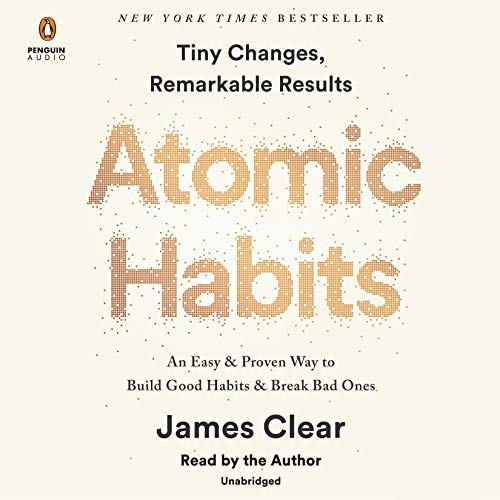
Instead of struggling to find time for a new behavior, you just anchor it to an existing part of your day. It completely removes the friction of getting started.
A habit stack is your secret weapon for consistency. By attaching a new desired behavior to something you already do automatically—like making coffee or brushing your teeth—you eliminate the need for willpower and make progress feel effortless.
Here are a few real-world examples:
- Goal: Learn a new language.
- Habit Stack: “After I pour my morning coffee, I will do one 5-minute Duolingo lesson.”
- Goal: Build a professional network.
- Habit Stack: “Before I close my laptop for the day, I will send one connection request on LinkedIn.”
- Goal: Improve physical health.
- Habit Stack: “Immediately after I change out of my work clothes, I will put on my workout clothes.”
These tiny, stacked habits might not feel like much at first, but they compound into massive progress. For a deeper dive, our guide on how to build healthy habits has even more strategies.
Carve Out Time with Time Blocking
Time blocking is where you schedule specific appointments in your calendar for your most important tasks—and yes, that includes your personal growth. Instead of a vague to-do list, you give every task a home in your schedule. This signals to your brain that your growth is just as important as any work meeting.
Here’s what a simple time-blocked schedule might look like for someone focused on professional development:
| Time | Day | Activity |
|---|---|---|
| 7:30 – 7:45 AM | M-F | Meditate & Journal (Habit Stack) |
| 12:30 – 1:00 PM | Tue/Thu | Read one chapter of leadership book |
| 4:30 – 5:00 PM | Friday | Weekly review & LinkedIn connections |
By putting these actions on your calendar, you’re actively defending your time from the chaos of the day. You’re no longer “finding time” for your goals; you’re making time. This is the final piece of the puzzle, connecting your grand vision to what you do today and making your growth plan a living, breathing part of your life.
Keeping Your Plan Alive: How to Track Progress and Stay Accountable
So, you’ve built your personal growth plan. That’s a huge first step. But let’s be honest—a map is only useful if you actually look at it during the journey. This is where tracking and accountability come into play. They are the feedback loop that transforms your plan from a static document into a living, breathing guide that adapts with you.
This isn’t about being perfect or judging yourself for every misstep. It’s simply about collecting honest data. Think of it like a pilot checking their instruments. You need to know what’s working, what’s not, and when it’s time to adjust your course. Without this, even the most brilliant plans lose steam and eventually fizzle out.
Find Your Tracking Toolkit
The absolute best tracking system is the one you’ll actually use. You don’t need a complex, color-coded beast of a spreadsheet (unless you’re into that!). You just need a tool that fits your personality and makes your progress visible. Seeing your efforts laid out is a powerful motivator in itself.
Some of us are tactile and thrive with simple, physical tools:
- A Daily Journal: Perfect for capturing the “how” and “why” behind your progress. It’s where you can reflect on wins, challenges, and the emotions that come with growth. For a structured but brief approach, many people swear by The Five-Minute Journal.
- A Spreadsheet: A dream for the data-driven mind. A simple Google Sheets or Excel file can become a powerful dashboard tracking your habits, milestone deadlines, and any key numbers you’re focused on.
- A Physical Planner: There’s something powerful about writing things down. A good planner lets you slot your growth tasks right next to your meetings and appointments, weaving them into the fabric of your week.
If you’re more digitally inclined, some fantastic apps offer robust features without being overwhelming:
- Notion: This is the ultimate “build-your-own” solution. It’s incredibly flexible, allowing you to create a personalized growth hub that links your vision, goals, trackers, and journals all in one beautiful space.
- Trello: If you’re a visual thinker, Trello’s card-based system is fantastic. You can literally watch your tasks move from “To-Do” to “In Progress” and, finally, to “Done”—a small but satisfying celebration every time.
The trick is to just pick one and stick with it for a bit. The simple act of tracking builds a muscle of self-awareness and keeps your goals right where they need to be: front and center.

Set a Rhythm for Reviewing Your Progress
Logging your daily efforts is only half the battle. The other half is actually stepping back to look at the data you’ve collected. A consistent review cadence is what stops you from just being busy and ensures you’re actually making progress.
I’ve found that a weekly, monthly, and quarterly rhythm works wonders for most people.
Don’t mistake motion for progress. A regular review is your chance to pause, assess, and make sure your daily hustle is still pointing toward your big-picture vision. It’s the strategic timeout that keeps you on the right path.
Here’s a simple way to structure it:
- Weekly Check-In (15-30 minutes): Think of this as your tactical huddle with yourself. Look back at the past week. Did you do what you said you would? If not, why? No judgment, just curiosity. Then, set a few key priorities for the week ahead.
- Monthly Review (1 hour): Time to zoom out a little. How are you tracking against your monthly milestones? Are you on pace to finish that book or hit your practice hours for a new skill? This is where you can spot patterns and make small course corrections before you drift too far.
- Quarterly Review (2-3 hours): This is your big-picture strategy session. Re-read your personal vision and look at your main SMART goals. Are they still the right ones? Celebrate the major wins from the last 90 days and use what you’ve learned to set clear, exciting priorities for the next quarter.
The Unfair Advantage of Accountability
It’s one thing to make a promise to yourself in the quiet of your own mind. It’s something else entirely to say it out loud to another person. Accountability adds a powerful layer of social commitment that dramatically increases your odds of success, especially on the days when your own motivation is running low.
This doesn’t have to be complicated. You can find accountability in a few different places:
- An Accountability Partner: Find a trusted friend or colleague who’s also working on their own goals. A quick weekly call to share progress, talk through roadblocks, and state your intentions for the next week can be incredibly effective.
- A Mastermind Group: Get together with a small group of 4-6 people who are all dedicated to pushing each other forward. A good mastermind provides a mix of peer support, sharp feedback, and genuine accountability.
- A Coach or Mentor: If you’re serious about accelerating your growth, investing in a professional coach provides structured accountability. They’re trained to help you stay on track, challenge your assumptions, and find solutions you wouldn’t see on your own.
This drive for self-improvement is part of a much larger trend. For example, recent data from Europe showed that 64% of adults engaged in some form of informal learning in 2022. With the book market projected to grow, the appetite for self-directed growth is undeniable. You can find out more about the personal development market and its trends to see the full picture. This just goes to show that by weaving small, accountable actions into your plan, you’re tapping into a global movement toward lifelong learning.
Navigating the Inevitable Bumps in the Road
Setting out on a personal growth journey is an incredible feeling, but let’s be real—it’s never a perfect, straight line from A to B. Life gets in the way. Motivation dips, priorities get shuffled, and unexpected roadblocks appear out of nowhere. Learning how to handle these common hurdles is just as crucial as creating the plan in the first place.
Think of these challenges not as failures, but as feedback. They’re valuable data points that show you where your plan needs a little reinforcement. This is your chance to adapt, learn, and build a more resilient strategy. Let’s dig into the most common sticking points and how to work through them.
What Should I Do If I Lose Motivation?
First off, it’s completely normal. Motivation is a fickle friend, and nobody feels fired up 100% of the time. The secret isn’t to force yourself forward with sheer willpower, which is a resource that runs out quickly. The real trick is to have systems in place for when that initial wave of excitement inevitably fades.
Your first move? Go back to your “why.” Pull out that personal vision statement you wrote. Reading the story of the future you’re building for yourself is often all it takes to reignite that spark. It’s a powerful reminder that the small, sometimes tedious, daily tasks are all connected to a much bigger, more meaningful purpose.
If that doesn’t work, make the next step ridiculously small. Is your goal to “write 500 words”? If the thought of that makes you want to hide, change it to “open the document and write one sentence.” Getting that tiny, non-threatening task done can break through the inertia and often, that’s all you need to keep going.
Motivation isn’t a prerequisite for action; it’s often the result of it. Instead of waiting to feel motivated, take one tiny step. The feeling of making progress is the most powerful motivator there is.
How Often Should I Update My Personal Growth Plan?
Your personal growth plan is a living document, not a stone tablet. It’s meant to evolve as you do. To make sure it stays relevant and actually helps you, you need a regular rhythm for checking in.
Here’s a simple cadence that works wonders:
- Weekly Check-in: A quick, 15-minute review of your weekly tasks. Did you get done what you planned? What stood in your way? What’s the single most important thing for next week?
- Monthly Review: A deeper, 30-60 minute look at your progress toward your quarterly milestones. Are you still on track? What adjustments are needed?
- Quarterly Re-evaluation: A bigger-picture session where you review your main goals and your overall vision. Are these goals still the right ones? Do they need to change based on new priorities or insights?
Never be afraid to pivot. A goal that seemed absolutely essential three months ago might not make sense for you today. Remember, the plan is there to serve your growth, not the other way around.
My Goals Feel Too Big Where Do I Start?
Feeling overwhelmed by a goal is a classic sign that it hasn’t been broken down enough. The “big goal” is your destination, but you only need to see the very next step in front of you.
Take your big one-year SMART goal and start working backward. Ask, “To hit this year-long goal, what do I need to have accomplished in the next 90 days?” Then, take that 90-day goal and slice it into three monthly milestones. Finally, take this month’s milestone and break it into weekly, actionable tasks.
Let’s say your goal is to “Launch a personal blog.” That feels massive.
- 90-Day Goal: Decide on a niche, get the website built, and write the first three blog posts.
- This Month’s Goal: Choose the niche and set up the basic website.
- This Week’s Task: Research and decide on three potential niche ideas.
All of a sudden, that huge, intimidating project becomes a simple research task for this week. This approach creates momentum through small, consistent wins, which is the secret sauce to achieving any ambitious goal. It’s also a powerful tool for managing the self-doubt that creeps in when you’re facing a big challenge. If you find those old beliefs are holding you back, you can explore our guide on overcoming the beliefs that hold you back for more in-depth strategies.
Want More Like This?
I write about the tools, habits, and mindset shifts that actually move the needle. Join the newsletter.
Subscribe here — it’s free, and I don’t waste your time.
