


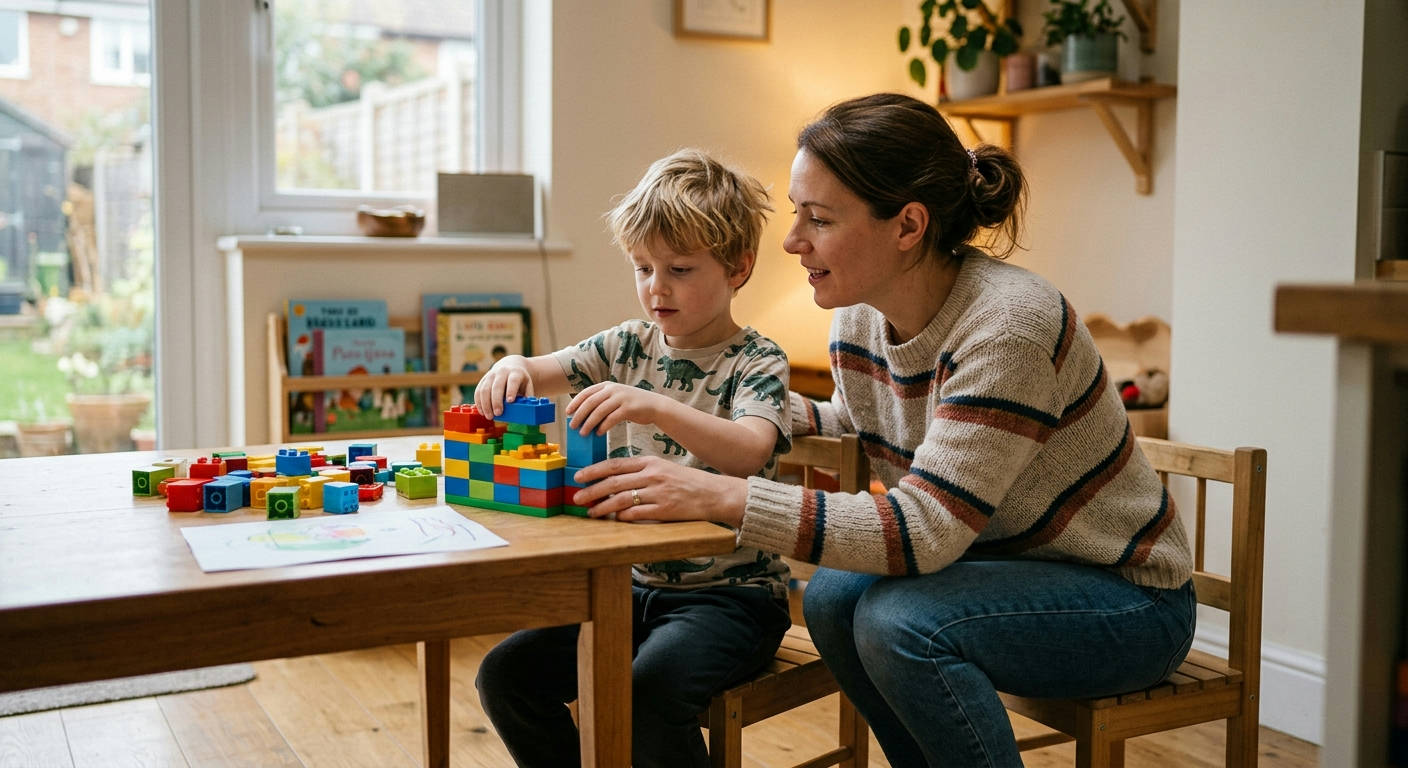
Navigating the complexities of parenting in 2026 requires more than just intuition; it demands a structured, compassionate, and evolving framework for guiding behavior. At David Pexa, we believe that effective parenting is rooted in understanding the biological and psychological development of a child. Discipline, when applied correctly, is not about punishment or control, but about teaching self-regulation and personal responsibility.
The landscape of child development science has shifted significantly. As we look toward the standards of 2026, we prioritize connection over correction. When parents understand how to manage their own mixed emotions, they become better equipped to model the emotional regulation they wish to see in their children.
The Foundation of Age-Appropriate Discipline Methods
Discipline is derived from the Latin word disciplina, meaning “teaching” or “instruction.” In the modern context of 2026, this definition remains our primary guiding principle. Discipline is not a one-size-fits-all approach. It must scale with the child’s cognitive capacity and emotional maturity.
Understanding Toddlerhood: The Era of Boundaries
For children aged 1 to 3, discipline is primarily about safety and the introduction of simple boundaries. At this stage, the frontal lobe—the area responsible for impulse control—is largely undeveloped.
Instead of expecting logic, focus on redirection and environmental management. If a toddler is throwing a toy, remove the object rather than engaging in a complex lecture. Consistency is your greatest tool, and it serves as a cornerstone for personal growth goals that families set together to ensure long-term stability.
The Preschool Years: Introducing Natural Consequences
Between ages 4 and 6, children begin to develop a rudimentary understanding of cause and effect. This is the perfect window to introduce natural consequences.
If a child refuses to put on their coat, allow them to feel a mild chill before helping them. This experience is far more effective than a verbal warning. According to Child Development research, children who experience logical outcomes to their actions develop higher levels of executive functioning by the time they reach middle school.
Mastering Emotional Regulation for Parents
One of the most frequent challenges we see at David Pexa is the parent who loses their cool during a discipline moment. If you are struggling with your own stress, remember that reducing anxiety naturally is an essential part of being an effective disciplinarian. You cannot teach regulation if you are in a state of dysregulation.
Sponsored

When to Walk Away
It is perfectly acceptable to step away during a high-tension situation. If you feel an emotional breakdown approaching, inform your child that you need a moment to collect yourself.
By modeling this, you teach your child that taking space is a healthy, mature way to handle frustration. This strategy is highly effective in 2026, as it shifts the focus from the power struggle to personal management.
“Discipline is the bridge between goals and accomplishment, but when applied to parenting, it must be the bridge between conflict and connection.” — The David Pexa Philosophy
Discipline Methods for School-Aged Children
As children enter the school years, social dynamics and academic pressures become part of their daily life. Discipline must now transition toward collaborative problem-solving.

Collaborative Problem-Solving
Instead of imposing a penalty, sit down with your child and outline the problem. Ask them, “How can we make sure this doesn’t happen tomorrow?”
This empowers the child, making them a stakeholder in the solution. Studies from The National Institute of Child Health and Human Development indicate that children who participate in rule-making are significantly more likely to follow those rules long-term.
The Role of Privileges and Responsibilities
In 2026, the concept of “taking things away” is often replaced by “earning privileges.” Frame the conversation around the value of time and effort.
If screen time is a point of contention, frame it as a privilege earned through the completion of household responsibilities. This creates a positive feedback loop rather than a negative one.
The Pitfalls of Modern Discipline
Many parents today fall into the trap of over-explaining. While communication is vital, long-winded explanations often become “background noise” to a child.
Keeping It Concise
- Use Short Sentences: When a child is misbehaving, keep your instructions to three words or less.
- The Power of Silence: After you give a directive, wait. Do not immediately fill the silence with threats or bribes.
- Non-Verbal Cues: Sometimes a simple look or a hand on a shoulder is more effective than a lecture.
The Dangers of Inconsistency
Inconsistency is the most common disruptor of behavior modification. If the rules change based on the parent’s mood, the child loses their sense of security. Establish a baseline for expectations that remains firm, regardless of external circumstances.
Navigating the Teen Years: Autonomy and Guidance
The teen years require a pivot toward mentorship. By 2026, the influence of social media and digital peer pressure is at an all-time high, making trust more valuable than strict enforcement.
The Mentor-Parent Model
Stop viewing yourself as the police and start viewing yourself as a consultant. Teens will make mistakes; the goal is to ensure they are safe while learning from those mistakes.
When a teenager violates a boundary, discuss the underlying motivation. Was it a need for peer approval? A desire for autonomy? Address the root cause instead of just applying a punishment.
Establishing Non-Negotiables
While you should grant your teen more autonomy, certain areas must remain non-negotiable. Safety, honesty, and mutual respect should be pillars of the household. Everything else can be negotiated, which gives the teen a sense of agency.
“The goal of age-appropriate discipline is not to create compliant children, but to raise capable, reflective, and independent adults who understand the weight of their choices.”
Creating a Consistent Household Environment
Your environment serves as a silent teacher. A home organized for success prevents many of the discipline issues that parents face daily.

Physical Space and Visual Cues
If your child struggles with morning routines, use visual checklists. If they struggle with organization, simplify their space.
By removing the friction from their environment, you reduce the need for constant “discipline.” You are essentially engineering a space where the right choice is the easiest choice.
Routine as the Invisible Disciplinarian
Routines provide a sense of predictability that minimizes anxiety. When a child knows what is coming next, they are far less likely to resist transitions.
In our 2026 consultations, we emphasize that a child who feels in control of their day has much less reason to act out for control. Use alarms, digital calendars, or traditional clocks to structure the day so that the clock becomes the “bad guy,” not the parent.
Handling Behavioral Regressions
It is important to acknowledge that progress is rarely linear. A child who has been well-behaved for months might suddenly regress. This is often a sign of underlying stress or developmental milestones.
Looking Beneath the Surface
When a child regresses, treat it as a data point. Are they having trouble at school? Is there a new change in the household?
Digging deeper into these behaviors prevents the trap of simply “punishing the symptoms.” Address the underlying need, and the behavior will typically resolve itself.
The Importance of Repair
Repairing the relationship after a conflict is arguably more important than the discipline itself. Acknowledge when you have overreacted.
When a parent says, “I am sorry I lost my patience, I want to try that again,” they show their child that humanity and accountability are top priorities. This builds a foundation of mutual trust that will last well into their adulthood.
Frequently Asked Questions (FAQ)
What is the most effective discipline method for a 5-year-old?
At 5 years old, natural consequences and collaborative problem-solving are most effective. Instead of traditional “time-outs,” try a “cozy corner” where the child can calm down, followed by a discussion on how to fix the mistake.
How do I maintain consistency when both parents have different styles?
Consistency is key to effective discipline. Sit down and align on 3-5 “non-negotiable” house rules. Even if your styles differ, the rules must be upheld by both parties to ensure the child feels secure.
When should I seek professional help for my child’s behavior?
If behaviors are interfering with daily life, school performance, or the physical safety of your child or others, it is time to seek professional guidance. At David Pexa, we assist families in distinguishing between normal developmental testing and behaviors that require clinical support.
Is “time-out” outdated in 2026?
The traditional, punitive “time-out” is generally considered ineffective in modern developmental psychology. We recommend “time-in” or “calm-down time,” where the goal is regulation rather than isolation.
Conclusion
Mastering age-appropriate discipline methods is a lifelong journey of patience, learning, and refinement. In 2026, the most successful parents are those who prioritize the relationship over the rulebook. By focusing on emotional regulation, environmental design, and open communication, you can guide your child toward independence and personal responsibility.
Remember that you are not just managing behavior; you are shaping a character. Stay consistent, stay calm, and always keep the long-term goal of a healthy, connected relationship at the forefront of your parenting strategy. For more deep dives into these topics, keep exploring the resources at davidpexa.com.
If this resonates, the full framework lives in Love, Success, Freedom and Boundaries.
A practical playbook for raising emotionally resilient kids — and breaking the patterns you didn’t choose to inherit.
