



The term ‘personal growth’ is a powerful starting point, but it’s a packed suitcase, full of different methods, mindsets, and meanings. For coaches, creators, and anyone serious about progress, using more precise language isn’t just about sounding smart; it’s a strategic move. When you say ‘mindset development’ instead of just ‘growth,’ you immediately clarify your focus. When you discuss ‘habit formation,’ you provide a tangible mechanism for change. This specificity builds trust and attracts the right audience.
This guide is your personal growth thesaurus, designed to deconstruct the umbrella term into 10 distinct, actionable concepts. Think of it as a resource for clearer communication and more effective planning. We’ll explore each term, from emotional intelligence to productivity, and show you exactly how it applies in real-world scenarios.
You’ll get more than just definitions. Inside, you’ll find:
- Specific language to use in your coaching sessions, articles, or social media posts.
- Quick templates for headlines and calls to action.
- SEO keyword suggestions to help your content get discovered.
Whether you’re building a new program, refining your marketing copy, or simply creating a better personal development plan, this curated vocabulary will give you the clarity needed to inspire genuine progress. Let’s move beyond the generic and start speaking the language of actual change.
1. Self-Improvement
As a foundational term in any personal growth thesaurus, “self-improvement” represents the conscious and active pursuit of bettering oneself. It is the deliberate practice of enhancing skills, knowledge, habits, and character through sustained effort. This approach moves beyond passive hope, emphasizing measurable progress and intentional action to upgrade one’s mental, physical, and emotional capabilities.

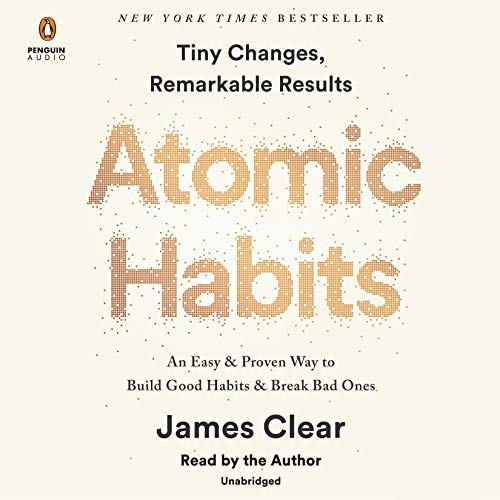
Popularized by authors like James Clear (Atomic Habits) and BJ Fogg (Tiny Habits), this concept is about building systems for betterment. It’s less about a single dramatic change and more about consistent, small upgrades that compound over time.
When to Use “Self-Improvement”
This term is most effective when your message centers on action, discipline, and tangible outcomes. Use it in headlines, copy, or content focused on structured methods and goal attainment. It signals a “how-to” approach rather than a philosophical one.
- For Coaches: Frame your programs around “self-improvement systems” to attract clients who are goal-oriented and ready to put in the work.
- For Content Creators: Develop articles or videos on “self-improvement challenges” like reading 52 books a year or mastering a skill like public speaking through Toastmasters.
- For Individuals: When setting personal goals, thinking in terms of self-improvement encourages you to create a plan with clear, trackable steps, such as using a habit tracker app or a project management tool.
Actionable Tips for Implementation
To make self-improvement stick, focus on process over a single, lofty goal.
Key Insight: Consistent, marginal gains are more effective than sporadic, high-intensity efforts. Aim for a 2% improvement in a chosen area each week, a strategy that builds momentum without causing burnout.
- Isolate Your Focus: Start with one primary area, such as improving your fitness or learning a new professional skill, instead of trying to overhaul your entire life at once.
- Track Your Progress: Use measurable metrics to stay motivated. This could be a journaling app, a simple spreadsheet to track habits, or progress photos.
- Build Accountability: Partner with a friend who has similar goals or join a community dedicated to a specific practice, like a coding bootcamp or a meditation group.
- Review and Adjust: Schedule a monthly check-in with yourself to assess what’s working and what isn’t. Be prepared to adjust your strategy based on real-world results.
2. Mindset Development
A critical component of any personal growth thesaurus, “mindset development” is the practice of cultivating your internal beliefs about potential, failure, and learning. It focuses on evolving your core assumptions, shifting from a fixed mindset (believing abilities are static) to a growth mindset (believing abilities can be developed through effort). This internal work addresses limiting beliefs and builds psychological flexibility, creating the foundation upon which all other growth efforts depend.
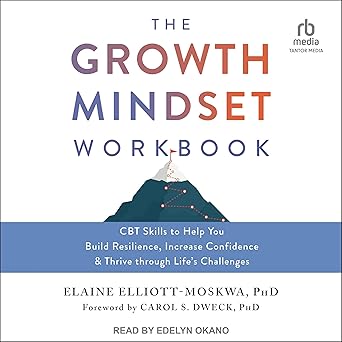
Popularized by researchers like Carol Dweck and thought leaders like Tony Robbins, mindset development is about understanding that your perspective shapes your reality. Practices range from reframing setbacks as learning opportunities to using cognitive behavioral therapy (CBT) techniques to challenge negative thought patterns.
When to Use “Mindset Development”
This term is ideal when your message prioritizes internal shifts, belief systems, and psychological resilience. Use it to discuss the “why” behind behavior change, focusing on the cognitive and emotional roots of our actions. It signals a deeper, more introspective approach.
- For Coaches: Position your services around “mindset development” to attract clients who feel stuck due to self-doubt, fear of failure, or limiting beliefs.
- For Content Creators: Create content on “mindset development exercises,” such as journaling prompts to uncover hidden beliefs or guided meditations for building an abundance mindset.
- For Individuals: When facing recurring obstacles, focus on mindset development to identify the underlying beliefs driving your behavior. You can explore the differences in perspective by reading more about the growth vs. fixed mindset to better understand your own patterns.
Actionable Tips for Implementation
To build a stronger mindset, focus on awareness and intentional redirection of your thoughts.
Key Insight: Your brain is malleable. Consistently challenging old beliefs and introducing new, empowering ones creates new neural pathways, making a growth-oriented perspective your default state over time.
- Audit Your Beliefs: Use a journal to explore your automatic thoughts about challenges, money, relationships, and your own capabilities. Ask yourself: “Where did this belief come from?”
- Practice Self-Compassion: When you experience a setback, treat yourself with the same kindness you would offer a friend. Acknowledge the difficulty without judgment.
- Curate Your Environment: Surround yourself with people, books, and media that embody the growth mindset you want to adopt. Limit exposure to persistent negativity or fixed-mindset thinking.
- Reframe Your Language: Notice when you use absolute terms like “I can’t” or “I’ll never.” Gently reframe them to “I’m still learning how to” or “I’m working on becoming better at this.”

3. Habit Formation
A cornerstone of any personal growth thesaurus, “habit formation” is the process of building automatic behaviors through deliberate repetition and environmental design. It transforms conscious effort into unconscious routine, freeing up mental energy and making sustainable lifestyle changes possible. This concept draws from behavioral psychology and neuroscience, focusing on the cue-routine-reward loop that encodes actions into our brains.

Popularized by thinkers like James Clear (Atomic Habits), Charles Duhigg (The Power of Habit), and BJ Fogg (Tiny Habits), the modern approach to habits emphasizes small, systematic changes. It’s about engineering your environment and psychology to make good behaviors the easiest and most satisfying path.
When to Use “Habit Formation”
This term is ideal when your message focuses on consistency, automation, and long-term change. Use it in content that explains how to integrate new behaviors into daily life, such as establishing a morning routine or building a consistent study practice. It signals a practical, science-backed method for creating lasting results.
- For Coaches: Design programs around “habit formation frameworks” to attract clients who want to replace bad habits with good ones and create sustainable change without relying on willpower alone.
- For Content Creators: Produce content on “habit stacking” for productivity or “designing a habit-friendly environment” to appeal to audiences looking for practical life-hacks.
- For Individuals: When a goal feels overwhelming, reframe it through the lens of habit formation. Instead of “getting fit,” focus on the daily habit of a 15-minute walk.
Actionable Tips for Implementation
To build habits that last, focus on making the process as frictionless and rewarding as possible.
Key Insight: The most effective way to change your behavior is to change your identity. Instead of aiming for an outcome (reading one book), focus on becoming the type of person who reads every day.
- Start Absurdly Small: Make the new habit so easy you can’t say no. To build a reading habit, start with one page per day. The goal is to master the art of showing up.
- Use Habit Stacking: Attach your desired new habit to a solid, existing one. For example: “After I brew my morning coffee, I will meditate for one minute.”
- Make it Obvious and Attractive: Design your environment to prompt the behavior. If you want to drink more water, place a water bottle on your desk.
- Track Your Progress Visually: Mark an ‘X’ on a calendar for each day you complete your habit. This visual proof creates a satisfying feedback loop and builds momentum. For a deeper dive, you can explore more strategies on how to build healthy habits.
4. Emotional Intelligence (EI)
Emotional intelligence (EI) is the capacity to recognize, understand, and manage one’s own emotions while also perceiving and influencing the emotions of others. It moves personal growth from a purely intellectual exercise into the realm of human connection and self-regulation. This concept breaks down into key areas: self-awareness, self-regulation, social awareness, and relationship management.

Popularized by Daniel Goleman and supported by the work of Brené Brown, EI is now seen as a critical factor for success in leadership, relationships, and mental well-being. It is the skill that allows a manager to validate an employee’s feelings during a tough project or an individual to pause and avoid a reactive, damaging decision during a heated argument.
When to Use “Emotional Intelligence”
This term is ideal when the focus is on interpersonal dynamics, empathy, and self-awareness. Use “emotional intelligence” in content that addresses leadership, communication, conflict resolution, or mental resilience. It signals a shift from purely logical or performance-based metrics to a more human-centered approach.
- For Coaches: Market your services around “building emotional intelligence” to attract clients who struggle with workplace relationships, stress management, or leading with empathy.
- For Content Creators: Create guides or workshops on “EI for parents” or “how emotional intelligence boosts your career,” providing practical tools for a specific audience.
- For Individuals: Frame your personal development around EI to improve your relationships. For instance, you might focus on becoming a better listener or understanding your own emotional triggers.
Actionable Tips for Implementation
Developing emotional intelligence is an ongoing practice of observation and intentional response, not a one-time achievement.
Key Insight: The foundation of EI is the ability to accurately name your feelings. Moving beyond “good” or “bad” to specific labels like “frustrated,” “anxious,” or “hopeful” gives you the clarity needed to manage your response.
- Practice the Pause: When you feel a strong emotion rising, consciously create a space between the feeling and your reaction. Take a deep breath before responding.
- Start an Emotion Journal: At the end of each day, write down three emotions you felt and what triggered them. This builds pattern recognition and self-awareness.
- Conduct “Listening Tours”: In conversations, focus entirely on understanding the other person’s perspective without planning your rebuttal. Ask clarifying questions like, “What I hear you saying is… is that right?”
- Seek Gentle Feedback: Ask a trusted friend or colleague, “How did my response in that meeting come across to you?” This helps you understand your emotional impact on others.

5. Continuous Learning
As a key pillar in any personal growth thesaurus, “continuous learning” is the ongoing, self-directed pursuit of knowledge and skill development. It embodies a mindset of active curiosity, where individuals consistently seek out new information, courses, and experiences to expand their capabilities. This approach is not about cramming for an exam but about making learning a sustainable part of everyday life.
Popularized by thinkers like Ryan Holiday and Tim Ferriss, this concept frames learning as a system, not an event. It involves curating sources, dedicating time, and actively applying new knowledge. This could mean reading 50+ books a year, taking MasterClass courses, or subscribing to curated newsletters from experts like David Pexa.
When to Use “Continuous Learning”
This term is ideal when your message focuses on adaptability, knowledge acquisition, and staying relevant. Use it in content that highlights the importance of upskilling and intellectual curiosity for personal and professional sustainability. It signals a long-term commitment to growth rather than a short-term fix.
- For Coaches: Position your services around building a “continuous learning system” for clients who want to future-proof their careers and expand their intellectual horizons.
- For Content Creators: Develop guides on “how to build a learning habit” or create a series reviewing the best online courses on platforms like Coursera or Skillshare.
- For Individuals: When planning your development, frame it as continuous learning. This encourages you to build a personal curriculum of books, podcasts, and workshops aligned with your interests and goals.
Actionable Tips for Implementation
To make continuous learning a reality, build a structured yet flexible system that suits your personal style.
Key Insight: The goal is not just to consume information but to digest and apply it. Batch your learning by topic to achieve depth, then immediately use the knowledge through a project or by teaching it to someone else.
- Curate Your Sources: Aggressively unsubscribe from low-value newsletters and feeds. Focus on high-quality, curated sources to protect your time and attention.
- Create a Learning System: Align your methods with your style. If you’re an auditory learner, prioritize podcasts and audiobooks. If visual, focus on books and video courses.
- Track Your Knowledge: Use a note-taking system like Obsidian or Notion to connect ideas and retain information. This turns passive consumption into an active library of insights.
- Join a Community: Accountability is crucial. Join a mastermind group, a book club, or an online learning community to discuss ideas and stay motivated.
6. Life Coaching and Mentorship
Unlike solitary pursuits, “life coaching and mentorship” introduces an external guide to accelerate personal development. This approach involves working with experienced individuals who provide structured feedback, accountability, and wisdom tailored to your goals. A coach offers frameworks and challenges limiting beliefs, while a mentor shares knowledge from their lived experience, both serving to shorten the learning curve.
Popularized by figures like Tony Robbins and Marshall Goldsmith, this practice formalizes guidance. It’s not just about getting advice; it’s a structured partnership designed to identify blind spots, create a clear action plan, and ensure you follow through.
When to Use “Life Coaching and Mentorship”
This term is ideal when your message focuses on guided transformation and expert accountability. Use it for content that explains how to overcome plateaus, navigate complex transitions, or achieve high-stakes goals with professional support. It signals a move from “doing it yourself” to “doing it with an expert.”
- For Coaches: Position your services as a “mentorship program” to attract clients seeking wisdom and experience, or a “coaching system” for those wanting structured accountability.
- For Content Creators: Develop guides on “how to find the right mentor” or “what to expect from a life coach,” addressing common questions and demystifying the process for your audience.
- For Individuals: When facing a significant career change or a persistent personal challenge, seeking a coach or mentor provides a dedicated support system to keep you on track.
Actionable Tips for Implementation
To maximize the value of coaching, you must be an active participant, not a passive recipient.
Key Insight: The effectiveness of coaching depends on the work done between sessions. Treat meetings as strategic check-ins, not the work itself.
- Define Your “Why”: Before hiring a coach, clearly articulate what success looks like. Write down 3-5 specific, measurable outcomes you want to achieve.
- Conduct Due Diligence: Interview at least two potential coaches. Ask about their methodology, experience with clients like you, and how they measure success.
- Establish Clear Metrics: Work with your coach to set key performance indicators (KPIs) for your goals. This could be a new habit tracked daily or a business revenue target.
- Embrace Group Coaching: If one-on-one coaching is financially out of reach, consider group programs. They offer expert guidance and peer support at a more accessible price point.
7. Wellness and Health Optimization
As a cornerstone of any effective personal growth thesaurus, “wellness and health optimization” views well-being as the engine for all other pursuits. It shifts the focus from merely avoiding sickness to proactively building a foundation of physical and mental vitality. This integrated approach prioritizes sleep quality, nutrition, movement, and stress management as essential inputs for high performance and a fulfilling life.
Popularized by experts like Andrew Huberman and Peter Attia, this concept treats health as a system to be fine-tuned. It involves using evidence-based practices and personal data to make informed decisions about one’s body and mind, recognizing that peak cognitive function and emotional regulation depend on physiological stability.
When to Use “Wellness and Health Optimization”
This phrase is best used when your message emphasizes that physical well-being is a prerequisite for success. It connects with audiences interested in biohacking, longevity, and evidence-based self-care, signaling a scientific and proactive stance.
- For Coaches: Position your services around “health optimization protocols” to attract clients who want data-driven strategies for boosting energy and focus.
- For Content Creators: Develop content on “wellness optimization for busy professionals,” covering topics like sleep hygiene, nutrient-dense meals, and stress-reduction techniques.
- For Individuals: Frame your health goals in terms of optimization. This encourages you to look beyond weight loss to metrics like sleep quality (tracked with an Oura Ring or Fitbit), heart rate variability (HRV), and daily energy levels.
Actionable Tips for Implementation
To apply wellness optimization effectively, begin with the highest-impact areas and build from there.
Key Insight: Prioritize sleep above all else. Most people will see the largest return on investment in their energy, mood, and cognitive function by first optimizing their sleep hygiene and duration.
- Master Your Sleep: Make your bedroom a sanctuary. Keep it cool, dark, and quiet. Avoid screens for at least an hour before bed to support natural melatonin production.
- Move with Intention: Integrate movement into your daily routine. Take walking meetings, use a standing desk, or commit to a 10-minute stretching break every afternoon.
- Track Key Metrics: Use a wearable device or a simple journal to monitor sleep duration, water intake, daily steps, and perceived stress levels. Data provides feedback for making better choices.
- Manage Stress Proactively: Incorporate a 5-minute daily practice of mindfulness, deep breathing exercises (like the Wim Hof method), or a short walk in nature to regulate your nervous system.
8. Productivity and Time Management
In a personal growth thesaurus, “productivity and time management” refers to the systematic approach of allocating, prioritizing, and using time to maximize meaningful output. Modern productivity extends beyond simply working more; it involves managing energy, optimizing focus, and consciously eliminating low-value activities. By creating dependable systems, you reduce mental friction and create protected space for the deep, creative work that drives progress.
Popularized by figures like David Allen (Getting Things Done) and Cal Newport (Deep Work), this concept is about building an operational framework for your life. It moves from chaotic reactivity to intentional action, allowing you to control your day instead of letting your day control you.
When to Use “Productivity and Time Management”
This term is ideal when your message focuses on efficiency, systems, and execution. Use it for content that provides structured methods for getting more done with less stress. It signals a practical, results-driven approach.
- For Coaches: Design programs around “productivity systems” to attract clients feeling overwhelmed and seeking control over their schedules and outputs.
- For Content Creators: Develop tutorials or workshops on “time management techniques” like the Pomodoro method, time-blocking, or creating a “second brain” with tools like Notion.
- For Individuals: When you feel consistently busy but not productive, adopting a time management framework can help you align your daily actions with your long-term goals.
Actionable Tips for Implementation
To make productivity systems work, you must be both disciplined in their application and flexible enough to adjust them.
Key Insight: True productivity isn’t about doing more things; it’s about doing more of what matters. The goal is to create systems that consistently protect your time and energy for high-impact activities.
- Conduct a Time Audit: Before implementing any new system, track your time for one week to get an honest baseline of where your hours actually go.
- Protect Deep Work Blocks: Schedule non-negotiable, 90-minute blocks in your calendar for your most important tasks and treat them like client appointments.
- Batch Similar Tasks: Group related activities, like answering emails, making calls, or running errands, into dedicated time slots to minimize context switching.
- Use the “Two-Minute Rule”: If a task appears and can be done in two minutes or less, do it immediately. This prevents small items from cluttering your to-do list and mind.
- Schedule a Weekly Review: Set aside 30 minutes each week to review what you accomplished, clarify priorities for the upcoming week, and optimize your system.
9. Goal Setting and Achievement
A cornerstone of any personal growth thesaurus, “goal setting and achievement” is the practice of defining desired outcomes and implementing systematic strategies to reach them. It elevates simple wishes into actionable targets by establishing specific, measurable, and time-bound objectives. This structured approach, which includes clear action plans and accountability, converts abstract ambitions into tangible progress and meaningful change.
Popularized by leaders like John Doerr (OKRs) and Tony Robbins, this concept moves beyond just making a list. It’s about building a coherent system where your daily actions directly contribute to your long-term vision, whether that involves setting quarterly business objectives or establishing health goals with clear metrics.
When to Use “Goal Setting and Achievement”
This term is ideal when your message focuses on structure, milestones, and measurable results. It signals a strategic, results-oriented approach that appeals to individuals who want a clear roadmap from their current state to their desired future. Use it for content that provides frameworks for turning vision into reality.
- For Coaches: Structure your offerings around “goal achievement frameworks” to attract clients who need clarity and a step-by-step plan to follow.
- For Content Creators: Develop workshops or articles on “90-day goal sprints” or “setting financial freedom goals,” complete with templates and milestone trackers.
- For Individuals: Adopt this mindset when you feel overwhelmed by a large objective. Break down your career aspirations or financial targets into manageable quarterly or monthly steps to build momentum.

Actionable Tips for Implementation
To make goal setting effective, ensure your objectives are connected to a larger purpose while being grounded in daily action.
Key Insight: The power of a goal is not just in its attainment but in the person you become while pursuing it. The process of building discipline and overcoming obstacles provides growth that lasts long after the goal is met.
- Align with Your Values: Before setting a goal, ask if it aligns with your core values and long-term vision. This intrinsic motivation is crucial for persistence.
- Break It Down: Deconstruct large goals into smaller, less intimidating milestones. For example, turn an annual income target into quarterly revenue goals and weekly outreach activities.
- Track Your Lead Measures: Focus on tracking the daily and weekly actions you can control (e.g., hours spent studying, number of sales calls) rather than just the final outcome.
- Review and Celebrate: Schedule weekly check-ins to review progress and celebrate small wins. This maintains motivation and allows for timely adjustments to your plan. You can learn more about setting effective personal growth goals and the systems that support them.
10. Community and Accountability
This term shifts the focus of a personal growth thesaurus from a solo journey to a collective one. “Community and accountability” represent the use of social connection and peer commitment to accelerate progress. It operates on the principle that surrounding yourself with growth-oriented individuals creates external motivation, shared wisdom, and a powerful incentive to follow through.
This approach acknowledges that growth is rarely achieved in a vacuum. By joining mastermind groups, online forums, or accountability partnerships, individuals tap into diverse perspectives and gain support through challenges. Research consistently shows that having an accountability partner can increase your chances of achieving a goal by 65% or more.
When to Use “Community and Accountability”
This phrase is ideal when your message highlights shared progress, mutual support, and structured commitment. It’s perfect for contexts where individual willpower might falter, and group dynamics can provide the necessary push. Use it to describe programs or methods that are built on peer-to-peer interaction.
- For Coaches: Structure your offerings as “group coaching with built-in accountability” to attract clients who thrive in a collaborative environment and need external support to stay on track.
- For Content Creators: Build a “community challenge” around a specific goal, like a 30-day writing sprint or a fitness program, using platforms like Mighty Networks or a dedicated Slack channel.
- For Individuals: When starting a new, difficult habit, actively seek an “accountability partner” or join a support group. This transforms a personal struggle into a shared mission.
Actionable Tips for Implementation
To make community and accountability effective, the structure and quality of the group are key.
Key Insight: The purpose of an accountability group is not just to celebrate wins but to create a safe space to be vulnerable about setbacks. Honest reporting of failures often provides more learning opportunities than sharing successes.
- Define Clear Rules: Establish a clear cadence for check-ins (e.g., weekly calls), define what will be reported, and set expectations for giving and receiving feedback.
- Seek Alignment: Join communities that align with your specific goals and values. A mismatch in ambition or principles can make the group ineffective or even toxic.
- Contribute Actively: Don’t just take; give back. Offering support, sharing resources, and celebrating others’ progress strengthens the group’s fabric and reinforces your own commitment.
- Be Unafraid to Exit: Regularly evaluate if the community is serving your growth. If it becomes a source of stress, negativity, or distraction, it’s better to leave and find a better fit.
Personal Growth Thesaurus — 10-Point Comparison
| Approach | Implementation Complexity 🔄 | Resource Requirements ⚡ | Expected Outcomes ⭐📊 | Ideal Use Cases 💡 | Key Advantages ⭐ |
|---|---|---|---|---|---|
| Self-Improvement | Medium 🔄 — sustained planning and discipline | Moderate ⚡ — time, tracking tools, low monetary cost | Measurable skill and habit gains ⭐📊 — improved confidence and efficacy | Targeted skill upgrades, personal growth sprints | Structured progress; accountability; scalable |
| Mindset Development | High 🔄 — deep, long-term cognitive work | Low–Moderate ⚡ — reflection, books, coaching optional | Foundational shifts ⭐📊 — greater resilience and learning capacity | Overcoming limiting beliefs; preparing for major change | Enables sustainable behavior change; reduces fear of failure |
| Habit Formation | Medium 🔄 — initial friction then automation | Low–Moderate ⚡ — time, environment tweaks, trackers | High long-term ROI ⭐📊 — automatic routines and reduced friction | Daily routines, health habits, productivity systems | Compounding benefits; reduces decision fatigue |
| Emotional Intelligence (EI) | High 🔄 — ongoing self- and social practice | Moderate ⚡ — time, feedback, training programs | Strong interpersonal impact ⭐📊 — better relationships and leadership | Team leadership, conflict resolution, client-facing roles | Improves communication, regulation, and influence |
| Continuous Learning | Low–Medium 🔄 — systems to avoid overload | Moderate ⚡ — time, courses, curated sources | Enhanced skills and adaptability ⭐📊 — career resilience | Skill maintenance, industry changes, curiosity-driven growth | Keeps knowledge current; broadens capabilities |
| Life Coaching & Mentorship | Variable 🔄 — depends on format and goals | High ⚡ — financial cost, time commitment | Accelerated progress ⭐📊 — faster clarity and implementation | Career pivots, executive development, targeted issues | Personalized guidance; accountability; reduces learning curve |
| Wellness & Health Optimization | Medium–High 🔄 — lifestyle integration and monitoring | Moderate–High ⚡ — time, sometimes cost (coaches, tech) | Increased energy and cognition ⭐📊 — improved baseline performance | High-performance roles, chronic risk reduction, longevity | Foundation for all growth; improves cognitive and physical function |
| Productivity & Time Management | Medium 🔄 — system setup and regular review | Low–Moderate ⚡ — tools, time audits, discipline | Higher output and focus ⭐📊 — more meaningful deep work | Project delivery, knowledge work, busy schedules | Clears cognitive load; aligns actions with priorities |
| Goal Setting & Achievement | Low–Medium 🔄 — planning and review cadence | Low ⚡ — time, simple tracking tools | Clear direction and measurable progress ⭐📊 — goal attainment | OKRs, 90-day sprints, milestone-driven projects | Clarity, measurable milestones, easier course correction |
| Community & Accountability | Low–Medium 🔄 — depends on group dynamics | Low–Moderate ⚡ — time, platforms or membership fees | Higher completion rates ⭐📊 — social motivation and support | Habit change, mastermind groups, learning cohorts | Motivation, diverse perspectives, sustained commitment |
Putting Your New Vocabulary into Action
The journey through this personal growth thesaurus has equipped you with more than just a list of alternative words; it has provided a strategic toolkit for understanding and articulating your development. We’ve moved beyond the generic umbrella of ‘personal growth’ to dissect its vital components, from the foundational blocks of Mindset Development and Habit Formation to the relational dynamics of Life Coaching and Mentorship and Community and Accountability. Each term represents a specific lens, a distinct method, and a unique pathway toward a more intentional life.
Thinking of your progress in terms of Emotional Intelligence (EI) instead of just “being better with people” gives you a measurable framework. Framing your efforts as Continuous Learning rather than simply “reading more” connects your actions to a lifelong philosophy of expansion. This precision is not just semantic; it’s strategic. When you can name a concept with accuracy, you can search for it, measure it, and build a targeted plan around it.
From Concepts to Concrete Action
The true value of this expanded vocabulary lies in its application. Vague goals produce vague results. Specific goals, articulated with precise language, create a clear roadmap for what to do next. This article has given you the map and the legend; now it’s time to choose your destination.
To translate these ideas into tangible outcomes, consider these actionable next steps:
-
Conduct a Personal Audit: Review the ten core areas we covered. Which one represents your biggest opportunity for improvement right now? Is it mastering your schedule through Productivity and Time Management, or is it improving your physical and mental state via Wellness and Health Optimization? Be honest about where you are versus where you want to be.
-
Select One 90-Day Focus: Avoid the trap of trying to change everything at once. Choose a single concept from this personal growth thesaurus as your primary focus for the next quarter. For instance, you might dedicate the next 90 days exclusively to Habit Formation, focusing on installing one key routine that will have a domino effect on other areas of your life.
-
Define Your “What” and “Why”: Once you have your focus area, articulate your goal using the specific language you’ve learned. Instead of “I want to be more productive,” you might say, “My goal is to implement a time-blocking system (Productivity and Time Management) to protect four hours of deep work each week, which will allow me to complete my certification (Continuous Learning) ahead of schedule.” The clarity is empowering.
The Power of Precise Language
Mastering this vocabulary does more than just make you sound knowledgeable; it fundamentally changes how you approach your own development. It allows you to find better resources, connect with the right mentors, and accurately track what is and isn’t working. When you search for “emotional intelligence exercises” instead of “how to be nicer,” you get actionable techniques, not just platitudes.
This personal growth thesaurus is your new operational language. Use it to diagnose challenges, set goals, and celebrate wins with a clarity that was previously out of reach. It turns abstract ambition into a series of well-defined projects.
Ultimately, this is about moving from being a passive passenger in your life to an active architect. Each term, from Goal Setting to Self-Improvement, is a tool in your belt. By learning to use each one with intention, you build a system for progress that is robust, adaptable, and uniquely yours. The path forward is no longer a vague aspiration but a series of clear, actionable steps you can begin taking today.
For those ready to move from vocabulary to structured action, the frameworks and guides from David Pexa are designed to help you implement these concepts systematically. Explore the resources at David Pexa to find practical systems for building habits, optimizing your mindset, and creating a life of intention.
