



While ‘personal growth’ is a familiar and widely understood term, its broadness can sometimes dilute its impact. In coaching, content creation, and even our own journals, the right personal growth synonym isn’t just about vocabulary; it’s about precision, intention, and framing. A corporate leader’s goal of ‘continuous improvement’ is different from an artist’s journey toward ‘self-actualization.’ Likewise, a tech professional’s focus on ‘lifelong learning’ has a different emphasis than a wellness advocate’s pursuit of ‘holistic health integration.’
Choosing the correct language helps clarify goals, connect with specific audiences, and align actions with a desired outcome. For professionals and individuals serious about making real progress, understanding the nuances between these terms is the first step toward more effective development. This guide breaks down eight powerful alternatives to ‘personal growth,’ helping you select the precise term to articulate your objectives and inspire action. We’ll explore the subtle but critical differences in their definitions, common use-cases, and the specific mindsets they encourage, enabling you to communicate with greater clarity and purpose.
1. Self-Improvement and Continuous Improvement (Kaizen)
As a potent personal growth synonym, “self-improvement” focuses on the deliberate, goal-oriented practice of bettering your skills, knowledge, and capabilities. This approach is structured and often involves measurable milestones, such as completing a certification to advance in your career or learning a new language with a dedicated app. It’s about making specific, targeted upgrades to your life.
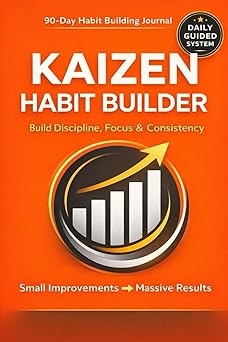
This concept is powerfully paired with “continuous improvement,” or Kaizen, a philosophy rooted in Japanese manufacturing that champions small, incremental enhancements. Instead of attempting massive, overwhelming changes, Kaizen promotes the idea of making 1% improvements daily. These tiny gains compound over time, leading to significant, sustainable results without the burnout associated with drastic overhauls.
When to Use This Phrase
This term is ideal for professional and goal-oriented contexts. Use it when discussing career development, skill acquisition, or productivity systems. It signals a methodical, results-driven approach that resonates with managers, coaches, and individuals focused on tangible achievements. It moves beyond abstract well-being and into concrete, actionable steps.
Key Insight: Combining structured self-improvement goals with the daily practice of Kaizen creates a powerful system. You get both a clear destination and a sustainable, low-friction path to get there.
Actionable Tips for Implementation
- Define with SMART Goals: Make your improvement targets Specific, Measurable, Achievable, Relevant, and Time-bound. For instance, “Read 10 pages of a non-fiction book daily for 30 days.”
- Start Small: Master one tiny change before adding another. This builds momentum and confidence. For more on this, exploring how to build healthy habits can provide a solid foundation.
- Track Everything: Use a journal, app, or simple spreadsheet to monitor your progress. Visual confirmation of your efforts provides powerful motivation.
- Celebrate Micro-Wins: Did you stick to your new habit for a week? Acknowledge it. Celebrating small victories reinforces the behavior and keeps you engaged during slow phases.
2. Self-Development
As a well-rounded personal growth synonym, “self-development” refers to a more integrated, ongoing process of nurturing your intellectual, emotional, physical, and even spiritual dimensions. It moves beyond just acquiring skills and instead balances external learning with internal work like building emotional intelligence, clarifying your purpose, and strengthening your mindset. Think of it as developing the whole person, not just one part.
Popularized by figures like Brené Brown and Marshall Goldsmith, this approach supports sustainable progress across all areas of life, from career and relationships to health and fulfillment. For instance, someone practicing self-development might combine a professional certification with therapy to address limiting beliefs, or integrate meditation and fitness into a routine already packed with career-focused reading.
When to Use This Phrase
This term is best for holistic and introspective contexts. Use it when discussing life coaching, long-term personal evolution, or integrated well-being plans. It signals a commitment to not only what you do but who you are becoming. It’s fitting for conversations that touch on purpose, values, and emotional maturity alongside practical goals.
Key Insight: Self-development champions the idea that professional success is deeply intertwined with personal well-being. By nurturing your internal world (mindset, emotions), you build a stronger foundation for achieving external goals.
Actionable Tips for Implementation
- Perform a Life Audit: Assess yourself across key dimensions like career, health, relationships, finances, and purpose. Identify 2-3 core areas to focus on for the next quarter.
- Integrate Learning: Combine external resources (books, courses) with internal practices (journaling, meditation). For example, read a book on communication and then journal about a difficult conversation.
- Find an Accountability Partner: Share your development goals with a coach or trusted peer who can support your integrated journey and provide an outside perspective.
- Schedule Reflection: Block out time monthly or quarterly to review your progress, acknowledge challenges, and integrate the lessons you’ve learned into your daily life.

3. Self-Actualization
As a profound personal growth synonym, “self-actualization” goes beyond skills and habits to the very core of your being. Popularized by psychologist Abraham Maslow, this concept represents the highest level of psychological development, where you strive to fulfill your unique potential and live in deep alignment with your values and purpose. It’s about answering the question, “Who am I, and what am I here to do?”

This pursuit prioritizes the “why” behind your development. Instead of just improving for a promotion, you might learn a new skill because it connects to a creative passion. Examples include a corporate professional transitioning to entrepreneurship to honor their creative values or an individual discovering a sense of purpose through volunteer work that reorients their entire career. It is the journey toward becoming the most authentic version of yourself.
When to Use This Phrase
This term is best suited for deep, introspective conversations about life purpose, legacy, and fulfillment. Use it in therapeutic settings, life coaching, or personal journaling when the focus is on meaning, not just metrics. It signals a shift from external achievement to internal congruence and authenticity, resonating with those seeking to contribute meaningfully and express their true selves.
Key Insight: Self-actualization is not a final destination but an ongoing process of becoming. It’s about making choices, big and small, that consistently bring your daily life into closer alignment with your deepest-held values and sense of purpose.
Actionable Tips for Implementation
- Conduct a Values Audit: List your top five core values (e.g., creativity, autonomy, community). Rate how well your current job, relationships, and activities align with them on a scale of 1-10.
- Experiment with Interests: Don’t just think, do. Take a pottery class, volunteer for a cause, or start a small side project. Action is the greatest source of clarity.
- Revisit Your Definition of Success: Success is a moving target. Regularly ask yourself what a fulfilling life looks like to you now, and release outdated expectations that no longer serve you. For a deeper dive, explore methods for overcoming limiting beliefs that might be holding you back.
- Work with a Professional: If you feel stuck, a coach or therapist can provide a structured framework and objective feedback to help you uncover your purpose and navigate the required changes.

4. Personal Development
As a practical personal growth synonym, “personal development” describes a comprehensive, action-oriented approach to improving multiple aspects of your life. It is grounded in deliberate learning, habit formation, and applied mindset work. This term moves beyond theory and emphasizes practical, results-focused activities that drive measurable change, from soft skills like communication to hard skills like coding.
Personal development is structured and often involves specific resources, such as enrolling in a leadership program that combines workshops and coaching. It includes using platforms like MasterClass or Skillshare for skill-building, reading business books and applying the lessons, or joining mastermind communities for peer support. The focus is on integrating learning directly into daily work and life.
When to Use This Phrase
This phrase is perfect for contexts that blend professional ambition with individual well-being. Use it when creating a formal development plan, discussing career progression with a mentor, or describing structured learning initiatives. It signals a commitment to a well-rounded, systematic process that is respected in both corporate and entrepreneurial environments.
Key Insight: Personal development is not just about accumulating knowledge; it’s about creating an integrated system of learning, application, and accountability. The goal is to build a cohesive set of skills and habits that reinforce each other.
Actionable Tips for Implementation
- Create a Plan: Define 3-5 key focus areas for your development each year. This provides clarity and prevents you from becoming overwhelmed with too many goals at once.
- Combine Learning and Accountability: Pair learning resources like books or courses with accountability structures. Join a group or find a partner to discuss your progress and challenges.
- Balance Your Skills: Intentionally work on both ‘soft skills’ (e.g., leadership, emotional intelligence) and ‘hard skills’ (e.g., data analysis, a new software) for well-rounded competence.
- Implement a Quarterly Review: Set aside time every three months to assess your progress against your plan. This allows you to celebrate wins and adjust your approach as needed.

5. Self-Mastery
As an intense personal growth synonym, “self-mastery” describes the disciplined pursuit of command over one’s thoughts, emotions, and actions. This concept is about achieving peak performance not by chance, but through deliberate practice, profound self-knowledge, and unyielding mental resilience. It’s the path of athletes like David Goggins or entrepreneurs who build strict daily routines to gain control over their inner world.

Unlike softer approaches, self-mastery is rooted in discipline and consistency. It’s about more than just feeling good; it’s about performing at your best, reliably. Think of executives using meditation to remain calm in high-stakes negotiations or professionals applying cognitive-behavioral techniques to conquer limiting beliefs. This is about forging yourself into the person you need to be to achieve your most ambitious goals.
When to Use This Phrase
This term is perfect for contexts demanding high performance, discipline, and mental toughness. Use “self-mastery” when speaking to athletes, entrepreneurs, leaders, or anyone striving for excellence in a competitive field. It signals a commitment to overcoming internal obstacles and achieving consistent, superior results through rigorous self-control.
Key Insight: Self-mastery isn’t about suppression; it’s about conscious direction. You learn to observe your internal state without being controlled by it, allowing you to act with intention rather than impulse.
Actionable Tips for Implementation
- Identify Your Weak Points: Pinpoint your biggest areas of emotional reactivity or undisciplined behavior. These are your primary training grounds for developing mastery.
- Build Identity-Based Habits: Focus on actions that reinforce the person you are becoming. Instead of “I need to exercise,” think “I am a person who is physically disciplined.” This aligns your actions with your identity.
- Embrace Discomfort: Use tools like cold showers, challenging workouts, or meditation to build mental resilience. Intentionally facing small, controlled stressors strengthens your ability to handle large, uncontrolled ones.
- Track Your Discipline: Use a habit tracker, journal, or other visible system to monitor your consistency. Seeing your progress provides concrete proof of your growing self-control and keeps you motivated.

6. Self-Transformation
As a profound personal growth synonym, “self-transformation” describes a fundamental shift in identity, core beliefs, and your entire worldview. This isn’t about small tweaks; it’s a deep, often intense process that re-engineers your perspective and behaviors from the ground up, addressing root causes rather than surface-level symptoms. Think of it as a complete operating system upgrade for your life.
This process is often catalyzed by major life events or immersive experiences. For example, an intensive business retreat can reframe a leader’s entire approach to their team, while deep therapeutic work can recalibrate how someone relates to their past. The goal is not just to change what you do, but to fundamentally alter who you are being.
When to Use This Phrase
This term is best reserved for conversations about deep, significant, and often life-altering change. Use it when describing major life transitions, recovery from burnout, identity upgrades, or experiences that produce a lasting “before and after” effect. It signals a commitment to profound inner work, resonating in therapeutic, intensive coaching, or spiritual contexts.
Key Insight: True transformation is less about adding new habits and more about shedding an old identity. It requires letting go of limiting beliefs and embracing the discomfort of becoming someone new.
Actionable Tips for Implementation
- Identify Your Limiting Beliefs: Before you can change, you must know what’s holding you back. Journal or work with a coach to articulate the old stories and identity patterns you need to release.
- Seek a Catalyst: Transformation rarely happens in a vacuum. Invest in an external catalyst, such as an immersive workshop, a skilled therapist, or a dedicated coaching program that pushes you beyond your comfort zone.
- Immerse Yourself: Surround yourself with people, information, and environments that align with the new identity you wish to build. Your surroundings are a powerful tool for reinforcing change.
- Plan for Integration: A powerful retreat experience can fade without a plan. Decide how you will anchor your new insights into your daily routines and relationships once you return to your normal life.

7. Lifelong Learning
As a dynamic personal growth synonym, “lifelong learning” represents an ongoing, self-motivated pursuit of knowledge for either personal or professional reasons. It moves beyond formal education to embrace a commitment to continuous intellectual curiosity. This approach blends formal methods, like taking online courses, with informal ones, such as listening to podcasts during a commute or reading books across varied genres.

This mindset is about remaining adaptable, cognitively engaged, and resilient in a changing world. Championed by figures like Microsoft’s Satya Nadella and exemplified by the work of Carol Dweck on the growth mindset, it posits that our capacity to learn is not fixed. Instead, consistent learning builds intellectual capital that compounds over a lifetime, much like financial investments.
When to Use This Phrase
This term is perfectly suited for conversations about professional development, adaptability, and intellectual curiosity. Use it in resumes, performance reviews, or personal mission statements to signal a proactive and forward-thinking attitude. It communicates that you see learning not as a finite task but as an integral part of your identity and career strategy, resonating well in industries that value innovation and expertise.
Key Insight: Lifelong learning isn’t about becoming a trivia expert. It’s about building a “latticework of mental models,” as Charlie Munger described, allowing you to connect diverse ideas to make better decisions in all areas of life.
Actionable Tips for Implementation
- Set a Learning Quota: Dedicate a specific amount of time, such as 30-60 minutes daily or five hours per week, exclusively to learning activities.
- Balance Depth and Breadth: Alternate between deep dives into your core discipline (specialization) and exploring completely unrelated topics (general knowledge) to foster creativity.
- Apply It Immediately: To retain new information, find a way to use it. Discuss it with a colleague, write a short summary, or find a small way to implement the concept at work.
- Build a Learning Community: Join or create a group of peers to discuss books, courses, or new ideas. Shared accountability and discussion deepen understanding and retention.

8. Wellness and Holistic Health Integration
Functioning as a comprehensive personal growth synonym, “wellness and holistic health integration” frames development as a unified system. It combines physical health, mental and emotional well-being, and spiritual alignment, asserting that improvements in one area support all others. This approach moves beyond isolated goals, like running a marathon, to building a foundation of vitality that makes all achievements more sustainable.
The core idea is that you cannot optimize professional performance while neglecting your health. This concept involves building routines that support the whole person, such as structuring work to include movement breaks or adopting a nutritional plan for sustained cognitive energy. It’s about creating an upward spiral where better sleep leads to better focus, which in turn leads to better work, reducing stress and improving sleep quality.
When to Use This Phrase
This term is perfect for contexts that connect personal well-being to performance, such as corporate wellness programs, executive coaching, or health-focused content. It signals a sophisticated understanding that burnout is not a badge of honor and that long-term success requires a foundation of health. Use it to appeal to audiences interested in neuroscience, biohacking, and sustainable high-performance lifestyles.
Key Insight: True personal growth is not about pushing yourself to the point of breaking. It’s about building a robust system of health that makes excellence the natural outcome, not a forced effort.
Actionable Tips for Implementation
- Establish a Baseline: Before making changes, assess where you stand. Rate your physical energy, mental clarity, emotional state, and sense of purpose on a scale of 1-10 to identify the area needing the most attention.
- Focus on a Single Pillar: Instead of a complete life overhaul, dedicate one month to a single area. For example, focus solely on sleep hygiene in January, then on nutrition in February.
- Integrate Movement: Weave activity into your professional life. Take walking meetings, do a five-minute stretch session between tasks, or use your lunch break for a quick workout.
- Prioritize Sleep: Treat sleep as the bedrock of your well-being. Nearly every aspect of your physical and mental health depends on it. Aim for 7-9 hours of quality sleep and maintain a consistent schedule.
- Manage Your Stress Response: Proactively manage stress before it becomes chronic. Exploring techniques for reducing anxiety naturally can provide effective tools for emotional regulation.

Comparison of 8 Personal Growth Concepts
| Approach | 🔄 Complexity (implementation) | 💡 Resources Required (time/cost/support) | 📊 Expected Outcomes (impact) | ⚡ Ideal Use Cases (when to use) | ⭐ Key Advantages |
|---|---|---|---|---|---|
| Kaizen / Self-Improvement | Moderate — iterative daily steps, low disruption | Low–Moderate time; minimal cost; habit tools or apps | ⭐⭐⭐⭐ — measurable, cumulative skill gains | Routine skill upgrades, habit formation, process optimization | Measurable progress; sustainable; quick wins |
| Self-Development (Holistic) | Moderate–High — broad scope across life domains | Moderate time; may need coaching/therapy; ongoing commitment | ⭐⭐⭐ — balanced long-term personal growth | Improving wellbeing, relationships, leadership capacity | Balanced growth; emotional resilience; reduced burnout |
| Self-Actualization | High — deep introspection, potential major shifts | High time for reflection; possible therapy/mentorship | ⭐⭐⭐⭐ — deep fulfillment, subjective but durable | Purpose discovery, life realignment, values-driven change | Authenticity; purposeful decisions; lasting satisfaction |
| Personal Development | Moderate — practical, action-oriented plans | Moderate resources: courses, books, coaching; variable cost | ⭐⭐⭐⭐ — applied skills and measurable competency gains | Career advancement, leadership training, applied learning | Practical, immediately applicable, abundant resources |
| Self-Mastery | High — disciplined, long-term deliberate practice | High time and discipline; mentorship; physical/mental routines | ⭐⭐⭐⭐⭐ — consistent peak performance and resilience | High-stakes roles (athletes, executives), stress management | Exceptional consistency; superior decision-making; mental toughness |
| Self-Transformation | High — intensive, potentially disruptive change | High investment: retreats, coaching, therapy; external catalysts | ⭐⭐⭐⭐ — rapid, root-cause identity and behavior shifts | Major life transitions, trauma recovery, career pivots | Breakthrough results; identity change; renewed motivation |
| Lifelong Learning | Low–Moderate — ongoing, systematized learning | Moderate time weekly; courses/books/podcasts; variable cost | ⭐⭐⭐⭐ — sustained adaptability and expanding expertise | Maintaining career relevance, curiosity-driven growth | Adaptability; broad perspective; cognitive vitality |
| Wellness & Holistic Health | Moderate–High — multi-domain integration | Moderate time; possible professional support; tools/wearables | ⭐⭐⭐⭐ — improved energy, recovery, long-term performance | Preventing burnout, sustaining productivity, health-first growth | Sustainable vitality; better recovery; foundation for other growth |
Choosing Your Framework: From Words to Action
The journey of human potential is vast, and the language we use to navigate it shapes our path. This exploration has revealed that moving beyond a generic phrase and finding the right personal growth synonym is not merely a semantic exercise. It’s about defining our intentions with precision, which directly influences our focus and actions. The words we choose become the very architecture of our aspirations.
Whether you are drawn to the incremental, daily gains of continuous improvement or the profound identity shifts associated with self-transformation, your selected framework provides a powerful lens. It helps you see your progress, measure your efforts, and stay motivated when challenges arise. The disciplined pursuit of self-mastery requires a different mindset and toolkit than the integrative approach of holistic health. Recognizing this distinction is the first step toward building a truly effective plan.
From Vocabulary to Actionable Strategy
The key takeaway is to select a term that aligns with your current goals, your core values, and the specific context of your life. A student focused on acquiring new skills will find immense value in a lifelong learning model, while a professional aiming for peak performance might adopt a personal development plan.
To make this practical, consider these next steps:
- Identify Your Resonant Framework: Review the synonyms we’ve discussed. Which one genuinely sparks a sense of purpose for you right now? Your choice can and should evolve as you do.
- Create a Concrete Action Plan: Once you have your term, use it as a guiding principle. If you chose “self-development,” your plan might involve taking a specific course or finding a mentor. If you chose “wellness integration,” it could mean scheduling time for mindfulness and physical activity.
- Find Aligned Resources: Use your chosen synonym to search for books, podcasts, coaches, and communities. The language will connect you with a tribe and a body of knowledge that speaks directly to your objectives.
The most powerful framework is always the one you consistently apply. The words themselves are just the start; they are the signposts pointing you toward a destination. Your commitment to taking the next step, and the one after that, is what truly builds momentum. What will your next step be?
If you’re ready to move from understanding these concepts to building a practical, structured system for your own growth, explore the resources at David Pexa. The frameworks and tools available at David Pexa are designed to help you turn intention into concrete, measurable progress, no matter which personal growth synonym you choose.
