


Summary: Behavioral Strengths of a Child: What Your Child’s Worst Behavior Is Really Telling You. A framework for understanding what’s really going on — and what to do about it.
I’ve worked with young people whose parents described them as “difficult” or “impossible.” Almost every time, the behavior they were most worried about was a strength being expressed in the wrong context. Once the parents could see that, everything shifted.
Your child’s worst behavior is hiding their greatest strength.
That sentence might sound backwards. But stay with me — because if you’re searching for “behavioral strengths of a child,” you already suspect something that most parents never figure out.
You sense that there’s more going on beneath the surface. That the tantrums, the defiance, the shutdowns — they’re not just problems to fix. They’re signals. And you’re right.
The question isn’t what’s wrong with my child? The question is what is this behavior actually telling me?
Why Behavioral Strengths Matter More Than You Think
Most parenting advice starts with the behavior and tries to eliminate it. Stop the tantrum. End the backtalk. Fix the attitude.
But here’s what you might miss: every challenging behavior in a child is a strength being expressed in the wrong context.
Think of it like a river. A river that floods a town isn’t a “bad” river — it’s powerful water without a channel. The water isn’t the problem. The missing channel is.
Your child’s stubbornness? That’s persistence without direction. Their emotional intensity? That’s depth of feeling without an outlet. Their need to argue every point? That’s critical thinking without a framework for using it well.
When you learn to see behavior this way, everything shifts. You stop trying to break the river and start building the channel.
The Behavioral Strengths Most Parents Overlook
Here are some of the most common “problem behaviors” and the strengths hiding inside them. As you read through these, think about your own child — you’ll probably recognize at least two or three.
The child who argues everything
Hidden strength: Independent thinking and verbal intelligence. This child won’t accept ideas at face value — they need to understand why. In adulthood, this becomes the ability to negotiate, advocate, and lead. Right now, they need a parent who can channel that drive by inviting debate rather than shutting it down. Try saying, “That’s an interesting point — make your case.”
The child who’s “too sensitive”
Hidden strength: Emotional depth and empathy. These children feel everything at high volume. They notice when someone’s upset. They absorb the emotional atmosphere of a room. This isn’t weakness — it’s perceptive intelligence. What they need isn’t toughening up; it’s learning that their sensitivity is a tool, not a burden.
The child who can’t sit still
Hidden strength: Physical energy and kinesthetic learning. This child processes the world through movement. They think with their body. In a system designed for sitting quietly, they look “disordered.” Outside that system, they’re builders, athletes, and creators. They need movement woven into their learning, not stripped away from it.
The child who daydreams constantly
Hidden strength: Rich inner world and creative capacity. While other kids are focused on the task in front of them, this child is building entire worlds in their head. That’s not distraction — it’s imagination running at full throttle. They need creative outlets that honor this, not punishments for “not paying attention.”
The child who’s bossy with other kids
Hidden strength: Leadership instinct and organizational thinking. They see how things could work better and they try to make it happen — just without the social finesse to do it gracefully yet. What they need isn’t to be told to stop leading. They need help learning how to lead in a way that brings people along instead of pushing them away.
The child who refuses to follow rules
Hidden strength: Autonomy drive and a strong internal compass. This child isn’t defiant for sport — they resist rules that don’t make sense to them. They need to understand the reason behind a boundary, not just the boundary itself. When you explain the why, you’ll find they actually have a deep sense of fairness.
How to Start Seeing Strengths Instead of Problems
Recognizing behavioral strengths isn’t about ignoring bad behavior or making excuses. It’s about changing the lens — moving from “what do I need to stop?” to “what is this child actually showing me?”
Here’s how to start:
Step 1: Name the behavior without judgment.
Instead of “She’s being dramatic again,” try “She’s having a big emotional response.” This one shift takes the moral charge out of the moment and lets you see more clearly.
Step 2: Ask what strength might be underneath.
Every behavior exists because it serves a purpose for the child. Arguing gets them heard. Sensitivity helps them navigate relationships. Defiance protects their sense of self. What purpose is this behavior serving?
Step 3: Separate the strength from the context.
The strength itself isn’t the problem — the context is. A child who argues with their teacher is using independent thinking in a context where it creates conflict. The goal isn’t to eliminate the independent thinking. It’s to help them learn when and how to deploy it.
Step 4: Reflect the strength back to them.
Children build their identity based on what the important adults in their life reflect back. If all they hear is “stop that,” they learn that who they are is a problem. But when you say, “You know what? You’re really persistent — let’s figure out how to use that,” you give them something entirely different: a framework for understanding themselves.
This is where real change happens. Not in controlling behavior, but in helping a child see themselves clearly — strengths and all.
What Changes When You See Your Child This Way
Parents who learn to identify behavioral strengths report something unexpected: the relief isn’t just for the child. It’s for them, too.
Because here’s what most of us carry around without realizing it: a quiet fear that something is wrong with our child. That the behavior means you’ve failed. That you’re the only one dealing with this.
When you start seeing strengths instead of deficits, that fear loses its grip. You stop reacting to behavior from a place of anxiety and start responding from a place of understanding. Your child feels the difference — and their behavior often shifts without you having to “do” anything at all.
This isn’t wishful thinking. It’s what happens when someone finally feels seen for who they actually are instead of being managed for what they do.
Going Deeper
If this resonated — if you read those descriptions and thought, “That’s my kid” — then I want to help you go further.
I wrote a book called Love, Success, Freedom and Boundaries that gives young people (and their parents) a framework for understanding themselves at a deeper level. It takes the exact approach I’ve been talking about here — seeing clearly, building frameworks, turning confusion into clarity — and puts it into a structure you can actually use.
If this resonated, go deeper. My book Love, Success, Freedom and Boundaries gives you twelve frameworks for seeing the patterns that shape your life — and changing the ones that aren’t working.
Frequently Asked Questions
What are behavioral strengths in a child?
Behavioral strengths are the positive patterns a child shows through their actions — persistence, curiosity, empathy, adaptability. These often hide behind behaviors that adults label as problems. A child who argues constantly may actually have strong critical thinking skills.
How do I identify my child’s behavioral strengths?
Watch what your child does when they’re not being directed. Their natural inclinations — what they gravitate toward, how they solve problems, how they interact with others — reveal their real strengths.
Can difficult behavior actually be a strength?
Absolutely. Stubbornness is persistence. Bossiness is leadership. Sensitivity is emotional intelligence. The behavior that frustrates you most often points to a strength that hasn’t found its proper channel yet.
Keep Reading
- Manipulative Child Behavior Symptoms: What You’re Really Seeing
- Two Different Kids: When Your Child Is Fine at School and Falling Apart at Home
- Your Child’s Anger Isn’t the Problem. Here’s What Is.
If you find yourself wanting to put words to what’s happening with your kid — drafting a hard conversation, journaling what you noticed, writing the script you wish you had — the tool I use to draft most of my words is Wispr Flow. It transcribes your voice into clean, edited text in real time, so the friction between thinking it and writing it basically disappears.
If this resonated — if you read those descriptions and thought, “That’s my kid” — then I want to help you go further.
I wrote a book called Love, Success, Freedom and Boundaries that gives young people (and their parents) a framework for understanding themselves at a deeper level. It takes the exact approach I’ve been talking about here — seeing clearly, building frameworks, turning confusion into clarity — and puts it into a structure you can actually use.
If this resonated, go deeper. My book Love, Success, Freedom and Boundaries gives you twelve frameworks for seeing the patterns that shape your life — and changing the ones that aren’t working.
Frequently Asked Questions
What are behavioral strengths in a child?
Behavioral strengths are the positive patterns a child shows through their actions — persistence, curiosity, empathy, adaptability. These often hide behind behaviors that adults label as problems. A child who argues constantly may actually have strong critical thinking skills.
How do I identify my child’s behavioral strengths?
Watch what your child does when they’re not being directed. Their natural inclinations — what they gravitate toward, how they solve problems, how they interact with others — reveal their real strengths.
Can difficult behavior actually be a strength?
Absolutely. Stubbornness is persistence. Bossiness is leadership. Sensitivity is emotional intelligence. The behavior that frustrates you most often points to a strength that hasn’t found its proper channel yet.
Keep Reading
- Manipulative Child Behavior Symptoms: What You’re Really Seeing
- Two Different Kids: When Your Child Is Fine at School and Falling Apart at Home
- Your Child’s Anger Isn’t the Problem. Here’s What Is.
If you find yourself wanting to put words to what’s happening with your kid — drafting a hard conversation, journaling what you noticed, writing the script you wish you had — the tool I use to draft most of my words is Wispr Flow. It transcribes your voice into clean, edited text in real time, so the friction between thinking it and writing it basically disappears.
If this resonated — if you read those descriptions and thought, “That’s my kid” — then I want to help you go further.
Frequently Asked Questions
What are behavioral strengths in a child?
Behavioral strengths are the positive patterns a child shows through their actions — persistence, curiosity, empathy, adaptability. These often hide behind behaviors that adults label as problems. A child who argues constantly may actually have strong critical thinking skills.
How do I identify my child’s behavioral strengths?
Watch what your child does when they’re not being directed. Their natural inclinations — what they gravitate toward, how they solve problems, how they interact with others — reveal their real strengths.
Can difficult behavior actually be a strength?
Absolutely. Stubbornness is persistence. Bossiness is leadership. Sensitivity is emotional intelligence. The behavior that frustrates you most often points to a strength that hasn’t found its proper channel yet.
Keep Reading
- Manipulative Child Behavior Symptoms: What You’re Really Seeing
- Two Different Kids: When Your Child Is Fine at School and Falling Apart at Home
- Your Child’s Anger Isn’t the Problem. Here’s What Is.
If you find yourself wanting to put words to what’s happening with your kid — drafting a hard conversation, journaling what you noticed, writing the script you wish you had — the tool I use to draft most of my words is Wispr Flow. It transcribes your voice into clean, edited text in real time, so the friction between thinking it and writing it basically disappears.
If this resonated — if you read those descriptions and thought, “That’s my kid” — then I want to help you go further.
I wrote a book called Love, Success, Freedom and Boundaries that gives young people (and their parents) a framework for understanding themselves at a deeper level. It takes the exact approach I’ve been talking about here — seeing clearly, building frameworks, turning confusion into clarity — and puts it into a structure you can actually use.
If this resonated, go deeper. My book Love, Success, Freedom and Boundaries gives you twelve frameworks for seeing the patterns that shape your life — and changing the ones that aren’t working.
Frequently Asked Questions
What are behavioral strengths in a child?
Behavioral strengths are the positive patterns a child shows through their actions — persistence, curiosity, empathy, adaptability. These often hide behind behaviors that adults label as problems. A child who argues constantly may actually have strong critical thinking skills.
How do I identify my child’s behavioral strengths?
Watch what your child does when they’re not being directed. Their natural inclinations — what they gravitate toward, how they solve problems, how they interact with others — reveal their real strengths.
Can difficult behavior actually be a strength?
Absolutely. Stubbornness is persistence. Bossiness is leadership. Sensitivity is emotional intelligence. The behavior that frustrates you most often points to a strength that hasn’t found its proper channel yet.
Keep Reading
- Manipulative Child Behavior Symptoms: What You’re Really Seeing
- Two Different Kids: When Your Child Is Fine at School and Falling Apart at Home
- Your Child’s Anger Isn’t the Problem. Here’s What Is.
If you find yourself wanting to put words to what’s happening with your kid — drafting a hard conversation, journaling what you noticed, writing the script you wish you had — the tool I use to draft most of my words is Wispr Flow. It transcribes your voice into clean, edited text in real time, so the friction between thinking it and writing it basically disappears.
If this resonated — if you read those descriptions and thought, “That’s my kid” — then I want to help you go further.
I wrote a book called Love, Success, Freedom and Boundaries that gives young people (and their parents) a framework for understanding themselves at a deeper level. It takes the exact approach I’ve been talking about here — seeing clearly, building frameworks, turning confusion into clarity — and puts it into a structure you can actually use.
If this resonated, go deeper. My book Love, Success, Freedom and Boundaries gives you twelve frameworks for seeing the patterns that shape your life — and changing the ones that aren’t working.
Frequently Asked Questions
What are behavioral strengths in a child?
Behavioral strengths are the positive patterns a child shows through their actions — persistence, curiosity, empathy, adaptability. These often hide behind behaviors that adults label as problems. A child who argues constantly may actually have strong critical thinking skills.
How do I identify my child’s behavioral strengths?
Watch what your child does when they’re not being directed. Their natural inclinations — what they gravitate toward, how they solve problems, how they interact with others — reveal their real strengths.
Can difficult behavior actually be a strength?
Absolutely. Stubbornness is persistence. Bossiness is leadership. Sensitivity is emotional intelligence. The behavior that frustrates you most often points to a strength that hasn’t found its proper channel yet.
Keep Reading
- Manipulative Child Behavior Symptoms: What You’re Really Seeing
- Two Different Kids: When Your Child Is Fine at School and Falling Apart at Home
- Your Child’s Anger Isn’t the Problem. Here’s What Is.
If you find yourself wanting to put words to what’s happening with your kid — drafting a hard conversation, journaling what you noticed, writing the script you wish you had — the tool I use to draft most of my words is Wispr Flow. It transcribes your voice into clean, edited text in real time, so the friction between thinking it and writing it basically disappears.
If this resonated — if you read those descriptions and thought, “That’s my kid” — then I want to help you go further.
Frequently Asked Questions
What are behavioral strengths in a child?
Behavioral strengths are the positive patterns a child shows through their actions — persistence, curiosity, empathy, adaptability. These often hide behind behaviors that adults label as problems. A child who argues constantly may actually have strong critical thinking skills.
How do I identify my child’s behavioral strengths?
Watch what your child does when they’re not being directed. Their natural inclinations — what they gravitate toward, how they solve problems, how they interact with others — reveal their real strengths.
Can difficult behavior actually be a strength?
Absolutely. Stubbornness is persistence. Bossiness is leadership. Sensitivity is emotional intelligence. The behavior that frustrates you most often points to a strength that hasn’t found its proper channel yet.
Keep Reading
- Manipulative Child Behavior Symptoms: What You’re Really Seeing
- Two Different Kids: When Your Child Is Fine at School and Falling Apart at Home
- Your Child’s Anger Isn’t the Problem. Here’s What Is.
If you find yourself wanting to put words to what’s happening with your kid — drafting a hard conversation, journaling what you noticed, writing the script you wish you had — the tool I use to draft most of my words is Wispr Flow. It transcribes your voice into clean, edited text in real time, so the friction between thinking it and writing it basically disappears.
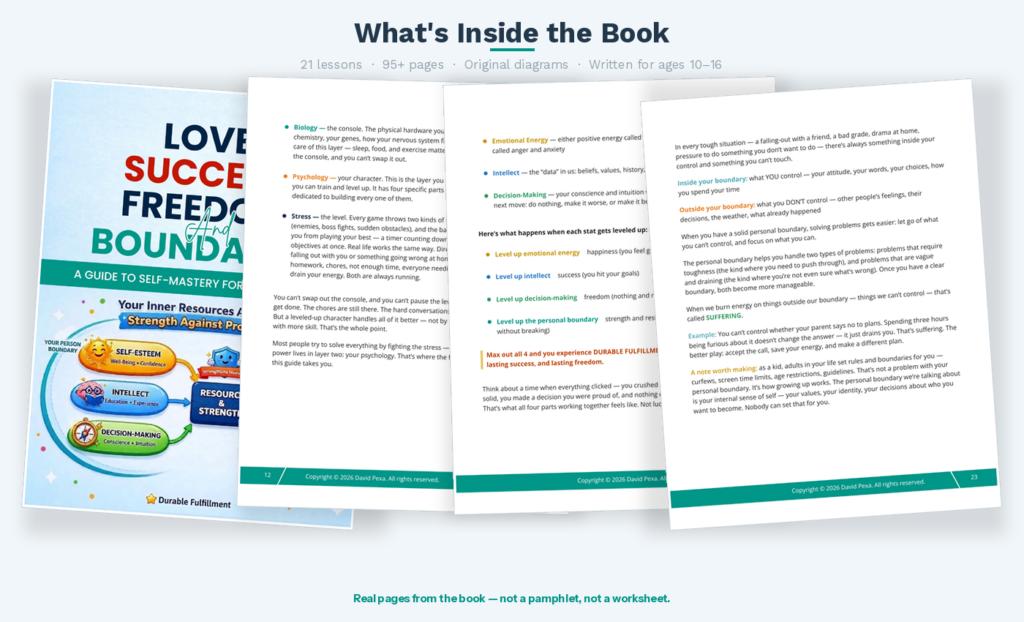
If this resonated — if you read those descriptions and thought, “That’s my kid” — then I want to help you go further.
Frequently Asked Questions
What are behavioral strengths in a child?
Behavioral strengths are the positive patterns a child shows through their actions — persistence, curiosity, empathy, adaptability. These often hide behind behaviors that adults label as problems. A child who argues constantly may actually have strong critical thinking skills.
How do I identify my child’s behavioral strengths?
Watch what your child does when they’re not being directed. Their natural inclinations — what they gravitate toward, how they solve problems, how they interact with others — reveal their real strengths.
Can difficult behavior actually be a strength?
Absolutely. Stubbornness is persistence. Bossiness is leadership. Sensitivity is emotional intelligence. The behavior that frustrates you most often points to a strength that hasn’t found its proper channel yet.
Keep Reading
- Manipulative Child Behavior Symptoms: What You’re Really Seeing
- Two Different Kids: When Your Child Is Fine at School and Falling Apart at Home
- Your Child’s Anger Isn’t the Problem. Here’s What Is.
If you find yourself wanting to put words to what’s happening with your kid — drafting a hard conversation, journaling what you noticed, writing the script you wish you had — the tool I use to draft most of my words is Wispr Flow. It transcribes your voice into clean, edited text in real time, so the friction between thinking it and writing it basically disappears.
If this resonated — if you read those descriptions and thought, “That’s my kid” — then I want to help you go further.
I wrote a book called Love, Success, Freedom and Boundaries that gives young people (and their parents) a framework for understanding themselves at a deeper level. It takes the exact approach I’ve been talking about here — seeing clearly, building frameworks, turning confusion into clarity — and puts it into a structure you can actually use.
If this resonated, go deeper. My book Love, Success, Freedom and Boundaries gives you twelve frameworks for seeing the patterns that shape your life — and changing the ones that aren’t working.
Frequently Asked Questions
What are behavioral strengths in a child?
Behavioral strengths are the positive patterns a child shows through their actions — persistence, curiosity, empathy, adaptability. These often hide behind behaviors that adults label as problems. A child who argues constantly may actually have strong critical thinking skills.
How do I identify my child’s behavioral strengths?
Watch what your child does when they’re not being directed. Their natural inclinations — what they gravitate toward, how they solve problems, how they interact with others — reveal their real strengths.
Can difficult behavior actually be a strength?
Absolutely. Stubbornness is persistence. Bossiness is leadership. Sensitivity is emotional intelligence. The behavior that frustrates you most often points to a strength that hasn’t found its proper channel yet.
Keep Reading
- Manipulative Child Behavior Symptoms: What You’re Really Seeing
- Two Different Kids: When Your Child Is Fine at School and Falling Apart at Home
- Your Child’s Anger Isn’t the Problem. Here’s What Is.
If you find yourself wanting to put words to what’s happening with your kid — drafting a hard conversation, journaling what you noticed, writing the script you wish you had — the tool I use to draft most of my words is Wispr Flow. It transcribes your voice into clean, edited text in real time, so the friction between thinking it and writing it basically disappears.
If this resonated — if you read those descriptions and thought, “That’s my kid” — then I want to help you go further.
Frequently Asked Questions
What are behavioral strengths in a child?
Behavioral strengths are the positive patterns a child shows through their actions — persistence, curiosity, empathy, adaptability. These often hide behind behaviors that adults label as problems. A child who argues constantly may actually have strong critical thinking skills.
How do I identify my child’s behavioral strengths?
Watch what your child does when they’re not being directed. Their natural inclinations — what they gravitate toward, how they solve problems, how they interact with others — reveal their real strengths.
Can difficult behavior actually be a strength?
Absolutely. Stubbornness is persistence. Bossiness is leadership. Sensitivity is emotional intelligence. The behavior that frustrates you most often points to a strength that hasn’t found its proper channel yet.
Keep Reading
- Manipulative Child Behavior Symptoms: What You’re Really Seeing
- Two Different Kids: When Your Child Is Fine at School and Falling Apart at Home
- Your Child’s Anger Isn’t the Problem. Here’s What Is.
If you find yourself wanting to put words to what’s happening with your kid — drafting a hard conversation, journaling what you noticed, writing the script you wish you had — the tool I use to draft most of my words is Wispr Flow. It transcribes your voice into clean, edited text in real time, so the friction between thinking it and writing it basically disappears.
If this resonated — if you read those descriptions and thought, “That’s my kid” — then I want to help you go further.
I wrote a book called Love, Success, Freedom and Boundaries that gives young people (and their parents) a framework for understanding themselves at a deeper level. It takes the exact approach I’ve been talking about here — seeing clearly, building frameworks, turning confusion into clarity — and puts it into a structure you can actually use.
If this resonated, go deeper. My book Love, Success, Freedom and Boundaries gives you twelve frameworks for seeing the patterns that shape your life — and changing the ones that aren’t working.
Frequently Asked Questions
What are behavioral strengths in a child?
Behavioral strengths are the positive patterns a child shows through their actions — persistence, curiosity, empathy, adaptability. These often hide behind behaviors that adults label as problems. A child who argues constantly may actually have strong critical thinking skills.
How do I identify my child’s behavioral strengths?
Watch what your child does when they’re not being directed. Their natural inclinations — what they gravitate toward, how they solve problems, how they interact with others — reveal their real strengths.
Can difficult behavior actually be a strength?
Absolutely. Stubbornness is persistence. Bossiness is leadership. Sensitivity is emotional intelligence. The behavior that frustrates you most often points to a strength that hasn’t found its proper channel yet.
Keep Reading
- Manipulative Child Behavior Symptoms: What You’re Really Seeing
- Two Different Kids: When Your Child Is Fine at School and Falling Apart at Home
- Your Child’s Anger Isn’t the Problem. Here’s What Is.
If you find yourself wanting to put words to what’s happening with your kid — drafting a hard conversation, journaling what you noticed, writing the script you wish you had — the tool I use to draft most of my words is Wispr Flow. It transcribes your voice into clean, edited text in real time, so the friction between thinking it and writing it basically disappears.
If this resonated — if you read those descriptions and thought, “That’s my kid” — then I want to help you go further.
I wrote a book called Love, Success, Freedom and Boundaries that gives young people (and their parents) a framework for understanding themselves at a deeper level. It takes the exact approach I’ve been talking about here — seeing clearly, building frameworks, turning confusion into clarity — and puts it into a structure you can actually use.
If this resonated, go deeper. My book Love, Success, Freedom and Boundaries gives you twelve frameworks for seeing the patterns that shape your life — and changing the ones that aren’t working.
Frequently Asked Questions
What are behavioral strengths in a child?
Behavioral strengths are the positive patterns a child shows through their actions — persistence, curiosity, empathy, adaptability. These often hide behind behaviors that adults label as problems. A child who argues constantly may actually have strong critical thinking skills.
How do I identify my child’s behavioral strengths?
Watch what your child does when they’re not being directed. Their natural inclinations — what they gravitate toward, how they solve problems, how they interact with others — reveal their real strengths.
Can difficult behavior actually be a strength?
Absolutely. Stubbornness is persistence. Bossiness is leadership. Sensitivity is emotional intelligence. The behavior that frustrates you most often points to a strength that hasn’t found its proper channel yet.
Keep Reading
- Manipulative Child Behavior Symptoms: What You’re Really Seeing
- Two Different Kids: When Your Child Is Fine at School and Falling Apart at Home
- Your Child’s Anger Isn’t the Problem. Here’s What Is.
If you find yourself wanting to put words to what’s happening with your kid — drafting a hard conversation, journaling what you noticed, writing the script you wish you had — the tool I use to draft most of my words is Wispr Flow. It transcribes your voice into clean, edited text in real time, so the friction between thinking it and writing it basically disappears.
If this resonated — if you read those descriptions and thought, “That’s my kid” — then I want to help you go further.
Frequently Asked Questions
What are behavioral strengths in a child?
Behavioral strengths are the positive patterns a child shows through their actions — persistence, curiosity, empathy, adaptability. These often hide behind behaviors that adults label as problems. A child who argues constantly may actually have strong critical thinking skills.
How do I identify my child’s behavioral strengths?
Watch what your child does when they’re not being directed. Their natural inclinations — what they gravitate toward, how they solve problems, how they interact with others — reveal their real strengths.
Can difficult behavior actually be a strength?
Absolutely. Stubbornness is persistence. Bossiness is leadership. Sensitivity is emotional intelligence. The behavior that frustrates you most often points to a strength that hasn’t found its proper channel yet.
Keep Reading
- Manipulative Child Behavior Symptoms: What You’re Really Seeing
- Two Different Kids: When Your Child Is Fine at School and Falling Apart at Home
- Your Child’s Anger Isn’t the Problem. Here’s What Is.
If you find yourself wanting to put words to what’s happening with your kid — drafting a hard conversation, journaling what you noticed, writing the script you wish you had — the tool I use to draft most of my words is Wispr Flow. It transcribes your voice into clean, edited text in real time, so the friction between thinking it and writing it basically disappears.
If this resonated — if you read those descriptions and thought, “That’s my kid” — then I want to help you go further.
I wrote a book called Love, Success, Freedom and Boundaries that gives young people (and their parents) a framework for understanding themselves at a deeper level. It takes the exact approach I’ve been talking about here — seeing clearly, building frameworks, turning confusion into clarity — and puts it into a structure you can actually use.
If this resonated, go deeper. My book Love, Success, Freedom and Boundaries gives you twelve frameworks for seeing the patterns that shape your life — and changing the ones that aren’t working.
Frequently Asked Questions
What are behavioral strengths in a child?
Behavioral strengths are the positive patterns a child shows through their actions — persistence, curiosity, empathy, adaptability. These often hide behind behaviors that adults label as problems. A child who argues constantly may actually have strong critical thinking skills.
How do I identify my child’s behavioral strengths?
Watch what your child does when they’re not being directed. Their natural inclinations — what they gravitate toward, how they solve problems, how they interact with others — reveal their real strengths.
Can difficult behavior actually be a strength?
Absolutely. Stubbornness is persistence. Bossiness is leadership. Sensitivity is emotional intelligence. The behavior that frustrates you most often points to a strength that hasn’t found its proper channel yet.
Keep Reading
- Manipulative Child Behavior Symptoms: What You’re Really Seeing
- Two Different Kids: When Your Child Is Fine at School and Falling Apart at Home
- Your Child’s Anger Isn’t the Problem. Here’s What Is.
If you find yourself wanting to put words to what’s happening with your kid — drafting a hard conversation, journaling what you noticed, writing the script you wish you had — the tool I use to draft most of my words is Wispr Flow. It transcribes your voice into clean, edited text in real time, so the friction between thinking it and writing it basically disappears.
If this resonated — if you read those descriptions and thought, “That’s my kid” — then I want to help you go further.
I wrote a book called Love, Success, Freedom and Boundaries that gives young people (and their parents) a framework for understanding themselves at a deeper level. It takes the exact approach I’ve been talking about here — seeing clearly, building frameworks, turning confusion into clarity — and puts it into a structure you can actually use.
If this resonated, go deeper. My book Love, Success, Freedom and Boundaries gives you twelve frameworks for seeing the patterns that shape your life — and changing the ones that aren’t working.
Frequently Asked Questions
What are behavioral strengths in a child?
Behavioral strengths are the positive patterns a child shows through their actions — persistence, curiosity, empathy, adaptability. These often hide behind behaviors that adults label as problems. A child who argues constantly may actually have strong critical thinking skills.
How do I identify my child’s behavioral strengths?
Watch what your child does when they’re not being directed. Their natural inclinations — what they gravitate toward, how they solve problems, how they interact with others — reveal their real strengths.
Can difficult behavior actually be a strength?
Absolutely. Stubbornness is persistence. Bossiness is leadership. Sensitivity is emotional intelligence. The behavior that frustrates you most often points to a strength that hasn’t found its proper channel yet.
Keep Reading
- Manipulative Child Behavior Symptoms: What You’re Really Seeing
- Two Different Kids: When Your Child Is Fine at School and Falling Apart at Home
- Your Child’s Anger Isn’t the Problem. Here’s What Is.
If you find yourself wanting to put words to what’s happening with your kid — drafting a hard conversation, journaling what you noticed, writing the script you wish you had — the tool I use to draft most of my words is Wispr Flow. It transcribes your voice into clean, edited text in real time, so the friction between thinking it and writing it basically disappears.
If this resonated — if you read those descriptions and thought, “That’s my kid” — then I want to help you go further.
Frequently Asked Questions
What are behavioral strengths in a child?
Behavioral strengths are the positive patterns a child shows through their actions — persistence, curiosity, empathy, adaptability. These often hide behind behaviors that adults label as problems. A child who argues constantly may actually have strong critical thinking skills.
How do I identify my child’s behavioral strengths?
Watch what your child does when they’re not being directed. Their natural inclinations — what they gravitate toward, how they solve problems, how they interact with others — reveal their real strengths.
Can difficult behavior actually be a strength?
Absolutely. Stubbornness is persistence. Bossiness is leadership. Sensitivity is emotional intelligence. The behavior that frustrates you most often points to a strength that hasn’t found its proper channel yet.
Keep Reading
- Manipulative Child Behavior Symptoms: What You’re Really Seeing
- Two Different Kids: When Your Child Is Fine at School and Falling Apart at Home
- Your Child’s Anger Isn’t the Problem. Here’s What Is.
If you find yourself wanting to put words to what’s happening with your kid — drafting a hard conversation, journaling what you noticed, writing the script you wish you had — the tool I use to draft most of my words is Wispr Flow. It transcribes your voice into clean, edited text in real time, so the friction between thinking it and writing it basically disappears.
If this resonated — if you read those descriptions and thought, “That’s my kid” — then I want to help you go further.
Frequently Asked Questions
What are behavioral strengths in a child?
Behavioral strengths are the positive patterns a child shows through their actions — persistence, curiosity, empathy, adaptability. These often hide behind behaviors that adults label as problems. A child who argues constantly may actually have strong critical thinking skills.
How do I identify my child’s behavioral strengths?
Watch what your child does when they’re not being directed. Their natural inclinations — what they gravitate toward, how they solve problems, how they interact with others — reveal their real strengths.
Can difficult behavior actually be a strength?
Absolutely. Stubbornness is persistence. Bossiness is leadership. Sensitivity is emotional intelligence. The behavior that frustrates you most often points to a strength that hasn’t found its proper channel yet.
Keep Reading
- Manipulative Child Behavior Symptoms: What You’re Really Seeing
- Two Different Kids: When Your Child Is Fine at School and Falling Apart at Home
- Your Child’s Anger Isn’t the Problem. Here’s What Is.
If you find yourself wanting to put words to what’s happening with your kid — drafting a hard conversation, journaling what you noticed, writing the script you wish you had — the tool I use to draft most of my words is Wispr Flow. It transcribes your voice into clean, edited text in real time, so the friction between thinking it and writing it basically disappears.
If this resonated — if you read those descriptions and thought, “That’s my kid” — then I want to help you go further.
I wrote a book called Love, Success, Freedom and Boundaries that gives young people (and their parents) a framework for understanding themselves at a deeper level. It takes the exact approach I’ve been talking about here — seeing clearly, building frameworks, turning confusion into clarity — and puts it into a structure you can actually use.
If this resonated, go deeper. My book Love, Success, Freedom and Boundaries gives you twelve frameworks for seeing the patterns that shape your life — and changing the ones that aren’t working.
Frequently Asked Questions
What are behavioral strengths in a child?
Behavioral strengths are the positive patterns a child shows through their actions — persistence, curiosity, empathy, adaptability. These often hide behind behaviors that adults label as problems. A child who argues constantly may actually have strong critical thinking skills.
How do I identify my child’s behavioral strengths?
Watch what your child does when they’re not being directed. Their natural inclinations — what they gravitate toward, how they solve problems, how they interact with others — reveal their real strengths.
Can difficult behavior actually be a strength?
Absolutely. Stubbornness is persistence. Bossiness is leadership. Sensitivity is emotional intelligence. The behavior that frustrates you most often points to a strength that hasn’t found its proper channel yet.
Keep Reading
- Manipulative Child Behavior Symptoms: What You’re Really Seeing
- Two Different Kids: When Your Child Is Fine at School and Falling Apart at Home
- Your Child’s Anger Isn’t the Problem. Here’s What Is.
If you find yourself wanting to put words to what’s happening with your kid — drafting a hard conversation, journaling what you noticed, writing the script you wish you had — the tool I use to draft most of my words is Wispr Flow. It transcribes your voice into clean, edited text in real time, so the friction between thinking it and writing it basically disappears.
If this resonated — if you read those descriptions and thought, “That’s my kid” — then I want to help you go further.
Frequently Asked Questions
What are behavioral strengths in a child?
Behavioral strengths are the positive patterns a child shows through their actions — persistence, curiosity, empathy, adaptability. These often hide behind behaviors that adults label as problems. A child who argues constantly may actually have strong critical thinking skills.
How do I identify my child’s behavioral strengths?
Watch what your child does when they’re not being directed. Their natural inclinations — what they gravitate toward, how they solve problems, how they interact with others — reveal their real strengths.
Can difficult behavior actually be a strength?
Absolutely. Stubbornness is persistence. Bossiness is leadership. Sensitivity is emotional intelligence. The behavior that frustrates you most often points to a strength that hasn’t found its proper channel yet.
Keep Reading
- Manipulative Child Behavior Symptoms: What You’re Really Seeing
- Two Different Kids: When Your Child Is Fine at School and Falling Apart at Home
- Your Child’s Anger Isn’t the Problem. Here’s What Is.
If you find yourself wanting to put words to what’s happening with your kid — drafting a hard conversation, journaling what you noticed, writing the script you wish you had — the tool I use to draft most of my words is Wispr Flow. It transcribes your voice into clean, edited text in real time, so the friction between thinking it and writing it basically disappears.
If this resonated — if you read those descriptions and thought, “That’s my kid” — then I want to help you go further.
Frequently Asked Questions
What are behavioral strengths in a child?
Behavioral strengths are the positive patterns a child shows through their actions — persistence, curiosity, empathy, adaptability. These often hide behind behaviors that adults label as problems. A child who argues constantly may actually have strong critical thinking skills.
How do I identify my child’s behavioral strengths?
Watch what your child does when they’re not being directed. Their natural inclinations — what they gravitate toward, how they solve problems, how they interact with others — reveal their real strengths.
Can difficult behavior actually be a strength?
Absolutely. Stubbornness is persistence. Bossiness is leadership. Sensitivity is emotional intelligence. The behavior that frustrates you most often points to a strength that hasn’t found its proper channel yet.
Keep Reading
- Manipulative Child Behavior Symptoms: What You’re Really Seeing
- Two Different Kids: When Your Child Is Fine at School and Falling Apart at Home
- Your Child’s Anger Isn’t the Problem. Here’s What Is.
If you find yourself wanting to put words to what’s happening with your kid — drafting a hard conversation, journaling what you noticed, writing the script you wish you had — the tool I use to draft most of my words is Wispr Flow. It transcribes your voice into clean, edited text in real time, so the friction between thinking it and writing it basically disappears.
If this resonated — if you read those descriptions and thought, “That’s my kid” — then I want to help you go further.
I wrote a book called Love, Success, Freedom and Boundaries that gives young people (and their parents) a framework for understanding themselves at a deeper level. It takes the exact approach I’ve been talking about here — seeing clearly, building frameworks, turning confusion into clarity — and puts it into a structure you can actually use.
If this resonated, go deeper. My book Love, Success, Freedom and Boundaries gives you twelve frameworks for seeing the patterns that shape your life — and changing the ones that aren’t working.
Frequently Asked Questions
What are behavioral strengths in a child?
Behavioral strengths are the positive patterns a child shows through their actions — persistence, curiosity, empathy, adaptability. These often hide behind behaviors that adults label as problems. A child who argues constantly may actually have strong critical thinking skills.
How do I identify my child’s behavioral strengths?
Watch what your child does when they’re not being directed. Their natural inclinations — what they gravitate toward, how they solve problems, how they interact with others — reveal their real strengths.
Can difficult behavior actually be a strength?
Absolutely. Stubbornness is persistence. Bossiness is leadership. Sensitivity is emotional intelligence. The behavior that frustrates you most often points to a strength that hasn’t found its proper channel yet.
Keep Reading
- Manipulative Child Behavior Symptoms: What You’re Really Seeing
- Two Different Kids: When Your Child Is Fine at School and Falling Apart at Home
- Your Child’s Anger Isn’t the Problem. Here’s What Is.
If you find yourself wanting to put words to what’s happening with your kid — drafting a hard conversation, journaling what you noticed, writing the script you wish you had — the tool I use to draft most of my words is Wispr Flow. It transcribes your voice into clean, edited text in real time, so the friction between thinking it and writing it basically disappears.
If this resonated — if you read those descriptions and thought, “That’s my kid” — then I want to help you go further.
Frequently Asked Questions
What are behavioral strengths in a child?
Behavioral strengths are the positive patterns a child shows through their actions — persistence, curiosity, empathy, adaptability. These often hide behind behaviors that adults label as problems. A child who argues constantly may actually have strong critical thinking skills.
How do I identify my child’s behavioral strengths?
Watch what your child does when they’re not being directed. Their natural inclinations — what they gravitate toward, how they solve problems, how they interact with others — reveal their real strengths.
Can difficult behavior actually be a strength?
Absolutely. Stubbornness is persistence. Bossiness is leadership. Sensitivity is emotional intelligence. The behavior that frustrates you most often points to a strength that hasn’t found its proper channel yet.
Keep Reading
- Manipulative Child Behavior Symptoms: What You’re Really Seeing
- Two Different Kids: When Your Child Is Fine at School and Falling Apart at Home
- Your Child’s Anger Isn’t the Problem. Here’s What Is.
If you find yourself wanting to put words to what’s happening with your kid — drafting a hard conversation, journaling what you noticed, writing the script you wish you had — the tool I use to draft most of my words is Wispr Flow. It transcribes your voice into clean, edited text in real time, so the friction between thinking it and writing it basically disappears.
If this resonated — if you read those descriptions and thought, “That’s my kid” — then I want to help you go further.
I wrote a book called Love, Success, Freedom and Boundaries that gives young people (and their parents) a framework for understanding themselves at a deeper level. It takes the exact approach I’ve been talking about here — seeing clearly, building frameworks, turning confusion into clarity — and puts it into a structure you can actually use.
If this resonated, go deeper. My book Love, Success, Freedom and Boundaries gives you twelve frameworks for seeing the patterns that shape your life — and changing the ones that aren’t working.
Frequently Asked Questions
What are behavioral strengths in a child?
Behavioral strengths are the positive patterns a child shows through their actions — persistence, curiosity, empathy, adaptability. These often hide behind behaviors that adults label as problems. A child who argues constantly may actually have strong critical thinking skills.
How do I identify my child’s behavioral strengths?
Watch what your child does when they’re not being directed. Their natural inclinations — what they gravitate toward, how they solve problems, how they interact with others — reveal their real strengths.
Can difficult behavior actually be a strength?
Absolutely. Stubbornness is persistence. Bossiness is leadership. Sensitivity is emotional intelligence. The behavior that frustrates you most often points to a strength that hasn’t found its proper channel yet.
Keep Reading
- Manipulative Child Behavior Symptoms: What You’re Really Seeing
- Two Different Kids: When Your Child Is Fine at School and Falling Apart at Home
- Your Child’s Anger Isn’t the Problem. Here’s What Is.
If you find yourself wanting to put words to what’s happening with your kid — drafting a hard conversation, journaling what you noticed, writing the script you wish you had — the tool I use to draft most of my words is Wispr Flow. It transcribes your voice into clean, edited text in real time, so the friction between thinking it and writing it basically disappears.
If this resonated — if you read those descriptions and thought, “That’s my kid” — then I want to help you go further.
I wrote a book called Love, Success, Freedom and Boundaries that gives young people (and their parents) a framework for understanding themselves at a deeper level. It takes the exact approach I’ve been talking about here — seeing clearly, building frameworks, turning confusion into clarity — and puts it into a structure you can actually use.
If this resonated, go deeper. My book Love, Success, Freedom and Boundaries gives you twelve frameworks for seeing the patterns that shape your life — and changing the ones that aren’t working.
Frequently Asked Questions
What are behavioral strengths in a child?
Behavioral strengths are the positive patterns a child shows through their actions — persistence, curiosity, empathy, adaptability. These often hide behind behaviors that adults label as problems. A child who argues constantly may actually have strong critical thinking skills.
How do I identify my child’s behavioral strengths?
Watch what your child does when they’re not being directed. Their natural inclinations — what they gravitate toward, how they solve problems, how they interact with others — reveal their real strengths.
Can difficult behavior actually be a strength?
Absolutely. Stubbornness is persistence. Bossiness is leadership. Sensitivity is emotional intelligence. The behavior that frustrates you most often points to a strength that hasn’t found its proper channel yet.
Keep Reading
- Manipulative Child Behavior Symptoms: What You’re Really Seeing
- Two Different Kids: When Your Child Is Fine at School and Falling Apart at Home
- Your Child’s Anger Isn’t the Problem. Here’s What Is.
If you find yourself wanting to put words to what’s happening with your kid — drafting a hard conversation, journaling what you noticed, writing the script you wish you had — the tool I use to draft most of my words is Wispr Flow. It transcribes your voice into clean, edited text in real time, so the friction between thinking it and writing it basically disappears.
If this resonated — if you read those descriptions and thought, “That’s my kid” — then I want to help you go further.
Frequently Asked Questions
What are behavioral strengths in a child?
Behavioral strengths are the positive patterns a child shows through their actions — persistence, curiosity, empathy, adaptability. These often hide behind behaviors that adults label as problems. A child who argues constantly may actually have strong critical thinking skills.
How do I identify my child’s behavioral strengths?
Watch what your child does when they’re not being directed. Their natural inclinations — what they gravitate toward, how they solve problems, how they interact with others — reveal their real strengths.
Can difficult behavior actually be a strength?
Absolutely. Stubbornness is persistence. Bossiness is leadership. Sensitivity is emotional intelligence. The behavior that frustrates you most often points to a strength that hasn’t found its proper channel yet.
Keep Reading
- Manipulative Child Behavior Symptoms: What You’re Really Seeing
- Two Different Kids: When Your Child Is Fine at School and Falling Apart at Home
- Your Child’s Anger Isn’t the Problem. Here’s What Is.
If you find yourself wanting to put words to what’s happening with your kid — drafting a hard conversation, journaling what you noticed, writing the script you wish you had — the tool I use to draft most of my words is Wispr Flow. It transcribes your voice into clean, edited text in real time, so the friction between thinking it and writing it basically disappears.
If this resonated — if you read those descriptions and thought, “That’s my kid” — then I want to help you go further.
Frequently Asked Questions
What are behavioral strengths in a child?
Behavioral strengths are the positive patterns a child shows through their actions — persistence, curiosity, empathy, adaptability. These often hide behind behaviors that adults label as problems. A child who argues constantly may actually have strong critical thinking skills.
How do I identify my child’s behavioral strengths?
Watch what your child does when they’re not being directed. Their natural inclinations — what they gravitate toward, how they solve problems, how they interact with others — reveal their real strengths.
Can difficult behavior actually be a strength?
Absolutely. Stubbornness is persistence. Bossiness is leadership. Sensitivity is emotional intelligence. The behavior that frustrates you most often points to a strength that hasn’t found its proper channel yet.
Keep Reading
- Manipulative Child Behavior Symptoms: What You’re Really Seeing
- Two Different Kids: When Your Child Is Fine at School and Falling Apart at Home
- Your Child’s Anger Isn’t the Problem. Here’s What Is.
If you find yourself wanting to put words to what’s happening with your kid — drafting a hard conversation, journaling what you noticed, writing the script you wish you had — the tool I use to draft most of my words is Wispr Flow. It transcribes your voice into clean, edited text in real time, so the friction between thinking it and writing it basically disappears.
If this resonated — if you read those descriptions and thought, “That’s my kid” — then I want to help you go further.
I wrote a book called Love, Success, Freedom and Boundaries that gives young people (and their parents) a framework for understanding themselves at a deeper level. It takes the exact approach I’ve been talking about here — seeing clearly, building frameworks, turning confusion into clarity — and puts it into a structure you can actually use.
If this resonated, go deeper. My book Love, Success, Freedom and Boundaries gives you twelve frameworks for seeing the patterns that shape your life — and changing the ones that aren’t working.
Frequently Asked Questions
What are behavioral strengths in a child?
Behavioral strengths are the positive patterns a child shows through their actions — persistence, curiosity, empathy, adaptability. These often hide behind behaviors that adults label as problems. A child who argues constantly may actually have strong critical thinking skills.
How do I identify my child’s behavioral strengths?
Watch what your child does when they’re not being directed. Their natural inclinations — what they gravitate toward, how they solve problems, how they interact with others — reveal their real strengths.
Can difficult behavior actually be a strength?
Absolutely. Stubbornness is persistence. Bossiness is leadership. Sensitivity is emotional intelligence. The behavior that frustrates you most often points to a strength that hasn’t found its proper channel yet.
Keep Reading
- Manipulative Child Behavior Symptoms: What You’re Really Seeing
- Two Different Kids: When Your Child Is Fine at School and Falling Apart at Home
- Your Child’s Anger Isn’t the Problem. Here’s What Is.
If you find yourself wanting to put words to what’s happening with your kid — drafting a hard conversation, journaling what you noticed, writing the script you wish you had — the tool I use to draft most of my words is Wispr Flow. It transcribes your voice into clean, edited text in real time, so the friction between thinking it and writing it basically disappears.
If this resonated — if you read those descriptions and thought, “That’s my kid” — then I want to help you go further.
Frequently Asked Questions
What are behavioral strengths in a child?
Behavioral strengths are the positive patterns a child shows through their actions — persistence, curiosity, empathy, adaptability. These often hide behind behaviors that adults label as problems. A child who argues constantly may actually have strong critical thinking skills.
How do I identify my child’s behavioral strengths?
Watch what your child does when they’re not being directed. Their natural inclinations — what they gravitate toward, how they solve problems, how they interact with others — reveal their real strengths.
Can difficult behavior actually be a strength?
Absolutely. Stubbornness is persistence. Bossiness is leadership. Sensitivity is emotional intelligence. The behavior that frustrates you most often points to a strength that hasn’t found its proper channel yet.
Keep Reading
- Manipulative Child Behavior Symptoms: What You’re Really Seeing
- Two Different Kids: When Your Child Is Fine at School and Falling Apart at Home
- Your Child’s Anger Isn’t the Problem. Here’s What Is.
If you find yourself wanting to put words to what’s happening with your kid — drafting a hard conversation, journaling what you noticed, writing the script you wish you had — the tool I use to draft most of my words is Wispr Flow. It transcribes your voice into clean, edited text in real time, so the friction between thinking it and writing it basically disappears.
If this resonated — if you read those descriptions and thought, “That’s my kid” — then I want to help you go further.
I wrote a book called Love, Success, Freedom and Boundaries that gives young people (and their parents) a framework for understanding themselves at a deeper level. It takes the exact approach I’ve been talking about here — seeing clearly, building frameworks, turning confusion into clarity — and puts it into a structure you can actually use.
If this resonated, go deeper. My book Love, Success, Freedom and Boundaries gives you twelve frameworks for seeing the patterns that shape your life — and changing the ones that aren’t working.
Frequently Asked Questions
What are behavioral strengths in a child?
Behavioral strengths are the positive patterns a child shows through their actions — persistence, curiosity, empathy, adaptability. These often hide behind behaviors that adults label as problems. A child who argues constantly may actually have strong critical thinking skills.
How do I identify my child’s behavioral strengths?
Watch what your child does when they’re not being directed. Their natural inclinations — what they gravitate toward, how they solve problems, how they interact with others — reveal their real strengths.
Can difficult behavior actually be a strength?
Absolutely. Stubbornness is persistence. Bossiness is leadership. Sensitivity is emotional intelligence. The behavior that frustrates you most often points to a strength that hasn’t found its proper channel yet.
Keep Reading
- Manipulative Child Behavior Symptoms: What You’re Really Seeing
- Two Different Kids: When Your Child Is Fine at School and Falling Apart at Home
- Your Child’s Anger Isn’t the Problem. Here’s What Is.
If you find yourself wanting to put words to what’s happening with your kid — drafting a hard conversation, journaling what you noticed, writing the script you wish you had — the tool I use to draft most of my words is Wispr Flow. It transcribes your voice into clean, edited text in real time, so the friction between thinking it and writing it basically disappears.
If this resonated — if you read those descriptions and thought, “That’s my kid” — then I want to help you go further.
I wrote a book called Love, Success, Freedom and Boundaries that gives young people (and their parents) a framework for understanding themselves at a deeper level. It takes the exact approach I’ve been talking about here — seeing clearly, building frameworks, turning confusion into clarity — and puts it into a structure you can actually use.
If this resonated, go deeper. My book Love, Success, Freedom and Boundaries gives you twelve frameworks for seeing the patterns that shape your life — and changing the ones that aren’t working.
Frequently Asked Questions
What are behavioral strengths in a child?
Behavioral strengths are the positive patterns a child shows through their actions — persistence, curiosity, empathy, adaptability. These often hide behind behaviors that adults label as problems. A child who argues constantly may actually have strong critical thinking skills.
How do I identify my child’s behavioral strengths?
Watch what your child does when they’re not being directed. Their natural inclinations — what they gravitate toward, how they solve problems, how they interact with others — reveal their real strengths.
Can difficult behavior actually be a strength?
Absolutely. Stubbornness is persistence. Bossiness is leadership. Sensitivity is emotional intelligence. The behavior that frustrates you most often points to a strength that hasn’t found its proper channel yet.
Keep Reading
- Manipulative Child Behavior Symptoms: What You’re Really Seeing
- Two Different Kids: When Your Child Is Fine at School and Falling Apart at Home
- Your Child’s Anger Isn’t the Problem. Here’s What Is.
If you find yourself wanting to put words to what’s happening with your kid — drafting a hard conversation, journaling what you noticed, writing the script you wish you had — the tool I use to draft most of my words is Wispr Flow. It transcribes your voice into clean, edited text in real time, so the friction between thinking it and writing it basically disappears.
If this resonated — if you read those descriptions and thought, “That’s my kid” — then I want to help you go further.
Frequently Asked Questions
What are behavioral strengths in a child?
Behavioral strengths are the positive patterns a child shows through their actions — persistence, curiosity, empathy, adaptability. These often hide behind behaviors that adults label as problems. A child who argues constantly may actually have strong critical thinking skills.
How do I identify my child’s behavioral strengths?
Watch what your child does when they’re not being directed. Their natural inclinations — what they gravitate toward, how they solve problems, how they interact with others — reveal their real strengths.
Can difficult behavior actually be a strength?
Absolutely. Stubbornness is persistence. Bossiness is leadership. Sensitivity is emotional intelligence. The behavior that frustrates you most often points to a strength that hasn’t found its proper channel yet.
Keep Reading
- Manipulative Child Behavior Symptoms: What You’re Really Seeing
- Two Different Kids: When Your Child Is Fine at School and Falling Apart at Home
- Your Child’s Anger Isn’t the Problem. Here’s What Is.
If you find yourself wanting to put words to what’s happening with your kid — drafting a hard conversation, journaling what you noticed, writing the script you wish you had — the tool I use to draft most of my words is Wispr Flow. It transcribes your voice into clean, edited text in real time, so the friction between thinking it and writing it basically disappears.
If this resonated — if you read those descriptions and thought, “That’s my kid” — then I want to help you go further.
I wrote a book called Love, Success, Freedom and Boundaries that gives young people (and their parents) a framework for understanding themselves at a deeper level. It takes the exact approach I’ve been talking about here — seeing clearly, building frameworks, turning confusion into clarity — and puts it into a structure you can actually use.
If this resonated, go deeper. My book Love, Success, Freedom and Boundaries gives you twelve frameworks for seeing the patterns that shape your life — and changing the ones that aren’t working.
Frequently Asked Questions
What are behavioral strengths in a child?
Behavioral strengths are the positive patterns a child shows through their actions — persistence, curiosity, empathy, adaptability. These often hide behind behaviors that adults label as problems. A child who argues constantly may actually have strong critical thinking skills.
How do I identify my child’s behavioral strengths?
Watch what your child does when they’re not being directed. Their natural inclinations — what they gravitate toward, how they solve problems, how they interact with others — reveal their real strengths.
Can difficult behavior actually be a strength?
Absolutely. Stubbornness is persistence. Bossiness is leadership. Sensitivity is emotional intelligence. The behavior that frustrates you most often points to a strength that hasn’t found its proper channel yet.
Keep Reading
- Manipulative Child Behavior Symptoms: What You’re Really Seeing
- Two Different Kids: When Your Child Is Fine at School and Falling Apart at Home
- Your Child’s Anger Isn’t the Problem. Here’s What Is.
If you find yourself wanting to put words to what’s happening with your kid — drafting a hard conversation, journaling what you noticed, writing the script you wish you had — the tool I use to draft most of my words is Wispr Flow. It transcribes your voice into clean, edited text in real time, so the friction between thinking it and writing it basically disappears.
If this resonated — if you read those descriptions and thought, “That’s my kid” — then I want to help you go further.
I wrote a book called Love, Success, Freedom and Boundaries that gives young people (and their parents) a framework for understanding themselves at a deeper level. It takes the exact approach I’ve been talking about here — seeing clearly, building frameworks, turning confusion into clarity — and puts it into a structure you can actually use.
If this resonated, go deeper. My book Love, Success, Freedom and Boundaries gives you twelve frameworks for seeing the patterns that shape your life — and changing the ones that aren’t working.
Frequently Asked Questions
What are behavioral strengths in a child?
Behavioral strengths are the positive patterns a child shows through their actions — persistence, curiosity, empathy, adaptability. These often hide behind behaviors that adults label as problems. A child who argues constantly may actually have strong critical thinking skills.
How do I identify my child’s behavioral strengths?
Watch what your child does when they’re not being directed. Their natural inclinations — what they gravitate toward, how they solve problems, how they interact with others — reveal their real strengths.
Can difficult behavior actually be a strength?
Absolutely. Stubbornness is persistence. Bossiness is leadership. Sensitivity is emotional intelligence. The behavior that frustrates you most often points to a strength that hasn’t found its proper channel yet.
Keep Reading
- Manipulative Child Behavior Symptoms: What You’re Really Seeing
- Two Different Kids: When Your Child Is Fine at School and Falling Apart at Home
- Your Child’s Anger Isn’t the Problem. Here’s What Is.
If you find yourself wanting to put words to what’s happening with your kid — drafting a hard conversation, journaling what you noticed, writing the script you wish you had — the tool I use to draft most of my words is Wispr Flow. It transcribes your voice into clean, edited text in real time, so the friction between thinking it and writing it basically disappears.
If this resonated — if you read those descriptions and thought, “That’s my kid” — then I want to help you go further.
Frequently Asked Questions
What are behavioral strengths in a child?
Behavioral strengths are the positive patterns a child shows through their actions — persistence, curiosity, empathy, adaptability. These often hide behind behaviors that adults label as problems. A child who argues constantly may actually have strong critical thinking skills.
How do I identify my child’s behavioral strengths?
Watch what your child does when they’re not being directed. Their natural inclinations — what they gravitate toward, how they solve problems, how they interact with others — reveal their real strengths.
Can difficult behavior actually be a strength?
Absolutely. Stubbornness is persistence. Bossiness is leadership. Sensitivity is emotional intelligence. The behavior that frustrates you most often points to a strength that hasn’t found its proper channel yet.
Keep Reading
- Manipulative Child Behavior Symptoms: What You’re Really Seeing
- Two Different Kids: When Your Child Is Fine at School and Falling Apart at Home
- Your Child’s Anger Isn’t the Problem. Here’s What Is.
If you find yourself wanting to put words to what’s happening with your kid — drafting a hard conversation, journaling what you noticed, writing the script you wish you had — the tool I use to draft most of my words is Wispr Flow. It transcribes your voice into clean, edited text in real time, so the friction between thinking it and writing it basically disappears.
If this resonated — if you read those descriptions and thought, “That’s my kid” — then I want to help you go further.
Frequently Asked Questions
What are behavioral strengths in a child?
Behavioral strengths are the positive patterns a child shows through their actions — persistence, curiosity, empathy, adaptability. These often hide behind behaviors that adults label as problems. A child who argues constantly may actually have strong critical thinking skills.
How do I identify my child’s behavioral strengths?
Watch what your child does when they’re not being directed. Their natural inclinations — what they gravitate toward, how they solve problems, how they interact with others — reveal their real strengths.
Can difficult behavior actually be a strength?
Absolutely. Stubbornness is persistence. Bossiness is leadership. Sensitivity is emotional intelligence. The behavior that frustrates you most often points to a strength that hasn’t found its proper channel yet.
Keep Reading
- Manipulative Child Behavior Symptoms: What You’re Really Seeing
- Two Different Kids: When Your Child Is Fine at School and Falling Apart at Home
- Your Child’s Anger Isn’t the Problem. Here’s What Is.
If you find yourself wanting to put words to what’s happening with your kid — drafting a hard conversation, journaling what you noticed, writing the script you wish you had — the tool I use to draft most of my words is Wispr Flow. It transcribes your voice into clean, edited text in real time, so the friction between thinking it and writing it basically disappears.
If this resonated — if you read those descriptions and thought, “That’s my kid” — then I want to help you go further.
I wrote a book called Love, Success, Freedom and Boundaries that gives young people (and their parents) a framework for understanding themselves at a deeper level. It takes the exact approach I’ve been talking about here — seeing clearly, building frameworks, turning confusion into clarity — and puts it into a structure you can actually use.
If this resonated, go deeper. My book Love, Success, Freedom and Boundaries gives you twelve frameworks for seeing the patterns that shape your life — and changing the ones that aren’t working.
Frequently Asked Questions
What are behavioral strengths in a child?
Behavioral strengths are the positive patterns a child shows through their actions — persistence, curiosity, empathy, adaptability. These often hide behind behaviors that adults label as problems. A child who argues constantly may actually have strong critical thinking skills.
How do I identify my child’s behavioral strengths?
Watch what your child does when they’re not being directed. Their natural inclinations — what they gravitate toward, how they solve problems, how they interact with others — reveal their real strengths.
Can difficult behavior actually be a strength?
Absolutely. Stubbornness is persistence. Bossiness is leadership. Sensitivity is emotional intelligence. The behavior that frustrates you most often points to a strength that hasn’t found its proper channel yet.
Keep Reading
- Manipulative Child Behavior Symptoms: What You’re Really Seeing
- Two Different Kids: When Your Child Is Fine at School and Falling Apart at Home
- Your Child’s Anger Isn’t the Problem. Here’s What Is.
If you find yourself wanting to put words to what’s happening with your kid — drafting a hard conversation, journaling what you noticed, writing the script you wish you had — the tool I use to draft most of my words is Wispr Flow. It transcribes your voice into clean, edited text in real time, so the friction between thinking it and writing it basically disappears.
If this resonated — if you read those descriptions and thought, “That’s my kid” — then I want to help you go further.
Frequently Asked Questions
What are behavioral strengths in a child?
Behavioral strengths are the positive patterns a child shows through their actions — persistence, curiosity, empathy, adaptability. These often hide behind behaviors that adults label as problems. A child who argues constantly may actually have strong critical thinking skills.
How do I identify my child’s behavioral strengths?
Watch what your child does when they’re not being directed. Their natural inclinations — what they gravitate toward, how they solve problems, how they interact with others — reveal their real strengths.
Can difficult behavior actually be a strength?
Absolutely. Stubbornness is persistence. Bossiness is leadership. Sensitivity is emotional intelligence. The behavior that frustrates you most often points to a strength that hasn’t found its proper channel yet.
Keep Reading
- Manipulative Child Behavior Symptoms: What You’re Really Seeing
- Two Different Kids: When Your Child Is Fine at School and Falling Apart at Home
- Your Child’s Anger Isn’t the Problem. Here’s What Is.
If you find yourself wanting to put words to what’s happening with your kid — drafting a hard conversation, journaling what you noticed, writing the script you wish you had — the tool I use to draft most of my words is Wispr Flow. It transcribes your voice into clean, edited text in real time, so the friction between thinking it and writing it basically disappears.
If this resonated — if you read those descriptions and thought, “That’s my kid” — then I want to help you go further.
I wrote a book called Love, Success, Freedom and Boundaries that gives young people (and their parents) a framework for understanding themselves at a deeper level. It takes the exact approach I’ve been talking about here — seeing clearly, building frameworks, turning confusion into clarity — and puts it into a structure you can actually use.
If this resonated, go deeper. My book Love, Success, Freedom and Boundaries gives you twelve frameworks for seeing the patterns that shape your life — and changing the ones that aren’t working.
Frequently Asked Questions
What are behavioral strengths in a child?
Behavioral strengths are the positive patterns a child shows through their actions — persistence, curiosity, empathy, adaptability. These often hide behind behaviors that adults label as problems. A child who argues constantly may actually have strong critical thinking skills.
How do I identify my child’s behavioral strengths?
Watch what your child does when they’re not being directed. Their natural inclinations — what they gravitate toward, how they solve problems, how they interact with others — reveal their real strengths.
Can difficult behavior actually be a strength?
Absolutely. Stubbornness is persistence. Bossiness is leadership. Sensitivity is emotional intelligence. The behavior that frustrates you most often points to a strength that hasn’t found its proper channel yet.
Keep Reading
- Manipulative Child Behavior Symptoms: What You’re Really Seeing
- Two Different Kids: When Your Child Is Fine at School and Falling Apart at Home
- Your Child’s Anger Isn’t the Problem. Here’s What Is.
If you find yourself wanting to put words to what’s happening with your kid — drafting a hard conversation, journaling what you noticed, writing the script you wish you had — the tool I use to draft most of my words is Wispr Flow. It transcribes your voice into clean, edited text in real time, so the friction between thinking it and writing it basically disappears.
If this resonated — if you read those descriptions and thought, “That’s my kid” — then I want to help you go further.
I wrote a book called Love, Success, Freedom and Boundaries that gives young people (and their parents) a framework for understanding themselves at a deeper level. It takes the exact approach I’ve been talking about here — seeing clearly, building frameworks, turning confusion into clarity — and puts it into a structure you can actually use.
If this resonated, go deeper. My book Love, Success, Freedom and Boundaries gives you twelve frameworks for seeing the patterns that shape your life — and changing the ones that aren’t working.
Frequently Asked Questions
What are behavioral strengths in a child?
Behavioral strengths are the positive patterns a child shows through their actions — persistence, curiosity, empathy, adaptability. These often hide behind behaviors that adults label as problems. A child who argues constantly may actually have strong critical thinking skills.
How do I identify my child’s behavioral strengths?
Watch what your child does when they’re not being directed. Their natural inclinations — what they gravitate toward, how they solve problems, how they interact with others — reveal their real strengths.
Can difficult behavior actually be a strength?
Absolutely. Stubbornness is persistence. Bossiness is leadership. Sensitivity is emotional intelligence. The behavior that frustrates you most often points to a strength that hasn’t found its proper channel yet.
Keep Reading
- Manipulative Child Behavior Symptoms: What You’re Really Seeing
- Two Different Kids: When Your Child Is Fine at School and Falling Apart at Home
- Your Child’s Anger Isn’t the Problem. Here’s What Is.
If you find yourself wanting to put words to what’s happening with your kid — drafting a hard conversation, journaling what you noticed, writing the script you wish you had — the tool I use to draft most of my words is Wispr Flow. It transcribes your voice into clean, edited text in real time, so the friction between thinking it and writing it basically disappears.
If this resonated — if you read those descriptions and thought, “That’s my kid” — then I want to help you go further.
Frequently Asked Questions
What are behavioral strengths in a child?
Behavioral strengths are the positive patterns a child shows through their actions — persistence, curiosity, empathy, adaptability. These often hide behind behaviors that adults label as problems. A child who argues constantly may actually have strong critical thinking skills.
How do I identify my child’s behavioral strengths?
Watch what your child does when they’re not being directed. Their natural inclinations — what they gravitate toward, how they solve problems, how they interact with others — reveal their real strengths.
Can difficult behavior actually be a strength?
Absolutely. Stubbornness is persistence. Bossiness is leadership. Sensitivity is emotional intelligence. The behavior that frustrates you most often points to a strength that hasn’t found its proper channel yet.
Keep Reading
- Manipulative Child Behavior Symptoms: What You’re Really Seeing
- Two Different Kids: When Your Child Is Fine at School and Falling Apart at Home
- Your Child’s Anger Isn’t the Problem. Here’s What Is.
If you find yourself wanting to put words to what’s happening with your kid — drafting a hard conversation, journaling what you noticed, writing the script you wish you had — the tool I use to draft most of my words is Wispr Flow. It transcribes your voice into clean, edited text in real time, so the friction between thinking it and writing it basically disappears.
If this resonated — if you read those descriptions and thought, “That’s my kid” — then I want to help you go further.
I wrote a book called Love, Success, Freedom and Boundaries that gives young people (and their parents) a framework for understanding themselves at a deeper level. It takes the exact approach I’ve been talking about here — seeing clearly, building frameworks, turning confusion into clarity — and puts it into a structure you can actually use.
If this resonated, go deeper. My book Love, Success, Freedom and Boundaries gives you twelve frameworks for seeing the patterns that shape your life — and changing the ones that aren’t working.
Frequently Asked Questions
What are behavioral strengths in a child?
Behavioral strengths are the positive patterns a child shows through their actions — persistence, curiosity, empathy, adaptability. These often hide behind behaviors that adults label as problems. A child who argues constantly may actually have strong critical thinking skills.
How do I identify my child’s behavioral strengths?
Watch what your child does when they’re not being directed. Their natural inclinations — what they gravitate toward, how they solve problems, how they interact with others — reveal their real strengths.
Can difficult behavior actually be a strength?
Absolutely. Stubbornness is persistence. Bossiness is leadership. Sensitivity is emotional intelligence. The behavior that frustrates you most often points to a strength that hasn’t found its proper channel yet.
Keep Reading
- Manipulative Child Behavior Symptoms: What You’re Really Seeing
- Two Different Kids: When Your Child Is Fine at School and Falling Apart at Home
- Your Child’s Anger Isn’t the Problem. Here’s What Is.
If you find yourself wanting to put words to what’s happening with your kid — drafting a hard conversation, journaling what you noticed, writing the script you wish you had — the tool I use to draft most of my words is Wispr Flow. It transcribes your voice into clean, edited text in real time, so the friction between thinking it and writing it basically disappears.
If this resonated — if you read those descriptions and thought, “That’s my kid” — then I want to help you go further.
I wrote a book called Love, Success, Freedom and Boundaries that gives young people (and their parents) a framework for understanding themselves at a deeper level. It takes the exact approach I’ve been talking about here — seeing clearly, building frameworks, turning confusion into clarity — and puts it into a structure you can actually use.
If this resonated, go deeper. My book Love, Success, Freedom and Boundaries gives you twelve frameworks for seeing the patterns that shape your life — and changing the ones that aren’t working.
Frequently Asked Questions
What are behavioral strengths in a child?
Behavioral strengths are the positive patterns a child shows through their actions — persistence, curiosity, empathy, adaptability. These often hide behind behaviors that adults label as problems. A child who argues constantly may actually have strong critical thinking skills.
How do I identify my child’s behavioral strengths?
Watch what your child does when they’re not being directed. Their natural inclinations — what they gravitate toward, how they solve problems, how they interact with others — reveal their real strengths.
Can difficult behavior actually be a strength?
Absolutely. Stubbornness is persistence. Bossiness is leadership. Sensitivity is emotional intelligence. The behavior that frustrates you most often points to a strength that hasn’t found its proper channel yet.
Keep Reading
- Manipulative Child Behavior Symptoms: What You’re Really Seeing
- Two Different Kids: When Your Child Is Fine at School and Falling Apart at Home
- Your Child’s Anger Isn’t the Problem. Here’s What Is.
If you find yourself wanting to put words to what’s happening with your kid — drafting a hard conversation, journaling what you noticed, writing the script you wish you had — the tool I use to draft most of my words is Wispr Flow. It transcribes your voice into clean, edited text in real time, so the friction between thinking it and writing it basically disappears.
If this resonated — if you read those descriptions and thought, “That’s my kid” — then I want to help you go further.
Frequently Asked Questions
What are behavioral strengths in a child?
Behavioral strengths are the positive patterns a child shows through their actions — persistence, curiosity, empathy, adaptability. These often hide behind behaviors that adults label as problems. A child who argues constantly may actually have strong critical thinking skills.
How do I identify my child’s behavioral strengths?
Watch what your child does when they’re not being directed. Their natural inclinations — what they gravitate toward, how they solve problems, how they interact with others — reveal their real strengths.
Can difficult behavior actually be a strength?
Absolutely. Stubbornness is persistence. Bossiness is leadership. Sensitivity is emotional intelligence. The behavior that frustrates you most often points to a strength that hasn’t found its proper channel yet.
Keep Reading
- Manipulative Child Behavior Symptoms: What You’re Really Seeing
- Two Different Kids: When Your Child Is Fine at School and Falling Apart at Home
- Your Child’s Anger Isn’t the Problem. Here’s What Is.
If you find yourself wanting to put words to what’s happening with your kid — drafting a hard conversation, journaling what you noticed, writing the script you wish you had — the tool I use to draft most of my words is Wispr Flow. It transcribes your voice into clean, edited text in real time, so the friction between thinking it and writing it basically disappears.
If this resonated — if you read those descriptions and thought, “That’s my kid” — then I want to help you go further.
Frequently Asked Questions
What are behavioral strengths in a child?
Behavioral strengths are the positive patterns a child shows through their actions — persistence, curiosity, empathy, adaptability. These often hide behind behaviors that adults label as problems. A child who argues constantly may actually have strong critical thinking skills.
How do I identify my child’s behavioral strengths?
Watch what your child does when they’re not being directed. Their natural inclinations — what they gravitate toward, how they solve problems, how they interact with others — reveal their real strengths.
Can difficult behavior actually be a strength?
Absolutely. Stubbornness is persistence. Bossiness is leadership. Sensitivity is emotional intelligence. The behavior that frustrates you most often points to a strength that hasn’t found its proper channel yet.
Keep Reading
- Manipulative Child Behavior Symptoms: What You’re Really Seeing
- Two Different Kids: When Your Child Is Fine at School and Falling Apart at Home
- Your Child’s Anger Isn’t the Problem. Here’s What Is.
If you find yourself wanting to put words to what’s happening with your kid — drafting a hard conversation, journaling what you noticed, writing the script you wish you had — the tool I use to draft most of my words is Wispr Flow. It transcribes your voice into clean, edited text in real time, so the friction between thinking it and writing it basically disappears.
If this resonated — if you read those descriptions and thought, “That’s my kid” — then I want to help you go further.
I wrote a book called Love, Success, Freedom and Boundaries that gives young people (and their parents) a framework for understanding themselves at a deeper level. It takes the exact approach I’ve been talking about here — seeing clearly, building frameworks, turning confusion into clarity — and puts it into a structure you can actually use.
If this resonated, go deeper. My book Love, Success, Freedom and Boundaries gives you twelve frameworks for seeing the patterns that shape your life — and changing the ones that aren’t working.
Frequently Asked Questions
What are behavioral strengths in a child?
Behavioral strengths are the positive patterns a child shows through their actions — persistence, curiosity, empathy, adaptability. These often hide behind behaviors that adults label as problems. A child who argues constantly may actually have strong critical thinking skills.
How do I identify my child’s behavioral strengths?
Watch what your child does when they’re not being directed. Their natural inclinations — what they gravitate toward, how they solve problems, how they interact with others — reveal their real strengths.
Can difficult behavior actually be a strength?
Absolutely. Stubbornness is persistence. Bossiness is leadership. Sensitivity is emotional intelligence. The behavior that frustrates you most often points to a strength that hasn’t found its proper channel yet.
Keep Reading
- Manipulative Child Behavior Symptoms: What You’re Really Seeing
- Two Different Kids: When Your Child Is Fine at School and Falling Apart at Home
- Your Child’s Anger Isn’t the Problem. Here’s What Is.
If you find yourself wanting to put words to what’s happening with your kid — drafting a hard conversation, journaling what you noticed, writing the script you wish you had — the tool I use to draft most of my words is Wispr Flow. It transcribes your voice into clean, edited text in real time, so the friction between thinking it and writing it basically disappears.
If this resonated — if you read those descriptions and thought, “That’s my kid” — then I want to help you go further.
Frequently Asked Questions
What are behavioral strengths in a child?
Behavioral strengths are the positive patterns a child shows through their actions — persistence, curiosity, empathy, adaptability. These often hide behind behaviors that adults label as problems. A child who argues constantly may actually have strong critical thinking skills.
How do I identify my child’s behavioral strengths?
Watch what your child does when they’re not being directed. Their natural inclinations — what they gravitate toward, how they solve problems, how they interact with others — reveal their real strengths.
Can difficult behavior actually be a strength?
Absolutely. Stubbornness is persistence. Bossiness is leadership. Sensitivity is emotional intelligence. The behavior that frustrates you most often points to a strength that hasn’t found its proper channel yet.
Keep Reading
- Manipulative Child Behavior Symptoms: What You’re Really Seeing
- Two Different Kids: When Your Child Is Fine at School and Falling Apart at Home
- Your Child’s Anger Isn’t the Problem. Here’s What Is.
If you find yourself wanting to put words to what’s happening with your kid — drafting a hard conversation, journaling what you noticed, writing the script you wish you had — the tool I use to draft most of my words is Wispr Flow. It transcribes your voice into clean, edited text in real time, so the friction between thinking it and writing it basically disappears.
If this resonated — if you read those descriptions and thought, “That’s my kid” — then I want to help you go further.
Frequently Asked Questions
What are behavioral strengths in a child?
Behavioral strengths are the positive patterns a child shows through their actions — persistence, curiosity, empathy, adaptability. These often hide behind behaviors that adults label as problems. A child who argues constantly may actually have strong critical thinking skills.
How do I identify my child’s behavioral strengths?
Watch what your child does when they’re not being directed. Their natural inclinations — what they gravitate toward, how they solve problems, how they interact with others — reveal their real strengths.
Can difficult behavior actually be a strength?
Absolutely. Stubbornness is persistence. Bossiness is leadership. Sensitivity is emotional intelligence. The behavior that frustrates you most often points to a strength that hasn’t found its proper channel yet.
Keep Reading
- Manipulative Child Behavior Symptoms: What You’re Really Seeing
- Two Different Kids: When Your Child Is Fine at School and Falling Apart at Home
- Your Child’s Anger Isn’t the Problem. Here’s What Is.
If you find yourself wanting to put words to what’s happening with your kid — drafting a hard conversation, journaling what you noticed, writing the script you wish you had — the tool I use to draft most of my words is Wispr Flow. It transcribes your voice into clean, edited text in real time, so the friction between thinking it and writing it basically disappears.
If this resonated — if you read those descriptions and thought, “That’s my kid” — then I want to help you go further.
I wrote a book called Love, Success, Freedom and Boundaries that gives young people (and their parents) a framework for understanding themselves at a deeper level. It takes the exact approach I’ve been talking about here — seeing clearly, building frameworks, turning confusion into clarity — and puts it into a structure you can actually use.
If this resonated, go deeper. My book Love, Success, Freedom and Boundaries gives you twelve frameworks for seeing the patterns that shape your life — and changing the ones that aren’t working.
Frequently Asked Questions
What are behavioral strengths in a child?
Behavioral strengths are the positive patterns a child shows through their actions — persistence, curiosity, empathy, adaptability. These often hide behind behaviors that adults label as problems. A child who argues constantly may actually have strong critical thinking skills.
How do I identify my child’s behavioral strengths?
Watch what your child does when they’re not being directed. Their natural inclinations — what they gravitate toward, how they solve problems, how they interact with others — reveal their real strengths.
Can difficult behavior actually be a strength?
Absolutely. Stubbornness is persistence. Bossiness is leadership. Sensitivity is emotional intelligence. The behavior that frustrates you most often points to a strength that hasn’t found its proper channel yet.
Keep Reading
- Manipulative Child Behavior Symptoms: What You’re Really Seeing
- Two Different Kids: When Your Child Is Fine at School and Falling Apart at Home
- Your Child’s Anger Isn’t the Problem. Here’s What Is.
If you find yourself wanting to put words to what’s happening with your kid — drafting a hard conversation, journaling what you noticed, writing the script you wish you had — the tool I use to draft most of my words is Wispr Flow. It transcribes your voice into clean, edited text in real time, so the friction between thinking it and writing it basically disappears.
If this resonated — if you read those descriptions and thought, “That’s my kid” — then I want to help you go further.
Frequently Asked Questions
What are behavioral strengths in a child?
Behavioral strengths are the positive patterns a child shows through their actions — persistence, curiosity, empathy, adaptability. These often hide behind behaviors that adults label as problems. A child who argues constantly may actually have strong critical thinking skills.
How do I identify my child’s behavioral strengths?
Watch what your child does when they’re not being directed. Their natural inclinations — what they gravitate toward, how they solve problems, how they interact with others — reveal their real strengths.
Can difficult behavior actually be a strength?
Absolutely. Stubbornness is persistence. Bossiness is leadership. Sensitivity is emotional intelligence. The behavior that frustrates you most often points to a strength that hasn’t found its proper channel yet.
Keep Reading
- Manipulative Child Behavior Symptoms: What You’re Really Seeing
- Two Different Kids: When Your Child Is Fine at School and Falling Apart at Home
- Your Child’s Anger Isn’t the Problem. Here’s What Is.
If you find yourself wanting to put words to what’s happening with your kid — drafting a hard conversation, journaling what you noticed, writing the script you wish you had — the tool I use to draft most of my words is Wispr Flow. It transcribes your voice into clean, edited text in real time, so the friction between thinking it and writing it basically disappears.
If this resonated — if you read those descriptions and thought, “That’s my kid” — then I want to help you go further.
I wrote a book called Love, Success, Freedom and Boundaries that gives young people (and their parents) a framework for understanding themselves at a deeper level. It takes the exact approach I’ve been talking about here — seeing clearly, building frameworks, turning confusion into clarity — and puts it into a structure you can actually use.
If this resonated, go deeper. My book Love, Success, Freedom and Boundaries gives you twelve frameworks for seeing the patterns that shape your life — and changing the ones that aren’t working.
Frequently Asked Questions
What are behavioral strengths in a child?
Behavioral strengths are the positive patterns a child shows through their actions — persistence, curiosity, empathy, adaptability. These often hide behind behaviors that adults label as problems. A child who argues constantly may actually have strong critical thinking skills.
How do I identify my child’s behavioral strengths?
Watch what your child does when they’re not being directed. Their natural inclinations — what they gravitate toward, how they solve problems, how they interact with others — reveal their real strengths.
Can difficult behavior actually be a strength?
Absolutely. Stubbornness is persistence. Bossiness is leadership. Sensitivity is emotional intelligence. The behavior that frustrates you most often points to a strength that hasn’t found its proper channel yet.
Keep Reading
- Manipulative Child Behavior Symptoms: What You’re Really Seeing
- Two Different Kids: When Your Child Is Fine at School and Falling Apart at Home
- Your Child’s Anger Isn’t the Problem. Here’s What Is.
If you find yourself wanting to put words to what’s happening with your kid — drafting a hard conversation, journaling what you noticed, writing the script you wish you had — the tool I use to draft most of my words is Wispr Flow. It transcribes your voice into clean, edited text in real time, so the friction between thinking it and writing it basically disappears.
If this resonated — if you read those descriptions and thought, “That’s my kid” — then I want to help you go further.
I wrote a book called Love, Success, Freedom and Boundaries that gives young people (and their parents) a framework for understanding themselves at a deeper level. It takes the exact approach I’ve been talking about here — seeing clearly, building frameworks, turning confusion into clarity — and puts it into a structure you can actually use.
If this resonated, go deeper. My book Love, Success, Freedom and Boundaries gives you twelve frameworks for seeing the patterns that shape your life — and changing the ones that aren’t working.
Frequently Asked Questions
What are behavioral strengths in a child?
Behavioral strengths are the positive patterns a child shows through their actions — persistence, curiosity, empathy, adaptability. These often hide behind behaviors that adults label as problems. A child who argues constantly may actually have strong critical thinking skills.
How do I identify my child’s behavioral strengths?
Watch what your child does when they’re not being directed. Their natural inclinations — what they gravitate toward, how they solve problems, how they interact with others — reveal their real strengths.
Can difficult behavior actually be a strength?
Absolutely. Stubbornness is persistence. Bossiness is leadership. Sensitivity is emotional intelligence. The behavior that frustrates you most often points to a strength that hasn’t found its proper channel yet.
Keep Reading
- Manipulative Child Behavior Symptoms: What You’re Really Seeing
- Two Different Kids: When Your Child Is Fine at School and Falling Apart at Home
- Your Child’s Anger Isn’t the Problem. Here’s What Is.
If you find yourself wanting to put words to what’s happening with your kid — drafting a hard conversation, journaling what you noticed, writing the script you wish you had — the tool I use to draft most of my words is Wispr Flow. It transcribes your voice into clean, edited text in real time, so the friction between thinking it and writing it basically disappears.
If this resonated — if you read those descriptions and thought, “That’s my kid” — then I want to help you go further.
Frequently Asked Questions
What are behavioral strengths in a child?
Behavioral strengths are the positive patterns a child shows through their actions — persistence, curiosity, empathy, adaptability. These often hide behind behaviors that adults label as problems. A child who argues constantly may actually have strong critical thinking skills.
How do I identify my child’s behavioral strengths?
Watch what your child does when they’re not being directed. Their natural inclinations — what they gravitate toward, how they solve problems, how they interact with others — reveal their real strengths.
Can difficult behavior actually be a strength?
Absolutely. Stubbornness is persistence. Bossiness is leadership. Sensitivity is emotional intelligence. The behavior that frustrates you most often points to a strength that hasn’t found its proper channel yet.
Keep Reading
- Manipulative Child Behavior Symptoms: What You’re Really Seeing
- Two Different Kids: When Your Child Is Fine at School and Falling Apart at Home
- Your Child’s Anger Isn’t the Problem. Here’s What Is.
If you find yourself wanting to put words to what’s happening with your kid — drafting a hard conversation, journaling what you noticed, writing the script you wish you had — the tool I use to draft most of my words is Wispr Flow. It transcribes your voice into clean, edited text in real time, so the friction between thinking it and writing it basically disappears.
If this resonated — if you read those descriptions and thought, “That’s my kid” — then I want to help you go further.
Frequently Asked Questions
What are behavioral strengths in a child?
Behavioral strengths are the positive patterns a child shows through their actions — persistence, curiosity, empathy, adaptability. These often hide behind behaviors that adults label as problems. A child who argues constantly may actually have strong critical thinking skills.
How do I identify my child’s behavioral strengths?
Watch what your child does when they’re not being directed. Their natural inclinations — what they gravitate toward, how they solve problems, how they interact with others — reveal their real strengths.
Can difficult behavior actually be a strength?
Absolutely. Stubbornness is persistence. Bossiness is leadership. Sensitivity is emotional intelligence. The behavior that frustrates you most often points to a strength that hasn’t found its proper channel yet.
Keep Reading
- Manipulative Child Behavior Symptoms: What You’re Really Seeing
- Two Different Kids: When Your Child Is Fine at School and Falling Apart at Home
- Your Child’s Anger Isn’t the Problem. Here’s What Is.
If you find yourself wanting to put words to what’s happening with your kid — drafting a hard conversation, journaling what you noticed, writing the script you wish you had — the tool I use to draft most of my words is Wispr Flow. It transcribes your voice into clean, edited text in real time, so the friction between thinking it and writing it basically disappears.
If this resonated — if you read those descriptions and thought, “That’s my kid” — then I want to help you go further.
I wrote a book called Love, Success, Freedom and Boundaries that gives young people (and their parents) a framework for understanding themselves at a deeper level. It takes the exact approach I’ve been talking about here — seeing clearly, building frameworks, turning confusion into clarity — and puts it into a structure you can actually use.
If this resonated, go deeper. My book Love, Success, Freedom and Boundaries gives you twelve frameworks for seeing the patterns that shape your life — and changing the ones that aren’t working.
Frequently Asked Questions
What are behavioral strengths in a child?
Behavioral strengths are the positive patterns a child shows through their actions — persistence, curiosity, empathy, adaptability. These often hide behind behaviors that adults label as problems. A child who argues constantly may actually have strong critical thinking skills.
How do I identify my child’s behavioral strengths?
Watch what your child does when they’re not being directed. Their natural inclinations — what they gravitate toward, how they solve problems, how they interact with others — reveal their real strengths.
Can difficult behavior actually be a strength?
Absolutely. Stubbornness is persistence. Bossiness is leadership. Sensitivity is emotional intelligence. The behavior that frustrates you most often points to a strength that hasn’t found its proper channel yet.
Keep Reading
- Manipulative Child Behavior Symptoms: What You’re Really Seeing
- Two Different Kids: When Your Child Is Fine at School and Falling Apart at Home
- Your Child’s Anger Isn’t the Problem. Here’s What Is.
If you find yourself wanting to put words to what’s happening with your kid — drafting a hard conversation, journaling what you noticed, writing the script you wish you had — the tool I use to draft most of my words is Wispr Flow. It transcribes your voice into clean, edited text in real time, so the friction between thinking it and writing it basically disappears.
If this resonated — if you read those descriptions and thought, “That’s my kid” — then I want to help you go further.
Frequently Asked Questions
What are behavioral strengths in a child?
Behavioral strengths are the positive patterns a child shows through their actions — persistence, curiosity, empathy, adaptability. These often hide behind behaviors that adults label as problems. A child who argues constantly may actually have strong critical thinking skills.
How do I identify my child’s behavioral strengths?
Watch what your child does when they’re not being directed. Their natural inclinations — what they gravitate toward, how they solve problems, how they interact with others — reveal their real strengths.
Can difficult behavior actually be a strength?
Absolutely. Stubbornness is persistence. Bossiness is leadership. Sensitivity is emotional intelligence. The behavior that frustrates you most often points to a strength that hasn’t found its proper channel yet.
Keep Reading
- Manipulative Child Behavior Symptoms: What You’re Really Seeing
- Two Different Kids: When Your Child Is Fine at School and Falling Apart at Home
- Your Child’s Anger Isn’t the Problem. Here’s What Is.
If you find yourself wanting to put words to what’s happening with your kid — drafting a hard conversation, journaling what you noticed, writing the script you wish you had — the tool I use to draft most of my words is Wispr Flow. It transcribes your voice into clean, edited text in real time, so the friction between thinking it and writing it basically disappears.
If this resonated — if you read those descriptions and thought, “That’s my kid” — then I want to help you go further.
Frequently Asked Questions
What are behavioral strengths in a child?
Behavioral strengths are the positive patterns a child shows through their actions — persistence, curiosity, empathy, adaptability. These often hide behind behaviors that adults label as problems. A child who argues constantly may actually have strong critical thinking skills.
How do I identify my child’s behavioral strengths?
Watch what your child does when they’re not being directed. Their natural inclinations — what they gravitate toward, how they solve problems, how they interact with others — reveal their real strengths.
Can difficult behavior actually be a strength?
Absolutely. Stubbornness is persistence. Bossiness is leadership. Sensitivity is emotional intelligence. The behavior that frustrates you most often points to a strength that hasn’t found its proper channel yet.
Keep Reading
- Manipulative Child Behavior Symptoms: What You’re Really Seeing
- Two Different Kids: When Your Child Is Fine at School and Falling Apart at Home
- Your Child’s Anger Isn’t the Problem. Here’s What Is.
If you find yourself wanting to put words to what’s happening with your kid — drafting a hard conversation, journaling what you noticed, writing the script you wish you had — the tool I use to draft most of my words is Wispr Flow. It transcribes your voice into clean, edited text in real time, so the friction between thinking it and writing it basically disappears.
If this resonated — if you read those descriptions and thought, “That’s my kid” — then I want to help you go further.
I wrote a book called Love, Success, Freedom and Boundaries that gives young people (and their parents) a framework for understanding themselves at a deeper level. It takes the exact approach I’ve been talking about here — seeing clearly, building frameworks, turning confusion into clarity — and puts it into a structure you can actually use.
If this resonated, go deeper. My book Love, Success, Freedom and Boundaries gives you twelve frameworks for seeing the patterns that shape your life — and changing the ones that aren’t working.
Frequently Asked Questions
What are behavioral strengths in a child?
Behavioral strengths are the positive patterns a child shows through their actions — persistence, curiosity, empathy, adaptability. These often hide behind behaviors that adults label as problems. A child who argues constantly may actually have strong critical thinking skills.
How do I identify my child’s behavioral strengths?
Watch what your child does when they’re not being directed. Their natural inclinations — what they gravitate toward, how they solve problems, how they interact with others — reveal their real strengths.
Can difficult behavior actually be a strength?
Absolutely. Stubbornness is persistence. Bossiness is leadership. Sensitivity is emotional intelligence. The behavior that frustrates you most often points to a strength that hasn’t found its proper channel yet.
Keep Reading
- Manipulative Child Behavior Symptoms: What You’re Really Seeing
- Two Different Kids: When Your Child Is Fine at School and Falling Apart at Home
- Your Child’s Anger Isn’t the Problem. Here’s What Is.
If you find yourself wanting to put words to what’s happening with your kid — drafting a hard conversation, journaling what you noticed, writing the script you wish you had — the tool I use to draft most of my words is Wispr Flow. It transcribes your voice into clean, edited text in real time, so the friction between thinking it and writing it basically disappears.
If this resonated — if you read those descriptions and thought, “That’s my kid” — then I want to help you go further.
Frequently Asked Questions
What are behavioral strengths in a child?
Behavioral strengths are the positive patterns a child shows through their actions — persistence, curiosity, empathy, adaptability. These often hide behind behaviors that adults label as problems. A child who argues constantly may actually have strong critical thinking skills.
How do I identify my child’s behavioral strengths?
Watch what your child does when they’re not being directed. Their natural inclinations — what they gravitate toward, how they solve problems, how they interact with others — reveal their real strengths.
Can difficult behavior actually be a strength?
Absolutely. Stubbornness is persistence. Bossiness is leadership. Sensitivity is emotional intelligence. The behavior that frustrates you most often points to a strength that hasn’t found its proper channel yet.
Keep Reading
- Manipulative Child Behavior Symptoms: What You’re Really Seeing
- Two Different Kids: When Your Child Is Fine at School and Falling Apart at Home
- Your Child’s Anger Isn’t the Problem. Here’s What Is.
If you find yourself wanting to put words to what’s happening with your kid — drafting a hard conversation, journaling what you noticed, writing the script you wish you had — the tool I use to draft most of my words is Wispr Flow. It transcribes your voice into clean, edited text in real time, so the friction between thinking it and writing it basically disappears.
If this resonated — if you read those descriptions and thought, “That’s my kid” — then I want to help you go further.
I wrote a book called Love, Success, Freedom and Boundaries that gives young people (and their parents) a framework for understanding themselves at a deeper level. It takes the exact approach I’ve been talking about here — seeing clearly, building frameworks, turning confusion into clarity — and puts it into a structure you can actually use.
If this resonated, go deeper. My book Love, Success, Freedom and Boundaries gives you twelve frameworks for seeing the patterns that shape your life — and changing the ones that aren’t working.
Frequently Asked Questions
What are behavioral strengths in a child?
Behavioral strengths are the positive patterns a child shows through their actions — persistence, curiosity, empathy, adaptability. These often hide behind behaviors that adults label as problems. A child who argues constantly may actually have strong critical thinking skills.
How do I identify my child’s behavioral strengths?
Watch what your child does when they’re not being directed. Their natural inclinations — what they gravitate toward, how they solve problems, how they interact with others — reveal their real strengths.
Can difficult behavior actually be a strength?
Absolutely. Stubbornness is persistence. Bossiness is leadership. Sensitivity is emotional intelligence. The behavior that frustrates you most often points to a strength that hasn’t found its proper channel yet.
Keep Reading
- Manipulative Child Behavior Symptoms: What You’re Really Seeing
- Two Different Kids: When Your Child Is Fine at School and Falling Apart at Home
- Your Child’s Anger Isn’t the Problem. Here’s What Is.
If you find yourself wanting to put words to what’s happening with your kid — drafting a hard conversation, journaling what you noticed, writing the script you wish you had — the tool I use to draft most of my words is Wispr Flow. It transcribes your voice into clean, edited text in real time, so the friction between thinking it and writing it basically disappears.
If this resonated — if you read those descriptions and thought, “That’s my kid” — then I want to help you go further.
I wrote a book called Love, Success, Freedom and Boundaries that gives young people (and their parents) a framework for understanding themselves at a deeper level. It takes the exact approach I’ve been talking about here — seeing clearly, building frameworks, turning confusion into clarity — and puts it into a structure you can actually use.
If this resonated, go deeper. My book Love, Success, Freedom and Boundaries gives you twelve frameworks for seeing the patterns that shape your life — and changing the ones that aren’t working.
Frequently Asked Questions
What are behavioral strengths in a child?
Behavioral strengths are the positive patterns a child shows through their actions — persistence, curiosity, empathy, adaptability. These often hide behind behaviors that adults label as problems. A child who argues constantly may actually have strong critical thinking skills.
How do I identify my child’s behavioral strengths?
Watch what your child does when they’re not being directed. Their natural inclinations — what they gravitate toward, how they solve problems, how they interact with others — reveal their real strengths.
Can difficult behavior actually be a strength?
Absolutely. Stubbornness is persistence. Bossiness is leadership. Sensitivity is emotional intelligence. The behavior that frustrates you most often points to a strength that hasn’t found its proper channel yet.
Keep Reading
- Manipulative Child Behavior Symptoms: What You’re Really Seeing
- Two Different Kids: When Your Child Is Fine at School and Falling Apart at Home
- Your Child’s Anger Isn’t the Problem. Here’s What Is.
If you find yourself wanting to put words to what’s happening with your kid — drafting a hard conversation, journaling what you noticed, writing the script you wish you had — the tool I use to draft most of my words is Wispr Flow. It transcribes your voice into clean, edited text in real time, so the friction between thinking it and writing it basically disappears.
If this resonated — if you read those descriptions and thought, “That’s my kid” — then I want to help you go further.
Frequently Asked Questions
What are behavioral strengths in a child?
Behavioral strengths are the positive patterns a child shows through their actions — persistence, curiosity, empathy, adaptability. These often hide behind behaviors that adults label as problems. A child who argues constantly may actually have strong critical thinking skills.
How do I identify my child’s behavioral strengths?
Watch what your child does when they’re not being directed. Their natural inclinations — what they gravitate toward, how they solve problems, how they interact with others — reveal their real strengths.
Can difficult behavior actually be a strength?
Absolutely. Stubbornness is persistence. Bossiness is leadership. Sensitivity is emotional intelligence. The behavior that frustrates you most often points to a strength that hasn’t found its proper channel yet.
Keep Reading
- Manipulative Child Behavior Symptoms: What You’re Really Seeing
- Two Different Kids: When Your Child Is Fine at School and Falling Apart at Home
- Your Child’s Anger Isn’t the Problem. Here’s What Is.
If you find yourself wanting to put words to what’s happening with your kid — drafting a hard conversation, journaling what you noticed, writing the script you wish you had — the tool I use to draft most of my words is Wispr Flow. It transcribes your voice into clean, edited text in real time, so the friction between thinking it and writing it basically disappears.
If this resonated — if you read those descriptions and thought, “That’s my kid” — then I want to help you go further.
Frequently Asked Questions
What are behavioral strengths in a child?
Behavioral strengths are the positive patterns a child shows through their actions — persistence, curiosity, empathy, adaptability. These often hide behind behaviors that adults label as problems. A child who argues constantly may actually have strong critical thinking skills.
How do I identify my child’s behavioral strengths?
Watch what your child does when they’re not being directed. Their natural inclinations — what they gravitate toward, how they solve problems, how they interact with others — reveal their real strengths.
Can difficult behavior actually be a strength?
Absolutely. Stubbornness is persistence. Bossiness is leadership. Sensitivity is emotional intelligence. The behavior that frustrates you most often points to a strength that hasn’t found its proper channel yet.
Keep Reading
- Manipulative Child Behavior Symptoms: What You’re Really Seeing
- Two Different Kids: When Your Child Is Fine at School and Falling Apart at Home
- Your Child’s Anger Isn’t the Problem. Here’s What Is.
If you find yourself wanting to put words to what’s happening with your kid — drafting a hard conversation, journaling what you noticed, writing the script you wish you had — the tool I use to draft most of my words is Wispr Flow. It transcribes your voice into clean, edited text in real time, so the friction between thinking it and writing it basically disappears.
If this resonated — if you read those descriptions and thought, “That’s my kid” — then I want to help you go further.
I wrote a book called Love, Success, Freedom and Boundaries that gives young people (and their parents) a framework for understanding themselves at a deeper level. It takes the exact approach I’ve been talking about here — seeing clearly, building frameworks, turning confusion into clarity — and puts it into a structure you can actually use.
If this resonated, go deeper. My book Love, Success, Freedom and Boundaries gives you twelve frameworks for seeing the patterns that shape your life — and changing the ones that aren’t working.
Frequently Asked Questions
What are behavioral strengths in a child?
Behavioral strengths are the positive patterns a child shows through their actions — persistence, curiosity, empathy, adaptability. These often hide behind behaviors that adults label as problems. A child who argues constantly may actually have strong critical thinking skills.
How do I identify my child’s behavioral strengths?
Watch what your child does when they’re not being directed. Their natural inclinations — what they gravitate toward, how they solve problems, how they interact with others — reveal their real strengths.
Can difficult behavior actually be a strength?
Absolutely. Stubbornness is persistence. Bossiness is leadership. Sensitivity is emotional intelligence. The behavior that frustrates you most often points to a strength that hasn’t found its proper channel yet.
Keep Reading
- Manipulative Child Behavior Symptoms: What You’re Really Seeing
- Two Different Kids: When Your Child Is Fine at School and Falling Apart at Home
- Your Child’s Anger Isn’t the Problem. Here’s What Is.
If you find yourself wanting to put words to what’s happening with your kid — drafting a hard conversation, journaling what you noticed, writing the script you wish you had — the tool I use to draft most of my words is Wispr Flow. It transcribes your voice into clean, edited text in real time, so the friction between thinking it and writing it basically disappears.
If this resonated — if you read those descriptions and thought, “That’s my kid” — then I want to help you go further.
Frequently Asked Questions
What are behavioral strengths in a child?
Behavioral strengths are the positive patterns a child shows through their actions — persistence, curiosity, empathy, adaptability. These often hide behind behaviors that adults label as problems. A child who argues constantly may actually have strong critical thinking skills.
How do I identify my child’s behavioral strengths?
Watch what your child does when they’re not being directed. Their natural inclinations — what they gravitate toward, how they solve problems, how they interact with others — reveal their real strengths.
Can difficult behavior actually be a strength?
Absolutely. Stubbornness is persistence. Bossiness is leadership. Sensitivity is emotional intelligence. The behavior that frustrates you most often points to a strength that hasn’t found its proper channel yet.
Keep Reading
- Manipulative Child Behavior Symptoms: What You’re Really Seeing
- Two Different Kids: When Your Child Is Fine at School and Falling Apart at Home
- Your Child’s Anger Isn’t the Problem. Here’s What Is.
If you find yourself wanting to put words to what’s happening with your kid — drafting a hard conversation, journaling what you noticed, writing the script you wish you had — the tool I use to draft most of my words is Wispr Flow. It transcribes your voice into clean, edited text in real time, so the friction between thinking it and writing it basically disappears.
If this resonated — if you read those descriptions and thought, “That’s my kid” — then I want to help you go further.
I wrote a book called Love, Success, Freedom and Boundaries that gives young people (and their parents) a framework for understanding themselves at a deeper level. It takes the exact approach I’ve been talking about here — seeing clearly, building frameworks, turning confusion into clarity — and puts it into a structure you can actually use.
If this resonated, go deeper. My book Love, Success, Freedom and Boundaries gives you twelve frameworks for seeing the patterns that shape your life — and changing the ones that aren’t working.
Frequently Asked Questions
What are behavioral strengths in a child?
Behavioral strengths are the positive patterns a child shows through their actions — persistence, curiosity, empathy, adaptability. These often hide behind behaviors that adults label as problems. A child who argues constantly may actually have strong critical thinking skills.
How do I identify my child’s behavioral strengths?
Watch what your child does when they’re not being directed. Their natural inclinations — what they gravitate toward, how they solve problems, how they interact with others — reveal their real strengths.
Can difficult behavior actually be a strength?
Absolutely. Stubbornness is persistence. Bossiness is leadership. Sensitivity is emotional intelligence. The behavior that frustrates you most often points to a strength that hasn’t found its proper channel yet.
Keep Reading
- Manipulative Child Behavior Symptoms: What You’re Really Seeing
- Two Different Kids: When Your Child Is Fine at School and Falling Apart at Home
- Your Child’s Anger Isn’t the Problem. Here’s What Is.
If you find yourself wanting to put words to what’s happening with your kid — drafting a hard conversation, journaling what you noticed, writing the script you wish you had — the tool I use to draft most of my words is Wispr Flow. It transcribes your voice into clean, edited text in real time, so the friction between thinking it and writing it basically disappears.
If this resonated — if you read those descriptions and thought, “That’s my kid” — then I want to help you go further.
I wrote a book called Love, Success, Freedom and Boundaries that gives young people (and their parents) a framework for understanding themselves at a deeper level. It takes the exact approach I’ve been talking about here — seeing clearly, building frameworks, turning confusion into clarity — and puts it into a structure you can actually use.
If this resonated, go deeper. My book Love, Success, Freedom and Boundaries gives you twelve frameworks for seeing the patterns that shape your life — and changing the ones that aren’t working.
Frequently Asked Questions
What are behavioral strengths in a child?
Behavioral strengths are the positive patterns a child shows through their actions — persistence, curiosity, empathy, adaptability. These often hide behind behaviors that adults label as problems. A child who argues constantly may actually have strong critical thinking skills.
How do I identify my child’s behavioral strengths?
Watch what your child does when they’re not being directed. Their natural inclinations — what they gravitate toward, how they solve problems, how they interact with others — reveal their real strengths.
Can difficult behavior actually be a strength?
Absolutely. Stubbornness is persistence. Bossiness is leadership. Sensitivity is emotional intelligence. The behavior that frustrates you most often points to a strength that hasn’t found its proper channel yet.
Keep Reading
- Manipulative Child Behavior Symptoms: What You’re Really Seeing
- Two Different Kids: When Your Child Is Fine at School and Falling Apart at Home
- Your Child’s Anger Isn’t the Problem. Here’s What Is.
If you find yourself wanting to put words to what’s happening with your kid — drafting a hard conversation, journaling what you noticed, writing the script you wish you had — the tool I use to draft most of my words is Wispr Flow. It transcribes your voice into clean, edited text in real time, so the friction between thinking it and writing it basically disappears.
If this resonated — if you read those descriptions and thought, “That’s my kid” — then I want to help you go further.
Frequently Asked Questions
What are behavioral strengths in a child?
Behavioral strengths are the positive patterns a child shows through their actions — persistence, curiosity, empathy, adaptability. These often hide behind behaviors that adults label as problems. A child who argues constantly may actually have strong critical thinking skills.
How do I identify my child’s behavioral strengths?
Watch what your child does when they’re not being directed. Their natural inclinations — what they gravitate toward, how they solve problems, how they interact with others — reveal their real strengths.
Can difficult behavior actually be a strength?
Absolutely. Stubbornness is persistence. Bossiness is leadership. Sensitivity is emotional intelligence. The behavior that frustrates you most often points to a strength that hasn’t found its proper channel yet.
Keep Reading
- Manipulative Child Behavior Symptoms: What You’re Really Seeing
- Two Different Kids: When Your Child Is Fine at School and Falling Apart at Home
- Your Child’s Anger Isn’t the Problem. Here’s What Is.
If you find yourself wanting to put words to what’s happening with your kid — drafting a hard conversation, journaling what you noticed, writing the script you wish you had — the tool I use to draft most of my words is Wispr Flow. It transcribes your voice into clean, edited text in real time, so the friction between thinking it and writing it basically disappears.
If this resonated — if you read those descriptions and thought, “That’s my kid” — then I want to help you go further.
I wrote a book called Love, Success, Freedom and Boundaries that gives young people (and their parents) a framework for understanding themselves at a deeper level. It takes the exact approach I’ve been talking about here — seeing clearly, building frameworks, turning confusion into clarity — and puts it into a structure you can actually use.
If this resonated, go deeper. My book Love, Success, Freedom and Boundaries gives you twelve frameworks for seeing the patterns that shape your life — and changing the ones that aren’t working.
Frequently Asked Questions
What are behavioral strengths in a child?
Behavioral strengths are the positive patterns a child shows through their actions — persistence, curiosity, empathy, adaptability. These often hide behind behaviors that adults label as problems. A child who argues constantly may actually have strong critical thinking skills.
How do I identify my child’s behavioral strengths?
Watch what your child does when they’re not being directed. Their natural inclinations — what they gravitate toward, how they solve problems, how they interact with others — reveal their real strengths.
Can difficult behavior actually be a strength?
Absolutely. Stubbornness is persistence. Bossiness is leadership. Sensitivity is emotional intelligence. The behavior that frustrates you most often points to a strength that hasn’t found its proper channel yet.
Keep Reading
- Manipulative Child Behavior Symptoms: What You’re Really Seeing
- Two Different Kids: When Your Child Is Fine at School and Falling Apart at Home
- Your Child’s Anger Isn’t the Problem. Here’s What Is.
If you find yourself wanting to put words to what’s happening with your kid — drafting a hard conversation, journaling what you noticed, writing the script you wish you had — the tool I use to draft most of my words is Wispr Flow. It transcribes your voice into clean, edited text in real time, so the friction between thinking it and writing it basically disappears.
If this resonated — if you read those descriptions and thought, “That’s my kid” — then I want to help you go further.
I wrote a book called Love, Success, Freedom and Boundaries that gives young people (and their parents) a framework for understanding themselves at a deeper level. It takes the exact approach I’ve been talking about here — seeing clearly, building frameworks, turning confusion into clarity — and puts it into a structure you can actually use.
If this resonated, go deeper. My book Love, Success, Freedom and Boundaries gives you twelve frameworks for seeing the patterns that shape your life — and changing the ones that aren’t working.
Frequently Asked Questions
What are behavioral strengths in a child?
Behavioral strengths are the positive patterns a child shows through their actions — persistence, curiosity, empathy, adaptability. These often hide behind behaviors that adults label as problems. A child who argues constantly may actually have strong critical thinking skills.
How do I identify my child’s behavioral strengths?
Watch what your child does when they’re not being directed. Their natural inclinations — what they gravitate toward, how they solve problems, how they interact with others — reveal their real strengths.
Can difficult behavior actually be a strength?
Absolutely. Stubbornness is persistence. Bossiness is leadership. Sensitivity is emotional intelligence. The behavior that frustrates you most often points to a strength that hasn’t found its proper channel yet.
Keep Reading
- Manipulative Child Behavior Symptoms: What You’re Really Seeing
- Two Different Kids: When Your Child Is Fine at School and Falling Apart at Home
- Your Child’s Anger Isn’t the Problem. Here’s What Is.
If you find yourself wanting to put words to what’s happening with your kid — drafting a hard conversation, journaling what you noticed, writing the script you wish you had — the tool I use to draft most of my words is Wispr Flow. It transcribes your voice into clean, edited text in real time, so the friction between thinking it and writing it basically disappears.
If this resonated — if you read those descriptions and thought, “That’s my kid” — then I want to help you go further.
Frequently Asked Questions
What are behavioral strengths in a child?
Behavioral strengths are the positive patterns a child shows through their actions — persistence, curiosity, empathy, adaptability. These often hide behind behaviors that adults label as problems. A child who argues constantly may actually have strong critical thinking skills.
How do I identify my child’s behavioral strengths?
Watch what your child does when they’re not being directed. Their natural inclinations — what they gravitate toward, how they solve problems, how they interact with others — reveal their real strengths.
Can difficult behavior actually be a strength?
Absolutely. Stubbornness is persistence. Bossiness is leadership. Sensitivity is emotional intelligence. The behavior that frustrates you most often points to a strength that hasn’t found its proper channel yet.
Keep Reading
- Manipulative Child Behavior Symptoms: What You’re Really Seeing
- Two Different Kids: When Your Child Is Fine at School and Falling Apart at Home
- Your Child’s Anger Isn’t the Problem. Here’s What Is.
If you find yourself wanting to put words to what’s happening with your kid — drafting a hard conversation, journaling what you noticed, writing the script you wish you had — the tool I use to draft most of my words is Wispr Flow. It transcribes your voice into clean, edited text in real time, so the friction between thinking it and writing it basically disappears.
If this resonated — if you read those descriptions and thought, “That’s my kid” — then I want to help you go further.
Frequently Asked Questions
What are behavioral strengths in a child?
Behavioral strengths are the positive patterns a child shows through their actions — persistence, curiosity, empathy, adaptability. These often hide behind behaviors that adults label as problems. A child who argues constantly may actually have strong critical thinking skills.
How do I identify my child’s behavioral strengths?
Watch what your child does when they’re not being directed. Their natural inclinations — what they gravitate toward, how they solve problems, how they interact with others — reveal their real strengths.
Can difficult behavior actually be a strength?
Absolutely. Stubbornness is persistence. Bossiness is leadership. Sensitivity is emotional intelligence. The behavior that frustrates you most often points to a strength that hasn’t found its proper channel yet.
Keep Reading
- Manipulative Child Behavior Symptoms: What You’re Really Seeing
- Two Different Kids: When Your Child Is Fine at School and Falling Apart at Home
- Your Child’s Anger Isn’t the Problem. Here’s What Is.
If you find yourself wanting to put words to what’s happening with your kid — drafting a hard conversation, journaling what you noticed, writing the script you wish you had — the tool I use to draft most of my words is Wispr Flow. It transcribes your voice into clean, edited text in real time, so the friction between thinking it and writing it basically disappears.
If this resonated — if you read those descriptions and thought, “That’s my kid” — then I want to help you go further.
I wrote a book called Love, Success, Freedom and Boundaries that gives young people (and their parents) a framework for understanding themselves at a deeper level. It takes the exact approach I’ve been talking about here — seeing clearly, building frameworks, turning confusion into clarity — and puts it into a structure you can actually use.
If this resonated, go deeper. My book Love, Success, Freedom and Boundaries gives you twelve frameworks for seeing the patterns that shape your life — and changing the ones that aren’t working.
Frequently Asked Questions
What are behavioral strengths in a child?
Behavioral strengths are the positive patterns a child shows through their actions — persistence, curiosity, empathy, adaptability. These often hide behind behaviors that adults label as problems. A child who argues constantly may actually have strong critical thinking skills.
How do I identify my child’s behavioral strengths?
Watch what your child does when they’re not being directed. Their natural inclinations — what they gravitate toward, how they solve problems, how they interact with others — reveal their real strengths.
Can difficult behavior actually be a strength?
Absolutely. Stubbornness is persistence. Bossiness is leadership. Sensitivity is emotional intelligence. The behavior that frustrates you most often points to a strength that hasn’t found its proper channel yet.
Keep Reading
- Manipulative Child Behavior Symptoms: What You’re Really Seeing
- Two Different Kids: When Your Child Is Fine at School and Falling Apart at Home
- Your Child’s Anger Isn’t the Problem. Here’s What Is.
If you find yourself wanting to put words to what’s happening with your kid — drafting a hard conversation, journaling what you noticed, writing the script you wish you had — the tool I use to draft most of my words is Wispr Flow. It transcribes your voice into clean, edited text in real time, so the friction between thinking it and writing it basically disappears.
If this resonated — if you read those descriptions and thought, “That’s my kid” — then I want to help you go further.
Frequently Asked Questions
What are behavioral strengths in a child?
Behavioral strengths are the positive patterns a child shows through their actions — persistence, curiosity, empathy, adaptability. These often hide behind behaviors that adults label as problems. A child who argues constantly may actually have strong critical thinking skills.
How do I identify my child’s behavioral strengths?
Watch what your child does when they’re not being directed. Their natural inclinations — what they gravitate toward, how they solve problems, how they interact with others — reveal their real strengths.
Can difficult behavior actually be a strength?
Absolutely. Stubbornness is persistence. Bossiness is leadership. Sensitivity is emotional intelligence. The behavior that frustrates you most often points to a strength that hasn’t found its proper channel yet.
Keep Reading
- Manipulative Child Behavior Symptoms: What You’re Really Seeing
- Two Different Kids: When Your Child Is Fine at School and Falling Apart at Home
- Your Child’s Anger Isn’t the Problem. Here’s What Is.
If you find yourself wanting to put words to what’s happening with your kid — drafting a hard conversation, journaling what you noticed, writing the script you wish you had — the tool I use to draft most of my words is Wispr Flow. It transcribes your voice into clean, edited text in real time, so the friction between thinking it and writing it basically disappears.
If this resonated — if you read those descriptions and thought, “That’s my kid” — then I want to help you go further.
Frequently Asked Questions
What are behavioral strengths in a child?
Behavioral strengths are the positive patterns a child shows through their actions — persistence, curiosity, empathy, adaptability. These often hide behind behaviors that adults label as problems. A child who argues constantly may actually have strong critical thinking skills.
How do I identify my child’s behavioral strengths?
Watch what your child does when they’re not being directed. Their natural inclinations — what they gravitate toward, how they solve problems, how they interact with others — reveal their real strengths.
Can difficult behavior actually be a strength?
Absolutely. Stubbornness is persistence. Bossiness is leadership. Sensitivity is emotional intelligence. The behavior that frustrates you most often points to a strength that hasn’t found its proper channel yet.
Keep Reading
- Manipulative Child Behavior Symptoms: What You’re Really Seeing
- Two Different Kids: When Your Child Is Fine at School and Falling Apart at Home
- Your Child’s Anger Isn’t the Problem. Here’s What Is.
If you find yourself wanting to put words to what’s happening with your kid — drafting a hard conversation, journaling what you noticed, writing the script you wish you had — the tool I use to draft most of my words is Wispr Flow. It transcribes your voice into clean, edited text in real time, so the friction between thinking it and writing it basically disappears.
If this resonated — if you read those descriptions and thought, “That’s my kid” — then I want to help you go further.
I wrote a book called Love, Success, Freedom and Boundaries that gives young people (and their parents) a framework for understanding themselves at a deeper level. It takes the exact approach I’ve been talking about here — seeing clearly, building frameworks, turning confusion into clarity — and puts it into a structure you can actually use.
If this resonated, go deeper. My book Love, Success, Freedom and Boundaries gives you twelve frameworks for seeing the patterns that shape your life — and changing the ones that aren’t working.
Frequently Asked Questions
What are behavioral strengths in a child?
Behavioral strengths are the positive patterns a child shows through their actions — persistence, curiosity, empathy, adaptability. These often hide behind behaviors that adults label as problems. A child who argues constantly may actually have strong critical thinking skills.
How do I identify my child’s behavioral strengths?
Watch what your child does when they’re not being directed. Their natural inclinations — what they gravitate toward, how they solve problems, how they interact with others — reveal their real strengths.
Can difficult behavior actually be a strength?
Absolutely. Stubbornness is persistence. Bossiness is leadership. Sensitivity is emotional intelligence. The behavior that frustrates you most often points to a strength that hasn’t found its proper channel yet.
Keep Reading
- Manipulative Child Behavior Symptoms: What You’re Really Seeing
- Two Different Kids: When Your Child Is Fine at School and Falling Apart at Home
- Your Child’s Anger Isn’t the Problem. Here’s What Is.
If you find yourself wanting to put words to what’s happening with your kid — drafting a hard conversation, journaling what you noticed, writing the script you wish you had — the tool I use to draft most of my words is Wispr Flow. It transcribes your voice into clean, edited text in real time, so the friction between thinking it and writing it basically disappears.
If this resonated — if you read those descriptions and thought, “That’s my kid” — then I want to help you go further.
Frequently Asked Questions
What are behavioral strengths in a child?
Behavioral strengths are the positive patterns a child shows through their actions — persistence, curiosity, empathy, adaptability. These often hide behind behaviors that adults label as problems. A child who argues constantly may actually have strong critical thinking skills.
How do I identify my child’s behavioral strengths?
Watch what your child does when they’re not being directed. Their natural inclinations — what they gravitate toward, how they solve problems, how they interact with others — reveal their real strengths.
Can difficult behavior actually be a strength?
Absolutely. Stubbornness is persistence. Bossiness is leadership. Sensitivity is emotional intelligence. The behavior that frustrates you most often points to a strength that hasn’t found its proper channel yet.
Keep Reading
- Manipulative Child Behavior Symptoms: What You’re Really Seeing
- Two Different Kids: When Your Child Is Fine at School and Falling Apart at Home
- Your Child’s Anger Isn’t the Problem. Here’s What Is.
If you find yourself wanting to put words to what’s happening with your kid — drafting a hard conversation, journaling what you noticed, writing the script you wish you had — the tool I use to draft most of my words is Wispr Flow. It transcribes your voice into clean, edited text in real time, so the friction between thinking it and writing it basically disappears.
If this resonated — if you read those descriptions and thought, “That’s my kid” — then I want to help you go further.
I wrote a book called Love, Success, Freedom and Boundaries that gives young people (and their parents) a framework for understanding themselves at a deeper level. It takes the exact approach I’ve been talking about here — seeing clearly, building frameworks, turning confusion into clarity — and puts it into a structure you can actually use.
If this resonated, go deeper. My book Love, Success, Freedom and Boundaries gives you twelve frameworks for seeing the patterns that shape your life — and changing the ones that aren’t working.
Frequently Asked Questions
What are behavioral strengths in a child?
Behavioral strengths are the positive patterns a child shows through their actions — persistence, curiosity, empathy, adaptability. These often hide behind behaviors that adults label as problems. A child who argues constantly may actually have strong critical thinking skills.
How do I identify my child’s behavioral strengths?
Watch what your child does when they’re not being directed. Their natural inclinations — what they gravitate toward, how they solve problems, how they interact with others — reveal their real strengths.
Can difficult behavior actually be a strength?
Absolutely. Stubbornness is persistence. Bossiness is leadership. Sensitivity is emotional intelligence. The behavior that frustrates you most often points to a strength that hasn’t found its proper channel yet.
Keep Reading
- Manipulative Child Behavior Symptoms: What You’re Really Seeing
- Two Different Kids: When Your Child Is Fine at School and Falling Apart at Home
- Your Child’s Anger Isn’t the Problem. Here’s What Is.
If you find yourself wanting to put words to what’s happening with your kid — drafting a hard conversation, journaling what you noticed, writing the script you wish you had — the tool I use to draft most of my words is Wispr Flow. It transcribes your voice into clean, edited text in real time, so the friction between thinking it and writing it basically disappears.
If this resonated — if you read those descriptions and thought, “That’s my kid” — then I want to help you go further.
I wrote a book called Love, Success, Freedom and Boundaries that gives young people (and their parents) a framework for understanding themselves at a deeper level. It takes the exact approach I’ve been talking about here — seeing clearly, building frameworks, turning confusion into clarity — and puts it into a structure you can actually use.
If this resonated, go deeper. My book Love, Success, Freedom and Boundaries gives you twelve frameworks for seeing the patterns that shape your life — and changing the ones that aren’t working.
Frequently Asked Questions
What are behavioral strengths in a child?
Behavioral strengths are the positive patterns a child shows through their actions — persistence, curiosity, empathy, adaptability. These often hide behind behaviors that adults label as problems. A child who argues constantly may actually have strong critical thinking skills.
How do I identify my child’s behavioral strengths?
Watch what your child does when they’re not being directed. Their natural inclinations — what they gravitate toward, how they solve problems, how they interact with others — reveal their real strengths.
Can difficult behavior actually be a strength?
Absolutely. Stubbornness is persistence. Bossiness is leadership. Sensitivity is emotional intelligence. The behavior that frustrates you most often points to a strength that hasn’t found its proper channel yet.
Keep Reading
- Manipulative Child Behavior Symptoms: What You’re Really Seeing
- Two Different Kids: When Your Child Is Fine at School and Falling Apart at Home
- Your Child’s Anger Isn’t the Problem. Here’s What Is.
If you find yourself wanting to put words to what’s happening with your kid — drafting a hard conversation, journaling what you noticed, writing the script you wish you had — the tool I use to draft most of my words is Wispr Flow. It transcribes your voice into clean, edited text in real time, so the friction between thinking it and writing it basically disappears.
If this resonated — if you read those descriptions and thought, “That’s my kid” — then I want to help you go further.
Frequently Asked Questions
What are behavioral strengths in a child?
Behavioral strengths are the positive patterns a child shows through their actions — persistence, curiosity, empathy, adaptability. These often hide behind behaviors that adults label as problems. A child who argues constantly may actually have strong critical thinking skills.
How do I identify my child’s behavioral strengths?
Watch what your child does when they’re not being directed. Their natural inclinations — what they gravitate toward, how they solve problems, how they interact with others — reveal their real strengths.
Can difficult behavior actually be a strength?
Absolutely. Stubbornness is persistence. Bossiness is leadership. Sensitivity is emotional intelligence. The behavior that frustrates you most often points to a strength that hasn’t found its proper channel yet.
Keep Reading
- Manipulative Child Behavior Symptoms: What You’re Really Seeing
- Two Different Kids: When Your Child Is Fine at School and Falling Apart at Home
- Your Child’s Anger Isn’t the Problem. Here’s What Is.
If you find yourself wanting to put words to what’s happening with your kid — drafting a hard conversation, journaling what you noticed, writing the script you wish you had — the tool I use to draft most of my words is Wispr Flow. It transcribes your voice into clean, edited text in real time, so the friction between thinking it and writing it basically disappears.
If this resonated — if you read those descriptions and thought, “That’s my kid” — then I want to help you go further.
Frequently Asked Questions
What are behavioral strengths in a child?
Behavioral strengths are the positive patterns a child shows through their actions — persistence, curiosity, empathy, adaptability. These often hide behind behaviors that adults label as problems. A child who argues constantly may actually have strong critical thinking skills.
How do I identify my child’s behavioral strengths?
Watch what your child does when they’re not being directed. Their natural inclinations — what they gravitate toward, how they solve problems, how they interact with others — reveal their real strengths.
Can difficult behavior actually be a strength?
Absolutely. Stubbornness is persistence. Bossiness is leadership. Sensitivity is emotional intelligence. The behavior that frustrates you most often points to a strength that hasn’t found its proper channel yet.
Keep Reading
- Manipulative Child Behavior Symptoms: What You’re Really Seeing
- Two Different Kids: When Your Child Is Fine at School and Falling Apart at Home
- Your Child’s Anger Isn’t the Problem. Here’s What Is.
If you find yourself wanting to put words to what’s happening with your kid — drafting a hard conversation, journaling what you noticed, writing the script you wish you had — the tool I use to draft most of my words is Wispr Flow. It transcribes your voice into clean, edited text in real time, so the friction between thinking it and writing it basically disappears.
If this resonated — if you read those descriptions and thought, “That’s my kid” — then I want to help you go further.
I wrote a book called Love, Success, Freedom and Boundaries that gives young people (and their parents) a framework for understanding themselves at a deeper level. It takes the exact approach I’ve been talking about here — seeing clearly, building frameworks, turning confusion into clarity — and puts it into a structure you can actually use.
If this resonated, go deeper. My book Love, Success, Freedom and Boundaries gives you twelve frameworks for seeing the patterns that shape your life — and changing the ones that aren’t working.
Frequently Asked Questions
What are behavioral strengths in a child?
Behavioral strengths are the positive patterns a child shows through their actions — persistence, curiosity, empathy, adaptability. These often hide behind behaviors that adults label as problems. A child who argues constantly may actually have strong critical thinking skills.
How do I identify my child’s behavioral strengths?
Watch what your child does when they’re not being directed. Their natural inclinations — what they gravitate toward, how they solve problems, how they interact with others — reveal their real strengths.
Can difficult behavior actually be a strength?
Absolutely. Stubbornness is persistence. Bossiness is leadership. Sensitivity is emotional intelligence. The behavior that frustrates you most often points to a strength that hasn’t found its proper channel yet.
Keep Reading
- Manipulative Child Behavior Symptoms: What You’re Really Seeing
- Two Different Kids: When Your Child Is Fine at School and Falling Apart at Home
- Your Child’s Anger Isn’t the Problem. Here’s What Is.
If you find yourself wanting to put words to what’s happening with your kid — drafting a hard conversation, journaling what you noticed, writing the script you wish you had — the tool I use to draft most of my words is Wispr Flow. It transcribes your voice into clean, edited text in real time, so the friction between thinking it and writing it basically disappears.
If this resonated — if you read those descriptions and thought, “That’s my kid” — then I want to help you go further.
Frequently Asked Questions
What are behavioral strengths in a child?
Behavioral strengths are the positive patterns a child shows through their actions — persistence, curiosity, empathy, adaptability. These often hide behind behaviors that adults label as problems. A child who argues constantly may actually have strong critical thinking skills.
How do I identify my child’s behavioral strengths?
Watch what your child does when they’re not being directed. Their natural inclinations — what they gravitate toward, how they solve problems, how they interact with others — reveal their real strengths.
Can difficult behavior actually be a strength?
Absolutely. Stubbornness is persistence. Bossiness is leadership. Sensitivity is emotional intelligence. The behavior that frustrates you most often points to a strength that hasn’t found its proper channel yet.
Keep Reading
- Manipulative Child Behavior Symptoms: What You’re Really Seeing
- Two Different Kids: When Your Child Is Fine at School and Falling Apart at Home
- Your Child’s Anger Isn’t the Problem. Here’s What Is.
If you find yourself wanting to put words to what’s happening with your kid — drafting a hard conversation, journaling what you noticed, writing the script you wish you had — the tool I use to draft most of my words is Wispr Flow. It transcribes your voice into clean, edited text in real time, so the friction between thinking it and writing it basically disappears.
If this resonated — if you read those descriptions and thought, “That’s my kid” — then I want to help you go further.
I wrote a book called Love, Success, Freedom and Boundaries that gives young people (and their parents) a framework for understanding themselves at a deeper level. It takes the exact approach I’ve been talking about here — seeing clearly, building frameworks, turning confusion into clarity — and puts it into a structure you can actually use.
If this resonated, go deeper. My book Love, Success, Freedom and Boundaries gives you twelve frameworks for seeing the patterns that shape your life — and changing the ones that aren’t working.
Frequently Asked Questions
What are behavioral strengths in a child?
Behavioral strengths are the positive patterns a child shows through their actions — persistence, curiosity, empathy, adaptability. These often hide behind behaviors that adults label as problems. A child who argues constantly may actually have strong critical thinking skills.
How do I identify my child’s behavioral strengths?
Watch what your child does when they’re not being directed. Their natural inclinations — what they gravitate toward, how they solve problems, how they interact with others — reveal their real strengths.
Can difficult behavior actually be a strength?
Absolutely. Stubbornness is persistence. Bossiness is leadership. Sensitivity is emotional intelligence. The behavior that frustrates you most often points to a strength that hasn’t found its proper channel yet.
Keep Reading
- Manipulative Child Behavior Symptoms: What You’re Really Seeing
- Two Different Kids: When Your Child Is Fine at School and Falling Apart at Home
- Your Child’s Anger Isn’t the Problem. Here’s What Is.
If you find yourself wanting to put words to what’s happening with your kid — drafting a hard conversation, journaling what you noticed, writing the script you wish you had — the tool I use to draft most of my words is Wispr Flow. It transcribes your voice into clean, edited text in real time, so the friction between thinking it and writing it basically disappears.
If this resonated — if you read those descriptions and thought, “That’s my kid” — then I want to help you go further.
I wrote a book called Love, Success, Freedom and Boundaries that gives young people (and their parents) a framework for understanding themselves at a deeper level. It takes the exact approach I’ve been talking about here — seeing clearly, building frameworks, turning confusion into clarity — and puts it into a structure you can actually use.
If this resonated, go deeper. My book Love, Success, Freedom and Boundaries gives you twelve frameworks for seeing the patterns that shape your life — and changing the ones that aren’t working.
Frequently Asked Questions
What are behavioral strengths in a child?
Behavioral strengths are the positive patterns a child shows through their actions — persistence, curiosity, empathy, adaptability. These often hide behind behaviors that adults label as problems. A child who argues constantly may actually have strong critical thinking skills.
How do I identify my child’s behavioral strengths?
Watch what your child does when they’re not being directed. Their natural inclinations — what they gravitate toward, how they solve problems, how they interact with others — reveal their real strengths.
Can difficult behavior actually be a strength?
Absolutely. Stubbornness is persistence. Bossiness is leadership. Sensitivity is emotional intelligence. The behavior that frustrates you most often points to a strength that hasn’t found its proper channel yet.
Keep Reading
- Manipulative Child Behavior Symptoms: What You’re Really Seeing
- Two Different Kids: When Your Child Is Fine at School and Falling Apart at Home
- Your Child’s Anger Isn’t the Problem. Here’s What Is.
If you find yourself wanting to put words to what’s happening with your kid — drafting a hard conversation, journaling what you noticed, writing the script you wish you had — the tool I use to draft most of my words is Wispr Flow. It transcribes your voice into clean, edited text in real time, so the friction between thinking it and writing it basically disappears.
If this resonated — if you read those descriptions and thought, “That’s my kid” — then I want to help you go further.
Frequently Asked Questions
What are behavioral strengths in a child?
Behavioral strengths are the positive patterns a child shows through their actions — persistence, curiosity, empathy, adaptability. These often hide behind behaviors that adults label as problems. A child who argues constantly may actually have strong critical thinking skills.
How do I identify my child’s behavioral strengths?
Watch what your child does when they’re not being directed. Their natural inclinations — what they gravitate toward, how they solve problems, how they interact with others — reveal their real strengths.
Can difficult behavior actually be a strength?
Absolutely. Stubbornness is persistence. Bossiness is leadership. Sensitivity is emotional intelligence. The behavior that frustrates you most often points to a strength that hasn’t found its proper channel yet.
Keep Reading
- Manipulative Child Behavior Symptoms: What You’re Really Seeing
- Two Different Kids: When Your Child Is Fine at School and Falling Apart at Home
- Your Child’s Anger Isn’t the Problem. Here’s What Is.
If you find yourself wanting to put words to what’s happening with your kid — drafting a hard conversation, journaling what you noticed, writing the script you wish you had — the tool I use to draft most of my words is Wispr Flow. It transcribes your voice into clean, edited text in real time, so the friction between thinking it and writing it basically disappears.
If this resonated — if you read those descriptions and thought, “That’s my kid” — then I want to help you go further.
I wrote a book called Love, Success, Freedom and Boundaries that gives young people (and their parents) a framework for understanding themselves at a deeper level. It takes the exact approach I’ve been talking about here — seeing clearly, building frameworks, turning confusion into clarity — and puts it into a structure you can actually use.
If this resonated, go deeper. My book Love, Success, Freedom and Boundaries gives you twelve frameworks for seeing the patterns that shape your life — and changing the ones that aren’t working.
Frequently Asked Questions
What are behavioral strengths in a child?
Behavioral strengths are the positive patterns a child shows through their actions — persistence, curiosity, empathy, adaptability. These often hide behind behaviors that adults label as problems. A child who argues constantly may actually have strong critical thinking skills.
How do I identify my child’s behavioral strengths?
Watch what your child does when they’re not being directed. Their natural inclinations — what they gravitate toward, how they solve problems, how they interact with others — reveal their real strengths.
Can difficult behavior actually be a strength?
Absolutely. Stubbornness is persistence. Bossiness is leadership. Sensitivity is emotional intelligence. The behavior that frustrates you most often points to a strength that hasn’t found its proper channel yet.
Keep Reading
- Manipulative Child Behavior Symptoms: What You’re Really Seeing
- Two Different Kids: When Your Child Is Fine at School and Falling Apart at Home
- Your Child’s Anger Isn’t the Problem. Here’s What Is.
If you find yourself wanting to put words to what’s happening with your kid — drafting a hard conversation, journaling what you noticed, writing the script you wish you had — the tool I use to draft most of my words is Wispr Flow. It transcribes your voice into clean, edited text in real time, so the friction between thinking it and writing it basically disappears.
If this resonated — if you read those descriptions and thought, “That’s my kid” — then I want to help you go further.
I wrote a book called Love, Success, Freedom and Boundaries that gives young people (and their parents) a framework for understanding themselves at a deeper level. It takes the exact approach I’ve been talking about here — seeing clearly, building frameworks, turning confusion into clarity — and puts it into a structure you can actually use.
If this resonated, go deeper. My book Love, Success, Freedom and Boundaries gives you twelve frameworks for seeing the patterns that shape your life — and changing the ones that aren’t working.
Frequently Asked Questions
What are behavioral strengths in a child?
Behavioral strengths are the positive patterns a child shows through their actions — persistence, curiosity, empathy, adaptability. These often hide behind behaviors that adults label as problems. A child who argues constantly may actually have strong critical thinking skills.
How do I identify my child’s behavioral strengths?
Watch what your child does when they’re not being directed. Their natural inclinations — what they gravitate toward, how they solve problems, how they interact with others — reveal their real strengths.
Can difficult behavior actually be a strength?
Absolutely. Stubbornness is persistence. Bossiness is leadership. Sensitivity is emotional intelligence. The behavior that frustrates you most often points to a strength that hasn’t found its proper channel yet.
Keep Reading
- Manipulative Child Behavior Symptoms: What You’re Really Seeing
- Two Different Kids: When Your Child Is Fine at School and Falling Apart at Home
- Your Child’s Anger Isn’t the Problem. Here’s What Is.
If you find yourself wanting to put words to what’s happening with your kid — drafting a hard conversation, journaling what you noticed, writing the script you wish you had — the tool I use to draft most of my words is Wispr Flow. It transcribes your voice into clean, edited text in real time, so the friction between thinking it and writing it basically disappears.
If this resonated — if you read those descriptions and thought, “That’s my kid” — then I want to help you go further.
Frequently Asked Questions
What are behavioral strengths in a child?
Behavioral strengths are the positive patterns a child shows through their actions — persistence, curiosity, empathy, adaptability. These often hide behind behaviors that adults label as problems. A child who argues constantly may actually have strong critical thinking skills.
How do I identify my child’s behavioral strengths?
Watch what your child does when they’re not being directed. Their natural inclinations — what they gravitate toward, how they solve problems, how they interact with others — reveal their real strengths.
Can difficult behavior actually be a strength?
Absolutely. Stubbornness is persistence. Bossiness is leadership. Sensitivity is emotional intelligence. The behavior that frustrates you most often points to a strength that hasn’t found its proper channel yet.
Keep Reading
- Manipulative Child Behavior Symptoms: What You’re Really Seeing
- Two Different Kids: When Your Child Is Fine at School and Falling Apart at Home
- Your Child’s Anger Isn’t the Problem. Here’s What Is.
If you find yourself wanting to put words to what’s happening with your kid — drafting a hard conversation, journaling what you noticed, writing the script you wish you had — the tool I use to draft most of my words is Wispr Flow. It transcribes your voice into clean, edited text in real time, so the friction between thinking it and writing it basically disappears.
If this resonated — if you read those descriptions and thought, “That’s my kid” — then I want to help you go further.
Frequently Asked Questions
What are behavioral strengths in a child?
Behavioral strengths are the positive patterns a child shows through their actions — persistence, curiosity, empathy, adaptability. These often hide behind behaviors that adults label as problems. A child who argues constantly may actually have strong critical thinking skills.
How do I identify my child’s behavioral strengths?
Watch what your child does when they’re not being directed. Their natural inclinations — what they gravitate toward, how they solve problems, how they interact with others — reveal their real strengths.
Can difficult behavior actually be a strength?
Absolutely. Stubbornness is persistence. Bossiness is leadership. Sensitivity is emotional intelligence. The behavior that frustrates you most often points to a strength that hasn’t found its proper channel yet.
Keep Reading
- Manipulative Child Behavior Symptoms: What You’re Really Seeing
- Two Different Kids: When Your Child Is Fine at School and Falling Apart at Home
- Your Child’s Anger Isn’t the Problem. Here’s What Is.
If you find yourself wanting to put words to what’s happening with your kid — drafting a hard conversation, journaling what you noticed, writing the script you wish you had — the tool I use to draft most of my words is Wispr Flow. It transcribes your voice into clean, edited text in real time, so the friction between thinking it and writing it basically disappears.
If this resonated — if you read those descriptions and thought, “That’s my kid” — then I want to help you go further.
I wrote a book called Love, Success, Freedom and Boundaries that gives young people (and their parents) a framework for understanding themselves at a deeper level. It takes the exact approach I’ve been talking about here — seeing clearly, building frameworks, turning confusion into clarity — and puts it into a structure you can actually use.
If this resonated, go deeper. My book Love, Success, Freedom and Boundaries gives you twelve frameworks for seeing the patterns that shape your life — and changing the ones that aren’t working.
Frequently Asked Questions
What are behavioral strengths in a child?
Behavioral strengths are the positive patterns a child shows through their actions — persistence, curiosity, empathy, adaptability. These often hide behind behaviors that adults label as problems. A child who argues constantly may actually have strong critical thinking skills.
How do I identify my child’s behavioral strengths?
Watch what your child does when they’re not being directed. Their natural inclinations — what they gravitate toward, how they solve problems, how they interact with others — reveal their real strengths.
Can difficult behavior actually be a strength?
Absolutely. Stubbornness is persistence. Bossiness is leadership. Sensitivity is emotional intelligence. The behavior that frustrates you most often points to a strength that hasn’t found its proper channel yet.
Keep Reading
- Manipulative Child Behavior Symptoms: What You’re Really Seeing
- Two Different Kids: When Your Child Is Fine at School and Falling Apart at Home
- Your Child’s Anger Isn’t the Problem. Here’s What Is.
If you find yourself wanting to put words to what’s happening with your kid — drafting a hard conversation, journaling what you noticed, writing the script you wish you had — the tool I use to draft most of my words is Wispr Flow. It transcribes your voice into clean, edited text in real time, so the friction between thinking it and writing it basically disappears.
If this resonated — if you read those descriptions and thought, “That’s my kid” — then I want to help you go further.
Frequently Asked Questions
What are behavioral strengths in a child?
Behavioral strengths are the positive patterns a child shows through their actions — persistence, curiosity, empathy, adaptability. These often hide behind behaviors that adults label as problems. A child who argues constantly may actually have strong critical thinking skills.
How do I identify my child’s behavioral strengths?
Watch what your child does when they’re not being directed. Their natural inclinations — what they gravitate toward, how they solve problems, how they interact with others — reveal their real strengths.
Can difficult behavior actually be a strength?
Absolutely. Stubbornness is persistence. Bossiness is leadership. Sensitivity is emotional intelligence. The behavior that frustrates you most often points to a strength that hasn’t found its proper channel yet.
Keep Reading
- Manipulative Child Behavior Symptoms: What You’re Really Seeing
- Two Different Kids: When Your Child Is Fine at School and Falling Apart at Home
- Your Child’s Anger Isn’t the Problem. Here’s What Is.
If you find yourself wanting to put words to what’s happening with your kid — drafting a hard conversation, journaling what you noticed, writing the script you wish you had — the tool I use to draft most of my words is Wispr Flow. It transcribes your voice into clean, edited text in real time, so the friction between thinking it and writing it basically disappears.
If this resonated — if you read those descriptions and thought, “That’s my kid” — then I want to help you go further.
I wrote a book called Love, Success, Freedom and Boundaries that gives young people (and their parents) a framework for understanding themselves at a deeper level. It takes the exact approach I’ve been talking about here — seeing clearly, building frameworks, turning confusion into clarity — and puts it into a structure you can actually use.
If this resonated, go deeper. My book Love, Success, Freedom and Boundaries gives you twelve frameworks for seeing the patterns that shape your life — and changing the ones that aren’t working.
Frequently Asked Questions
What are behavioral strengths in a child?
Behavioral strengths are the positive patterns a child shows through their actions — persistence, curiosity, empathy, adaptability. These often hide behind behaviors that adults label as problems. A child who argues constantly may actually have strong critical thinking skills.
How do I identify my child’s behavioral strengths?
Watch what your child does when they’re not being directed. Their natural inclinations — what they gravitate toward, how they solve problems, how they interact with others — reveal their real strengths.
Can difficult behavior actually be a strength?
Absolutely. Stubbornness is persistence. Bossiness is leadership. Sensitivity is emotional intelligence. The behavior that frustrates you most often points to a strength that hasn’t found its proper channel yet.
Keep Reading
- Manipulative Child Behavior Symptoms: What You’re Really Seeing
- Two Different Kids: When Your Child Is Fine at School and Falling Apart at Home
- Your Child’s Anger Isn’t the Problem. Here’s What Is.
If you find yourself wanting to put words to what’s happening with your kid — drafting a hard conversation, journaling what you noticed, writing the script you wish you had — the tool I use to draft most of my words is Wispr Flow. It transcribes your voice into clean, edited text in real time, so the friction between thinking it and writing it basically disappears.
If this resonated — if you read those descriptions and thought, “That’s my kid” — then I want to help you go further.
I wrote a book called Love, Success, Freedom and Boundaries that gives young people (and their parents) a framework for understanding themselves at a deeper level. It takes the exact approach I’ve been talking about here — seeing clearly, building frameworks, turning confusion into clarity — and puts it into a structure you can actually use.
If this resonated, go deeper. My book Love, Success, Freedom and Boundaries gives you twelve frameworks for seeing the patterns that shape your life — and changing the ones that aren’t working.
Frequently Asked Questions
What are behavioral strengths in a child?
Behavioral strengths are the positive patterns a child shows through their actions — persistence, curiosity, empathy, adaptability. These often hide behind behaviors that adults label as problems. A child who argues constantly may actually have strong critical thinking skills.
How do I identify my child’s behavioral strengths?
Watch what your child does when they’re not being directed. Their natural inclinations — what they gravitate toward, how they solve problems, how they interact with others — reveal their real strengths.
Can difficult behavior actually be a strength?
Absolutely. Stubbornness is persistence. Bossiness is leadership. Sensitivity is emotional intelligence. The behavior that frustrates you most often points to a strength that hasn’t found its proper channel yet.
Keep Reading
- Manipulative Child Behavior Symptoms: What You’re Really Seeing
- Two Different Kids: When Your Child Is Fine at School and Falling Apart at Home
- Your Child’s Anger Isn’t the Problem. Here’s What Is.
If you find yourself wanting to put words to what’s happening with your kid — drafting a hard conversation, journaling what you noticed, writing the script you wish you had — the tool I use to draft most of my words is Wispr Flow. It transcribes your voice into clean, edited text in real time, so the friction between thinking it and writing it basically disappears.
If this resonated — if you read those descriptions and thought, “That’s my kid” — then I want to help you go further.
Frequently Asked Questions
What are behavioral strengths in a child?
Behavioral strengths are the positive patterns a child shows through their actions — persistence, curiosity, empathy, adaptability. These often hide behind behaviors that adults label as problems. A child who argues constantly may actually have strong critical thinking skills.
How do I identify my child’s behavioral strengths?
Watch what your child does when they’re not being directed. Their natural inclinations — what they gravitate toward, how they solve problems, how they interact with others — reveal their real strengths.
Can difficult behavior actually be a strength?
Absolutely. Stubbornness is persistence. Bossiness is leadership. Sensitivity is emotional intelligence. The behavior that frustrates you most often points to a strength that hasn’t found its proper channel yet.
Keep Reading
- Manipulative Child Behavior Symptoms: What You’re Really Seeing
- Two Different Kids: When Your Child Is Fine at School and Falling Apart at Home
- Your Child’s Anger Isn’t the Problem. Here’s What Is.
If you find yourself wanting to put words to what’s happening with your kid — drafting a hard conversation, journaling what you noticed, writing the script you wish you had — the tool I use to draft most of my words is Wispr Flow. It transcribes your voice into clean, edited text in real time, so the friction between thinking it and writing it basically disappears.
If this resonated — if you read those descriptions and thought, “That’s my kid” — then I want to help you go further.
I wrote a book called Love, Success, Freedom and Boundaries that gives young people (and their parents) a framework for understanding themselves at a deeper level. It takes the exact approach I’ve been talking about here — seeing clearly, building frameworks, turning confusion into clarity — and puts it into a structure you can actually use.
If this resonated, go deeper. My book Love, Success, Freedom and Boundaries gives you twelve frameworks for seeing the patterns that shape your life — and changing the ones that aren’t working.
Frequently Asked Questions
What are behavioral strengths in a child?
Behavioral strengths are the positive patterns a child shows through their actions — persistence, curiosity, empathy, adaptability. These often hide behind behaviors that adults label as problems. A child who argues constantly may actually have strong critical thinking skills.
How do I identify my child’s behavioral strengths?
Watch what your child does when they’re not being directed. Their natural inclinations — what they gravitate toward, how they solve problems, how they interact with others — reveal their real strengths.
Can difficult behavior actually be a strength?
Absolutely. Stubbornness is persistence. Bossiness is leadership. Sensitivity is emotional intelligence. The behavior that frustrates you most often points to a strength that hasn’t found its proper channel yet.
Keep Reading
- Manipulative Child Behavior Symptoms: What You’re Really Seeing
- Two Different Kids: When Your Child Is Fine at School and Falling Apart at Home
- Your Child’s Anger Isn’t the Problem. Here’s What Is.
If you find yourself wanting to put words to what’s happening with your kid — drafting a hard conversation, journaling what you noticed, writing the script you wish you had — the tool I use to draft most of my words is Wispr Flow. It transcribes your voice into clean, edited text in real time, so the friction between thinking it and writing it basically disappears.
If this resonated — if you read those descriptions and thought, “That’s my kid” — then I want to help you go further.
I wrote a book called Love, Success, Freedom and Boundaries that gives young people (and their parents) a framework for understanding themselves at a deeper level. It takes the exact approach I’ve been talking about here — seeing clearly, building frameworks, turning confusion into clarity — and puts it into a structure you can actually use.
If this resonated, go deeper. My book Love, Success, Freedom and Boundaries gives you twelve frameworks for seeing the patterns that shape your life — and changing the ones that aren’t working.
Frequently Asked Questions
What are behavioral strengths in a child?
Behavioral strengths are the positive patterns a child shows through their actions — persistence, curiosity, empathy, adaptability. These often hide behind behaviors that adults label as problems. A child who argues constantly may actually have strong critical thinking skills.
How do I identify my child’s behavioral strengths?
Watch what your child does when they’re not being directed. Their natural inclinations — what they gravitate toward, how they solve problems, how they interact with others — reveal their real strengths.
Can difficult behavior actually be a strength?
Absolutely. Stubbornness is persistence. Bossiness is leadership. Sensitivity is emotional intelligence. The behavior that frustrates you most often points to a strength that hasn’t found its proper channel yet.
Keep Reading
- Manipulative Child Behavior Symptoms: What You’re Really Seeing
- Two Different Kids: When Your Child Is Fine at School and Falling Apart at Home
- Your Child’s Anger Isn’t the Problem. Here’s What Is.
If you find yourself wanting to put words to what’s happening with your kid — drafting a hard conversation, journaling what you noticed, writing the script you wish you had — the tool I use to draft most of my words is Wispr Flow. It transcribes your voice into clean, edited text in real time, so the friction between thinking it and writing it basically disappears.
If this resonated — if you read those descriptions and thought, “That’s my kid” — then I want to help you go further.
Frequently Asked Questions
What are behavioral strengths in a child?
Behavioral strengths are the positive patterns a child shows through their actions — persistence, curiosity, empathy, adaptability. These often hide behind behaviors that adults label as problems. A child who argues constantly may actually have strong critical thinking skills.
How do I identify my child’s behavioral strengths?
Watch what your child does when they’re not being directed. Their natural inclinations — what they gravitate toward, how they solve problems, how they interact with others — reveal their real strengths.
Can difficult behavior actually be a strength?
Absolutely. Stubbornness is persistence. Bossiness is leadership. Sensitivity is emotional intelligence. The behavior that frustrates you most often points to a strength that hasn’t found its proper channel yet.
Keep Reading
- Manipulative Child Behavior Symptoms: What You’re Really Seeing
- Two Different Kids: When Your Child Is Fine at School and Falling Apart at Home
- Your Child’s Anger Isn’t the Problem. Here’s What Is.
If you find yourself wanting to put words to what’s happening with your kid — drafting a hard conversation, journaling what you noticed, writing the script you wish you had — the tool I use to draft most of my words is Wispr Flow. It transcribes your voice into clean, edited text in real time, so the friction between thinking it and writing it basically disappears.
If this resonated — if you read those descriptions and thought, “That’s my kid” — then I want to help you go further.
Frequently Asked Questions
What are behavioral strengths in a child?
Behavioral strengths are the positive patterns a child shows through their actions — persistence, curiosity, empathy, adaptability. These often hide behind behaviors that adults label as problems. A child who argues constantly may actually have strong critical thinking skills.
How do I identify my child’s behavioral strengths?
Watch what your child does when they’re not being directed. Their natural inclinations — what they gravitate toward, how they solve problems, how they interact with others — reveal their real strengths.
Can difficult behavior actually be a strength?
Absolutely. Stubbornness is persistence. Bossiness is leadership. Sensitivity is emotional intelligence. The behavior that frustrates you most often points to a strength that hasn’t found its proper channel yet.
Keep Reading
- Manipulative Child Behavior Symptoms: What You’re Really Seeing
- Two Different Kids: When Your Child Is Fine at School and Falling Apart at Home
- Your Child’s Anger Isn’t the Problem. Here’s What Is.
If you find yourself wanting to put words to what’s happening with your kid — drafting a hard conversation, journaling what you noticed, writing the script you wish you had — the tool I use to draft most of my words is Wispr Flow. It transcribes your voice into clean, edited text in real time, so the friction between thinking it and writing it basically disappears.
If this resonated — if you read those descriptions and thought, “That’s my kid” — then I want to help you go further.
I wrote a book called Love, Success, Freedom and Boundaries that gives young people (and their parents) a framework for understanding themselves at a deeper level. It takes the exact approach I’ve been talking about here — seeing clearly, building frameworks, turning confusion into clarity — and puts it into a structure you can actually use.
If this resonated, go deeper. My book Love, Success, Freedom and Boundaries gives you twelve frameworks for seeing the patterns that shape your life — and changing the ones that aren’t working.
Frequently Asked Questions
What are behavioral strengths in a child?
Behavioral strengths are the positive patterns a child shows through their actions — persistence, curiosity, empathy, adaptability. These often hide behind behaviors that adults label as problems. A child who argues constantly may actually have strong critical thinking skills.
How do I identify my child’s behavioral strengths?
Watch what your child does when they’re not being directed. Their natural inclinations — what they gravitate toward, how they solve problems, how they interact with others — reveal their real strengths.
Can difficult behavior actually be a strength?
Absolutely. Stubbornness is persistence. Bossiness is leadership. Sensitivity is emotional intelligence. The behavior that frustrates you most often points to a strength that hasn’t found its proper channel yet.
Keep Reading
- Manipulative Child Behavior Symptoms: What You’re Really Seeing
- Two Different Kids: When Your Child Is Fine at School and Falling Apart at Home
- Your Child’s Anger Isn’t the Problem. Here’s What Is.
If you find yourself wanting to put words to what’s happening with your kid — drafting a hard conversation, journaling what you noticed, writing the script you wish you had — the tool I use to draft most of my words is Wispr Flow. It transcribes your voice into clean, edited text in real time, so the friction between thinking it and writing it basically disappears.
If this resonated — if you read those descriptions and thought, “That’s my kid” — then I want to help you go further.
Frequently Asked Questions
What are behavioral strengths in a child?
Behavioral strengths are the positive patterns a child shows through their actions — persistence, curiosity, empathy, adaptability. These often hide behind behaviors that adults label as problems. A child who argues constantly may actually have strong critical thinking skills.
How do I identify my child’s behavioral strengths?
Watch what your child does when they’re not being directed. Their natural inclinations — what they gravitate toward, how they solve problems, how they interact with others — reveal their real strengths.
Can difficult behavior actually be a strength?
Absolutely. Stubbornness is persistence. Bossiness is leadership. Sensitivity is emotional intelligence. The behavior that frustrates you most often points to a strength that hasn’t found its proper channel yet.
Keep Reading
- Manipulative Child Behavior Symptoms: What You’re Really Seeing
- Two Different Kids: When Your Child Is Fine at School and Falling Apart at Home
- Your Child’s Anger Isn’t the Problem. Here’s What Is.
If you find yourself wanting to put words to what’s happening with your kid — drafting a hard conversation, journaling what you noticed, writing the script you wish you had — the tool I use to draft most of my words is Wispr Flow. It transcribes your voice into clean, edited text in real time, so the friction between thinking it and writing it basically disappears.
If this resonated — if you read those descriptions and thought, “That’s my kid” — then I want to help you go further.
Frequently Asked Questions
What are behavioral strengths in a child?
Behavioral strengths are the positive patterns a child shows through their actions — persistence, curiosity, empathy, adaptability. These often hide behind behaviors that adults label as problems. A child who argues constantly may actually have strong critical thinking skills.
How do I identify my child’s behavioral strengths?
Watch what your child does when they’re not being directed. Their natural inclinations — what they gravitate toward, how they solve problems, how they interact with others — reveal their real strengths.
Can difficult behavior actually be a strength?
Absolutely. Stubbornness is persistence. Bossiness is leadership. Sensitivity is emotional intelligence. The behavior that frustrates you most often points to a strength that hasn’t found its proper channel yet.
Keep Reading
- Manipulative Child Behavior Symptoms: What You’re Really Seeing
- Two Different Kids: When Your Child Is Fine at School and Falling Apart at Home
- Your Child’s Anger Isn’t the Problem. Here’s What Is.
If you find yourself wanting to put words to what’s happening with your kid — drafting a hard conversation, journaling what you noticed, writing the script you wish you had — the tool I use to draft most of my words is Wispr Flow. It transcribes your voice into clean, edited text in real time, so the friction between thinking it and writing it basically disappears.
If this resonated — if you read those descriptions and thought, “That’s my kid” — then I want to help you go further.
I wrote a book called Love, Success, Freedom and Boundaries that gives young people (and their parents) a framework for understanding themselves at a deeper level. It takes the exact approach I’ve been talking about here — seeing clearly, building frameworks, turning confusion into clarity — and puts it into a structure you can actually use.
If this resonated, go deeper. My book Love, Success, Freedom and Boundaries gives you twelve frameworks for seeing the patterns that shape your life — and changing the ones that aren’t working.
Frequently Asked Questions
What are behavioral strengths in a child?
Behavioral strengths are the positive patterns a child shows through their actions — persistence, curiosity, empathy, adaptability. These often hide behind behaviors that adults label as problems. A child who argues constantly may actually have strong critical thinking skills.
How do I identify my child’s behavioral strengths?
Watch what your child does when they’re not being directed. Their natural inclinations — what they gravitate toward, how they solve problems, how they interact with others — reveal their real strengths.
Can difficult behavior actually be a strength?
Absolutely. Stubbornness is persistence. Bossiness is leadership. Sensitivity is emotional intelligence. The behavior that frustrates you most often points to a strength that hasn’t found its proper channel yet.
Keep Reading
- Manipulative Child Behavior Symptoms: What You’re Really Seeing
- Two Different Kids: When Your Child Is Fine at School and Falling Apart at Home
- Your Child’s Anger Isn’t the Problem. Here’s What Is.
If you find yourself wanting to put words to what’s happening with your kid — drafting a hard conversation, journaling what you noticed, writing the script you wish you had — the tool I use to draft most of my words is Wispr Flow. It transcribes your voice into clean, edited text in real time, so the friction between thinking it and writing it basically disappears.
If this resonated — if you read those descriptions and thought, “That’s my kid” — then I want to help you go further.
Frequently Asked Questions
What are behavioral strengths in a child?
Behavioral strengths are the positive patterns a child shows through their actions — persistence, curiosity, empathy, adaptability. These often hide behind behaviors that adults label as problems. A child who argues constantly may actually have strong critical thinking skills.
How do I identify my child’s behavioral strengths?
Watch what your child does when they’re not being directed. Their natural inclinations — what they gravitate toward, how they solve problems, how they interact with others — reveal their real strengths.
Can difficult behavior actually be a strength?
Absolutely. Stubbornness is persistence. Bossiness is leadership. Sensitivity is emotional intelligence. The behavior that frustrates you most often points to a strength that hasn’t found its proper channel yet.
Keep Reading
- Manipulative Child Behavior Symptoms: What You’re Really Seeing
- Two Different Kids: When Your Child Is Fine at School and Falling Apart at Home
- Your Child’s Anger Isn’t the Problem. Here’s What Is.
If you find yourself wanting to put words to what’s happening with your kid — drafting a hard conversation, journaling what you noticed, writing the script you wish you had — the tool I use to draft most of my words is Wispr Flow. It transcribes your voice into clean, edited text in real time, so the friction between thinking it and writing it basically disappears.
If this resonated — if you read those descriptions and thought, “That’s my kid” — then I want to help you go further.
I wrote a book called Love, Success, Freedom and Boundaries that gives young people (and their parents) a framework for understanding themselves at a deeper level. It takes the exact approach I’ve been talking about here — seeing clearly, building frameworks, turning confusion into clarity — and puts it into a structure you can actually use.
If this resonated, go deeper. My book Love, Success, Freedom and Boundaries gives you twelve frameworks for seeing the patterns that shape your life — and changing the ones that aren’t working.
Frequently Asked Questions
What are behavioral strengths in a child?
Behavioral strengths are the positive patterns a child shows through their actions — persistence, curiosity, empathy, adaptability. These often hide behind behaviors that adults label as problems. A child who argues constantly may actually have strong critical thinking skills.
How do I identify my child’s behavioral strengths?
Watch what your child does when they’re not being directed. Their natural inclinations — what they gravitate toward, how they solve problems, how they interact with others — reveal their real strengths.
Can difficult behavior actually be a strength?
Absolutely. Stubbornness is persistence. Bossiness is leadership. Sensitivity is emotional intelligence. The behavior that frustrates you most often points to a strength that hasn’t found its proper channel yet.
Keep Reading
- Manipulative Child Behavior Symptoms: What You’re Really Seeing
- Two Different Kids: When Your Child Is Fine at School and Falling Apart at Home
- Your Child’s Anger Isn’t the Problem. Here’s What Is.
If you find yourself wanting to put words to what’s happening with your kid — drafting a hard conversation, journaling what you noticed, writing the script you wish you had — the tool I use to draft most of my words is Wispr Flow. It transcribes your voice into clean, edited text in real time, so the friction between thinking it and writing it basically disappears.
If this resonated — if you read those descriptions and thought, “That’s my kid” — then I want to help you go further.
I wrote a book called Love, Success, Freedom and Boundaries that gives young people (and their parents) a framework for understanding themselves at a deeper level. It takes the exact approach I’ve been talking about here — seeing clearly, building frameworks, turning confusion into clarity — and puts it into a structure you can actually use.
If this resonated, go deeper. My book Love, Success, Freedom and Boundaries gives you twelve frameworks for seeing the patterns that shape your life — and changing the ones that aren’t working.
Frequently Asked Questions
What are behavioral strengths in a child?
Behavioral strengths are the positive patterns a child shows through their actions — persistence, curiosity, empathy, adaptability. These often hide behind behaviors that adults label as problems. A child who argues constantly may actually have strong critical thinking skills.
How do I identify my child’s behavioral strengths?
Watch what your child does when they’re not being directed. Their natural inclinations — what they gravitate toward, how they solve problems, how they interact with others — reveal their real strengths.
Can difficult behavior actually be a strength?
Absolutely. Stubbornness is persistence. Bossiness is leadership. Sensitivity is emotional intelligence. The behavior that frustrates you most often points to a strength that hasn’t found its proper channel yet.
Keep Reading
- Manipulative Child Behavior Symptoms: What You’re Really Seeing
- Two Different Kids: When Your Child Is Fine at School and Falling Apart at Home
- Your Child’s Anger Isn’t the Problem. Here’s What Is.
If you find yourself wanting to put words to what’s happening with your kid — drafting a hard conversation, journaling what you noticed, writing the script you wish you had — the tool I use to draft most of my words is Wispr Flow. It transcribes your voice into clean, edited text in real time, so the friction between thinking it and writing it basically disappears.
If this resonated — if you read those descriptions and thought, “That’s my kid” — then I want to help you go further.
Frequently Asked Questions
What are behavioral strengths in a child?
Behavioral strengths are the positive patterns a child shows through their actions — persistence, curiosity, empathy, adaptability. These often hide behind behaviors that adults label as problems. A child who argues constantly may actually have strong critical thinking skills.
How do I identify my child’s behavioral strengths?
Watch what your child does when they’re not being directed. Their natural inclinations — what they gravitate toward, how they solve problems, how they interact with others — reveal their real strengths.
Can difficult behavior actually be a strength?
Absolutely. Stubbornness is persistence. Bossiness is leadership. Sensitivity is emotional intelligence. The behavior that frustrates you most often points to a strength that hasn’t found its proper channel yet.
Keep Reading
- Manipulative Child Behavior Symptoms: What You’re Really Seeing
- Two Different Kids: When Your Child Is Fine at School and Falling Apart at Home
- Your Child’s Anger Isn’t the Problem. Here’s What Is.
If you find yourself wanting to put words to what’s happening with your kid — drafting a hard conversation, journaling what you noticed, writing the script you wish you had — the tool I use to draft most of my words is Wispr Flow. It transcribes your voice into clean, edited text in real time, so the friction between thinking it and writing it basically disappears.
If this resonated — if you read those descriptions and thought, “That’s my kid” — then I want to help you go further.
Frequently Asked Questions
What are behavioral strengths in a child?
Behavioral strengths are the positive patterns a child shows through their actions — persistence, curiosity, empathy, adaptability. These often hide behind behaviors that adults label as problems. A child who argues constantly may actually have strong critical thinking skills.
How do I identify my child’s behavioral strengths?
Watch what your child does when they’re not being directed. Their natural inclinations — what they gravitate toward, how they solve problems, how they interact with others — reveal their real strengths.
Can difficult behavior actually be a strength?
Absolutely. Stubbornness is persistence. Bossiness is leadership. Sensitivity is emotional intelligence. The behavior that frustrates you most often points to a strength that hasn’t found its proper channel yet.
Keep Reading
- Manipulative Child Behavior Symptoms: What You’re Really Seeing
- Two Different Kids: When Your Child Is Fine at School and Falling Apart at Home
- Your Child’s Anger Isn’t the Problem. Here’s What Is.
If you find yourself wanting to put words to what’s happening with your kid — drafting a hard conversation, journaling what you noticed, writing the script you wish you had — the tool I use to draft most of my words is Wispr Flow. It transcribes your voice into clean, edited text in real time, so the friction between thinking it and writing it basically disappears.
If this resonated — if you read those descriptions and thought, “That’s my kid” — then I want to help you go further.
I wrote a book called Love, Success, Freedom and Boundaries that gives young people (and their parents) a framework for understanding themselves at a deeper level. It takes the exact approach I’ve been talking about here — seeing clearly, building frameworks, turning confusion into clarity — and puts it into a structure you can actually use.
If this resonated, go deeper. My book Love, Success, Freedom and Boundaries gives you twelve frameworks for seeing the patterns that shape your life — and changing the ones that aren’t working.
Frequently Asked Questions
What are behavioral strengths in a child?
Behavioral strengths are the positive patterns a child shows through their actions — persistence, curiosity, empathy, adaptability. These often hide behind behaviors that adults label as problems. A child who argues constantly may actually have strong critical thinking skills.
How do I identify my child’s behavioral strengths?
Watch what your child does when they’re not being directed. Their natural inclinations — what they gravitate toward, how they solve problems, how they interact with others — reveal their real strengths.
Can difficult behavior actually be a strength?
Absolutely. Stubbornness is persistence. Bossiness is leadership. Sensitivity is emotional intelligence. The behavior that frustrates you most often points to a strength that hasn’t found its proper channel yet.
Keep Reading
- Manipulative Child Behavior Symptoms: What You’re Really Seeing
- Two Different Kids: When Your Child Is Fine at School and Falling Apart at Home
- Your Child’s Anger Isn’t the Problem. Here’s What Is.
If you find yourself wanting to put words to what’s happening with your kid — drafting a hard conversation, journaling what you noticed, writing the script you wish you had — the tool I use to draft most of my words is Wispr Flow. It transcribes your voice into clean, edited text in real time, so the friction between thinking it and writing it basically disappears.
If this resonated — if you read those descriptions and thought, “That’s my kid” — then I want to help you go further.
Frequently Asked Questions
What are behavioral strengths in a child?
Behavioral strengths are the positive patterns a child shows through their actions — persistence, curiosity, empathy, adaptability. These often hide behind behaviors that adults label as problems. A child who argues constantly may actually have strong critical thinking skills.
How do I identify my child’s behavioral strengths?
Watch what your child does when they’re not being directed. Their natural inclinations — what they gravitate toward, how they solve problems, how they interact with others — reveal their real strengths.
Can difficult behavior actually be a strength?
Absolutely. Stubbornness is persistence. Bossiness is leadership. Sensitivity is emotional intelligence. The behavior that frustrates you most often points to a strength that hasn’t found its proper channel yet.
Keep Reading
- Manipulative Child Behavior Symptoms: What You’re Really Seeing
- Two Different Kids: When Your Child Is Fine at School and Falling Apart at Home
- Your Child’s Anger Isn’t the Problem. Here’s What Is.
If you find yourself wanting to put words to what’s happening with your kid — drafting a hard conversation, journaling what you noticed, writing the script you wish you had — the tool I use to draft most of my words is Wispr Flow. It transcribes your voice into clean, edited text in real time, so the friction between thinking it and writing it basically disappears.
If this resonated — if you read those descriptions and thought, “That’s my kid” — then I want to help you go further.
I wrote a book called Love, Success, Freedom and Boundaries that gives young people (and their parents) a framework for understanding themselves at a deeper level. It takes the exact approach I’ve been talking about here — seeing clearly, building frameworks, turning confusion into clarity — and puts it into a structure you can actually use.
If this resonated, go deeper. My book Love, Success, Freedom and Boundaries gives you twelve frameworks for seeing the patterns that shape your life — and changing the ones that aren’t working.
Frequently Asked Questions
What are behavioral strengths in a child?
Behavioral strengths are the positive patterns a child shows through their actions — persistence, curiosity, empathy, adaptability. These often hide behind behaviors that adults label as problems. A child who argues constantly may actually have strong critical thinking skills.
How do I identify my child’s behavioral strengths?
Watch what your child does when they’re not being directed. Their natural inclinations — what they gravitate toward, how they solve problems, how they interact with others — reveal their real strengths.
Can difficult behavior actually be a strength?
Absolutely. Stubbornness is persistence. Bossiness is leadership. Sensitivity is emotional intelligence. The behavior that frustrates you most often points to a strength that hasn’t found its proper channel yet.
Keep Reading
- Manipulative Child Behavior Symptoms: What You’re Really Seeing
- Two Different Kids: When Your Child Is Fine at School and Falling Apart at Home
- Your Child’s Anger Isn’t the Problem. Here’s What Is.
If you find yourself wanting to put words to what’s happening with your kid — drafting a hard conversation, journaling what you noticed, writing the script you wish you had — the tool I use to draft most of my words is Wispr Flow. It transcribes your voice into clean, edited text in real time, so the friction between thinking it and writing it basically disappears.
If this resonated — if you read those descriptions and thought, “That’s my kid” — then I want to help you go further.
I wrote a book called Love, Success, Freedom and Boundaries that gives young people (and their parents) a framework for understanding themselves at a deeper level. It takes the exact approach I’ve been talking about here — seeing clearly, building frameworks, turning confusion into clarity — and puts it into a structure you can actually use.
If this resonated, go deeper. My book Love, Success, Freedom and Boundaries gives you twelve frameworks for seeing the patterns that shape your life — and changing the ones that aren’t working.
Frequently Asked Questions
What are behavioral strengths in a child?
Behavioral strengths are the positive patterns a child shows through their actions — persistence, curiosity, empathy, adaptability. These often hide behind behaviors that adults label as problems. A child who argues constantly may actually have strong critical thinking skills.
How do I identify my child’s behavioral strengths?
Watch what your child does when they’re not being directed. Their natural inclinations — what they gravitate toward, how they solve problems, how they interact with others — reveal their real strengths.
Can difficult behavior actually be a strength?
Absolutely. Stubbornness is persistence. Bossiness is leadership. Sensitivity is emotional intelligence. The behavior that frustrates you most often points to a strength that hasn’t found its proper channel yet.
Keep Reading
- Manipulative Child Behavior Symptoms: What You’re Really Seeing
- Two Different Kids: When Your Child Is Fine at School and Falling Apart at Home
- Your Child’s Anger Isn’t the Problem. Here’s What Is.
If you find yourself wanting to put words to what’s happening with your kid — drafting a hard conversation, journaling what you noticed, writing the script you wish you had — the tool I use to draft most of my words is Wispr Flow. It transcribes your voice into clean, edited text in real time, so the friction between thinking it and writing it basically disappears.
If this resonated — if you read those descriptions and thought, “That’s my kid” — then I want to help you go further.
Frequently Asked Questions
What are behavioral strengths in a child?
Behavioral strengths are the positive patterns a child shows through their actions — persistence, curiosity, empathy, adaptability. These often hide behind behaviors that adults label as problems. A child who argues constantly may actually have strong critical thinking skills.
How do I identify my child’s behavioral strengths?
Watch what your child does when they’re not being directed. Their natural inclinations — what they gravitate toward, how they solve problems, how they interact with others — reveal their real strengths.
Can difficult behavior actually be a strength?
Absolutely. Stubbornness is persistence. Bossiness is leadership. Sensitivity is emotional intelligence. The behavior that frustrates you most often points to a strength that hasn’t found its proper channel yet.
Keep Reading
- Manipulative Child Behavior Symptoms: What You’re Really Seeing
- Two Different Kids: When Your Child Is Fine at School and Falling Apart at Home
- Your Child’s Anger Isn’t the Problem. Here’s What Is.
If you find yourself wanting to put words to what’s happening with your kid — drafting a hard conversation, journaling what you noticed, writing the script you wish you had — the tool I use to draft most of my words is Wispr Flow. It transcribes your voice into clean, edited text in real time, so the friction between thinking it and writing it basically disappears.
If this resonated — if you read those descriptions and thought, “That’s my kid” — then I want to help you go further.
I wrote a book called Love, Success, Freedom and Boundaries that gives young people (and their parents) a framework for understanding themselves at a deeper level. It takes the exact approach I’ve been talking about here — seeing clearly, building frameworks, turning confusion into clarity — and puts it into a structure you can actually use.
If this resonated, go deeper. My book Love, Success, Freedom and Boundaries gives you twelve frameworks for seeing the patterns that shape your life — and changing the ones that aren’t working.
Frequently Asked Questions
What are behavioral strengths in a child?
Behavioral strengths are the positive patterns a child shows through their actions — persistence, curiosity, empathy, adaptability. These often hide behind behaviors that adults label as problems. A child who argues constantly may actually have strong critical thinking skills.
How do I identify my child’s behavioral strengths?
Watch what your child does when they’re not being directed. Their natural inclinations — what they gravitate toward, how they solve problems, how they interact with others — reveal their real strengths.
Can difficult behavior actually be a strength?
Absolutely. Stubbornness is persistence. Bossiness is leadership. Sensitivity is emotional intelligence. The behavior that frustrates you most often points to a strength that hasn’t found its proper channel yet.
Keep Reading
- Manipulative Child Behavior Symptoms: What You’re Really Seeing
- Two Different Kids: When Your Child Is Fine at School and Falling Apart at Home
- Your Child’s Anger Isn’t the Problem. Here’s What Is.
If you find yourself wanting to put words to what’s happening with your kid — drafting a hard conversation, journaling what you noticed, writing the script you wish you had — the tool I use to draft most of my words is Wispr Flow. It transcribes your voice into clean, edited text in real time, so the friction between thinking it and writing it basically disappears.
If this resonated — if you read those descriptions and thought, “That’s my kid” — then I want to help you go further.
I wrote a book called Love, Success, Freedom and Boundaries that gives young people (and their parents) a framework for understanding themselves at a deeper level. It takes the exact approach I’ve been talking about here — seeing clearly, building frameworks, turning confusion into clarity — and puts it into a structure you can actually use.
If this resonated, go deeper. My book Love, Success, Freedom and Boundaries gives you twelve frameworks for seeing the patterns that shape your life — and changing the ones that aren’t working.
Frequently Asked Questions
What are behavioral strengths in a child?
Behavioral strengths are the positive patterns a child shows through their actions — persistence, curiosity, empathy, adaptability. These often hide behind behaviors that adults label as problems. A child who argues constantly may actually have strong critical thinking skills.
How do I identify my child’s behavioral strengths?
Watch what your child does when they’re not being directed. Their natural inclinations — what they gravitate toward, how they solve problems, how they interact with others — reveal their real strengths.
Can difficult behavior actually be a strength?
Absolutely. Stubbornness is persistence. Bossiness is leadership. Sensitivity is emotional intelligence. The behavior that frustrates you most often points to a strength that hasn’t found its proper channel yet.
Keep Reading
- Manipulative Child Behavior Symptoms: What You’re Really Seeing
- Two Different Kids: When Your Child Is Fine at School and Falling Apart at Home
- Your Child’s Anger Isn’t the Problem. Here’s What Is.
If you find yourself wanting to put words to what’s happening with your kid — drafting a hard conversation, journaling what you noticed, writing the script you wish you had — the tool I use to draft most of my words is Wispr Flow. It transcribes your voice into clean, edited text in real time, so the friction between thinking it and writing it basically disappears.
If this resonated — if you read those descriptions and thought, “That’s my kid” — then I want to help you go further.
Frequently Asked Questions
What are behavioral strengths in a child?
Behavioral strengths are the positive patterns a child shows through their actions — persistence, curiosity, empathy, adaptability. These often hide behind behaviors that adults label as problems. A child who argues constantly may actually have strong critical thinking skills.
How do I identify my child’s behavioral strengths?
Watch what your child does when they’re not being directed. Their natural inclinations — what they gravitate toward, how they solve problems, how they interact with others — reveal their real strengths.
Can difficult behavior actually be a strength?
Absolutely. Stubbornness is persistence. Bossiness is leadership. Sensitivity is emotional intelligence. The behavior that frustrates you most often points to a strength that hasn’t found its proper channel yet.
Keep Reading
- Manipulative Child Behavior Symptoms: What You’re Really Seeing
- Two Different Kids: When Your Child Is Fine at School and Falling Apart at Home
- Your Child’s Anger Isn’t the Problem. Here’s What Is.
If you find yourself wanting to put words to what’s happening with your kid — drafting a hard conversation, journaling what you noticed, writing the script you wish you had — the tool I use to draft most of my words is Wispr Flow. It transcribes your voice into clean, edited text in real time, so the friction between thinking it and writing it basically disappears.
If this resonated — if you read those descriptions and thought, “That’s my kid” — then I want to help you go further.
Frequently Asked Questions
What are behavioral strengths in a child?
Behavioral strengths are the positive patterns a child shows through their actions — persistence, curiosity, empathy, adaptability. These often hide behind behaviors that adults label as problems. A child who argues constantly may actually have strong critical thinking skills.
How do I identify my child’s behavioral strengths?
Watch what your child does when they’re not being directed. Their natural inclinations — what they gravitate toward, how they solve problems, how they interact with others — reveal their real strengths.
Can difficult behavior actually be a strength?
Absolutely. Stubbornness is persistence. Bossiness is leadership. Sensitivity is emotional intelligence. The behavior that frustrates you most often points to a strength that hasn’t found its proper channel yet.
Keep Reading
- Manipulative Child Behavior Symptoms: What You’re Really Seeing
- Two Different Kids: When Your Child Is Fine at School and Falling Apart at Home
- Your Child’s Anger Isn’t the Problem. Here’s What Is.
If you find yourself wanting to put words to what’s happening with your kid — drafting a hard conversation, journaling what you noticed, writing the script you wish you had — the tool I use to draft most of my words is Wispr Flow. It transcribes your voice into clean, edited text in real time, so the friction between thinking it and writing it basically disappears.
If this resonated — if you read those descriptions and thought, “That’s my kid” — then I want to help you go further.
I wrote a book called Love, Success, Freedom and Boundaries that gives young people (and their parents) a framework for understanding themselves at a deeper level. It takes the exact approach I’ve been talking about here — seeing clearly, building frameworks, turning confusion into clarity — and puts it into a structure you can actually use.
If this resonated, go deeper. My book Love, Success, Freedom and Boundaries gives you twelve frameworks for seeing the patterns that shape your life — and changing the ones that aren’t working.
Frequently Asked Questions
What are behavioral strengths in a child?
Behavioral strengths are the positive patterns a child shows through their actions — persistence, curiosity, empathy, adaptability. These often hide behind behaviors that adults label as problems. A child who argues constantly may actually have strong critical thinking skills.
How do I identify my child’s behavioral strengths?
Watch what your child does when they’re not being directed. Their natural inclinations — what they gravitate toward, how they solve problems, how they interact with others — reveal their real strengths.
Can difficult behavior actually be a strength?
Absolutely. Stubbornness is persistence. Bossiness is leadership. Sensitivity is emotional intelligence. The behavior that frustrates you most often points to a strength that hasn’t found its proper channel yet.
Keep Reading
- Manipulative Child Behavior Symptoms: What You’re Really Seeing
- Two Different Kids: When Your Child Is Fine at School and Falling Apart at Home
- Your Child’s Anger Isn’t the Problem. Here’s What Is.
If you find yourself wanting to put words to what’s happening with your kid — drafting a hard conversation, journaling what you noticed, writing the script you wish you had — the tool I use to draft most of my words is Wispr Flow. It transcribes your voice into clean, edited text in real time, so the friction between thinking it and writing it basically disappears.
If this resonated — if you read those descriptions and thought, “That’s my kid” — then I want to help you go further.
Frequently Asked Questions
What are behavioral strengths in a child?
Behavioral strengths are the positive patterns a child shows through their actions — persistence, curiosity, empathy, adaptability. These often hide behind behaviors that adults label as problems. A child who argues constantly may actually have strong critical thinking skills.
How do I identify my child’s behavioral strengths?
Watch what your child does when they’re not being directed. Their natural inclinations — what they gravitate toward, how they solve problems, how they interact with others — reveal their real strengths.
Can difficult behavior actually be a strength?
Absolutely. Stubbornness is persistence. Bossiness is leadership. Sensitivity is emotional intelligence. The behavior that frustrates you most often points to a strength that hasn’t found its proper channel yet.
Keep Reading
- Manipulative Child Behavior Symptoms: What You’re Really Seeing
- Two Different Kids: When Your Child Is Fine at School and Falling Apart at Home
- Your Child’s Anger Isn’t the Problem. Here’s What Is.
If you find yourself wanting to put words to what’s happening with your kid — drafting a hard conversation, journaling what you noticed, writing the script you wish you had — the tool I use to draft most of my words is Wispr Flow. It transcribes your voice into clean, edited text in real time, so the friction between thinking it and writing it basically disappears.
If this resonated — if you read those descriptions and thought, “That’s my kid” — then I want to help you go further.
I wrote a book called Love, Success, Freedom and Boundaries that gives young people (and their parents) a framework for understanding themselves at a deeper level. It takes the exact approach I’ve been talking about here — seeing clearly, building frameworks, turning confusion into clarity — and puts it into a structure you can actually use.
If this resonated, go deeper. My book Love, Success, Freedom and Boundaries gives you twelve frameworks for seeing the patterns that shape your life — and changing the ones that aren’t working.
Frequently Asked Questions
What are behavioral strengths in a child?
Behavioral strengths are the positive patterns a child shows through their actions — persistence, curiosity, empathy, adaptability. These often hide behind behaviors that adults label as problems. A child who argues constantly may actually have strong critical thinking skills.
How do I identify my child’s behavioral strengths?
Watch what your child does when they’re not being directed. Their natural inclinations — what they gravitate toward, how they solve problems, how they interact with others — reveal their real strengths.
Can difficult behavior actually be a strength?
Absolutely. Stubbornness is persistence. Bossiness is leadership. Sensitivity is emotional intelligence. The behavior that frustrates you most often points to a strength that hasn’t found its proper channel yet.
Keep Reading
- Manipulative Child Behavior Symptoms: What You’re Really Seeing
- Two Different Kids: When Your Child Is Fine at School and Falling Apart at Home
- Your Child’s Anger Isn’t the Problem. Here’s What Is.
If you find yourself wanting to put words to what’s happening with your kid — drafting a hard conversation, journaling what you noticed, writing the script you wish you had — the tool I use to draft most of my words is Wispr Flow. It transcribes your voice into clean, edited text in real time, so the friction between thinking it and writing it basically disappears.
If this resonated — if you read those descriptions and thought, “That’s my kid” — then I want to help you go further.
I wrote a book called Love, Success, Freedom and Boundaries that gives young people (and their parents) a framework for understanding themselves at a deeper level. It takes the exact approach I’ve been talking about here — seeing clearly, building frameworks, turning confusion into clarity — and puts it into a structure you can actually use.
If this resonated, go deeper. My book Love, Success, Freedom and Boundaries gives you twelve frameworks for seeing the patterns that shape your life — and changing the ones that aren’t working.
Frequently Asked Questions
What are behavioral strengths in a child?
Behavioral strengths are the positive patterns a child shows through their actions — persistence, curiosity, empathy, adaptability. These often hide behind behaviors that adults label as problems. A child who argues constantly may actually have strong critical thinking skills.
How do I identify my child’s behavioral strengths?
Watch what your child does when they’re not being directed. Their natural inclinations — what they gravitate toward, how they solve problems, how they interact with others — reveal their real strengths.
Can difficult behavior actually be a strength?
Absolutely. Stubbornness is persistence. Bossiness is leadership. Sensitivity is emotional intelligence. The behavior that frustrates you most often points to a strength that hasn’t found its proper channel yet.
Keep Reading
- Manipulative Child Behavior Symptoms: What You’re Really Seeing
- Two Different Kids: When Your Child Is Fine at School and Falling Apart at Home
- Your Child’s Anger Isn’t the Problem. Here’s What Is.
If you find yourself wanting to put words to what’s happening with your kid — drafting a hard conversation, journaling what you noticed, writing the script you wish you had — the tool I use to draft most of my words is Wispr Flow. It transcribes your voice into clean, edited text in real time, so the friction between thinking it and writing it basically disappears.
If this resonated — if you read those descriptions and thought, “That’s my kid” — then I want to help you go further.
Frequently Asked Questions
What are behavioral strengths in a child?
Behavioral strengths are the positive patterns a child shows through their actions — persistence, curiosity, empathy, adaptability. These often hide behind behaviors that adults label as problems. A child who argues constantly may actually have strong critical thinking skills.
How do I identify my child’s behavioral strengths?
Watch what your child does when they’re not being directed. Their natural inclinations — what they gravitate toward, how they solve problems, how they interact with others — reveal their real strengths.
Can difficult behavior actually be a strength?
Absolutely. Stubbornness is persistence. Bossiness is leadership. Sensitivity is emotional intelligence. The behavior that frustrates you most often points to a strength that hasn’t found its proper channel yet.
Keep Reading
- Manipulative Child Behavior Symptoms: What You’re Really Seeing
- Two Different Kids: When Your Child Is Fine at School and Falling Apart at Home
- Your Child’s Anger Isn’t the Problem. Here’s What Is.
If you find yourself wanting to put words to what’s happening with your kid — drafting a hard conversation, journaling what you noticed, writing the script you wish you had — the tool I use to draft most of my words is Wispr Flow. It transcribes your voice into clean, edited text in real time, so the friction between thinking it and writing it basically disappears.
If this resonated — if you read those descriptions and thought, “That’s my kid” — then I want to help you go further.
I wrote a book called Love, Success, Freedom and Boundaries that gives young people (and their parents) a framework for understanding themselves at a deeper level. It takes the exact approach I’ve been talking about here — seeing clearly, building frameworks, turning confusion into clarity — and puts it into a structure you can actually use.
If this resonated, go deeper. My book Love, Success, Freedom and Boundaries gives you twelve frameworks for seeing the patterns that shape your life — and changing the ones that aren’t working.
Frequently Asked Questions
What are behavioral strengths in a child?
Behavioral strengths are the positive patterns a child shows through their actions — persistence, curiosity, empathy, adaptability. These often hide behind behaviors that adults label as problems. A child who argues constantly may actually have strong critical thinking skills.
How do I identify my child’s behavioral strengths?
Watch what your child does when they’re not being directed. Their natural inclinations — what they gravitate toward, how they solve problems, how they interact with others — reveal their real strengths.
Can difficult behavior actually be a strength?
Absolutely. Stubbornness is persistence. Bossiness is leadership. Sensitivity is emotional intelligence. The behavior that frustrates you most often points to a strength that hasn’t found its proper channel yet.
Keep Reading
- Manipulative Child Behavior Symptoms: What You’re Really Seeing
- Two Different Kids: When Your Child Is Fine at School and Falling Apart at Home
- Your Child’s Anger Isn’t the Problem. Here’s What Is.
If you find yourself wanting to put words to what’s happening with your kid — drafting a hard conversation, journaling what you noticed, writing the script you wish you had — the tool I use to draft most of my words is Wispr Flow. It transcribes your voice into clean, edited text in real time, so the friction between thinking it and writing it basically disappears.
If this resonated — if you read those descriptions and thought, “That’s my kid” — then I want to help you go further.
I wrote a book called Love, Success, Freedom and Boundaries that gives young people (and their parents) a framework for understanding themselves at a deeper level. It takes the exact approach I’ve been talking about here — seeing clearly, building frameworks, turning confusion into clarity — and puts it into a structure you can actually use.
If this resonated, go deeper. My book Love, Success, Freedom and Boundaries gives you twelve frameworks for seeing the patterns that shape your life — and changing the ones that aren’t working.
Frequently Asked Questions
What are behavioral strengths in a child?
Behavioral strengths are the positive patterns a child shows through their actions — persistence, curiosity, empathy, adaptability. These often hide behind behaviors that adults label as problems. A child who argues constantly may actually have strong critical thinking skills.
How do I identify my child’s behavioral strengths?
Watch what your child does when they’re not being directed. Their natural inclinations — what they gravitate toward, how they solve problems, how they interact with others — reveal their real strengths.
Can difficult behavior actually be a strength?
Absolutely. Stubbornness is persistence. Bossiness is leadership. Sensitivity is emotional intelligence. The behavior that frustrates you most often points to a strength that hasn’t found its proper channel yet.
Keep Reading
- Manipulative Child Behavior Symptoms: What You’re Really Seeing
- Two Different Kids: When Your Child Is Fine at School and Falling Apart at Home
- Your Child’s Anger Isn’t the Problem. Here’s What Is.
If you find yourself wanting to put words to what’s happening with your kid — drafting a hard conversation, journaling what you noticed, writing the script you wish you had — the tool I use to draft most of my words is Wispr Flow. It transcribes your voice into clean, edited text in real time, so the friction between thinking it and writing it basically disappears.
If this resonated — if you read those descriptions and thought, “That’s my kid” — then I want to help you go further.
Frequently Asked Questions
What are behavioral strengths in a child?
Behavioral strengths are the positive patterns a child shows through their actions — persistence, curiosity, empathy, adaptability. These often hide behind behaviors that adults label as problems. A child who argues constantly may actually have strong critical thinking skills.
How do I identify my child’s behavioral strengths?
Watch what your child does when they’re not being directed. Their natural inclinations — what they gravitate toward, how they solve problems, how they interact with others — reveal their real strengths.
Can difficult behavior actually be a strength?
Absolutely. Stubbornness is persistence. Bossiness is leadership. Sensitivity is emotional intelligence. The behavior that frustrates you most often points to a strength that hasn’t found its proper channel yet.
Keep Reading
- Manipulative Child Behavior Symptoms: What You’re Really Seeing
- Two Different Kids: When Your Child Is Fine at School and Falling Apart at Home
- Your Child’s Anger Isn’t the Problem. Here’s What Is.
If you find yourself wanting to put words to what’s happening with your kid — drafting a hard conversation, journaling what you noticed, writing the script you wish you had — the tool I use to draft most of my words is Wispr Flow. It transcribes your voice into clean, edited text in real time, so the friction between thinking it and writing it basically disappears.
If this resonated — if you read those descriptions and thought, “That’s my kid” — then I want to help you go further.
Frequently Asked Questions
What are behavioral strengths in a child?
Behavioral strengths are the positive patterns a child shows through their actions — persistence, curiosity, empathy, adaptability. These often hide behind behaviors that adults label as problems. A child who argues constantly may actually have strong critical thinking skills.
How do I identify my child’s behavioral strengths?
Watch what your child does when they’re not being directed. Their natural inclinations — what they gravitate toward, how they solve problems, how they interact with others — reveal their real strengths.
Can difficult behavior actually be a strength?
Absolutely. Stubbornness is persistence. Bossiness is leadership. Sensitivity is emotional intelligence. The behavior that frustrates you most often points to a strength that hasn’t found its proper channel yet.
Keep Reading
- Manipulative Child Behavior Symptoms: What You’re Really Seeing
- Two Different Kids: When Your Child Is Fine at School and Falling Apart at Home
- Your Child’s Anger Isn’t the Problem. Here’s What Is.
If you find yourself wanting to put words to what’s happening with your kid — drafting a hard conversation, journaling what you noticed, writing the script you wish you had — the tool I use to draft most of my words is Wispr Flow. It transcribes your voice into clean, edited text in real time, so the friction between thinking it and writing it basically disappears.
If this resonated — if you read those descriptions and thought, “That’s my kid” — then I want to help you go further.
I wrote a book called Love, Success, Freedom and Boundaries that gives young people (and their parents) a framework for understanding themselves at a deeper level. It takes the exact approach I’ve been talking about here — seeing clearly, building frameworks, turning confusion into clarity — and puts it into a structure you can actually use.
If this resonated, go deeper. My book Love, Success, Freedom and Boundaries gives you twelve frameworks for seeing the patterns that shape your life — and changing the ones that aren’t working.
Frequently Asked Questions
What are behavioral strengths in a child?
Behavioral strengths are the positive patterns a child shows through their actions — persistence, curiosity, empathy, adaptability. These often hide behind behaviors that adults label as problems. A child who argues constantly may actually have strong critical thinking skills.
How do I identify my child’s behavioral strengths?
Watch what your child does when they’re not being directed. Their natural inclinations — what they gravitate toward, how they solve problems, how they interact with others — reveal their real strengths.
Can difficult behavior actually be a strength?
Absolutely. Stubbornness is persistence. Bossiness is leadership. Sensitivity is emotional intelligence. The behavior that frustrates you most often points to a strength that hasn’t found its proper channel yet.
Keep Reading
- Manipulative Child Behavior Symptoms: What You’re Really Seeing
- Two Different Kids: When Your Child Is Fine at School and Falling Apart at Home
- Your Child’s Anger Isn’t the Problem. Here’s What Is.
If you find yourself wanting to put words to what’s happening with your kid — drafting a hard conversation, journaling what you noticed, writing the script you wish you had — the tool I use to draft most of my words is Wispr Flow. It transcribes your voice into clean, edited text in real time, so the friction between thinking it and writing it basically disappears.
If this resonated — if you read those descriptions and thought, “That’s my kid” — then I want to help you go further.
Frequently Asked Questions
What are behavioral strengths in a child?
Behavioral strengths are the positive patterns a child shows through their actions — persistence, curiosity, empathy, adaptability. These often hide behind behaviors that adults label as problems. A child who argues constantly may actually have strong critical thinking skills.
How do I identify my child’s behavioral strengths?
Watch what your child does when they’re not being directed. Their natural inclinations — what they gravitate toward, how they solve problems, how they interact with others — reveal their real strengths.
Can difficult behavior actually be a strength?
Absolutely. Stubbornness is persistence. Bossiness is leadership. Sensitivity is emotional intelligence. The behavior that frustrates you most often points to a strength that hasn’t found its proper channel yet.
Keep Reading
- Manipulative Child Behavior Symptoms: What You’re Really Seeing
- Two Different Kids: When Your Child Is Fine at School and Falling Apart at Home
- Your Child’s Anger Isn’t the Problem. Here’s What Is.
If you find yourself wanting to put words to what’s happening with your kid — drafting a hard conversation, journaling what you noticed, writing the script you wish you had — the tool I use to draft most of my words is Wispr Flow. It transcribes your voice into clean, edited text in real time, so the friction between thinking it and writing it basically disappears.
If this resonated — if you read those descriptions and thought, “That’s my kid” — then I want to help you go further.
Frequently Asked Questions
What are behavioral strengths in a child?
Behavioral strengths are the positive patterns a child shows through their actions — persistence, curiosity, empathy, adaptability. These often hide behind behaviors that adults label as problems. A child who argues constantly may actually have strong critical thinking skills.
How do I identify my child’s behavioral strengths?
Watch what your child does when they’re not being directed. Their natural inclinations — what they gravitate toward, how they solve problems, how they interact with others — reveal their real strengths.
Can difficult behavior actually be a strength?
Absolutely. Stubbornness is persistence. Bossiness is leadership. Sensitivity is emotional intelligence. The behavior that frustrates you most often points to a strength that hasn’t found its proper channel yet.
Keep Reading
- Manipulative Child Behavior Symptoms: What You’re Really Seeing
- Two Different Kids: When Your Child Is Fine at School and Falling Apart at Home
- Your Child’s Anger Isn’t the Problem. Here’s What Is.
If you find yourself wanting to put words to what’s happening with your kid — drafting a hard conversation, journaling what you noticed, writing the script you wish you had — the tool I use to draft most of my words is Wispr Flow. It transcribes your voice into clean, edited text in real time, so the friction between thinking it and writing it basically disappears.
If this resonated — if you read those descriptions and thought, “That’s my kid” — then I want to help you go further.
I wrote a book called Love, Success, Freedom and Boundaries that gives young people (and their parents) a framework for understanding themselves at a deeper level. It takes the exact approach I’ve been talking about here — seeing clearly, building frameworks, turning confusion into clarity — and puts it into a structure you can actually use.
If this resonated, go deeper. My book Love, Success, Freedom and Boundaries gives you twelve frameworks for seeing the patterns that shape your life — and changing the ones that aren’t working.
Frequently Asked Questions
What are behavioral strengths in a child?
Behavioral strengths are the positive patterns a child shows through their actions — persistence, curiosity, empathy, adaptability. These often hide behind behaviors that adults label as problems. A child who argues constantly may actually have strong critical thinking skills.
How do I identify my child’s behavioral strengths?
Watch what your child does when they’re not being directed. Their natural inclinations — what they gravitate toward, how they solve problems, how they interact with others — reveal their real strengths.
Can difficult behavior actually be a strength?
Absolutely. Stubbornness is persistence. Bossiness is leadership. Sensitivity is emotional intelligence. The behavior that frustrates you most often points to a strength that hasn’t found its proper channel yet.
Keep Reading
- Manipulative Child Behavior Symptoms: What You’re Really Seeing
- Two Different Kids: When Your Child Is Fine at School and Falling Apart at Home
- Your Child’s Anger Isn’t the Problem. Here’s What Is.
If you find yourself wanting to put words to what’s happening with your kid — drafting a hard conversation, journaling what you noticed, writing the script you wish you had — the tool I use to draft most of my words is Wispr Flow. It transcribes your voice into clean, edited text in real time, so the friction between thinking it and writing it basically disappears.
If this resonated — if you read those descriptions and thought, “That’s my kid” — then I want to help you go further.
Frequently Asked Questions
What are behavioral strengths in a child?
Behavioral strengths are the positive patterns a child shows through their actions — persistence, curiosity, empathy, adaptability. These often hide behind behaviors that adults label as problems. A child who argues constantly may actually have strong critical thinking skills.
How do I identify my child’s behavioral strengths?
Watch what your child does when they’re not being directed. Their natural inclinations — what they gravitate toward, how they solve problems, how they interact with others — reveal their real strengths.
Can difficult behavior actually be a strength?
Absolutely. Stubbornness is persistence. Bossiness is leadership. Sensitivity is emotional intelligence. The behavior that frustrates you most often points to a strength that hasn’t found its proper channel yet.
Keep Reading
- Manipulative Child Behavior Symptoms: What You’re Really Seeing
- Two Different Kids: When Your Child Is Fine at School and Falling Apart at Home
- Your Child’s Anger Isn’t the Problem. Here’s What Is.
If you find yourself wanting to put words to what’s happening with your kid — drafting a hard conversation, journaling what you noticed, writing the script you wish you had — the tool I use to draft most of my words is Wispr Flow. It transcribes your voice into clean, edited text in real time, so the friction between thinking it and writing it basically disappears.
If this resonated — if you read those descriptions and thought, “That’s my kid” — then I want to help you go further.
I wrote a book called Love, Success, Freedom and Boundaries that gives young people (and their parents) a framework for understanding themselves at a deeper level. It takes the exact approach I’ve been talking about here — seeing clearly, building frameworks, turning confusion into clarity — and puts it into a structure you can actually use.
If this resonated, go deeper. My book Love, Success, Freedom and Boundaries gives you twelve frameworks for seeing the patterns that shape your life — and changing the ones that aren’t working.
Frequently Asked Questions
What are behavioral strengths in a child?
Behavioral strengths are the positive patterns a child shows through their actions — persistence, curiosity, empathy, adaptability. These often hide behind behaviors that adults label as problems. A child who argues constantly may actually have strong critical thinking skills.
How do I identify my child’s behavioral strengths?
Watch what your child does when they’re not being directed. Their natural inclinations — what they gravitate toward, how they solve problems, how they interact with others — reveal their real strengths.
Can difficult behavior actually be a strength?
Absolutely. Stubbornness is persistence. Bossiness is leadership. Sensitivity is emotional intelligence. The behavior that frustrates you most often points to a strength that hasn’t found its proper channel yet.
Keep Reading
- Manipulative Child Behavior Symptoms: What You’re Really Seeing
- Two Different Kids: When Your Child Is Fine at School and Falling Apart at Home
- Your Child’s Anger Isn’t the Problem. Here’s What Is.
If you find yourself wanting to put words to what’s happening with your kid — drafting a hard conversation, journaling what you noticed, writing the script you wish you had — the tool I use to draft most of my words is Wispr Flow. It transcribes your voice into clean, edited text in real time, so the friction between thinking it and writing it basically disappears.
If this resonated — if you read those descriptions and thought, “That’s my kid” — then I want to help you go further.
I wrote a book called Love, Success, Freedom and Boundaries that gives young people (and their parents) a framework for understanding themselves at a deeper level. It takes the exact approach I’ve been talking about here — seeing clearly, building frameworks, turning confusion into clarity — and puts it into a structure you can actually use.
If this resonated, go deeper. My book Love, Success, Freedom and Boundaries gives you twelve frameworks for seeing the patterns that shape your life — and changing the ones that aren’t working.
Frequently Asked Questions
What are behavioral strengths in a child?
Behavioral strengths are the positive patterns a child shows through their actions — persistence, curiosity, empathy, adaptability. These often hide behind behaviors that adults label as problems. A child who argues constantly may actually have strong critical thinking skills.
How do I identify my child’s behavioral strengths?
Watch what your child does when they’re not being directed. Their natural inclinations — what they gravitate toward, how they solve problems, how they interact with others — reveal their real strengths.
Can difficult behavior actually be a strength?
Absolutely. Stubbornness is persistence. Bossiness is leadership. Sensitivity is emotional intelligence. The behavior that frustrates you most often points to a strength that hasn’t found its proper channel yet.
Keep Reading
- Manipulative Child Behavior Symptoms: What You’re Really Seeing
- Two Different Kids: When Your Child Is Fine at School and Falling Apart at Home
- Your Child’s Anger Isn’t the Problem. Here’s What Is.
If you find yourself wanting to put words to what’s happening with your kid — drafting a hard conversation, journaling what you noticed, writing the script you wish you had — the tool I use to draft most of my words is Wispr Flow. It transcribes your voice into clean, edited text in real time, so the friction between thinking it and writing it basically disappears.
If this resonated — if you read those descriptions and thought, “That’s my kid” — then I want to help you go further.
Frequently Asked Questions
What are behavioral strengths in a child?
Behavioral strengths are the positive patterns a child shows through their actions — persistence, curiosity, empathy, adaptability. These often hide behind behaviors that adults label as problems. A child who argues constantly may actually have strong critical thinking skills.
How do I identify my child’s behavioral strengths?
Watch what your child does when they’re not being directed. Their natural inclinations — what they gravitate toward, how they solve problems, how they interact with others — reveal their real strengths.
Can difficult behavior actually be a strength?
Absolutely. Stubbornness is persistence. Bossiness is leadership. Sensitivity is emotional intelligence. The behavior that frustrates you most often points to a strength that hasn’t found its proper channel yet.
Keep Reading
- Manipulative Child Behavior Symptoms: What You’re Really Seeing
- Two Different Kids: When Your Child Is Fine at School and Falling Apart at Home
- Your Child’s Anger Isn’t the Problem. Here’s What Is.
If you find yourself wanting to put words to what’s happening with your kid — drafting a hard conversation, journaling what you noticed, writing the script you wish you had — the tool I use to draft most of my words is Wispr Flow. It transcribes your voice into clean, edited text in real time, so the friction between thinking it and writing it basically disappears.
If this resonated — if you read those descriptions and thought, “That’s my kid” — then I want to help you go further.
Frequently Asked Questions
What are behavioral strengths in a child?
Behavioral strengths are the positive patterns a child shows through their actions — persistence, curiosity, empathy, adaptability. These often hide behind behaviors that adults label as problems. A child who argues constantly may actually have strong critical thinking skills.
How do I identify my child’s behavioral strengths?
Watch what your child does when they’re not being directed. Their natural inclinations — what they gravitate toward, how they solve problems, how they interact with others — reveal their real strengths.
Can difficult behavior actually be a strength?
Absolutely. Stubbornness is persistence. Bossiness is leadership. Sensitivity is emotional intelligence. The behavior that frustrates you most often points to a strength that hasn’t found its proper channel yet.
Keep Reading
- Manipulative Child Behavior Symptoms: What You’re Really Seeing
- Two Different Kids: When Your Child Is Fine at School and Falling Apart at Home
- Your Child’s Anger Isn’t the Problem. Here’s What Is.
If you find yourself wanting to put words to what’s happening with your kid — drafting a hard conversation, journaling what you noticed, writing the script you wish you had — the tool I use to draft most of my words is Wispr Flow. It transcribes your voice into clean, edited text in real time, so the friction between thinking it and writing it basically disappears.
If this resonated — if you read those descriptions and thought, “That’s my kid” — then I want to help you go further.
I wrote a book called Love, Success, Freedom and Boundaries that gives young people (and their parents) a framework for understanding themselves at a deeper level. It takes the exact approach I’ve been talking about here — seeing clearly, building frameworks, turning confusion into clarity — and puts it into a structure you can actually use.
If this resonated, go deeper. My book Love, Success, Freedom and Boundaries gives you twelve frameworks for seeing the patterns that shape your life — and changing the ones that aren’t working.
Frequently Asked Questions
What are behavioral strengths in a child?
Behavioral strengths are the positive patterns a child shows through their actions — persistence, curiosity, empathy, adaptability. These often hide behind behaviors that adults label as problems. A child who argues constantly may actually have strong critical thinking skills.
How do I identify my child’s behavioral strengths?
Watch what your child does when they’re not being directed. Their natural inclinations — what they gravitate toward, how they solve problems, how they interact with others — reveal their real strengths.
Can difficult behavior actually be a strength?
Absolutely. Stubbornness is persistence. Bossiness is leadership. Sensitivity is emotional intelligence. The behavior that frustrates you most often points to a strength that hasn’t found its proper channel yet.
Keep Reading
- Manipulative Child Behavior Symptoms: What You’re Really Seeing
- Two Different Kids: When Your Child Is Fine at School and Falling Apart at Home
- Your Child’s Anger Isn’t the Problem. Here’s What Is.
If you find yourself wanting to put words to what’s happening with your kid — drafting a hard conversation, journaling what you noticed, writing the script you wish you had — the tool I use to draft most of my words is Wispr Flow. It transcribes your voice into clean, edited text in real time, so the friction between thinking it and writing it basically disappears.
If this resonated — if you read those descriptions and thought, “That’s my kid” — then I want to help you go further.
Frequently Asked Questions
What are behavioral strengths in a child?
Behavioral strengths are the positive patterns a child shows through their actions — persistence, curiosity, empathy, adaptability. These often hide behind behaviors that adults label as problems. A child who argues constantly may actually have strong critical thinking skills.
How do I identify my child’s behavioral strengths?
Watch what your child does when they’re not being directed. Their natural inclinations — what they gravitate toward, how they solve problems, how they interact with others — reveal their real strengths.
Can difficult behavior actually be a strength?
Absolutely. Stubbornness is persistence. Bossiness is leadership. Sensitivity is emotional intelligence. The behavior that frustrates you most often points to a strength that hasn’t found its proper channel yet.
Keep Reading
- Manipulative Child Behavior Symptoms: What You’re Really Seeing
- Two Different Kids: When Your Child Is Fine at School and Falling Apart at Home
- Your Child’s Anger Isn’t the Problem. Here’s What Is.
If you find yourself wanting to put words to what’s happening with your kid — drafting a hard conversation, journaling what you noticed, writing the script you wish you had — the tool I use to draft most of my words is Wispr Flow. It transcribes your voice into clean, edited text in real time, so the friction between thinking it and writing it basically disappears.
If this resonated — if you read those descriptions and thought, “That’s my kid” — then I want to help you go further.
Frequently Asked Questions
What are behavioral strengths in a child?
Behavioral strengths are the positive patterns a child shows through their actions — persistence, curiosity, empathy, adaptability. These often hide behind behaviors that adults label as problems. A child who argues constantly may actually have strong critical thinking skills.
How do I identify my child’s behavioral strengths?
Watch what your child does when they’re not being directed. Their natural inclinations — what they gravitate toward, how they solve problems, how they interact with others — reveal their real strengths.
Can difficult behavior actually be a strength?
Absolutely. Stubbornness is persistence. Bossiness is leadership. Sensitivity is emotional intelligence. The behavior that frustrates you most often points to a strength that hasn’t found its proper channel yet.
Keep Reading
- Manipulative Child Behavior Symptoms: What You’re Really Seeing
- Two Different Kids: When Your Child Is Fine at School and Falling Apart at Home
- Your Child’s Anger Isn’t the Problem. Here’s What Is.
If you find yourself wanting to put words to what’s happening with your kid — drafting a hard conversation, journaling what you noticed, writing the script you wish you had — the tool I use to draft most of my words is Wispr Flow. It transcribes your voice into clean, edited text in real time, so the friction between thinking it and writing it basically disappears.
If this resonated — if you read those descriptions and thought, “That’s my kid” — then I want to help you go further.
I wrote a book called Love, Success, Freedom and Boundaries that gives young people (and their parents) a framework for understanding themselves at a deeper level. It takes the exact approach I’ve been talking about here — seeing clearly, building frameworks, turning confusion into clarity — and puts it into a structure you can actually use.
If this resonated, go deeper. My book Love, Success, Freedom and Boundaries gives you twelve frameworks for seeing the patterns that shape your life — and changing the ones that aren’t working.
Frequently Asked Questions
What are behavioral strengths in a child?
Behavioral strengths are the positive patterns a child shows through their actions — persistence, curiosity, empathy, adaptability. These often hide behind behaviors that adults label as problems. A child who argues constantly may actually have strong critical thinking skills.
How do I identify my child’s behavioral strengths?
Watch what your child does when they’re not being directed. Their natural inclinations — what they gravitate toward, how they solve problems, how they interact with others — reveal their real strengths.
Can difficult behavior actually be a strength?
Absolutely. Stubbornness is persistence. Bossiness is leadership. Sensitivity is emotional intelligence. The behavior that frustrates you most often points to a strength that hasn’t found its proper channel yet.
Keep Reading
- Manipulative Child Behavior Symptoms: What You’re Really Seeing
- Two Different Kids: When Your Child Is Fine at School and Falling Apart at Home
- Your Child’s Anger Isn’t the Problem. Here’s What Is.
If you find yourself wanting to put words to what’s happening with your kid — drafting a hard conversation, journaling what you noticed, writing the script you wish you had — the tool I use to draft most of my words is Wispr Flow. It transcribes your voice into clean, edited text in real time, so the friction between thinking it and writing it basically disappears.
If this resonated — if you read those descriptions and thought, “That’s my kid” — then I want to help you go further.
Frequently Asked Questions
What are behavioral strengths in a child?
Behavioral strengths are the positive patterns a child shows through their actions — persistence, curiosity, empathy, adaptability. These often hide behind behaviors that adults label as problems. A child who argues constantly may actually have strong critical thinking skills.
How do I identify my child’s behavioral strengths?
Watch what your child does when they’re not being directed. Their natural inclinations — what they gravitate toward, how they solve problems, how they interact with others — reveal their real strengths.
Can difficult behavior actually be a strength?
Absolutely. Stubbornness is persistence. Bossiness is leadership. Sensitivity is emotional intelligence. The behavior that frustrates you most often points to a strength that hasn’t found its proper channel yet.
Keep Reading
- Manipulative Child Behavior Symptoms: What You’re Really Seeing
- Two Different Kids: When Your Child Is Fine at School and Falling Apart at Home
- Your Child’s Anger Isn’t the Problem. Here’s What Is.
If you find yourself wanting to put words to what’s happening with your kid — drafting a hard conversation, journaling what you noticed, writing the script you wish you had — the tool I use to draft most of my words is Wispr Flow. It transcribes your voice into clean, edited text in real time, so the friction between thinking it and writing it basically disappears.
If this resonated — if you read those descriptions and thought, “That’s my kid” — then I want to help you go further.
I wrote a book called Love, Success, Freedom and Boundaries that gives young people (and their parents) a framework for understanding themselves at a deeper level. It takes the exact approach I’ve been talking about here — seeing clearly, building frameworks, turning confusion into clarity — and puts it into a structure you can actually use.
If this resonated, go deeper. My book Love, Success, Freedom and Boundaries gives you twelve frameworks for seeing the patterns that shape your life — and changing the ones that aren’t working.
Frequently Asked Questions
What are behavioral strengths in a child?
Behavioral strengths are the positive patterns a child shows through their actions — persistence, curiosity, empathy, adaptability. These often hide behind behaviors that adults label as problems. A child who argues constantly may actually have strong critical thinking skills.
How do I identify my child’s behavioral strengths?
Watch what your child does when they’re not being directed. Their natural inclinations — what they gravitate toward, how they solve problems, how they interact with others — reveal their real strengths.
Can difficult behavior actually be a strength?
Absolutely. Stubbornness is persistence. Bossiness is leadership. Sensitivity is emotional intelligence. The behavior that frustrates you most often points to a strength that hasn’t found its proper channel yet.
Keep Reading
- Manipulative Child Behavior Symptoms: What You’re Really Seeing
- Two Different Kids: When Your Child Is Fine at School and Falling Apart at Home
- Your Child’s Anger Isn’t the Problem. Here’s What Is.
If you find yourself wanting to put words to what’s happening with your kid — drafting a hard conversation, journaling what you noticed, writing the script you wish you had — the tool I use to draft most of my words is Wispr Flow. It transcribes your voice into clean, edited text in real time, so the friction between thinking it and writing it basically disappears.
If this resonated — if you read those descriptions and thought, “That’s my kid” — then I want to help you go further.
I wrote a book called Love, Success, Freedom and Boundaries that gives young people (and their parents) a framework for understanding themselves at a deeper level. It takes the exact approach I’ve been talking about here — seeing clearly, building frameworks, turning confusion into clarity — and puts it into a structure you can actually use.
If this resonated, go deeper. My book Love, Success, Freedom and Boundaries gives you twelve frameworks for seeing the patterns that shape your life — and changing the ones that aren’t working.
Frequently Asked Questions
What are behavioral strengths in a child?
Behavioral strengths are the positive patterns a child shows through their actions — persistence, curiosity, empathy, adaptability. These often hide behind behaviors that adults label as problems. A child who argues constantly may actually have strong critical thinking skills.
How do I identify my child’s behavioral strengths?
Watch what your child does when they’re not being directed. Their natural inclinations — what they gravitate toward, how they solve problems, how they interact with others — reveal their real strengths.
Can difficult behavior actually be a strength?
Absolutely. Stubbornness is persistence. Bossiness is leadership. Sensitivity is emotional intelligence. The behavior that frustrates you most often points to a strength that hasn’t found its proper channel yet.
Keep Reading
- Manipulative Child Behavior Symptoms: What You’re Really Seeing
- Two Different Kids: When Your Child Is Fine at School and Falling Apart at Home
- Your Child’s Anger Isn’t the Problem. Here’s What Is.
If you find yourself wanting to put words to what’s happening with your kid — drafting a hard conversation, journaling what you noticed, writing the script you wish you had — the tool I use to draft most of my words is Wispr Flow. It transcribes your voice into clean, edited text in real time, so the friction between thinking it and writing it basically disappears.
If this resonated — if you read those descriptions and thought, “That’s my kid” — then I want to help you go further.
Frequently Asked Questions
What are behavioral strengths in a child?
Behavioral strengths are the positive patterns a child shows through their actions — persistence, curiosity, empathy, adaptability. These often hide behind behaviors that adults label as problems. A child who argues constantly may actually have strong critical thinking skills.
How do I identify my child’s behavioral strengths?
Watch what your child does when they’re not being directed. Their natural inclinations — what they gravitate toward, how they solve problems, how they interact with others — reveal their real strengths.
Can difficult behavior actually be a strength?
Absolutely. Stubbornness is persistence. Bossiness is leadership. Sensitivity is emotional intelligence. The behavior that frustrates you most often points to a strength that hasn’t found its proper channel yet.
Keep Reading
- Manipulative Child Behavior Symptoms: What You’re Really Seeing
- Two Different Kids: When Your Child Is Fine at School and Falling Apart at Home
- Your Child’s Anger Isn’t the Problem. Here’s What Is.
If you find yourself wanting to put words to what’s happening with your kid — drafting a hard conversation, journaling what you noticed, writing the script you wish you had — the tool I use to draft most of my words is Wispr Flow. It transcribes your voice into clean, edited text in real time, so the friction between thinking it and writing it basically disappears.
If this resonated — if you read those descriptions and thought, “That’s my kid” — then I want to help you go further.
Frequently Asked Questions
What are behavioral strengths in a child?
Behavioral strengths are the positive patterns a child shows through their actions — persistence, curiosity, empathy, adaptability. These often hide behind behaviors that adults label as problems. A child who argues constantly may actually have strong critical thinking skills.
How do I identify my child’s behavioral strengths?
Watch what your child does when they’re not being directed. Their natural inclinations — what they gravitate toward, how they solve problems, how they interact with others — reveal their real strengths.
Can difficult behavior actually be a strength?
Absolutely. Stubbornness is persistence. Bossiness is leadership. Sensitivity is emotional intelligence. The behavior that frustrates you most often points to a strength that hasn’t found its proper channel yet.
Keep Reading
- Manipulative Child Behavior Symptoms: What You’re Really Seeing
- Two Different Kids: When Your Child Is Fine at School and Falling Apart at Home
- Your Child’s Anger Isn’t the Problem. Here’s What Is.
If you find yourself wanting to put words to what’s happening with your kid — drafting a hard conversation, journaling what you noticed, writing the script you wish you had — the tool I use to draft most of my words is Wispr Flow. It transcribes your voice into clean, edited text in real time, so the friction between thinking it and writing it basically disappears.
If this resonated — if you read those descriptions and thought, “That’s my kid” — then I want to help you go further.
I wrote a book called Love, Success, Freedom and Boundaries that gives young people (and their parents) a framework for understanding themselves at a deeper level. It takes the exact approach I’ve been talking about here — seeing clearly, building frameworks, turning confusion into clarity — and puts it into a structure you can actually use.
If this resonated, go deeper. My book Love, Success, Freedom and Boundaries gives you twelve frameworks for seeing the patterns that shape your life — and changing the ones that aren’t working.
Frequently Asked Questions
What are behavioral strengths in a child?
Behavioral strengths are the positive patterns a child shows through their actions — persistence, curiosity, empathy, adaptability. These often hide behind behaviors that adults label as problems. A child who argues constantly may actually have strong critical thinking skills.
How do I identify my child’s behavioral strengths?
Watch what your child does when they’re not being directed. Their natural inclinations — what they gravitate toward, how they solve problems, how they interact with others — reveal their real strengths.
Can difficult behavior actually be a strength?
Absolutely. Stubbornness is persistence. Bossiness is leadership. Sensitivity is emotional intelligence. The behavior that frustrates you most often points to a strength that hasn’t found its proper channel yet.
Keep Reading
- Manipulative Child Behavior Symptoms: What You’re Really Seeing
- Two Different Kids: When Your Child Is Fine at School and Falling Apart at Home
- Your Child’s Anger Isn’t the Problem. Here’s What Is.
If you find yourself wanting to put words to what’s happening with your kid — drafting a hard conversation, journaling what you noticed, writing the script you wish you had — the tool I use to draft most of my words is Wispr Flow. It transcribes your voice into clean, edited text in real time, so the friction between thinking it and writing it basically disappears.
If this resonated — if you read those descriptions and thought, “That’s my kid” — then I want to help you go further.
Frequently Asked Questions
What are behavioral strengths in a child?
Behavioral strengths are the positive patterns a child shows through their actions — persistence, curiosity, empathy, adaptability. These often hide behind behaviors that adults label as problems. A child who argues constantly may actually have strong critical thinking skills.
How do I identify my child’s behavioral strengths?
Watch what your child does when they’re not being directed. Their natural inclinations — what they gravitate toward, how they solve problems, how they interact with others — reveal their real strengths.
Can difficult behavior actually be a strength?
Absolutely. Stubbornness is persistence. Bossiness is leadership. Sensitivity is emotional intelligence. The behavior that frustrates you most often points to a strength that hasn’t found its proper channel yet.
Keep Reading
- Manipulative Child Behavior Symptoms: What You’re Really Seeing
- Two Different Kids: When Your Child Is Fine at School and Falling Apart at Home
- Your Child’s Anger Isn’t the Problem. Here’s What Is.
If you find yourself wanting to put words to what’s happening with your kid — drafting a hard conversation, journaling what you noticed, writing the script you wish you had — the tool I use to draft most of my words is Wispr Flow. It transcribes your voice into clean, edited text in real time, so the friction between thinking it and writing it basically disappears.
If this resonated — if you read those descriptions and thought, “That’s my kid” — then I want to help you go further.
I wrote a book called Love, Success, Freedom and Boundaries that gives young people (and their parents) a framework for understanding themselves at a deeper level. It takes the exact approach I’ve been talking about here — seeing clearly, building frameworks, turning confusion into clarity — and puts it into a structure you can actually use.
If this resonated, go deeper. My book Love, Success, Freedom and Boundaries gives you twelve frameworks for seeing the patterns that shape your life — and changing the ones that aren’t working.
Frequently Asked Questions
What are behavioral strengths in a child?
Behavioral strengths are the positive patterns a child shows through their actions — persistence, curiosity, empathy, adaptability. These often hide behind behaviors that adults label as problems. A child who argues constantly may actually have strong critical thinking skills.
How do I identify my child’s behavioral strengths?
Watch what your child does when they’re not being directed. Their natural inclinations — what they gravitate toward, how they solve problems, how they interact with others — reveal their real strengths.
Can difficult behavior actually be a strength?
Absolutely. Stubbornness is persistence. Bossiness is leadership. Sensitivity is emotional intelligence. The behavior that frustrates you most often points to a strength that hasn’t found its proper channel yet.
Keep Reading
- Manipulative Child Behavior Symptoms: What You’re Really Seeing
- Two Different Kids: When Your Child Is Fine at School and Falling Apart at Home
- Your Child’s Anger Isn’t the Problem. Here’s What Is.
If you find yourself wanting to put words to what’s happening with your kid — drafting a hard conversation, journaling what you noticed, writing the script you wish you had — the tool I use to draft most of my words is Wispr Flow. It transcribes your voice into clean, edited text in real time, so the friction between thinking it and writing it basically disappears.
If this resonated — if you read those descriptions and thought, “That’s my kid” — then I want to help you go further.
I wrote a book called Love, Success, Freedom and Boundaries that gives young people (and their parents) a framework for understanding themselves at a deeper level. It takes the exact approach I’ve been talking about here — seeing clearly, building frameworks, turning confusion into clarity — and puts it into a structure you can actually use.
If this resonated, go deeper. My book Love, Success, Freedom and Boundaries gives you twelve frameworks for seeing the patterns that shape your life — and changing the ones that aren’t working.
Frequently Asked Questions
What are behavioral strengths in a child?
Behavioral strengths are the positive patterns a child shows through their actions — persistence, curiosity, empathy, adaptability. These often hide behind behaviors that adults label as problems. A child who argues constantly may actually have strong critical thinking skills.
How do I identify my child’s behavioral strengths?
Watch what your child does when they’re not being directed. Their natural inclinations — what they gravitate toward, how they solve problems, how they interact with others — reveal their real strengths.
Can difficult behavior actually be a strength?
Absolutely. Stubbornness is persistence. Bossiness is leadership. Sensitivity is emotional intelligence. The behavior that frustrates you most often points to a strength that hasn’t found its proper channel yet.
Keep Reading
- Manipulative Child Behavior Symptoms: What You’re Really Seeing
- Two Different Kids: When Your Child Is Fine at School and Falling Apart at Home
- Your Child’s Anger Isn’t the Problem. Here’s What Is.
If you find yourself wanting to put words to what’s happening with your kid — drafting a hard conversation, journaling what you noticed, writing the script you wish you had — the tool I use to draft most of my words is Wispr Flow. It transcribes your voice into clean, edited text in real time, so the friction between thinking it and writing it basically disappears.
If this resonated — if you read those descriptions and thought, “That’s my kid” — then I want to help you go further.
Frequently Asked Questions
What are behavioral strengths in a child?
Behavioral strengths are the positive patterns a child shows through their actions — persistence, curiosity, empathy, adaptability. These often hide behind behaviors that adults label as problems. A child who argues constantly may actually have strong critical thinking skills.
How do I identify my child’s behavioral strengths?
Watch what your child does when they’re not being directed. Their natural inclinations — what they gravitate toward, how they solve problems, how they interact with others — reveal their real strengths.
Can difficult behavior actually be a strength?
Absolutely. Stubbornness is persistence. Bossiness is leadership. Sensitivity is emotional intelligence. The behavior that frustrates you most often points to a strength that hasn’t found its proper channel yet.
Keep Reading
- Manipulative Child Behavior Symptoms: What You’re Really Seeing
- Two Different Kids: When Your Child Is Fine at School and Falling Apart at Home
- Your Child’s Anger Isn’t the Problem. Here’s What Is.
If you find yourself wanting to put words to what’s happening with your kid — drafting a hard conversation, journaling what you noticed, writing the script you wish you had — the tool I use to draft most of my words is Wispr Flow. It transcribes your voice into clean, edited text in real time, so the friction between thinking it and writing it basically disappears.
If this resonated — if you read those descriptions and thought, “That’s my kid” — then I want to help you go further.
I wrote a book called Love, Success, Freedom and Boundaries that gives young people (and their parents) a framework for understanding themselves at a deeper level. It takes the exact approach I’ve been talking about here — seeing clearly, building frameworks, turning confusion into clarity — and puts it into a structure you can actually use.
If this resonated, go deeper. My book Love, Success, Freedom and Boundaries gives you twelve frameworks for seeing the patterns that shape your life — and changing the ones that aren’t working.
Frequently Asked Questions
What are behavioral strengths in a child?
Behavioral strengths are the positive patterns a child shows through their actions — persistence, curiosity, empathy, adaptability. These often hide behind behaviors that adults label as problems. A child who argues constantly may actually have strong critical thinking skills.
How do I identify my child’s behavioral strengths?
Watch what your child does when they’re not being directed. Their natural inclinations — what they gravitate toward, how they solve problems, how they interact with others — reveal their real strengths.
Can difficult behavior actually be a strength?
Absolutely. Stubbornness is persistence. Bossiness is leadership. Sensitivity is emotional intelligence. The behavior that frustrates you most often points to a strength that hasn’t found its proper channel yet.
Keep Reading
- Manipulative Child Behavior Symptoms: What You’re Really Seeing
- Two Different Kids: When Your Child Is Fine at School and Falling Apart at Home
- Your Child’s Anger Isn’t the Problem. Here’s What Is.
If you find yourself wanting to put words to what’s happening with your kid — drafting a hard conversation, journaling what you noticed, writing the script you wish you had — the tool I use to draft most of my words is Wispr Flow. It transcribes your voice into clean, edited text in real time, so the friction between thinking it and writing it basically disappears.
If this resonated — if you read those descriptions and thought, “That’s my kid” — then I want to help you go further.
I wrote a book called Love, Success, Freedom and Boundaries that gives young people (and their parents) a framework for understanding themselves at a deeper level. It takes the exact approach I’ve been talking about here — seeing clearly, building frameworks, turning confusion into clarity — and puts it into a structure you can actually use.
If this resonated, go deeper. My book Love, Success, Freedom and Boundaries gives you twelve frameworks for seeing the patterns that shape your life — and changing the ones that aren’t working.
Frequently Asked Questions
What are behavioral strengths in a child?
Behavioral strengths are the positive patterns a child shows through their actions — persistence, curiosity, empathy, adaptability. These often hide behind behaviors that adults label as problems. A child who argues constantly may actually have strong critical thinking skills.
How do I identify my child’s behavioral strengths?
Watch what your child does when they’re not being directed. Their natural inclinations — what they gravitate toward, how they solve problems, how they interact with others — reveal their real strengths.
Can difficult behavior actually be a strength?
Absolutely. Stubbornness is persistence. Bossiness is leadership. Sensitivity is emotional intelligence. The behavior that frustrates you most often points to a strength that hasn’t found its proper channel yet.
Keep Reading
- Manipulative Child Behavior Symptoms: What You’re Really Seeing
- Two Different Kids: When Your Child Is Fine at School and Falling Apart at Home
- Your Child’s Anger Isn’t the Problem. Here’s What Is.
If you find yourself wanting to put words to what’s happening with your kid — drafting a hard conversation, journaling what you noticed, writing the script you wish you had — the tool I use to draft most of my words is Wispr Flow. It transcribes your voice into clean, edited text in real time, so the friction between thinking it and writing it basically disappears.
If this resonated — if you read those descriptions and thought, “That’s my kid” — then I want to help you go further.
Frequently Asked Questions
What are behavioral strengths in a child?
Behavioral strengths are the positive patterns a child shows through their actions — persistence, curiosity, empathy, adaptability. These often hide behind behaviors that adults label as problems. A child who argues constantly may actually have strong critical thinking skills.
How do I identify my child’s behavioral strengths?
Watch what your child does when they’re not being directed. Their natural inclinations — what they gravitate toward, how they solve problems, how they interact with others — reveal their real strengths.
Can difficult behavior actually be a strength?
Absolutely. Stubbornness is persistence. Bossiness is leadership. Sensitivity is emotional intelligence. The behavior that frustrates you most often points to a strength that hasn’t found its proper channel yet.
Keep Reading
- Manipulative Child Behavior Symptoms: What You’re Really Seeing
- Two Different Kids: When Your Child Is Fine at School and Falling Apart at Home
- Your Child’s Anger Isn’t the Problem. Here’s What Is.
If you find yourself wanting to put words to what’s happening with your kid — drafting a hard conversation, journaling what you noticed, writing the script you wish you had — the tool I use to draft most of my words is Wispr Flow. It transcribes your voice into clean, edited text in real time, so the friction between thinking it and writing it basically disappears.
If this resonated — if you read those descriptions and thought, “That’s my kid” — then I want to help you go further.
Frequently Asked Questions
What are behavioral strengths in a child?
Behavioral strengths are the positive patterns a child shows through their actions — persistence, curiosity, empathy, adaptability. These often hide behind behaviors that adults label as problems. A child who argues constantly may actually have strong critical thinking skills.
How do I identify my child’s behavioral strengths?
Watch what your child does when they’re not being directed. Their natural inclinations — what they gravitate toward, how they solve problems, how they interact with others — reveal their real strengths.
Can difficult behavior actually be a strength?
Absolutely. Stubbornness is persistence. Bossiness is leadership. Sensitivity is emotional intelligence. The behavior that frustrates you most often points to a strength that hasn’t found its proper channel yet.
Keep Reading
- Manipulative Child Behavior Symptoms: What You’re Really Seeing
- Two Different Kids: When Your Child Is Fine at School and Falling Apart at Home
- Your Child’s Anger Isn’t the Problem. Here’s What Is.
If you find yourself wanting to put words to what’s happening with your kid — drafting a hard conversation, journaling what you noticed, writing the script you wish you had — the tool I use to draft most of my words is Wispr Flow. It transcribes your voice into clean, edited text in real time, so the friction between thinking it and writing it basically disappears.
If this resonated — if you read those descriptions and thought, “That’s my kid” — then I want to help you go further.
I wrote a book called Love, Success, Freedom and Boundaries that gives young people (and their parents) a framework for understanding themselves at a deeper level. It takes the exact approach I’ve been talking about here — seeing clearly, building frameworks, turning confusion into clarity — and puts it into a structure you can actually use.
If this resonated, go deeper. My book Love, Success, Freedom and Boundaries gives you twelve frameworks for seeing the patterns that shape your life — and changing the ones that aren’t working.
Frequently Asked Questions
What are behavioral strengths in a child?
Behavioral strengths are the positive patterns a child shows through their actions — persistence, curiosity, empathy, adaptability. These often hide behind behaviors that adults label as problems. A child who argues constantly may actually have strong critical thinking skills.
How do I identify my child’s behavioral strengths?
Watch what your child does when they’re not being directed. Their natural inclinations — what they gravitate toward, how they solve problems, how they interact with others — reveal their real strengths.
Can difficult behavior actually be a strength?
Absolutely. Stubbornness is persistence. Bossiness is leadership. Sensitivity is emotional intelligence. The behavior that frustrates you most often points to a strength that hasn’t found its proper channel yet.
Keep Reading
- Manipulative Child Behavior Symptoms: What You’re Really Seeing
- Two Different Kids: When Your Child Is Fine at School and Falling Apart at Home
- Your Child’s Anger Isn’t the Problem. Here’s What Is.
If you find yourself wanting to put words to what’s happening with your kid — drafting a hard conversation, journaling what you noticed, writing the script you wish you had — the tool I use to draft most of my words is Wispr Flow. It transcribes your voice into clean, edited text in real time, so the friction between thinking it and writing it basically disappears.
If this resonated — if you read those descriptions and thought, “That’s my kid” — then I want to help you go further.
Frequently Asked Questions
What are behavioral strengths in a child?
Behavioral strengths are the positive patterns a child shows through their actions — persistence, curiosity, empathy, adaptability. These often hide behind behaviors that adults label as problems. A child who argues constantly may actually have strong critical thinking skills.
How do I identify my child’s behavioral strengths?
Watch what your child does when they’re not being directed. Their natural inclinations — what they gravitate toward, how they solve problems, how they interact with others — reveal their real strengths.
Can difficult behavior actually be a strength?
Absolutely. Stubbornness is persistence. Bossiness is leadership. Sensitivity is emotional intelligence. The behavior that frustrates you most often points to a strength that hasn’t found its proper channel yet.
Keep Reading
- Manipulative Child Behavior Symptoms: What You’re Really Seeing
- Two Different Kids: When Your Child Is Fine at School and Falling Apart at Home
- Your Child’s Anger Isn’t the Problem. Here’s What Is.
If you find yourself wanting to put words to what’s happening with your kid — drafting a hard conversation, journaling what you noticed, writing the script you wish you had — the tool I use to draft most of my words is Wispr Flow. It transcribes your voice into clean, edited text in real time, so the friction between thinking it and writing it basically disappears.
If this resonated — if you read those descriptions and thought, “That’s my kid” — then I want to help you go further.
Frequently Asked Questions
What are behavioral strengths in a child?
Behavioral strengths are the positive patterns a child shows through their actions — persistence, curiosity, empathy, adaptability. These often hide behind behaviors that adults label as problems. A child who argues constantly may actually have strong critical thinking skills.
How do I identify my child’s behavioral strengths?
Watch what your child does when they’re not being directed. Their natural inclinations — what they gravitate toward, how they solve problems, how they interact with others — reveal their real strengths.
Can difficult behavior actually be a strength?
Absolutely. Stubbornness is persistence. Bossiness is leadership. Sensitivity is emotional intelligence. The behavior that frustrates you most often points to a strength that hasn’t found its proper channel yet.
Keep Reading
- Manipulative Child Behavior Symptoms: What You’re Really Seeing
- Two Different Kids: When Your Child Is Fine at School and Falling Apart at Home
- Your Child’s Anger Isn’t the Problem. Here’s What Is.
If you find yourself wanting to put words to what’s happening with your kid — drafting a hard conversation, journaling what you noticed, writing the script you wish you had — the tool I use to draft most of my words is Wispr Flow. It transcribes your voice into clean, edited text in real time, so the friction between thinking it and writing it basically disappears.
If this resonated — if you read those descriptions and thought, “That’s my kid” — then I want to help you go further.
I wrote a book called Love, Success, Freedom and Boundaries that gives young people (and their parents) a framework for understanding themselves at a deeper level. It takes the exact approach I’ve been talking about here — seeing clearly, building frameworks, turning confusion into clarity — and puts it into a structure you can actually use.
If this resonated, go deeper. My book Love, Success, Freedom and Boundaries gives you twelve frameworks for seeing the patterns that shape your life — and changing the ones that aren’t working.
Frequently Asked Questions
What are behavioral strengths in a child?
Behavioral strengths are the positive patterns a child shows through their actions — persistence, curiosity, empathy, adaptability. These often hide behind behaviors that adults label as problems. A child who argues constantly may actually have strong critical thinking skills.
How do I identify my child’s behavioral strengths?
Watch what your child does when they’re not being directed. Their natural inclinations — what they gravitate toward, how they solve problems, how they interact with others — reveal their real strengths.
Can difficult behavior actually be a strength?
Absolutely. Stubbornness is persistence. Bossiness is leadership. Sensitivity is emotional intelligence. The behavior that frustrates you most often points to a strength that hasn’t found its proper channel yet.
Keep Reading
- Manipulative Child Behavior Symptoms: What You’re Really Seeing
- Two Different Kids: When Your Child Is Fine at School and Falling Apart at Home
- Your Child’s Anger Isn’t the Problem. Here’s What Is.
If you find yourself wanting to put words to what’s happening with your kid — drafting a hard conversation, journaling what you noticed, writing the script you wish you had — the tool I use to draft most of my words is Wispr Flow. It transcribes your voice into clean, edited text in real time, so the friction between thinking it and writing it basically disappears.
If this resonated — if you read those descriptions and thought, “That’s my kid” — then I want to help you go further.
Frequently Asked Questions
What are behavioral strengths in a child?
Behavioral strengths are the positive patterns a child shows through their actions — persistence, curiosity, empathy, adaptability. These often hide behind behaviors that adults label as problems. A child who argues constantly may actually have strong critical thinking skills.
How do I identify my child’s behavioral strengths?
Watch what your child does when they’re not being directed. Their natural inclinations — what they gravitate toward, how they solve problems, how they interact with others — reveal their real strengths.
Can difficult behavior actually be a strength?
Absolutely. Stubbornness is persistence. Bossiness is leadership. Sensitivity is emotional intelligence. The behavior that frustrates you most often points to a strength that hasn’t found its proper channel yet.
Keep Reading
- Manipulative Child Behavior Symptoms: What You’re Really Seeing
- Two Different Kids: When Your Child Is Fine at School and Falling Apart at Home
- Your Child’s Anger Isn’t the Problem. Here’s What Is.
If you find yourself wanting to put words to what’s happening with your kid — drafting a hard conversation, journaling what you noticed, writing the script you wish you had — the tool I use to draft most of my words is Wispr Flow. It transcribes your voice into clean, edited text in real time, so the friction between thinking it and writing it basically disappears.
If this resonated — if you read those descriptions and thought, “That’s my kid” — then I want to help you go further.
I wrote a book called Love, Success, Freedom and Boundaries that gives young people (and their parents) a framework for understanding themselves at a deeper level. It takes the exact approach I’ve been talking about here — seeing clearly, building frameworks, turning confusion into clarity — and puts it into a structure you can actually use.
If this resonated, go deeper. My book Love, Success, Freedom and Boundaries gives you twelve frameworks for seeing the patterns that shape your life — and changing the ones that aren’t working.
Frequently Asked Questions
What are behavioral strengths in a child?
Behavioral strengths are the positive patterns a child shows through their actions — persistence, curiosity, empathy, adaptability. These often hide behind behaviors that adults label as problems. A child who argues constantly may actually have strong critical thinking skills.
How do I identify my child’s behavioral strengths?
Watch what your child does when they’re not being directed. Their natural inclinations — what they gravitate toward, how they solve problems, how they interact with others — reveal their real strengths.
Can difficult behavior actually be a strength?
Absolutely. Stubbornness is persistence. Bossiness is leadership. Sensitivity is emotional intelligence. The behavior that frustrates you most often points to a strength that hasn’t found its proper channel yet.
Keep Reading
- Manipulative Child Behavior Symptoms: What You’re Really Seeing
- Two Different Kids: When Your Child Is Fine at School and Falling Apart at Home
- Your Child’s Anger Isn’t the Problem. Here’s What Is.
If you find yourself wanting to put words to what’s happening with your kid — drafting a hard conversation, journaling what you noticed, writing the script you wish you had — the tool I use to draft most of my words is Wispr Flow. It transcribes your voice into clean, edited text in real time, so the friction between thinking it and writing it basically disappears.
If this resonated — if you read those descriptions and thought, “That’s my kid” — then I want to help you go further.
I wrote a book called Love, Success, Freedom and Boundaries that gives young people (and their parents) a framework for understanding themselves at a deeper level. It takes the exact approach I’ve been talking about here — seeing clearly, building frameworks, turning confusion into clarity — and puts it into a structure you can actually use.
If this resonated, go deeper. My book Love, Success, Freedom and Boundaries gives you twelve frameworks for seeing the patterns that shape your life — and changing the ones that aren’t working.
Frequently Asked Questions
What are behavioral strengths in a child?
Behavioral strengths are the positive patterns a child shows through their actions — persistence, curiosity, empathy, adaptability. These often hide behind behaviors that adults label as problems. A child who argues constantly may actually have strong critical thinking skills.
How do I identify my child’s behavioral strengths?
Watch what your child does when they’re not being directed. Their natural inclinations — what they gravitate toward, how they solve problems, how they interact with others — reveal their real strengths.
Can difficult behavior actually be a strength?
Absolutely. Stubbornness is persistence. Bossiness is leadership. Sensitivity is emotional intelligence. The behavior that frustrates you most often points to a strength that hasn’t found its proper channel yet.
Keep Reading
- Manipulative Child Behavior Symptoms: What You’re Really Seeing
- Two Different Kids: When Your Child Is Fine at School and Falling Apart at Home
- Your Child’s Anger Isn’t the Problem. Here’s What Is.
If you find yourself wanting to put words to what’s happening with your kid — drafting a hard conversation, journaling what you noticed, writing the script you wish you had — the tool I use to draft most of my words is Wispr Flow. It transcribes your voice into clean, edited text in real time, so the friction between thinking it and writing it basically disappears.
If this resonated — if you read those descriptions and thought, “That’s my kid” — then I want to help you go further.
Frequently Asked Questions
What are behavioral strengths in a child?
Behavioral strengths are the positive patterns a child shows through their actions — persistence, curiosity, empathy, adaptability. These often hide behind behaviors that adults label as problems. A child who argues constantly may actually have strong critical thinking skills.
How do I identify my child’s behavioral strengths?
Watch what your child does when they’re not being directed. Their natural inclinations — what they gravitate toward, how they solve problems, how they interact with others — reveal their real strengths.
Can difficult behavior actually be a strength?
Absolutely. Stubbornness is persistence. Bossiness is leadership. Sensitivity is emotional intelligence. The behavior that frustrates you most often points to a strength that hasn’t found its proper channel yet.
Keep Reading
- Manipulative Child Behavior Symptoms: What You’re Really Seeing
- Two Different Kids: When Your Child Is Fine at School and Falling Apart at Home
- Your Child’s Anger Isn’t the Problem. Here’s What Is.
If you find yourself wanting to put words to what’s happening with your kid — drafting a hard conversation, journaling what you noticed, writing the script you wish you had — the tool I use to draft most of my words is Wispr Flow. It transcribes your voice into clean, edited text in real time, so the friction between thinking it and writing it basically disappears.
If this resonated — if you read those descriptions and thought, “That’s my kid” — then I want to help you go further.
Frequently Asked Questions
What are behavioral strengths in a child?
Behavioral strengths are the positive patterns a child shows through their actions — persistence, curiosity, empathy, adaptability. These often hide behind behaviors that adults label as problems. A child who argues constantly may actually have strong critical thinking skills.
How do I identify my child’s behavioral strengths?
Watch what your child does when they’re not being directed. Their natural inclinations — what they gravitate toward, how they solve problems, how they interact with others — reveal their real strengths.
Can difficult behavior actually be a strength?
Absolutely. Stubbornness is persistence. Bossiness is leadership. Sensitivity is emotional intelligence. The behavior that frustrates you most often points to a strength that hasn’t found its proper channel yet.
Keep Reading
- Manipulative Child Behavior Symptoms: What You’re Really Seeing
- Two Different Kids: When Your Child Is Fine at School and Falling Apart at Home
- Your Child’s Anger Isn’t the Problem. Here’s What Is.
If you find yourself wanting to put words to what’s happening with your kid — drafting a hard conversation, journaling what you noticed, writing the script you wish you had — the tool I use to draft most of my words is Wispr Flow. It transcribes your voice into clean, edited text in real time, so the friction between thinking it and writing it basically disappears.
If this resonated — if you read those descriptions and thought, “That’s my kid” — then I want to help you go further.
I wrote a book called Love, Success, Freedom and Boundaries that gives young people (and their parents) a framework for understanding themselves at a deeper level. It takes the exact approach I’ve been talking about here — seeing clearly, building frameworks, turning confusion into clarity — and puts it into a structure you can actually use.
If this resonated, go deeper. My book Love, Success, Freedom and Boundaries gives you twelve frameworks for seeing the patterns that shape your life — and changing the ones that aren’t working.
Frequently Asked Questions
What are behavioral strengths in a child?
Behavioral strengths are the positive patterns a child shows through their actions — persistence, curiosity, empathy, adaptability. These often hide behind behaviors that adults label as problems. A child who argues constantly may actually have strong critical thinking skills.
How do I identify my child’s behavioral strengths?
Watch what your child does when they’re not being directed. Their natural inclinations — what they gravitate toward, how they solve problems, how they interact with others — reveal their real strengths.
Can difficult behavior actually be a strength?
Absolutely. Stubbornness is persistence. Bossiness is leadership. Sensitivity is emotional intelligence. The behavior that frustrates you most often points to a strength that hasn’t found its proper channel yet.
Keep Reading
- Manipulative Child Behavior Symptoms: What You’re Really Seeing
- Two Different Kids: When Your Child Is Fine at School and Falling Apart at Home
- Your Child’s Anger Isn’t the Problem. Here’s What Is.
If you find yourself wanting to put words to what’s happening with your kid — drafting a hard conversation, journaling what you noticed, writing the script you wish you had — the tool I use to draft most of my words is Wispr Flow. It transcribes your voice into clean, edited text in real time, so the friction between thinking it and writing it basically disappears.
If this resonated — if you read those descriptions and thought, “That’s my kid” — then I want to help you go further.
Frequently Asked Questions
What are behavioral strengths in a child?
Behavioral strengths are the positive patterns a child shows through their actions — persistence, curiosity, empathy, adaptability. These often hide behind behaviors that adults label as problems. A child who argues constantly may actually have strong critical thinking skills.
How do I identify my child’s behavioral strengths?
Watch what your child does when they’re not being directed. Their natural inclinations — what they gravitate toward, how they solve problems, how they interact with others — reveal their real strengths.
Can difficult behavior actually be a strength?
Absolutely. Stubbornness is persistence. Bossiness is leadership. Sensitivity is emotional intelligence. The behavior that frustrates you most often points to a strength that hasn’t found its proper channel yet.
Keep Reading
- Manipulative Child Behavior Symptoms: What You’re Really Seeing
- Two Different Kids: When Your Child Is Fine at School and Falling Apart at Home
- Your Child’s Anger Isn’t the Problem. Here’s What Is.
If you find yourself wanting to put words to what’s happening with your kid — drafting a hard conversation, journaling what you noticed, writing the script you wish you had — the tool I use to draft most of my words is Wispr Flow. It transcribes your voice into clean, edited text in real time, so the friction between thinking it and writing it basically disappears.
If this resonated — if you read those descriptions and thought, “That’s my kid” — then I want to help you go further.
Frequently Asked Questions
What are behavioral strengths in a child?
Behavioral strengths are the positive patterns a child shows through their actions — persistence, curiosity, empathy, adaptability. These often hide behind behaviors that adults label as problems. A child who argues constantly may actually have strong critical thinking skills.
How do I identify my child’s behavioral strengths?
Watch what your child does when they’re not being directed. Their natural inclinations — what they gravitate toward, how they solve problems, how they interact with others — reveal their real strengths.
Can difficult behavior actually be a strength?
Absolutely. Stubbornness is persistence. Bossiness is leadership. Sensitivity is emotional intelligence. The behavior that frustrates you most often points to a strength that hasn’t found its proper channel yet.
Keep Reading
- Manipulative Child Behavior Symptoms: What You’re Really Seeing
- Two Different Kids: When Your Child Is Fine at School and Falling Apart at Home
- Your Child’s Anger Isn’t the Problem. Here’s What Is.
If you find yourself wanting to put words to what’s happening with your kid — drafting a hard conversation, journaling what you noticed, writing the script you wish you had — the tool I use to draft most of my words is Wispr Flow. It transcribes your voice into clean, edited text in real time, so the friction between thinking it and writing it basically disappears.
If this resonated — if you read those descriptions and thought, “That’s my kid” — then I want to help you go further.
I wrote a book called Love, Success, Freedom and Boundaries that gives young people (and their parents) a framework for understanding themselves at a deeper level. It takes the exact approach I’ve been talking about here — seeing clearly, building frameworks, turning confusion into clarity — and puts it into a structure you can actually use.
If this resonated, go deeper. My book Love, Success, Freedom and Boundaries gives you twelve frameworks for seeing the patterns that shape your life — and changing the ones that aren’t working.
Frequently Asked Questions
What are behavioral strengths in a child?
Behavioral strengths are the positive patterns a child shows through their actions — persistence, curiosity, empathy, adaptability. These often hide behind behaviors that adults label as problems. A child who argues constantly may actually have strong critical thinking skills.
How do I identify my child’s behavioral strengths?
Watch what your child does when they’re not being directed. Their natural inclinations — what they gravitate toward, how they solve problems, how they interact with others — reveal their real strengths.
Can difficult behavior actually be a strength?
Absolutely. Stubbornness is persistence. Bossiness is leadership. Sensitivity is emotional intelligence. The behavior that frustrates you most often points to a strength that hasn’t found its proper channel yet.
Keep Reading
- Manipulative Child Behavior Symptoms: What You’re Really Seeing
- Two Different Kids: When Your Child Is Fine at School and Falling Apart at Home
- Your Child’s Anger Isn’t the Problem. Here’s What Is.
If you find yourself wanting to put words to what’s happening with your kid — drafting a hard conversation, journaling what you noticed, writing the script you wish you had — the tool I use to draft most of my words is Wispr Flow. It transcribes your voice into clean, edited text in real time, so the friction between thinking it and writing it basically disappears.
If this resonated — if you read those descriptions and thought, “That’s my kid” — then I want to help you go further.
Frequently Asked Questions
What are behavioral strengths in a child?
Behavioral strengths are the positive patterns a child shows through their actions — persistence, curiosity, empathy, adaptability. These often hide behind behaviors that adults label as problems. A child who argues constantly may actually have strong critical thinking skills.
How do I identify my child’s behavioral strengths?
Watch what your child does when they’re not being directed. Their natural inclinations — what they gravitate toward, how they solve problems, how they interact with others — reveal their real strengths.
Can difficult behavior actually be a strength?
Absolutely. Stubbornness is persistence. Bossiness is leadership. Sensitivity is emotional intelligence. The behavior that frustrates you most often points to a strength that hasn’t found its proper channel yet.
Keep Reading
- Manipulative Child Behavior Symptoms: What You’re Really Seeing
- Two Different Kids: When Your Child Is Fine at School and Falling Apart at Home
- Your Child’s Anger Isn’t the Problem. Here’s What Is.
If you find yourself wanting to put words to what’s happening with your kid — drafting a hard conversation, journaling what you noticed, writing the script you wish you had — the tool I use to draft most of my words is Wispr Flow. It transcribes your voice into clean, edited text in real time, so the friction between thinking it and writing it basically disappears.
If this resonated — if you read those descriptions and thought, “That’s my kid” — then I want to help you go further.
I wrote a book called Love, Success, Freedom and Boundaries that gives young people (and their parents) a framework for understanding themselves at a deeper level. It takes the exact approach I’ve been talking about here — seeing clearly, building frameworks, turning confusion into clarity — and puts it into a structure you can actually use.
If this resonated, go deeper. My book Love, Success, Freedom and Boundaries gives you twelve frameworks for seeing the patterns that shape your life — and changing the ones that aren’t working.
Frequently Asked Questions
What are behavioral strengths in a child?
Behavioral strengths are the positive patterns a child shows through their actions — persistence, curiosity, empathy, adaptability. These often hide behind behaviors that adults label as problems. A child who argues constantly may actually have strong critical thinking skills.
How do I identify my child’s behavioral strengths?
Watch what your child does when they’re not being directed. Their natural inclinations — what they gravitate toward, how they solve problems, how they interact with others — reveal their real strengths.
Can difficult behavior actually be a strength?
Absolutely. Stubbornness is persistence. Bossiness is leadership. Sensitivity is emotional intelligence. The behavior that frustrates you most often points to a strength that hasn’t found its proper channel yet.
Keep Reading
- Manipulative Child Behavior Symptoms: What You’re Really Seeing
- Two Different Kids: When Your Child Is Fine at School and Falling Apart at Home
- Your Child’s Anger Isn’t the Problem. Here’s What Is.
If you find yourself wanting to put words to what’s happening with your kid — drafting a hard conversation, journaling what you noticed, writing the script you wish you had — the tool I use to draft most of my words is Wispr Flow. It transcribes your voice into clean, edited text in real time, so the friction between thinking it and writing it basically disappears.
If this resonated — if you read those descriptions and thought, “That’s my kid” — then I want to help you go further.
I wrote a book called Love, Success, Freedom and Boundaries that gives young people (and their parents) a framework for understanding themselves at a deeper level. It takes the exact approach I’ve been talking about here — seeing clearly, building frameworks, turning confusion into clarity — and puts it into a structure you can actually use.
If this resonated, go deeper. My book Love, Success, Freedom and Boundaries gives you twelve frameworks for seeing the patterns that shape your life — and changing the ones that aren’t working.
Frequently Asked Questions
What are behavioral strengths in a child?
Behavioral strengths are the positive patterns a child shows through their actions — persistence, curiosity, empathy, adaptability. These often hide behind behaviors that adults label as problems. A child who argues constantly may actually have strong critical thinking skills.
How do I identify my child’s behavioral strengths?
Watch what your child does when they’re not being directed. Their natural inclinations — what they gravitate toward, how they solve problems, how they interact with others — reveal their real strengths.
Can difficult behavior actually be a strength?
Absolutely. Stubbornness is persistence. Bossiness is leadership. Sensitivity is emotional intelligence. The behavior that frustrates you most often points to a strength that hasn’t found its proper channel yet.
Keep Reading
- Manipulative Child Behavior Symptoms: What You’re Really Seeing
- Two Different Kids: When Your Child Is Fine at School and Falling Apart at Home
- Your Child’s Anger Isn’t the Problem. Here’s What Is.
If you find yourself wanting to put words to what’s happening with your kid — drafting a hard conversation, journaling what you noticed, writing the script you wish you had — the tool I use to draft most of my words is Wispr Flow. It transcribes your voice into clean, edited text in real time, so the friction between thinking it and writing it basically disappears.
If this resonated — if you read those descriptions and thought, “That’s my kid” — then I want to help you go further.
Frequently Asked Questions
What are behavioral strengths in a child?
Behavioral strengths are the positive patterns a child shows through their actions — persistence, curiosity, empathy, adaptability. These often hide behind behaviors that adults label as problems. A child who argues constantly may actually have strong critical thinking skills.
How do I identify my child’s behavioral strengths?
Watch what your child does when they’re not being directed. Their natural inclinations — what they gravitate toward, how they solve problems, how they interact with others — reveal their real strengths.
Can difficult behavior actually be a strength?
Absolutely. Stubbornness is persistence. Bossiness is leadership. Sensitivity is emotional intelligence. The behavior that frustrates you most often points to a strength that hasn’t found its proper channel yet.
Keep Reading
- Manipulative Child Behavior Symptoms: What You’re Really Seeing
- Two Different Kids: When Your Child Is Fine at School and Falling Apart at Home
- Your Child’s Anger Isn’t the Problem. Here’s What Is.
If you find yourself wanting to put words to what’s happening with your kid — drafting a hard conversation, journaling what you noticed, writing the script you wish you had — the tool I use to draft most of my words is Wispr Flow. It transcribes your voice into clean, edited text in real time, so the friction between thinking it and writing it basically disappears.
If this resonated — if you read those descriptions and thought, “That’s my kid” — then I want to help you go further.
Frequently Asked Questions
What are behavioral strengths in a child?
Behavioral strengths are the positive patterns a child shows through their actions — persistence, curiosity, empathy, adaptability. These often hide behind behaviors that adults label as problems. A child who argues constantly may actually have strong critical thinking skills.
How do I identify my child’s behavioral strengths?
Watch what your child does when they’re not being directed. Their natural inclinations — what they gravitate toward, how they solve problems, how they interact with others — reveal their real strengths.
Can difficult behavior actually be a strength?
Absolutely. Stubbornness is persistence. Bossiness is leadership. Sensitivity is emotional intelligence. The behavior that frustrates you most often points to a strength that hasn’t found its proper channel yet.
Keep Reading
- Manipulative Child Behavior Symptoms: What You’re Really Seeing
- Two Different Kids: When Your Child Is Fine at School and Falling Apart at Home
- Your Child’s Anger Isn’t the Problem. Here’s What Is.
If you find yourself wanting to put words to what’s happening with your kid — drafting a hard conversation, journaling what you noticed, writing the script you wish you had — the tool I use to draft most of my words is Wispr Flow. It transcribes your voice into clean, edited text in real time, so the friction between thinking it and writing it basically disappears.
If this resonated — if you read those descriptions and thought, “That’s my kid” — then I want to help you go further.
I wrote a book called Love, Success, Freedom and Boundaries that gives young people (and their parents) a framework for understanding themselves at a deeper level. It takes the exact approach I’ve been talking about here — seeing clearly, building frameworks, turning confusion into clarity — and puts it into a structure you can actually use.
If this resonated, go deeper. My book Love, Success, Freedom and Boundaries gives you twelve frameworks for seeing the patterns that shape your life — and changing the ones that aren’t working.
Frequently Asked Questions
What are behavioral strengths in a child?
Behavioral strengths are the positive patterns a child shows through their actions — persistence, curiosity, empathy, adaptability. These often hide behind behaviors that adults label as problems. A child who argues constantly may actually have strong critical thinking skills.
How do I identify my child’s behavioral strengths?
Watch what your child does when they’re not being directed. Their natural inclinations — what they gravitate toward, how they solve problems, how they interact with others — reveal their real strengths.
Can difficult behavior actually be a strength?
Absolutely. Stubbornness is persistence. Bossiness is leadership. Sensitivity is emotional intelligence. The behavior that frustrates you most often points to a strength that hasn’t found its proper channel yet.
Keep Reading
- Manipulative Child Behavior Symptoms: What You’re Really Seeing
- Two Different Kids: When Your Child Is Fine at School and Falling Apart at Home
- Your Child’s Anger Isn’t the Problem. Here’s What Is.
If you find yourself wanting to put words to what’s happening with your kid — drafting a hard conversation, journaling what you noticed, writing the script you wish you had — the tool I use to draft most of my words is Wispr Flow. It transcribes your voice into clean, edited text in real time, so the friction between thinking it and writing it basically disappears.
If this resonated — if you read those descriptions and thought, “That’s my kid” — then I want to help you go further.
Frequently Asked Questions
What are behavioral strengths in a child?
Behavioral strengths are the positive patterns a child shows through their actions — persistence, curiosity, empathy, adaptability. These often hide behind behaviors that adults label as problems. A child who argues constantly may actually have strong critical thinking skills.
How do I identify my child’s behavioral strengths?
Watch what your child does when they’re not being directed. Their natural inclinations — what they gravitate toward, how they solve problems, how they interact with others — reveal their real strengths.
Can difficult behavior actually be a strength?
Absolutely. Stubbornness is persistence. Bossiness is leadership. Sensitivity is emotional intelligence. The behavior that frustrates you most often points to a strength that hasn’t found its proper channel yet.
Keep Reading
- Manipulative Child Behavior Symptoms: What You’re Really Seeing
- Two Different Kids: When Your Child Is Fine at School and Falling Apart at Home
- Your Child’s Anger Isn’t the Problem. Here’s What Is.
If you find yourself wanting to put words to what’s happening with your kid — drafting a hard conversation, journaling what you noticed, writing the script you wish you had — the tool I use to draft most of my words is Wispr Flow. It transcribes your voice into clean, edited text in real time, so the friction between thinking it and writing it basically disappears.
If this resonated — if you read those descriptions and thought, “That’s my kid” — then I want to help you go further.
I wrote a book called Love, Success, Freedom and Boundaries that gives young people (and their parents) a framework for understanding themselves at a deeper level. It takes the exact approach I’ve been talking about here — seeing clearly, building frameworks, turning confusion into clarity — and puts it into a structure you can actually use.
If this resonated, go deeper. My book Love, Success, Freedom and Boundaries gives you twelve frameworks for seeing the patterns that shape your life — and changing the ones that aren’t working.
Frequently Asked Questions
What are behavioral strengths in a child?
Behavioral strengths are the positive patterns a child shows through their actions — persistence, curiosity, empathy, adaptability. These often hide behind behaviors that adults label as problems. A child who argues constantly may actually have strong critical thinking skills.
How do I identify my child’s behavioral strengths?
Watch what your child does when they’re not being directed. Their natural inclinations — what they gravitate toward, how they solve problems, how they interact with others — reveal their real strengths.
Can difficult behavior actually be a strength?
Absolutely. Stubbornness is persistence. Bossiness is leadership. Sensitivity is emotional intelligence. The behavior that frustrates you most often points to a strength that hasn’t found its proper channel yet.
Keep Reading
- Manipulative Child Behavior Symptoms: What You’re Really Seeing
- Two Different Kids: When Your Child Is Fine at School and Falling Apart at Home
- Your Child’s Anger Isn’t the Problem. Here’s What Is.
If you find yourself wanting to put words to what’s happening with your kid — drafting a hard conversation, journaling what you noticed, writing the script you wish you had — the tool I use to draft most of my words is Wispr Flow. It transcribes your voice into clean, edited text in real time, so the friction between thinking it and writing it basically disappears.
If this resonated — if you read those descriptions and thought, “That’s my kid” — then I want to help you go further.
I wrote a book called Love, Success, Freedom and Boundaries that gives young people (and their parents) a framework for understanding themselves at a deeper level. It takes the exact approach I’ve been talking about here — seeing clearly, building frameworks, turning confusion into clarity — and puts it into a structure you can actually use.
If this resonated, go deeper. My book Love, Success, Freedom and Boundaries gives you twelve frameworks for seeing the patterns that shape your life — and changing the ones that aren’t working.
Frequently Asked Questions
What are behavioral strengths in a child?
Behavioral strengths are the positive patterns a child shows through their actions — persistence, curiosity, empathy, adaptability. These often hide behind behaviors that adults label as problems. A child who argues constantly may actually have strong critical thinking skills.
How do I identify my child’s behavioral strengths?
Watch what your child does when they’re not being directed. Their natural inclinations — what they gravitate toward, how they solve problems, how they interact with others — reveal their real strengths.
Can difficult behavior actually be a strength?
Absolutely. Stubbornness is persistence. Bossiness is leadership. Sensitivity is emotional intelligence. The behavior that frustrates you most often points to a strength that hasn’t found its proper channel yet.
Keep Reading
- Manipulative Child Behavior Symptoms: What You’re Really Seeing
- Two Different Kids: When Your Child Is Fine at School and Falling Apart at Home
- Your Child’s Anger Isn’t the Problem. Here’s What Is.
If you find yourself wanting to put words to what’s happening with your kid — drafting a hard conversation, journaling what you noticed, writing the script you wish you had — the tool I use to draft most of my words is Wispr Flow. It transcribes your voice into clean, edited text in real time, so the friction between thinking it and writing it basically disappears.
If this resonated — if you read those descriptions and thought, “That’s my kid” — then I want to help you go further.
Frequently Asked Questions
What are behavioral strengths in a child?
Behavioral strengths are the positive patterns a child shows through their actions — persistence, curiosity, empathy, adaptability. These often hide behind behaviors that adults label as problems. A child who argues constantly may actually have strong critical thinking skills.
How do I identify my child’s behavioral strengths?
Watch what your child does when they’re not being directed. Their natural inclinations — what they gravitate toward, how they solve problems, how they interact with others — reveal their real strengths.
Can difficult behavior actually be a strength?
Absolutely. Stubbornness is persistence. Bossiness is leadership. Sensitivity is emotional intelligence. The behavior that frustrates you most often points to a strength that hasn’t found its proper channel yet.
Keep Reading
- Manipulative Child Behavior Symptoms: What You’re Really Seeing
- Two Different Kids: When Your Child Is Fine at School and Falling Apart at Home
- Your Child’s Anger Isn’t the Problem. Here’s What Is.
If you find yourself wanting to put words to what’s happening with your kid — drafting a hard conversation, journaling what you noticed, writing the script you wish you had — the tool I use to draft most of my words is Wispr Flow. It transcribes your voice into clean, edited text in real time, so the friction between thinking it and writing it basically disappears.
If this resonated — if you read those descriptions and thought, “That’s my kid” — then I want to help you go further.
I wrote a book called Love, Success, Freedom and Boundaries that gives young people (and their parents) a framework for understanding themselves at a deeper level. It takes the exact approach I’ve been talking about here — seeing clearly, building frameworks, turning confusion into clarity — and puts it into a structure you can actually use.
If this resonated, go deeper. My book Love, Success, Freedom and Boundaries gives you twelve frameworks for seeing the patterns that shape your life — and changing the ones that aren’t working.
Frequently Asked Questions
What are behavioral strengths in a child?
Behavioral strengths are the positive patterns a child shows through their actions — persistence, curiosity, empathy, adaptability. These often hide behind behaviors that adults label as problems. A child who argues constantly may actually have strong critical thinking skills.
How do I identify my child’s behavioral strengths?
Watch what your child does when they’re not being directed. Their natural inclinations — what they gravitate toward, how they solve problems, how they interact with others — reveal their real strengths.
Can difficult behavior actually be a strength?
Absolutely. Stubbornness is persistence. Bossiness is leadership. Sensitivity is emotional intelligence. The behavior that frustrates you most often points to a strength that hasn’t found its proper channel yet.
Keep Reading
- Manipulative Child Behavior Symptoms: What You’re Really Seeing
- Two Different Kids: When Your Child Is Fine at School and Falling Apart at Home
- Your Child’s Anger Isn’t the Problem. Here’s What Is.
If you find yourself wanting to put words to what’s happening with your kid — drafting a hard conversation, journaling what you noticed, writing the script you wish you had — the tool I use to draft most of my words is Wispr Flow. It transcribes your voice into clean, edited text in real time, so the friction between thinking it and writing it basically disappears.
If this resonated — if you read those descriptions and thought, “That’s my kid” — then I want to help you go further.
I wrote a book called Love, Success, Freedom and Boundaries that gives young people (and their parents) a framework for understanding themselves at a deeper level. It takes the exact approach I’ve been talking about here — seeing clearly, building frameworks, turning confusion into clarity — and puts it into a structure you can actually use.
If this resonated, go deeper. My book Love, Success, Freedom and Boundaries gives you twelve frameworks for seeing the patterns that shape your life — and changing the ones that aren’t working.
Frequently Asked Questions
What are behavioral strengths in a child?
Behavioral strengths are the positive patterns a child shows through their actions — persistence, curiosity, empathy, adaptability. These often hide behind behaviors that adults label as problems. A child who argues constantly may actually have strong critical thinking skills.
How do I identify my child’s behavioral strengths?
Watch what your child does when they’re not being directed. Their natural inclinations — what they gravitate toward, how they solve problems, how they interact with others — reveal their real strengths.
Can difficult behavior actually be a strength?
Absolutely. Stubbornness is persistence. Bossiness is leadership. Sensitivity is emotional intelligence. The behavior that frustrates you most often points to a strength that hasn’t found its proper channel yet.
Keep Reading
- Manipulative Child Behavior Symptoms: What You’re Really Seeing
- Two Different Kids: When Your Child Is Fine at School and Falling Apart at Home
- Your Child’s Anger Isn’t the Problem. Here’s What Is.
If you find yourself wanting to put words to what’s happening with your kid — drafting a hard conversation, journaling what you noticed, writing the script you wish you had — the tool I use to draft most of my words is Wispr Flow. It transcribes your voice into clean, edited text in real time, so the friction between thinking it and writing it basically disappears.
If this resonated — if you read those descriptions and thought, “That’s my kid” — then I want to help you go further.
Frequently Asked Questions
What are behavioral strengths in a child?
Behavioral strengths are the positive patterns a child shows through their actions — persistence, curiosity, empathy, adaptability. These often hide behind behaviors that adults label as problems. A child who argues constantly may actually have strong critical thinking skills.
How do I identify my child’s behavioral strengths?
Watch what your child does when they’re not being directed. Their natural inclinations — what they gravitate toward, how they solve problems, how they interact with others — reveal their real strengths.
Can difficult behavior actually be a strength?
Absolutely. Stubbornness is persistence. Bossiness is leadership. Sensitivity is emotional intelligence. The behavior that frustrates you most often points to a strength that hasn’t found its proper channel yet.
Keep Reading
- Manipulative Child Behavior Symptoms: What You’re Really Seeing
- Two Different Kids: When Your Child Is Fine at School and Falling Apart at Home
- Your Child’s Anger Isn’t the Problem. Here’s What Is.
If you find yourself wanting to put words to what’s happening with your kid — drafting a hard conversation, journaling what you noticed, writing the script you wish you had — the tool I use to draft most of my words is Wispr Flow. It transcribes your voice into clean, edited text in real time, so the friction between thinking it and writing it basically disappears.
If this resonated — if you read those descriptions and thought, “That’s my kid” — then I want to help you go further.
Frequently Asked Questions
What are behavioral strengths in a child?
Behavioral strengths are the positive patterns a child shows through their actions — persistence, curiosity, empathy, adaptability. These often hide behind behaviors that adults label as problems. A child who argues constantly may actually have strong critical thinking skills.
How do I identify my child’s behavioral strengths?
Watch what your child does when they’re not being directed. Their natural inclinations — what they gravitate toward, how they solve problems, how they interact with others — reveal their real strengths.
Can difficult behavior actually be a strength?
Absolutely. Stubbornness is persistence. Bossiness is leadership. Sensitivity is emotional intelligence. The behavior that frustrates you most often points to a strength that hasn’t found its proper channel yet.
Keep Reading
- Manipulative Child Behavior Symptoms: What You’re Really Seeing
- Two Different Kids: When Your Child Is Fine at School and Falling Apart at Home
- Your Child’s Anger Isn’t the Problem. Here’s What Is.
If you find yourself wanting to put words to what’s happening with your kid — drafting a hard conversation, journaling what you noticed, writing the script you wish you had — the tool I use to draft most of my words is Wispr Flow. It transcribes your voice into clean, edited text in real time, so the friction between thinking it and writing it basically disappears.
If this resonated — if you read those descriptions and thought, “That’s my kid” — then I want to help you go further.
I wrote a book called Love, Success, Freedom and Boundaries that gives young people (and their parents) a framework for understanding themselves at a deeper level. It takes the exact approach I’ve been talking about here — seeing clearly, building frameworks, turning confusion into clarity — and puts it into a structure you can actually use.
If this resonated, go deeper. My book Love, Success, Freedom and Boundaries gives you twelve frameworks for seeing the patterns that shape your life — and changing the ones that aren’t working.
Frequently Asked Questions
What are behavioral strengths in a child?
Behavioral strengths are the positive patterns a child shows through their actions — persistence, curiosity, empathy, adaptability. These often hide behind behaviors that adults label as problems. A child who argues constantly may actually have strong critical thinking skills.
How do I identify my child’s behavioral strengths?
Watch what your child does when they’re not being directed. Their natural inclinations — what they gravitate toward, how they solve problems, how they interact with others — reveal their real strengths.
Can difficult behavior actually be a strength?
Absolutely. Stubbornness is persistence. Bossiness is leadership. Sensitivity is emotional intelligence. The behavior that frustrates you most often points to a strength that hasn’t found its proper channel yet.
Keep Reading
- Manipulative Child Behavior Symptoms: What You’re Really Seeing
- Two Different Kids: When Your Child Is Fine at School and Falling Apart at Home
- Your Child’s Anger Isn’t the Problem. Here’s What Is.
If you find yourself wanting to put words to what’s happening with your kid — drafting a hard conversation, journaling what you noticed, writing the script you wish you had — the tool I use to draft most of my words is Wispr Flow. It transcribes your voice into clean, edited text in real time, so the friction between thinking it and writing it basically disappears.
If this resonated — if you read those descriptions and thought, “That’s my kid” — then I want to help you go further.
Frequently Asked Questions
What are behavioral strengths in a child?
Behavioral strengths are the positive patterns a child shows through their actions — persistence, curiosity, empathy, adaptability. These often hide behind behaviors that adults label as problems. A child who argues constantly may actually have strong critical thinking skills.
How do I identify my child’s behavioral strengths?
Watch what your child does when they’re not being directed. Their natural inclinations — what they gravitate toward, how they solve problems, how they interact with others — reveal their real strengths.
Can difficult behavior actually be a strength?
Absolutely. Stubbornness is persistence. Bossiness is leadership. Sensitivity is emotional intelligence. The behavior that frustrates you most often points to a strength that hasn’t found its proper channel yet.
Keep Reading
- Manipulative Child Behavior Symptoms: What You’re Really Seeing
- Two Different Kids: When Your Child Is Fine at School and Falling Apart at Home
- Your Child’s Anger Isn’t the Problem. Here’s What Is.
If you find yourself wanting to put words to what’s happening with your kid — drafting a hard conversation, journaling what you noticed, writing the script you wish you had — the tool I use to draft most of my words is Wispr Flow. It transcribes your voice into clean, edited text in real time, so the friction between thinking it and writing it basically disappears.
If this resonated — if you read those descriptions and thought, “That’s my kid” — then I want to help you go further.
Frequently Asked Questions
What are behavioral strengths in a child?
Behavioral strengths are the positive patterns a child shows through their actions — persistence, curiosity, empathy, adaptability. These often hide behind behaviors that adults label as problems. A child who argues constantly may actually have strong critical thinking skills.
How do I identify my child’s behavioral strengths?
Watch what your child does when they’re not being directed. Their natural inclinations — what they gravitate toward, how they solve problems, how they interact with others — reveal their real strengths.
Can difficult behavior actually be a strength?
Absolutely. Stubbornness is persistence. Bossiness is leadership. Sensitivity is emotional intelligence. The behavior that frustrates you most often points to a strength that hasn’t found its proper channel yet.
Keep Reading
- Manipulative Child Behavior Symptoms: What You’re Really Seeing
- Two Different Kids: When Your Child Is Fine at School and Falling Apart at Home
- Your Child’s Anger Isn’t the Problem. Here’s What Is.
If you find yourself wanting to put words to what’s happening with your kid — drafting a hard conversation, journaling what you noticed, writing the script you wish you had — the tool I use to draft most of my words is Wispr Flow. It transcribes your voice into clean, edited text in real time, so the friction between thinking it and writing it basically disappears.
If this resonated — if you read those descriptions and thought, “That’s my kid” — then I want to help you go further.
I wrote a book called Love, Success, Freedom and Boundaries that gives young people (and their parents) a framework for understanding themselves at a deeper level. It takes the exact approach I’ve been talking about here — seeing clearly, building frameworks, turning confusion into clarity — and puts it into a structure you can actually use.
If this resonated, go deeper. My book Love, Success, Freedom and Boundaries gives you twelve frameworks for seeing the patterns that shape your life — and changing the ones that aren’t working.
Frequently Asked Questions
What are behavioral strengths in a child?
Behavioral strengths are the positive patterns a child shows through their actions — persistence, curiosity, empathy, adaptability. These often hide behind behaviors that adults label as problems. A child who argues constantly may actually have strong critical thinking skills.
How do I identify my child’s behavioral strengths?
Watch what your child does when they’re not being directed. Their natural inclinations — what they gravitate toward, how they solve problems, how they interact with others — reveal their real strengths.
Can difficult behavior actually be a strength?
Absolutely. Stubbornness is persistence. Bossiness is leadership. Sensitivity is emotional intelligence. The behavior that frustrates you most often points to a strength that hasn’t found its proper channel yet.
Keep Reading
- Manipulative Child Behavior Symptoms: What You’re Really Seeing
- Two Different Kids: When Your Child Is Fine at School and Falling Apart at Home
- Your Child’s Anger Isn’t the Problem. Here’s What Is.
If you find yourself wanting to put words to what’s happening with your kid — drafting a hard conversation, journaling what you noticed, writing the script you wish you had — the tool I use to draft most of my words is Wispr Flow. It transcribes your voice into clean, edited text in real time, so the friction between thinking it and writing it basically disappears.
If this resonated — if you read those descriptions and thought, “That’s my kid” — then I want to help you go further.
Frequently Asked Questions
What are behavioral strengths in a child?
Behavioral strengths are the positive patterns a child shows through their actions — persistence, curiosity, empathy, adaptability. These often hide behind behaviors that adults label as problems. A child who argues constantly may actually have strong critical thinking skills.
How do I identify my child’s behavioral strengths?
Watch what your child does when they’re not being directed. Their natural inclinations — what they gravitate toward, how they solve problems, how they interact with others — reveal their real strengths.
Can difficult behavior actually be a strength?
Absolutely. Stubbornness is persistence. Bossiness is leadership. Sensitivity is emotional intelligence. The behavior that frustrates you most often points to a strength that hasn’t found its proper channel yet.
Keep Reading
- Manipulative Child Behavior Symptoms: What You’re Really Seeing
- Two Different Kids: When Your Child Is Fine at School and Falling Apart at Home
- Your Child’s Anger Isn’t the Problem. Here’s What Is.
If you find yourself wanting to put words to what’s happening with your kid — drafting a hard conversation, journaling what you noticed, writing the script you wish you had — the tool I use to draft most of my words is Wispr Flow. It transcribes your voice into clean, edited text in real time, so the friction between thinking it and writing it basically disappears.
If this resonated — if you read those descriptions and thought, “That’s my kid” — then I want to help you go further.
I wrote a book called Love, Success, Freedom and Boundaries that gives young people (and their parents) a framework for understanding themselves at a deeper level. It takes the exact approach I’ve been talking about here — seeing clearly, building frameworks, turning confusion into clarity — and puts it into a structure you can actually use.
If this resonated, go deeper. My book Love, Success, Freedom and Boundaries gives you twelve frameworks for seeing the patterns that shape your life — and changing the ones that aren’t working.
Frequently Asked Questions
What are behavioral strengths in a child?
Behavioral strengths are the positive patterns a child shows through their actions — persistence, curiosity, empathy, adaptability. These often hide behind behaviors that adults label as problems. A child who argues constantly may actually have strong critical thinking skills.
How do I identify my child’s behavioral strengths?
Watch what your child does when they’re not being directed. Their natural inclinations — what they gravitate toward, how they solve problems, how they interact with others — reveal their real strengths.
Can difficult behavior actually be a strength?
Absolutely. Stubbornness is persistence. Bossiness is leadership. Sensitivity is emotional intelligence. The behavior that frustrates you most often points to a strength that hasn’t found its proper channel yet.
Keep Reading
- Manipulative Child Behavior Symptoms: What You’re Really Seeing
- Two Different Kids: When Your Child Is Fine at School and Falling Apart at Home
- Your Child’s Anger Isn’t the Problem. Here’s What Is.
If you find yourself wanting to put words to what’s happening with your kid — drafting a hard conversation, journaling what you noticed, writing the script you wish you had — the tool I use to draft most of my words is Wispr Flow. It transcribes your voice into clean, edited text in real time, so the friction between thinking it and writing it basically disappears.
If this resonated — if you read those descriptions and thought, “That’s my kid” — then I want to help you go further.
I wrote a book called Love, Success, Freedom and Boundaries that gives young people (and their parents) a framework for understanding themselves at a deeper level. It takes the exact approach I’ve been talking about here — seeing clearly, building frameworks, turning confusion into clarity — and puts it into a structure you can actually use.
If this resonated, go deeper. My book Love, Success, Freedom and Boundaries gives you twelve frameworks for seeing the patterns that shape your life — and changing the ones that aren’t working.
Frequently Asked Questions
What are behavioral strengths in a child?
Behavioral strengths are the positive patterns a child shows through their actions — persistence, curiosity, empathy, adaptability. These often hide behind behaviors that adults label as problems. A child who argues constantly may actually have strong critical thinking skills.
How do I identify my child’s behavioral strengths?
Watch what your child does when they’re not being directed. Their natural inclinations — what they gravitate toward, how they solve problems, how they interact with others — reveal their real strengths.
Can difficult behavior actually be a strength?
Absolutely. Stubbornness is persistence. Bossiness is leadership. Sensitivity is emotional intelligence. The behavior that frustrates you most often points to a strength that hasn’t found its proper channel yet.
Keep Reading
- Manipulative Child Behavior Symptoms: What You’re Really Seeing
- Two Different Kids: When Your Child Is Fine at School and Falling Apart at Home
- Your Child’s Anger Isn’t the Problem. Here’s What Is.
If you find yourself wanting to put words to what’s happening with your kid — drafting a hard conversation, journaling what you noticed, writing the script you wish you had — the tool I use to draft most of my words is Wispr Flow. It transcribes your voice into clean, edited text in real time, so the friction between thinking it and writing it basically disappears.
If this resonated — if you read those descriptions and thought, “That’s my kid” — then I want to help you go further.
Frequently Asked Questions
What are behavioral strengths in a child?
Behavioral strengths are the positive patterns a child shows through their actions — persistence, curiosity, empathy, adaptability. These often hide behind behaviors that adults label as problems. A child who argues constantly may actually have strong critical thinking skills.
How do I identify my child’s behavioral strengths?
Watch what your child does when they’re not being directed. Their natural inclinations — what they gravitate toward, how they solve problems, how they interact with others — reveal their real strengths.
Can difficult behavior actually be a strength?
Absolutely. Stubbornness is persistence. Bossiness is leadership. Sensitivity is emotional intelligence. The behavior that frustrates you most often points to a strength that hasn’t found its proper channel yet.
Keep Reading
- Manipulative Child Behavior Symptoms: What You’re Really Seeing
- Two Different Kids: When Your Child Is Fine at School and Falling Apart at Home
- Your Child’s Anger Isn’t the Problem. Here’s What Is.
If you find yourself wanting to put words to what’s happening with your kid — drafting a hard conversation, journaling what you noticed, writing the script you wish you had — the tool I use to draft most of my words is Wispr Flow. It transcribes your voice into clean, edited text in real time, so the friction between thinking it and writing it basically disappears.
If this resonated — if you read those descriptions and thought, “That’s my kid” — then I want to help you go further.
Frequently Asked Questions
What are behavioral strengths in a child?
Behavioral strengths are the positive patterns a child shows through their actions — persistence, curiosity, empathy, adaptability. These often hide behind behaviors that adults label as problems. A child who argues constantly may actually have strong critical thinking skills.
How do I identify my child’s behavioral strengths?
Watch what your child does when they’re not being directed. Their natural inclinations — what they gravitate toward, how they solve problems, how they interact with others — reveal their real strengths.
Can difficult behavior actually be a strength?
Absolutely. Stubbornness is persistence. Bossiness is leadership. Sensitivity is emotional intelligence. The behavior that frustrates you most often points to a strength that hasn’t found its proper channel yet.
Keep Reading
- Manipulative Child Behavior Symptoms: What You’re Really Seeing
- Two Different Kids: When Your Child Is Fine at School and Falling Apart at Home
- Your Child’s Anger Isn’t the Problem. Here’s What Is.
If you find yourself wanting to put words to what’s happening with your kid — drafting a hard conversation, journaling what you noticed, writing the script you wish you had — the tool I use to draft most of my words is Wispr Flow. It transcribes your voice into clean, edited text in real time, so the friction between thinking it and writing it basically disappears.
If this resonated — if you read those descriptions and thought, “That’s my kid” — then I want to help you go further.
I wrote a book called Love, Success, Freedom and Boundaries that gives young people (and their parents) a framework for understanding themselves at a deeper level. It takes the exact approach I’ve been talking about here — seeing clearly, building frameworks, turning confusion into clarity — and puts it into a structure you can actually use.
If this resonated, go deeper. My book Love, Success, Freedom and Boundaries gives you twelve frameworks for seeing the patterns that shape your life — and changing the ones that aren’t working.
Frequently Asked Questions
What are behavioral strengths in a child?
Behavioral strengths are the positive patterns a child shows through their actions — persistence, curiosity, empathy, adaptability. These often hide behind behaviors that adults label as problems. A child who argues constantly may actually have strong critical thinking skills.
How do I identify my child’s behavioral strengths?
Watch what your child does when they’re not being directed. Their natural inclinations — what they gravitate toward, how they solve problems, how they interact with others — reveal their real strengths.
Can difficult behavior actually be a strength?
Absolutely. Stubbornness is persistence. Bossiness is leadership. Sensitivity is emotional intelligence. The behavior that frustrates you most often points to a strength that hasn’t found its proper channel yet.
Keep Reading
- Manipulative Child Behavior Symptoms: What You’re Really Seeing
- Two Different Kids: When Your Child Is Fine at School and Falling Apart at Home
- Your Child’s Anger Isn’t the Problem. Here’s What Is.
If you find yourself wanting to put words to what’s happening with your kid — drafting a hard conversation, journaling what you noticed, writing the script you wish you had — the tool I use to draft most of my words is Wispr Flow. It transcribes your voice into clean, edited text in real time, so the friction between thinking it and writing it basically disappears.
If this resonated — if you read those descriptions and thought, “That’s my kid” — then I want to help you go further.
Frequently Asked Questions
What are behavioral strengths in a child?
Behavioral strengths are the positive patterns a child shows through their actions — persistence, curiosity, empathy, adaptability. These often hide behind behaviors that adults label as problems. A child who argues constantly may actually have strong critical thinking skills.
How do I identify my child’s behavioral strengths?
Watch what your child does when they’re not being directed. Their natural inclinations — what they gravitate toward, how they solve problems, how they interact with others — reveal their real strengths.
Can difficult behavior actually be a strength?
Absolutely. Stubbornness is persistence. Bossiness is leadership. Sensitivity is emotional intelligence. The behavior that frustrates you most often points to a strength that hasn’t found its proper channel yet.
Keep Reading
- Manipulative Child Behavior Symptoms: What You’re Really Seeing
- Two Different Kids: When Your Child Is Fine at School and Falling Apart at Home
- Your Child’s Anger Isn’t the Problem. Here’s What Is.
If you find yourself wanting to put words to what’s happening with your kid — drafting a hard conversation, journaling what you noticed, writing the script you wish you had — the tool I use to draft most of my words is Wispr Flow. It transcribes your voice into clean, edited text in real time, so the friction between thinking it and writing it basically disappears.
If this resonated — if you read those descriptions and thought, “That’s my kid” — then I want to help you go further.
I wrote a book called Love, Success, Freedom and Boundaries that gives young people (and their parents) a framework for understanding themselves at a deeper level. It takes the exact approach I’ve been talking about here — seeing clearly, building frameworks, turning confusion into clarity — and puts it into a structure you can actually use.
If this resonated, go deeper. My book Love, Success, Freedom and Boundaries gives you twelve frameworks for seeing the patterns that shape your life — and changing the ones that aren’t working.
Frequently Asked Questions
What are behavioral strengths in a child?
Behavioral strengths are the positive patterns a child shows through their actions — persistence, curiosity, empathy, adaptability. These often hide behind behaviors that adults label as problems. A child who argues constantly may actually have strong critical thinking skills.
How do I identify my child’s behavioral strengths?
Watch what your child does when they’re not being directed. Their natural inclinations — what they gravitate toward, how they solve problems, how they interact with others — reveal their real strengths.
Can difficult behavior actually be a strength?
Absolutely. Stubbornness is persistence. Bossiness is leadership. Sensitivity is emotional intelligence. The behavior that frustrates you most often points to a strength that hasn’t found its proper channel yet.
Keep Reading
- Manipulative Child Behavior Symptoms: What You’re Really Seeing
- Two Different Kids: When Your Child Is Fine at School and Falling Apart at Home
- Your Child’s Anger Isn’t the Problem. Here’s What Is.
If you find yourself wanting to put words to what’s happening with your kid — drafting a hard conversation, journaling what you noticed, writing the script you wish you had — the tool I use to draft most of my words is Wispr Flow. It transcribes your voice into clean, edited text in real time, so the friction between thinking it and writing it basically disappears.
If this resonated — if you read those descriptions and thought, “That’s my kid” — then I want to help you go further.
I wrote a book called Love, Success, Freedom and Boundaries that gives young people (and their parents) a framework for understanding themselves at a deeper level. It takes the exact approach I’ve been talking about here — seeing clearly, building frameworks, turning confusion into clarity — and puts it into a structure you can actually use.
If this resonated, go deeper. My book Love, Success, Freedom and Boundaries gives you twelve frameworks for seeing the patterns that shape your life — and changing the ones that aren’t working.
Frequently Asked Questions
What are behavioral strengths in a child?
Behavioral strengths are the positive patterns a child shows through their actions — persistence, curiosity, empathy, adaptability. These often hide behind behaviors that adults label as problems. A child who argues constantly may actually have strong critical thinking skills.
How do I identify my child’s behavioral strengths?
Watch what your child does when they’re not being directed. Their natural inclinations — what they gravitate toward, how they solve problems, how they interact with others — reveal their real strengths.
Can difficult behavior actually be a strength?
Absolutely. Stubbornness is persistence. Bossiness is leadership. Sensitivity is emotional intelligence. The behavior that frustrates you most often points to a strength that hasn’t found its proper channel yet.
Keep Reading
- Manipulative Child Behavior Symptoms: What You’re Really Seeing
- Two Different Kids: When Your Child Is Fine at School and Falling Apart at Home
- Your Child’s Anger Isn’t the Problem. Here’s What Is.
If you find yourself wanting to put words to what’s happening with your kid — drafting a hard conversation, journaling what you noticed, writing the script you wish you had — the tool I use to draft most of my words is Wispr Flow. It transcribes your voice into clean, edited text in real time, so the friction between thinking it and writing it basically disappears.
If this resonated — if you read those descriptions and thought, “That’s my kid” — then I want to help you go further.
Frequently Asked Questions
What are behavioral strengths in a child?
Behavioral strengths are the positive patterns a child shows through their actions — persistence, curiosity, empathy, adaptability. These often hide behind behaviors that adults label as problems. A child who argues constantly may actually have strong critical thinking skills.
How do I identify my child’s behavioral strengths?
Watch what your child does when they’re not being directed. Their natural inclinations — what they gravitate toward, how they solve problems, how they interact with others — reveal their real strengths.
Can difficult behavior actually be a strength?
Absolutely. Stubbornness is persistence. Bossiness is leadership. Sensitivity is emotional intelligence. The behavior that frustrates you most often points to a strength that hasn’t found its proper channel yet.
Keep Reading
- Manipulative Child Behavior Symptoms: What You’re Really Seeing
- Two Different Kids: When Your Child Is Fine at School and Falling Apart at Home
- Your Child’s Anger Isn’t the Problem. Here’s What Is.
If you find yourself wanting to put words to what’s happening with your kid — drafting a hard conversation, journaling what you noticed, writing the script you wish you had — the tool I use to draft most of my words is Wispr Flow. It transcribes your voice into clean, edited text in real time, so the friction between thinking it and writing it basically disappears.
If this resonated — if you read those descriptions and thought, “That’s my kid” — then I want to help you go further.
I wrote a book called Love, Success, Freedom and Boundaries that gives young people (and their parents) a framework for understanding themselves at a deeper level. It takes the exact approach I’ve been talking about here — seeing clearly, building frameworks, turning confusion into clarity — and puts it into a structure you can actually use.
If this resonated, go deeper. My book Love, Success, Freedom and Boundaries gives you twelve frameworks for seeing the patterns that shape your life — and changing the ones that aren’t working.
Frequently Asked Questions
What are behavioral strengths in a child?
Behavioral strengths are the positive patterns a child shows through their actions — persistence, curiosity, empathy, adaptability. These often hide behind behaviors that adults label as problems. A child who argues constantly may actually have strong critical thinking skills.
How do I identify my child’s behavioral strengths?
Watch what your child does when they’re not being directed. Their natural inclinations — what they gravitate toward, how they solve problems, how they interact with others — reveal their real strengths.
Can difficult behavior actually be a strength?
Absolutely. Stubbornness is persistence. Bossiness is leadership. Sensitivity is emotional intelligence. The behavior that frustrates you most often points to a strength that hasn’t found its proper channel yet.
Keep Reading
- Manipulative Child Behavior Symptoms: What You’re Really Seeing
- Two Different Kids: When Your Child Is Fine at School and Falling Apart at Home
- Your Child’s Anger Isn’t the Problem. Here’s What Is.
If you find yourself wanting to put words to what’s happening with your kid — drafting a hard conversation, journaling what you noticed, writing the script you wish you had — the tool I use to draft most of my words is Wispr Flow. It transcribes your voice into clean, edited text in real time, so the friction between thinking it and writing it basically disappears.
If this resonated — if you read those descriptions and thought, “That’s my kid” — then I want to help you go further.
I wrote a book called Love, Success, Freedom and Boundaries that gives young people (and their parents) a framework for understanding themselves at a deeper level. It takes the exact approach I’ve been talking about here — seeing clearly, building frameworks, turning confusion into clarity — and puts it into a structure you can actually use.
If this resonated, go deeper. My book Love, Success, Freedom and Boundaries gives you twelve frameworks for seeing the patterns that shape your life — and changing the ones that aren’t working.
Frequently Asked Questions
What are behavioral strengths in a child?
Behavioral strengths are the positive patterns a child shows through their actions — persistence, curiosity, empathy, adaptability. These often hide behind behaviors that adults label as problems. A child who argues constantly may actually have strong critical thinking skills.
How do I identify my child’s behavioral strengths?
Watch what your child does when they’re not being directed. Their natural inclinations — what they gravitate toward, how they solve problems, how they interact with others — reveal their real strengths.
Can difficult behavior actually be a strength?
Absolutely. Stubbornness is persistence. Bossiness is leadership. Sensitivity is emotional intelligence. The behavior that frustrates you most often points to a strength that hasn’t found its proper channel yet.
Keep Reading
- Manipulative Child Behavior Symptoms: What You’re Really Seeing
- Two Different Kids: When Your Child Is Fine at School and Falling Apart at Home
- Your Child’s Anger Isn’t the Problem. Here’s What Is.
If you find yourself wanting to put words to what’s happening with your kid — drafting a hard conversation, journaling what you noticed, writing the script you wish you had — the tool I use to draft most of my words is Wispr Flow. It transcribes your voice into clean, edited text in real time, so the friction between thinking it and writing it basically disappears.
If this resonated — if you read those descriptions and thought, “That’s my kid” — then I want to help you go further.
Frequently Asked Questions
What are behavioral strengths in a child?
Behavioral strengths are the positive patterns a child shows through their actions — persistence, curiosity, empathy, adaptability. These often hide behind behaviors that adults label as problems. A child who argues constantly may actually have strong critical thinking skills.
How do I identify my child’s behavioral strengths?
Watch what your child does when they’re not being directed. Their natural inclinations — what they gravitate toward, how they solve problems, how they interact with others — reveal their real strengths.
Can difficult behavior actually be a strength?
Absolutely. Stubbornness is persistence. Bossiness is leadership. Sensitivity is emotional intelligence. The behavior that frustrates you most often points to a strength that hasn’t found its proper channel yet.
Keep Reading
- Manipulative Child Behavior Symptoms: What You’re Really Seeing
- Two Different Kids: When Your Child Is Fine at School and Falling Apart at Home
- Your Child’s Anger Isn’t the Problem. Here’s What Is.
If you find yourself wanting to put words to what’s happening with your kid — drafting a hard conversation, journaling what you noticed, writing the script you wish you had — the tool I use to draft most of my words is Wispr Flow. It transcribes your voice into clean, edited text in real time, so the friction between thinking it and writing it basically disappears.
If this resonated — if you read those descriptions and thought, “That’s my kid” — then I want to help you go further.
Frequently Asked Questions
What are behavioral strengths in a child?
Behavioral strengths are the positive patterns a child shows through their actions — persistence, curiosity, empathy, adaptability. These often hide behind behaviors that adults label as problems. A child who argues constantly may actually have strong critical thinking skills.
How do I identify my child’s behavioral strengths?
Watch what your child does when they’re not being directed. Their natural inclinations — what they gravitate toward, how they solve problems, how they interact with others — reveal their real strengths.
Can difficult behavior actually be a strength?
Absolutely. Stubbornness is persistence. Bossiness is leadership. Sensitivity is emotional intelligence. The behavior that frustrates you most often points to a strength that hasn’t found its proper channel yet.
Keep Reading
- Manipulative Child Behavior Symptoms: What You’re Really Seeing
- Two Different Kids: When Your Child Is Fine at School and Falling Apart at Home
- Your Child’s Anger Isn’t the Problem. Here’s What Is.
If you find yourself wanting to put words to what’s happening with your kid — drafting a hard conversation, journaling what you noticed, writing the script you wish you had — the tool I use to draft most of my words is Wispr Flow. It transcribes your voice into clean, edited text in real time, so the friction between thinking it and writing it basically disappears.
If this resonated — if you read those descriptions and thought, “That’s my kid” — then I want to help you go further.
I wrote a book called Love, Success, Freedom and Boundaries that gives young people (and their parents) a framework for understanding themselves at a deeper level. It takes the exact approach I’ve been talking about here — seeing clearly, building frameworks, turning confusion into clarity — and puts it into a structure you can actually use.
If this resonated, go deeper. My book Love, Success, Freedom and Boundaries gives you twelve frameworks for seeing the patterns that shape your life — and changing the ones that aren’t working.
Frequently Asked Questions
What are behavioral strengths in a child?
Behavioral strengths are the positive patterns a child shows through their actions — persistence, curiosity, empathy, adaptability. These often hide behind behaviors that adults label as problems. A child who argues constantly may actually have strong critical thinking skills.
How do I identify my child’s behavioral strengths?
Watch what your child does when they’re not being directed. Their natural inclinations — what they gravitate toward, how they solve problems, how they interact with others — reveal their real strengths.
Can difficult behavior actually be a strength?
Absolutely. Stubbornness is persistence. Bossiness is leadership. Sensitivity is emotional intelligence. The behavior that frustrates you most often points to a strength that hasn’t found its proper channel yet.
Keep Reading
- Manipulative Child Behavior Symptoms: What You’re Really Seeing
- Two Different Kids: When Your Child Is Fine at School and Falling Apart at Home
- Your Child’s Anger Isn’t the Problem. Here’s What Is.
If you find yourself wanting to put words to what’s happening with your kid — drafting a hard conversation, journaling what you noticed, writing the script you wish you had — the tool I use to draft most of my words is Wispr Flow. It transcribes your voice into clean, edited text in real time, so the friction between thinking it and writing it basically disappears.
If this resonated — if you read those descriptions and thought, “That’s my kid” — then I want to help you go further.
Frequently Asked Questions
What are behavioral strengths in a child?
Behavioral strengths are the positive patterns a child shows through their actions — persistence, curiosity, empathy, adaptability. These often hide behind behaviors that adults label as problems. A child who argues constantly may actually have strong critical thinking skills.
How do I identify my child’s behavioral strengths?
Watch what your child does when they’re not being directed. Their natural inclinations — what they gravitate toward, how they solve problems, how they interact with others — reveal their real strengths.
Can difficult behavior actually be a strength?
Absolutely. Stubbornness is persistence. Bossiness is leadership. Sensitivity is emotional intelligence. The behavior that frustrates you most often points to a strength that hasn’t found its proper channel yet.
Keep Reading
- Manipulative Child Behavior Symptoms: What You’re Really Seeing
- Two Different Kids: When Your Child Is Fine at School and Falling Apart at Home
- Your Child’s Anger Isn’t the Problem. Here’s What Is.
If you find yourself wanting to put words to what’s happening with your kid — drafting a hard conversation, journaling what you noticed, writing the script you wish you had — the tool I use to draft most of my words is Wispr Flow. It transcribes your voice into clean, edited text in real time, so the friction between thinking it and writing it basically disappears.
If this resonated — if you read those descriptions and thought, “That’s my kid” — then I want to help you go further.
I wrote a book called Love, Success, Freedom and Boundaries that gives young people (and their parents) a framework for understanding themselves at a deeper level. It takes the exact approach I’ve been talking about here — seeing clearly, building frameworks, turning confusion into clarity — and puts it into a structure you can actually use.
If this resonated, go deeper. My book Love, Success, Freedom and Boundaries gives you twelve frameworks for seeing the patterns that shape your life — and changing the ones that aren’t working.
Frequently Asked Questions
What are behavioral strengths in a child?
Behavioral strengths are the positive patterns a child shows through their actions — persistence, curiosity, empathy, adaptability. These often hide behind behaviors that adults label as problems. A child who argues constantly may actually have strong critical thinking skills.
How do I identify my child’s behavioral strengths?
Watch what your child does when they’re not being directed. Their natural inclinations — what they gravitate toward, how they solve problems, how they interact with others — reveal their real strengths.
Can difficult behavior actually be a strength?
Absolutely. Stubbornness is persistence. Bossiness is leadership. Sensitivity is emotional intelligence. The behavior that frustrates you most often points to a strength that hasn’t found its proper channel yet.
Keep Reading
- Manipulative Child Behavior Symptoms: What You’re Really Seeing
- Two Different Kids: When Your Child Is Fine at School and Falling Apart at Home
- Your Child’s Anger Isn’t the Problem. Here’s What Is.
If you find yourself wanting to put words to what’s happening with your kid — drafting a hard conversation, journaling what you noticed, writing the script you wish you had — the tool I use to draft most of my words is Wispr Flow. It transcribes your voice into clean, edited text in real time, so the friction between thinking it and writing it basically disappears.
If this resonated — if you read those descriptions and thought, “That’s my kid” — then I want to help you go further.
I wrote a book called Love, Success, Freedom and Boundaries that gives young people (and their parents) a framework for understanding themselves at a deeper level. It takes the exact approach I’ve been talking about here — seeing clearly, building frameworks, turning confusion into clarity — and puts it into a structure you can actually use.
If this resonated, go deeper. My book Love, Success, Freedom and Boundaries gives you twelve frameworks for seeing the patterns that shape your life — and changing the ones that aren’t working.
Frequently Asked Questions
What are behavioral strengths in a child?
Behavioral strengths are the positive patterns a child shows through their actions — persistence, curiosity, empathy, adaptability. These often hide behind behaviors that adults label as problems. A child who argues constantly may actually have strong critical thinking skills.
How do I identify my child’s behavioral strengths?
Watch what your child does when they’re not being directed. Their natural inclinations — what they gravitate toward, how they solve problems, how they interact with others — reveal their real strengths.
Can difficult behavior actually be a strength?
Absolutely. Stubbornness is persistence. Bossiness is leadership. Sensitivity is emotional intelligence. The behavior that frustrates you most often points to a strength that hasn’t found its proper channel yet.
Keep Reading
- Manipulative Child Behavior Symptoms: What You’re Really Seeing
- Two Different Kids: When Your Child Is Fine at School and Falling Apart at Home
- Your Child’s Anger Isn’t the Problem. Here’s What Is.
If you find yourself wanting to put words to what’s happening with your kid — drafting a hard conversation, journaling what you noticed, writing the script you wish you had — the tool I use to draft most of my words is Wispr Flow. It transcribes your voice into clean, edited text in real time, so the friction between thinking it and writing it basically disappears.
If this resonated — if you read those descriptions and thought, “That’s my kid” — then I want to help you go further.
Frequently Asked Questions
What are behavioral strengths in a child?
Behavioral strengths are the positive patterns a child shows through their actions — persistence, curiosity, empathy, adaptability. These often hide behind behaviors that adults label as problems. A child who argues constantly may actually have strong critical thinking skills.
How do I identify my child’s behavioral strengths?
Watch what your child does when they’re not being directed. Their natural inclinations — what they gravitate toward, how they solve problems, how they interact with others — reveal their real strengths.
Can difficult behavior actually be a strength?
Absolutely. Stubbornness is persistence. Bossiness is leadership. Sensitivity is emotional intelligence. The behavior that frustrates you most often points to a strength that hasn’t found its proper channel yet.
Keep Reading
- Manipulative Child Behavior Symptoms: What You’re Really Seeing
- Two Different Kids: When Your Child Is Fine at School and Falling Apart at Home
- Your Child’s Anger Isn’t the Problem. Here’s What Is.
If you find yourself wanting to put words to what’s happening with your kid — drafting a hard conversation, journaling what you noticed, writing the script you wish you had — the tool I use to draft most of my words is Wispr Flow. It transcribes your voice into clean, edited text in real time, so the friction between thinking it and writing it basically disappears.
If this resonated — if you read those descriptions and thought, “That’s my kid” — then I want to help you go further.
I wrote a book called Love, Success, Freedom and Boundaries that gives young people (and their parents) a framework for understanding themselves at a deeper level. It takes the exact approach I’ve been talking about here — seeing clearly, building frameworks, turning confusion into clarity — and puts it into a structure you can actually use.
If this resonated, go deeper. My book Love, Success, Freedom and Boundaries gives you twelve frameworks for seeing the patterns that shape your life — and changing the ones that aren’t working.
Frequently Asked Questions
What are behavioral strengths in a child?
Behavioral strengths are the positive patterns a child shows through their actions — persistence, curiosity, empathy, adaptability. These often hide behind behaviors that adults label as problems. A child who argues constantly may actually have strong critical thinking skills.
How do I identify my child’s behavioral strengths?
Watch what your child does when they’re not being directed. Their natural inclinations — what they gravitate toward, how they solve problems, how they interact with others — reveal their real strengths.
Can difficult behavior actually be a strength?
Absolutely. Stubbornness is persistence. Bossiness is leadership. Sensitivity is emotional intelligence. The behavior that frustrates you most often points to a strength that hasn’t found its proper channel yet.
Keep Reading
- Manipulative Child Behavior Symptoms: What You’re Really Seeing
- Two Different Kids: When Your Child Is Fine at School and Falling Apart at Home
- Your Child’s Anger Isn’t the Problem. Here’s What Is.
If you find yourself wanting to put words to what’s happening with your kid — drafting a hard conversation, journaling what you noticed, writing the script you wish you had — the tool I use to draft most of my words is Wispr Flow. It transcribes your voice into clean, edited text in real time, so the friction between thinking it and writing it basically disappears.
If this resonated — if you read those descriptions and thought, “That’s my kid” — then I want to help you go further.
I wrote a book called Love, Success, Freedom and Boundaries that gives young people (and their parents) a framework for understanding themselves at a deeper level. It takes the exact approach I’ve been talking about here — seeing clearly, building frameworks, turning confusion into clarity — and puts it into a structure you can actually use.
If this resonated, go deeper. My book Love, Success, Freedom and Boundaries gives you twelve frameworks for seeing the patterns that shape your life — and changing the ones that aren’t working.
Frequently Asked Questions
What are behavioral strengths in a child?
Behavioral strengths are the positive patterns a child shows through their actions — persistence, curiosity, empathy, adaptability. These often hide behind behaviors that adults label as problems. A child who argues constantly may actually have strong critical thinking skills.
How do I identify my child’s behavioral strengths?
Watch what your child does when they’re not being directed. Their natural inclinations — what they gravitate toward, how they solve problems, how they interact with others — reveal their real strengths.
Can difficult behavior actually be a strength?
Absolutely. Stubbornness is persistence. Bossiness is leadership. Sensitivity is emotional intelligence. The behavior that frustrates you most often points to a strength that hasn’t found its proper channel yet.
Keep Reading
- Manipulative Child Behavior Symptoms: What You’re Really Seeing
- Two Different Kids: When Your Child Is Fine at School and Falling Apart at Home
- Your Child’s Anger Isn’t the Problem. Here’s What Is.
If you find yourself wanting to put words to what’s happening with your kid — drafting a hard conversation, journaling what you noticed, writing the script you wish you had — the tool I use to draft most of my words is Wispr Flow. It transcribes your voice into clean, edited text in real time, so the friction between thinking it and writing it basically disappears.
If this resonated — if you read those descriptions and thought, “That’s my kid” — then I want to help you go further.
Frequently Asked Questions
What are behavioral strengths in a child?
Behavioral strengths are the positive patterns a child shows through their actions — persistence, curiosity, empathy, adaptability. These often hide behind behaviors that adults label as problems. A child who argues constantly may actually have strong critical thinking skills.
How do I identify my child’s behavioral strengths?
Watch what your child does when they’re not being directed. Their natural inclinations — what they gravitate toward, how they solve problems, how they interact with others — reveal their real strengths.
Can difficult behavior actually be a strength?
Absolutely. Stubbornness is persistence. Bossiness is leadership. Sensitivity is emotional intelligence. The behavior that frustrates you most often points to a strength that hasn’t found its proper channel yet.
Keep Reading
- Manipulative Child Behavior Symptoms: What You’re Really Seeing
- Two Different Kids: When Your Child Is Fine at School and Falling Apart at Home
- Your Child’s Anger Isn’t the Problem. Here’s What Is.
If you find yourself wanting to put words to what’s happening with your kid — drafting a hard conversation, journaling what you noticed, writing the script you wish you had — the tool I use to draft most of my words is Wispr Flow. It transcribes your voice into clean, edited text in real time, so the friction between thinking it and writing it basically disappears.
If this resonated — if you read those descriptions and thought, “That’s my kid” — then I want to help you go further.
Frequently Asked Questions
What are behavioral strengths in a child?
Behavioral strengths are the positive patterns a child shows through their actions — persistence, curiosity, empathy, adaptability. These often hide behind behaviors that adults label as problems. A child who argues constantly may actually have strong critical thinking skills.
How do I identify my child’s behavioral strengths?
Watch what your child does when they’re not being directed. Their natural inclinations — what they gravitate toward, how they solve problems, how they interact with others — reveal their real strengths.
Can difficult behavior actually be a strength?
Absolutely. Stubbornness is persistence. Bossiness is leadership. Sensitivity is emotional intelligence. The behavior that frustrates you most often points to a strength that hasn’t found its proper channel yet.
Keep Reading
- Manipulative Child Behavior Symptoms: What You’re Really Seeing
- Two Different Kids: When Your Child Is Fine at School and Falling Apart at Home
- Your Child’s Anger Isn’t the Problem. Here’s What Is.
If you find yourself wanting to put words to what’s happening with your kid — drafting a hard conversation, journaling what you noticed, writing the script you wish you had — the tool I use to draft most of my words is Wispr Flow. It transcribes your voice into clean, edited text in real time, so the friction between thinking it and writing it basically disappears.
If this resonated — if you read those descriptions and thought, “That’s my kid” — then I want to help you go further.
I wrote a book called Love, Success, Freedom and Boundaries that gives young people (and their parents) a framework for understanding themselves at a deeper level. It takes the exact approach I’ve been talking about here — seeing clearly, building frameworks, turning confusion into clarity — and puts it into a structure you can actually use.
If this resonated, go deeper. My book Love, Success, Freedom and Boundaries gives you twelve frameworks for seeing the patterns that shape your life — and changing the ones that aren’t working.
Frequently Asked Questions
What are behavioral strengths in a child?
Behavioral strengths are the positive patterns a child shows through their actions — persistence, curiosity, empathy, adaptability. These often hide behind behaviors that adults label as problems. A child who argues constantly may actually have strong critical thinking skills.
How do I identify my child’s behavioral strengths?
Watch what your child does when they’re not being directed. Their natural inclinations — what they gravitate toward, how they solve problems, how they interact with others — reveal their real strengths.
Can difficult behavior actually be a strength?
Absolutely. Stubbornness is persistence. Bossiness is leadership. Sensitivity is emotional intelligence. The behavior that frustrates you most often points to a strength that hasn’t found its proper channel yet.
Keep Reading
- Manipulative Child Behavior Symptoms: What You’re Really Seeing
- Two Different Kids: When Your Child Is Fine at School and Falling Apart at Home
- Your Child’s Anger Isn’t the Problem. Here’s What Is.
If you find yourself wanting to put words to what’s happening with your kid — drafting a hard conversation, journaling what you noticed, writing the script you wish you had — the tool I use to draft most of my words is Wispr Flow. It transcribes your voice into clean, edited text in real time, so the friction between thinking it and writing it basically disappears.
If this resonated — if you read those descriptions and thought, “That’s my kid” — then I want to help you go further.
Frequently Asked Questions
What are behavioral strengths in a child?
Behavioral strengths are the positive patterns a child shows through their actions — persistence, curiosity, empathy, adaptability. These often hide behind behaviors that adults label as problems. A child who argues constantly may actually have strong critical thinking skills.
How do I identify my child’s behavioral strengths?
Watch what your child does when they’re not being directed. Their natural inclinations — what they gravitate toward, how they solve problems, how they interact with others — reveal their real strengths.
Can difficult behavior actually be a strength?
Absolutely. Stubbornness is persistence. Bossiness is leadership. Sensitivity is emotional intelligence. The behavior that frustrates you most often points to a strength that hasn’t found its proper channel yet.
Keep Reading
- Manipulative Child Behavior Symptoms: What You’re Really Seeing
- Two Different Kids: When Your Child Is Fine at School and Falling Apart at Home
- Your Child’s Anger Isn’t the Problem. Here’s What Is.
If you find yourself wanting to put words to what’s happening with your kid — drafting a hard conversation, journaling what you noticed, writing the script you wish you had — the tool I use to draft most of my words is Wispr Flow. It transcribes your voice into clean, edited text in real time, so the friction between thinking it and writing it basically disappears.
If this resonated — if you read those descriptions and thought, “That’s my kid” — then I want to help you go further.
Frequently Asked Questions
What are behavioral strengths in a child?
Behavioral strengths are the positive patterns a child shows through their actions — persistence, curiosity, empathy, adaptability. These often hide behind behaviors that adults label as problems. A child who argues constantly may actually have strong critical thinking skills.
How do I identify my child’s behavioral strengths?
Watch what your child does when they’re not being directed. Their natural inclinations — what they gravitate toward, how they solve problems, how they interact with others — reveal their real strengths.
Can difficult behavior actually be a strength?
Absolutely. Stubbornness is persistence. Bossiness is leadership. Sensitivity is emotional intelligence. The behavior that frustrates you most often points to a strength that hasn’t found its proper channel yet.
Keep Reading
- Manipulative Child Behavior Symptoms: What You’re Really Seeing
- Two Different Kids: When Your Child Is Fine at School and Falling Apart at Home
- Your Child’s Anger Isn’t the Problem. Here’s What Is.
If you find yourself wanting to put words to what’s happening with your kid — drafting a hard conversation, journaling what you noticed, writing the script you wish you had — the tool I use to draft most of my words is Wispr Flow. It transcribes your voice into clean, edited text in real time, so the friction between thinking it and writing it basically disappears.
If this resonated — if you read those descriptions and thought, “That’s my kid” — then I want to help you go further.
I wrote a book called Love, Success, Freedom and Boundaries that gives young people (and their parents) a framework for understanding themselves at a deeper level. It takes the exact approach I’ve been talking about here — seeing clearly, building frameworks, turning confusion into clarity — and puts it into a structure you can actually use.
If this resonated, go deeper. My book Love, Success, Freedom and Boundaries gives you twelve frameworks for seeing the patterns that shape your life — and changing the ones that aren’t working.
Frequently Asked Questions
What are behavioral strengths in a child?
Behavioral strengths are the positive patterns a child shows through their actions — persistence, curiosity, empathy, adaptability. These often hide behind behaviors that adults label as problems. A child who argues constantly may actually have strong critical thinking skills.
How do I identify my child’s behavioral strengths?
Watch what your child does when they’re not being directed. Their natural inclinations — what they gravitate toward, how they solve problems, how they interact with others — reveal their real strengths.
Can difficult behavior actually be a strength?
Absolutely. Stubbornness is persistence. Bossiness is leadership. Sensitivity is emotional intelligence. The behavior that frustrates you most often points to a strength that hasn’t found its proper channel yet.
Keep Reading
- Manipulative Child Behavior Symptoms: What You’re Really Seeing
- Two Different Kids: When Your Child Is Fine at School and Falling Apart at Home
- Your Child’s Anger Isn’t the Problem. Here’s What Is.
If you find yourself wanting to put words to what’s happening with your kid — drafting a hard conversation, journaling what you noticed, writing the script you wish you had — the tool I use to draft most of my words is Wispr Flow. It transcribes your voice into clean, edited text in real time, so the friction between thinking it and writing it basically disappears.
If this resonated — if you read those descriptions and thought, “That’s my kid” — then I want to help you go further.
Frequently Asked Questions
What are behavioral strengths in a child?
Behavioral strengths are the positive patterns a child shows through their actions — persistence, curiosity, empathy, adaptability. These often hide behind behaviors that adults label as problems. A child who argues constantly may actually have strong critical thinking skills.
How do I identify my child’s behavioral strengths?
Watch what your child does when they’re not being directed. Their natural inclinations — what they gravitate toward, how they solve problems, how they interact with others — reveal their real strengths.
Can difficult behavior actually be a strength?
Absolutely. Stubbornness is persistence. Bossiness is leadership. Sensitivity is emotional intelligence. The behavior that frustrates you most often points to a strength that hasn’t found its proper channel yet.
Keep Reading
- Manipulative Child Behavior Symptoms: What You’re Really Seeing
- Two Different Kids: When Your Child Is Fine at School and Falling Apart at Home
- Your Child’s Anger Isn’t the Problem. Here’s What Is.
If you find yourself wanting to put words to what’s happening with your kid — drafting a hard conversation, journaling what you noticed, writing the script you wish you had — the tool I use to draft most of my words is Wispr Flow. It transcribes your voice into clean, edited text in real time, so the friction between thinking it and writing it basically disappears.
If this resonated — if you read those descriptions and thought, “That’s my kid” — then I want to help you go further.
I wrote a book called Love, Success, Freedom and Boundaries that gives young people (and their parents) a framework for understanding themselves at a deeper level. It takes the exact approach I’ve been talking about here — seeing clearly, building frameworks, turning confusion into clarity — and puts it into a structure you can actually use.
If this resonated, go deeper. My book Love, Success, Freedom and Boundaries gives you twelve frameworks for seeing the patterns that shape your life — and changing the ones that aren’t working.
Frequently Asked Questions
What are behavioral strengths in a child?
Behavioral strengths are the positive patterns a child shows through their actions — persistence, curiosity, empathy, adaptability. These often hide behind behaviors that adults label as problems. A child who argues constantly may actually have strong critical thinking skills.
How do I identify my child’s behavioral strengths?
Watch what your child does when they’re not being directed. Their natural inclinations — what they gravitate toward, how they solve problems, how they interact with others — reveal their real strengths.
Can difficult behavior actually be a strength?
Absolutely. Stubbornness is persistence. Bossiness is leadership. Sensitivity is emotional intelligence. The behavior that frustrates you most often points to a strength that hasn’t found its proper channel yet.
Keep Reading
- Manipulative Child Behavior Symptoms: What You’re Really Seeing
- Two Different Kids: When Your Child Is Fine at School and Falling Apart at Home
- Your Child’s Anger Isn’t the Problem. Here’s What Is.
If you find yourself wanting to put words to what’s happening with your kid — drafting a hard conversation, journaling what you noticed, writing the script you wish you had — the tool I use to draft most of my words is Wispr Flow. It transcribes your voice into clean, edited text in real time, so the friction between thinking it and writing it basically disappears.
If this resonated — if you read those descriptions and thought, “That’s my kid” — then I want to help you go further.
I wrote a book called Love, Success, Freedom and Boundaries that gives young people (and their parents) a framework for understanding themselves at a deeper level. It takes the exact approach I’ve been talking about here — seeing clearly, building frameworks, turning confusion into clarity — and puts it into a structure you can actually use.
If this resonated, go deeper. My book Love, Success, Freedom and Boundaries gives you twelve frameworks for seeing the patterns that shape your life — and changing the ones that aren’t working.
Frequently Asked Questions
What are behavioral strengths in a child?
Behavioral strengths are the positive patterns a child shows through their actions — persistence, curiosity, empathy, adaptability. These often hide behind behaviors that adults label as problems. A child who argues constantly may actually have strong critical thinking skills.
How do I identify my child’s behavioral strengths?
Watch what your child does when they’re not being directed. Their natural inclinations — what they gravitate toward, how they solve problems, how they interact with others — reveal their real strengths.
Can difficult behavior actually be a strength?
Absolutely. Stubbornness is persistence. Bossiness is leadership. Sensitivity is emotional intelligence. The behavior that frustrates you most often points to a strength that hasn’t found its proper channel yet.
Keep Reading
- Manipulative Child Behavior Symptoms: What You’re Really Seeing
- Two Different Kids: When Your Child Is Fine at School and Falling Apart at Home
- Your Child’s Anger Isn’t the Problem. Here’s What Is.
If you find yourself wanting to put words to what’s happening with your kid — drafting a hard conversation, journaling what you noticed, writing the script you wish you had — the tool I use to draft most of my words is Wispr Flow. It transcribes your voice into clean, edited text in real time, so the friction between thinking it and writing it basically disappears.
If this resonated — if you read those descriptions and thought, “That’s my kid” — then I want to help you go further.
Frequently Asked Questions
What are behavioral strengths in a child?
Behavioral strengths are the positive patterns a child shows through their actions — persistence, curiosity, empathy, adaptability. These often hide behind behaviors that adults label as problems. A child who argues constantly may actually have strong critical thinking skills.
How do I identify my child’s behavioral strengths?
Watch what your child does when they’re not being directed. Their natural inclinations — what they gravitate toward, how they solve problems, how they interact with others — reveal their real strengths.
Can difficult behavior actually be a strength?
Absolutely. Stubbornness is persistence. Bossiness is leadership. Sensitivity is emotional intelligence. The behavior that frustrates you most often points to a strength that hasn’t found its proper channel yet.
Keep Reading
- Manipulative Child Behavior Symptoms: What You’re Really Seeing
- Two Different Kids: When Your Child Is Fine at School and Falling Apart at Home
- Your Child’s Anger Isn’t the Problem. Here’s What Is.
If you find yourself wanting to put words to what’s happening with your kid — drafting a hard conversation, journaling what you noticed, writing the script you wish you had — the tool I use to draft most of my words is Wispr Flow. It transcribes your voice into clean, edited text in real time, so the friction between thinking it and writing it basically disappears.
If this resonated — if you read those descriptions and thought, “That’s my kid” — then I want to help you go further.
Frequently Asked Questions
What are behavioral strengths in a child?
Behavioral strengths are the positive patterns a child shows through their actions — persistence, curiosity, empathy, adaptability. These often hide behind behaviors that adults label as problems. A child who argues constantly may actually have strong critical thinking skills.
How do I identify my child’s behavioral strengths?
Watch what your child does when they’re not being directed. Their natural inclinations — what they gravitate toward, how they solve problems, how they interact with others — reveal their real strengths.
Can difficult behavior actually be a strength?
Absolutely. Stubbornness is persistence. Bossiness is leadership. Sensitivity is emotional intelligence. The behavior that frustrates you most often points to a strength that hasn’t found its proper channel yet.
Keep Reading
- Manipulative Child Behavior Symptoms: What You’re Really Seeing
- Two Different Kids: When Your Child Is Fine at School and Falling Apart at Home
- Your Child’s Anger Isn’t the Problem. Here’s What Is.
If you find yourself wanting to put words to what’s happening with your kid — drafting a hard conversation, journaling what you noticed, writing the script you wish you had — the tool I use to draft most of my words is Wispr Flow. It transcribes your voice into clean, edited text in real time, so the friction between thinking it and writing it basically disappears.
If this resonated — if you read those descriptions and thought, “That’s my kid” — then I want to help you go further.
I wrote a book called Love, Success, Freedom and Boundaries that gives young people (and their parents) a framework for understanding themselves at a deeper level. It takes the exact approach I’ve been talking about here — seeing clearly, building frameworks, turning confusion into clarity — and puts it into a structure you can actually use.
If this resonated, go deeper. My book Love, Success, Freedom and Boundaries gives you twelve frameworks for seeing the patterns that shape your life — and changing the ones that aren’t working.
Frequently Asked Questions
What are behavioral strengths in a child?
Behavioral strengths are the positive patterns a child shows through their actions — persistence, curiosity, empathy, adaptability. These often hide behind behaviors that adults label as problems. A child who argues constantly may actually have strong critical thinking skills.
How do I identify my child’s behavioral strengths?
Watch what your child does when they’re not being directed. Their natural inclinations — what they gravitate toward, how they solve problems, how they interact with others — reveal their real strengths.
Can difficult behavior actually be a strength?
Absolutely. Stubbornness is persistence. Bossiness is leadership. Sensitivity is emotional intelligence. The behavior that frustrates you most often points to a strength that hasn’t found its proper channel yet.
Keep Reading
- Manipulative Child Behavior Symptoms: What You’re Really Seeing
- Two Different Kids: When Your Child Is Fine at School and Falling Apart at Home
- Your Child’s Anger Isn’t the Problem. Here’s What Is.
If you find yourself wanting to put words to what’s happening with your kid — drafting a hard conversation, journaling what you noticed, writing the script you wish you had — the tool I use to draft most of my words is Wispr Flow. It transcribes your voice into clean, edited text in real time, so the friction between thinking it and writing it basically disappears.
If this resonated — if you read those descriptions and thought, “That’s my kid” — then I want to help you go further.
Frequently Asked Questions
What are behavioral strengths in a child?
Behavioral strengths are the positive patterns a child shows through their actions — persistence, curiosity, empathy, adaptability. These often hide behind behaviors that adults label as problems. A child who argues constantly may actually have strong critical thinking skills.
How do I identify my child’s behavioral strengths?
Watch what your child does when they’re not being directed. Their natural inclinations — what they gravitate toward, how they solve problems, how they interact with others — reveal their real strengths.
Can difficult behavior actually be a strength?
Absolutely. Stubbornness is persistence. Bossiness is leadership. Sensitivity is emotional intelligence. The behavior that frustrates you most often points to a strength that hasn’t found its proper channel yet.
Keep Reading
- Manipulative Child Behavior Symptoms: What You’re Really Seeing
- Two Different Kids: When Your Child Is Fine at School and Falling Apart at Home
- Your Child’s Anger Isn’t the Problem. Here’s What Is.
If you find yourself wanting to put words to what’s happening with your kid — drafting a hard conversation, journaling what you noticed, writing the script you wish you had — the tool I use to draft most of my words is Wispr Flow. It transcribes your voice into clean, edited text in real time, so the friction between thinking it and writing it basically disappears.
If this resonated — if you read those descriptions and thought, “That’s my kid” — then I want to help you go further.
Frequently Asked Questions
What are behavioral strengths in a child?
Behavioral strengths are the positive patterns a child shows through their actions — persistence, curiosity, empathy, adaptability. These often hide behind behaviors that adults label as problems. A child who argues constantly may actually have strong critical thinking skills.
How do I identify my child’s behavioral strengths?
Watch what your child does when they’re not being directed. Their natural inclinations — what they gravitate toward, how they solve problems, how they interact with others — reveal their real strengths.
Can difficult behavior actually be a strength?
Absolutely. Stubbornness is persistence. Bossiness is leadership. Sensitivity is emotional intelligence. The behavior that frustrates you most often points to a strength that hasn’t found its proper channel yet.
Keep Reading
- Manipulative Child Behavior Symptoms: What You’re Really Seeing
- Two Different Kids: When Your Child Is Fine at School and Falling Apart at Home
- Your Child’s Anger Isn’t the Problem. Here’s What Is.
If you find yourself wanting to put words to what’s happening with your kid — drafting a hard conversation, journaling what you noticed, writing the script you wish you had — the tool I use to draft most of my words is Wispr Flow. It transcribes your voice into clean, edited text in real time, so the friction between thinking it and writing it basically disappears.
If this resonated — if you read those descriptions and thought, “That’s my kid” — then I want to help you go further.
I wrote a book called Love, Success, Freedom and Boundaries that gives young people (and their parents) a framework for understanding themselves at a deeper level. It takes the exact approach I’ve been talking about here — seeing clearly, building frameworks, turning confusion into clarity — and puts it into a structure you can actually use.
If this resonated, go deeper. My book Love, Success, Freedom and Boundaries gives you twelve frameworks for seeing the patterns that shape your life — and changing the ones that aren’t working.
Frequently Asked Questions
What are behavioral strengths in a child?
Behavioral strengths are the positive patterns a child shows through their actions — persistence, curiosity, empathy, adaptability. These often hide behind behaviors that adults label as problems. A child who argues constantly may actually have strong critical thinking skills.
How do I identify my child’s behavioral strengths?
Watch what your child does when they’re not being directed. Their natural inclinations — what they gravitate toward, how they solve problems, how they interact with others — reveal their real strengths.
Can difficult behavior actually be a strength?
Absolutely. Stubbornness is persistence. Bossiness is leadership. Sensitivity is emotional intelligence. The behavior that frustrates you most often points to a strength that hasn’t found its proper channel yet.
Keep Reading
- Manipulative Child Behavior Symptoms: What You’re Really Seeing
- Two Different Kids: When Your Child Is Fine at School and Falling Apart at Home
- Your Child’s Anger Isn’t the Problem. Here’s What Is.
If you find yourself wanting to put words to what’s happening with your kid — drafting a hard conversation, journaling what you noticed, writing the script you wish you had — the tool I use to draft most of my words is Wispr Flow. It transcribes your voice into clean, edited text in real time, so the friction between thinking it and writing it basically disappears.
If this resonated — if you read those descriptions and thought, “That’s my kid” — then I want to help you go further.
Frequently Asked Questions
What are behavioral strengths in a child?
Behavioral strengths are the positive patterns a child shows through their actions — persistence, curiosity, empathy, adaptability. These often hide behind behaviors that adults label as problems. A child who argues constantly may actually have strong critical thinking skills.
How do I identify my child’s behavioral strengths?
Watch what your child does when they’re not being directed. Their natural inclinations — what they gravitate toward, how they solve problems, how they interact with others — reveal their real strengths.
Can difficult behavior actually be a strength?
Absolutely. Stubbornness is persistence. Bossiness is leadership. Sensitivity is emotional intelligence. The behavior that frustrates you most often points to a strength that hasn’t found its proper channel yet.
Keep Reading
- Manipulative Child Behavior Symptoms: What You’re Really Seeing
- Two Different Kids: When Your Child Is Fine at School and Falling Apart at Home
- Your Child’s Anger Isn’t the Problem. Here’s What Is.
If you find yourself wanting to put words to what’s happening with your kid — drafting a hard conversation, journaling what you noticed, writing the script you wish you had — the tool I use to draft most of my words is Wispr Flow. It transcribes your voice into clean, edited text in real time, so the friction between thinking it and writing it basically disappears.
If this resonated — if you read those descriptions and thought, “That’s my kid” — then I want to help you go further.
I wrote a book called Love, Success, Freedom and Boundaries that gives young people (and their parents) a framework for understanding themselves at a deeper level. It takes the exact approach I’ve been talking about here — seeing clearly, building frameworks, turning confusion into clarity — and puts it into a structure you can actually use.
If this resonated, go deeper. My book Love, Success, Freedom and Boundaries gives you twelve frameworks for seeing the patterns that shape your life — and changing the ones that aren’t working.
Frequently Asked Questions
What are behavioral strengths in a child?
Behavioral strengths are the positive patterns a child shows through their actions — persistence, curiosity, empathy, adaptability. These often hide behind behaviors that adults label as problems. A child who argues constantly may actually have strong critical thinking skills.
How do I identify my child’s behavioral strengths?
Watch what your child does when they’re not being directed. Their natural inclinations — what they gravitate toward, how they solve problems, how they interact with others — reveal their real strengths.
Can difficult behavior actually be a strength?
Absolutely. Stubbornness is persistence. Bossiness is leadership. Sensitivity is emotional intelligence. The behavior that frustrates you most often points to a strength that hasn’t found its proper channel yet.
Keep Reading
- Manipulative Child Behavior Symptoms: What You’re Really Seeing
- Two Different Kids: When Your Child Is Fine at School and Falling Apart at Home
- Your Child’s Anger Isn’t the Problem. Here’s What Is.
If you find yourself wanting to put words to what’s happening with your kid — drafting a hard conversation, journaling what you noticed, writing the script you wish you had — the tool I use to draft most of my words is Wispr Flow. It transcribes your voice into clean, edited text in real time, so the friction between thinking it and writing it basically disappears.
If this resonated — if you read those descriptions and thought, “That’s my kid” — then I want to help you go further.
I wrote a book called Love, Success, Freedom and Boundaries that gives young people (and their parents) a framework for understanding themselves at a deeper level. It takes the exact approach I’ve been talking about here — seeing clearly, building frameworks, turning confusion into clarity — and puts it into a structure you can actually use.
If this resonated, go deeper. My book Love, Success, Freedom and Boundaries gives you twelve frameworks for seeing the patterns that shape your life — and changing the ones that aren’t working.
Frequently Asked Questions
What are behavioral strengths in a child?
Behavioral strengths are the positive patterns a child shows through their actions — persistence, curiosity, empathy, adaptability. These often hide behind behaviors that adults label as problems. A child who argues constantly may actually have strong critical thinking skills.
How do I identify my child’s behavioral strengths?
Watch what your child does when they’re not being directed. Their natural inclinations — what they gravitate toward, how they solve problems, how they interact with others — reveal their real strengths.
Can difficult behavior actually be a strength?
Absolutely. Stubbornness is persistence. Bossiness is leadership. Sensitivity is emotional intelligence. The behavior that frustrates you most often points to a strength that hasn’t found its proper channel yet.
Keep Reading
- Manipulative Child Behavior Symptoms: What You’re Really Seeing
- Two Different Kids: When Your Child Is Fine at School and Falling Apart at Home
- Your Child’s Anger Isn’t the Problem. Here’s What Is.
If you find yourself wanting to put words to what’s happening with your kid — drafting a hard conversation, journaling what you noticed, writing the script you wish you had — the tool I use to draft most of my words is Wispr Flow. It transcribes your voice into clean, edited text in real time, so the friction between thinking it and writing it basically disappears.
If this resonated — if you read those descriptions and thought, “That’s my kid” — then I want to help you go further.
Frequently Asked Questions
What are behavioral strengths in a child?
Behavioral strengths are the positive patterns a child shows through their actions — persistence, curiosity, empathy, adaptability. These often hide behind behaviors that adults label as problems. A child who argues constantly may actually have strong critical thinking skills.
How do I identify my child’s behavioral strengths?
Watch what your child does when they’re not being directed. Their natural inclinations — what they gravitate toward, how they solve problems, how they interact with others — reveal their real strengths.
Can difficult behavior actually be a strength?
Absolutely. Stubbornness is persistence. Bossiness is leadership. Sensitivity is emotional intelligence. The behavior that frustrates you most often points to a strength that hasn’t found its proper channel yet.
Keep Reading
- Manipulative Child Behavior Symptoms: What You’re Really Seeing
- Two Different Kids: When Your Child Is Fine at School and Falling Apart at Home
- Your Child’s Anger Isn’t the Problem. Here’s What Is.
If you find yourself wanting to put words to what’s happening with your kid — drafting a hard conversation, journaling what you noticed, writing the script you wish you had — the tool I use to draft most of my words is Wispr Flow. It transcribes your voice into clean, edited text in real time, so the friction between thinking it and writing it basically disappears.
If this resonated — if you read those descriptions and thought, “That’s my kid” — then I want to help you go further.
Frequently Asked Questions
What are behavioral strengths in a child?
Behavioral strengths are the positive patterns a child shows through their actions — persistence, curiosity, empathy, adaptability. These often hide behind behaviors that adults label as problems. A child who argues constantly may actually have strong critical thinking skills.
How do I identify my child’s behavioral strengths?
Watch what your child does when they’re not being directed. Their natural inclinations — what they gravitate toward, how they solve problems, how they interact with others — reveal their real strengths.
Can difficult behavior actually be a strength?
Absolutely. Stubbornness is persistence. Bossiness is leadership. Sensitivity is emotional intelligence. The behavior that frustrates you most often points to a strength that hasn’t found its proper channel yet.
Keep Reading
- Manipulative Child Behavior Symptoms: What You’re Really Seeing
- Two Different Kids: When Your Child Is Fine at School and Falling Apart at Home
- Your Child’s Anger Isn’t the Problem. Here’s What Is.
If you find yourself wanting to put words to what’s happening with your kid — drafting a hard conversation, journaling what you noticed, writing the script you wish you had — the tool I use to draft most of my words is Wispr Flow. It transcribes your voice into clean, edited text in real time, so the friction between thinking it and writing it basically disappears.
If this resonated — if you read those descriptions and thought, “That’s my kid” — then I want to help you go further.
I wrote a book called Love, Success, Freedom and Boundaries that gives young people (and their parents) a framework for understanding themselves at a deeper level. It takes the exact approach I’ve been talking about here — seeing clearly, building frameworks, turning confusion into clarity — and puts it into a structure you can actually use.
If this resonated, go deeper. My book Love, Success, Freedom and Boundaries gives you twelve frameworks for seeing the patterns that shape your life — and changing the ones that aren’t working.
Frequently Asked Questions
What are behavioral strengths in a child?
Behavioral strengths are the positive patterns a child shows through their actions — persistence, curiosity, empathy, adaptability. These often hide behind behaviors that adults label as problems. A child who argues constantly may actually have strong critical thinking skills.
How do I identify my child’s behavioral strengths?
Watch what your child does when they’re not being directed. Their natural inclinations — what they gravitate toward, how they solve problems, how they interact with others — reveal their real strengths.
Can difficult behavior actually be a strength?
Absolutely. Stubbornness is persistence. Bossiness is leadership. Sensitivity is emotional intelligence. The behavior that frustrates you most often points to a strength that hasn’t found its proper channel yet.
Keep Reading
- Manipulative Child Behavior Symptoms: What You’re Really Seeing
- Two Different Kids: When Your Child Is Fine at School and Falling Apart at Home
- Your Child’s Anger Isn’t the Problem. Here’s What Is.
If you find yourself wanting to put words to what’s happening with your kid — drafting a hard conversation, journaling what you noticed, writing the script you wish you had — the tool I use to draft most of my words is Wispr Flow. It transcribes your voice into clean, edited text in real time, so the friction between thinking it and writing it basically disappears.
If this resonated — if you read those descriptions and thought, “That’s my kid” — then I want to help you go further.
Frequently Asked Questions
What are behavioral strengths in a child?
Behavioral strengths are the positive patterns a child shows through their actions — persistence, curiosity, empathy, adaptability. These often hide behind behaviors that adults label as problems. A child who argues constantly may actually have strong critical thinking skills.
How do I identify my child’s behavioral strengths?
Watch what your child does when they’re not being directed. Their natural inclinations — what they gravitate toward, how they solve problems, how they interact with others — reveal their real strengths.
Can difficult behavior actually be a strength?
Absolutely. Stubbornness is persistence. Bossiness is leadership. Sensitivity is emotional intelligence. The behavior that frustrates you most often points to a strength that hasn’t found its proper channel yet.
Keep Reading
- Manipulative Child Behavior Symptoms: What You’re Really Seeing
- Two Different Kids: When Your Child Is Fine at School and Falling Apart at Home
- Your Child’s Anger Isn’t the Problem. Here’s What Is.
If you find yourself wanting to put words to what’s happening with your kid — drafting a hard conversation, journaling what you noticed, writing the script you wish you had — the tool I use to draft most of my words is Wispr Flow. It transcribes your voice into clean, edited text in real time, so the friction between thinking it and writing it basically disappears.
If this resonated — if you read those descriptions and thought, “That’s my kid” — then I want to help you go further.
I wrote a book called Love, Success, Freedom and Boundaries that gives young people (and their parents) a framework for understanding themselves at a deeper level. It takes the exact approach I’ve been talking about here — seeing clearly, building frameworks, turning confusion into clarity — and puts it into a structure you can actually use.
If this resonated, go deeper. My book Love, Success, Freedom and Boundaries gives you twelve frameworks for seeing the patterns that shape your life — and changing the ones that aren’t working.
Frequently Asked Questions
What are behavioral strengths in a child?
Behavioral strengths are the positive patterns a child shows through their actions — persistence, curiosity, empathy, adaptability. These often hide behind behaviors that adults label as problems. A child who argues constantly may actually have strong critical thinking skills.
How do I identify my child’s behavioral strengths?
Watch what your child does when they’re not being directed. Their natural inclinations — what they gravitate toward, how they solve problems, how they interact with others — reveal their real strengths.
Can difficult behavior actually be a strength?
Absolutely. Stubbornness is persistence. Bossiness is leadership. Sensitivity is emotional intelligence. The behavior that frustrates you most often points to a strength that hasn’t found its proper channel yet.
Keep Reading
- Manipulative Child Behavior Symptoms: What You’re Really Seeing
- Two Different Kids: When Your Child Is Fine at School and Falling Apart at Home
- Your Child’s Anger Isn’t the Problem. Here’s What Is.
If you find yourself wanting to put words to what’s happening with your kid — drafting a hard conversation, journaling what you noticed, writing the script you wish you had — the tool I use to draft most of my words is Wispr Flow. It transcribes your voice into clean, edited text in real time, so the friction between thinking it and writing it basically disappears.
If this resonated — if you read those descriptions and thought, “That’s my kid” — then I want to help you go further.
I wrote a book called Love, Success, Freedom and Boundaries that gives young people (and their parents) a framework for understanding themselves at a deeper level. It takes the exact approach I’ve been talking about here — seeing clearly, building frameworks, turning confusion into clarity — and puts it into a structure you can actually use.
If this resonated, go deeper. My book Love, Success, Freedom and Boundaries gives you twelve frameworks for seeing the patterns that shape your life — and changing the ones that aren’t working.
Frequently Asked Questions
What are behavioral strengths in a child?
Behavioral strengths are the positive patterns a child shows through their actions — persistence, curiosity, empathy, adaptability. These often hide behind behaviors that adults label as problems. A child who argues constantly may actually have strong critical thinking skills.
How do I identify my child’s behavioral strengths?
Watch what your child does when they’re not being directed. Their natural inclinations — what they gravitate toward, how they solve problems, how they interact with others — reveal their real strengths.
Can difficult behavior actually be a strength?
Absolutely. Stubbornness is persistence. Bossiness is leadership. Sensitivity is emotional intelligence. The behavior that frustrates you most often points to a strength that hasn’t found its proper channel yet.
Keep Reading
- Manipulative Child Behavior Symptoms: What You’re Really Seeing
- Two Different Kids: When Your Child Is Fine at School and Falling Apart at Home
- Your Child’s Anger Isn’t the Problem. Here’s What Is.
If you find yourself wanting to put words to what’s happening with your kid — drafting a hard conversation, journaling what you noticed, writing the script you wish you had — the tool I use to draft most of my words is Wispr Flow. It transcribes your voice into clean, edited text in real time, so the friction between thinking it and writing it basically disappears.
If this resonated — if you read those descriptions and thought, “That’s my kid” — then I want to help you go further.
Frequently Asked Questions
What are behavioral strengths in a child?
Behavioral strengths are the positive patterns a child shows through their actions — persistence, curiosity, empathy, adaptability. These often hide behind behaviors that adults label as problems. A child who argues constantly may actually have strong critical thinking skills.
How do I identify my child’s behavioral strengths?
Watch what your child does when they’re not being directed. Their natural inclinations — what they gravitate toward, how they solve problems, how they interact with others — reveal their real strengths.
Can difficult behavior actually be a strength?
Absolutely. Stubbornness is persistence. Bossiness is leadership. Sensitivity is emotional intelligence. The behavior that frustrates you most often points to a strength that hasn’t found its proper channel yet.
Keep Reading
- Manipulative Child Behavior Symptoms: What You’re Really Seeing
- Two Different Kids: When Your Child Is Fine at School and Falling Apart at Home
- Your Child’s Anger Isn’t the Problem. Here’s What Is.
If you find yourself wanting to put words to what’s happening with your kid — drafting a hard conversation, journaling what you noticed, writing the script you wish you had — the tool I use to draft most of my words is Wispr Flow. It transcribes your voice into clean, edited text in real time, so the friction between thinking it and writing it basically disappears.
If this resonated — if you read those descriptions and thought, “That’s my kid” — then I want to help you go further.
I wrote a book called Love, Success, Freedom and Boundaries that gives young people (and their parents) a framework for understanding themselves at a deeper level. It takes the exact approach I’ve been talking about here — seeing clearly, building frameworks, turning confusion into clarity — and puts it into a structure you can actually use.
If this resonated, go deeper. My book Love, Success, Freedom and Boundaries gives you twelve frameworks for seeing the patterns that shape your life — and changing the ones that aren’t working.
Frequently Asked Questions
What are behavioral strengths in a child?
Behavioral strengths are the positive patterns a child shows through their actions — persistence, curiosity, empathy, adaptability. These often hide behind behaviors that adults label as problems. A child who argues constantly may actually have strong critical thinking skills.
How do I identify my child’s behavioral strengths?
Watch what your child does when they’re not being directed. Their natural inclinations — what they gravitate toward, how they solve problems, how they interact with others — reveal their real strengths.
Can difficult behavior actually be a strength?
Absolutely. Stubbornness is persistence. Bossiness is leadership. Sensitivity is emotional intelligence. The behavior that frustrates you most often points to a strength that hasn’t found its proper channel yet.
Keep Reading
- Manipulative Child Behavior Symptoms: What You’re Really Seeing
- Two Different Kids: When Your Child Is Fine at School and Falling Apart at Home
- Your Child’s Anger Isn’t the Problem. Here’s What Is.
If you find yourself wanting to put words to what’s happening with your kid — drafting a hard conversation, journaling what you noticed, writing the script you wish you had — the tool I use to draft most of my words is Wispr Flow. It transcribes your voice into clean, edited text in real time, so the friction between thinking it and writing it basically disappears.
If this resonated — if you read those descriptions and thought, “That’s my kid” — then I want to help you go further.
I wrote a book called Love, Success, Freedom and Boundaries that gives young people (and their parents) a framework for understanding themselves at a deeper level. It takes the exact approach I’ve been talking about here — seeing clearly, building frameworks, turning confusion into clarity — and puts it into a structure you can actually use.
If this resonated, go deeper. My book Love, Success, Freedom and Boundaries gives you twelve frameworks for seeing the patterns that shape your life — and changing the ones that aren’t working.
Frequently Asked Questions
What are behavioral strengths in a child?
Behavioral strengths are the positive patterns a child shows through their actions — persistence, curiosity, empathy, adaptability. These often hide behind behaviors that adults label as problems. A child who argues constantly may actually have strong critical thinking skills.
How do I identify my child’s behavioral strengths?
Watch what your child does when they’re not being directed. Their natural inclinations — what they gravitate toward, how they solve problems, how they interact with others — reveal their real strengths.
Can difficult behavior actually be a strength?
Absolutely. Stubbornness is persistence. Bossiness is leadership. Sensitivity is emotional intelligence. The behavior that frustrates you most often points to a strength that hasn’t found its proper channel yet.
Keep Reading
- Manipulative Child Behavior Symptoms: What You’re Really Seeing
- Two Different Kids: When Your Child Is Fine at School and Falling Apart at Home
- Your Child’s Anger Isn’t the Problem. Here’s What Is.
If you find yourself wanting to put words to what’s happening with your kid — drafting a hard conversation, journaling what you noticed, writing the script you wish you had — the tool I use to draft most of my words is Wispr Flow. It transcribes your voice into clean, edited text in real time, so the friction between thinking it and writing it basically disappears.
If this resonated — if you read those descriptions and thought, “That’s my kid” — then I want to help you go further.
Frequently Asked Questions
What are behavioral strengths in a child?
Behavioral strengths are the positive patterns a child shows through their actions — persistence, curiosity, empathy, adaptability. These often hide behind behaviors that adults label as problems. A child who argues constantly may actually have strong critical thinking skills.
How do I identify my child’s behavioral strengths?
Watch what your child does when they’re not being directed. Their natural inclinations — what they gravitate toward, how they solve problems, how they interact with others — reveal their real strengths.
Can difficult behavior actually be a strength?
Absolutely. Stubbornness is persistence. Bossiness is leadership. Sensitivity is emotional intelligence. The behavior that frustrates you most often points to a strength that hasn’t found its proper channel yet.
Keep Reading
- Manipulative Child Behavior Symptoms: What You’re Really Seeing
- Two Different Kids: When Your Child Is Fine at School and Falling Apart at Home
- Your Child’s Anger Isn’t the Problem. Here’s What Is.
If you find yourself wanting to put words to what’s happening with your kid — drafting a hard conversation, journaling what you noticed, writing the script you wish you had — the tool I use to draft most of my words is Wispr Flow. It transcribes your voice into clean, edited text in real time, so the friction between thinking it and writing it basically disappears.
If this resonated — if you read those descriptions and thought, “That’s my kid” — then I want to help you go further.
Frequently Asked Questions
What are behavioral strengths in a child?
Behavioral strengths are the positive patterns a child shows through their actions — persistence, curiosity, empathy, adaptability. These often hide behind behaviors that adults label as problems. A child who argues constantly may actually have strong critical thinking skills.
How do I identify my child’s behavioral strengths?
Watch what your child does when they’re not being directed. Their natural inclinations — what they gravitate toward, how they solve problems, how they interact with others — reveal their real strengths.
Can difficult behavior actually be a strength?
Absolutely. Stubbornness is persistence. Bossiness is leadership. Sensitivity is emotional intelligence. The behavior that frustrates you most often points to a strength that hasn’t found its proper channel yet.
Keep Reading
- Manipulative Child Behavior Symptoms: What You’re Really Seeing
- Two Different Kids: When Your Child Is Fine at School and Falling Apart at Home
- Your Child’s Anger Isn’t the Problem. Here’s What Is.
If you find yourself wanting to put words to what’s happening with your kid — drafting a hard conversation, journaling what you noticed, writing the script you wish you had — the tool I use to draft most of my words is Wispr Flow. It transcribes your voice into clean, edited text in real time, so the friction between thinking it and writing it basically disappears.
If this resonated — if you read those descriptions and thought, “That’s my kid” — then I want to help you go further.
I wrote a book called Love, Success, Freedom and Boundaries that gives young people (and their parents) a framework for understanding themselves at a deeper level. It takes the exact approach I’ve been talking about here — seeing clearly, building frameworks, turning confusion into clarity — and puts it into a structure you can actually use.
If this resonated, go deeper. My book Love, Success, Freedom and Boundaries gives you twelve frameworks for seeing the patterns that shape your life — and changing the ones that aren’t working.
Frequently Asked Questions
What are behavioral strengths in a child?
Behavioral strengths are the positive patterns a child shows through their actions — persistence, curiosity, empathy, adaptability. These often hide behind behaviors that adults label as problems. A child who argues constantly may actually have strong critical thinking skills.
How do I identify my child’s behavioral strengths?
Watch what your child does when they’re not being directed. Their natural inclinations — what they gravitate toward, how they solve problems, how they interact with others — reveal their real strengths.
Can difficult behavior actually be a strength?
Absolutely. Stubbornness is persistence. Bossiness is leadership. Sensitivity is emotional intelligence. The behavior that frustrates you most often points to a strength that hasn’t found its proper channel yet.
Keep Reading
- Manipulative Child Behavior Symptoms: What You’re Really Seeing
- Two Different Kids: When Your Child Is Fine at School and Falling Apart at Home
- Your Child’s Anger Isn’t the Problem. Here’s What Is.
If you find yourself wanting to put words to what’s happening with your kid — drafting a hard conversation, journaling what you noticed, writing the script you wish you had — the tool I use to draft most of my words is Wispr Flow. It transcribes your voice into clean, edited text in real time, so the friction between thinking it and writing it basically disappears.
If this resonated — if you read those descriptions and thought, “That’s my kid” — then I want to help you go further.
Frequently Asked Questions
What are behavioral strengths in a child?
Behavioral strengths are the positive patterns a child shows through their actions — persistence, curiosity, empathy, adaptability. These often hide behind behaviors that adults label as problems. A child who argues constantly may actually have strong critical thinking skills.
How do I identify my child’s behavioral strengths?
Watch what your child does when they’re not being directed. Their natural inclinations — what they gravitate toward, how they solve problems, how they interact with others — reveal their real strengths.
Can difficult behavior actually be a strength?
Absolutely. Stubbornness is persistence. Bossiness is leadership. Sensitivity is emotional intelligence. The behavior that frustrates you most often points to a strength that hasn’t found its proper channel yet.
Keep Reading
- Manipulative Child Behavior Symptoms: What You’re Really Seeing
- Two Different Kids: When Your Child Is Fine at School and Falling Apart at Home
- Your Child’s Anger Isn’t the Problem. Here’s What Is.
If you find yourself wanting to put words to what’s happening with your kid — drafting a hard conversation, journaling what you noticed, writing the script you wish you had — the tool I use to draft most of my words is Wispr Flow. It transcribes your voice into clean, edited text in real time, so the friction between thinking it and writing it basically disappears.
If this resonated — if you read those descriptions and thought, “That’s my kid” — then I want to help you go further.
Frequently Asked Questions
What are behavioral strengths in a child?
Behavioral strengths are the positive patterns a child shows through their actions — persistence, curiosity, empathy, adaptability. These often hide behind behaviors that adults label as problems. A child who argues constantly may actually have strong critical thinking skills.
How do I identify my child’s behavioral strengths?
Watch what your child does when they’re not being directed. Their natural inclinations — what they gravitate toward, how they solve problems, how they interact with others — reveal their real strengths.
Can difficult behavior actually be a strength?
Absolutely. Stubbornness is persistence. Bossiness is leadership. Sensitivity is emotional intelligence. The behavior that frustrates you most often points to a strength that hasn’t found its proper channel yet.
Keep Reading
- Manipulative Child Behavior Symptoms: What You’re Really Seeing
- Two Different Kids: When Your Child Is Fine at School and Falling Apart at Home
- Your Child’s Anger Isn’t the Problem. Here’s What Is.
If you find yourself wanting to put words to what’s happening with your kid — drafting a hard conversation, journaling what you noticed, writing the script you wish you had — the tool I use to draft most of my words is Wispr Flow. It transcribes your voice into clean, edited text in real time, so the friction between thinking it and writing it basically disappears.
If this resonated — if you read those descriptions and thought, “That’s my kid” — then I want to help you go further.
I wrote a book called Love, Success, Freedom and Boundaries that gives young people (and their parents) a framework for understanding themselves at a deeper level. It takes the exact approach I’ve been talking about here — seeing clearly, building frameworks, turning confusion into clarity — and puts it into a structure you can actually use.
If this resonated, go deeper. My book Love, Success, Freedom and Boundaries gives you twelve frameworks for seeing the patterns that shape your life — and changing the ones that aren’t working.
Frequently Asked Questions
What are behavioral strengths in a child?
Behavioral strengths are the positive patterns a child shows through their actions — persistence, curiosity, empathy, adaptability. These often hide behind behaviors that adults label as problems. A child who argues constantly may actually have strong critical thinking skills.
How do I identify my child’s behavioral strengths?
Watch what your child does when they’re not being directed. Their natural inclinations — what they gravitate toward, how they solve problems, how they interact with others — reveal their real strengths.
Can difficult behavior actually be a strength?
Absolutely. Stubbornness is persistence. Bossiness is leadership. Sensitivity is emotional intelligence. The behavior that frustrates you most often points to a strength that hasn’t found its proper channel yet.
Keep Reading
- Manipulative Child Behavior Symptoms: What You’re Really Seeing
- Two Different Kids: When Your Child Is Fine at School and Falling Apart at Home
- Your Child’s Anger Isn’t the Problem. Here’s What Is.
If you find yourself wanting to put words to what’s happening with your kid — drafting a hard conversation, journaling what you noticed, writing the script you wish you had — the tool I use to draft most of my words is Wispr Flow. It transcribes your voice into clean, edited text in real time, so the friction between thinking it and writing it basically disappears.
If this resonated — if you read those descriptions and thought, “That’s my kid” — then I want to help you go further.
Frequently Asked Questions
What are behavioral strengths in a child?
Behavioral strengths are the positive patterns a child shows through their actions — persistence, curiosity, empathy, adaptability. These often hide behind behaviors that adults label as problems. A child who argues constantly may actually have strong critical thinking skills.
How do I identify my child’s behavioral strengths?
Watch what your child does when they’re not being directed. Their natural inclinations — what they gravitate toward, how they solve problems, how they interact with others — reveal their real strengths.
Can difficult behavior actually be a strength?
Absolutely. Stubbornness is persistence. Bossiness is leadership. Sensitivity is emotional intelligence. The behavior that frustrates you most often points to a strength that hasn’t found its proper channel yet.
Keep Reading
- Manipulative Child Behavior Symptoms: What You’re Really Seeing
- Two Different Kids: When Your Child Is Fine at School and Falling Apart at Home
- Your Child’s Anger Isn’t the Problem. Here’s What Is.
If you find yourself wanting to put words to what’s happening with your kid — drafting a hard conversation, journaling what you noticed, writing the script you wish you had — the tool I use to draft most of my words is Wispr Flow. It transcribes your voice into clean, edited text in real time, so the friction between thinking it and writing it basically disappears.
If this resonated — if you read those descriptions and thought, “That’s my kid” — then I want to help you go further.
I wrote a book called Love, Success, Freedom and Boundaries that gives young people (and their parents) a framework for understanding themselves at a deeper level. It takes the exact approach I’ve been talking about here — seeing clearly, building frameworks, turning confusion into clarity — and puts it into a structure you can actually use.
If this resonated, go deeper. My book Love, Success, Freedom and Boundaries gives you twelve frameworks for seeing the patterns that shape your life — and changing the ones that aren’t working.
Frequently Asked Questions
What are behavioral strengths in a child?
Behavioral strengths are the positive patterns a child shows through their actions — persistence, curiosity, empathy, adaptability. These often hide behind behaviors that adults label as problems. A child who argues constantly may actually have strong critical thinking skills.
How do I identify my child’s behavioral strengths?
Watch what your child does when they’re not being directed. Their natural inclinations — what they gravitate toward, how they solve problems, how they interact with others — reveal their real strengths.
Can difficult behavior actually be a strength?
Absolutely. Stubbornness is persistence. Bossiness is leadership. Sensitivity is emotional intelligence. The behavior that frustrates you most often points to a strength that hasn’t found its proper channel yet.
Keep Reading
- Manipulative Child Behavior Symptoms: What You’re Really Seeing
- Two Different Kids: When Your Child Is Fine at School and Falling Apart at Home
- Your Child’s Anger Isn’t the Problem. Here’s What Is.
If you find yourself wanting to put words to what’s happening with your kid — drafting a hard conversation, journaling what you noticed, writing the script you wish you had — the tool I use to draft most of my words is Wispr Flow. It transcribes your voice into clean, edited text in real time, so the friction between thinking it and writing it basically disappears.
If this resonated — if you read those descriptions and thought, “That’s my kid” — then I want to help you go further.
I wrote a book called Love, Success, Freedom and Boundaries that gives young people (and their parents) a framework for understanding themselves at a deeper level. It takes the exact approach I’ve been talking about here — seeing clearly, building frameworks, turning confusion into clarity — and puts it into a structure you can actually use.
If this resonated, go deeper. My book Love, Success, Freedom and Boundaries gives you twelve frameworks for seeing the patterns that shape your life — and changing the ones that aren’t working.
Frequently Asked Questions
What are behavioral strengths in a child?
Behavioral strengths are the positive patterns a child shows through their actions — persistence, curiosity, empathy, adaptability. These often hide behind behaviors that adults label as problems. A child who argues constantly may actually have strong critical thinking skills.
How do I identify my child’s behavioral strengths?
Watch what your child does when they’re not being directed. Their natural inclinations — what they gravitate toward, how they solve problems, how they interact with others — reveal their real strengths.
Can difficult behavior actually be a strength?
Absolutely. Stubbornness is persistence. Bossiness is leadership. Sensitivity is emotional intelligence. The behavior that frustrates you most often points to a strength that hasn’t found its proper channel yet.
Keep Reading
- Manipulative Child Behavior Symptoms: What You’re Really Seeing
- Two Different Kids: When Your Child Is Fine at School and Falling Apart at Home
- Your Child’s Anger Isn’t the Problem. Here’s What Is.
If you find yourself wanting to put words to what’s happening with your kid — drafting a hard conversation, journaling what you noticed, writing the script you wish you had — the tool I use to draft most of my words is Wispr Flow. It transcribes your voice into clean, edited text in real time, so the friction between thinking it and writing it basically disappears.
If this resonated — if you read those descriptions and thought, “That’s my kid” — then I want to help you go further.
Frequently Asked Questions
What are behavioral strengths in a child?
Behavioral strengths are the positive patterns a child shows through their actions — persistence, curiosity, empathy, adaptability. These often hide behind behaviors that adults label as problems. A child who argues constantly may actually have strong critical thinking skills.
How do I identify my child’s behavioral strengths?
Watch what your child does when they’re not being directed. Their natural inclinations — what they gravitate toward, how they solve problems, how they interact with others — reveal their real strengths.
Can difficult behavior actually be a strength?
Absolutely. Stubbornness is persistence. Bossiness is leadership. Sensitivity is emotional intelligence. The behavior that frustrates you most often points to a strength that hasn’t found its proper channel yet.
Keep Reading
- Manipulative Child Behavior Symptoms: What You’re Really Seeing
- Two Different Kids: When Your Child Is Fine at School and Falling Apart at Home
- Your Child’s Anger Isn’t the Problem. Here’s What Is.
If you find yourself wanting to put words to what’s happening with your kid — drafting a hard conversation, journaling what you noticed, writing the script you wish you had — the tool I use to draft most of my words is Wispr Flow. It transcribes your voice into clean, edited text in real time, so the friction between thinking it and writing it basically disappears.
If this resonated — if you read those descriptions and thought, “That’s my kid” — then I want to help you go further.
Frequently Asked Questions
What are behavioral strengths in a child?
Behavioral strengths are the positive patterns a child shows through their actions — persistence, curiosity, empathy, adaptability. These often hide behind behaviors that adults label as problems. A child who argues constantly may actually have strong critical thinking skills.
How do I identify my child’s behavioral strengths?
Watch what your child does when they’re not being directed. Their natural inclinations — what they gravitate toward, how they solve problems, how they interact with others — reveal their real strengths.
Can difficult behavior actually be a strength?
Absolutely. Stubbornness is persistence. Bossiness is leadership. Sensitivity is emotional intelligence. The behavior that frustrates you most often points to a strength that hasn’t found its proper channel yet.
Keep Reading
- Manipulative Child Behavior Symptoms: What You’re Really Seeing
- Two Different Kids: When Your Child Is Fine at School and Falling Apart at Home
- Your Child’s Anger Isn’t the Problem. Here’s What Is.
If you find yourself wanting to put words to what’s happening with your kid — drafting a hard conversation, journaling what you noticed, writing the script you wish you had — the tool I use to draft most of my words is Wispr Flow. It transcribes your voice into clean, edited text in real time, so the friction between thinking it and writing it basically disappears.
If this resonated — if you read those descriptions and thought, “That’s my kid” — then I want to help you go further.
I wrote a book called Love, Success, Freedom and Boundaries that gives young people (and their parents) a framework for understanding themselves at a deeper level. It takes the exact approach I’ve been talking about here — seeing clearly, building frameworks, turning confusion into clarity — and puts it into a structure you can actually use.
If this resonated, go deeper. My book Love, Success, Freedom and Boundaries gives you twelve frameworks for seeing the patterns that shape your life — and changing the ones that aren’t working.
Frequently Asked Questions
What are behavioral strengths in a child?
Behavioral strengths are the positive patterns a child shows through their actions — persistence, curiosity, empathy, adaptability. These often hide behind behaviors that adults label as problems. A child who argues constantly may actually have strong critical thinking skills.
How do I identify my child’s behavioral strengths?
Watch what your child does when they’re not being directed. Their natural inclinations — what they gravitate toward, how they solve problems, how they interact with others — reveal their real strengths.
Can difficult behavior actually be a strength?
Absolutely. Stubbornness is persistence. Bossiness is leadership. Sensitivity is emotional intelligence. The behavior that frustrates you most often points to a strength that hasn’t found its proper channel yet.
Keep Reading
- Manipulative Child Behavior Symptoms: What You’re Really Seeing
- Two Different Kids: When Your Child Is Fine at School and Falling Apart at Home
- Your Child’s Anger Isn’t the Problem. Here’s What Is.
If you find yourself wanting to put words to what’s happening with your kid — drafting a hard conversation, journaling what you noticed, writing the script you wish you had — the tool I use to draft most of my words is Wispr Flow. It transcribes your voice into clean, edited text in real time, so the friction between thinking it and writing it basically disappears.
If this resonated — if you read those descriptions and thought, “That’s my kid” — then I want to help you go further.
Frequently Asked Questions
What are behavioral strengths in a child?
Behavioral strengths are the positive patterns a child shows through their actions — persistence, curiosity, empathy, adaptability. These often hide behind behaviors that adults label as problems. A child who argues constantly may actually have strong critical thinking skills.
How do I identify my child’s behavioral strengths?
Watch what your child does when they’re not being directed. Their natural inclinations — what they gravitate toward, how they solve problems, how they interact with others — reveal their real strengths.
Can difficult behavior actually be a strength?
Absolutely. Stubbornness is persistence. Bossiness is leadership. Sensitivity is emotional intelligence. The behavior that frustrates you most often points to a strength that hasn’t found its proper channel yet.
Keep Reading
- Manipulative Child Behavior Symptoms: What You’re Really Seeing
- Two Different Kids: When Your Child Is Fine at School and Falling Apart at Home
- Your Child’s Anger Isn’t the Problem. Here’s What Is.
If you find yourself wanting to put words to what’s happening with your kid — drafting a hard conversation, journaling what you noticed, writing the script you wish you had — the tool I use to draft most of my words is Wispr Flow. It transcribes your voice into clean, edited text in real time, so the friction between thinking it and writing it basically disappears.
If this resonated — if you read those descriptions and thought, “That’s my kid” — then I want to help you go further.
I wrote a book called Love, Success, Freedom and Boundaries that gives young people (and their parents) a framework for understanding themselves at a deeper level. It takes the exact approach I’ve been talking about here — seeing clearly, building frameworks, turning confusion into clarity — and puts it into a structure you can actually use.
If this resonated, go deeper. My book Love, Success, Freedom and Boundaries gives you twelve frameworks for seeing the patterns that shape your life — and changing the ones that aren’t working.
Frequently Asked Questions
What are behavioral strengths in a child?
Behavioral strengths are the positive patterns a child shows through their actions — persistence, curiosity, empathy, adaptability. These often hide behind behaviors that adults label as problems. A child who argues constantly may actually have strong critical thinking skills.
How do I identify my child’s behavioral strengths?
Watch what your child does when they’re not being directed. Their natural inclinations — what they gravitate toward, how they solve problems, how they interact with others — reveal their real strengths.
Can difficult behavior actually be a strength?
Absolutely. Stubbornness is persistence. Bossiness is leadership. Sensitivity is emotional intelligence. The behavior that frustrates you most often points to a strength that hasn’t found its proper channel yet.
Keep Reading
- Manipulative Child Behavior Symptoms: What You’re Really Seeing
- Two Different Kids: When Your Child Is Fine at School and Falling Apart at Home
- Your Child’s Anger Isn’t the Problem. Here’s What Is.
If you find yourself wanting to put words to what’s happening with your kid — drafting a hard conversation, journaling what you noticed, writing the script you wish you had — the tool I use to draft most of my words is Wispr Flow. It transcribes your voice into clean, edited text in real time, so the friction between thinking it and writing it basically disappears.
If this resonated — if you read those descriptions and thought, “That’s my kid” — then I want to help you go further.
I wrote a book called Love, Success, Freedom and Boundaries that gives young people (and their parents) a framework for understanding themselves at a deeper level. It takes the exact approach I’ve been talking about here — seeing clearly, building frameworks, turning confusion into clarity — and puts it into a structure you can actually use.
If this resonated, go deeper. My book Love, Success, Freedom and Boundaries gives you twelve frameworks for seeing the patterns that shape your life — and changing the ones that aren’t working.
Frequently Asked Questions
What are behavioral strengths in a child?
Behavioral strengths are the positive patterns a child shows through their actions — persistence, curiosity, empathy, adaptability. These often hide behind behaviors that adults label as problems. A child who argues constantly may actually have strong critical thinking skills.
How do I identify my child’s behavioral strengths?
Watch what your child does when they’re not being directed. Their natural inclinations — what they gravitate toward, how they solve problems, how they interact with others — reveal their real strengths.
Can difficult behavior actually be a strength?
Absolutely. Stubbornness is persistence. Bossiness is leadership. Sensitivity is emotional intelligence. The behavior that frustrates you most often points to a strength that hasn’t found its proper channel yet.
Keep Reading
- Manipulative Child Behavior Symptoms: What You’re Really Seeing
- Two Different Kids: When Your Child Is Fine at School and Falling Apart at Home
- Your Child’s Anger Isn’t the Problem. Here’s What Is.
If you find yourself wanting to put words to what’s happening with your kid — drafting a hard conversation, journaling what you noticed, writing the script you wish you had — the tool I use to draft most of my words is Wispr Flow. It transcribes your voice into clean, edited text in real time, so the friction between thinking it and writing it basically disappears.
If this resonated — if you read those descriptions and thought, “That’s my kid” — then I want to help you go further.
Frequently Asked Questions
What are behavioral strengths in a child?
Behavioral strengths are the positive patterns a child shows through their actions — persistence, curiosity, empathy, adaptability. These often hide behind behaviors that adults label as problems. A child who argues constantly may actually have strong critical thinking skills.
How do I identify my child’s behavioral strengths?
Watch what your child does when they’re not being directed. Their natural inclinations — what they gravitate toward, how they solve problems, how they interact with others — reveal their real strengths.
Can difficult behavior actually be a strength?
Absolutely. Stubbornness is persistence. Bossiness is leadership. Sensitivity is emotional intelligence. The behavior that frustrates you most often points to a strength that hasn’t found its proper channel yet.
Keep Reading
- Manipulative Child Behavior Symptoms: What You’re Really Seeing
- Two Different Kids: When Your Child Is Fine at School and Falling Apart at Home
- Your Child’s Anger Isn’t the Problem. Here’s What Is.
If you find yourself wanting to put words to what’s happening with your kid — drafting a hard conversation, journaling what you noticed, writing the script you wish you had — the tool I use to draft most of my words is Wispr Flow. It transcribes your voice into clean, edited text in real time, so the friction between thinking it and writing it basically disappears.
If this resonated — if you read those descriptions and thought, “That’s my kid” — then I want to help you go further.
I wrote a book called Love, Success, Freedom and Boundaries that gives young people (and their parents) a framework for understanding themselves at a deeper level. It takes the exact approach I’ve been talking about here — seeing clearly, building frameworks, turning confusion into clarity — and puts it into a structure you can actually use.
If this resonated, go deeper. My book Love, Success, Freedom and Boundaries gives you twelve frameworks for seeing the patterns that shape your life — and changing the ones that aren’t working.
Frequently Asked Questions
What are behavioral strengths in a child?
Behavioral strengths are the positive patterns a child shows through their actions — persistence, curiosity, empathy, adaptability. These often hide behind behaviors that adults label as problems. A child who argues constantly may actually have strong critical thinking skills.
How do I identify my child’s behavioral strengths?
Watch what your child does when they’re not being directed. Their natural inclinations — what they gravitate toward, how they solve problems, how they interact with others — reveal their real strengths.
Can difficult behavior actually be a strength?
Absolutely. Stubbornness is persistence. Bossiness is leadership. Sensitivity is emotional intelligence. The behavior that frustrates you most often points to a strength that hasn’t found its proper channel yet.
Keep Reading
- Manipulative Child Behavior Symptoms: What You’re Really Seeing
- Two Different Kids: When Your Child Is Fine at School and Falling Apart at Home
- Your Child’s Anger Isn’t the Problem. Here’s What Is.
If you find yourself wanting to put words to what’s happening with your kid — drafting a hard conversation, journaling what you noticed, writing the script you wish you had — the tool I use to draft most of my words is Wispr Flow. It transcribes your voice into clean, edited text in real time, so the friction between thinking it and writing it basically disappears.
If this resonated — if you read those descriptions and thought, “That’s my kid” — then I want to help you go further.
I wrote a book called Love, Success, Freedom and Boundaries that gives young people (and their parents) a framework for understanding themselves at a deeper level. It takes the exact approach I’ve been talking about here — seeing clearly, building frameworks, turning confusion into clarity — and puts it into a structure you can actually use.
If this resonated, go deeper. My book Love, Success, Freedom and Boundaries gives you twelve frameworks for seeing the patterns that shape your life — and changing the ones that aren’t working.
Frequently Asked Questions
What are behavioral strengths in a child?
Behavioral strengths are the positive patterns a child shows through their actions — persistence, curiosity, empathy, adaptability. These often hide behind behaviors that adults label as problems. A child who argues constantly may actually have strong critical thinking skills.
How do I identify my child’s behavioral strengths?
Watch what your child does when they’re not being directed. Their natural inclinations — what they gravitate toward, how they solve problems, how they interact with others — reveal their real strengths.
Can difficult behavior actually be a strength?
Absolutely. Stubbornness is persistence. Bossiness is leadership. Sensitivity is emotional intelligence. The behavior that frustrates you most often points to a strength that hasn’t found its proper channel yet.
Keep Reading
- Manipulative Child Behavior Symptoms: What You’re Really Seeing
- Two Different Kids: When Your Child Is Fine at School and Falling Apart at Home
- Your Child’s Anger Isn’t the Problem. Here’s What Is.
If you find yourself wanting to put words to what’s happening with your kid — drafting a hard conversation, journaling what you noticed, writing the script you wish you had — the tool I use to draft most of my words is Wispr Flow. It transcribes your voice into clean, edited text in real time, so the friction between thinking it and writing it basically disappears.
If this resonated — if you read those descriptions and thought, “That’s my kid” — then I want to help you go further.
Frequently Asked Questions
What are behavioral strengths in a child?
Behavioral strengths are the positive patterns a child shows through their actions — persistence, curiosity, empathy, adaptability. These often hide behind behaviors that adults label as problems. A child who argues constantly may actually have strong critical thinking skills.
How do I identify my child’s behavioral strengths?
Watch what your child does when they’re not being directed. Their natural inclinations — what they gravitate toward, how they solve problems, how they interact with others — reveal their real strengths.
Can difficult behavior actually be a strength?
Absolutely. Stubbornness is persistence. Bossiness is leadership. Sensitivity is emotional intelligence. The behavior that frustrates you most often points to a strength that hasn’t found its proper channel yet.
Keep Reading
- Manipulative Child Behavior Symptoms: What You’re Really Seeing
- Two Different Kids: When Your Child Is Fine at School and Falling Apart at Home
- Your Child’s Anger Isn’t the Problem. Here’s What Is.
If you find yourself wanting to put words to what’s happening with your kid — drafting a hard conversation, journaling what you noticed, writing the script you wish you had — the tool I use to draft most of my words is Wispr Flow. It transcribes your voice into clean, edited text in real time, so the friction between thinking it and writing it basically disappears.
If this resonated — if you read those descriptions and thought, “That’s my kid” — then I want to help you go further.
Frequently Asked Questions
What are behavioral strengths in a child?
Behavioral strengths are the positive patterns a child shows through their actions — persistence, curiosity, empathy, adaptability. These often hide behind behaviors that adults label as problems. A child who argues constantly may actually have strong critical thinking skills.
How do I identify my child’s behavioral strengths?
Watch what your child does when they’re not being directed. Their natural inclinations — what they gravitate toward, how they solve problems, how they interact with others — reveal their real strengths.
Can difficult behavior actually be a strength?
Absolutely. Stubbornness is persistence. Bossiness is leadership. Sensitivity is emotional intelligence. The behavior that frustrates you most often points to a strength that hasn’t found its proper channel yet.
Keep Reading
- Manipulative Child Behavior Symptoms: What You’re Really Seeing
- Two Different Kids: When Your Child Is Fine at School and Falling Apart at Home
- Your Child’s Anger Isn’t the Problem. Here’s What Is.
If you find yourself wanting to put words to what’s happening with your kid — drafting a hard conversation, journaling what you noticed, writing the script you wish you had — the tool I use to draft most of my words is Wispr Flow. It transcribes your voice into clean, edited text in real time, so the friction between thinking it and writing it basically disappears.
If this resonated — if you read those descriptions and thought, “That’s my kid” — then I want to help you go further.
I wrote a book called Love, Success, Freedom and Boundaries that gives young people (and their parents) a framework for understanding themselves at a deeper level. It takes the exact approach I’ve been talking about here — seeing clearly, building frameworks, turning confusion into clarity — and puts it into a structure you can actually use.
If this resonated, go deeper. My book Love, Success, Freedom and Boundaries gives you twelve frameworks for seeing the patterns that shape your life — and changing the ones that aren’t working.
Frequently Asked Questions
What are behavioral strengths in a child?
Behavioral strengths are the positive patterns a child shows through their actions — persistence, curiosity, empathy, adaptability. These often hide behind behaviors that adults label as problems. A child who argues constantly may actually have strong critical thinking skills.
How do I identify my child’s behavioral strengths?
Watch what your child does when they’re not being directed. Their natural inclinations — what they gravitate toward, how they solve problems, how they interact with others — reveal their real strengths.
Can difficult behavior actually be a strength?
Absolutely. Stubbornness is persistence. Bossiness is leadership. Sensitivity is emotional intelligence. The behavior that frustrates you most often points to a strength that hasn’t found its proper channel yet.
Keep Reading
- Manipulative Child Behavior Symptoms: What You’re Really Seeing
- Two Different Kids: When Your Child Is Fine at School and Falling Apart at Home
- Your Child’s Anger Isn’t the Problem. Here’s What Is.
If you find yourself wanting to put words to what’s happening with your kid — drafting a hard conversation, journaling what you noticed, writing the script you wish you had — the tool I use to draft most of my words is Wispr Flow. It transcribes your voice into clean, edited text in real time, so the friction between thinking it and writing it basically disappears.
If this resonated — if you read those descriptions and thought, “That’s my kid” — then I want to help you go further.
Frequently Asked Questions
What are behavioral strengths in a child?
Behavioral strengths are the positive patterns a child shows through their actions — persistence, curiosity, empathy, adaptability. These often hide behind behaviors that adults label as problems. A child who argues constantly may actually have strong critical thinking skills.
How do I identify my child’s behavioral strengths?
Watch what your child does when they’re not being directed. Their natural inclinations — what they gravitate toward, how they solve problems, how they interact with others — reveal their real strengths.
Can difficult behavior actually be a strength?
Absolutely. Stubbornness is persistence. Bossiness is leadership. Sensitivity is emotional intelligence. The behavior that frustrates you most often points to a strength that hasn’t found its proper channel yet.
Keep Reading
- Manipulative Child Behavior Symptoms: What You’re Really Seeing
- Two Different Kids: When Your Child Is Fine at School and Falling Apart at Home
- Your Child’s Anger Isn’t the Problem. Here’s What Is.
If you find yourself wanting to put words to what’s happening with your kid — drafting a hard conversation, journaling what you noticed, writing the script you wish you had — the tool I use to draft most of my words is Wispr Flow. It transcribes your voice into clean, edited text in real time, so the friction between thinking it and writing it basically disappears.
If this resonated — if you read those descriptions and thought, “That’s my kid” — then I want to help you go further.
I wrote a book called Love, Success, Freedom and Boundaries that gives young people (and their parents) a framework for understanding themselves at a deeper level. It takes the exact approach I’ve been talking about here — seeing clearly, building frameworks, turning confusion into clarity — and puts it into a structure you can actually use.
If this resonated, go deeper. My book Love, Success, Freedom and Boundaries gives you twelve frameworks for seeing the patterns that shape your life — and changing the ones that aren’t working.
Frequently Asked Questions
What are behavioral strengths in a child?
Behavioral strengths are the positive patterns a child shows through their actions — persistence, curiosity, empathy, adaptability. These often hide behind behaviors that adults label as problems. A child who argues constantly may actually have strong critical thinking skills.
How do I identify my child’s behavioral strengths?
Watch what your child does when they’re not being directed. Their natural inclinations — what they gravitate toward, how they solve problems, how they interact with others — reveal their real strengths.
Can difficult behavior actually be a strength?
Absolutely. Stubbornness is persistence. Bossiness is leadership. Sensitivity is emotional intelligence. The behavior that frustrates you most often points to a strength that hasn’t found its proper channel yet.
Keep Reading
- Manipulative Child Behavior Symptoms: What You’re Really Seeing
- Two Different Kids: When Your Child Is Fine at School and Falling Apart at Home
- Your Child’s Anger Isn’t the Problem. Here’s What Is.
If you find yourself wanting to put words to what’s happening with your kid — drafting a hard conversation, journaling what you noticed, writing the script you wish you had — the tool I use to draft most of my words is Wispr Flow. It transcribes your voice into clean, edited text in real time, so the friction between thinking it and writing it basically disappears.
If this resonated — if you read those descriptions and thought, “That’s my kid” — then I want to help you go further.
I wrote a book called Love, Success, Freedom and Boundaries that gives young people (and their parents) a framework for understanding themselves at a deeper level. It takes the exact approach I’ve been talking about here — seeing clearly, building frameworks, turning confusion into clarity — and puts it into a structure you can actually use.
If this resonated, go deeper. My book Love, Success, Freedom and Boundaries gives you twelve frameworks for seeing the patterns that shape your life — and changing the ones that aren’t working.
Frequently Asked Questions
What are behavioral strengths in a child?
Behavioral strengths are the positive patterns a child shows through their actions — persistence, curiosity, empathy, adaptability. These often hide behind behaviors that adults label as problems. A child who argues constantly may actually have strong critical thinking skills.
How do I identify my child’s behavioral strengths?
Watch what your child does when they’re not being directed. Their natural inclinations — what they gravitate toward, how they solve problems, how they interact with others — reveal their real strengths.
Can difficult behavior actually be a strength?
Absolutely. Stubbornness is persistence. Bossiness is leadership. Sensitivity is emotional intelligence. The behavior that frustrates you most often points to a strength that hasn’t found its proper channel yet.
Keep Reading
- Manipulative Child Behavior Symptoms: What You’re Really Seeing
- Two Different Kids: When Your Child Is Fine at School and Falling Apart at Home
- Your Child’s Anger Isn’t the Problem. Here’s What Is.
If you find yourself wanting to put words to what’s happening with your kid — drafting a hard conversation, journaling what you noticed, writing the script you wish you had — the tool I use to draft most of my words is Wispr Flow. It transcribes your voice into clean, edited text in real time, so the friction between thinking it and writing it basically disappears.
If this resonated — if you read those descriptions and thought, “That’s my kid” — then I want to help you go further.
Frequently Asked Questions
What are behavioral strengths in a child?
Behavioral strengths are the positive patterns a child shows through their actions — persistence, curiosity, empathy, adaptability. These often hide behind behaviors that adults label as problems. A child who argues constantly may actually have strong critical thinking skills.
How do I identify my child’s behavioral strengths?
Watch what your child does when they’re not being directed. Their natural inclinations — what they gravitate toward, how they solve problems, how they interact with others — reveal their real strengths.
Can difficult behavior actually be a strength?
Absolutely. Stubbornness is persistence. Bossiness is leadership. Sensitivity is emotional intelligence. The behavior that frustrates you most often points to a strength that hasn’t found its proper channel yet.
Keep Reading
- Manipulative Child Behavior Symptoms: What You’re Really Seeing
- Two Different Kids: When Your Child Is Fine at School and Falling Apart at Home
- Your Child’s Anger Isn’t the Problem. Here’s What Is.
If you find yourself wanting to put words to what’s happening with your kid — drafting a hard conversation, journaling what you noticed, writing the script you wish you had — the tool I use to draft most of my words is Wispr Flow. It transcribes your voice into clean, edited text in real time, so the friction between thinking it and writing it basically disappears.
If this resonated — if you read those descriptions and thought, “That’s my kid” — then I want to help you go further.
I wrote a book called Love, Success, Freedom and Boundaries that gives young people (and their parents) a framework for understanding themselves at a deeper level. It takes the exact approach I’ve been talking about here — seeing clearly, building frameworks, turning confusion into clarity — and puts it into a structure you can actually use.
If this resonated, go deeper. My book Love, Success, Freedom and Boundaries gives you twelve frameworks for seeing the patterns that shape your life — and changing the ones that aren’t working.
Frequently Asked Questions
What are behavioral strengths in a child?
Behavioral strengths are the positive patterns a child shows through their actions — persistence, curiosity, empathy, adaptability. These often hide behind behaviors that adults label as problems. A child who argues constantly may actually have strong critical thinking skills.
How do I identify my child’s behavioral strengths?
Watch what your child does when they’re not being directed. Their natural inclinations — what they gravitate toward, how they solve problems, how they interact with others — reveal their real strengths.
Can difficult behavior actually be a strength?
Absolutely. Stubbornness is persistence. Bossiness is leadership. Sensitivity is emotional intelligence. The behavior that frustrates you most often points to a strength that hasn’t found its proper channel yet.
Keep Reading
- Manipulative Child Behavior Symptoms: What You’re Really Seeing
- Two Different Kids: When Your Child Is Fine at School and Falling Apart at Home
- Your Child’s Anger Isn’t the Problem. Here’s What Is.
If you find yourself wanting to put words to what’s happening with your kid — drafting a hard conversation, journaling what you noticed, writing the script you wish you had — the tool I use to draft most of my words is Wispr Flow. It transcribes your voice into clean, edited text in real time, so the friction between thinking it and writing it basically disappears.
If this resonated — if you read those descriptions and thought, “That’s my kid” — then I want to help you go further.
I wrote a book called Love, Success, Freedom and Boundaries that gives young people (and their parents) a framework for understanding themselves at a deeper level. It takes the exact approach I’ve been talking about here — seeing clearly, building frameworks, turning confusion into clarity — and puts it into a structure you can actually use.
If this resonated, go deeper. My book Love, Success, Freedom and Boundaries gives you twelve frameworks for seeing the patterns that shape your life — and changing the ones that aren’t working.
Frequently Asked Questions
What are behavioral strengths in a child?
Behavioral strengths are the positive patterns a child shows through their actions — persistence, curiosity, empathy, adaptability. These often hide behind behaviors that adults label as problems. A child who argues constantly may actually have strong critical thinking skills.
How do I identify my child’s behavioral strengths?
Watch what your child does when they’re not being directed. Their natural inclinations — what they gravitate toward, how they solve problems, how they interact with others — reveal their real strengths.
Can difficult behavior actually be a strength?
Absolutely. Stubbornness is persistence. Bossiness is leadership. Sensitivity is emotional intelligence. The behavior that frustrates you most often points to a strength that hasn’t found its proper channel yet.
Keep Reading
- Manipulative Child Behavior Symptoms: What You’re Really Seeing
- Two Different Kids: When Your Child Is Fine at School and Falling Apart at Home
- Your Child’s Anger Isn’t the Problem. Here’s What Is.
If you find yourself wanting to put words to what’s happening with your kid — drafting a hard conversation, journaling what you noticed, writing the script you wish you had — the tool I use to draft most of my words is Wispr Flow. It transcribes your voice into clean, edited text in real time, so the friction between thinking it and writing it basically disappears.
If this resonated — if you read those descriptions and thought, “That’s my kid” — then I want to help you go further.
Frequently Asked Questions
What are behavioral strengths in a child?
Behavioral strengths are the positive patterns a child shows through their actions — persistence, curiosity, empathy, adaptability. These often hide behind behaviors that adults label as problems. A child who argues constantly may actually have strong critical thinking skills.
How do I identify my child’s behavioral strengths?
Watch what your child does when they’re not being directed. Their natural inclinations — what they gravitate toward, how they solve problems, how they interact with others — reveal their real strengths.
Can difficult behavior actually be a strength?
Absolutely. Stubbornness is persistence. Bossiness is leadership. Sensitivity is emotional intelligence. The behavior that frustrates you most often points to a strength that hasn’t found its proper channel yet.
Keep Reading
- Manipulative Child Behavior Symptoms: What You’re Really Seeing
- Two Different Kids: When Your Child Is Fine at School and Falling Apart at Home
- Your Child’s Anger Isn’t the Problem. Here’s What Is.
If you find yourself wanting to put words to what’s happening with your kid — drafting a hard conversation, journaling what you noticed, writing the script you wish you had — the tool I use to draft most of my words is Wispr Flow. It transcribes your voice into clean, edited text in real time, so the friction between thinking it and writing it basically disappears.
If this resonated — if you read those descriptions and thought, “That’s my kid” — then I want to help you go further.
Frequently Asked Questions
What are behavioral strengths in a child?
Behavioral strengths are the positive patterns a child shows through their actions — persistence, curiosity, empathy, adaptability. These often hide behind behaviors that adults label as problems. A child who argues constantly may actually have strong critical thinking skills.
How do I identify my child’s behavioral strengths?
Watch what your child does when they’re not being directed. Their natural inclinations — what they gravitate toward, how they solve problems, how they interact with others — reveal their real strengths.
Can difficult behavior actually be a strength?
Absolutely. Stubbornness is persistence. Bossiness is leadership. Sensitivity is emotional intelligence. The behavior that frustrates you most often points to a strength that hasn’t found its proper channel yet.
Keep Reading
- Manipulative Child Behavior Symptoms: What You’re Really Seeing
- Two Different Kids: When Your Child Is Fine at School and Falling Apart at Home
- Your Child’s Anger Isn’t the Problem. Here’s What Is.
If you find yourself wanting to put words to what’s happening with your kid — drafting a hard conversation, journaling what you noticed, writing the script you wish you had — the tool I use to draft most of my words is Wispr Flow. It transcribes your voice into clean, edited text in real time, so the friction between thinking it and writing it basically disappears.
If this resonated — if you read those descriptions and thought, “That’s my kid” — then I want to help you go further.
I wrote a book called Love, Success, Freedom and Boundaries that gives young people (and their parents) a framework for understanding themselves at a deeper level. It takes the exact approach I’ve been talking about here — seeing clearly, building frameworks, turning confusion into clarity — and puts it into a structure you can actually use.
If this resonated, go deeper. My book Love, Success, Freedom and Boundaries gives you twelve frameworks for seeing the patterns that shape your life — and changing the ones that aren’t working.
Frequently Asked Questions
What are behavioral strengths in a child?
Behavioral strengths are the positive patterns a child shows through their actions — persistence, curiosity, empathy, adaptability. These often hide behind behaviors that adults label as problems. A child who argues constantly may actually have strong critical thinking skills.
How do I identify my child’s behavioral strengths?
Watch what your child does when they’re not being directed. Their natural inclinations — what they gravitate toward, how they solve problems, how they interact with others — reveal their real strengths.
Can difficult behavior actually be a strength?
Absolutely. Stubbornness is persistence. Bossiness is leadership. Sensitivity is emotional intelligence. The behavior that frustrates you most often points to a strength that hasn’t found its proper channel yet.
Keep Reading
- Manipulative Child Behavior Symptoms: What You’re Really Seeing
- Two Different Kids: When Your Child Is Fine at School and Falling Apart at Home
- Your Child’s Anger Isn’t the Problem. Here’s What Is.
If you find yourself wanting to put words to what’s happening with your kid — drafting a hard conversation, journaling what you noticed, writing the script you wish you had — the tool I use to draft most of my words is Wispr Flow. It transcribes your voice into clean, edited text in real time, so the friction between thinking it and writing it basically disappears.
If this resonated — if you read those descriptions and thought, “That’s my kid” — then I want to help you go further.
Frequently Asked Questions
What are behavioral strengths in a child?
Behavioral strengths are the positive patterns a child shows through their actions — persistence, curiosity, empathy, adaptability. These often hide behind behaviors that adults label as problems. A child who argues constantly may actually have strong critical thinking skills.
How do I identify my child’s behavioral strengths?
Watch what your child does when they’re not being directed. Their natural inclinations — what they gravitate toward, how they solve problems, how they interact with others — reveal their real strengths.
Can difficult behavior actually be a strength?
Absolutely. Stubbornness is persistence. Bossiness is leadership. Sensitivity is emotional intelligence. The behavior that frustrates you most often points to a strength that hasn’t found its proper channel yet.
Keep Reading
- Manipulative Child Behavior Symptoms: What You’re Really Seeing
- Two Different Kids: When Your Child Is Fine at School and Falling Apart at Home
- Your Child’s Anger Isn’t the Problem. Here’s What Is.
If you find yourself wanting to put words to what’s happening with your kid — drafting a hard conversation, journaling what you noticed, writing the script you wish you had — the tool I use to draft most of my words is Wispr Flow. It transcribes your voice into clean, edited text in real time, so the friction between thinking it and writing it basically disappears.
If this resonated — if you read those descriptions and thought, “That’s my kid” — then I want to help you go further.
Frequently Asked Questions
What are behavioral strengths in a child?
Behavioral strengths are the positive patterns a child shows through their actions — persistence, curiosity, empathy, adaptability. These often hide behind behaviors that adults label as problems. A child who argues constantly may actually have strong critical thinking skills.
How do I identify my child’s behavioral strengths?
Watch what your child does when they’re not being directed. Their natural inclinations — what they gravitate toward, how they solve problems, how they interact with others — reveal their real strengths.
Can difficult behavior actually be a strength?
Absolutely. Stubbornness is persistence. Bossiness is leadership. Sensitivity is emotional intelligence. The behavior that frustrates you most often points to a strength that hasn’t found its proper channel yet.
Keep Reading
- Manipulative Child Behavior Symptoms: What You’re Really Seeing
- Two Different Kids: When Your Child Is Fine at School and Falling Apart at Home
- Your Child’s Anger Isn’t the Problem. Here’s What Is.
If you find yourself wanting to put words to what’s happening with your kid — drafting a hard conversation, journaling what you noticed, writing the script you wish you had — the tool I use to draft most of my words is Wispr Flow. It transcribes your voice into clean, edited text in real time, so the friction between thinking it and writing it basically disappears.
If this resonated — if you read those descriptions and thought, “That’s my kid” — then I want to help you go further.
I wrote a book called Love, Success, Freedom and Boundaries that gives young people (and their parents) a framework for understanding themselves at a deeper level. It takes the exact approach I’ve been talking about here — seeing clearly, building frameworks, turning confusion into clarity — and puts it into a structure you can actually use.
If this resonated, go deeper. My book Love, Success, Freedom and Boundaries gives you twelve frameworks for seeing the patterns that shape your life — and changing the ones that aren’t working.
Frequently Asked Questions
What are behavioral strengths in a child?
Behavioral strengths are the positive patterns a child shows through their actions — persistence, curiosity, empathy, adaptability. These often hide behind behaviors that adults label as problems. A child who argues constantly may actually have strong critical thinking skills.
How do I identify my child’s behavioral strengths?
Watch what your child does when they’re not being directed. Their natural inclinations — what they gravitate toward, how they solve problems, how they interact with others — reveal their real strengths.
Can difficult behavior actually be a strength?
Absolutely. Stubbornness is persistence. Bossiness is leadership. Sensitivity is emotional intelligence. The behavior that frustrates you most often points to a strength that hasn’t found its proper channel yet.
Keep Reading
- Manipulative Child Behavior Symptoms: What You’re Really Seeing
- Two Different Kids: When Your Child Is Fine at School and Falling Apart at Home
- Your Child’s Anger Isn’t the Problem. Here’s What Is.
If you find yourself wanting to put words to what’s happening with your kid — drafting a hard conversation, journaling what you noticed, writing the script you wish you had — the tool I use to draft most of my words is Wispr Flow. It transcribes your voice into clean, edited text in real time, so the friction between thinking it and writing it basically disappears.
If this resonated — if you read those descriptions and thought, “That’s my kid” — then I want to help you go further.
Frequently Asked Questions
What are behavioral strengths in a child?
Behavioral strengths are the positive patterns a child shows through their actions — persistence, curiosity, empathy, adaptability. These often hide behind behaviors that adults label as problems. A child who argues constantly may actually have strong critical thinking skills.
How do I identify my child’s behavioral strengths?
Watch what your child does when they’re not being directed. Their natural inclinations — what they gravitate toward, how they solve problems, how they interact with others — reveal their real strengths.
Can difficult behavior actually be a strength?
Absolutely. Stubbornness is persistence. Bossiness is leadership. Sensitivity is emotional intelligence. The behavior that frustrates you most often points to a strength that hasn’t found its proper channel yet.
Keep Reading
- Manipulative Child Behavior Symptoms: What You’re Really Seeing
- Two Different Kids: When Your Child Is Fine at School and Falling Apart at Home
- Your Child’s Anger Isn’t the Problem. Here’s What Is.
If you find yourself wanting to put words to what’s happening with your kid — drafting a hard conversation, journaling what you noticed, writing the script you wish you had — the tool I use to draft most of my words is Wispr Flow. It transcribes your voice into clean, edited text in real time, so the friction between thinking it and writing it basically disappears.
If this resonated — if you read those descriptions and thought, “That’s my kid” — then I want to help you go further.
I wrote a book called Love, Success, Freedom and Boundaries that gives young people (and their parents) a framework for understanding themselves at a deeper level. It takes the exact approach I’ve been talking about here — seeing clearly, building frameworks, turning confusion into clarity — and puts it into a structure you can actually use.
If this resonated, go deeper. My book Love, Success, Freedom and Boundaries gives you twelve frameworks for seeing the patterns that shape your life — and changing the ones that aren’t working.
Frequently Asked Questions
What are behavioral strengths in a child?
Behavioral strengths are the positive patterns a child shows through their actions — persistence, curiosity, empathy, adaptability. These often hide behind behaviors that adults label as problems. A child who argues constantly may actually have strong critical thinking skills.
How do I identify my child’s behavioral strengths?
Watch what your child does when they’re not being directed. Their natural inclinations — what they gravitate toward, how they solve problems, how they interact with others — reveal their real strengths.
Can difficult behavior actually be a strength?
Absolutely. Stubbornness is persistence. Bossiness is leadership. Sensitivity is emotional intelligence. The behavior that frustrates you most often points to a strength that hasn’t found its proper channel yet.
Keep Reading
- Manipulative Child Behavior Symptoms: What You’re Really Seeing
- Two Different Kids: When Your Child Is Fine at School and Falling Apart at Home
- Your Child’s Anger Isn’t the Problem. Here’s What Is.
If you find yourself wanting to put words to what’s happening with your kid — drafting a hard conversation, journaling what you noticed, writing the script you wish you had — the tool I use to draft most of my words is Wispr Flow. It transcribes your voice into clean, edited text in real time, so the friction between thinking it and writing it basically disappears.
If this resonated — if you read those descriptions and thought, “That’s my kid” — then I want to help you go further.
I wrote a book called Love, Success, Freedom and Boundaries that gives young people (and their parents) a framework for understanding themselves at a deeper level. It takes the exact approach I’ve been talking about here — seeing clearly, building frameworks, turning confusion into clarity — and puts it into a structure you can actually use.
If this resonated, go deeper. My book Love, Success, Freedom and Boundaries gives you twelve frameworks for seeing the patterns that shape your life — and changing the ones that aren’t working.
Frequently Asked Questions
What are behavioral strengths in a child?
Behavioral strengths are the positive patterns a child shows through their actions — persistence, curiosity, empathy, adaptability. These often hide behind behaviors that adults label as problems. A child who argues constantly may actually have strong critical thinking skills.
How do I identify my child’s behavioral strengths?
Watch what your child does when they’re not being directed. Their natural inclinations — what they gravitate toward, how they solve problems, how they interact with others — reveal their real strengths.
Can difficult behavior actually be a strength?
Absolutely. Stubbornness is persistence. Bossiness is leadership. Sensitivity is emotional intelligence. The behavior that frustrates you most often points to a strength that hasn’t found its proper channel yet.
Keep Reading
- Manipulative Child Behavior Symptoms: What You’re Really Seeing
- Two Different Kids: When Your Child Is Fine at School and Falling Apart at Home
- Your Child’s Anger Isn’t the Problem. Here’s What Is.
If you find yourself wanting to put words to what’s happening with your kid — drafting a hard conversation, journaling what you noticed, writing the script you wish you had — the tool I use to draft most of my words is Wispr Flow. It transcribes your voice into clean, edited text in real time, so the friction between thinking it and writing it basically disappears.
If this resonated — if you read those descriptions and thought, “That’s my kid” — then I want to help you go further.
Frequently Asked Questions
What are behavioral strengths in a child?
Behavioral strengths are the positive patterns a child shows through their actions — persistence, curiosity, empathy, adaptability. These often hide behind behaviors that adults label as problems. A child who argues constantly may actually have strong critical thinking skills.
How do I identify my child’s behavioral strengths?
Watch what your child does when they’re not being directed. Their natural inclinations — what they gravitate toward, how they solve problems, how they interact with others — reveal their real strengths.
Can difficult behavior actually be a strength?
Absolutely. Stubbornness is persistence. Bossiness is leadership. Sensitivity is emotional intelligence. The behavior that frustrates you most often points to a strength that hasn’t found its proper channel yet.
Keep Reading
- Manipulative Child Behavior Symptoms: What You’re Really Seeing
- Two Different Kids: When Your Child Is Fine at School and Falling Apart at Home
- Your Child’s Anger Isn’t the Problem. Here’s What Is.
If you find yourself wanting to put words to what’s happening with your kid — drafting a hard conversation, journaling what you noticed, writing the script you wish you had — the tool I use to draft most of my words is Wispr Flow. It transcribes your voice into clean, edited text in real time, so the friction between thinking it and writing it basically disappears.
If this resonated — if you read those descriptions and thought, “That’s my kid” — then I want to help you go further.
Frequently Asked Questions
What are behavioral strengths in a child?
Behavioral strengths are the positive patterns a child shows through their actions — persistence, curiosity, empathy, adaptability. These often hide behind behaviors that adults label as problems. A child who argues constantly may actually have strong critical thinking skills.
How do I identify my child’s behavioral strengths?
Watch what your child does when they’re not being directed. Their natural inclinations — what they gravitate toward, how they solve problems, how they interact with others — reveal their real strengths.
Can difficult behavior actually be a strength?
Absolutely. Stubbornness is persistence. Bossiness is leadership. Sensitivity is emotional intelligence. The behavior that frustrates you most often points to a strength that hasn’t found its proper channel yet.
Keep Reading
- Manipulative Child Behavior Symptoms: What You’re Really Seeing
- Two Different Kids: When Your Child Is Fine at School and Falling Apart at Home
- Your Child’s Anger Isn’t the Problem. Here’s What Is.
If you find yourself wanting to put words to what’s happening with your kid — drafting a hard conversation, journaling what you noticed, writing the script you wish you had — the tool I use to draft most of my words is Wispr Flow. It transcribes your voice into clean, edited text in real time, so the friction between thinking it and writing it basically disappears.
If this resonated — if you read those descriptions and thought, “That’s my kid” — then I want to help you go further.
I wrote a book called Love, Success, Freedom and Boundaries that gives young people (and their parents) a framework for understanding themselves at a deeper level. It takes the exact approach I’ve been talking about here — seeing clearly, building frameworks, turning confusion into clarity — and puts it into a structure you can actually use.
If this resonated, go deeper. My book Love, Success, Freedom and Boundaries gives you twelve frameworks for seeing the patterns that shape your life — and changing the ones that aren’t working.
Frequently Asked Questions
What are behavioral strengths in a child?
Behavioral strengths are the positive patterns a child shows through their actions — persistence, curiosity, empathy, adaptability. These often hide behind behaviors that adults label as problems. A child who argues constantly may actually have strong critical thinking skills.
How do I identify my child’s behavioral strengths?
Watch what your child does when they’re not being directed. Their natural inclinations — what they gravitate toward, how they solve problems, how they interact with others — reveal their real strengths.
Can difficult behavior actually be a strength?
Absolutely. Stubbornness is persistence. Bossiness is leadership. Sensitivity is emotional intelligence. The behavior that frustrates you most often points to a strength that hasn’t found its proper channel yet.
Keep Reading
- Manipulative Child Behavior Symptoms: What You’re Really Seeing
- Two Different Kids: When Your Child Is Fine at School and Falling Apart at Home
- Your Child’s Anger Isn’t the Problem. Here’s What Is.
If you find yourself wanting to put words to what’s happening with your kid — drafting a hard conversation, journaling what you noticed, writing the script you wish you had — the tool I use to draft most of my words is Wispr Flow. It transcribes your voice into clean, edited text in real time, so the friction between thinking it and writing it basically disappears.
If this resonated — if you read those descriptions and thought, “That’s my kid” — then I want to help you go further.
Frequently Asked Questions
What are behavioral strengths in a child?
Behavioral strengths are the positive patterns a child shows through their actions — persistence, curiosity, empathy, adaptability. These often hide behind behaviors that adults label as problems. A child who argues constantly may actually have strong critical thinking skills.
How do I identify my child’s behavioral strengths?
Watch what your child does when they’re not being directed. Their natural inclinations — what they gravitate toward, how they solve problems, how they interact with others — reveal their real strengths.
Can difficult behavior actually be a strength?
Absolutely. Stubbornness is persistence. Bossiness is leadership. Sensitivity is emotional intelligence. The behavior that frustrates you most often points to a strength that hasn’t found its proper channel yet.
Keep Reading
- Manipulative Child Behavior Symptoms: What You’re Really Seeing
- Two Different Kids: When Your Child Is Fine at School and Falling Apart at Home
- Your Child’s Anger Isn’t the Problem. Here’s What Is.
If you find yourself wanting to put words to what’s happening with your kid — drafting a hard conversation, journaling what you noticed, writing the script you wish you had — the tool I use to draft most of my words is Wispr Flow. It transcribes your voice into clean, edited text in real time, so the friction between thinking it and writing it basically disappears.
If this resonated — if you read those descriptions and thought, “That’s my kid” — then I want to help you go further.
I wrote a book called Love, Success, Freedom and Boundaries that gives young people (and their parents) a framework for understanding themselves at a deeper level. It takes the exact approach I’ve been talking about here — seeing clearly, building frameworks, turning confusion into clarity — and puts it into a structure you can actually use.
If this resonated, go deeper. My book Love, Success, Freedom and Boundaries gives you twelve frameworks for seeing the patterns that shape your life — and changing the ones that aren’t working.
Frequently Asked Questions
What are behavioral strengths in a child?
Behavioral strengths are the positive patterns a child shows through their actions — persistence, curiosity, empathy, adaptability. These often hide behind behaviors that adults label as problems. A child who argues constantly may actually have strong critical thinking skills.
How do I identify my child’s behavioral strengths?
Watch what your child does when they’re not being directed. Their natural inclinations — what they gravitate toward, how they solve problems, how they interact with others — reveal their real strengths.
Can difficult behavior actually be a strength?
Absolutely. Stubbornness is persistence. Bossiness is leadership. Sensitivity is emotional intelligence. The behavior that frustrates you most often points to a strength that hasn’t found its proper channel yet.
Keep Reading
- Manipulative Child Behavior Symptoms: What You’re Really Seeing
- Two Different Kids: When Your Child Is Fine at School and Falling Apart at Home
- Your Child’s Anger Isn’t the Problem. Here’s What Is.
If you find yourself wanting to put words to what’s happening with your kid — drafting a hard conversation, journaling what you noticed, writing the script you wish you had — the tool I use to draft most of my words is Wispr Flow. It transcribes your voice into clean, edited text in real time, so the friction between thinking it and writing it basically disappears.
If this resonated — if you read those descriptions and thought, “That’s my kid” — then I want to help you go further.
I wrote a book called Love, Success, Freedom and Boundaries that gives young people (and their parents) a framework for understanding themselves at a deeper level. It takes the exact approach I’ve been talking about here — seeing clearly, building frameworks, turning confusion into clarity — and puts it into a structure you can actually use.
If this resonated, go deeper. My book Love, Success, Freedom and Boundaries gives you twelve frameworks for seeing the patterns that shape your life — and changing the ones that aren’t working.
Frequently Asked Questions
What are behavioral strengths in a child?
Behavioral strengths are the positive patterns a child shows through their actions — persistence, curiosity, empathy, adaptability. These often hide behind behaviors that adults label as problems. A child who argues constantly may actually have strong critical thinking skills.
How do I identify my child’s behavioral strengths?
Watch what your child does when they’re not being directed. Their natural inclinations — what they gravitate toward, how they solve problems, how they interact with others — reveal their real strengths.
Can difficult behavior actually be a strength?
Absolutely. Stubbornness is persistence. Bossiness is leadership. Sensitivity is emotional intelligence. The behavior that frustrates you most often points to a strength that hasn’t found its proper channel yet.
Keep Reading
- Manipulative Child Behavior Symptoms: What You’re Really Seeing
- Two Different Kids: When Your Child Is Fine at School and Falling Apart at Home
- Your Child’s Anger Isn’t the Problem. Here’s What Is.
If you find yourself wanting to put words to what’s happening with your kid — drafting a hard conversation, journaling what you noticed, writing the script you wish you had — the tool I use to draft most of my words is Wispr Flow. It transcribes your voice into clean, edited text in real time, so the friction between thinking it and writing it basically disappears.
If this resonated — if you read those descriptions and thought, “That’s my kid” — then I want to help you go further.
Frequently Asked Questions
What are behavioral strengths in a child?
Behavioral strengths are the positive patterns a child shows through their actions — persistence, curiosity, empathy, adaptability. These often hide behind behaviors that adults label as problems. A child who argues constantly may actually have strong critical thinking skills.
How do I identify my child’s behavioral strengths?
Watch what your child does when they’re not being directed. Their natural inclinations — what they gravitate toward, how they solve problems, how they interact with others — reveal their real strengths.
Can difficult behavior actually be a strength?
Absolutely. Stubbornness is persistence. Bossiness is leadership. Sensitivity is emotional intelligence. The behavior that frustrates you most often points to a strength that hasn’t found its proper channel yet.
Keep Reading
- Manipulative Child Behavior Symptoms: What You’re Really Seeing
- Two Different Kids: When Your Child Is Fine at School and Falling Apart at Home
- Your Child’s Anger Isn’t the Problem. Here’s What Is.
If you find yourself wanting to put words to what’s happening with your kid — drafting a hard conversation, journaling what you noticed, writing the script you wish you had — the tool I use to draft most of my words is Wispr Flow. It transcribes your voice into clean, edited text in real time, so the friction between thinking it and writing it basically disappears.
If this resonated — if you read those descriptions and thought, “That’s my kid” — then I want to help you go further.
I wrote a book called Love, Success, Freedom and Boundaries that gives young people (and their parents) a framework for understanding themselves at a deeper level. It takes the exact approach I’ve been talking about here — seeing clearly, building frameworks, turning confusion into clarity — and puts it into a structure you can actually use.
If this resonated, go deeper. My book Love, Success, Freedom and Boundaries gives you twelve frameworks for seeing the patterns that shape your life — and changing the ones that aren’t working.
Frequently Asked Questions
What are behavioral strengths in a child?
Behavioral strengths are the positive patterns a child shows through their actions — persistence, curiosity, empathy, adaptability. These often hide behind behaviors that adults label as problems. A child who argues constantly may actually have strong critical thinking skills.
How do I identify my child’s behavioral strengths?
Watch what your child does when they’re not being directed. Their natural inclinations — what they gravitate toward, how they solve problems, how they interact with others — reveal their real strengths.
Can difficult behavior actually be a strength?
Absolutely. Stubbornness is persistence. Bossiness is leadership. Sensitivity is emotional intelligence. The behavior that frustrates you most often points to a strength that hasn’t found its proper channel yet.
Keep Reading
- Manipulative Child Behavior Symptoms: What You’re Really Seeing
- Two Different Kids: When Your Child Is Fine at School and Falling Apart at Home
- Your Child’s Anger Isn’t the Problem. Here’s What Is.
If you find yourself wanting to put words to what’s happening with your kid — drafting a hard conversation, journaling what you noticed, writing the script you wish you had — the tool I use to draft most of my words is Wispr Flow. It transcribes your voice into clean, edited text in real time, so the friction between thinking it and writing it basically disappears.
If this resonated — if you read those descriptions and thought, “That’s my kid” — then I want to help you go further.
I wrote a book called Love, Success, Freedom and Boundaries that gives young people (and their parents) a framework for understanding themselves at a deeper level. It takes the exact approach I’ve been talking about here — seeing clearly, building frameworks, turning confusion into clarity — and puts it into a structure you can actually use.
If this resonated, go deeper. My book Love, Success, Freedom and Boundaries gives you twelve frameworks for seeing the patterns that shape your life — and changing the ones that aren’t working.
Frequently Asked Questions
What are behavioral strengths in a child?
Behavioral strengths are the positive patterns a child shows through their actions — persistence, curiosity, empathy, adaptability. These often hide behind behaviors that adults label as problems. A child who argues constantly may actually have strong critical thinking skills.
How do I identify my child’s behavioral strengths?
Watch what your child does when they’re not being directed. Their natural inclinations — what they gravitate toward, how they solve problems, how they interact with others — reveal their real strengths.
Can difficult behavior actually be a strength?
Absolutely. Stubbornness is persistence. Bossiness is leadership. Sensitivity is emotional intelligence. The behavior that frustrates you most often points to a strength that hasn’t found its proper channel yet.
Keep Reading
- Manipulative Child Behavior Symptoms: What You’re Really Seeing
- Two Different Kids: When Your Child Is Fine at School and Falling Apart at Home
- Your Child’s Anger Isn’t the Problem. Here’s What Is.
If you find yourself wanting to put words to what’s happening with your kid — drafting a hard conversation, journaling what you noticed, writing the script you wish you had — the tool I use to draft most of my words is Wispr Flow. It transcribes your voice into clean, edited text in real time, so the friction between thinking it and writing it basically disappears.
If this resonated — if you read those descriptions and thought, “That’s my kid” — then I want to help you go further.
Frequently Asked Questions
What are behavioral strengths in a child?
Behavioral strengths are the positive patterns a child shows through their actions — persistence, curiosity, empathy, adaptability. These often hide behind behaviors that adults label as problems. A child who argues constantly may actually have strong critical thinking skills.
How do I identify my child’s behavioral strengths?
Watch what your child does when they’re not being directed. Their natural inclinations — what they gravitate toward, how they solve problems, how they interact with others — reveal their real strengths.
Can difficult behavior actually be a strength?
Absolutely. Stubbornness is persistence. Bossiness is leadership. Sensitivity is emotional intelligence. The behavior that frustrates you most often points to a strength that hasn’t found its proper channel yet.
Keep Reading
- Manipulative Child Behavior Symptoms: What You’re Really Seeing
- Two Different Kids: When Your Child Is Fine at School and Falling Apart at Home
- Your Child’s Anger Isn’t the Problem. Here’s What Is.
If you find yourself wanting to put words to what’s happening with your kid — drafting a hard conversation, journaling what you noticed, writing the script you wish you had — the tool I use to draft most of my words is Wispr Flow. It transcribes your voice into clean, edited text in real time, so the friction between thinking it and writing it basically disappears.
If this resonated — if you read those descriptions and thought, “That’s my kid” — then I want to help you go further.
Frequently Asked Questions
What are behavioral strengths in a child?
Behavioral strengths are the positive patterns a child shows through their actions — persistence, curiosity, empathy, adaptability. These often hide behind behaviors that adults label as problems. A child who argues constantly may actually have strong critical thinking skills.
How do I identify my child’s behavioral strengths?
Watch what your child does when they’re not being directed. Their natural inclinations — what they gravitate toward, how they solve problems, how they interact with others — reveal their real strengths.
Can difficult behavior actually be a strength?
Absolutely. Stubbornness is persistence. Bossiness is leadership. Sensitivity is emotional intelligence. The behavior that frustrates you most often points to a strength that hasn’t found its proper channel yet.
Keep Reading
- Manipulative Child Behavior Symptoms: What You’re Really Seeing
- Two Different Kids: When Your Child Is Fine at School and Falling Apart at Home
- Your Child’s Anger Isn’t the Problem. Here’s What Is.
If you find yourself wanting to put words to what’s happening with your kid — drafting a hard conversation, journaling what you noticed, writing the script you wish you had — the tool I use to draft most of my words is Wispr Flow. It transcribes your voice into clean, edited text in real time, so the friction between thinking it and writing it basically disappears.
If this resonated — if you read those descriptions and thought, “That’s my kid” — then I want to help you go further.
I wrote a book called Love, Success, Freedom and Boundaries that gives young people (and their parents) a framework for understanding themselves at a deeper level. It takes the exact approach I’ve been talking about here — seeing clearly, building frameworks, turning confusion into clarity — and puts it into a structure you can actually use.
If this resonated, go deeper. My book Love, Success, Freedom and Boundaries gives you twelve frameworks for seeing the patterns that shape your life — and changing the ones that aren’t working.
Frequently Asked Questions
What are behavioral strengths in a child?
Behavioral strengths are the positive patterns a child shows through their actions — persistence, curiosity, empathy, adaptability. These often hide behind behaviors that adults label as problems. A child who argues constantly may actually have strong critical thinking skills.
How do I identify my child’s behavioral strengths?
Watch what your child does when they’re not being directed. Their natural inclinations — what they gravitate toward, how they solve problems, how they interact with others — reveal their real strengths.
Can difficult behavior actually be a strength?
Absolutely. Stubbornness is persistence. Bossiness is leadership. Sensitivity is emotional intelligence. The behavior that frustrates you most often points to a strength that hasn’t found its proper channel yet.
Keep Reading
- Manipulative Child Behavior Symptoms: What You’re Really Seeing
- Two Different Kids: When Your Child Is Fine at School and Falling Apart at Home
- Your Child’s Anger Isn’t the Problem. Here’s What Is.
If you find yourself wanting to put words to what’s happening with your kid — drafting a hard conversation, journaling what you noticed, writing the script you wish you had — the tool I use to draft most of my words is Wispr Flow. It transcribes your voice into clean, edited text in real time, so the friction between thinking it and writing it basically disappears.
If this resonated — if you read those descriptions and thought, “That’s my kid” — then I want to help you go further.
Frequently Asked Questions
What are behavioral strengths in a child?
Behavioral strengths are the positive patterns a child shows through their actions — persistence, curiosity, empathy, adaptability. These often hide behind behaviors that adults label as problems. A child who argues constantly may actually have strong critical thinking skills.
How do I identify my child’s behavioral strengths?
Watch what your child does when they’re not being directed. Their natural inclinations — what they gravitate toward, how they solve problems, how they interact with others — reveal their real strengths.
Can difficult behavior actually be a strength?
Absolutely. Stubbornness is persistence. Bossiness is leadership. Sensitivity is emotional intelligence. The behavior that frustrates you most often points to a strength that hasn’t found its proper channel yet.
Keep Reading
- Manipulative Child Behavior Symptoms: What You’re Really Seeing
- Two Different Kids: When Your Child Is Fine at School and Falling Apart at Home
- Your Child’s Anger Isn’t the Problem. Here’s What Is.
If you find yourself wanting to put words to what’s happening with your kid — drafting a hard conversation, journaling what you noticed, writing the script you wish you had — the tool I use to draft most of my words is Wispr Flow. It transcribes your voice into clean, edited text in real time, so the friction between thinking it and writing it basically disappears.
If this resonated — if you read those descriptions and thought, “That’s my kid” — then I want to help you go further.
I wrote a book called Love, Success, Freedom and Boundaries that gives young people (and their parents) a framework for understanding themselves at a deeper level. It takes the exact approach I’ve been talking about here — seeing clearly, building frameworks, turning confusion into clarity — and puts it into a structure you can actually use.
If this resonated, go deeper. My book Love, Success, Freedom and Boundaries gives you twelve frameworks for seeing the patterns that shape your life — and changing the ones that aren’t working.
Frequently Asked Questions
What are behavioral strengths in a child?
Behavioral strengths are the positive patterns a child shows through their actions — persistence, curiosity, empathy, adaptability. These often hide behind behaviors that adults label as problems. A child who argues constantly may actually have strong critical thinking skills.
How do I identify my child’s behavioral strengths?
Watch what your child does when they’re not being directed. Their natural inclinations — what they gravitate toward, how they solve problems, how they interact with others — reveal their real strengths.
Can difficult behavior actually be a strength?
Absolutely. Stubbornness is persistence. Bossiness is leadership. Sensitivity is emotional intelligence. The behavior that frustrates you most often points to a strength that hasn’t found its proper channel yet.
Keep Reading
- Manipulative Child Behavior Symptoms: What You’re Really Seeing
- Two Different Kids: When Your Child Is Fine at School and Falling Apart at Home
- Your Child’s Anger Isn’t the Problem. Here’s What Is.
If you find yourself wanting to put words to what’s happening with your kid — drafting a hard conversation, journaling what you noticed, writing the script you wish you had — the tool I use to draft most of my words is Wispr Flow. It transcribes your voice into clean, edited text in real time, so the friction between thinking it and writing it basically disappears.
If this resonated — if you read those descriptions and thought, “That’s my kid” — then I want to help you go further.
I wrote a book called Love, Success, Freedom and Boundaries that gives young people (and their parents) a framework for understanding themselves at a deeper level. It takes the exact approach I’ve been talking about here — seeing clearly, building frameworks, turning confusion into clarity — and puts it into a structure you can actually use.
If this resonated, go deeper. My book Love, Success, Freedom and Boundaries gives you twelve frameworks for seeing the patterns that shape your life — and changing the ones that aren’t working.
Frequently Asked Questions
What are behavioral strengths in a child?
Behavioral strengths are the positive patterns a child shows through their actions — persistence, curiosity, empathy, adaptability. These often hide behind behaviors that adults label as problems. A child who argues constantly may actually have strong critical thinking skills.
How do I identify my child’s behavioral strengths?
Watch what your child does when they’re not being directed. Their natural inclinations — what they gravitate toward, how they solve problems, how they interact with others — reveal their real strengths.
Can difficult behavior actually be a strength?
Absolutely. Stubbornness is persistence. Bossiness is leadership. Sensitivity is emotional intelligence. The behavior that frustrates you most often points to a strength that hasn’t found its proper channel yet.
Keep Reading
- Manipulative Child Behavior Symptoms: What You’re Really Seeing
- Two Different Kids: When Your Child Is Fine at School and Falling Apart at Home
- Your Child’s Anger Isn’t the Problem. Here’s What Is.
If you find yourself wanting to put words to what’s happening with your kid — drafting a hard conversation, journaling what you noticed, writing the script you wish you had — the tool I use to draft most of my words is Wispr Flow. It transcribes your voice into clean, edited text in real time, so the friction between thinking it and writing it basically disappears.
If this resonated — if you read those descriptions and thought, “That’s my kid” — then I want to help you go further.
Frequently Asked Questions
What are behavioral strengths in a child?
Behavioral strengths are the positive patterns a child shows through their actions — persistence, curiosity, empathy, adaptability. These often hide behind behaviors that adults label as problems. A child who argues constantly may actually have strong critical thinking skills.
How do I identify my child’s behavioral strengths?
Watch what your child does when they’re not being directed. Their natural inclinations — what they gravitate toward, how they solve problems, how they interact with others — reveal their real strengths.
Can difficult behavior actually be a strength?
Absolutely. Stubbornness is persistence. Bossiness is leadership. Sensitivity is emotional intelligence. The behavior that frustrates you most often points to a strength that hasn’t found its proper channel yet.
Keep Reading
- Manipulative Child Behavior Symptoms: What You’re Really Seeing
- Two Different Kids: When Your Child Is Fine at School and Falling Apart at Home
- Your Child’s Anger Isn’t the Problem. Here’s What Is.
If you find yourself wanting to put words to what’s happening with your kid — drafting a hard conversation, journaling what you noticed, writing the script you wish you had — the tool I use to draft most of my words is Wispr Flow. It transcribes your voice into clean, edited text in real time, so the friction between thinking it and writing it basically disappears.
If this resonated — if you read those descriptions and thought, “That’s my kid” — then I want to help you go further.
I wrote a book called Love, Success, Freedom and Boundaries that gives young people (and their parents) a framework for understanding themselves at a deeper level. It takes the exact approach I’ve been talking about here — seeing clearly, building frameworks, turning confusion into clarity — and puts it into a structure you can actually use.
If this resonated, go deeper. My book Love, Success, Freedom and Boundaries gives you twelve frameworks for seeing the patterns that shape your life — and changing the ones that aren’t working.
Frequently Asked Questions
What are behavioral strengths in a child?
Behavioral strengths are the positive patterns a child shows through their actions — persistence, curiosity, empathy, adaptability. These often hide behind behaviors that adults label as problems. A child who argues constantly may actually have strong critical thinking skills.
How do I identify my child’s behavioral strengths?
Watch what your child does when they’re not being directed. Their natural inclinations — what they gravitate toward, how they solve problems, how they interact with others — reveal their real strengths.
Can difficult behavior actually be a strength?
Absolutely. Stubbornness is persistence. Bossiness is leadership. Sensitivity is emotional intelligence. The behavior that frustrates you most often points to a strength that hasn’t found its proper channel yet.
Keep Reading
- Manipulative Child Behavior Symptoms: What You’re Really Seeing
- Two Different Kids: When Your Child Is Fine at School and Falling Apart at Home
- Your Child’s Anger Isn’t the Problem. Here’s What Is.
If you find yourself wanting to put words to what’s happening with your kid — drafting a hard conversation, journaling what you noticed, writing the script you wish you had — the tool I use to draft most of my words is Wispr Flow. It transcribes your voice into clean, edited text in real time, so the friction between thinking it and writing it basically disappears.
If this resonated — if you read those descriptions and thought, “That’s my kid” — then I want to help you go further.
I wrote a book called Love, Success, Freedom and Boundaries that gives young people (and their parents) a framework for understanding themselves at a deeper level. It takes the exact approach I’ve been talking about here — seeing clearly, building frameworks, turning confusion into clarity — and puts it into a structure you can actually use.
If this resonated, go deeper. My book Love, Success, Freedom and Boundaries gives you twelve frameworks for seeing the patterns that shape your life — and changing the ones that aren’t working.
Frequently Asked Questions
What are behavioral strengths in a child?
Behavioral strengths are the positive patterns a child shows through their actions — persistence, curiosity, empathy, adaptability. These often hide behind behaviors that adults label as problems. A child who argues constantly may actually have strong critical thinking skills.
How do I identify my child’s behavioral strengths?
Watch what your child does when they’re not being directed. Their natural inclinations — what they gravitate toward, how they solve problems, how they interact with others — reveal their real strengths.
Can difficult behavior actually be a strength?
Absolutely. Stubbornness is persistence. Bossiness is leadership. Sensitivity is emotional intelligence. The behavior that frustrates you most often points to a strength that hasn’t found its proper channel yet.
Keep Reading
- Manipulative Child Behavior Symptoms: What You’re Really Seeing
- Two Different Kids: When Your Child Is Fine at School and Falling Apart at Home
- Your Child’s Anger Isn’t the Problem. Here’s What Is.
If you find yourself wanting to put words to what’s happening with your kid — drafting a hard conversation, journaling what you noticed, writing the script you wish you had — the tool I use to draft most of my words is Wispr Flow. It transcribes your voice into clean, edited text in real time, so the friction between thinking it and writing it basically disappears.
If this resonated — if you read those descriptions and thought, “That’s my kid” — then I want to help you go further.
Frequently Asked Questions
What are behavioral strengths in a child?
Behavioral strengths are the positive patterns a child shows through their actions — persistence, curiosity, empathy, adaptability. These often hide behind behaviors that adults label as problems. A child who argues constantly may actually have strong critical thinking skills.
How do I identify my child’s behavioral strengths?
Watch what your child does when they’re not being directed. Their natural inclinations — what they gravitate toward, how they solve problems, how they interact with others — reveal their real strengths.
Can difficult behavior actually be a strength?
Absolutely. Stubbornness is persistence. Bossiness is leadership. Sensitivity is emotional intelligence. The behavior that frustrates you most often points to a strength that hasn’t found its proper channel yet.
Keep Reading
- Manipulative Child Behavior Symptoms: What You’re Really Seeing
- Two Different Kids: When Your Child Is Fine at School and Falling Apart at Home
- Your Child’s Anger Isn’t the Problem. Here’s What Is.
If you find yourself wanting to put words to what’s happening with your kid — drafting a hard conversation, journaling what you noticed, writing the script you wish you had — the tool I use to draft most of my words is Wispr Flow. It transcribes your voice into clean, edited text in real time, so the friction between thinking it and writing it basically disappears.
If this resonated — if you read those descriptions and thought, “That’s my kid” — then I want to help you go further.
Frequently Asked Questions
What are behavioral strengths in a child?
Behavioral strengths are the positive patterns a child shows through their actions — persistence, curiosity, empathy, adaptability. These often hide behind behaviors that adults label as problems. A child who argues constantly may actually have strong critical thinking skills.
How do I identify my child’s behavioral strengths?
Watch what your child does when they’re not being directed. Their natural inclinations — what they gravitate toward, how they solve problems, how they interact with others — reveal their real strengths.
Can difficult behavior actually be a strength?
Absolutely. Stubbornness is persistence. Bossiness is leadership. Sensitivity is emotional intelligence. The behavior that frustrates you most often points to a strength that hasn’t found its proper channel yet.
Keep Reading
- Manipulative Child Behavior Symptoms: What You’re Really Seeing
- Two Different Kids: When Your Child Is Fine at School and Falling Apart at Home
- Your Child’s Anger Isn’t the Problem. Here’s What Is.
If you find yourself wanting to put words to what’s happening with your kid — drafting a hard conversation, journaling what you noticed, writing the script you wish you had — the tool I use to draft most of my words is Wispr Flow. It transcribes your voice into clean, edited text in real time, so the friction between thinking it and writing it basically disappears.
If this resonated — if you read those descriptions and thought, “That’s my kid” — then I want to help you go further.
I wrote a book called Love, Success, Freedom and Boundaries that gives young people (and their parents) a framework for understanding themselves at a deeper level. It takes the exact approach I’ve been talking about here — seeing clearly, building frameworks, turning confusion into clarity — and puts it into a structure you can actually use.
If this resonated, go deeper. My book Love, Success, Freedom and Boundaries gives you twelve frameworks for seeing the patterns that shape your life — and changing the ones that aren’t working.
Frequently Asked Questions
What are behavioral strengths in a child?
Behavioral strengths are the positive patterns a child shows through their actions — persistence, curiosity, empathy, adaptability. These often hide behind behaviors that adults label as problems. A child who argues constantly may actually have strong critical thinking skills.
How do I identify my child’s behavioral strengths?
Watch what your child does when they’re not being directed. Their natural inclinations — what they gravitate toward, how they solve problems, how they interact with others — reveal their real strengths.
Can difficult behavior actually be a strength?
Absolutely. Stubbornness is persistence. Bossiness is leadership. Sensitivity is emotional intelligence. The behavior that frustrates you most often points to a strength that hasn’t found its proper channel yet.
Keep Reading
- Manipulative Child Behavior Symptoms: What You’re Really Seeing
- Two Different Kids: When Your Child Is Fine at School and Falling Apart at Home
- Your Child’s Anger Isn’t the Problem. Here’s What Is.
If you find yourself wanting to put words to what’s happening with your kid — drafting a hard conversation, journaling what you noticed, writing the script you wish you had — the tool I use to draft most of my words is Wispr Flow. It transcribes your voice into clean, edited text in real time, so the friction between thinking it and writing it basically disappears.
If this resonated — if you read those descriptions and thought, “That’s my kid” — then I want to help you go further.
Frequently Asked Questions
What are behavioral strengths in a child?
Behavioral strengths are the positive patterns a child shows through their actions — persistence, curiosity, empathy, adaptability. These often hide behind behaviors that adults label as problems. A child who argues constantly may actually have strong critical thinking skills.
How do I identify my child’s behavioral strengths?
Watch what your child does when they’re not being directed. Their natural inclinations — what they gravitate toward, how they solve problems, how they interact with others — reveal their real strengths.
Can difficult behavior actually be a strength?
Absolutely. Stubbornness is persistence. Bossiness is leadership. Sensitivity is emotional intelligence. The behavior that frustrates you most often points to a strength that hasn’t found its proper channel yet.
Keep Reading
- Manipulative Child Behavior Symptoms: What You’re Really Seeing
- Two Different Kids: When Your Child Is Fine at School and Falling Apart at Home
- Your Child’s Anger Isn’t the Problem. Here’s What Is.
If you find yourself wanting to put words to what’s happening with your kid — drafting a hard conversation, journaling what you noticed, writing the script you wish you had — the tool I use to draft most of my words is Wispr Flow. It transcribes your voice into clean, edited text in real time, so the friction between thinking it and writing it basically disappears.
If this resonated — if you read those descriptions and thought, “That’s my kid” — then I want to help you go further.
Frequently Asked Questions
What are behavioral strengths in a child?
Behavioral strengths are the positive patterns a child shows through their actions — persistence, curiosity, empathy, adaptability. These often hide behind behaviors that adults label as problems. A child who argues constantly may actually have strong critical thinking skills.
How do I identify my child’s behavioral strengths?
Watch what your child does when they’re not being directed. Their natural inclinations — what they gravitate toward, how they solve problems, how they interact with others — reveal their real strengths.
Can difficult behavior actually be a strength?
Absolutely. Stubbornness is persistence. Bossiness is leadership. Sensitivity is emotional intelligence. The behavior that frustrates you most often points to a strength that hasn’t found its proper channel yet.
Keep Reading
- Manipulative Child Behavior Symptoms: What You’re Really Seeing
- Two Different Kids: When Your Child Is Fine at School and Falling Apart at Home
- Your Child’s Anger Isn’t the Problem. Here’s What Is.
If you find yourself wanting to put words to what’s happening with your kid — drafting a hard conversation, journaling what you noticed, writing the script you wish you had — the tool I use to draft most of my words is Wispr Flow. It transcribes your voice into clean, edited text in real time, so the friction between thinking it and writing it basically disappears.
If this resonated — if you read those descriptions and thought, “That’s my kid” — then I want to help you go further.
I wrote a book called Love, Success, Freedom and Boundaries that gives young people (and their parents) a framework for understanding themselves at a deeper level. It takes the exact approach I’ve been talking about here — seeing clearly, building frameworks, turning confusion into clarity — and puts it into a structure you can actually use.
If this resonated, go deeper. My book Love, Success, Freedom and Boundaries gives you twelve frameworks for seeing the patterns that shape your life — and changing the ones that aren’t working.
Frequently Asked Questions
What are behavioral strengths in a child?
Behavioral strengths are the positive patterns a child shows through their actions — persistence, curiosity, empathy, adaptability. These often hide behind behaviors that adults label as problems. A child who argues constantly may actually have strong critical thinking skills.
How do I identify my child’s behavioral strengths?
Watch what your child does when they’re not being directed. Their natural inclinations — what they gravitate toward, how they solve problems, how they interact with others — reveal their real strengths.
Can difficult behavior actually be a strength?
Absolutely. Stubbornness is persistence. Bossiness is leadership. Sensitivity is emotional intelligence. The behavior that frustrates you most often points to a strength that hasn’t found its proper channel yet.
Keep Reading
- Manipulative Child Behavior Symptoms: What You’re Really Seeing
- Two Different Kids: When Your Child Is Fine at School and Falling Apart at Home
- Your Child’s Anger Isn’t the Problem. Here’s What Is.
If you find yourself wanting to put words to what’s happening with your kid — drafting a hard conversation, journaling what you noticed, writing the script you wish you had — the tool I use to draft most of my words is Wispr Flow. It transcribes your voice into clean, edited text in real time, so the friction between thinking it and writing it basically disappears.
If this resonated — if you read those descriptions and thought, “That’s my kid” — then I want to help you go further.
Frequently Asked Questions
What are behavioral strengths in a child?
Behavioral strengths are the positive patterns a child shows through their actions — persistence, curiosity, empathy, adaptability. These often hide behind behaviors that adults label as problems. A child who argues constantly may actually have strong critical thinking skills.
How do I identify my child’s behavioral strengths?
Watch what your child does when they’re not being directed. Their natural inclinations — what they gravitate toward, how they solve problems, how they interact with others — reveal their real strengths.
Can difficult behavior actually be a strength?
Absolutely. Stubbornness is persistence. Bossiness is leadership. Sensitivity is emotional intelligence. The behavior that frustrates you most often points to a strength that hasn’t found its proper channel yet.
Keep Reading
- Manipulative Child Behavior Symptoms: What You’re Really Seeing
- Two Different Kids: When Your Child Is Fine at School and Falling Apart at Home
- Your Child’s Anger Isn’t the Problem. Here’s What Is.
If you find yourself wanting to put words to what’s happening with your kid — drafting a hard conversation, journaling what you noticed, writing the script you wish you had — the tool I use to draft most of my words is Wispr Flow. It transcribes your voice into clean, edited text in real time, so the friction between thinking it and writing it basically disappears.
If this resonated — if you read those descriptions and thought, “That’s my kid” — then I want to help you go further.
I wrote a book called Love, Success, Freedom and Boundaries that gives young people (and their parents) a framework for understanding themselves at a deeper level. It takes the exact approach I’ve been talking about here — seeing clearly, building frameworks, turning confusion into clarity — and puts it into a structure you can actually use.
If this resonated, go deeper. My book Love, Success, Freedom and Boundaries gives you twelve frameworks for seeing the patterns that shape your life — and changing the ones that aren’t working.
Frequently Asked Questions
What are behavioral strengths in a child?
Behavioral strengths are the positive patterns a child shows through their actions — persistence, curiosity, empathy, adaptability. These often hide behind behaviors that adults label as problems. A child who argues constantly may actually have strong critical thinking skills.
How do I identify my child’s behavioral strengths?
Watch what your child does when they’re not being directed. Their natural inclinations — what they gravitate toward, how they solve problems, how they interact with others — reveal their real strengths.
Can difficult behavior actually be a strength?
Absolutely. Stubbornness is persistence. Bossiness is leadership. Sensitivity is emotional intelligence. The behavior that frustrates you most often points to a strength that hasn’t found its proper channel yet.
Keep Reading
- Manipulative Child Behavior Symptoms: What You’re Really Seeing
- Two Different Kids: When Your Child Is Fine at School and Falling Apart at Home
- Your Child’s Anger Isn’t the Problem. Here’s What Is.
If you find yourself wanting to put words to what’s happening with your kid — drafting a hard conversation, journaling what you noticed, writing the script you wish you had — the tool I use to draft most of my words is Wispr Flow. It transcribes your voice into clean, edited text in real time, so the friction between thinking it and writing it basically disappears.
If this resonated — if you read those descriptions and thought, “That’s my kid” — then I want to help you go further.
I wrote a book called Love, Success, Freedom and Boundaries that gives young people (and their parents) a framework for understanding themselves at a deeper level. It takes the exact approach I’ve been talking about here — seeing clearly, building frameworks, turning confusion into clarity — and puts it into a structure you can actually use.
If this resonated, go deeper. My book Love, Success, Freedom and Boundaries gives you twelve frameworks for seeing the patterns that shape your life — and changing the ones that aren’t working.
Frequently Asked Questions
What are behavioral strengths in a child?
Behavioral strengths are the positive patterns a child shows through their actions — persistence, curiosity, empathy, adaptability. These often hide behind behaviors that adults label as problems. A child who argues constantly may actually have strong critical thinking skills.
How do I identify my child’s behavioral strengths?
Watch what your child does when they’re not being directed. Their natural inclinations — what they gravitate toward, how they solve problems, how they interact with others — reveal their real strengths.
Can difficult behavior actually be a strength?
Absolutely. Stubbornness is persistence. Bossiness is leadership. Sensitivity is emotional intelligence. The behavior that frustrates you most often points to a strength that hasn’t found its proper channel yet.
Keep Reading
- Manipulative Child Behavior Symptoms: What You’re Really Seeing
- Two Different Kids: When Your Child Is Fine at School and Falling Apart at Home
- Your Child’s Anger Isn’t the Problem. Here’s What Is.
If you find yourself wanting to put words to what’s happening with your kid — drafting a hard conversation, journaling what you noticed, writing the script you wish you had — the tool I use to draft most of my words is Wispr Flow. It transcribes your voice into clean, edited text in real time, so the friction between thinking it and writing it basically disappears.
If this resonated — if you read those descriptions and thought, “That’s my kid” — then I want to help you go further.
Frequently Asked Questions
What are behavioral strengths in a child?
Behavioral strengths are the positive patterns a child shows through their actions — persistence, curiosity, empathy, adaptability. These often hide behind behaviors that adults label as problems. A child who argues constantly may actually have strong critical thinking skills.
How do I identify my child’s behavioral strengths?
Watch what your child does when they’re not being directed. Their natural inclinations — what they gravitate toward, how they solve problems, how they interact with others — reveal their real strengths.
Can difficult behavior actually be a strength?
Absolutely. Stubbornness is persistence. Bossiness is leadership. Sensitivity is emotional intelligence. The behavior that frustrates you most often points to a strength that hasn’t found its proper channel yet.
Keep Reading
- Manipulative Child Behavior Symptoms: What You’re Really Seeing
- Two Different Kids: When Your Child Is Fine at School and Falling Apart at Home
- Your Child’s Anger Isn’t the Problem. Here’s What Is.
If you find yourself wanting to put words to what’s happening with your kid — drafting a hard conversation, journaling what you noticed, writing the script you wish you had — the tool I use to draft most of my words is Wispr Flow. It transcribes your voice into clean, edited text in real time, so the friction between thinking it and writing it basically disappears.
If this resonated — if you read those descriptions and thought, “That’s my kid” — then I want to help you go further.
Frequently Asked Questions
What are behavioral strengths in a child?
Behavioral strengths are the positive patterns a child shows through their actions — persistence, curiosity, empathy, adaptability. These often hide behind behaviors that adults label as problems. A child who argues constantly may actually have strong critical thinking skills.
How do I identify my child’s behavioral strengths?
Watch what your child does when they’re not being directed. Their natural inclinations — what they gravitate toward, how they solve problems, how they interact with others — reveal their real strengths.
Can difficult behavior actually be a strength?
Absolutely. Stubbornness is persistence. Bossiness is leadership. Sensitivity is emotional intelligence. The behavior that frustrates you most often points to a strength that hasn’t found its proper channel yet.
Keep Reading
- Manipulative Child Behavior Symptoms: What You’re Really Seeing
- Two Different Kids: When Your Child Is Fine at School and Falling Apart at Home
- Your Child’s Anger Isn’t the Problem. Here’s What Is.
If you find yourself wanting to put words to what’s happening with your kid — drafting a hard conversation, journaling what you noticed, writing the script you wish you had — the tool I use to draft most of my words is Wispr Flow. It transcribes your voice into clean, edited text in real time, so the friction between thinking it and writing it basically disappears.
If this resonated — if you read those descriptions and thought, “That’s my kid” — then I want to help you go further.
I wrote a book called Love, Success, Freedom and Boundaries that gives young people (and their parents) a framework for understanding themselves at a deeper level. It takes the exact approach I’ve been talking about here — seeing clearly, building frameworks, turning confusion into clarity — and puts it into a structure you can actually use.
If this resonated, go deeper. My book Love, Success, Freedom and Boundaries gives you twelve frameworks for seeing the patterns that shape your life — and changing the ones that aren’t working.
Frequently Asked Questions
What are behavioral strengths in a child?
Behavioral strengths are the positive patterns a child shows through their actions — persistence, curiosity, empathy, adaptability. These often hide behind behaviors that adults label as problems. A child who argues constantly may actually have strong critical thinking skills.
How do I identify my child’s behavioral strengths?
Watch what your child does when they’re not being directed. Their natural inclinations — what they gravitate toward, how they solve problems, how they interact with others — reveal their real strengths.
Can difficult behavior actually be a strength?
Absolutely. Stubbornness is persistence. Bossiness is leadership. Sensitivity is emotional intelligence. The behavior that frustrates you most often points to a strength that hasn’t found its proper channel yet.
Keep Reading
- Manipulative Child Behavior Symptoms: What You’re Really Seeing
- Two Different Kids: When Your Child Is Fine at School and Falling Apart at Home
- Your Child’s Anger Isn’t the Problem. Here’s What Is.
If you find yourself wanting to put words to what’s happening with your kid — drafting a hard conversation, journaling what you noticed, writing the script you wish you had — the tool I use to draft most of my words is Wispr Flow. It transcribes your voice into clean, edited text in real time, so the friction between thinking it and writing it basically disappears.
If this resonated — if you read those descriptions and thought, “That’s my kid” — then I want to help you go further.
Frequently Asked Questions
What are behavioral strengths in a child?
Behavioral strengths are the positive patterns a child shows through their actions — persistence, curiosity, empathy, adaptability. These often hide behind behaviors that adults label as problems. A child who argues constantly may actually have strong critical thinking skills.
How do I identify my child’s behavioral strengths?
Watch what your child does when they’re not being directed. Their natural inclinations — what they gravitate toward, how they solve problems, how they interact with others — reveal their real strengths.
Can difficult behavior actually be a strength?
Absolutely. Stubbornness is persistence. Bossiness is leadership. Sensitivity is emotional intelligence. The behavior that frustrates you most often points to a strength that hasn’t found its proper channel yet.
Keep Reading
- Manipulative Child Behavior Symptoms: What You’re Really Seeing
- Two Different Kids: When Your Child Is Fine at School and Falling Apart at Home
- Your Child’s Anger Isn’t the Problem. Here’s What Is.
If you find yourself wanting to put words to what’s happening with your kid — drafting a hard conversation, journaling what you noticed, writing the script you wish you had — the tool I use to draft most of my words is Wispr Flow. It transcribes your voice into clean, edited text in real time, so the friction between thinking it and writing it basically disappears.
If this resonated — if you read those descriptions and thought, “That’s my kid” — then I want to help you go further.
Frequently Asked Questions
What are behavioral strengths in a child?
Behavioral strengths are the positive patterns a child shows through their actions — persistence, curiosity, empathy, adaptability. These often hide behind behaviors that adults label as problems. A child who argues constantly may actually have strong critical thinking skills.
How do I identify my child’s behavioral strengths?
Watch what your child does when they’re not being directed. Their natural inclinations — what they gravitate toward, how they solve problems, how they interact with others — reveal their real strengths.
Can difficult behavior actually be a strength?
Absolutely. Stubbornness is persistence. Bossiness is leadership. Sensitivity is emotional intelligence. The behavior that frustrates you most often points to a strength that hasn’t found its proper channel yet.
Keep Reading
- Manipulative Child Behavior Symptoms: What You’re Really Seeing
- Two Different Kids: When Your Child Is Fine at School and Falling Apart at Home
- Your Child’s Anger Isn’t the Problem. Here’s What Is.
If you find yourself wanting to put words to what’s happening with your kid — drafting a hard conversation, journaling what you noticed, writing the script you wish you had — the tool I use to draft most of my words is Wispr Flow. It transcribes your voice into clean, edited text in real time, so the friction between thinking it and writing it basically disappears.
If this resonated — if you read those descriptions and thought, “That’s my kid” — then I want to help you go further.
I wrote a book called Love, Success, Freedom and Boundaries that gives young people (and their parents) a framework for understanding themselves at a deeper level. It takes the exact approach I’ve been talking about here — seeing clearly, building frameworks, turning confusion into clarity — and puts it into a structure you can actually use.
If this resonated, go deeper. My book Love, Success, Freedom and Boundaries gives you twelve frameworks for seeing the patterns that shape your life — and changing the ones that aren’t working.
Frequently Asked Questions
What are behavioral strengths in a child?
Behavioral strengths are the positive patterns a child shows through their actions — persistence, curiosity, empathy, adaptability. These often hide behind behaviors that adults label as problems. A child who argues constantly may actually have strong critical thinking skills.
How do I identify my child’s behavioral strengths?
Watch what your child does when they’re not being directed. Their natural inclinations — what they gravitate toward, how they solve problems, how they interact with others — reveal their real strengths.
Can difficult behavior actually be a strength?
Absolutely. Stubbornness is persistence. Bossiness is leadership. Sensitivity is emotional intelligence. The behavior that frustrates you most often points to a strength that hasn’t found its proper channel yet.
Keep Reading
- Manipulative Child Behavior Symptoms: What You’re Really Seeing
- Two Different Kids: When Your Child Is Fine at School and Falling Apart at Home
- Your Child’s Anger Isn’t the Problem. Here’s What Is.
If you find yourself wanting to put words to what’s happening with your kid — drafting a hard conversation, journaling what you noticed, writing the script you wish you had — the tool I use to draft most of my words is Wispr Flow. It transcribes your voice into clean, edited text in real time, so the friction between thinking it and writing it basically disappears.
If this resonated — if you read those descriptions and thought, “That’s my kid” — then I want to help you go further.
Frequently Asked Questions
What are behavioral strengths in a child?
Behavioral strengths are the positive patterns a child shows through their actions — persistence, curiosity, empathy, adaptability. These often hide behind behaviors that adults label as problems. A child who argues constantly may actually have strong critical thinking skills.
How do I identify my child’s behavioral strengths?
Watch what your child does when they’re not being directed. Their natural inclinations — what they gravitate toward, how they solve problems, how they interact with others — reveal their real strengths.
Can difficult behavior actually be a strength?
Absolutely. Stubbornness is persistence. Bossiness is leadership. Sensitivity is emotional intelligence. The behavior that frustrates you most often points to a strength that hasn’t found its proper channel yet.
Keep Reading
- Manipulative Child Behavior Symptoms: What You’re Really Seeing
- Two Different Kids: When Your Child Is Fine at School and Falling Apart at Home
- Your Child’s Anger Isn’t the Problem. Here’s What Is.
If you find yourself wanting to put words to what’s happening with your kid — drafting a hard conversation, journaling what you noticed, writing the script you wish you had — the tool I use to draft most of my words is Wispr Flow. It transcribes your voice into clean, edited text in real time, so the friction between thinking it and writing it basically disappears.
If this resonated — if you read those descriptions and thought, “That’s my kid” — then I want to help you go further.
I wrote a book called Love, Success, Freedom and Boundaries that gives young people (and their parents) a framework for understanding themselves at a deeper level. It takes the exact approach I’ve been talking about here — seeing clearly, building frameworks, turning confusion into clarity — and puts it into a structure you can actually use.
If this resonated, go deeper. My book Love, Success, Freedom and Boundaries gives you twelve frameworks for seeing the patterns that shape your life — and changing the ones that aren’t working.
Frequently Asked Questions
What are behavioral strengths in a child?
Behavioral strengths are the positive patterns a child shows through their actions — persistence, curiosity, empathy, adaptability. These often hide behind behaviors that adults label as problems. A child who argues constantly may actually have strong critical thinking skills.
How do I identify my child’s behavioral strengths?
Watch what your child does when they’re not being directed. Their natural inclinations — what they gravitate toward, how they solve problems, how they interact with others — reveal their real strengths.
Can difficult behavior actually be a strength?
Absolutely. Stubbornness is persistence. Bossiness is leadership. Sensitivity is emotional intelligence. The behavior that frustrates you most often points to a strength that hasn’t found its proper channel yet.
Keep Reading
- Manipulative Child Behavior Symptoms: What You’re Really Seeing
- Two Different Kids: When Your Child Is Fine at School and Falling Apart at Home
- Your Child’s Anger Isn’t the Problem. Here’s What Is.
If you find yourself wanting to put words to what’s happening with your kid — drafting a hard conversation, journaling what you noticed, writing the script you wish you had — the tool I use to draft most of my words is Wispr Flow. It transcribes your voice into clean, edited text in real time, so the friction between thinking it and writing it basically disappears.
If this resonated — if you read those descriptions and thought, “That’s my kid” — then I want to help you go further.
I wrote a book called Love, Success, Freedom and Boundaries that gives young people (and their parents) a framework for understanding themselves at a deeper level. It takes the exact approach I’ve been talking about here — seeing clearly, building frameworks, turning confusion into clarity — and puts it into a structure you can actually use.
If this resonated, go deeper. My book Love, Success, Freedom and Boundaries gives you twelve frameworks for seeing the patterns that shape your life — and changing the ones that aren’t working.
Frequently Asked Questions
What are behavioral strengths in a child?
Behavioral strengths are the positive patterns a child shows through their actions — persistence, curiosity, empathy, adaptability. These often hide behind behaviors that adults label as problems. A child who argues constantly may actually have strong critical thinking skills.
How do I identify my child’s behavioral strengths?
Watch what your child does when they’re not being directed. Their natural inclinations — what they gravitate toward, how they solve problems, how they interact with others — reveal their real strengths.
Can difficult behavior actually be a strength?
Absolutely. Stubbornness is persistence. Bossiness is leadership. Sensitivity is emotional intelligence. The behavior that frustrates you most often points to a strength that hasn’t found its proper channel yet.
Keep Reading
- Manipulative Child Behavior Symptoms: What You’re Really Seeing
- Two Different Kids: When Your Child Is Fine at School and Falling Apart at Home
- Your Child’s Anger Isn’t the Problem. Here’s What Is.
If you find yourself wanting to put words to what’s happening with your kid — drafting a hard conversation, journaling what you noticed, writing the script you wish you had — the tool I use to draft most of my words is Wispr Flow. It transcribes your voice into clean, edited text in real time, so the friction between thinking it and writing it basically disappears.
If this resonated — if you read those descriptions and thought, “That’s my kid” — then I want to help you go further.
Frequently Asked Questions
What are behavioral strengths in a child?
Behavioral strengths are the positive patterns a child shows through their actions — persistence, curiosity, empathy, adaptability. These often hide behind behaviors that adults label as problems. A child who argues constantly may actually have strong critical thinking skills.
How do I identify my child’s behavioral strengths?
Watch what your child does when they’re not being directed. Their natural inclinations — what they gravitate toward, how they solve problems, how they interact with others — reveal their real strengths.
Can difficult behavior actually be a strength?
Absolutely. Stubbornness is persistence. Bossiness is leadership. Sensitivity is emotional intelligence. The behavior that frustrates you most often points to a strength that hasn’t found its proper channel yet.
Keep Reading
- Manipulative Child Behavior Symptoms: What You’re Really Seeing
- Two Different Kids: When Your Child Is Fine at School and Falling Apart at Home
- Your Child’s Anger Isn’t the Problem. Here’s What Is.
If you find yourself wanting to put words to what’s happening with your kid — drafting a hard conversation, journaling what you noticed, writing the script you wish you had — the tool I use to draft most of my words is Wispr Flow. It transcribes your voice into clean, edited text in real time, so the friction between thinking it and writing it basically disappears.
If this resonated — if you read those descriptions and thought, “That’s my kid” — then I want to help you go further.
Frequently Asked Questions
What are behavioral strengths in a child?
Behavioral strengths are the positive patterns a child shows through their actions — persistence, curiosity, empathy, adaptability. These often hide behind behaviors that adults label as problems. A child who argues constantly may actually have strong critical thinking skills.
How do I identify my child’s behavioral strengths?
Watch what your child does when they’re not being directed. Their natural inclinations — what they gravitate toward, how they solve problems, how they interact with others — reveal their real strengths.
Can difficult behavior actually be a strength?
Absolutely. Stubbornness is persistence. Bossiness is leadership. Sensitivity is emotional intelligence. The behavior that frustrates you most often points to a strength that hasn’t found its proper channel yet.
Keep Reading
- Manipulative Child Behavior Symptoms: What You’re Really Seeing
- Two Different Kids: When Your Child Is Fine at School and Falling Apart at Home
- Your Child’s Anger Isn’t the Problem. Here’s What Is.
If you find yourself wanting to put words to what’s happening with your kid — drafting a hard conversation, journaling what you noticed, writing the script you wish you had — the tool I use to draft most of my words is Wispr Flow. It transcribes your voice into clean, edited text in real time, so the friction between thinking it and writing it basically disappears.
If this resonated — if you read those descriptions and thought, “That’s my kid” — then I want to help you go further.
I wrote a book called Love, Success, Freedom and Boundaries that gives young people (and their parents) a framework for understanding themselves at a deeper level. It takes the exact approach I’ve been talking about here — seeing clearly, building frameworks, turning confusion into clarity — and puts it into a structure you can actually use.
If this resonated, go deeper. My book Love, Success, Freedom and Boundaries gives you twelve frameworks for seeing the patterns that shape your life — and changing the ones that aren’t working.
Frequently Asked Questions
What are behavioral strengths in a child?
Behavioral strengths are the positive patterns a child shows through their actions — persistence, curiosity, empathy, adaptability. These often hide behind behaviors that adults label as problems. A child who argues constantly may actually have strong critical thinking skills.
How do I identify my child’s behavioral strengths?
Watch what your child does when they’re not being directed. Their natural inclinations — what they gravitate toward, how they solve problems, how they interact with others — reveal their real strengths.
Can difficult behavior actually be a strength?
Absolutely. Stubbornness is persistence. Bossiness is leadership. Sensitivity is emotional intelligence. The behavior that frustrates you most often points to a strength that hasn’t found its proper channel yet.
Keep Reading
- Manipulative Child Behavior Symptoms: What You’re Really Seeing
- Two Different Kids: When Your Child Is Fine at School and Falling Apart at Home
- Your Child’s Anger Isn’t the Problem. Here’s What Is.
If you find yourself wanting to put words to what’s happening with your kid — drafting a hard conversation, journaling what you noticed, writing the script you wish you had — the tool I use to draft most of my words is Wispr Flow. It transcribes your voice into clean, edited text in real time, so the friction between thinking it and writing it basically disappears.
If this resonated — if you read those descriptions and thought, “That’s my kid” — then I want to help you go further.
Frequently Asked Questions
What are behavioral strengths in a child?
Behavioral strengths are the positive patterns a child shows through their actions — persistence, curiosity, empathy, adaptability. These often hide behind behaviors that adults label as problems. A child who argues constantly may actually have strong critical thinking skills.
How do I identify my child’s behavioral strengths?
Watch what your child does when they’re not being directed. Their natural inclinations — what they gravitate toward, how they solve problems, how they interact with others — reveal their real strengths.
Can difficult behavior actually be a strength?
Absolutely. Stubbornness is persistence. Bossiness is leadership. Sensitivity is emotional intelligence. The behavior that frustrates you most often points to a strength that hasn’t found its proper channel yet.
Keep Reading
- Manipulative Child Behavior Symptoms: What You’re Really Seeing
- Two Different Kids: When Your Child Is Fine at School and Falling Apart at Home
- Your Child’s Anger Isn’t the Problem. Here’s What Is.
If you find yourself wanting to put words to what’s happening with your kid — drafting a hard conversation, journaling what you noticed, writing the script you wish you had — the tool I use to draft most of my words is Wispr Flow. It transcribes your voice into clean, edited text in real time, so the friction between thinking it and writing it basically disappears.
If this resonated — if you read those descriptions and thought, “That’s my kid” — then I want to help you go further.
I wrote a book called Love, Success, Freedom and Boundaries that gives young people (and their parents) a framework for understanding themselves at a deeper level. It takes the exact approach I’ve been talking about here — seeing clearly, building frameworks, turning confusion into clarity — and puts it into a structure you can actually use.
If this resonated, go deeper. My book Love, Success, Freedom and Boundaries gives you twelve frameworks for seeing the patterns that shape your life — and changing the ones that aren’t working.
Frequently Asked Questions
What are behavioral strengths in a child?
Behavioral strengths are the positive patterns a child shows through their actions — persistence, curiosity, empathy, adaptability. These often hide behind behaviors that adults label as problems. A child who argues constantly may actually have strong critical thinking skills.
How do I identify my child’s behavioral strengths?
Watch what your child does when they’re not being directed. Their natural inclinations — what they gravitate toward, how they solve problems, how they interact with others — reveal their real strengths.
Can difficult behavior actually be a strength?
Absolutely. Stubbornness is persistence. Bossiness is leadership. Sensitivity is emotional intelligence. The behavior that frustrates you most often points to a strength that hasn’t found its proper channel yet.
Keep Reading
- Manipulative Child Behavior Symptoms: What You’re Really Seeing
- Two Different Kids: When Your Child Is Fine at School and Falling Apart at Home
- Your Child’s Anger Isn’t the Problem. Here’s What Is.
If you find yourself wanting to put words to what’s happening with your kid — drafting a hard conversation, journaling what you noticed, writing the script you wish you had — the tool I use to draft most of my words is Wispr Flow. It transcribes your voice into clean, edited text in real time, so the friction between thinking it and writing it basically disappears.
If this resonated — if you read those descriptions and thought, “That’s my kid” — then I want to help you go further.
I wrote a book called Love, Success, Freedom and Boundaries that gives young people (and their parents) a framework for understanding themselves at a deeper level. It takes the exact approach I’ve been talking about here — seeing clearly, building frameworks, turning confusion into clarity — and puts it into a structure you can actually use.
If this resonated, go deeper. My book Love, Success, Freedom and Boundaries gives you twelve frameworks for seeing the patterns that shape your life — and changing the ones that aren’t working.
Frequently Asked Questions
What are behavioral strengths in a child?
Behavioral strengths are the positive patterns a child shows through their actions — persistence, curiosity, empathy, adaptability. These often hide behind behaviors that adults label as problems. A child who argues constantly may actually have strong critical thinking skills.
How do I identify my child’s behavioral strengths?
Watch what your child does when they’re not being directed. Their natural inclinations — what they gravitate toward, how they solve problems, how they interact with others — reveal their real strengths.
Can difficult behavior actually be a strength?
Absolutely. Stubbornness is persistence. Bossiness is leadership. Sensitivity is emotional intelligence. The behavior that frustrates you most often points to a strength that hasn’t found its proper channel yet.
Keep Reading
- Manipulative Child Behavior Symptoms: What You’re Really Seeing
- Two Different Kids: When Your Child Is Fine at School and Falling Apart at Home
- Your Child’s Anger Isn’t the Problem. Here’s What Is.
If you find yourself wanting to put words to what’s happening with your kid — drafting a hard conversation, journaling what you noticed, writing the script you wish you had — the tool I use to draft most of my words is Wispr Flow. It transcribes your voice into clean, edited text in real time, so the friction between thinking it and writing it basically disappears.
If this resonated — if you read those descriptions and thought, “That’s my kid” — then I want to help you go further.
Frequently Asked Questions
What are behavioral strengths in a child?
Behavioral strengths are the positive patterns a child shows through their actions — persistence, curiosity, empathy, adaptability. These often hide behind behaviors that adults label as problems. A child who argues constantly may actually have strong critical thinking skills.
How do I identify my child’s behavioral strengths?
Watch what your child does when they’re not being directed. Their natural inclinations — what they gravitate toward, how they solve problems, how they interact with others — reveal their real strengths.
Can difficult behavior actually be a strength?
Absolutely. Stubbornness is persistence. Bossiness is leadership. Sensitivity is emotional intelligence. The behavior that frustrates you most often points to a strength that hasn’t found its proper channel yet.
Keep Reading
- Manipulative Child Behavior Symptoms: What You’re Really Seeing
- Two Different Kids: When Your Child Is Fine at School and Falling Apart at Home
- Your Child’s Anger Isn’t the Problem. Here’s What Is.
If you find yourself wanting to put words to what’s happening with your kid — drafting a hard conversation, journaling what you noticed, writing the script you wish you had — the tool I use to draft most of my words is Wispr Flow. It transcribes your voice into clean, edited text in real time, so the friction between thinking it and writing it basically disappears.
If this resonated — if you read those descriptions and thought, “That’s my kid” — then I want to help you go further.
I wrote a book called Love, Success, Freedom and Boundaries that gives young people (and their parents) a framework for understanding themselves at a deeper level. It takes the exact approach I’ve been talking about here — seeing clearly, building frameworks, turning confusion into clarity — and puts it into a structure you can actually use.
If this resonated, go deeper. My book Love, Success, Freedom and Boundaries gives you twelve frameworks for seeing the patterns that shape your life — and changing the ones that aren’t working.
Frequently Asked Questions
What are behavioral strengths in a child?
Behavioral strengths are the positive patterns a child shows through their actions — persistence, curiosity, empathy, adaptability. These often hide behind behaviors that adults label as problems. A child who argues constantly may actually have strong critical thinking skills.
How do I identify my child’s behavioral strengths?
Watch what your child does when they’re not being directed. Their natural inclinations — what they gravitate toward, how they solve problems, how they interact with others — reveal their real strengths.
Can difficult behavior actually be a strength?
Absolutely. Stubbornness is persistence. Bossiness is leadership. Sensitivity is emotional intelligence. The behavior that frustrates you most often points to a strength that hasn’t found its proper channel yet.
Keep Reading
- Manipulative Child Behavior Symptoms: What You’re Really Seeing
- Two Different Kids: When Your Child Is Fine at School and Falling Apart at Home
- Your Child’s Anger Isn’t the Problem. Here’s What Is.
If you find yourself wanting to put words to what’s happening with your kid — drafting a hard conversation, journaling what you noticed, writing the script you wish you had — the tool I use to draft most of my words is Wispr Flow. It transcribes your voice into clean, edited text in real time, so the friction between thinking it and writing it basically disappears.
If this resonated — if you read those descriptions and thought, “That’s my kid” — then I want to help you go further.
I wrote a book called Love, Success, Freedom and Boundaries that gives young people (and their parents) a framework for understanding themselves at a deeper level. It takes the exact approach I’ve been talking about here — seeing clearly, building frameworks, turning confusion into clarity — and puts it into a structure you can actually use.
If this resonated, go deeper. My book Love, Success, Freedom and Boundaries gives you twelve frameworks for seeing the patterns that shape your life — and changing the ones that aren’t working.
Frequently Asked Questions
What are behavioral strengths in a child?
Behavioral strengths are the positive patterns a child shows through their actions — persistence, curiosity, empathy, adaptability. These often hide behind behaviors that adults label as problems. A child who argues constantly may actually have strong critical thinking skills.
How do I identify my child’s behavioral strengths?
Watch what your child does when they’re not being directed. Their natural inclinations — what they gravitate toward, how they solve problems, how they interact with others — reveal their real strengths.
Can difficult behavior actually be a strength?
Absolutely. Stubbornness is persistence. Bossiness is leadership. Sensitivity is emotional intelligence. The behavior that frustrates you most often points to a strength that hasn’t found its proper channel yet.
Keep Reading
- Manipulative Child Behavior Symptoms: What You’re Really Seeing
- Two Different Kids: When Your Child Is Fine at School and Falling Apart at Home
- Your Child’s Anger Isn’t the Problem. Here’s What Is.
If you find yourself wanting to put words to what’s happening with your kid — drafting a hard conversation, journaling what you noticed, writing the script you wish you had — the tool I use to draft most of my words is Wispr Flow. It transcribes your voice into clean, edited text in real time, so the friction between thinking it and writing it basically disappears.
If this resonated — if you read those descriptions and thought, “That’s my kid” — then I want to help you go further.
Frequently Asked Questions
What are behavioral strengths in a child?
Behavioral strengths are the positive patterns a child shows through their actions — persistence, curiosity, empathy, adaptability. These often hide behind behaviors that adults label as problems. A child who argues constantly may actually have strong critical thinking skills.
How do I identify my child’s behavioral strengths?
Watch what your child does when they’re not being directed. Their natural inclinations — what they gravitate toward, how they solve problems, how they interact with others — reveal their real strengths.
Can difficult behavior actually be a strength?
Absolutely. Stubbornness is persistence. Bossiness is leadership. Sensitivity is emotional intelligence. The behavior that frustrates you most often points to a strength that hasn’t found its proper channel yet.
Keep Reading
- Manipulative Child Behavior Symptoms: What You’re Really Seeing
- Two Different Kids: When Your Child Is Fine at School and Falling Apart at Home
- Your Child’s Anger Isn’t the Problem. Here’s What Is.
If you find yourself wanting to put words to what’s happening with your kid — drafting a hard conversation, journaling what you noticed, writing the script you wish you had — the tool I use to draft most of my words is Wispr Flow. It transcribes your voice into clean, edited text in real time, so the friction between thinking it and writing it basically disappears.
If this resonated — if you read those descriptions and thought, “That’s my kid” — then I want to help you go further.
Frequently Asked Questions
What are behavioral strengths in a child?
Behavioral strengths are the positive patterns a child shows through their actions — persistence, curiosity, empathy, adaptability. These often hide behind behaviors that adults label as problems. A child who argues constantly may actually have strong critical thinking skills.
How do I identify my child’s behavioral strengths?
Watch what your child does when they’re not being directed. Their natural inclinations — what they gravitate toward, how they solve problems, how they interact with others — reveal their real strengths.
Can difficult behavior actually be a strength?
Absolutely. Stubbornness is persistence. Bossiness is leadership. Sensitivity is emotional intelligence. The behavior that frustrates you most often points to a strength that hasn’t found its proper channel yet.
Keep Reading
- Manipulative Child Behavior Symptoms: What You’re Really Seeing
- Two Different Kids: When Your Child Is Fine at School and Falling Apart at Home
- Your Child’s Anger Isn’t the Problem. Here’s What Is.
If you find yourself wanting to put words to what’s happening with your kid — drafting a hard conversation, journaling what you noticed, writing the script you wish you had — the tool I use to draft most of my words is Wispr Flow. It transcribes your voice into clean, edited text in real time, so the friction between thinking it and writing it basically disappears.
If this resonated — if you read those descriptions and thought, “That’s my kid” — then I want to help you go further.
I wrote a book called Love, Success, Freedom and Boundaries that gives young people (and their parents) a framework for understanding themselves at a deeper level. It takes the exact approach I’ve been talking about here — seeing clearly, building frameworks, turning confusion into clarity — and puts it into a structure you can actually use.
If this resonated, go deeper. My book Love, Success, Freedom and Boundaries gives you twelve frameworks for seeing the patterns that shape your life — and changing the ones that aren’t working.
Frequently Asked Questions
What are behavioral strengths in a child?
Behavioral strengths are the positive patterns a child shows through their actions — persistence, curiosity, empathy, adaptability. These often hide behind behaviors that adults label as problems. A child who argues constantly may actually have strong critical thinking skills.
How do I identify my child’s behavioral strengths?
Watch what your child does when they’re not being directed. Their natural inclinations — what they gravitate toward, how they solve problems, how they interact with others — reveal their real strengths.
Can difficult behavior actually be a strength?
Absolutely. Stubbornness is persistence. Bossiness is leadership. Sensitivity is emotional intelligence. The behavior that frustrates you most often points to a strength that hasn’t found its proper channel yet.
Keep Reading
- Manipulative Child Behavior Symptoms: What You’re Really Seeing
- Two Different Kids: When Your Child Is Fine at School and Falling Apart at Home
- Your Child’s Anger Isn’t the Problem. Here’s What Is.
If you find yourself wanting to put words to what’s happening with your kid — drafting a hard conversation, journaling what you noticed, writing the script you wish you had — the tool I use to draft most of my words is Wispr Flow. It transcribes your voice into clean, edited text in real time, so the friction between thinking it and writing it basically disappears.
If this resonated — if you read those descriptions and thought, “That’s my kid” — then I want to help you go further.
Frequently Asked Questions
What are behavioral strengths in a child?
Behavioral strengths are the positive patterns a child shows through their actions — persistence, curiosity, empathy, adaptability. These often hide behind behaviors that adults label as problems. A child who argues constantly may actually have strong critical thinking skills.
How do I identify my child’s behavioral strengths?
Watch what your child does when they’re not being directed. Their natural inclinations — what they gravitate toward, how they solve problems, how they interact with others — reveal their real strengths.
Can difficult behavior actually be a strength?
Absolutely. Stubbornness is persistence. Bossiness is leadership. Sensitivity is emotional intelligence. The behavior that frustrates you most often points to a strength that hasn’t found its proper channel yet.
Keep Reading
- Manipulative Child Behavior Symptoms: What You’re Really Seeing
- Two Different Kids: When Your Child Is Fine at School and Falling Apart at Home
- Your Child’s Anger Isn’t the Problem. Here’s What Is.
If you find yourself wanting to put words to what’s happening with your kid — drafting a hard conversation, journaling what you noticed, writing the script you wish you had — the tool I use to draft most of my words is Wispr Flow. It transcribes your voice into clean, edited text in real time, so the friction between thinking it and writing it basically disappears.
If this resonated — if you read those descriptions and thought, “That’s my kid” — then I want to help you go further.
Frequently Asked Questions
What are behavioral strengths in a child?
Behavioral strengths are the positive patterns a child shows through their actions — persistence, curiosity, empathy, adaptability. These often hide behind behaviors that adults label as problems. A child who argues constantly may actually have strong critical thinking skills.
How do I identify my child’s behavioral strengths?
Watch what your child does when they’re not being directed. Their natural inclinations — what they gravitate toward, how they solve problems, how they interact with others — reveal their real strengths.
Can difficult behavior actually be a strength?
Absolutely. Stubbornness is persistence. Bossiness is leadership. Sensitivity is emotional intelligence. The behavior that frustrates you most often points to a strength that hasn’t found its proper channel yet.
Keep Reading
- Manipulative Child Behavior Symptoms: What You’re Really Seeing
- Two Different Kids: When Your Child Is Fine at School and Falling Apart at Home
- Your Child’s Anger Isn’t the Problem. Here’s What Is.
If you find yourself wanting to put words to what’s happening with your kid — drafting a hard conversation, journaling what you noticed, writing the script you wish you had — the tool I use to draft most of my words is Wispr Flow. It transcribes your voice into clean, edited text in real time, so the friction between thinking it and writing it basically disappears.
If this resonated — if you read those descriptions and thought, “That’s my kid” — then I want to help you go further.
I wrote a book called Love, Success, Freedom and Boundaries that gives young people (and their parents) a framework for understanding themselves at a deeper level. It takes the exact approach I’ve been talking about here — seeing clearly, building frameworks, turning confusion into clarity — and puts it into a structure you can actually use.
If this resonated, go deeper. My book Love, Success, Freedom and Boundaries gives you twelve frameworks for seeing the patterns that shape your life — and changing the ones that aren’t working.
Frequently Asked Questions
What are behavioral strengths in a child?
Behavioral strengths are the positive patterns a child shows through their actions — persistence, curiosity, empathy, adaptability. These often hide behind behaviors that adults label as problems. A child who argues constantly may actually have strong critical thinking skills.
How do I identify my child’s behavioral strengths?
Watch what your child does when they’re not being directed. Their natural inclinations — what they gravitate toward, how they solve problems, how they interact with others — reveal their real strengths.
Can difficult behavior actually be a strength?
Absolutely. Stubbornness is persistence. Bossiness is leadership. Sensitivity is emotional intelligence. The behavior that frustrates you most often points to a strength that hasn’t found its proper channel yet.
Keep Reading
- Manipulative Child Behavior Symptoms: What You’re Really Seeing
- Two Different Kids: When Your Child Is Fine at School and Falling Apart at Home
- Your Child’s Anger Isn’t the Problem. Here’s What Is.
If you find yourself wanting to put words to what’s happening with your kid — drafting a hard conversation, journaling what you noticed, writing the script you wish you had — the tool I use to draft most of my words is Wispr Flow. It transcribes your voice into clean, edited text in real time, so the friction between thinking it and writing it basically disappears.
If this resonated — if you read those descriptions and thought, “That’s my kid” — then I want to help you go further.
Frequently Asked Questions
What are behavioral strengths in a child?
Behavioral strengths are the positive patterns a child shows through their actions — persistence, curiosity, empathy, adaptability. These often hide behind behaviors that adults label as problems. A child who argues constantly may actually have strong critical thinking skills.
How do I identify my child’s behavioral strengths?
Watch what your child does when they’re not being directed. Their natural inclinations — what they gravitate toward, how they solve problems, how they interact with others — reveal their real strengths.
Can difficult behavior actually be a strength?
Absolutely. Stubbornness is persistence. Bossiness is leadership. Sensitivity is emotional intelligence. The behavior that frustrates you most often points to a strength that hasn’t found its proper channel yet.
Keep Reading
- Manipulative Child Behavior Symptoms: What You’re Really Seeing
- Two Different Kids: When Your Child Is Fine at School and Falling Apart at Home
- Your Child’s Anger Isn’t the Problem. Here’s What Is.
If you find yourself wanting to put words to what’s happening with your kid — drafting a hard conversation, journaling what you noticed, writing the script you wish you had — the tool I use to draft most of my words is Wispr Flow. It transcribes your voice into clean, edited text in real time, so the friction between thinking it and writing it basically disappears.
If this resonated — if you read those descriptions and thought, “That’s my kid” — then I want to help you go further.
I wrote a book called Love, Success, Freedom and Boundaries that gives young people (and their parents) a framework for understanding themselves at a deeper level. It takes the exact approach I’ve been talking about here — seeing clearly, building frameworks, turning confusion into clarity — and puts it into a structure you can actually use.
If this resonated, go deeper. My book Love, Success, Freedom and Boundaries gives you twelve frameworks for seeing the patterns that shape your life — and changing the ones that aren’t working.
Frequently Asked Questions
What are behavioral strengths in a child?
Behavioral strengths are the positive patterns a child shows through their actions — persistence, curiosity, empathy, adaptability. These often hide behind behaviors that adults label as problems. A child who argues constantly may actually have strong critical thinking skills.
How do I identify my child’s behavioral strengths?
Watch what your child does when they’re not being directed. Their natural inclinations — what they gravitate toward, how they solve problems, how they interact with others — reveal their real strengths.
Can difficult behavior actually be a strength?
Absolutely. Stubbornness is persistence. Bossiness is leadership. Sensitivity is emotional intelligence. The behavior that frustrates you most often points to a strength that hasn’t found its proper channel yet.
Keep Reading
- Manipulative Child Behavior Symptoms: What You’re Really Seeing
- Two Different Kids: When Your Child Is Fine at School and Falling Apart at Home
- Your Child’s Anger Isn’t the Problem. Here’s What Is.
If you find yourself wanting to put words to what’s happening with your kid — drafting a hard conversation, journaling what you noticed, writing the script you wish you had — the tool I use to draft most of my words is Wispr Flow. It transcribes your voice into clean, edited text in real time, so the friction between thinking it and writing it basically disappears.
If this resonated — if you read those descriptions and thought, “That’s my kid” — then I want to help you go further.
I wrote a book called Love, Success, Freedom and Boundaries that gives young people (and their parents) a framework for understanding themselves at a deeper level. It takes the exact approach I’ve been talking about here — seeing clearly, building frameworks, turning confusion into clarity — and puts it into a structure you can actually use.
If this resonated, go deeper. My book Love, Success, Freedom and Boundaries gives you twelve frameworks for seeing the patterns that shape your life — and changing the ones that aren’t working.
Frequently Asked Questions
What are behavioral strengths in a child?
Behavioral strengths are the positive patterns a child shows through their actions — persistence, curiosity, empathy, adaptability. These often hide behind behaviors that adults label as problems. A child who argues constantly may actually have strong critical thinking skills.
How do I identify my child’s behavioral strengths?
Watch what your child does when they’re not being directed. Their natural inclinations — what they gravitate toward, how they solve problems, how they interact with others — reveal their real strengths.
Can difficult behavior actually be a strength?
Absolutely. Stubbornness is persistence. Bossiness is leadership. Sensitivity is emotional intelligence. The behavior that frustrates you most often points to a strength that hasn’t found its proper channel yet.
Keep Reading
- Manipulative Child Behavior Symptoms: What You’re Really Seeing
- Two Different Kids: When Your Child Is Fine at School and Falling Apart at Home
- Your Child’s Anger Isn’t the Problem. Here’s What Is.
If you find yourself wanting to put words to what’s happening with your kid — drafting a hard conversation, journaling what you noticed, writing the script you wish you had — the tool I use to draft most of my words is Wispr Flow. It transcribes your voice into clean, edited text in real time, so the friction between thinking it and writing it basically disappears.
If this resonated — if you read those descriptions and thought, “That’s my kid” — then I want to help you go further.
Frequently Asked Questions
What are behavioral strengths in a child?
Behavioral strengths are the positive patterns a child shows through their actions — persistence, curiosity, empathy, adaptability. These often hide behind behaviors that adults label as problems. A child who argues constantly may actually have strong critical thinking skills.
How do I identify my child’s behavioral strengths?
Watch what your child does when they’re not being directed. Their natural inclinations — what they gravitate toward, how they solve problems, how they interact with others — reveal their real strengths.
Can difficult behavior actually be a strength?
Absolutely. Stubbornness is persistence. Bossiness is leadership. Sensitivity is emotional intelligence. The behavior that frustrates you most often points to a strength that hasn’t found its proper channel yet.
Keep Reading
- Manipulative Child Behavior Symptoms: What You’re Really Seeing
- Two Different Kids: When Your Child Is Fine at School and Falling Apart at Home
- Your Child’s Anger Isn’t the Problem. Here’s What Is.
If you find yourself wanting to put words to what’s happening with your kid — drafting a hard conversation, journaling what you noticed, writing the script you wish you had — the tool I use to draft most of my words is Wispr Flow. It transcribes your voice into clean, edited text in real time, so the friction between thinking it and writing it basically disappears.
If this resonated — if you read those descriptions and thought, “That’s my kid” — then I want to help you go further.
Frequently Asked Questions
What are behavioral strengths in a child?
Behavioral strengths are the positive patterns a child shows through their actions — persistence, curiosity, empathy, adaptability. These often hide behind behaviors that adults label as problems. A child who argues constantly may actually have strong critical thinking skills.
How do I identify my child’s behavioral strengths?
Watch what your child does when they’re not being directed. Their natural inclinations — what they gravitate toward, how they solve problems, how they interact with others — reveal their real strengths.
Can difficult behavior actually be a strength?
Absolutely. Stubbornness is persistence. Bossiness is leadership. Sensitivity is emotional intelligence. The behavior that frustrates you most often points to a strength that hasn’t found its proper channel yet.
Keep Reading
- Manipulative Child Behavior Symptoms: What You’re Really Seeing
- Two Different Kids: When Your Child Is Fine at School and Falling Apart at Home
- Your Child’s Anger Isn’t the Problem. Here’s What Is.
If you find yourself wanting to put words to what’s happening with your kid — drafting a hard conversation, journaling what you noticed, writing the script you wish you had — the tool I use to draft most of my words is Wispr Flow. It transcribes your voice into clean, edited text in real time, so the friction between thinking it and writing it basically disappears.
If this resonated — if you read those descriptions and thought, “That’s my kid” — then I want to help you go further.
I wrote a book called Love, Success, Freedom and Boundaries that gives young people (and their parents) a framework for understanding themselves at a deeper level. It takes the exact approach I’ve been talking about here — seeing clearly, building frameworks, turning confusion into clarity — and puts it into a structure you can actually use.
If this resonated, go deeper. My book Love, Success, Freedom and Boundaries gives you twelve frameworks for seeing the patterns that shape your life — and changing the ones that aren’t working.
Frequently Asked Questions
What are behavioral strengths in a child?
Behavioral strengths are the positive patterns a child shows through their actions — persistence, curiosity, empathy, adaptability. These often hide behind behaviors that adults label as problems. A child who argues constantly may actually have strong critical thinking skills.
How do I identify my child’s behavioral strengths?
Watch what your child does when they’re not being directed. Their natural inclinations — what they gravitate toward, how they solve problems, how they interact with others — reveal their real strengths.
Can difficult behavior actually be a strength?
Absolutely. Stubbornness is persistence. Bossiness is leadership. Sensitivity is emotional intelligence. The behavior that frustrates you most often points to a strength that hasn’t found its proper channel yet.
Keep Reading
- Manipulative Child Behavior Symptoms: What You’re Really Seeing
- Two Different Kids: When Your Child Is Fine at School and Falling Apart at Home
- Your Child’s Anger Isn’t the Problem. Here’s What Is.
If you find yourself wanting to put words to what’s happening with your kid — drafting a hard conversation, journaling what you noticed, writing the script you wish you had — the tool I use to draft most of my words is Wispr Flow. It transcribes your voice into clean, edited text in real time, so the friction between thinking it and writing it basically disappears.
If this resonated — if you read those descriptions and thought, “That’s my kid” — then I want to help you go further.
Frequently Asked Questions
What are behavioral strengths in a child?
Behavioral strengths are the positive patterns a child shows through their actions — persistence, curiosity, empathy, adaptability. These often hide behind behaviors that adults label as problems. A child who argues constantly may actually have strong critical thinking skills.
How do I identify my child’s behavioral strengths?
Watch what your child does when they’re not being directed. Their natural inclinations — what they gravitate toward, how they solve problems, how they interact with others — reveal their real strengths.
Can difficult behavior actually be a strength?
Absolutely. Stubbornness is persistence. Bossiness is leadership. Sensitivity is emotional intelligence. The behavior that frustrates you most often points to a strength that hasn’t found its proper channel yet.
Keep Reading
- Manipulative Child Behavior Symptoms: What You’re Really Seeing
- Two Different Kids: When Your Child Is Fine at School and Falling Apart at Home
- Your Child’s Anger Isn’t the Problem. Here’s What Is.
If you find yourself wanting to put words to what’s happening with your kid — drafting a hard conversation, journaling what you noticed, writing the script you wish you had — the tool I use to draft most of my words is Wispr Flow. It transcribes your voice into clean, edited text in real time, so the friction between thinking it and writing it basically disappears.
If this resonated — if you read those descriptions and thought, “That’s my kid” — then I want to help you go further.
I wrote a book called Love, Success, Freedom and Boundaries that gives young people (and their parents) a framework for understanding themselves at a deeper level. It takes the exact approach I’ve been talking about here — seeing clearly, building frameworks, turning confusion into clarity — and puts it into a structure you can actually use.
If this resonated, go deeper. My book Love, Success, Freedom and Boundaries gives you twelve frameworks for seeing the patterns that shape your life — and changing the ones that aren’t working.
Frequently Asked Questions
What are behavioral strengths in a child?
Behavioral strengths are the positive patterns a child shows through their actions — persistence, curiosity, empathy, adaptability. These often hide behind behaviors that adults label as problems. A child who argues constantly may actually have strong critical thinking skills.
How do I identify my child’s behavioral strengths?
Watch what your child does when they’re not being directed. Their natural inclinations — what they gravitate toward, how they solve problems, how they interact with others — reveal their real strengths.
Can difficult behavior actually be a strength?
Absolutely. Stubbornness is persistence. Bossiness is leadership. Sensitivity is emotional intelligence. The behavior that frustrates you most often points to a strength that hasn’t found its proper channel yet.
Keep Reading
- Manipulative Child Behavior Symptoms: What You’re Really Seeing
- Two Different Kids: When Your Child Is Fine at School and Falling Apart at Home
- Your Child’s Anger Isn’t the Problem. Here’s What Is.
If you find yourself wanting to put words to what’s happening with your kid — drafting a hard conversation, journaling what you noticed, writing the script you wish you had — the tool I use to draft most of my words is Wispr Flow. It transcribes your voice into clean, edited text in real time, so the friction between thinking it and writing it basically disappears.
If this resonated — if you read those descriptions and thought, “That’s my kid” — then I want to help you go further.
I wrote a book called Love, Success, Freedom and Boundaries that gives young people (and their parents) a framework for understanding themselves at a deeper level. It takes the exact approach I’ve been talking about here — seeing clearly, building frameworks, turning confusion into clarity — and puts it into a structure you can actually use.
If this resonated, go deeper. My book Love, Success, Freedom and Boundaries gives you twelve frameworks for seeing the patterns that shape your life — and changing the ones that aren’t working.
Frequently Asked Questions
What are behavioral strengths in a child?
Behavioral strengths are the positive patterns a child shows through their actions — persistence, curiosity, empathy, adaptability. These often hide behind behaviors that adults label as problems. A child who argues constantly may actually have strong critical thinking skills.
How do I identify my child’s behavioral strengths?
Watch what your child does when they’re not being directed. Their natural inclinations — what they gravitate toward, how they solve problems, how they interact with others — reveal their real strengths.
Can difficult behavior actually be a strength?
Absolutely. Stubbornness is persistence. Bossiness is leadership. Sensitivity is emotional intelligence. The behavior that frustrates you most often points to a strength that hasn’t found its proper channel yet.
Keep Reading
- Manipulative Child Behavior Symptoms: What You’re Really Seeing
- Two Different Kids: When Your Child Is Fine at School and Falling Apart at Home
- Your Child’s Anger Isn’t the Problem. Here’s What Is.
If you find yourself wanting to put words to what’s happening with your kid — drafting a hard conversation, journaling what you noticed, writing the script you wish you had — the tool I use to draft most of my words is Wispr Flow. It transcribes your voice into clean, edited text in real time, so the friction between thinking it and writing it basically disappears.
If this resonated — if you read those descriptions and thought, “That’s my kid” — then I want to help you go further.
Frequently Asked Questions
What are behavioral strengths in a child?
Behavioral strengths are the positive patterns a child shows through their actions — persistence, curiosity, empathy, adaptability. These often hide behind behaviors that adults label as problems. A child who argues constantly may actually have strong critical thinking skills.
How do I identify my child’s behavioral strengths?
Watch what your child does when they’re not being directed. Their natural inclinations — what they gravitate toward, how they solve problems, how they interact with others — reveal their real strengths.
Can difficult behavior actually be a strength?
Absolutely. Stubbornness is persistence. Bossiness is leadership. Sensitivity is emotional intelligence. The behavior that frustrates you most often points to a strength that hasn’t found its proper channel yet.
Keep Reading
- Manipulative Child Behavior Symptoms: What You’re Really Seeing
- Two Different Kids: When Your Child Is Fine at School and Falling Apart at Home
- Your Child’s Anger Isn’t the Problem. Here’s What Is.
If you find yourself wanting to put words to what’s happening with your kid — drafting a hard conversation, journaling what you noticed, writing the script you wish you had — the tool I use to draft most of my words is Wispr Flow. It transcribes your voice into clean, edited text in real time, so the friction between thinking it and writing it basically disappears.
If this resonated — if you read those descriptions and thought, “That’s my kid” — then I want to help you go further.
I wrote a book called Love, Success, Freedom and Boundaries that gives young people (and their parents) a framework for understanding themselves at a deeper level. It takes the exact approach I’ve been talking about here — seeing clearly, building frameworks, turning confusion into clarity — and puts it into a structure you can actually use.
If this resonated, go deeper. My book Love, Success, Freedom and Boundaries gives you twelve frameworks for seeing the patterns that shape your life — and changing the ones that aren’t working.
Frequently Asked Questions
What are behavioral strengths in a child?
Behavioral strengths are the positive patterns a child shows through their actions — persistence, curiosity, empathy, adaptability. These often hide behind behaviors that adults label as problems. A child who argues constantly may actually have strong critical thinking skills.
How do I identify my child’s behavioral strengths?
Watch what your child does when they’re not being directed. Their natural inclinations — what they gravitate toward, how they solve problems, how they interact with others — reveal their real strengths.
Can difficult behavior actually be a strength?
Absolutely. Stubbornness is persistence. Bossiness is leadership. Sensitivity is emotional intelligence. The behavior that frustrates you most often points to a strength that hasn’t found its proper channel yet.
Keep Reading
- Manipulative Child Behavior Symptoms: What You’re Really Seeing
- Two Different Kids: When Your Child Is Fine at School and Falling Apart at Home
- Your Child’s Anger Isn’t the Problem. Here’s What Is.
If you find yourself wanting to put words to what’s happening with your kid — drafting a hard conversation, journaling what you noticed, writing the script you wish you had — the tool I use to draft most of my words is Wispr Flow. It transcribes your voice into clean, edited text in real time, so the friction between thinking it and writing it basically disappears.
If this resonated — if you read those descriptions and thought, “That’s my kid” — then I want to help you go further.
I wrote a book called Love, Success, Freedom and Boundaries that gives young people (and their parents) a framework for understanding themselves at a deeper level. It takes the exact approach I’ve been talking about here — seeing clearly, building frameworks, turning confusion into clarity — and puts it into a structure you can actually use.
If this resonated, go deeper. My book Love, Success, Freedom and Boundaries gives you twelve frameworks for seeing the patterns that shape your life — and changing the ones that aren’t working.
Frequently Asked Questions
What are behavioral strengths in a child?
Behavioral strengths are the positive patterns a child shows through their actions — persistence, curiosity, empathy, adaptability. These often hide behind behaviors that adults label as problems. A child who argues constantly may actually have strong critical thinking skills.
How do I identify my child’s behavioral strengths?
Watch what your child does when they’re not being directed. Their natural inclinations — what they gravitate toward, how they solve problems, how they interact with others — reveal their real strengths.
Can difficult behavior actually be a strength?
Absolutely. Stubbornness is persistence. Bossiness is leadership. Sensitivity is emotional intelligence. The behavior that frustrates you most often points to a strength that hasn’t found its proper channel yet.
Keep Reading
- Manipulative Child Behavior Symptoms: What You’re Really Seeing
- Two Different Kids: When Your Child Is Fine at School and Falling Apart at Home
- Your Child’s Anger Isn’t the Problem. Here’s What Is.
If you find yourself wanting to put words to what’s happening with your kid — drafting a hard conversation, journaling what you noticed, writing the script you wish you had — the tool I use to draft most of my words is Wispr Flow. It transcribes your voice into clean, edited text in real time, so the friction between thinking it and writing it basically disappears.
If this resonated — if you read those descriptions and thought, “That’s my kid” — then I want to help you go further.
Frequently Asked Questions
What are behavioral strengths in a child?
Behavioral strengths are the positive patterns a child shows through their actions — persistence, curiosity, empathy, adaptability. These often hide behind behaviors that adults label as problems. A child who argues constantly may actually have strong critical thinking skills.
How do I identify my child’s behavioral strengths?
Watch what your child does when they’re not being directed. Their natural inclinations — what they gravitate toward, how they solve problems, how they interact with others — reveal their real strengths.
Can difficult behavior actually be a strength?
Absolutely. Stubbornness is persistence. Bossiness is leadership. Sensitivity is emotional intelligence. The behavior that frustrates you most often points to a strength that hasn’t found its proper channel yet.
Keep Reading
- Manipulative Child Behavior Symptoms: What You’re Really Seeing
- Two Different Kids: When Your Child Is Fine at School and Falling Apart at Home
- Your Child’s Anger Isn’t the Problem. Here’s What Is.
If you find yourself wanting to put words to what’s happening with your kid — drafting a hard conversation, journaling what you noticed, writing the script you wish you had — the tool I use to draft most of my words is Wispr Flow. It transcribes your voice into clean, edited text in real time, so the friction between thinking it and writing it basically disappears.
If this resonated — if you read those descriptions and thought, “That’s my kid” — then I want to help you go further.
Frequently Asked Questions
What are behavioral strengths in a child?
Behavioral strengths are the positive patterns a child shows through their actions — persistence, curiosity, empathy, adaptability. These often hide behind behaviors that adults label as problems. A child who argues constantly may actually have strong critical thinking skills.
How do I identify my child’s behavioral strengths?
Watch what your child does when they’re not being directed. Their natural inclinations — what they gravitate toward, how they solve problems, how they interact with others — reveal their real strengths.
Can difficult behavior actually be a strength?
Absolutely. Stubbornness is persistence. Bossiness is leadership. Sensitivity is emotional intelligence. The behavior that frustrates you most often points to a strength that hasn’t found its proper channel yet.
Keep Reading
- Manipulative Child Behavior Symptoms: What You’re Really Seeing
- Two Different Kids: When Your Child Is Fine at School and Falling Apart at Home
- Your Child’s Anger Isn’t the Problem. Here’s What Is.
If you find yourself wanting to put words to what’s happening with your kid — drafting a hard conversation, journaling what you noticed, writing the script you wish you had — the tool I use to draft most of my words is Wispr Flow. It transcribes your voice into clean, edited text in real time, so the friction between thinking it and writing it basically disappears.
If this resonated — if you read those descriptions and thought, “That’s my kid” — then I want to help you go further.
I wrote a book called Love, Success, Freedom and Boundaries that gives young people (and their parents) a framework for understanding themselves at a deeper level. It takes the exact approach I’ve been talking about here — seeing clearly, building frameworks, turning confusion into clarity — and puts it into a structure you can actually use.
If this resonated, go deeper. My book Love, Success, Freedom and Boundaries gives you twelve frameworks for seeing the patterns that shape your life — and changing the ones that aren’t working.
Frequently Asked Questions
What are behavioral strengths in a child?
Behavioral strengths are the positive patterns a child shows through their actions — persistence, curiosity, empathy, adaptability. These often hide behind behaviors that adults label as problems. A child who argues constantly may actually have strong critical thinking skills.
How do I identify my child’s behavioral strengths?
Watch what your child does when they’re not being directed. Their natural inclinations — what they gravitate toward, how they solve problems, how they interact with others — reveal their real strengths.
Can difficult behavior actually be a strength?
Absolutely. Stubbornness is persistence. Bossiness is leadership. Sensitivity is emotional intelligence. The behavior that frustrates you most often points to a strength that hasn’t found its proper channel yet.
Keep Reading
- Manipulative Child Behavior Symptoms: What You’re Really Seeing
- Two Different Kids: When Your Child Is Fine at School and Falling Apart at Home
- Your Child’s Anger Isn’t the Problem. Here’s What Is.
If you find yourself wanting to put words to what’s happening with your kid — drafting a hard conversation, journaling what you noticed, writing the script you wish you had — the tool I use to draft most of my words is Wispr Flow. It transcribes your voice into clean, edited text in real time, so the friction between thinking it and writing it basically disappears.
If this resonated — if you read those descriptions and thought, “That’s my kid” — then I want to help you go further.
Frequently Asked Questions
What are behavioral strengths in a child?
Behavioral strengths are the positive patterns a child shows through their actions — persistence, curiosity, empathy, adaptability. These often hide behind behaviors that adults label as problems. A child who argues constantly may actually have strong critical thinking skills.
How do I identify my child’s behavioral strengths?
Watch what your child does when they’re not being directed. Their natural inclinations — what they gravitate toward, how they solve problems, how they interact with others — reveal their real strengths.
Can difficult behavior actually be a strength?
Absolutely. Stubbornness is persistence. Bossiness is leadership. Sensitivity is emotional intelligence. The behavior that frustrates you most often points to a strength that hasn’t found its proper channel yet.
Keep Reading
- Manipulative Child Behavior Symptoms: What You’re Really Seeing
- Two Different Kids: When Your Child Is Fine at School and Falling Apart at Home
- Your Child’s Anger Isn’t the Problem. Here’s What Is.
If you find yourself wanting to put words to what’s happening with your kid — drafting a hard conversation, journaling what you noticed, writing the script you wish you had — the tool I use to draft most of my words is Wispr Flow. It transcribes your voice into clean, edited text in real time, so the friction between thinking it and writing it basically disappears.
If this resonated — if you read those descriptions and thought, “That’s my kid” — then I want to help you go further.
I wrote a book called Love, Success, Freedom and Boundaries that gives young people (and their parents) a framework for understanding themselves at a deeper level. It takes the exact approach I’ve been talking about here — seeing clearly, building frameworks, turning confusion into clarity — and puts it into a structure you can actually use.
If this resonated, go deeper. My book Love, Success, Freedom and Boundaries gives you twelve frameworks for seeing the patterns that shape your life — and changing the ones that aren’t working.
Frequently Asked Questions
What are behavioral strengths in a child?
Behavioral strengths are the positive patterns a child shows through their actions — persistence, curiosity, empathy, adaptability. These often hide behind behaviors that adults label as problems. A child who argues constantly may actually have strong critical thinking skills.
How do I identify my child’s behavioral strengths?
Watch what your child does when they’re not being directed. Their natural inclinations — what they gravitate toward, how they solve problems, how they interact with others — reveal their real strengths.
Can difficult behavior actually be a strength?
Absolutely. Stubbornness is persistence. Bossiness is leadership. Sensitivity is emotional intelligence. The behavior that frustrates you most often points to a strength that hasn’t found its proper channel yet.
Keep Reading
- Manipulative Child Behavior Symptoms: What You’re Really Seeing
- Two Different Kids: When Your Child Is Fine at School and Falling Apart at Home
- Your Child’s Anger Isn’t the Problem. Here’s What Is.
If you find yourself wanting to put words to what’s happening with your kid — drafting a hard conversation, journaling what you noticed, writing the script you wish you had — the tool I use to draft most of my words is Wispr Flow. It transcribes your voice into clean, edited text in real time, so the friction between thinking it and writing it basically disappears.
If this resonated — if you read those descriptions and thought, “That’s my kid” — then I want to help you go further.
I wrote a book called Love, Success, Freedom and Boundaries that gives young people (and their parents) a framework for understanding themselves at a deeper level. It takes the exact approach I’ve been talking about here — seeing clearly, building frameworks, turning confusion into clarity — and puts it into a structure you can actually use.
If this resonated, go deeper. My book Love, Success, Freedom and Boundaries gives you twelve frameworks for seeing the patterns that shape your life — and changing the ones that aren’t working.
Frequently Asked Questions
What are behavioral strengths in a child?
Behavioral strengths are the positive patterns a child shows through their actions — persistence, curiosity, empathy, adaptability. These often hide behind behaviors that adults label as problems. A child who argues constantly may actually have strong critical thinking skills.
How do I identify my child’s behavioral strengths?
Watch what your child does when they’re not being directed. Their natural inclinations — what they gravitate toward, how they solve problems, how they interact with others — reveal their real strengths.
Can difficult behavior actually be a strength?
Absolutely. Stubbornness is persistence. Bossiness is leadership. Sensitivity is emotional intelligence. The behavior that frustrates you most often points to a strength that hasn’t found its proper channel yet.
Keep Reading
- Manipulative Child Behavior Symptoms: What You’re Really Seeing
- Two Different Kids: When Your Child Is Fine at School and Falling Apart at Home
- Your Child’s Anger Isn’t the Problem. Here’s What Is.
If you find yourself wanting to put words to what’s happening with your kid — drafting a hard conversation, journaling what you noticed, writing the script you wish you had — the tool I use to draft most of my words is Wispr Flow. It transcribes your voice into clean, edited text in real time, so the friction between thinking it and writing it basically disappears.
If this resonated — if you read those descriptions and thought, “That’s my kid” — then I want to help you go further.
Frequently Asked Questions
What are behavioral strengths in a child?
Behavioral strengths are the positive patterns a child shows through their actions — persistence, curiosity, empathy, adaptability. These often hide behind behaviors that adults label as problems. A child who argues constantly may actually have strong critical thinking skills.
How do I identify my child’s behavioral strengths?
Watch what your child does when they’re not being directed. Their natural inclinations — what they gravitate toward, how they solve problems, how they interact with others — reveal their real strengths.
Can difficult behavior actually be a strength?
Absolutely. Stubbornness is persistence. Bossiness is leadership. Sensitivity is emotional intelligence. The behavior that frustrates you most often points to a strength that hasn’t found its proper channel yet.
Keep Reading
- Manipulative Child Behavior Symptoms: What You’re Really Seeing
- Two Different Kids: When Your Child Is Fine at School and Falling Apart at Home
- Your Child’s Anger Isn’t the Problem. Here’s What Is.
If you find yourself wanting to put words to what’s happening with your kid — drafting a hard conversation, journaling what you noticed, writing the script you wish you had — the tool I use to draft most of my words is Wispr Flow. It transcribes your voice into clean, edited text in real time, so the friction between thinking it and writing it basically disappears.
If this resonated — if you read those descriptions and thought, “That’s my kid” — then I want to help you go further.
I wrote a book called Love, Success, Freedom and Boundaries that gives young people (and their parents) a framework for understanding themselves at a deeper level. It takes the exact approach I’ve been talking about here — seeing clearly, building frameworks, turning confusion into clarity — and puts it into a structure you can actually use.
If this resonated, go deeper. My book Love, Success, Freedom and Boundaries gives you twelve frameworks for seeing the patterns that shape your life — and changing the ones that aren’t working.
Frequently Asked Questions
What are behavioral strengths in a child?
Behavioral strengths are the positive patterns a child shows through their actions — persistence, curiosity, empathy, adaptability. These often hide behind behaviors that adults label as problems. A child who argues constantly may actually have strong critical thinking skills.
How do I identify my child’s behavioral strengths?
Watch what your child does when they’re not being directed. Their natural inclinations — what they gravitate toward, how they solve problems, how they interact with others — reveal their real strengths.
Can difficult behavior actually be a strength?
Absolutely. Stubbornness is persistence. Bossiness is leadership. Sensitivity is emotional intelligence. The behavior that frustrates you most often points to a strength that hasn’t found its proper channel yet.
Keep Reading
- Manipulative Child Behavior Symptoms: What You’re Really Seeing
- Two Different Kids: When Your Child Is Fine at School and Falling Apart at Home
- Your Child’s Anger Isn’t the Problem. Here’s What Is.
If you find yourself wanting to put words to what’s happening with your kid — drafting a hard conversation, journaling what you noticed, writing the script you wish you had — the tool I use to draft most of my words is Wispr Flow. It transcribes your voice into clean, edited text in real time, so the friction between thinking it and writing it basically disappears.
If this resonated — if you read those descriptions and thought, “That’s my kid” — then I want to help you go further.
I wrote a book called Love, Success, Freedom and Boundaries that gives young people (and their parents) a framework for understanding themselves at a deeper level. It takes the exact approach I’ve been talking about here — seeing clearly, building frameworks, turning confusion into clarity — and puts it into a structure you can actually use.
If this resonated, go deeper. My book Love, Success, Freedom and Boundaries gives you twelve frameworks for seeing the patterns that shape your life — and changing the ones that aren’t working.
Frequently Asked Questions
What are behavioral strengths in a child?
Behavioral strengths are the positive patterns a child shows through their actions — persistence, curiosity, empathy, adaptability. These often hide behind behaviors that adults label as problems. A child who argues constantly may actually have strong critical thinking skills.
How do I identify my child’s behavioral strengths?
Watch what your child does when they’re not being directed. Their natural inclinations — what they gravitate toward, how they solve problems, how they interact with others — reveal their real strengths.
Can difficult behavior actually be a strength?
Absolutely. Stubbornness is persistence. Bossiness is leadership. Sensitivity is emotional intelligence. The behavior that frustrates you most often points to a strength that hasn’t found its proper channel yet.
Keep Reading
- Manipulative Child Behavior Symptoms: What You’re Really Seeing
- Two Different Kids: When Your Child Is Fine at School and Falling Apart at Home
- Your Child’s Anger Isn’t the Problem. Here’s What Is.
If you find yourself wanting to put words to what’s happening with your kid — drafting a hard conversation, journaling what you noticed, writing the script you wish you had — the tool I use to draft most of my words is Wispr Flow. It transcribes your voice into clean, edited text in real time, so the friction between thinking it and writing it basically disappears.
If this resonated — if you read those descriptions and thought, “That’s my kid” — then I want to help you go further.
Frequently Asked Questions
What are behavioral strengths in a child?
Behavioral strengths are the positive patterns a child shows through their actions — persistence, curiosity, empathy, adaptability. These often hide behind behaviors that adults label as problems. A child who argues constantly may actually have strong critical thinking skills.
How do I identify my child’s behavioral strengths?
Watch what your child does when they’re not being directed. Their natural inclinations — what they gravitate toward, how they solve problems, how they interact with others — reveal their real strengths.
Can difficult behavior actually be a strength?
Absolutely. Stubbornness is persistence. Bossiness is leadership. Sensitivity is emotional intelligence. The behavior that frustrates you most often points to a strength that hasn’t found its proper channel yet.
Keep Reading
- Manipulative Child Behavior Symptoms: What You’re Really Seeing
- Two Different Kids: When Your Child Is Fine at School and Falling Apart at Home
- Your Child’s Anger Isn’t the Problem. Here’s What Is.
If you find yourself wanting to put words to what’s happening with your kid — drafting a hard conversation, journaling what you noticed, writing the script you wish you had — the tool I use to draft most of my words is Wispr Flow. It transcribes your voice into clean, edited text in real time, so the friction between thinking it and writing it basically disappears.
If this resonated — if you read those descriptions and thought, “That’s my kid” — then I want to help you go further.
Frequently Asked Questions
What are behavioral strengths in a child?
Behavioral strengths are the positive patterns a child shows through their actions — persistence, curiosity, empathy, adaptability. These often hide behind behaviors that adults label as problems. A child who argues constantly may actually have strong critical thinking skills.
How do I identify my child’s behavioral strengths?
Watch what your child does when they’re not being directed. Their natural inclinations — what they gravitate toward, how they solve problems, how they interact with others — reveal their real strengths.
Can difficult behavior actually be a strength?
Absolutely. Stubbornness is persistence. Bossiness is leadership. Sensitivity is emotional intelligence. The behavior that frustrates you most often points to a strength that hasn’t found its proper channel yet.
Keep Reading
- Manipulative Child Behavior Symptoms: What You’re Really Seeing
- Two Different Kids: When Your Child Is Fine at School and Falling Apart at Home
- Your Child’s Anger Isn’t the Problem. Here’s What Is.
If you find yourself wanting to put words to what’s happening with your kid — drafting a hard conversation, journaling what you noticed, writing the script you wish you had — the tool I use to draft most of my words is Wispr Flow. It transcribes your voice into clean, edited text in real time, so the friction between thinking it and writing it basically disappears.
If this resonated — if you read those descriptions and thought, “That’s my kid” — then I want to help you go further.
I wrote a book called Love, Success, Freedom and Boundaries that gives young people (and their parents) a framework for understanding themselves at a deeper level. It takes the exact approach I’ve been talking about here — seeing clearly, building frameworks, turning confusion into clarity — and puts it into a structure you can actually use.
If this resonated, go deeper. My book Love, Success, Freedom and Boundaries gives you twelve frameworks for seeing the patterns that shape your life — and changing the ones that aren’t working.
Frequently Asked Questions
What are behavioral strengths in a child?
Behavioral strengths are the positive patterns a child shows through their actions — persistence, curiosity, empathy, adaptability. These often hide behind behaviors that adults label as problems. A child who argues constantly may actually have strong critical thinking skills.
How do I identify my child’s behavioral strengths?
Watch what your child does when they’re not being directed. Their natural inclinations — what they gravitate toward, how they solve problems, how they interact with others — reveal their real strengths.
Can difficult behavior actually be a strength?
Absolutely. Stubbornness is persistence. Bossiness is leadership. Sensitivity is emotional intelligence. The behavior that frustrates you most often points to a strength that hasn’t found its proper channel yet.
Keep Reading
- Manipulative Child Behavior Symptoms: What You’re Really Seeing
- Two Different Kids: When Your Child Is Fine at School and Falling Apart at Home
- Your Child’s Anger Isn’t the Problem. Here’s What Is.
If you find yourself wanting to put words to what’s happening with your kid — drafting a hard conversation, journaling what you noticed, writing the script you wish you had — the tool I use to draft most of my words is Wispr Flow. It transcribes your voice into clean, edited text in real time, so the friction between thinking it and writing it basically disappears.
If this resonated — if you read those descriptions and thought, “That’s my kid” — then I want to help you go further.
Frequently Asked Questions
What are behavioral strengths in a child?
Behavioral strengths are the positive patterns a child shows through their actions — persistence, curiosity, empathy, adaptability. These often hide behind behaviors that adults label as problems. A child who argues constantly may actually have strong critical thinking skills.
How do I identify my child’s behavioral strengths?
Watch what your child does when they’re not being directed. Their natural inclinations — what they gravitate toward, how they solve problems, how they interact with others — reveal their real strengths.
Can difficult behavior actually be a strength?
Absolutely. Stubbornness is persistence. Bossiness is leadership. Sensitivity is emotional intelligence. The behavior that frustrates you most often points to a strength that hasn’t found its proper channel yet.
Keep Reading
- Manipulative Child Behavior Symptoms: What You’re Really Seeing
- Two Different Kids: When Your Child Is Fine at School and Falling Apart at Home
- Your Child’s Anger Isn’t the Problem. Here’s What Is.
If you find yourself wanting to put words to what’s happening with your kid — drafting a hard conversation, journaling what you noticed, writing the script you wish you had — the tool I use to draft most of my words is Wispr Flow. It transcribes your voice into clean, edited text in real time, so the friction between thinking it and writing it basically disappears.
If this resonated — if you read those descriptions and thought, “That’s my kid” — then I want to help you go further.
Frequently Asked Questions
What are behavioral strengths in a child?
Behavioral strengths are the positive patterns a child shows through their actions — persistence, curiosity, empathy, adaptability. These often hide behind behaviors that adults label as problems. A child who argues constantly may actually have strong critical thinking skills.
How do I identify my child’s behavioral strengths?
Watch what your child does when they’re not being directed. Their natural inclinations — what they gravitate toward, how they solve problems, how they interact with others — reveal their real strengths.
Can difficult behavior actually be a strength?
Absolutely. Stubbornness is persistence. Bossiness is leadership. Sensitivity is emotional intelligence. The behavior that frustrates you most often points to a strength that hasn’t found its proper channel yet.
Keep Reading
- Manipulative Child Behavior Symptoms: What You’re Really Seeing
- Two Different Kids: When Your Child Is Fine at School and Falling Apart at Home
- Your Child’s Anger Isn’t the Problem. Here’s What Is.
If you find yourself wanting to put words to what’s happening with your kid — drafting a hard conversation, journaling what you noticed, writing the script you wish you had — the tool I use to draft most of my words is Wispr Flow. It transcribes your voice into clean, edited text in real time, so the friction between thinking it and writing it basically disappears.
If this resonated — if you read those descriptions and thought, “That’s my kid” — then I want to help you go further.
I wrote a book called Love, Success, Freedom and Boundaries that gives young people (and their parents) a framework for understanding themselves at a deeper level. It takes the exact approach I’ve been talking about here — seeing clearly, building frameworks, turning confusion into clarity — and puts it into a structure you can actually use.
If this resonated, go deeper. My book Love, Success, Freedom and Boundaries gives you twelve frameworks for seeing the patterns that shape your life — and changing the ones that aren’t working.
Frequently Asked Questions
What are behavioral strengths in a child?
Behavioral strengths are the positive patterns a child shows through their actions — persistence, curiosity, empathy, adaptability. These often hide behind behaviors that adults label as problems. A child who argues constantly may actually have strong critical thinking skills.
How do I identify my child’s behavioral strengths?
Watch what your child does when they’re not being directed. Their natural inclinations — what they gravitate toward, how they solve problems, how they interact with others — reveal their real strengths.
Can difficult behavior actually be a strength?
Absolutely. Stubbornness is persistence. Bossiness is leadership. Sensitivity is emotional intelligence. The behavior that frustrates you most often points to a strength that hasn’t found its proper channel yet.
Keep Reading
- Manipulative Child Behavior Symptoms: What You’re Really Seeing
- Two Different Kids: When Your Child Is Fine at School and Falling Apart at Home
- Your Child’s Anger Isn’t the Problem. Here’s What Is.
If you find yourself wanting to put words to what’s happening with your kid — drafting a hard conversation, journaling what you noticed, writing the script you wish you had — the tool I use to draft most of my words is Wispr Flow. It transcribes your voice into clean, edited text in real time, so the friction between thinking it and writing it basically disappears.
If this resonated — if you read those descriptions and thought, “That’s my kid” — then I want to help you go further.
Frequently Asked Questions
What are behavioral strengths in a child?
Behavioral strengths are the positive patterns a child shows through their actions — persistence, curiosity, empathy, adaptability. These often hide behind behaviors that adults label as problems. A child who argues constantly may actually have strong critical thinking skills.
How do I identify my child’s behavioral strengths?
Watch what your child does when they’re not being directed. Their natural inclinations — what they gravitate toward, how they solve problems, how they interact with others — reveal their real strengths.
Can difficult behavior actually be a strength?
Absolutely. Stubbornness is persistence. Bossiness is leadership. Sensitivity is emotional intelligence. The behavior that frustrates you most often points to a strength that hasn’t found its proper channel yet.
Keep Reading
- Manipulative Child Behavior Symptoms: What You’re Really Seeing
- Two Different Kids: When Your Child Is Fine at School and Falling Apart at Home
- Your Child’s Anger Isn’t the Problem. Here’s What Is.
If you find yourself wanting to put words to what’s happening with your kid — drafting a hard conversation, journaling what you noticed, writing the script you wish you had — the tool I use to draft most of my words is Wispr Flow. It transcribes your voice into clean, edited text in real time, so the friction between thinking it and writing it basically disappears.
If this resonated — if you read those descriptions and thought, “That’s my kid” — then I want to help you go further.
I wrote a book called Love, Success, Freedom and Boundaries that gives young people (and their parents) a framework for understanding themselves at a deeper level. It takes the exact approach I’ve been talking about here — seeing clearly, building frameworks, turning confusion into clarity — and puts it into a structure you can actually use.
If this resonated, go deeper. My book Love, Success, Freedom and Boundaries gives you twelve frameworks for seeing the patterns that shape your life — and changing the ones that aren’t working.
Frequently Asked Questions
What are behavioral strengths in a child?
Behavioral strengths are the positive patterns a child shows through their actions — persistence, curiosity, empathy, adaptability. These often hide behind behaviors that adults label as problems. A child who argues constantly may actually have strong critical thinking skills.
How do I identify my child’s behavioral strengths?
Watch what your child does when they’re not being directed. Their natural inclinations — what they gravitate toward, how they solve problems, how they interact with others — reveal their real strengths.
Can difficult behavior actually be a strength?
Absolutely. Stubbornness is persistence. Bossiness is leadership. Sensitivity is emotional intelligence. The behavior that frustrates you most often points to a strength that hasn’t found its proper channel yet.
Keep Reading
- Manipulative Child Behavior Symptoms: What You’re Really Seeing
- Two Different Kids: When Your Child Is Fine at School and Falling Apart at Home
- Your Child’s Anger Isn’t the Problem. Here’s What Is.
If you find yourself wanting to put words to what’s happening with your kid — drafting a hard conversation, journaling what you noticed, writing the script you wish you had — the tool I use to draft most of my words is Wispr Flow. It transcribes your voice into clean, edited text in real time, so the friction between thinking it and writing it basically disappears.
If this resonated — if you read those descriptions and thought, “That’s my kid” — then I want to help you go further.
I wrote a book called Love, Success, Freedom and Boundaries that gives young people (and their parents) a framework for understanding themselves at a deeper level. It takes the exact approach I’ve been talking about here — seeing clearly, building frameworks, turning confusion into clarity — and puts it into a structure you can actually use.
If this resonated, go deeper. My book Love, Success, Freedom and Boundaries gives you twelve frameworks for seeing the patterns that shape your life — and changing the ones that aren’t working.
Frequently Asked Questions
What are behavioral strengths in a child?
Behavioral strengths are the positive patterns a child shows through their actions — persistence, curiosity, empathy, adaptability. These often hide behind behaviors that adults label as problems. A child who argues constantly may actually have strong critical thinking skills.
How do I identify my child’s behavioral strengths?
Watch what your child does when they’re not being directed. Their natural inclinations — what they gravitate toward, how they solve problems, how they interact with others — reveal their real strengths.
Can difficult behavior actually be a strength?
Absolutely. Stubbornness is persistence. Bossiness is leadership. Sensitivity is emotional intelligence. The behavior that frustrates you most often points to a strength that hasn’t found its proper channel yet.
Keep Reading
- Manipulative Child Behavior Symptoms: What You’re Really Seeing
- Two Different Kids: When Your Child Is Fine at School and Falling Apart at Home
- Your Child’s Anger Isn’t the Problem. Here’s What Is.
If you find yourself wanting to put words to what’s happening with your kid — drafting a hard conversation, journaling what you noticed, writing the script you wish you had — the tool I use to draft most of my words is Wispr Flow. It transcribes your voice into clean, edited text in real time, so the friction between thinking it and writing it basically disappears.
If this resonated — if you read those descriptions and thought, “That’s my kid” — then I want to help you go further.
Frequently Asked Questions
What are behavioral strengths in a child?
Behavioral strengths are the positive patterns a child shows through their actions — persistence, curiosity, empathy, adaptability. These often hide behind behaviors that adults label as problems. A child who argues constantly may actually have strong critical thinking skills.
How do I identify my child’s behavioral strengths?
Watch what your child does when they’re not being directed. Their natural inclinations — what they gravitate toward, how they solve problems, how they interact with others — reveal their real strengths.
Can difficult behavior actually be a strength?
Absolutely. Stubbornness is persistence. Bossiness is leadership. Sensitivity is emotional intelligence. The behavior that frustrates you most often points to a strength that hasn’t found its proper channel yet.
Keep Reading
- Manipulative Child Behavior Symptoms: What You’re Really Seeing
- Two Different Kids: When Your Child Is Fine at School and Falling Apart at Home
- Your Child’s Anger Isn’t the Problem. Here’s What Is.
If you find yourself wanting to put words to what’s happening with your kid — drafting a hard conversation, journaling what you noticed, writing the script you wish you had — the tool I use to draft most of my words is Wispr Flow. It transcribes your voice into clean, edited text in real time, so the friction between thinking it and writing it basically disappears.
If this resonated — if you read those descriptions and thought, “That’s my kid” — then I want to help you go further.
Frequently Asked Questions
What are behavioral strengths in a child?
Behavioral strengths are the positive patterns a child shows through their actions — persistence, curiosity, empathy, adaptability. These often hide behind behaviors that adults label as problems. A child who argues constantly may actually have strong critical thinking skills.
How do I identify my child’s behavioral strengths?
Watch what your child does when they’re not being directed. Their natural inclinations — what they gravitate toward, how they solve problems, how they interact with others — reveal their real strengths.
Can difficult behavior actually be a strength?
Absolutely. Stubbornness is persistence. Bossiness is leadership. Sensitivity is emotional intelligence. The behavior that frustrates you most often points to a strength that hasn’t found its proper channel yet.
Keep Reading
- Manipulative Child Behavior Symptoms: What You’re Really Seeing
- Two Different Kids: When Your Child Is Fine at School and Falling Apart at Home
- Your Child’s Anger Isn’t the Problem. Here’s What Is.
If you find yourself wanting to put words to what’s happening with your kid — drafting a hard conversation, journaling what you noticed, writing the script you wish you had — the tool I use to draft most of my words is Wispr Flow. It transcribes your voice into clean, edited text in real time, so the friction between thinking it and writing it basically disappears.
If this resonated — if you read those descriptions and thought, “That’s my kid” — then I want to help you go further.
I wrote a book called Love, Success, Freedom and Boundaries that gives young people (and their parents) a framework for understanding themselves at a deeper level. It takes the exact approach I’ve been talking about here — seeing clearly, building frameworks, turning confusion into clarity — and puts it into a structure you can actually use.
If this resonated, go deeper. My book Love, Success, Freedom and Boundaries gives you twelve frameworks for seeing the patterns that shape your life — and changing the ones that aren’t working.
Frequently Asked Questions
What are behavioral strengths in a child?
Behavioral strengths are the positive patterns a child shows through their actions — persistence, curiosity, empathy, adaptability. These often hide behind behaviors that adults label as problems. A child who argues constantly may actually have strong critical thinking skills.
How do I identify my child’s behavioral strengths?
Watch what your child does when they’re not being directed. Their natural inclinations — what they gravitate toward, how they solve problems, how they interact with others — reveal their real strengths.
Can difficult behavior actually be a strength?
Absolutely. Stubbornness is persistence. Bossiness is leadership. Sensitivity is emotional intelligence. The behavior that frustrates you most often points to a strength that hasn’t found its proper channel yet.
Keep Reading
- Manipulative Child Behavior Symptoms: What You’re Really Seeing
- Two Different Kids: When Your Child Is Fine at School and Falling Apart at Home
- Your Child’s Anger Isn’t the Problem. Here’s What Is.
If you find yourself wanting to put words to what’s happening with your kid — drafting a hard conversation, journaling what you noticed, writing the script you wish you had — the tool I use to draft most of my words is Wispr Flow. It transcribes your voice into clean, edited text in real time, so the friction between thinking it and writing it basically disappears.
If this resonated — if you read those descriptions and thought, “That’s my kid” — then I want to help you go further.
Frequently Asked Questions
What are behavioral strengths in a child?
Behavioral strengths are the positive patterns a child shows through their actions — persistence, curiosity, empathy, adaptability. These often hide behind behaviors that adults label as problems. A child who argues constantly may actually have strong critical thinking skills.
How do I identify my child’s behavioral strengths?
Watch what your child does when they’re not being directed. Their natural inclinations — what they gravitate toward, how they solve problems, how they interact with others — reveal their real strengths.
Can difficult behavior actually be a strength?
Absolutely. Stubbornness is persistence. Bossiness is leadership. Sensitivity is emotional intelligence. The behavior that frustrates you most often points to a strength that hasn’t found its proper channel yet.
Keep Reading
- Manipulative Child Behavior Symptoms: What You’re Really Seeing
- Two Different Kids: When Your Child Is Fine at School and Falling Apart at Home
- Your Child’s Anger Isn’t the Problem. Here’s What Is.
If you find yourself wanting to put words to what’s happening with your kid — drafting a hard conversation, journaling what you noticed, writing the script you wish you had — the tool I use to draft most of my words is Wispr Flow. It transcribes your voice into clean, edited text in real time, so the friction between thinking it and writing it basically disappears.
If this resonated — if you read those descriptions and thought, “That’s my kid” — then I want to help you go further.
I wrote a book called Love, Success, Freedom and Boundaries that gives young people (and their parents) a framework for understanding themselves at a deeper level. It takes the exact approach I’ve been talking about here — seeing clearly, building frameworks, turning confusion into clarity — and puts it into a structure you can actually use.
If this resonated, go deeper. My book Love, Success, Freedom and Boundaries gives you twelve frameworks for seeing the patterns that shape your life — and changing the ones that aren’t working.
Frequently Asked Questions
What are behavioral strengths in a child?
Behavioral strengths are the positive patterns a child shows through their actions — persistence, curiosity, empathy, adaptability. These often hide behind behaviors that adults label as problems. A child who argues constantly may actually have strong critical thinking skills.
How do I identify my child’s behavioral strengths?
Watch what your child does when they’re not being directed. Their natural inclinations — what they gravitate toward, how they solve problems, how they interact with others — reveal their real strengths.
Can difficult behavior actually be a strength?
Absolutely. Stubbornness is persistence. Bossiness is leadership. Sensitivity is emotional intelligence. The behavior that frustrates you most often points to a strength that hasn’t found its proper channel yet.
Keep Reading
- Manipulative Child Behavior Symptoms: What You’re Really Seeing
- Two Different Kids: When Your Child Is Fine at School and Falling Apart at Home
- Your Child’s Anger Isn’t the Problem. Here’s What Is.
If you find yourself wanting to put words to what’s happening with your kid — drafting a hard conversation, journaling what you noticed, writing the script you wish you had — the tool I use to draft most of my words is Wispr Flow. It transcribes your voice into clean, edited text in real time, so the friction between thinking it and writing it basically disappears.
If this resonated — if you read those descriptions and thought, “That’s my kid” — then I want to help you go further.
I wrote a book called Love, Success, Freedom and Boundaries that gives young people (and their parents) a framework for understanding themselves at a deeper level. It takes the exact approach I’ve been talking about here — seeing clearly, building frameworks, turning confusion into clarity — and puts it into a structure you can actually use.
If this resonated, go deeper. My book Love, Success, Freedom and Boundaries gives you twelve frameworks for seeing the patterns that shape your life — and changing the ones that aren’t working.
Frequently Asked Questions
What are behavioral strengths in a child?
Behavioral strengths are the positive patterns a child shows through their actions — persistence, curiosity, empathy, adaptability. These often hide behind behaviors that adults label as problems. A child who argues constantly may actually have strong critical thinking skills.
How do I identify my child’s behavioral strengths?
Watch what your child does when they’re not being directed. Their natural inclinations — what they gravitate toward, how they solve problems, how they interact with others — reveal their real strengths.
Can difficult behavior actually be a strength?
Absolutely. Stubbornness is persistence. Bossiness is leadership. Sensitivity is emotional intelligence. The behavior that frustrates you most often points to a strength that hasn’t found its proper channel yet.
Keep Reading
- Manipulative Child Behavior Symptoms: What You’re Really Seeing
- Two Different Kids: When Your Child Is Fine at School and Falling Apart at Home
- Your Child’s Anger Isn’t the Problem. Here’s What Is.
If you find yourself wanting to put words to what’s happening with your kid — drafting a hard conversation, journaling what you noticed, writing the script you wish you had — the tool I use to draft most of my words is Wispr Flow. It transcribes your voice into clean, edited text in real time, so the friction between thinking it and writing it basically disappears.
If this resonated — if you read those descriptions and thought, “That’s my kid” — then I want to help you go further.
Frequently Asked Questions
What are behavioral strengths in a child?
Behavioral strengths are the positive patterns a child shows through their actions — persistence, curiosity, empathy, adaptability. These often hide behind behaviors that adults label as problems. A child who argues constantly may actually have strong critical thinking skills.
How do I identify my child’s behavioral strengths?
Watch what your child does when they’re not being directed. Their natural inclinations — what they gravitate toward, how they solve problems, how they interact with others — reveal their real strengths.
Can difficult behavior actually be a strength?
Absolutely. Stubbornness is persistence. Bossiness is leadership. Sensitivity is emotional intelligence. The behavior that frustrates you most often points to a strength that hasn’t found its proper channel yet.
Keep Reading
- Manipulative Child Behavior Symptoms: What You’re Really Seeing
- Two Different Kids: When Your Child Is Fine at School and Falling Apart at Home
- Your Child’s Anger Isn’t the Problem. Here’s What Is.
If you find yourself wanting to put words to what’s happening with your kid — drafting a hard conversation, journaling what you noticed, writing the script you wish you had — the tool I use to draft most of my words is Wispr Flow. It transcribes your voice into clean, edited text in real time, so the friction between thinking it and writing it basically disappears.
If this resonated — if you read those descriptions and thought, “That’s my kid” — then I want to help you go further.
I wrote a book called Love, Success, Freedom and Boundaries that gives young people (and their parents) a framework for understanding themselves at a deeper level. It takes the exact approach I’ve been talking about here — seeing clearly, building frameworks, turning confusion into clarity — and puts it into a structure you can actually use.
If this resonated, go deeper. My book Love, Success, Freedom and Boundaries gives you twelve frameworks for seeing the patterns that shape your life — and changing the ones that aren’t working.
Frequently Asked Questions
What are behavioral strengths in a child?
Behavioral strengths are the positive patterns a child shows through their actions — persistence, curiosity, empathy, adaptability. These often hide behind behaviors that adults label as problems. A child who argues constantly may actually have strong critical thinking skills.
How do I identify my child’s behavioral strengths?
Watch what your child does when they’re not being directed. Their natural inclinations — what they gravitate toward, how they solve problems, how they interact with others — reveal their real strengths.
Can difficult behavior actually be a strength?
Absolutely. Stubbornness is persistence. Bossiness is leadership. Sensitivity is emotional intelligence. The behavior that frustrates you most often points to a strength that hasn’t found its proper channel yet.
Keep Reading
- Manipulative Child Behavior Symptoms: What You’re Really Seeing
- Two Different Kids: When Your Child Is Fine at School and Falling Apart at Home
- Your Child’s Anger Isn’t the Problem. Here’s What Is.
If you find yourself wanting to put words to what’s happening with your kid — drafting a hard conversation, journaling what you noticed, writing the script you wish you had — the tool I use to draft most of my words is Wispr Flow. It transcribes your voice into clean, edited text in real time, so the friction between thinking it and writing it basically disappears.
If this resonated — if you read those descriptions and thought, “That’s my kid” — then I want to help you go further.
I wrote a book called Love, Success, Freedom and Boundaries that gives young people (and their parents) a framework for understanding themselves at a deeper level. It takes the exact approach I’ve been talking about here — seeing clearly, building frameworks, turning confusion into clarity — and puts it into a structure you can actually use.
If this resonated, go deeper. My book Love, Success, Freedom and Boundaries gives you twelve frameworks for seeing the patterns that shape your life — and changing the ones that aren’t working.
Frequently Asked Questions
What are behavioral strengths in a child?
Behavioral strengths are the positive patterns a child shows through their actions — persistence, curiosity, empathy, adaptability. These often hide behind behaviors that adults label as problems. A child who argues constantly may actually have strong critical thinking skills.
How do I identify my child’s behavioral strengths?
Watch what your child does when they’re not being directed. Their natural inclinations — what they gravitate toward, how they solve problems, how they interact with others — reveal their real strengths.
Can difficult behavior actually be a strength?
Absolutely. Stubbornness is persistence. Bossiness is leadership. Sensitivity is emotional intelligence. The behavior that frustrates you most often points to a strength that hasn’t found its proper channel yet.
Keep Reading
- Manipulative Child Behavior Symptoms: What You’re Really Seeing
- Two Different Kids: When Your Child Is Fine at School and Falling Apart at Home
- Your Child’s Anger Isn’t the Problem. Here’s What Is.
If you find yourself wanting to put words to what’s happening with your kid — drafting a hard conversation, journaling what you noticed, writing the script you wish you had — the tool I use to draft most of my words is Wispr Flow. It transcribes your voice into clean, edited text in real time, so the friction between thinking it and writing it basically disappears.
If this resonated — if you read those descriptions and thought, “That’s my kid” — then I want to help you go further.
Frequently Asked Questions
What are behavioral strengths in a child?
Behavioral strengths are the positive patterns a child shows through their actions — persistence, curiosity, empathy, adaptability. These often hide behind behaviors that adults label as problems. A child who argues constantly may actually have strong critical thinking skills.
How do I identify my child’s behavioral strengths?
Watch what your child does when they’re not being directed. Their natural inclinations — what they gravitate toward, how they solve problems, how they interact with others — reveal their real strengths.
Can difficult behavior actually be a strength?
Absolutely. Stubbornness is persistence. Bossiness is leadership. Sensitivity is emotional intelligence. The behavior that frustrates you most often points to a strength that hasn’t found its proper channel yet.
Keep Reading
- Manipulative Child Behavior Symptoms: What You’re Really Seeing
- Two Different Kids: When Your Child Is Fine at School and Falling Apart at Home
- Your Child’s Anger Isn’t the Problem. Here’s What Is.
If you find yourself wanting to put words to what’s happening with your kid — drafting a hard conversation, journaling what you noticed, writing the script you wish you had — the tool I use to draft most of my words is Wispr Flow. It transcribes your voice into clean, edited text in real time, so the friction between thinking it and writing it basically disappears.
If this resonated — if you read those descriptions and thought, “That’s my kid” — then I want to help you go further.
Frequently Asked Questions
What are behavioral strengths in a child?
Behavioral strengths are the positive patterns a child shows through their actions — persistence, curiosity, empathy, adaptability. These often hide behind behaviors that adults label as problems. A child who argues constantly may actually have strong critical thinking skills.
How do I identify my child’s behavioral strengths?
Watch what your child does when they’re not being directed. Their natural inclinations — what they gravitate toward, how they solve problems, how they interact with others — reveal their real strengths.
Can difficult behavior actually be a strength?
Absolutely. Stubbornness is persistence. Bossiness is leadership. Sensitivity is emotional intelligence. The behavior that frustrates you most often points to a strength that hasn’t found its proper channel yet.
Keep Reading
- Manipulative Child Behavior Symptoms: What You’re Really Seeing
- Two Different Kids: When Your Child Is Fine at School and Falling Apart at Home
- Your Child’s Anger Isn’t the Problem. Here’s What Is.
If you find yourself wanting to put words to what’s happening with your kid — drafting a hard conversation, journaling what you noticed, writing the script you wish you had — the tool I use to draft most of my words is Wispr Flow. It transcribes your voice into clean, edited text in real time, so the friction between thinking it and writing it basically disappears.
If this resonated — if you read those descriptions and thought, “That’s my kid” — then I want to help you go further.
I wrote a book called Love, Success, Freedom and Boundaries that gives young people (and their parents) a framework for understanding themselves at a deeper level. It takes the exact approach I’ve been talking about here — seeing clearly, building frameworks, turning confusion into clarity — and puts it into a structure you can actually use.
If this resonated, go deeper. My book Love, Success, Freedom and Boundaries gives you twelve frameworks for seeing the patterns that shape your life — and changing the ones that aren’t working.
Frequently Asked Questions
What are behavioral strengths in a child?
Behavioral strengths are the positive patterns a child shows through their actions — persistence, curiosity, empathy, adaptability. These often hide behind behaviors that adults label as problems. A child who argues constantly may actually have strong critical thinking skills.
How do I identify my child’s behavioral strengths?
Watch what your child does when they’re not being directed. Their natural inclinations — what they gravitate toward, how they solve problems, how they interact with others — reveal their real strengths.
Can difficult behavior actually be a strength?
Absolutely. Stubbornness is persistence. Bossiness is leadership. Sensitivity is emotional intelligence. The behavior that frustrates you most often points to a strength that hasn’t found its proper channel yet.
Keep Reading
- Manipulative Child Behavior Symptoms: What You’re Really Seeing
- Two Different Kids: When Your Child Is Fine at School and Falling Apart at Home
- Your Child’s Anger Isn’t the Problem. Here’s What Is.
If you find yourself wanting to put words to what’s happening with your kid — drafting a hard conversation, journaling what you noticed, writing the script you wish you had — the tool I use to draft most of my words is Wispr Flow. It transcribes your voice into clean, edited text in real time, so the friction between thinking it and writing it basically disappears.
If this resonated — if you read those descriptions and thought, “That’s my kid” — then I want to help you go further.
Frequently Asked Questions
What are behavioral strengths in a child?
Behavioral strengths are the positive patterns a child shows through their actions — persistence, curiosity, empathy, adaptability. These often hide behind behaviors that adults label as problems. A child who argues constantly may actually have strong critical thinking skills.
How do I identify my child’s behavioral strengths?
Watch what your child does when they’re not being directed. Their natural inclinations — what they gravitate toward, how they solve problems, how they interact with others — reveal their real strengths.
Can difficult behavior actually be a strength?
Absolutely. Stubbornness is persistence. Bossiness is leadership. Sensitivity is emotional intelligence. The behavior that frustrates you most often points to a strength that hasn’t found its proper channel yet.
Keep Reading
- Manipulative Child Behavior Symptoms: What You’re Really Seeing
- Two Different Kids: When Your Child Is Fine at School and Falling Apart at Home
- Your Child’s Anger Isn’t the Problem. Here’s What Is.
If you find yourself wanting to put words to what’s happening with your kid — drafting a hard conversation, journaling what you noticed, writing the script you wish you had — the tool I use to draft most of my words is Wispr Flow. It transcribes your voice into clean, edited text in real time, so the friction between thinking it and writing it basically disappears.
If this resonated — if you read those descriptions and thought, “That’s my kid” — then I want to help you go further.
I wrote a book called Love, Success, Freedom and Boundaries that gives young people (and their parents) a framework for understanding themselves at a deeper level. It takes the exact approach I’ve been talking about here — seeing clearly, building frameworks, turning confusion into clarity — and puts it into a structure you can actually use.
If this resonated, go deeper. My book Love, Success, Freedom and Boundaries gives you twelve frameworks for seeing the patterns that shape your life — and changing the ones that aren’t working.
Frequently Asked Questions
What are behavioral strengths in a child?
Behavioral strengths are the positive patterns a child shows through their actions — persistence, curiosity, empathy, adaptability. These often hide behind behaviors that adults label as problems. A child who argues constantly may actually have strong critical thinking skills.
How do I identify my child’s behavioral strengths?
Watch what your child does when they’re not being directed. Their natural inclinations — what they gravitate toward, how they solve problems, how they interact with others — reveal their real strengths.
Can difficult behavior actually be a strength?
Absolutely. Stubbornness is persistence. Bossiness is leadership. Sensitivity is emotional intelligence. The behavior that frustrates you most often points to a strength that hasn’t found its proper channel yet.
Keep Reading
- Manipulative Child Behavior Symptoms: What You’re Really Seeing
- Two Different Kids: When Your Child Is Fine at School and Falling Apart at Home
- Your Child’s Anger Isn’t the Problem. Here’s What Is.
If you find yourself wanting to put words to what’s happening with your kid — drafting a hard conversation, journaling what you noticed, writing the script you wish you had — the tool I use to draft most of my words is Wispr Flow. It transcribes your voice into clean, edited text in real time, so the friction between thinking it and writing it basically disappears.
If this resonated — if you read those descriptions and thought, “That’s my kid” — then I want to help you go further.
I wrote a book called Love, Success, Freedom and Boundaries that gives young people (and their parents) a framework for understanding themselves at a deeper level. It takes the exact approach I’ve been talking about here — seeing clearly, building frameworks, turning confusion into clarity — and puts it into a structure you can actually use.
If this resonated, go deeper. My book Love, Success, Freedom and Boundaries gives you twelve frameworks for seeing the patterns that shape your life — and changing the ones that aren’t working.
Frequently Asked Questions
What are behavioral strengths in a child?
Behavioral strengths are the positive patterns a child shows through their actions — persistence, curiosity, empathy, adaptability. These often hide behind behaviors that adults label as problems. A child who argues constantly may actually have strong critical thinking skills.
How do I identify my child’s behavioral strengths?
Watch what your child does when they’re not being directed. Their natural inclinations — what they gravitate toward, how they solve problems, how they interact with others — reveal their real strengths.
Can difficult behavior actually be a strength?
Absolutely. Stubbornness is persistence. Bossiness is leadership. Sensitivity is emotional intelligence. The behavior that frustrates you most often points to a strength that hasn’t found its proper channel yet.
Keep Reading
- Manipulative Child Behavior Symptoms: What You’re Really Seeing
- Two Different Kids: When Your Child Is Fine at School and Falling Apart at Home
- Your Child’s Anger Isn’t the Problem. Here’s What Is.
If you find yourself wanting to put words to what’s happening with your kid — drafting a hard conversation, journaling what you noticed, writing the script you wish you had — the tool I use to draft most of my words is Wispr Flow. It transcribes your voice into clean, edited text in real time, so the friction between thinking it and writing it basically disappears.
If this resonated — if you read those descriptions and thought, “That’s my kid” — then I want to help you go further.
Frequently Asked Questions
What are behavioral strengths in a child?
Behavioral strengths are the positive patterns a child shows through their actions — persistence, curiosity, empathy, adaptability. These often hide behind behaviors that adults label as problems. A child who argues constantly may actually have strong critical thinking skills.
How do I identify my child’s behavioral strengths?
Watch what your child does when they’re not being directed. Their natural inclinations — what they gravitate toward, how they solve problems, how they interact with others — reveal their real strengths.
Can difficult behavior actually be a strength?
Absolutely. Stubbornness is persistence. Bossiness is leadership. Sensitivity is emotional intelligence. The behavior that frustrates you most often points to a strength that hasn’t found its proper channel yet.
Keep Reading
- Manipulative Child Behavior Symptoms: What You’re Really Seeing
- Two Different Kids: When Your Child Is Fine at School and Falling Apart at Home
- Your Child’s Anger Isn’t the Problem. Here’s What Is.
If you find yourself wanting to put words to what’s happening with your kid — drafting a hard conversation, journaling what you noticed, writing the script you wish you had — the tool I use to draft most of my words is Wispr Flow. It transcribes your voice into clean, edited text in real time, so the friction between thinking it and writing it basically disappears.
If this resonated — if you read those descriptions and thought, “That’s my kid” — then I want to help you go further.
I wrote a book called Love, Success, Freedom and Boundaries that gives young people (and their parents) a framework for understanding themselves at a deeper level. It takes the exact approach I’ve been talking about here — seeing clearly, building frameworks, turning confusion into clarity — and puts it into a structure you can actually use.
If this resonated, go deeper. My book Love, Success, Freedom and Boundaries gives you twelve frameworks for seeing the patterns that shape your life — and changing the ones that aren’t working.
Frequently Asked Questions
What are behavioral strengths in a child?
Behavioral strengths are the positive patterns a child shows through their actions — persistence, curiosity, empathy, adaptability. These often hide behind behaviors that adults label as problems. A child who argues constantly may actually have strong critical thinking skills.
How do I identify my child’s behavioral strengths?
Watch what your child does when they’re not being directed. Their natural inclinations — what they gravitate toward, how they solve problems, how they interact with others — reveal their real strengths.
Can difficult behavior actually be a strength?
Absolutely. Stubbornness is persistence. Bossiness is leadership. Sensitivity is emotional intelligence. The behavior that frustrates you most often points to a strength that hasn’t found its proper channel yet.
Keep Reading
- Manipulative Child Behavior Symptoms: What You’re Really Seeing
- Two Different Kids: When Your Child Is Fine at School and Falling Apart at Home
- Your Child’s Anger Isn’t the Problem. Here’s What Is.
If you find yourself wanting to put words to what’s happening with your kid — drafting a hard conversation, journaling what you noticed, writing the script you wish you had — the tool I use to draft most of my words is Wispr Flow. It transcribes your voice into clean, edited text in real time, so the friction between thinking it and writing it basically disappears.
If this resonated — if you read those descriptions and thought, “That’s my kid” — then I want to help you go further.
I wrote a book called Love, Success, Freedom and Boundaries that gives young people (and their parents) a framework for understanding themselves at a deeper level. It takes the exact approach I’ve been talking about here — seeing clearly, building frameworks, turning confusion into clarity — and puts it into a structure you can actually use.
If this resonated, go deeper. My book Love, Success, Freedom and Boundaries gives you twelve frameworks for seeing the patterns that shape your life — and changing the ones that aren’t working.
Frequently Asked Questions
What are behavioral strengths in a child?
Behavioral strengths are the positive patterns a child shows through their actions — persistence, curiosity, empathy, adaptability. These often hide behind behaviors that adults label as problems. A child who argues constantly may actually have strong critical thinking skills.
How do I identify my child’s behavioral strengths?
Watch what your child does when they’re not being directed. Their natural inclinations — what they gravitate toward, how they solve problems, how they interact with others — reveal their real strengths.
Can difficult behavior actually be a strength?
Absolutely. Stubbornness is persistence. Bossiness is leadership. Sensitivity is emotional intelligence. The behavior that frustrates you most often points to a strength that hasn’t found its proper channel yet.
Keep Reading
- Manipulative Child Behavior Symptoms: What You’re Really Seeing
- Two Different Kids: When Your Child Is Fine at School and Falling Apart at Home
- Your Child’s Anger Isn’t the Problem. Here’s What Is.
If you find yourself wanting to put words to what’s happening with your kid — drafting a hard conversation, journaling what you noticed, writing the script you wish you had — the tool I use to draft most of my words is Wispr Flow. It transcribes your voice into clean, edited text in real time, so the friction between thinking it and writing it basically disappears.
If this resonated — if you read those descriptions and thought, “That’s my kid” — then I want to help you go further.
Frequently Asked Questions
What are behavioral strengths in a child?
Behavioral strengths are the positive patterns a child shows through their actions — persistence, curiosity, empathy, adaptability. These often hide behind behaviors that adults label as problems. A child who argues constantly may actually have strong critical thinking skills.
How do I identify my child’s behavioral strengths?
Watch what your child does when they’re not being directed. Their natural inclinations — what they gravitate toward, how they solve problems, how they interact with others — reveal their real strengths.
Can difficult behavior actually be a strength?
Absolutely. Stubbornness is persistence. Bossiness is leadership. Sensitivity is emotional intelligence. The behavior that frustrates you most often points to a strength that hasn’t found its proper channel yet.
Keep Reading
- Manipulative Child Behavior Symptoms: What You’re Really Seeing
- Two Different Kids: When Your Child Is Fine at School and Falling Apart at Home
- Your Child’s Anger Isn’t the Problem. Here’s What Is.
If you find yourself wanting to put words to what’s happening with your kid — drafting a hard conversation, journaling what you noticed, writing the script you wish you had — the tool I use to draft most of my words is Wispr Flow. It transcribes your voice into clean, edited text in real time, so the friction between thinking it and writing it basically disappears.
If this resonated — if you read those descriptions and thought, “That’s my kid” — then I want to help you go further.
Frequently Asked Questions
What are behavioral strengths in a child?
Behavioral strengths are the positive patterns a child shows through their actions — persistence, curiosity, empathy, adaptability. These often hide behind behaviors that adults label as problems. A child who argues constantly may actually have strong critical thinking skills.
How do I identify my child’s behavioral strengths?
Watch what your child does when they’re not being directed. Their natural inclinations — what they gravitate toward, how they solve problems, how they interact with others — reveal their real strengths.
Can difficult behavior actually be a strength?
Absolutely. Stubbornness is persistence. Bossiness is leadership. Sensitivity is emotional intelligence. The behavior that frustrates you most often points to a strength that hasn’t found its proper channel yet.
Keep Reading
- Manipulative Child Behavior Symptoms: What You’re Really Seeing
- Two Different Kids: When Your Child Is Fine at School and Falling Apart at Home
- Your Child’s Anger Isn’t the Problem. Here’s What Is.
If you find yourself wanting to put words to what’s happening with your kid — drafting a hard conversation, journaling what you noticed, writing the script you wish you had — the tool I use to draft most of my words is Wispr Flow. It transcribes your voice into clean, edited text in real time, so the friction between thinking it and writing it basically disappears.
If this resonated — if you read those descriptions and thought, “That’s my kid” — then I want to help you go further.
I wrote a book called Love, Success, Freedom and Boundaries that gives young people (and their parents) a framework for understanding themselves at a deeper level. It takes the exact approach I’ve been talking about here — seeing clearly, building frameworks, turning confusion into clarity — and puts it into a structure you can actually use.
If this resonated, go deeper. My book Love, Success, Freedom and Boundaries gives you twelve frameworks for seeing the patterns that shape your life — and changing the ones that aren’t working.
Frequently Asked Questions
What are behavioral strengths in a child?
Behavioral strengths are the positive patterns a child shows through their actions — persistence, curiosity, empathy, adaptability. These often hide behind behaviors that adults label as problems. A child who argues constantly may actually have strong critical thinking skills.
How do I identify my child’s behavioral strengths?
Watch what your child does when they’re not being directed. Their natural inclinations — what they gravitate toward, how they solve problems, how they interact with others — reveal their real strengths.
Can difficult behavior actually be a strength?
Absolutely. Stubbornness is persistence. Bossiness is leadership. Sensitivity is emotional intelligence. The behavior that frustrates you most often points to a strength that hasn’t found its proper channel yet.
Keep Reading
- Manipulative Child Behavior Symptoms: What You’re Really Seeing
- Two Different Kids: When Your Child Is Fine at School and Falling Apart at Home
- Your Child’s Anger Isn’t the Problem. Here’s What Is.
If you find yourself wanting to put words to what’s happening with your kid — drafting a hard conversation, journaling what you noticed, writing the script you wish you had — the tool I use to draft most of my words is Wispr Flow. It transcribes your voice into clean, edited text in real time, so the friction between thinking it and writing it basically disappears.
If this resonated — if you read those descriptions and thought, “That’s my kid” — then I want to help you go further.
Frequently Asked Questions
What are behavioral strengths in a child?
Behavioral strengths are the positive patterns a child shows through their actions — persistence, curiosity, empathy, adaptability. These often hide behind behaviors that adults label as problems. A child who argues constantly may actually have strong critical thinking skills.
How do I identify my child’s behavioral strengths?
Watch what your child does when they’re not being directed. Their natural inclinations — what they gravitate toward, how they solve problems, how they interact with others — reveal their real strengths.
Can difficult behavior actually be a strength?
Absolutely. Stubbornness is persistence. Bossiness is leadership. Sensitivity is emotional intelligence. The behavior that frustrates you most often points to a strength that hasn’t found its proper channel yet.
Keep Reading
- Manipulative Child Behavior Symptoms: What You’re Really Seeing
- Two Different Kids: When Your Child Is Fine at School and Falling Apart at Home
- Your Child’s Anger Isn’t the Problem. Here’s What Is.
If you find yourself wanting to put words to what’s happening with your kid — drafting a hard conversation, journaling what you noticed, writing the script you wish you had — the tool I use to draft most of my words is Wispr Flow. It transcribes your voice into clean, edited text in real time, so the friction between thinking it and writing it basically disappears.
If this resonated — if you read those descriptions and thought, “That’s my kid” — then I want to help you go further.
Frequently Asked Questions
What are behavioral strengths in a child?
Behavioral strengths are the positive patterns a child shows through their actions — persistence, curiosity, empathy, adaptability. These often hide behind behaviors that adults label as problems. A child who argues constantly may actually have strong critical thinking skills.
How do I identify my child’s behavioral strengths?
Watch what your child does when they’re not being directed. Their natural inclinations — what they gravitate toward, how they solve problems, how they interact with others — reveal their real strengths.
Can difficult behavior actually be a strength?
Absolutely. Stubbornness is persistence. Bossiness is leadership. Sensitivity is emotional intelligence. The behavior that frustrates you most often points to a strength that hasn’t found its proper channel yet.
Keep Reading
- Manipulative Child Behavior Symptoms: What You’re Really Seeing
- Two Different Kids: When Your Child Is Fine at School and Falling Apart at Home
- Your Child’s Anger Isn’t the Problem. Here’s What Is.
If you find yourself wanting to put words to what’s happening with your kid — drafting a hard conversation, journaling what you noticed, writing the script you wish you had — the tool I use to draft most of my words is Wispr Flow. It transcribes your voice into clean, edited text in real time, so the friction between thinking it and writing it basically disappears.
If this resonated — if you read those descriptions and thought, “That’s my kid” — then I want to help you go further.
I wrote a book called Love, Success, Freedom and Boundaries that gives young people (and their parents) a framework for understanding themselves at a deeper level. It takes the exact approach I’ve been talking about here — seeing clearly, building frameworks, turning confusion into clarity — and puts it into a structure you can actually use.
If this resonated, go deeper. My book Love, Success, Freedom and Boundaries gives you twelve frameworks for seeing the patterns that shape your life — and changing the ones that aren’t working.
Frequently Asked Questions
What are behavioral strengths in a child?
Behavioral strengths are the positive patterns a child shows through their actions — persistence, curiosity, empathy, adaptability. These often hide behind behaviors that adults label as problems. A child who argues constantly may actually have strong critical thinking skills.
How do I identify my child’s behavioral strengths?
Watch what your child does when they’re not being directed. Their natural inclinations — what they gravitate toward, how they solve problems, how they interact with others — reveal their real strengths.
Can difficult behavior actually be a strength?
Absolutely. Stubbornness is persistence. Bossiness is leadership. Sensitivity is emotional intelligence. The behavior that frustrates you most often points to a strength that hasn’t found its proper channel yet.
Keep Reading
- Manipulative Child Behavior Symptoms: What You’re Really Seeing
- Two Different Kids: When Your Child Is Fine at School and Falling Apart at Home
- Your Child’s Anger Isn’t the Problem. Here’s What Is.
If you find yourself wanting to put words to what’s happening with your kid — drafting a hard conversation, journaling what you noticed, writing the script you wish you had — the tool I use to draft most of my words is Wispr Flow. It transcribes your voice into clean, edited text in real time, so the friction between thinking it and writing it basically disappears.
If this resonated — if you read those descriptions and thought, “That’s my kid” — then I want to help you go further.
Frequently Asked Questions
What are behavioral strengths in a child?
Behavioral strengths are the positive patterns a child shows through their actions — persistence, curiosity, empathy, adaptability. These often hide behind behaviors that adults label as problems. A child who argues constantly may actually have strong critical thinking skills.
How do I identify my child’s behavioral strengths?
Watch what your child does when they’re not being directed. Their natural inclinations — what they gravitate toward, how they solve problems, how they interact with others — reveal their real strengths.
Can difficult behavior actually be a strength?
Absolutely. Stubbornness is persistence. Bossiness is leadership. Sensitivity is emotional intelligence. The behavior that frustrates you most often points to a strength that hasn’t found its proper channel yet.
Keep Reading
- Manipulative Child Behavior Symptoms: What You’re Really Seeing
- Two Different Kids: When Your Child Is Fine at School and Falling Apart at Home
- Your Child’s Anger Isn’t the Problem. Here’s What Is.
If you find yourself wanting to put words to what’s happening with your kid — drafting a hard conversation, journaling what you noticed, writing the script you wish you had — the tool I use to draft most of my words is Wispr Flow. It transcribes your voice into clean, edited text in real time, so the friction between thinking it and writing it basically disappears.
If this resonated — if you read those descriptions and thought, “That’s my kid” — then I want to help you go further.
I wrote a book called Love, Success, Freedom and Boundaries that gives young people (and their parents) a framework for understanding themselves at a deeper level. It takes the exact approach I’ve been talking about here — seeing clearly, building frameworks, turning confusion into clarity — and puts it into a structure you can actually use.
If this resonated, go deeper. My book Love, Success, Freedom and Boundaries gives you twelve frameworks for seeing the patterns that shape your life — and changing the ones that aren’t working.
Frequently Asked Questions
What are behavioral strengths in a child?
Behavioral strengths are the positive patterns a child shows through their actions — persistence, curiosity, empathy, adaptability. These often hide behind behaviors that adults label as problems. A child who argues constantly may actually have strong critical thinking skills.
How do I identify my child’s behavioral strengths?
Watch what your child does when they’re not being directed. Their natural inclinations — what they gravitate toward, how they solve problems, how they interact with others — reveal their real strengths.
Can difficult behavior actually be a strength?
Absolutely. Stubbornness is persistence. Bossiness is leadership. Sensitivity is emotional intelligence. The behavior that frustrates you most often points to a strength that hasn’t found its proper channel yet.
Keep Reading
- Manipulative Child Behavior Symptoms: What You’re Really Seeing
- Two Different Kids: When Your Child Is Fine at School and Falling Apart at Home
- Your Child’s Anger Isn’t the Problem. Here’s What Is.
If you find yourself wanting to put words to what’s happening with your kid — drafting a hard conversation, journaling what you noticed, writing the script you wish you had — the tool I use to draft most of my words is Wispr Flow. It transcribes your voice into clean, edited text in real time, so the friction between thinking it and writing it basically disappears.
If this resonated — if you read those descriptions and thought, “That’s my kid” — then I want to help you go further.
I wrote a book called Love, Success, Freedom and Boundaries that gives young people (and their parents) a framework for understanding themselves at a deeper level. It takes the exact approach I’ve been talking about here — seeing clearly, building frameworks, turning confusion into clarity — and puts it into a structure you can actually use.
If this resonated, go deeper. My book Love, Success, Freedom and Boundaries gives you twelve frameworks for seeing the patterns that shape your life — and changing the ones that aren’t working.
Frequently Asked Questions
What are behavioral strengths in a child?
Behavioral strengths are the positive patterns a child shows through their actions — persistence, curiosity, empathy, adaptability. These often hide behind behaviors that adults label as problems. A child who argues constantly may actually have strong critical thinking skills.
How do I identify my child’s behavioral strengths?
Watch what your child does when they’re not being directed. Their natural inclinations — what they gravitate toward, how they solve problems, how they interact with others — reveal their real strengths.
Can difficult behavior actually be a strength?
Absolutely. Stubbornness is persistence. Bossiness is leadership. Sensitivity is emotional intelligence. The behavior that frustrates you most often points to a strength that hasn’t found its proper channel yet.
Keep Reading
- Manipulative Child Behavior Symptoms: What You’re Really Seeing
- Two Different Kids: When Your Child Is Fine at School and Falling Apart at Home
- Your Child’s Anger Isn’t the Problem. Here’s What Is.
If you find yourself wanting to put words to what’s happening with your kid — drafting a hard conversation, journaling what you noticed, writing the script you wish you had — the tool I use to draft most of my words is Wispr Flow. It transcribes your voice into clean, edited text in real time, so the friction between thinking it and writing it basically disappears.
If this resonated — if you read those descriptions and thought, “That’s my kid” — then I want to help you go further.
Frequently Asked Questions
What are behavioral strengths in a child?
Behavioral strengths are the positive patterns a child shows through their actions — persistence, curiosity, empathy, adaptability. These often hide behind behaviors that adults label as problems. A child who argues constantly may actually have strong critical thinking skills.
How do I identify my child’s behavioral strengths?
Watch what your child does when they’re not being directed. Their natural inclinations — what they gravitate toward, how they solve problems, how they interact with others — reveal their real strengths.
Can difficult behavior actually be a strength?
Absolutely. Stubbornness is persistence. Bossiness is leadership. Sensitivity is emotional intelligence. The behavior that frustrates you most often points to a strength that hasn’t found its proper channel yet.
Keep Reading
- Manipulative Child Behavior Symptoms: What You’re Really Seeing
- Two Different Kids: When Your Child Is Fine at School and Falling Apart at Home
- Your Child’s Anger Isn’t the Problem. Here’s What Is.
If you find yourself wanting to put words to what’s happening with your kid — drafting a hard conversation, journaling what you noticed, writing the script you wish you had — the tool I use to draft most of my words is Wispr Flow. It transcribes your voice into clean, edited text in real time, so the friction between thinking it and writing it basically disappears.
If this resonated — if you read those descriptions and thought, “That’s my kid” — then I want to help you go further.
Frequently Asked Questions
What are behavioral strengths in a child?
Behavioral strengths are the positive patterns a child shows through their actions — persistence, curiosity, empathy, adaptability. These often hide behind behaviors that adults label as problems. A child who argues constantly may actually have strong critical thinking skills.
How do I identify my child’s behavioral strengths?
Watch what your child does when they’re not being directed. Their natural inclinations — what they gravitate toward, how they solve problems, how they interact with others — reveal their real strengths.
Can difficult behavior actually be a strength?
Absolutely. Stubbornness is persistence. Bossiness is leadership. Sensitivity is emotional intelligence. The behavior that frustrates you most often points to a strength that hasn’t found its proper channel yet.
Keep Reading
- Manipulative Child Behavior Symptoms: What You’re Really Seeing
- Two Different Kids: When Your Child Is Fine at School and Falling Apart at Home
- Your Child’s Anger Isn’t the Problem. Here’s What Is.
If you find yourself wanting to put words to what’s happening with your kid — drafting a hard conversation, journaling what you noticed, writing the script you wish you had — the tool I use to draft most of my words is Wispr Flow. It transcribes your voice into clean, edited text in real time, so the friction between thinking it and writing it basically disappears.
If this resonated — if you read those descriptions and thought, “That’s my kid” — then I want to help you go further.
I wrote a book called Love, Success, Freedom and Boundaries that gives young people (and their parents) a framework for understanding themselves at a deeper level. It takes the exact approach I’ve been talking about here — seeing clearly, building frameworks, turning confusion into clarity — and puts it into a structure you can actually use.
If this resonated, go deeper. My book Love, Success, Freedom and Boundaries gives you twelve frameworks for seeing the patterns that shape your life — and changing the ones that aren’t working.
Frequently Asked Questions
What are behavioral strengths in a child?
Behavioral strengths are the positive patterns a child shows through their actions — persistence, curiosity, empathy, adaptability. These often hide behind behaviors that adults label as problems. A child who argues constantly may actually have strong critical thinking skills.
How do I identify my child’s behavioral strengths?
Watch what your child does when they’re not being directed. Their natural inclinations — what they gravitate toward, how they solve problems, how they interact with others — reveal their real strengths.
Can difficult behavior actually be a strength?
Absolutely. Stubbornness is persistence. Bossiness is leadership. Sensitivity is emotional intelligence. The behavior that frustrates you most often points to a strength that hasn’t found its proper channel yet.
Keep Reading
- Manipulative Child Behavior Symptoms: What You’re Really Seeing
- Two Different Kids: When Your Child Is Fine at School and Falling Apart at Home
- Your Child’s Anger Isn’t the Problem. Here’s What Is.
If you find yourself wanting to put words to what’s happening with your kid — drafting a hard conversation, journaling what you noticed, writing the script you wish you had — the tool I use to draft most of my words is Wispr Flow. It transcribes your voice into clean, edited text in real time, so the friction between thinking it and writing it basically disappears.
If this resonated — if you read those descriptions and thought, “That’s my kid” — then I want to help you go further.
Frequently Asked Questions
What are behavioral strengths in a child?
Behavioral strengths are the positive patterns a child shows through their actions — persistence, curiosity, empathy, adaptability. These often hide behind behaviors that adults label as problems. A child who argues constantly may actually have strong critical thinking skills.
How do I identify my child’s behavioral strengths?
Watch what your child does when they’re not being directed. Their natural inclinations — what they gravitate toward, how they solve problems, how they interact with others — reveal their real strengths.
Can difficult behavior actually be a strength?
Absolutely. Stubbornness is persistence. Bossiness is leadership. Sensitivity is emotional intelligence. The behavior that frustrates you most often points to a strength that hasn’t found its proper channel yet.
Keep Reading
- Manipulative Child Behavior Symptoms: What You’re Really Seeing
- Two Different Kids: When Your Child Is Fine at School and Falling Apart at Home
- Your Child’s Anger Isn’t the Problem. Here’s What Is.
If you find yourself wanting to put words to what’s happening with your kid — drafting a hard conversation, journaling what you noticed, writing the script you wish you had — the tool I use to draft most of my words is Wispr Flow. It transcribes your voice into clean, edited text in real time, so the friction between thinking it and writing it basically disappears.
If this resonated — if you read those descriptions and thought, “That’s my kid” — then I want to help you go further.
Frequently Asked Questions
What are behavioral strengths in a child?
Behavioral strengths are the positive patterns a child shows through their actions — persistence, curiosity, empathy, adaptability. These often hide behind behaviors that adults label as problems. A child who argues constantly may actually have strong critical thinking skills.
How do I identify my child’s behavioral strengths?
Watch what your child does when they’re not being directed. Their natural inclinations — what they gravitate toward, how they solve problems, how they interact with others — reveal their real strengths.
Can difficult behavior actually be a strength?
Absolutely. Stubbornness is persistence. Bossiness is leadership. Sensitivity is emotional intelligence. The behavior that frustrates you most often points to a strength that hasn’t found its proper channel yet.
Keep Reading
- Manipulative Child Behavior Symptoms: What You’re Really Seeing
- Two Different Kids: When Your Child Is Fine at School and Falling Apart at Home
- Your Child’s Anger Isn’t the Problem. Here’s What Is.
If you find yourself wanting to put words to what’s happening with your kid — drafting a hard conversation, journaling what you noticed, writing the script you wish you had — the tool I use to draft most of my words is Wispr Flow. It transcribes your voice into clean, edited text in real time, so the friction between thinking it and writing it basically disappears.
If this resonated — if you read those descriptions and thought, “That’s my kid” — then I want to help you go further.
I wrote a book called Love, Success, Freedom and Boundaries that gives young people (and their parents) a framework for understanding themselves at a deeper level. It takes the exact approach I’ve been talking about here — seeing clearly, building frameworks, turning confusion into clarity — and puts it into a structure you can actually use.
If this resonated, go deeper. My book Love, Success, Freedom and Boundaries gives you twelve frameworks for seeing the patterns that shape your life — and changing the ones that aren’t working.
Frequently Asked Questions
What are behavioral strengths in a child?
Behavioral strengths are the positive patterns a child shows through their actions — persistence, curiosity, empathy, adaptability. These often hide behind behaviors that adults label as problems. A child who argues constantly may actually have strong critical thinking skills.
How do I identify my child’s behavioral strengths?
Watch what your child does when they’re not being directed. Their natural inclinations — what they gravitate toward, how they solve problems, how they interact with others — reveal their real strengths.
Can difficult behavior actually be a strength?
Absolutely. Stubbornness is persistence. Bossiness is leadership. Sensitivity is emotional intelligence. The behavior that frustrates you most often points to a strength that hasn’t found its proper channel yet.
Keep Reading
- Manipulative Child Behavior Symptoms: What You’re Really Seeing
- Two Different Kids: When Your Child Is Fine at School and Falling Apart at Home
- Your Child’s Anger Isn’t the Problem. Here’s What Is.
If you find yourself wanting to put words to what’s happening with your kid — drafting a hard conversation, journaling what you noticed, writing the script you wish you had — the tool I use to draft most of my words is Wispr Flow. It transcribes your voice into clean, edited text in real time, so the friction between thinking it and writing it basically disappears.
If this resonated — if you read those descriptions and thought, “That’s my kid” — then I want to help you go further.
Frequently Asked Questions
What are behavioral strengths in a child?
Behavioral strengths are the positive patterns a child shows through their actions — persistence, curiosity, empathy, adaptability. These often hide behind behaviors that adults label as problems. A child who argues constantly may actually have strong critical thinking skills.
How do I identify my child’s behavioral strengths?
Watch what your child does when they’re not being directed. Their natural inclinations — what they gravitate toward, how they solve problems, how they interact with others — reveal their real strengths.
Can difficult behavior actually be a strength?
Absolutely. Stubbornness is persistence. Bossiness is leadership. Sensitivity is emotional intelligence. The behavior that frustrates you most often points to a strength that hasn’t found its proper channel yet.
Keep Reading
- Manipulative Child Behavior Symptoms: What You’re Really Seeing
- Two Different Kids: When Your Child Is Fine at School and Falling Apart at Home
- Your Child’s Anger Isn’t the Problem. Here’s What Is.
If you find yourself wanting to put words to what’s happening with your kid — drafting a hard conversation, journaling what you noticed, writing the script you wish you had — the tool I use to draft most of my words is Wispr Flow. It transcribes your voice into clean, edited text in real time, so the friction between thinking it and writing it basically disappears.
If this resonated — if you read those descriptions and thought, “That’s my kid” — then I want to help you go further.
I wrote a book called Love, Success, Freedom and Boundaries that gives young people (and their parents) a framework for understanding themselves at a deeper level. It takes the exact approach I’ve been talking about here — seeing clearly, building frameworks, turning confusion into clarity — and puts it into a structure you can actually use.
If this resonated, go deeper. My book Love, Success, Freedom and Boundaries gives you twelve frameworks for seeing the patterns that shape your life — and changing the ones that aren’t working.
Frequently Asked Questions
What are behavioral strengths in a child?
Behavioral strengths are the positive patterns a child shows through their actions — persistence, curiosity, empathy, adaptability. These often hide behind behaviors that adults label as problems. A child who argues constantly may actually have strong critical thinking skills.
How do I identify my child’s behavioral strengths?
Watch what your child does when they’re not being directed. Their natural inclinations — what they gravitate toward, how they solve problems, how they interact with others — reveal their real strengths.
Can difficult behavior actually be a strength?
Absolutely. Stubbornness is persistence. Bossiness is leadership. Sensitivity is emotional intelligence. The behavior that frustrates you most often points to a strength that hasn’t found its proper channel yet.
Keep Reading
- Manipulative Child Behavior Symptoms: What You’re Really Seeing
- Two Different Kids: When Your Child Is Fine at School and Falling Apart at Home
- Your Child’s Anger Isn’t the Problem. Here’s What Is.
If you find yourself wanting to put words to what’s happening with your kid — drafting a hard conversation, journaling what you noticed, writing the script you wish you had — the tool I use to draft most of my words is Wispr Flow. It transcribes your voice into clean, edited text in real time, so the friction between thinking it and writing it basically disappears.
If this resonated — if you read those descriptions and thought, “That’s my kid” — then I want to help you go further.
I wrote a book called Love, Success, Freedom and Boundaries that gives young people (and their parents) a framework for understanding themselves at a deeper level. It takes the exact approach I’ve been talking about here — seeing clearly, building frameworks, turning confusion into clarity — and puts it into a structure you can actually use.
If this resonated, go deeper. My book Love, Success, Freedom and Boundaries gives you twelve frameworks for seeing the patterns that shape your life — and changing the ones that aren’t working.
Frequently Asked Questions
What are behavioral strengths in a child?
Behavioral strengths are the positive patterns a child shows through their actions — persistence, curiosity, empathy, adaptability. These often hide behind behaviors that adults label as problems. A child who argues constantly may actually have strong critical thinking skills.
How do I identify my child’s behavioral strengths?
Watch what your child does when they’re not being directed. Their natural inclinations — what they gravitate toward, how they solve problems, how they interact with others — reveal their real strengths.
Can difficult behavior actually be a strength?
Absolutely. Stubbornness is persistence. Bossiness is leadership. Sensitivity is emotional intelligence. The behavior that frustrates you most often points to a strength that hasn’t found its proper channel yet.
Keep Reading
- Manipulative Child Behavior Symptoms: What You’re Really Seeing
- Two Different Kids: When Your Child Is Fine at School and Falling Apart at Home
- Your Child’s Anger Isn’t the Problem. Here’s What Is.
If you find yourself wanting to put words to what’s happening with your kid — drafting a hard conversation, journaling what you noticed, writing the script you wish you had — the tool I use to draft most of my words is Wispr Flow. It transcribes your voice into clean, edited text in real time, so the friction between thinking it and writing it basically disappears.
If this resonated — if you read those descriptions and thought, “That’s my kid” — then I want to help you go further.
Frequently Asked Questions
What are behavioral strengths in a child?
Behavioral strengths are the positive patterns a child shows through their actions — persistence, curiosity, empathy, adaptability. These often hide behind behaviors that adults label as problems. A child who argues constantly may actually have strong critical thinking skills.
How do I identify my child’s behavioral strengths?
Watch what your child does when they’re not being directed. Their natural inclinations — what they gravitate toward, how they solve problems, how they interact with others — reveal their real strengths.
Can difficult behavior actually be a strength?
Absolutely. Stubbornness is persistence. Bossiness is leadership. Sensitivity is emotional intelligence. The behavior that frustrates you most often points to a strength that hasn’t found its proper channel yet.
Keep Reading
- Manipulative Child Behavior Symptoms: What You’re Really Seeing
- Two Different Kids: When Your Child Is Fine at School and Falling Apart at Home
- Your Child’s Anger Isn’t the Problem. Here’s What Is.
If you find yourself wanting to put words to what’s happening with your kid — drafting a hard conversation, journaling what you noticed, writing the script you wish you had — the tool I use to draft most of my words is Wispr Flow. It transcribes your voice into clean, edited text in real time, so the friction between thinking it and writing it basically disappears.
If this resonated — if you read those descriptions and thought, “That’s my kid” — then I want to help you go further.
Frequently Asked Questions
What are behavioral strengths in a child?
Behavioral strengths are the positive patterns a child shows through their actions — persistence, curiosity, empathy, adaptability. These often hide behind behaviors that adults label as problems. A child who argues constantly may actually have strong critical thinking skills.
How do I identify my child’s behavioral strengths?
Watch what your child does when they’re not being directed. Their natural inclinations — what they gravitate toward, how they solve problems, how they interact with others — reveal their real strengths.
Can difficult behavior actually be a strength?
Absolutely. Stubbornness is persistence. Bossiness is leadership. Sensitivity is emotional intelligence. The behavior that frustrates you most often points to a strength that hasn’t found its proper channel yet.
Keep Reading
- Manipulative Child Behavior Symptoms: What You’re Really Seeing
- Two Different Kids: When Your Child Is Fine at School and Falling Apart at Home
- Your Child’s Anger Isn’t the Problem. Here’s What Is.
If you find yourself wanting to put words to what’s happening with your kid — drafting a hard conversation, journaling what you noticed, writing the script you wish you had — the tool I use to draft most of my words is Wispr Flow. It transcribes your voice into clean, edited text in real time, so the friction between thinking it and writing it basically disappears.
If this resonated — if you read those descriptions and thought, “That’s my kid” — then I want to help you go further.
I wrote a book called Love, Success, Freedom and Boundaries that gives young people (and their parents) a framework for understanding themselves at a deeper level. It takes the exact approach I’ve been talking about here — seeing clearly, building frameworks, turning confusion into clarity — and puts it into a structure you can actually use.
If this resonated, go deeper. My book Love, Success, Freedom and Boundaries gives you twelve frameworks for seeing the patterns that shape your life — and changing the ones that aren’t working.
Frequently Asked Questions
What are behavioral strengths in a child?
Behavioral strengths are the positive patterns a child shows through their actions — persistence, curiosity, empathy, adaptability. These often hide behind behaviors that adults label as problems. A child who argues constantly may actually have strong critical thinking skills.
How do I identify my child’s behavioral strengths?
Watch what your child does when they’re not being directed. Their natural inclinations — what they gravitate toward, how they solve problems, how they interact with others — reveal their real strengths.
Can difficult behavior actually be a strength?
Absolutely. Stubbornness is persistence. Bossiness is leadership. Sensitivity is emotional intelligence. The behavior that frustrates you most often points to a strength that hasn’t found its proper channel yet.
Keep Reading
- Manipulative Child Behavior Symptoms: What You’re Really Seeing
- Two Different Kids: When Your Child Is Fine at School and Falling Apart at Home
- Your Child’s Anger Isn’t the Problem. Here’s What Is.
If you find yourself wanting to put words to what’s happening with your kid — drafting a hard conversation, journaling what you noticed, writing the script you wish you had — the tool I use to draft most of my words is Wispr Flow. It transcribes your voice into clean, edited text in real time, so the friction between thinking it and writing it basically disappears.
If this resonated — if you read those descriptions and thought, “That’s my kid” — then I want to help you go further.
Frequently Asked Questions
What are behavioral strengths in a child?
Behavioral strengths are the positive patterns a child shows through their actions — persistence, curiosity, empathy, adaptability. These often hide behind behaviors that adults label as problems. A child who argues constantly may actually have strong critical thinking skills.
How do I identify my child’s behavioral strengths?
Watch what your child does when they’re not being directed. Their natural inclinations — what they gravitate toward, how they solve problems, how they interact with others — reveal their real strengths.
Can difficult behavior actually be a strength?
Absolutely. Stubbornness is persistence. Bossiness is leadership. Sensitivity is emotional intelligence. The behavior that frustrates you most often points to a strength that hasn’t found its proper channel yet.
Keep Reading
- Manipulative Child Behavior Symptoms: What You’re Really Seeing
- Two Different Kids: When Your Child Is Fine at School and Falling Apart at Home
- Your Child’s Anger Isn’t the Problem. Here’s What Is.
If you find yourself wanting to put words to what’s happening with your kid — drafting a hard conversation, journaling what you noticed, writing the script you wish you had — the tool I use to draft most of my words is Wispr Flow. It transcribes your voice into clean, edited text in real time, so the friction between thinking it and writing it basically disappears.
If this resonated — if you read those descriptions and thought, “That’s my kid” — then I want to help you go further.
I wrote a book called Love, Success, Freedom and Boundaries that gives young people (and their parents) a framework for understanding themselves at a deeper level. It takes the exact approach I’ve been talking about here — seeing clearly, building frameworks, turning confusion into clarity — and puts it into a structure you can actually use.
If this resonated, go deeper. My book Love, Success, Freedom and Boundaries gives you twelve frameworks for seeing the patterns that shape your life — and changing the ones that aren’t working.
Frequently Asked Questions
What are behavioral strengths in a child?
Behavioral strengths are the positive patterns a child shows through their actions — persistence, curiosity, empathy, adaptability. These often hide behind behaviors that adults label as problems. A child who argues constantly may actually have strong critical thinking skills.
How do I identify my child’s behavioral strengths?
Watch what your child does when they’re not being directed. Their natural inclinations — what they gravitate toward, how they solve problems, how they interact with others — reveal their real strengths.
Can difficult behavior actually be a strength?
Absolutely. Stubbornness is persistence. Bossiness is leadership. Sensitivity is emotional intelligence. The behavior that frustrates you most often points to a strength that hasn’t found its proper channel yet.
Keep Reading
- Manipulative Child Behavior Symptoms: What You’re Really Seeing
- Two Different Kids: When Your Child Is Fine at School and Falling Apart at Home
- Your Child’s Anger Isn’t the Problem. Here’s What Is.
If you find yourself wanting to put words to what’s happening with your kid — drafting a hard conversation, journaling what you noticed, writing the script you wish you had — the tool I use to draft most of my words is Wispr Flow. It transcribes your voice into clean, edited text in real time, so the friction between thinking it and writing it basically disappears.
If this resonated — if you read those descriptions and thought, “That’s my kid” — then I want to help you go further.
I wrote a book called Love, Success, Freedom and Boundaries that gives young people (and their parents) a framework for understanding themselves at a deeper level. It takes the exact approach I’ve been talking about here — seeing clearly, building frameworks, turning confusion into clarity — and puts it into a structure you can actually use.
If this resonated, go deeper. My book Love, Success, Freedom and Boundaries gives you twelve frameworks for seeing the patterns that shape your life — and changing the ones that aren’t working.
Frequently Asked Questions
What are behavioral strengths in a child?
Behavioral strengths are the positive patterns a child shows through their actions — persistence, curiosity, empathy, adaptability. These often hide behind behaviors that adults label as problems. A child who argues constantly may actually have strong critical thinking skills.
How do I identify my child’s behavioral strengths?
Watch what your child does when they’re not being directed. Their natural inclinations — what they gravitate toward, how they solve problems, how they interact with others — reveal their real strengths.
Can difficult behavior actually be a strength?
Absolutely. Stubbornness is persistence. Bossiness is leadership. Sensitivity is emotional intelligence. The behavior that frustrates you most often points to a strength that hasn’t found its proper channel yet.
Keep Reading
- Manipulative Child Behavior Symptoms: What You’re Really Seeing
- Two Different Kids: When Your Child Is Fine at School and Falling Apart at Home
- Your Child’s Anger Isn’t the Problem. Here’s What Is.
If you find yourself wanting to put words to what’s happening with your kid — drafting a hard conversation, journaling what you noticed, writing the script you wish you had — the tool I use to draft most of my words is Wispr Flow. It transcribes your voice into clean, edited text in real time, so the friction between thinking it and writing it basically disappears.
If this resonated — if you read those descriptions and thought, “That’s my kid” — then I want to help you go further.
Frequently Asked Questions
What are behavioral strengths in a child?
Behavioral strengths are the positive patterns a child shows through their actions — persistence, curiosity, empathy, adaptability. These often hide behind behaviors that adults label as problems. A child who argues constantly may actually have strong critical thinking skills.
How do I identify my child’s behavioral strengths?
Watch what your child does when they’re not being directed. Their natural inclinations — what they gravitate toward, how they solve problems, how they interact with others — reveal their real strengths.
Can difficult behavior actually be a strength?
Absolutely. Stubbornness is persistence. Bossiness is leadership. Sensitivity is emotional intelligence. The behavior that frustrates you most often points to a strength that hasn’t found its proper channel yet.
Keep Reading
- Manipulative Child Behavior Symptoms: What You’re Really Seeing
- Two Different Kids: When Your Child Is Fine at School and Falling Apart at Home
- Your Child’s Anger Isn’t the Problem. Here’s What Is.
If you find yourself wanting to put words to what’s happening with your kid — drafting a hard conversation, journaling what you noticed, writing the script you wish you had — the tool I use to draft most of my words is Wispr Flow. It transcribes your voice into clean, edited text in real time, so the friction between thinking it and writing it basically disappears.
If this resonated — if you read those descriptions and thought, “That’s my kid” — then I want to help you go further.
I wrote a book called Love, Success, Freedom and Boundaries that gives young people (and their parents) a framework for understanding themselves at a deeper level. It takes the exact approach I’ve been talking about here — seeing clearly, building frameworks, turning confusion into clarity — and puts it into a structure you can actually use.
If this resonated, go deeper. My book Love, Success, Freedom and Boundaries gives you twelve frameworks for seeing the patterns that shape your life — and changing the ones that aren’t working.
Frequently Asked Questions
What are behavioral strengths in a child?
Behavioral strengths are the positive patterns a child shows through their actions — persistence, curiosity, empathy, adaptability. These often hide behind behaviors that adults label as problems. A child who argues constantly may actually have strong critical thinking skills.
How do I identify my child’s behavioral strengths?
Watch what your child does when they’re not being directed. Their natural inclinations — what they gravitate toward, how they solve problems, how they interact with others — reveal their real strengths.
Can difficult behavior actually be a strength?
Absolutely. Stubbornness is persistence. Bossiness is leadership. Sensitivity is emotional intelligence. The behavior that frustrates you most often points to a strength that hasn’t found its proper channel yet.
Keep Reading
- Manipulative Child Behavior Symptoms: What You’re Really Seeing
- Two Different Kids: When Your Child Is Fine at School and Falling Apart at Home
- Your Child’s Anger Isn’t the Problem. Here’s What Is.
If you find yourself wanting to put words to what’s happening with your kid — drafting a hard conversation, journaling what you noticed, writing the script you wish you had — the tool I use to draft most of my words is Wispr Flow. It transcribes your voice into clean, edited text in real time, so the friction between thinking it and writing it basically disappears.
If this resonated — if you read those descriptions and thought, “That’s my kid” — then I want to help you go further.
I wrote a book called Love, Success, Freedom and Boundaries that gives young people (and their parents) a framework for understanding themselves at a deeper level. It takes the exact approach I’ve been talking about here — seeing clearly, building frameworks, turning confusion into clarity — and puts it into a structure you can actually use.
If this resonated, go deeper. My book Love, Success, Freedom and Boundaries gives you twelve frameworks for seeing the patterns that shape your life — and changing the ones that aren’t working.
Frequently Asked Questions
What are behavioral strengths in a child?
Behavioral strengths are the positive patterns a child shows through their actions — persistence, curiosity, empathy, adaptability. These often hide behind behaviors that adults label as problems. A child who argues constantly may actually have strong critical thinking skills.
How do I identify my child’s behavioral strengths?
Watch what your child does when they’re not being directed. Their natural inclinations — what they gravitate toward, how they solve problems, how they interact with others — reveal their real strengths.
Can difficult behavior actually be a strength?
Absolutely. Stubbornness is persistence. Bossiness is leadership. Sensitivity is emotional intelligence. The behavior that frustrates you most often points to a strength that hasn’t found its proper channel yet.
Keep Reading
- Manipulative Child Behavior Symptoms: What You’re Really Seeing
- Two Different Kids: When Your Child Is Fine at School and Falling Apart at Home
- Your Child’s Anger Isn’t the Problem. Here’s What Is.
If you find yourself wanting to put words to what’s happening with your kid — drafting a hard conversation, journaling what you noticed, writing the script you wish you had — the tool I use to draft most of my words is Wispr Flow. It transcribes your voice into clean, edited text in real time, so the friction between thinking it and writing it basically disappears.
If this resonated — if you read those descriptions and thought, “That’s my kid” — then I want to help you go further.
Frequently Asked Questions
What are behavioral strengths in a child?
Behavioral strengths are the positive patterns a child shows through their actions — persistence, curiosity, empathy, adaptability. These often hide behind behaviors that adults label as problems. A child who argues constantly may actually have strong critical thinking skills.
How do I identify my child’s behavioral strengths?
Watch what your child does when they’re not being directed. Their natural inclinations — what they gravitate toward, how they solve problems, how they interact with others — reveal their real strengths.
Can difficult behavior actually be a strength?
Absolutely. Stubbornness is persistence. Bossiness is leadership. Sensitivity is emotional intelligence. The behavior that frustrates you most often points to a strength that hasn’t found its proper channel yet.
Keep Reading
- Manipulative Child Behavior Symptoms: What You’re Really Seeing
- Two Different Kids: When Your Child Is Fine at School and Falling Apart at Home
- Your Child’s Anger Isn’t the Problem. Here’s What Is.
If you find yourself wanting to put words to what’s happening with your kid — drafting a hard conversation, journaling what you noticed, writing the script you wish you had — the tool I use to draft most of my words is Wispr Flow. It transcribes your voice into clean, edited text in real time, so the friction between thinking it and writing it basically disappears.
If this resonated — if you read those descriptions and thought, “That’s my kid” — then I want to help you go further.
Frequently Asked Questions
What are behavioral strengths in a child?
Behavioral strengths are the positive patterns a child shows through their actions — persistence, curiosity, empathy, adaptability. These often hide behind behaviors that adults label as problems. A child who argues constantly may actually have strong critical thinking skills.
How do I identify my child’s behavioral strengths?
Watch what your child does when they’re not being directed. Their natural inclinations — what they gravitate toward, how they solve problems, how they interact with others — reveal their real strengths.
Can difficult behavior actually be a strength?
Absolutely. Stubbornness is persistence. Bossiness is leadership. Sensitivity is emotional intelligence. The behavior that frustrates you most often points to a strength that hasn’t found its proper channel yet.
Keep Reading
- Manipulative Child Behavior Symptoms: What You’re Really Seeing
- Two Different Kids: When Your Child Is Fine at School and Falling Apart at Home
- Your Child’s Anger Isn’t the Problem. Here’s What Is.
If you find yourself wanting to put words to what’s happening with your kid — drafting a hard conversation, journaling what you noticed, writing the script you wish you had — the tool I use to draft most of my words is Wispr Flow. It transcribes your voice into clean, edited text in real time, so the friction between thinking it and writing it basically disappears.
If this resonated — if you read those descriptions and thought, “That’s my kid” — then I want to help you go further.
I wrote a book called Love, Success, Freedom and Boundaries that gives young people (and their parents) a framework for understanding themselves at a deeper level. It takes the exact approach I’ve been talking about here — seeing clearly, building frameworks, turning confusion into clarity — and puts it into a structure you can actually use.
If this resonated, go deeper. My book Love, Success, Freedom and Boundaries gives you twelve frameworks for seeing the patterns that shape your life — and changing the ones that aren’t working.
Frequently Asked Questions
What are behavioral strengths in a child?
Behavioral strengths are the positive patterns a child shows through their actions — persistence, curiosity, empathy, adaptability. These often hide behind behaviors that adults label as problems. A child who argues constantly may actually have strong critical thinking skills.
How do I identify my child’s behavioral strengths?
Watch what your child does when they’re not being directed. Their natural inclinations — what they gravitate toward, how they solve problems, how they interact with others — reveal their real strengths.
Can difficult behavior actually be a strength?
Absolutely. Stubbornness is persistence. Bossiness is leadership. Sensitivity is emotional intelligence. The behavior that frustrates you most often points to a strength that hasn’t found its proper channel yet.
Keep Reading
- Manipulative Child Behavior Symptoms: What You’re Really Seeing
- Two Different Kids: When Your Child Is Fine at School and Falling Apart at Home
- Your Child’s Anger Isn’t the Problem. Here’s What Is.
If you find yourself wanting to put words to what’s happening with your kid — drafting a hard conversation, journaling what you noticed, writing the script you wish you had — the tool I use to draft most of my words is Wispr Flow. It transcribes your voice into clean, edited text in real time, so the friction between thinking it and writing it basically disappears.
If this resonated — if you read those descriptions and thought, “That’s my kid” — then I want to help you go further.
Frequently Asked Questions
What are behavioral strengths in a child?
Behavioral strengths are the positive patterns a child shows through their actions — persistence, curiosity, empathy, adaptability. These often hide behind behaviors that adults label as problems. A child who argues constantly may actually have strong critical thinking skills.
How do I identify my child’s behavioral strengths?
Watch what your child does when they’re not being directed. Their natural inclinations — what they gravitate toward, how they solve problems, how they interact with others — reveal their real strengths.
Can difficult behavior actually be a strength?
Absolutely. Stubbornness is persistence. Bossiness is leadership. Sensitivity is emotional intelligence. The behavior that frustrates you most often points to a strength that hasn’t found its proper channel yet.
Keep Reading
- Manipulative Child Behavior Symptoms: What You’re Really Seeing
- Two Different Kids: When Your Child Is Fine at School and Falling Apart at Home
- Your Child’s Anger Isn’t the Problem. Here’s What Is.
If you find yourself wanting to put words to what’s happening with your kid — drafting a hard conversation, journaling what you noticed, writing the script you wish you had — the tool I use to draft most of my words is Wispr Flow. It transcribes your voice into clean, edited text in real time, so the friction between thinking it and writing it basically disappears.
If this resonated — if you read those descriptions and thought, “That’s my kid” — then I want to help you go further.
Frequently Asked Questions
What are behavioral strengths in a child?
Behavioral strengths are the positive patterns a child shows through their actions — persistence, curiosity, empathy, adaptability. These often hide behind behaviors that adults label as problems. A child who argues constantly may actually have strong critical thinking skills.
How do I identify my child’s behavioral strengths?
Watch what your child does when they’re not being directed. Their natural inclinations — what they gravitate toward, how they solve problems, how they interact with others — reveal their real strengths.
Can difficult behavior actually be a strength?
Absolutely. Stubbornness is persistence. Bossiness is leadership. Sensitivity is emotional intelligence. The behavior that frustrates you most often points to a strength that hasn’t found its proper channel yet.
Keep Reading
- Manipulative Child Behavior Symptoms: What You’re Really Seeing
- Two Different Kids: When Your Child Is Fine at School and Falling Apart at Home
- Your Child’s Anger Isn’t the Problem. Here’s What Is.
If you find yourself wanting to put words to what’s happening with your kid — drafting a hard conversation, journaling what you noticed, writing the script you wish you had — the tool I use to draft most of my words is Wispr Flow. It transcribes your voice into clean, edited text in real time, so the friction between thinking it and writing it basically disappears.
If this resonated — if you read those descriptions and thought, “That’s my kid” — then I want to help you go further.
I wrote a book called Love, Success, Freedom and Boundaries that gives young people (and their parents) a framework for understanding themselves at a deeper level. It takes the exact approach I’ve been talking about here — seeing clearly, building frameworks, turning confusion into clarity — and puts it into a structure you can actually use.
If this resonated, go deeper. My book Love, Success, Freedom and Boundaries gives you twelve frameworks for seeing the patterns that shape your life — and changing the ones that aren’t working.
Frequently Asked Questions
What are behavioral strengths in a child?
Behavioral strengths are the positive patterns a child shows through their actions — persistence, curiosity, empathy, adaptability. These often hide behind behaviors that adults label as problems. A child who argues constantly may actually have strong critical thinking skills.
How do I identify my child’s behavioral strengths?
Watch what your child does when they’re not being directed. Their natural inclinations — what they gravitate toward, how they solve problems, how they interact with others — reveal their real strengths.
Can difficult behavior actually be a strength?
Absolutely. Stubbornness is persistence. Bossiness is leadership. Sensitivity is emotional intelligence. The behavior that frustrates you most often points to a strength that hasn’t found its proper channel yet.
Keep Reading
- Manipulative Child Behavior Symptoms: What You’re Really Seeing
- Two Different Kids: When Your Child Is Fine at School and Falling Apart at Home
- Your Child’s Anger Isn’t the Problem. Here’s What Is.
If you find yourself wanting to put words to what’s happening with your kid — drafting a hard conversation, journaling what you noticed, writing the script you wish you had — the tool I use to draft most of my words is Wispr Flow. It transcribes your voice into clean, edited text in real time, so the friction between thinking it and writing it basically disappears.
If this resonated — if you read those descriptions and thought, “That’s my kid” — then I want to help you go further.
Frequently Asked Questions
What are behavioral strengths in a child?
Behavioral strengths are the positive patterns a child shows through their actions — persistence, curiosity, empathy, adaptability. These often hide behind behaviors that adults label as problems. A child who argues constantly may actually have strong critical thinking skills.
How do I identify my child’s behavioral strengths?
Watch what your child does when they’re not being directed. Their natural inclinations — what they gravitate toward, how they solve problems, how they interact with others — reveal their real strengths.
Can difficult behavior actually be a strength?
Absolutely. Stubbornness is persistence. Bossiness is leadership. Sensitivity is emotional intelligence. The behavior that frustrates you most often points to a strength that hasn’t found its proper channel yet.
Keep Reading
- Manipulative Child Behavior Symptoms: What You’re Really Seeing
- Two Different Kids: When Your Child Is Fine at School and Falling Apart at Home
- Your Child’s Anger Isn’t the Problem. Here’s What Is.
If you find yourself wanting to put words to what’s happening with your kid — drafting a hard conversation, journaling what you noticed, writing the script you wish you had — the tool I use to draft most of my words is Wispr Flow. It transcribes your voice into clean, edited text in real time, so the friction between thinking it and writing it basically disappears.
If this resonated — if you read those descriptions and thought, “That’s my kid” — then I want to help you go further.
I wrote a book called Love, Success, Freedom and Boundaries that gives young people (and their parents) a framework for understanding themselves at a deeper level. It takes the exact approach I’ve been talking about here — seeing clearly, building frameworks, turning confusion into clarity — and puts it into a structure you can actually use.
If this resonated, go deeper. My book Love, Success, Freedom and Boundaries gives you twelve frameworks for seeing the patterns that shape your life — and changing the ones that aren’t working.
Frequently Asked Questions
What are behavioral strengths in a child?
Behavioral strengths are the positive patterns a child shows through their actions — persistence, curiosity, empathy, adaptability. These often hide behind behaviors that adults label as problems. A child who argues constantly may actually have strong critical thinking skills.
How do I identify my child’s behavioral strengths?
Watch what your child does when they’re not being directed. Their natural inclinations — what they gravitate toward, how they solve problems, how they interact with others — reveal their real strengths.
Can difficult behavior actually be a strength?
Absolutely. Stubbornness is persistence. Bossiness is leadership. Sensitivity is emotional intelligence. The behavior that frustrates you most often points to a strength that hasn’t found its proper channel yet.
Keep Reading
- Manipulative Child Behavior Symptoms: What You’re Really Seeing
- Two Different Kids: When Your Child Is Fine at School and Falling Apart at Home
- Your Child’s Anger Isn’t the Problem. Here’s What Is.
If you find yourself wanting to put words to what’s happening with your kid — drafting a hard conversation, journaling what you noticed, writing the script you wish you had — the tool I use to draft most of my words is Wispr Flow. It transcribes your voice into clean, edited text in real time, so the friction between thinking it and writing it basically disappears.
If this resonated — if you read those descriptions and thought, “That’s my kid” — then I want to help you go further.
I wrote a book called Love, Success, Freedom and Boundaries that gives young people (and their parents) a framework for understanding themselves at a deeper level. It takes the exact approach I’ve been talking about here — seeing clearly, building frameworks, turning confusion into clarity — and puts it into a structure you can actually use.
If this resonated, go deeper. My book Love, Success, Freedom and Boundaries gives you twelve frameworks for seeing the patterns that shape your life — and changing the ones that aren’t working.
Frequently Asked Questions
What are behavioral strengths in a child?
Behavioral strengths are the positive patterns a child shows through their actions — persistence, curiosity, empathy, adaptability. These often hide behind behaviors that adults label as problems. A child who argues constantly may actually have strong critical thinking skills.
How do I identify my child’s behavioral strengths?
Watch what your child does when they’re not being directed. Their natural inclinations — what they gravitate toward, how they solve problems, how they interact with others — reveal their real strengths.
Can difficult behavior actually be a strength?
Absolutely. Stubbornness is persistence. Bossiness is leadership. Sensitivity is emotional intelligence. The behavior that frustrates you most often points to a strength that hasn’t found its proper channel yet.
Keep Reading
- Manipulative Child Behavior Symptoms: What You’re Really Seeing
- Two Different Kids: When Your Child Is Fine at School and Falling Apart at Home
- Your Child’s Anger Isn’t the Problem. Here’s What Is.
If you find yourself wanting to put words to what’s happening with your kid — drafting a hard conversation, journaling what you noticed, writing the script you wish you had — the tool I use to draft most of my words is Wispr Flow. It transcribes your voice into clean, edited text in real time, so the friction between thinking it and writing it basically disappears.
If this resonated — if you read those descriptions and thought, “That’s my kid” — then I want to help you go further.
Frequently Asked Questions
What are behavioral strengths in a child?
Behavioral strengths are the positive patterns a child shows through their actions — persistence, curiosity, empathy, adaptability. These often hide behind behaviors that adults label as problems. A child who argues constantly may actually have strong critical thinking skills.
How do I identify my child’s behavioral strengths?
Watch what your child does when they’re not being directed. Their natural inclinations — what they gravitate toward, how they solve problems, how they interact with others — reveal their real strengths.
Can difficult behavior actually be a strength?
Absolutely. Stubbornness is persistence. Bossiness is leadership. Sensitivity is emotional intelligence. The behavior that frustrates you most often points to a strength that hasn’t found its proper channel yet.
Keep Reading
- Manipulative Child Behavior Symptoms: What You’re Really Seeing
- Two Different Kids: When Your Child Is Fine at School and Falling Apart at Home
- Your Child’s Anger Isn’t the Problem. Here’s What Is.
If you find yourself wanting to put words to what’s happening with your kid — drafting a hard conversation, journaling what you noticed, writing the script you wish you had — the tool I use to draft most of my words is Wispr Flow. It transcribes your voice into clean, edited text in real time, so the friction between thinking it and writing it basically disappears.
If this resonated — if you read those descriptions and thought, “That’s my kid” — then I want to help you go further.
Frequently Asked Questions
What are behavioral strengths in a child?
Behavioral strengths are the positive patterns a child shows through their actions — persistence, curiosity, empathy, adaptability. These often hide behind behaviors that adults label as problems. A child who argues constantly may actually have strong critical thinking skills.
How do I identify my child’s behavioral strengths?
Watch what your child does when they’re not being directed. Their natural inclinations — what they gravitate toward, how they solve problems, how they interact with others — reveal their real strengths.
Can difficult behavior actually be a strength?
Absolutely. Stubbornness is persistence. Bossiness is leadership. Sensitivity is emotional intelligence. The behavior that frustrates you most often points to a strength that hasn’t found its proper channel yet.
Keep Reading
- Manipulative Child Behavior Symptoms: What You’re Really Seeing
- Two Different Kids: When Your Child Is Fine at School and Falling Apart at Home
- Your Child’s Anger Isn’t the Problem. Here’s What Is.
If you find yourself wanting to put words to what’s happening with your kid — drafting a hard conversation, journaling what you noticed, writing the script you wish you had — the tool I use to draft most of my words is Wispr Flow. It transcribes your voice into clean, edited text in real time, so the friction between thinking it and writing it basically disappears.
If this resonated — if you read those descriptions and thought, “That’s my kid” — then I want to help you go further.
I wrote a book called Love, Success, Freedom and Boundaries that gives young people (and their parents) a framework for understanding themselves at a deeper level. It takes the exact approach I’ve been talking about here — seeing clearly, building frameworks, turning confusion into clarity — and puts it into a structure you can actually use.
If this resonated, go deeper. My book Love, Success, Freedom and Boundaries gives you twelve frameworks for seeing the patterns that shape your life — and changing the ones that aren’t working.
Frequently Asked Questions
What are behavioral strengths in a child?
Behavioral strengths are the positive patterns a child shows through their actions — persistence, curiosity, empathy, adaptability. These often hide behind behaviors that adults label as problems. A child who argues constantly may actually have strong critical thinking skills.
How do I identify my child’s behavioral strengths?
Watch what your child does when they’re not being directed. Their natural inclinations — what they gravitate toward, how they solve problems, how they interact with others — reveal their real strengths.
Can difficult behavior actually be a strength?
Absolutely. Stubbornness is persistence. Bossiness is leadership. Sensitivity is emotional intelligence. The behavior that frustrates you most often points to a strength that hasn’t found its proper channel yet.
Keep Reading
- Manipulative Child Behavior Symptoms: What You’re Really Seeing
- Two Different Kids: When Your Child Is Fine at School and Falling Apart at Home
- Your Child’s Anger Isn’t the Problem. Here’s What Is.
If you find yourself wanting to put words to what’s happening with your kid — drafting a hard conversation, journaling what you noticed, writing the script you wish you had — the tool I use to draft most of my words is Wispr Flow. It transcribes your voice into clean, edited text in real time, so the friction between thinking it and writing it basically disappears.
If this resonated — if you read those descriptions and thought, “That’s my kid” — then I want to help you go further.
Frequently Asked Questions
What are behavioral strengths in a child?
Behavioral strengths are the positive patterns a child shows through their actions — persistence, curiosity, empathy, adaptability. These often hide behind behaviors that adults label as problems. A child who argues constantly may actually have strong critical thinking skills.
How do I identify my child’s behavioral strengths?
Watch what your child does when they’re not being directed. Their natural inclinations — what they gravitate toward, how they solve problems, how they interact with others — reveal their real strengths.
Can difficult behavior actually be a strength?
Absolutely. Stubbornness is persistence. Bossiness is leadership. Sensitivity is emotional intelligence. The behavior that frustrates you most often points to a strength that hasn’t found its proper channel yet.
Keep Reading
- Manipulative Child Behavior Symptoms: What You’re Really Seeing
- Two Different Kids: When Your Child Is Fine at School and Falling Apart at Home
- Your Child’s Anger Isn’t the Problem. Here’s What Is.
If you find yourself wanting to put words to what’s happening with your kid — drafting a hard conversation, journaling what you noticed, writing the script you wish you had — the tool I use to draft most of my words is Wispr Flow. It transcribes your voice into clean, edited text in real time, so the friction between thinking it and writing it basically disappears.
If this resonated — if you read those descriptions and thought, “That’s my kid” — then I want to help you go further.
Frequently Asked Questions
What are behavioral strengths in a child?
Behavioral strengths are the positive patterns a child shows through their actions — persistence, curiosity, empathy, adaptability. These often hide behind behaviors that adults label as problems. A child who argues constantly may actually have strong critical thinking skills.
How do I identify my child’s behavioral strengths?
Watch what your child does when they’re not being directed. Their natural inclinations — what they gravitate toward, how they solve problems, how they interact with others — reveal their real strengths.
Can difficult behavior actually be a strength?
Absolutely. Stubbornness is persistence. Bossiness is leadership. Sensitivity is emotional intelligence. The behavior that frustrates you most often points to a strength that hasn’t found its proper channel yet.
Keep Reading
- Manipulative Child Behavior Symptoms: What You’re Really Seeing
- Two Different Kids: When Your Child Is Fine at School and Falling Apart at Home
- Your Child’s Anger Isn’t the Problem. Here’s What Is.
If you find yourself wanting to put words to what’s happening with your kid — drafting a hard conversation, journaling what you noticed, writing the script you wish you had — the tool I use to draft most of my words is Wispr Flow. It transcribes your voice into clean, edited text in real time, so the friction between thinking it and writing it basically disappears.
If this resonated — if you read those descriptions and thought, “That’s my kid” — then I want to help you go further.
I wrote a book called Love, Success, Freedom and Boundaries that gives young people (and their parents) a framework for understanding themselves at a deeper level. It takes the exact approach I’ve been talking about here — seeing clearly, building frameworks, turning confusion into clarity — and puts it into a structure you can actually use.
If this resonated, go deeper. My book Love, Success, Freedom and Boundaries gives you twelve frameworks for seeing the patterns that shape your life — and changing the ones that aren’t working.
Frequently Asked Questions
What are behavioral strengths in a child?
Behavioral strengths are the positive patterns a child shows through their actions — persistence, curiosity, empathy, adaptability. These often hide behind behaviors that adults label as problems. A child who argues constantly may actually have strong critical thinking skills.
How do I identify my child’s behavioral strengths?
Watch what your child does when they’re not being directed. Their natural inclinations — what they gravitate toward, how they solve problems, how they interact with others — reveal their real strengths.
Can difficult behavior actually be a strength?
Absolutely. Stubbornness is persistence. Bossiness is leadership. Sensitivity is emotional intelligence. The behavior that frustrates you most often points to a strength that hasn’t found its proper channel yet.
Keep Reading
- Manipulative Child Behavior Symptoms: What You’re Really Seeing
- Two Different Kids: When Your Child Is Fine at School and Falling Apart at Home
- Your Child’s Anger Isn’t the Problem. Here’s What Is.
If you find yourself wanting to put words to what’s happening with your kid — drafting a hard conversation, journaling what you noticed, writing the script you wish you had — the tool I use to draft most of my words is Wispr Flow. It transcribes your voice into clean, edited text in real time, so the friction between thinking it and writing it basically disappears.
If this resonated — if you read those descriptions and thought, “That’s my kid” — then I want to help you go further.
Frequently Asked Questions
What are behavioral strengths in a child?
Behavioral strengths are the positive patterns a child shows through their actions — persistence, curiosity, empathy, adaptability. These often hide behind behaviors that adults label as problems. A child who argues constantly may actually have strong critical thinking skills.
How do I identify my child’s behavioral strengths?
Watch what your child does when they’re not being directed. Their natural inclinations — what they gravitate toward, how they solve problems, how they interact with others — reveal their real strengths.
Can difficult behavior actually be a strength?
Absolutely. Stubbornness is persistence. Bossiness is leadership. Sensitivity is emotional intelligence. The behavior that frustrates you most often points to a strength that hasn’t found its proper channel yet.
Keep Reading
- Manipulative Child Behavior Symptoms: What You’re Really Seeing
- Two Different Kids: When Your Child Is Fine at School and Falling Apart at Home
- Your Child’s Anger Isn’t the Problem. Here’s What Is.
If you find yourself wanting to put words to what’s happening with your kid — drafting a hard conversation, journaling what you noticed, writing the script you wish you had — the tool I use to draft most of my words is Wispr Flow. It transcribes your voice into clean, edited text in real time, so the friction between thinking it and writing it basically disappears.
If this resonated — if you read those descriptions and thought, “That’s my kid” — then I want to help you go further.
I wrote a book called Love, Success, Freedom and Boundaries that gives young people (and their parents) a framework for understanding themselves at a deeper level. It takes the exact approach I’ve been talking about here — seeing clearly, building frameworks, turning confusion into clarity — and puts it into a structure you can actually use.
If this resonated, go deeper. My book Love, Success, Freedom and Boundaries gives you twelve frameworks for seeing the patterns that shape your life — and changing the ones that aren’t working.
Frequently Asked Questions
What are behavioral strengths in a child?
Behavioral strengths are the positive patterns a child shows through their actions — persistence, curiosity, empathy, adaptability. These often hide behind behaviors that adults label as problems. A child who argues constantly may actually have strong critical thinking skills.
How do I identify my child’s behavioral strengths?
Watch what your child does when they’re not being directed. Their natural inclinations — what they gravitate toward, how they solve problems, how they interact with others — reveal their real strengths.
Can difficult behavior actually be a strength?
Absolutely. Stubbornness is persistence. Bossiness is leadership. Sensitivity is emotional intelligence. The behavior that frustrates you most often points to a strength that hasn’t found its proper channel yet.
Keep Reading
- Manipulative Child Behavior Symptoms: What You’re Really Seeing
- Two Different Kids: When Your Child Is Fine at School and Falling Apart at Home
- Your Child’s Anger Isn’t the Problem. Here’s What Is.
If you find yourself wanting to put words to what’s happening with your kid — drafting a hard conversation, journaling what you noticed, writing the script you wish you had — the tool I use to draft most of my words is Wispr Flow. It transcribes your voice into clean, edited text in real time, so the friction between thinking it and writing it basically disappears.
If this resonated — if you read those descriptions and thought, “That’s my kid” — then I want to help you go further.
I wrote a book called Love, Success, Freedom and Boundaries that gives young people (and their parents) a framework for understanding themselves at a deeper level. It takes the exact approach I’ve been talking about here — seeing clearly, building frameworks, turning confusion into clarity — and puts it into a structure you can actually use.
If this resonated, go deeper. My book Love, Success, Freedom and Boundaries gives you twelve frameworks for seeing the patterns that shape your life — and changing the ones that aren’t working.
Frequently Asked Questions
What are behavioral strengths in a child?
Behavioral strengths are the positive patterns a child shows through their actions — persistence, curiosity, empathy, adaptability. These often hide behind behaviors that adults label as problems. A child who argues constantly may actually have strong critical thinking skills.
How do I identify my child’s behavioral strengths?
Watch what your child does when they’re not being directed. Their natural inclinations — what they gravitate toward, how they solve problems, how they interact with others — reveal their real strengths.
Can difficult behavior actually be a strength?
Absolutely. Stubbornness is persistence. Bossiness is leadership. Sensitivity is emotional intelligence. The behavior that frustrates you most often points to a strength that hasn’t found its proper channel yet.
Keep Reading
- Manipulative Child Behavior Symptoms: What You’re Really Seeing
- Two Different Kids: When Your Child Is Fine at School and Falling Apart at Home
- Your Child’s Anger Isn’t the Problem. Here’s What Is.
If you find yourself wanting to put words to what’s happening with your kid — drafting a hard conversation, journaling what you noticed, writing the script you wish you had — the tool I use to draft most of my words is Wispr Flow. It transcribes your voice into clean, edited text in real time, so the friction between thinking it and writing it basically disappears.
If this resonated — if you read those descriptions and thought, “That’s my kid” — then I want to help you go further.
Frequently Asked Questions
What are behavioral strengths in a child?
Behavioral strengths are the positive patterns a child shows through their actions — persistence, curiosity, empathy, adaptability. These often hide behind behaviors that adults label as problems. A child who argues constantly may actually have strong critical thinking skills.
How do I identify my child’s behavioral strengths?
Watch what your child does when they’re not being directed. Their natural inclinations — what they gravitate toward, how they solve problems, how they interact with others — reveal their real strengths.
Can difficult behavior actually be a strength?
Absolutely. Stubbornness is persistence. Bossiness is leadership. Sensitivity is emotional intelligence. The behavior that frustrates you most often points to a strength that hasn’t found its proper channel yet.
Keep Reading
- Manipulative Child Behavior Symptoms: What You’re Really Seeing
- Two Different Kids: When Your Child Is Fine at School and Falling Apart at Home
- Your Child’s Anger Isn’t the Problem. Here’s What Is.
If you find yourself wanting to put words to what’s happening with your kid — drafting a hard conversation, journaling what you noticed, writing the script you wish you had — the tool I use to draft most of my words is Wispr Flow. It transcribes your voice into clean, edited text in real time, so the friction between thinking it and writing it basically disappears.
If this resonated — if you read those descriptions and thought, “That’s my kid” — then I want to help you go further.
Frequently Asked Questions
What are behavioral strengths in a child?
Behavioral strengths are the positive patterns a child shows through their actions — persistence, curiosity, empathy, adaptability. These often hide behind behaviors that adults label as problems. A child who argues constantly may actually have strong critical thinking skills.
How do I identify my child’s behavioral strengths?
Watch what your child does when they’re not being directed. Their natural inclinations — what they gravitate toward, how they solve problems, how they interact with others — reveal their real strengths.
Can difficult behavior actually be a strength?
Absolutely. Stubbornness is persistence. Bossiness is leadership. Sensitivity is emotional intelligence. The behavior that frustrates you most often points to a strength that hasn’t found its proper channel yet.
Keep Reading
- Manipulative Child Behavior Symptoms: What You’re Really Seeing
- Two Different Kids: When Your Child Is Fine at School and Falling Apart at Home
- Your Child’s Anger Isn’t the Problem. Here’s What Is.
If you find yourself wanting to put words to what’s happening with your kid — drafting a hard conversation, journaling what you noticed, writing the script you wish you had — the tool I use to draft most of my words is Wispr Flow. It transcribes your voice into clean, edited text in real time, so the friction between thinking it and writing it basically disappears.
If this resonated — if you read those descriptions and thought, “That’s my kid” — then I want to help you go further.
I wrote a book called Love, Success, Freedom and Boundaries that gives young people (and their parents) a framework for understanding themselves at a deeper level. It takes the exact approach I’ve been talking about here — seeing clearly, building frameworks, turning confusion into clarity — and puts it into a structure you can actually use.
If this resonated, go deeper. My book Love, Success, Freedom and Boundaries gives you twelve frameworks for seeing the patterns that shape your life — and changing the ones that aren’t working.
Frequently Asked Questions
What are behavioral strengths in a child?
Behavioral strengths are the positive patterns a child shows through their actions — persistence, curiosity, empathy, adaptability. These often hide behind behaviors that adults label as problems. A child who argues constantly may actually have strong critical thinking skills.
How do I identify my child’s behavioral strengths?
Watch what your child does when they’re not being directed. Their natural inclinations — what they gravitate toward, how they solve problems, how they interact with others — reveal their real strengths.
Can difficult behavior actually be a strength?
Absolutely. Stubbornness is persistence. Bossiness is leadership. Sensitivity is emotional intelligence. The behavior that frustrates you most often points to a strength that hasn’t found its proper channel yet.
Keep Reading
- Manipulative Child Behavior Symptoms: What You’re Really Seeing
- Two Different Kids: When Your Child Is Fine at School and Falling Apart at Home
- Your Child’s Anger Isn’t the Problem. Here’s What Is.
If you find yourself wanting to put words to what’s happening with your kid — drafting a hard conversation, journaling what you noticed, writing the script you wish you had — the tool I use to draft most of my words is Wispr Flow. It transcribes your voice into clean, edited text in real time, so the friction between thinking it and writing it basically disappears.
If this resonated — if you read those descriptions and thought, “That’s my kid” — then I want to help you go further.
Frequently Asked Questions
What are behavioral strengths in a child?
Behavioral strengths are the positive patterns a child shows through their actions — persistence, curiosity, empathy, adaptability. These often hide behind behaviors that adults label as problems. A child who argues constantly may actually have strong critical thinking skills.
How do I identify my child’s behavioral strengths?
Watch what your child does when they’re not being directed. Their natural inclinations — what they gravitate toward, how they solve problems, how they interact with others — reveal their real strengths.
Can difficult behavior actually be a strength?
Absolutely. Stubbornness is persistence. Bossiness is leadership. Sensitivity is emotional intelligence. The behavior that frustrates you most often points to a strength that hasn’t found its proper channel yet.
Keep Reading
- Manipulative Child Behavior Symptoms: What You’re Really Seeing
- Two Different Kids: When Your Child Is Fine at School and Falling Apart at Home
- Your Child’s Anger Isn’t the Problem. Here’s What Is.
If you find yourself wanting to put words to what’s happening with your kid — drafting a hard conversation, journaling what you noticed, writing the script you wish you had — the tool I use to draft most of my words is Wispr Flow. It transcribes your voice into clean, edited text in real time, so the friction between thinking it and writing it basically disappears.
If this resonated — if you read those descriptions and thought, “That’s my kid” — then I want to help you go further.
I wrote a book called Love, Success, Freedom and Boundaries that gives young people (and their parents) a framework for understanding themselves at a deeper level. It takes the exact approach I’ve been talking about here — seeing clearly, building frameworks, turning confusion into clarity — and puts it into a structure you can actually use.
If this resonated, go deeper. My book Love, Success, Freedom and Boundaries gives you twelve frameworks for seeing the patterns that shape your life — and changing the ones that aren’t working.
Frequently Asked Questions
What are behavioral strengths in a child?
Behavioral strengths are the positive patterns a child shows through their actions — persistence, curiosity, empathy, adaptability. These often hide behind behaviors that adults label as problems. A child who argues constantly may actually have strong critical thinking skills.
How do I identify my child’s behavioral strengths?
Watch what your child does when they’re not being directed. Their natural inclinations — what they gravitate toward, how they solve problems, how they interact with others — reveal their real strengths.
Can difficult behavior actually be a strength?
Absolutely. Stubbornness is persistence. Bossiness is leadership. Sensitivity is emotional intelligence. The behavior that frustrates you most often points to a strength that hasn’t found its proper channel yet.
Keep Reading
- Manipulative Child Behavior Symptoms: What You’re Really Seeing
- Two Different Kids: When Your Child Is Fine at School and Falling Apart at Home
- Your Child’s Anger Isn’t the Problem. Here’s What Is.
If you find yourself wanting to put words to what’s happening with your kid — drafting a hard conversation, journaling what you noticed, writing the script you wish you had — the tool I use to draft most of my words is Wispr Flow. It transcribes your voice into clean, edited text in real time, so the friction between thinking it and writing it basically disappears.
If this resonated — if you read those descriptions and thought, “That’s my kid” — then I want to help you go further.
I wrote a book called Love, Success, Freedom and Boundaries that gives young people (and their parents) a framework for understanding themselves at a deeper level. It takes the exact approach I’ve been talking about here — seeing clearly, building frameworks, turning confusion into clarity — and puts it into a structure you can actually use.
If this resonated, go deeper. My book Love, Success, Freedom and Boundaries gives you twelve frameworks for seeing the patterns that shape your life — and changing the ones that aren’t working.
Frequently Asked Questions
What are behavioral strengths in a child?
Behavioral strengths are the positive patterns a child shows through their actions — persistence, curiosity, empathy, adaptability. These often hide behind behaviors that adults label as problems. A child who argues constantly may actually have strong critical thinking skills.
How do I identify my child’s behavioral strengths?
Watch what your child does when they’re not being directed. Their natural inclinations — what they gravitate toward, how they solve problems, how they interact with others — reveal their real strengths.
Can difficult behavior actually be a strength?
Absolutely. Stubbornness is persistence. Bossiness is leadership. Sensitivity is emotional intelligence. The behavior that frustrates you most often points to a strength that hasn’t found its proper channel yet.
Keep Reading
- Manipulative Child Behavior Symptoms: What You’re Really Seeing
- Two Different Kids: When Your Child Is Fine at School and Falling Apart at Home
- Your Child’s Anger Isn’t the Problem. Here’s What Is.
If you find yourself wanting to put words to what’s happening with your kid — drafting a hard conversation, journaling what you noticed, writing the script you wish you had — the tool I use to draft most of my words is Wispr Flow. It transcribes your voice into clean, edited text in real time, so the friction between thinking it and writing it basically disappears.
If this resonated — if you read those descriptions and thought, “That’s my kid” — then I want to help you go further.
Frequently Asked Questions
What are behavioral strengths in a child?
Behavioral strengths are the positive patterns a child shows through their actions — persistence, curiosity, empathy, adaptability. These often hide behind behaviors that adults label as problems. A child who argues constantly may actually have strong critical thinking skills.
How do I identify my child’s behavioral strengths?
Watch what your child does when they’re not being directed. Their natural inclinations — what they gravitate toward, how they solve problems, how they interact with others — reveal their real strengths.
Can difficult behavior actually be a strength?
Absolutely. Stubbornness is persistence. Bossiness is leadership. Sensitivity is emotional intelligence. The behavior that frustrates you most often points to a strength that hasn’t found its proper channel yet.
Keep Reading
- Manipulative Child Behavior Symptoms: What You’re Really Seeing
- Two Different Kids: When Your Child Is Fine at School and Falling Apart at Home
- Your Child’s Anger Isn’t the Problem. Here’s What Is.
If you find yourself wanting to put words to what’s happening with your kid — drafting a hard conversation, journaling what you noticed, writing the script you wish you had — the tool I use to draft most of my words is Wispr Flow. It transcribes your voice into clean, edited text in real time, so the friction between thinking it and writing it basically disappears.
If this resonated — if you read those descriptions and thought, “That’s my kid” — then I want to help you go further.
I wrote a book called Love, Success, Freedom and Boundaries that gives young people (and their parents) a framework for understanding themselves at a deeper level. It takes the exact approach I’ve been talking about here — seeing clearly, building frameworks, turning confusion into clarity — and puts it into a structure you can actually use.
If this resonated, go deeper. My book Love, Success, Freedom and Boundaries gives you twelve frameworks for seeing the patterns that shape your life — and changing the ones that aren’t working.
Frequently Asked Questions
What are behavioral strengths in a child?
Behavioral strengths are the positive patterns a child shows through their actions — persistence, curiosity, empathy, adaptability. These often hide behind behaviors that adults label as problems. A child who argues constantly may actually have strong critical thinking skills.
How do I identify my child’s behavioral strengths?
Watch what your child does when they’re not being directed. Their natural inclinations — what they gravitate toward, how they solve problems, how they interact with others — reveal their real strengths.
Can difficult behavior actually be a strength?
Absolutely. Stubbornness is persistence. Bossiness is leadership. Sensitivity is emotional intelligence. The behavior that frustrates you most often points to a strength that hasn’t found its proper channel yet.
Keep Reading
- Manipulative Child Behavior Symptoms: What You’re Really Seeing
- Two Different Kids: When Your Child Is Fine at School and Falling Apart at Home
- Your Child’s Anger Isn’t the Problem. Here’s What Is.
If you find yourself wanting to put words to what’s happening with your kid — drafting a hard conversation, journaling what you noticed, writing the script you wish you had — the tool I use to draft most of my words is Wispr Flow. It transcribes your voice into clean, edited text in real time, so the friction between thinking it and writing it basically disappears.
If this resonated — if you read those descriptions and thought, “That’s my kid” — then I want to help you go further.
I wrote a book called Love, Success, Freedom and Boundaries that gives young people (and their parents) a framework for understanding themselves at a deeper level. It takes the exact approach I’ve been talking about here — seeing clearly, building frameworks, turning confusion into clarity — and puts it into a structure you can actually use.
If this resonated, go deeper. My book Love, Success, Freedom and Boundaries gives you twelve frameworks for seeing the patterns that shape your life — and changing the ones that aren’t working.
Frequently Asked Questions
What are behavioral strengths in a child?
Behavioral strengths are the positive patterns a child shows through their actions — persistence, curiosity, empathy, adaptability. These often hide behind behaviors that adults label as problems. A child who argues constantly may actually have strong critical thinking skills.
How do I identify my child’s behavioral strengths?
Watch what your child does when they’re not being directed. Their natural inclinations — what they gravitate toward, how they solve problems, how they interact with others — reveal their real strengths.
Can difficult behavior actually be a strength?
Absolutely. Stubbornness is persistence. Bossiness is leadership. Sensitivity is emotional intelligence. The behavior that frustrates you most often points to a strength that hasn’t found its proper channel yet.
Keep Reading
- Manipulative Child Behavior Symptoms: What You’re Really Seeing
- Two Different Kids: When Your Child Is Fine at School and Falling Apart at Home
- Your Child’s Anger Isn’t the Problem. Here’s What Is.
If you find yourself wanting to put words to what’s happening with your kid — drafting a hard conversation, journaling what you noticed, writing the script you wish you had — the tool I use to draft most of my words is Wispr Flow. It transcribes your voice into clean, edited text in real time, so the friction between thinking it and writing it basically disappears.
If this resonated — if you read those descriptions and thought, “That’s my kid” — then I want to help you go further.
Frequently Asked Questions
What are behavioral strengths in a child?
Behavioral strengths are the positive patterns a child shows through their actions — persistence, curiosity, empathy, adaptability. These often hide behind behaviors that adults label as problems. A child who argues constantly may actually have strong critical thinking skills.
How do I identify my child’s behavioral strengths?
Watch what your child does when they’re not being directed. Their natural inclinations — what they gravitate toward, how they solve problems, how they interact with others — reveal their real strengths.
Can difficult behavior actually be a strength?
Absolutely. Stubbornness is persistence. Bossiness is leadership. Sensitivity is emotional intelligence. The behavior that frustrates you most often points to a strength that hasn’t found its proper channel yet.
Keep Reading
- Manipulative Child Behavior Symptoms: What You’re Really Seeing
- Two Different Kids: When Your Child Is Fine at School and Falling Apart at Home
- Your Child’s Anger Isn’t the Problem. Here’s What Is.
If you find yourself wanting to put words to what’s happening with your kid — drafting a hard conversation, journaling what you noticed, writing the script you wish you had — the tool I use to draft most of my words is Wispr Flow. It transcribes your voice into clean, edited text in real time, so the friction between thinking it and writing it basically disappears.
If this resonated — if you read those descriptions and thought, “That’s my kid” — then I want to help you go further.
Frequently Asked Questions
What are behavioral strengths in a child?
Behavioral strengths are the positive patterns a child shows through their actions — persistence, curiosity, empathy, adaptability. These often hide behind behaviors that adults label as problems. A child who argues constantly may actually have strong critical thinking skills.
How do I identify my child’s behavioral strengths?
Watch what your child does when they’re not being directed. Their natural inclinations — what they gravitate toward, how they solve problems, how they interact with others — reveal their real strengths.
Can difficult behavior actually be a strength?
Absolutely. Stubbornness is persistence. Bossiness is leadership. Sensitivity is emotional intelligence. The behavior that frustrates you most often points to a strength that hasn’t found its proper channel yet.
Keep Reading
- Manipulative Child Behavior Symptoms: What You’re Really Seeing
- Two Different Kids: When Your Child Is Fine at School and Falling Apart at Home
- Your Child’s Anger Isn’t the Problem. Here’s What Is.
If you find yourself wanting to put words to what’s happening with your kid — drafting a hard conversation, journaling what you noticed, writing the script you wish you had — the tool I use to draft most of my words is Wispr Flow. It transcribes your voice into clean, edited text in real time, so the friction between thinking it and writing it basically disappears.
If this resonated — if you read those descriptions and thought, “That’s my kid” — then I want to help you go further.
I wrote a book called Love, Success, Freedom and Boundaries that gives young people (and their parents) a framework for understanding themselves at a deeper level. It takes the exact approach I’ve been talking about here — seeing clearly, building frameworks, turning confusion into clarity — and puts it into a structure you can actually use.
If this resonated, go deeper. My book Love, Success, Freedom and Boundaries gives you twelve frameworks for seeing the patterns that shape your life — and changing the ones that aren’t working.
Frequently Asked Questions
What are behavioral strengths in a child?
Behavioral strengths are the positive patterns a child shows through their actions — persistence, curiosity, empathy, adaptability. These often hide behind behaviors that adults label as problems. A child who argues constantly may actually have strong critical thinking skills.
How do I identify my child’s behavioral strengths?
Watch what your child does when they’re not being directed. Their natural inclinations — what they gravitate toward, how they solve problems, how they interact with others — reveal their real strengths.
Can difficult behavior actually be a strength?
Absolutely. Stubbornness is persistence. Bossiness is leadership. Sensitivity is emotional intelligence. The behavior that frustrates you most often points to a strength that hasn’t found its proper channel yet.
Keep Reading
- Manipulative Child Behavior Symptoms: What You’re Really Seeing
- Two Different Kids: When Your Child Is Fine at School and Falling Apart at Home
- Your Child’s Anger Isn’t the Problem. Here’s What Is.
If you find yourself wanting to put words to what’s happening with your kid — drafting a hard conversation, journaling what you noticed, writing the script you wish you had — the tool I use to draft most of my words is Wispr Flow. It transcribes your voice into clean, edited text in real time, so the friction between thinking it and writing it basically disappears.
If this resonated — if you read those descriptions and thought, “That’s my kid” — then I want to help you go further.
Frequently Asked Questions
What are behavioral strengths in a child?
Behavioral strengths are the positive patterns a child shows through their actions — persistence, curiosity, empathy, adaptability. These often hide behind behaviors that adults label as problems. A child who argues constantly may actually have strong critical thinking skills.
How do I identify my child’s behavioral strengths?
Watch what your child does when they’re not being directed. Their natural inclinations — what they gravitate toward, how they solve problems, how they interact with others — reveal their real strengths.
Can difficult behavior actually be a strength?
Absolutely. Stubbornness is persistence. Bossiness is leadership. Sensitivity is emotional intelligence. The behavior that frustrates you most often points to a strength that hasn’t found its proper channel yet.
Keep Reading
- Manipulative Child Behavior Symptoms: What You’re Really Seeing
- Two Different Kids: When Your Child Is Fine at School and Falling Apart at Home
- Your Child’s Anger Isn’t the Problem. Here’s What Is.
If you find yourself wanting to put words to what’s happening with your kid — drafting a hard conversation, journaling what you noticed, writing the script you wish you had — the tool I use to draft most of my words is Wispr Flow. It transcribes your voice into clean, edited text in real time, so the friction between thinking it and writing it basically disappears.
If this resonated — if you read those descriptions and thought, “That’s my kid” — then I want to help you go further.
Frequently Asked Questions
What are behavioral strengths in a child?
Behavioral strengths are the positive patterns a child shows through their actions — persistence, curiosity, empathy, adaptability. These often hide behind behaviors that adults label as problems. A child who argues constantly may actually have strong critical thinking skills.
How do I identify my child’s behavioral strengths?
Watch what your child does when they’re not being directed. Their natural inclinations — what they gravitate toward, how they solve problems, how they interact with others — reveal their real strengths.
Can difficult behavior actually be a strength?
Absolutely. Stubbornness is persistence. Bossiness is leadership. Sensitivity is emotional intelligence. The behavior that frustrates you most often points to a strength that hasn’t found its proper channel yet.
Keep Reading
- Manipulative Child Behavior Symptoms: What You’re Really Seeing
- Two Different Kids: When Your Child Is Fine at School and Falling Apart at Home
- Your Child’s Anger Isn’t the Problem. Here’s What Is.
If you find yourself wanting to put words to what’s happening with your kid — drafting a hard conversation, journaling what you noticed, writing the script you wish you had — the tool I use to draft most of my words is Wispr Flow. It transcribes your voice into clean, edited text in real time, so the friction between thinking it and writing it basically disappears.
If this resonated — if you read those descriptions and thought, “That’s my kid” — then I want to help you go further.
I wrote a book called Love, Success, Freedom and Boundaries that gives young people (and their parents) a framework for understanding themselves at a deeper level. It takes the exact approach I’ve been talking about here — seeing clearly, building frameworks, turning confusion into clarity — and puts it into a structure you can actually use.
If this resonated, go deeper. My book Love, Success, Freedom and Boundaries gives you twelve frameworks for seeing the patterns that shape your life — and changing the ones that aren’t working.
Frequently Asked Questions
What are behavioral strengths in a child?
Behavioral strengths are the positive patterns a child shows through their actions — persistence, curiosity, empathy, adaptability. These often hide behind behaviors that adults label as problems. A child who argues constantly may actually have strong critical thinking skills.
How do I identify my child’s behavioral strengths?
Watch what your child does when they’re not being directed. Their natural inclinations — what they gravitate toward, how they solve problems, how they interact with others — reveal their real strengths.
Can difficult behavior actually be a strength?
Absolutely. Stubbornness is persistence. Bossiness is leadership. Sensitivity is emotional intelligence. The behavior that frustrates you most often points to a strength that hasn’t found its proper channel yet.
Keep Reading
- Manipulative Child Behavior Symptoms: What You’re Really Seeing
- Two Different Kids: When Your Child Is Fine at School and Falling Apart at Home
- Your Child’s Anger Isn’t the Problem. Here’s What Is.
If you find yourself wanting to put words to what’s happening with your kid — drafting a hard conversation, journaling what you noticed, writing the script you wish you had — the tool I use to draft most of my words is Wispr Flow. It transcribes your voice into clean, edited text in real time, so the friction between thinking it and writing it basically disappears.
If this resonated — if you read those descriptions and thought, “That’s my kid” — then I want to help you go further.
Frequently Asked Questions
What are behavioral strengths in a child?
Behavioral strengths are the positive patterns a child shows through their actions — persistence, curiosity, empathy, adaptability. These often hide behind behaviors that adults label as problems. A child who argues constantly may actually have strong critical thinking skills.
How do I identify my child’s behavioral strengths?
Watch what your child does when they’re not being directed. Their natural inclinations — what they gravitate toward, how they solve problems, how they interact with others — reveal their real strengths.
Can difficult behavior actually be a strength?
Absolutely. Stubbornness is persistence. Bossiness is leadership. Sensitivity is emotional intelligence. The behavior that frustrates you most often points to a strength that hasn’t found its proper channel yet.
Keep Reading
- Manipulative Child Behavior Symptoms: What You’re Really Seeing
- Two Different Kids: When Your Child Is Fine at School and Falling Apart at Home
- Your Child’s Anger Isn’t the Problem. Here’s What Is.
If you find yourself wanting to put words to what’s happening with your kid — drafting a hard conversation, journaling what you noticed, writing the script you wish you had — the tool I use to draft most of my words is Wispr Flow. It transcribes your voice into clean, edited text in real time, so the friction between thinking it and writing it basically disappears.
If this resonated — if you read those descriptions and thought, “That’s my kid” — then I want to help you go further.
I wrote a book called Love, Success, Freedom and Boundaries that gives young people (and their parents) a framework for understanding themselves at a deeper level. It takes the exact approach I’ve been talking about here — seeing clearly, building frameworks, turning confusion into clarity — and puts it into a structure you can actually use.
If this resonated, go deeper. My book Love, Success, Freedom and Boundaries gives you twelve frameworks for seeing the patterns that shape your life — and changing the ones that aren’t working.
Frequently Asked Questions
What are behavioral strengths in a child?
Behavioral strengths are the positive patterns a child shows through their actions — persistence, curiosity, empathy, adaptability. These often hide behind behaviors that adults label as problems. A child who argues constantly may actually have strong critical thinking skills.
How do I identify my child’s behavioral strengths?
Watch what your child does when they’re not being directed. Their natural inclinations — what they gravitate toward, how they solve problems, how they interact with others — reveal their real strengths.
Can difficult behavior actually be a strength?
Absolutely. Stubbornness is persistence. Bossiness is leadership. Sensitivity is emotional intelligence. The behavior that frustrates you most often points to a strength that hasn’t found its proper channel yet.
Keep Reading
- Manipulative Child Behavior Symptoms: What You’re Really Seeing
- Two Different Kids: When Your Child Is Fine at School and Falling Apart at Home
- Your Child’s Anger Isn’t the Problem. Here’s What Is.
If you find yourself wanting to put words to what’s happening with your kid — drafting a hard conversation, journaling what you noticed, writing the script you wish you had — the tool I use to draft most of my words is Wispr Flow. It transcribes your voice into clean, edited text in real time, so the friction between thinking it and writing it basically disappears.
If this resonated — if you read those descriptions and thought, “That’s my kid” — then I want to help you go further.
I wrote a book called Love, Success, Freedom and Boundaries that gives young people (and their parents) a framework for understanding themselves at a deeper level. It takes the exact approach I’ve been talking about here — seeing clearly, building frameworks, turning confusion into clarity — and puts it into a structure you can actually use.
If this resonated, go deeper. My book Love, Success, Freedom and Boundaries gives you twelve frameworks for seeing the patterns that shape your life — and changing the ones that aren’t working.
Frequently Asked Questions
What are behavioral strengths in a child?
Behavioral strengths are the positive patterns a child shows through their actions — persistence, curiosity, empathy, adaptability. These often hide behind behaviors that adults label as problems. A child who argues constantly may actually have strong critical thinking skills.
How do I identify my child’s behavioral strengths?
Watch what your child does when they’re not being directed. Their natural inclinations — what they gravitate toward, how they solve problems, how they interact with others — reveal their real strengths.
Can difficult behavior actually be a strength?
Absolutely. Stubbornness is persistence. Bossiness is leadership. Sensitivity is emotional intelligence. The behavior that frustrates you most often points to a strength that hasn’t found its proper channel yet.
Keep Reading
- Manipulative Child Behavior Symptoms: What You’re Really Seeing
- Two Different Kids: When Your Child Is Fine at School and Falling Apart at Home
- Your Child’s Anger Isn’t the Problem. Here’s What Is.
If you find yourself wanting to put words to what’s happening with your kid — drafting a hard conversation, journaling what you noticed, writing the script you wish you had — the tool I use to draft most of my words is Wispr Flow. It transcribes your voice into clean, edited text in real time, so the friction between thinking it and writing it basically disappears.
If this resonated — if you read those descriptions and thought, “That’s my kid” — then I want to help you go further.
Frequently Asked Questions
What are behavioral strengths in a child?
Behavioral strengths are the positive patterns a child shows through their actions — persistence, curiosity, empathy, adaptability. These often hide behind behaviors that adults label as problems. A child who argues constantly may actually have strong critical thinking skills.
How do I identify my child’s behavioral strengths?
Watch what your child does when they’re not being directed. Their natural inclinations — what they gravitate toward, how they solve problems, how they interact with others — reveal their real strengths.
Can difficult behavior actually be a strength?
Absolutely. Stubbornness is persistence. Bossiness is leadership. Sensitivity is emotional intelligence. The behavior that frustrates you most often points to a strength that hasn’t found its proper channel yet.
Keep Reading
- Manipulative Child Behavior Symptoms: What You’re Really Seeing
- Two Different Kids: When Your Child Is Fine at School and Falling Apart at Home
- Your Child’s Anger Isn’t the Problem. Here’s What Is.
If you find yourself wanting to put words to what’s happening with your kid — drafting a hard conversation, journaling what you noticed, writing the script you wish you had — the tool I use to draft most of my words is Wispr Flow. It transcribes your voice into clean, edited text in real time, so the friction between thinking it and writing it basically disappears.
If this resonated — if you read those descriptions and thought, “That’s my kid” — then I want to help you go further.
Frequently Asked Questions
What are behavioral strengths in a child?
Behavioral strengths are the positive patterns a child shows through their actions — persistence, curiosity, empathy, adaptability. These often hide behind behaviors that adults label as problems. A child who argues constantly may actually have strong critical thinking skills.
How do I identify my child’s behavioral strengths?
Watch what your child does when they’re not being directed. Their natural inclinations — what they gravitate toward, how they solve problems, how they interact with others — reveal their real strengths.
Can difficult behavior actually be a strength?
Absolutely. Stubbornness is persistence. Bossiness is leadership. Sensitivity is emotional intelligence. The behavior that frustrates you most often points to a strength that hasn’t found its proper channel yet.
Keep Reading
- Manipulative Child Behavior Symptoms: What You’re Really Seeing
- Two Different Kids: When Your Child Is Fine at School and Falling Apart at Home
- Your Child’s Anger Isn’t the Problem. Here’s What Is.
If you find yourself wanting to put words to what’s happening with your kid — drafting a hard conversation, journaling what you noticed, writing the script you wish you had — the tool I use to draft most of my words is Wispr Flow. It transcribes your voice into clean, edited text in real time, so the friction between thinking it and writing it basically disappears.
If this resonated — if you read those descriptions and thought, “That’s my kid” — then I want to help you go further.
I wrote a book called Love, Success, Freedom and Boundaries that gives young people (and their parents) a framework for understanding themselves at a deeper level. It takes the exact approach I’ve been talking about here — seeing clearly, building frameworks, turning confusion into clarity — and puts it into a structure you can actually use.
If this resonated, go deeper. My book Love, Success, Freedom and Boundaries gives you twelve frameworks for seeing the patterns that shape your life — and changing the ones that aren’t working.
Frequently Asked Questions
What are behavioral strengths in a child?
Behavioral strengths are the positive patterns a child shows through their actions — persistence, curiosity, empathy, adaptability. These often hide behind behaviors that adults label as problems. A child who argues constantly may actually have strong critical thinking skills.
How do I identify my child’s behavioral strengths?
Watch what your child does when they’re not being directed. Their natural inclinations — what they gravitate toward, how they solve problems, how they interact with others — reveal their real strengths.
Can difficult behavior actually be a strength?
Absolutely. Stubbornness is persistence. Bossiness is leadership. Sensitivity is emotional intelligence. The behavior that frustrates you most often points to a strength that hasn’t found its proper channel yet.
Keep Reading
- Manipulative Child Behavior Symptoms: What You’re Really Seeing
- Two Different Kids: When Your Child Is Fine at School and Falling Apart at Home
- Your Child’s Anger Isn’t the Problem. Here’s What Is.
If you find yourself wanting to put words to what’s happening with your kid — drafting a hard conversation, journaling what you noticed, writing the script you wish you had — the tool I use to draft most of my words is Wispr Flow. It transcribes your voice into clean, edited text in real time, so the friction between thinking it and writing it basically disappears.
If this resonated — if you read those descriptions and thought, “That’s my kid” — then I want to help you go further.
Frequently Asked Questions
What are behavioral strengths in a child?
Behavioral strengths are the positive patterns a child shows through their actions — persistence, curiosity, empathy, adaptability. These often hide behind behaviors that adults label as problems. A child who argues constantly may actually have strong critical thinking skills.
How do I identify my child’s behavioral strengths?
Watch what your child does when they’re not being directed. Their natural inclinations — what they gravitate toward, how they solve problems, how they interact with others — reveal their real strengths.
Can difficult behavior actually be a strength?
Absolutely. Stubbornness is persistence. Bossiness is leadership. Sensitivity is emotional intelligence. The behavior that frustrates you most often points to a strength that hasn’t found its proper channel yet.
Keep Reading
- Manipulative Child Behavior Symptoms: What You’re Really Seeing
- Two Different Kids: When Your Child Is Fine at School and Falling Apart at Home
- Your Child’s Anger Isn’t the Problem. Here’s What Is.
If you find yourself wanting to put words to what’s happening with your kid — drafting a hard conversation, journaling what you noticed, writing the script you wish you had — the tool I use to draft most of my words is Wispr Flow. It transcribes your voice into clean, edited text in real time, so the friction between thinking it and writing it basically disappears.
If this resonated — if you read those descriptions and thought, “That’s my kid” — then I want to help you go further.
I wrote a book called Love, Success, Freedom and Boundaries that gives young people (and their parents) a framework for understanding themselves at a deeper level. It takes the exact approach I’ve been talking about here — seeing clearly, building frameworks, turning confusion into clarity — and puts it into a structure you can actually use.
If this resonated, go deeper. My book Love, Success, Freedom and Boundaries gives you twelve frameworks for seeing the patterns that shape your life — and changing the ones that aren’t working.
Frequently Asked Questions
What are behavioral strengths in a child?
Behavioral strengths are the positive patterns a child shows through their actions — persistence, curiosity, empathy, adaptability. These often hide behind behaviors that adults label as problems. A child who argues constantly may actually have strong critical thinking skills.
How do I identify my child’s behavioral strengths?
Watch what your child does when they’re not being directed. Their natural inclinations — what they gravitate toward, how they solve problems, how they interact with others — reveal their real strengths.
Can difficult behavior actually be a strength?
Absolutely. Stubbornness is persistence. Bossiness is leadership. Sensitivity is emotional intelligence. The behavior that frustrates you most often points to a strength that hasn’t found its proper channel yet.
Keep Reading
- Manipulative Child Behavior Symptoms: What You’re Really Seeing
- Two Different Kids: When Your Child Is Fine at School and Falling Apart at Home
- Your Child’s Anger Isn’t the Problem. Here’s What Is.
If you find yourself wanting to put words to what’s happening with your kid — drafting a hard conversation, journaling what you noticed, writing the script you wish you had — the tool I use to draft most of my words is Wispr Flow. It transcribes your voice into clean, edited text in real time, so the friction between thinking it and writing it basically disappears.
If this resonated — if you read those descriptions and thought, “That’s my kid” — then I want to help you go further.
I wrote a book called Love, Success, Freedom and Boundaries that gives young people (and their parents) a framework for understanding themselves at a deeper level. It takes the exact approach I’ve been talking about here — seeing clearly, building frameworks, turning confusion into clarity — and puts it into a structure you can actually use.
If this resonated, go deeper. My book Love, Success, Freedom and Boundaries gives you twelve frameworks for seeing the patterns that shape your life — and changing the ones that aren’t working.
Frequently Asked Questions
What are behavioral strengths in a child?
Behavioral strengths are the positive patterns a child shows through their actions — persistence, curiosity, empathy, adaptability. These often hide behind behaviors that adults label as problems. A child who argues constantly may actually have strong critical thinking skills.
How do I identify my child’s behavioral strengths?
Watch what your child does when they’re not being directed. Their natural inclinations — what they gravitate toward, how they solve problems, how they interact with others — reveal their real strengths.
Can difficult behavior actually be a strength?
Absolutely. Stubbornness is persistence. Bossiness is leadership. Sensitivity is emotional intelligence. The behavior that frustrates you most often points to a strength that hasn’t found its proper channel yet.
Keep Reading
- Manipulative Child Behavior Symptoms: What You’re Really Seeing
- Two Different Kids: When Your Child Is Fine at School and Falling Apart at Home
- Your Child’s Anger Isn’t the Problem. Here’s What Is.
If you find yourself wanting to put words to what’s happening with your kid — drafting a hard conversation, journaling what you noticed, writing the script you wish you had — the tool I use to draft most of my words is Wispr Flow. It transcribes your voice into clean, edited text in real time, so the friction between thinking it and writing it basically disappears.
If this resonated — if you read those descriptions and thought, “That’s my kid” — then I want to help you go further.
Frequently Asked Questions
What are behavioral strengths in a child?
Behavioral strengths are the positive patterns a child shows through their actions — persistence, curiosity, empathy, adaptability. These often hide behind behaviors that adults label as problems. A child who argues constantly may actually have strong critical thinking skills.
How do I identify my child’s behavioral strengths?
Watch what your child does when they’re not being directed. Their natural inclinations — what they gravitate toward, how they solve problems, how they interact with others — reveal their real strengths.
Can difficult behavior actually be a strength?
Absolutely. Stubbornness is persistence. Bossiness is leadership. Sensitivity is emotional intelligence. The behavior that frustrates you most often points to a strength that hasn’t found its proper channel yet.
Keep Reading
- Manipulative Child Behavior Symptoms: What You’re Really Seeing
- Two Different Kids: When Your Child Is Fine at School and Falling Apart at Home
- Your Child’s Anger Isn’t the Problem. Here’s What Is.
If you find yourself wanting to put words to what’s happening with your kid — drafting a hard conversation, journaling what you noticed, writing the script you wish you had — the tool I use to draft most of my words is Wispr Flow. It transcribes your voice into clean, edited text in real time, so the friction between thinking it and writing it basically disappears.
If this resonated — if you read those descriptions and thought, “That’s my kid” — then I want to help you go further.
I wrote a book called Love, Success, Freedom and Boundaries that gives young people (and their parents) a framework for understanding themselves at a deeper level. It takes the exact approach I’ve been talking about here — seeing clearly, building frameworks, turning confusion into clarity — and puts it into a structure you can actually use.
If this resonated, go deeper. My book Love, Success, Freedom and Boundaries gives you twelve frameworks for seeing the patterns that shape your life — and changing the ones that aren’t working.
Frequently Asked Questions
What are behavioral strengths in a child?
Behavioral strengths are the positive patterns a child shows through their actions — persistence, curiosity, empathy, adaptability. These often hide behind behaviors that adults label as problems. A child who argues constantly may actually have strong critical thinking skills.
How do I identify my child’s behavioral strengths?
Watch what your child does when they’re not being directed. Their natural inclinations — what they gravitate toward, how they solve problems, how they interact with others — reveal their real strengths.
Can difficult behavior actually be a strength?
Absolutely. Stubbornness is persistence. Bossiness is leadership. Sensitivity is emotional intelligence. The behavior that frustrates you most often points to a strength that hasn’t found its proper channel yet.
Keep Reading
- Manipulative Child Behavior Symptoms: What You’re Really Seeing
- Two Different Kids: When Your Child Is Fine at School and Falling Apart at Home
- Your Child’s Anger Isn’t the Problem. Here’s What Is.
If you find yourself wanting to put words to what’s happening with your kid — drafting a hard conversation, journaling what you noticed, writing the script you wish you had — the tool I use to draft most of my words is Wispr Flow. It transcribes your voice into clean, edited text in real time, so the friction between thinking it and writing it basically disappears.
If this resonated — if you read those descriptions and thought, “That’s my kid” — then I want to help you go further.
I wrote a book called Love, Success, Freedom and Boundaries that gives young people (and their parents) a framework for understanding themselves at a deeper level. It takes the exact approach I’ve been talking about here — seeing clearly, building frameworks, turning confusion into clarity — and puts it into a structure you can actually use.
If this resonated, go deeper. My book Love, Success, Freedom and Boundaries gives you twelve frameworks for seeing the patterns that shape your life — and changing the ones that aren’t working.
Frequently Asked Questions
What are behavioral strengths in a child?
Behavioral strengths are the positive patterns a child shows through their actions — persistence, curiosity, empathy, adaptability. These often hide behind behaviors that adults label as problems. A child who argues constantly may actually have strong critical thinking skills.
How do I identify my child’s behavioral strengths?
Watch what your child does when they’re not being directed. Their natural inclinations — what they gravitate toward, how they solve problems, how they interact with others — reveal their real strengths.
Can difficult behavior actually be a strength?
Absolutely. Stubbornness is persistence. Bossiness is leadership. Sensitivity is emotional intelligence. The behavior that frustrates you most often points to a strength that hasn’t found its proper channel yet.
Keep Reading
- Manipulative Child Behavior Symptoms: What You’re Really Seeing
- Two Different Kids: When Your Child Is Fine at School and Falling Apart at Home
- Your Child’s Anger Isn’t the Problem. Here’s What Is.
If you find yourself wanting to put words to what’s happening with your kid — drafting a hard conversation, journaling what you noticed, writing the script you wish you had — the tool I use to draft most of my words is Wispr Flow. It transcribes your voice into clean, edited text in real time, so the friction between thinking it and writing it basically disappears.
If this resonated — if you read those descriptions and thought, “That’s my kid” — then I want to help you go further.
Frequently Asked Questions
What are behavioral strengths in a child?
Behavioral strengths are the positive patterns a child shows through their actions — persistence, curiosity, empathy, adaptability. These often hide behind behaviors that adults label as problems. A child who argues constantly may actually have strong critical thinking skills.
How do I identify my child’s behavioral strengths?
Watch what your child does when they’re not being directed. Their natural inclinations — what they gravitate toward, how they solve problems, how they interact with others — reveal their real strengths.
Can difficult behavior actually be a strength?
Absolutely. Stubbornness is persistence. Bossiness is leadership. Sensitivity is emotional intelligence. The behavior that frustrates you most often points to a strength that hasn’t found its proper channel yet.
Keep Reading
- Manipulative Child Behavior Symptoms: What You’re Really Seeing
- Two Different Kids: When Your Child Is Fine at School and Falling Apart at Home
- Your Child’s Anger Isn’t the Problem. Here’s What Is.
If you find yourself wanting to put words to what’s happening with your kid — drafting a hard conversation, journaling what you noticed, writing the script you wish you had — the tool I use to draft most of my words is Wispr Flow. It transcribes your voice into clean, edited text in real time, so the friction between thinking it and writing it basically disappears.
If this resonated — if you read those descriptions and thought, “That’s my kid” — then I want to help you go further.
Frequently Asked Questions
What are behavioral strengths in a child?
Behavioral strengths are the positive patterns a child shows through their actions — persistence, curiosity, empathy, adaptability. These often hide behind behaviors that adults label as problems. A child who argues constantly may actually have strong critical thinking skills.
How do I identify my child’s behavioral strengths?
Watch what your child does when they’re not being directed. Their natural inclinations — what they gravitate toward, how they solve problems, how they interact with others — reveal their real strengths.
Can difficult behavior actually be a strength?
Absolutely. Stubbornness is persistence. Bossiness is leadership. Sensitivity is emotional intelligence. The behavior that frustrates you most often points to a strength that hasn’t found its proper channel yet.
Keep Reading
- Manipulative Child Behavior Symptoms: What You’re Really Seeing
- Two Different Kids: When Your Child Is Fine at School and Falling Apart at Home
- Your Child’s Anger Isn’t the Problem. Here’s What Is.
If you find yourself wanting to put words to what’s happening with your kid — drafting a hard conversation, journaling what you noticed, writing the script you wish you had — the tool I use to draft most of my words is Wispr Flow. It transcribes your voice into clean, edited text in real time, so the friction between thinking it and writing it basically disappears.
If this resonated — if you read those descriptions and thought, “That’s my kid” — then I want to help you go further.
I wrote a book called Love, Success, Freedom and Boundaries that gives young people (and their parents) a framework for understanding themselves at a deeper level. It takes the exact approach I’ve been talking about here — seeing clearly, building frameworks, turning confusion into clarity — and puts it into a structure you can actually use.
If this resonated, go deeper. My book Love, Success, Freedom and Boundaries gives you twelve frameworks for seeing the patterns that shape your life — and changing the ones that aren’t working.
Frequently Asked Questions
What are behavioral strengths in a child?
Behavioral strengths are the positive patterns a child shows through their actions — persistence, curiosity, empathy, adaptability. These often hide behind behaviors that adults label as problems. A child who argues constantly may actually have strong critical thinking skills.
How do I identify my child’s behavioral strengths?
Watch what your child does when they’re not being directed. Their natural inclinations — what they gravitate toward, how they solve problems, how they interact with others — reveal their real strengths.
Can difficult behavior actually be a strength?
Absolutely. Stubbornness is persistence. Bossiness is leadership. Sensitivity is emotional intelligence. The behavior that frustrates you most often points to a strength that hasn’t found its proper channel yet.
Keep Reading
- Manipulative Child Behavior Symptoms: What You’re Really Seeing
- Two Different Kids: When Your Child Is Fine at School and Falling Apart at Home
- Your Child’s Anger Isn’t the Problem. Here’s What Is.
If you find yourself wanting to put words to what’s happening with your kid — drafting a hard conversation, journaling what you noticed, writing the script you wish you had — the tool I use to draft most of my words is Wispr Flow. It transcribes your voice into clean, edited text in real time, so the friction between thinking it and writing it basically disappears.
If this resonated — if you read those descriptions and thought, “That’s my kid” — then I want to help you go further.
Frequently Asked Questions
What are behavioral strengths in a child?
Behavioral strengths are the positive patterns a child shows through their actions — persistence, curiosity, empathy, adaptability. These often hide behind behaviors that adults label as problems. A child who argues constantly may actually have strong critical thinking skills.
How do I identify my child’s behavioral strengths?
Watch what your child does when they’re not being directed. Their natural inclinations — what they gravitate toward, how they solve problems, how they interact with others — reveal their real strengths.
Can difficult behavior actually be a strength?
Absolutely. Stubbornness is persistence. Bossiness is leadership. Sensitivity is emotional intelligence. The behavior that frustrates you most often points to a strength that hasn’t found its proper channel yet.
Keep Reading
- Manipulative Child Behavior Symptoms: What You’re Really Seeing
- Two Different Kids: When Your Child Is Fine at School and Falling Apart at Home
- Your Child’s Anger Isn’t the Problem. Here’s What Is.
If you find yourself wanting to put words to what’s happening with your kid — drafting a hard conversation, journaling what you noticed, writing the script you wish you had — the tool I use to draft most of my words is Wispr Flow. It transcribes your voice into clean, edited text in real time, so the friction between thinking it and writing it basically disappears.
If this resonated — if you read those descriptions and thought, “That’s my kid” — then I want to help you go further.
I wrote a book called Love, Success, Freedom and Boundaries that gives young people (and their parents) a framework for understanding themselves at a deeper level. It takes the exact approach I’ve been talking about here — seeing clearly, building frameworks, turning confusion into clarity — and puts it into a structure you can actually use.
If this resonated, go deeper. My book Love, Success, Freedom and Boundaries gives you twelve frameworks for seeing the patterns that shape your life — and changing the ones that aren’t working.
Frequently Asked Questions
What are behavioral strengths in a child?
Behavioral strengths are the positive patterns a child shows through their actions — persistence, curiosity, empathy, adaptability. These often hide behind behaviors that adults label as problems. A child who argues constantly may actually have strong critical thinking skills.
How do I identify my child’s behavioral strengths?
Watch what your child does when they’re not being directed. Their natural inclinations — what they gravitate toward, how they solve problems, how they interact with others — reveal their real strengths.
Can difficult behavior actually be a strength?
Absolutely. Stubbornness is persistence. Bossiness is leadership. Sensitivity is emotional intelligence. The behavior that frustrates you most often points to a strength that hasn’t found its proper channel yet.
Keep Reading
- Manipulative Child Behavior Symptoms: What You’re Really Seeing
- Two Different Kids: When Your Child Is Fine at School and Falling Apart at Home
- Your Child’s Anger Isn’t the Problem. Here’s What Is.
If you find yourself wanting to put words to what’s happening with your kid — drafting a hard conversation, journaling what you noticed, writing the script you wish you had — the tool I use to draft most of my words is Wispr Flow. It transcribes your voice into clean, edited text in real time, so the friction between thinking it and writing it basically disappears.
If this resonated — if you read those descriptions and thought, “That’s my kid” — then I want to help you go further.
I wrote a book called Love, Success, Freedom and Boundaries that gives young people (and their parents) a framework for understanding themselves at a deeper level. It takes the exact approach I’ve been talking about here — seeing clearly, building frameworks, turning confusion into clarity — and puts it into a structure you can actually use.
If this resonated, go deeper. My book Love, Success, Freedom and Boundaries gives you twelve frameworks for seeing the patterns that shape your life — and changing the ones that aren’t working.
Frequently Asked Questions
What are behavioral strengths in a child?
Behavioral strengths are the positive patterns a child shows through their actions — persistence, curiosity, empathy, adaptability. These often hide behind behaviors that adults label as problems. A child who argues constantly may actually have strong critical thinking skills.
How do I identify my child’s behavioral strengths?
Watch what your child does when they’re not being directed. Their natural inclinations — what they gravitate toward, how they solve problems, how they interact with others — reveal their real strengths.
Can difficult behavior actually be a strength?
Absolutely. Stubbornness is persistence. Bossiness is leadership. Sensitivity is emotional intelligence. The behavior that frustrates you most often points to a strength that hasn’t found its proper channel yet.
Keep Reading
- Manipulative Child Behavior Symptoms: What You’re Really Seeing
- Two Different Kids: When Your Child Is Fine at School and Falling Apart at Home
- Your Child’s Anger Isn’t the Problem. Here’s What Is.
If you find yourself wanting to put words to what’s happening with your kid — drafting a hard conversation, journaling what you noticed, writing the script you wish you had — the tool I use to draft most of my words is Wispr Flow. It transcribes your voice into clean, edited text in real time, so the friction between thinking it and writing it basically disappears.
If this resonated — if you read those descriptions and thought, “That’s my kid” — then I want to help you go further.
Frequently Asked Questions
What are behavioral strengths in a child?
Behavioral strengths are the positive patterns a child shows through their actions — persistence, curiosity, empathy, adaptability. These often hide behind behaviors that adults label as problems. A child who argues constantly may actually have strong critical thinking skills.
How do I identify my child’s behavioral strengths?
Watch what your child does when they’re not being directed. Their natural inclinations — what they gravitate toward, how they solve problems, how they interact with others — reveal their real strengths.
Can difficult behavior actually be a strength?
Absolutely. Stubbornness is persistence. Bossiness is leadership. Sensitivity is emotional intelligence. The behavior that frustrates you most often points to a strength that hasn’t found its proper channel yet.
Keep Reading
- Manipulative Child Behavior Symptoms: What You’re Really Seeing
- Two Different Kids: When Your Child Is Fine at School and Falling Apart at Home
- Your Child’s Anger Isn’t the Problem. Here’s What Is.
If you find yourself wanting to put words to what’s happening with your kid — drafting a hard conversation, journaling what you noticed, writing the script you wish you had — the tool I use to draft most of my words is Wispr Flow. It transcribes your voice into clean, edited text in real time, so the friction between thinking it and writing it basically disappears.
If this resonated — if you read those descriptions and thought, “That’s my kid” — then I want to help you go further.
I wrote a book called Love, Success, Freedom and Boundaries that gives young people (and their parents) a framework for understanding themselves at a deeper level. It takes the exact approach I’ve been talking about here — seeing clearly, building frameworks, turning confusion into clarity — and puts it into a structure you can actually use.
If this resonated, go deeper. My book Love, Success, Freedom and Boundaries gives you twelve frameworks for seeing the patterns that shape your life — and changing the ones that aren’t working.
Frequently Asked Questions
What are behavioral strengths in a child?
Behavioral strengths are the positive patterns a child shows through their actions — persistence, curiosity, empathy, adaptability. These often hide behind behaviors that adults label as problems. A child who argues constantly may actually have strong critical thinking skills.
How do I identify my child’s behavioral strengths?
Watch what your child does when they’re not being directed. Their natural inclinations — what they gravitate toward, how they solve problems, how they interact with others — reveal their real strengths.
Can difficult behavior actually be a strength?
Absolutely. Stubbornness is persistence. Bossiness is leadership. Sensitivity is emotional intelligence. The behavior that frustrates you most often points to a strength that hasn’t found its proper channel yet.
Keep Reading
- Manipulative Child Behavior Symptoms: What You’re Really Seeing
- Two Different Kids: When Your Child Is Fine at School and Falling Apart at Home
- Your Child’s Anger Isn’t the Problem. Here’s What Is.
If you find yourself wanting to put words to what’s happening with your kid — drafting a hard conversation, journaling what you noticed, writing the script you wish you had — the tool I use to draft most of my words is Wispr Flow. It transcribes your voice into clean, edited text in real time, so the friction between thinking it and writing it basically disappears.
If this resonated — if you read those descriptions and thought, “That’s my kid” — then I want to help you go further.
I wrote a book called Love, Success, Freedom and Boundaries that gives young people (and their parents) a framework for understanding themselves at a deeper level. It takes the exact approach I’ve been talking about here — seeing clearly, building frameworks, turning confusion into clarity — and puts it into a structure you can actually use.
If this resonated, go deeper. My book Love, Success, Freedom and Boundaries gives you twelve frameworks for seeing the patterns that shape your life — and changing the ones that aren’t working.
Frequently Asked Questions
What are behavioral strengths in a child?
Behavioral strengths are the positive patterns a child shows through their actions — persistence, curiosity, empathy, adaptability. These often hide behind behaviors that adults label as problems. A child who argues constantly may actually have strong critical thinking skills.
How do I identify my child’s behavioral strengths?
Watch what your child does when they’re not being directed. Their natural inclinations — what they gravitate toward, how they solve problems, how they interact with others — reveal their real strengths.
Can difficult behavior actually be a strength?
Absolutely. Stubbornness is persistence. Bossiness is leadership. Sensitivity is emotional intelligence. The behavior that frustrates you most often points to a strength that hasn’t found its proper channel yet.
Keep Reading
- Manipulative Child Behavior Symptoms: What You’re Really Seeing
- Two Different Kids: When Your Child Is Fine at School and Falling Apart at Home
- Your Child’s Anger Isn’t the Problem. Here’s What Is.
If you find yourself wanting to put words to what’s happening with your kid — drafting a hard conversation, journaling what you noticed, writing the script you wish you had — the tool I use to draft most of my words is Wispr Flow. It transcribes your voice into clean, edited text in real time, so the friction between thinking it and writing it basically disappears.
If this resonated — if you read those descriptions and thought, “That’s my kid” — then I want to help you go further.
Frequently Asked Questions
What are behavioral strengths in a child?
Behavioral strengths are the positive patterns a child shows through their actions — persistence, curiosity, empathy, adaptability. These often hide behind behaviors that adults label as problems. A child who argues constantly may actually have strong critical thinking skills.
How do I identify my child’s behavioral strengths?
Watch what your child does when they’re not being directed. Their natural inclinations — what they gravitate toward, how they solve problems, how they interact with others — reveal their real strengths.
Can difficult behavior actually be a strength?
Absolutely. Stubbornness is persistence. Bossiness is leadership. Sensitivity is emotional intelligence. The behavior that frustrates you most often points to a strength that hasn’t found its proper channel yet.
Keep Reading
- Manipulative Child Behavior Symptoms: What You’re Really Seeing
- Two Different Kids: When Your Child Is Fine at School and Falling Apart at Home
- Your Child’s Anger Isn’t the Problem. Here’s What Is.
If you find yourself wanting to put words to what’s happening with your kid — drafting a hard conversation, journaling what you noticed, writing the script you wish you had — the tool I use to draft most of my words is Wispr Flow. It transcribes your voice into clean, edited text in real time, so the friction between thinking it and writing it basically disappears.
If this resonated — if you read those descriptions and thought, “That’s my kid” — then I want to help you go further.
Frequently Asked Questions
What are behavioral strengths in a child?
Behavioral strengths are the positive patterns a child shows through their actions — persistence, curiosity, empathy, adaptability. These often hide behind behaviors that adults label as problems. A child who argues constantly may actually have strong critical thinking skills.
How do I identify my child’s behavioral strengths?
Watch what your child does when they’re not being directed. Their natural inclinations — what they gravitate toward, how they solve problems, how they interact with others — reveal their real strengths.
Can difficult behavior actually be a strength?
Absolutely. Stubbornness is persistence. Bossiness is leadership. Sensitivity is emotional intelligence. The behavior that frustrates you most often points to a strength that hasn’t found its proper channel yet.
Keep Reading
- Manipulative Child Behavior Symptoms: What You’re Really Seeing
- Two Different Kids: When Your Child Is Fine at School and Falling Apart at Home
- Your Child’s Anger Isn’t the Problem. Here’s What Is.
If you find yourself wanting to put words to what’s happening with your kid — drafting a hard conversation, journaling what you noticed, writing the script you wish you had — the tool I use to draft most of my words is Wispr Flow. It transcribes your voice into clean, edited text in real time, so the friction between thinking it and writing it basically disappears.
If this resonated — if you read those descriptions and thought, “That’s my kid” — then I want to help you go further.
I wrote a book called Love, Success, Freedom and Boundaries that gives young people (and their parents) a framework for understanding themselves at a deeper level. It takes the exact approach I’ve been talking about here — seeing clearly, building frameworks, turning confusion into clarity — and puts it into a structure you can actually use.
If this resonated, go deeper. My book Love, Success, Freedom and Boundaries gives you twelve frameworks for seeing the patterns that shape your life — and changing the ones that aren’t working.
Frequently Asked Questions
What are behavioral strengths in a child?
Behavioral strengths are the positive patterns a child shows through their actions — persistence, curiosity, empathy, adaptability. These often hide behind behaviors that adults label as problems. A child who argues constantly may actually have strong critical thinking skills.
How do I identify my child’s behavioral strengths?
Watch what your child does when they’re not being directed. Their natural inclinations — what they gravitate toward, how they solve problems, how they interact with others — reveal their real strengths.
Can difficult behavior actually be a strength?
Absolutely. Stubbornness is persistence. Bossiness is leadership. Sensitivity is emotional intelligence. The behavior that frustrates you most often points to a strength that hasn’t found its proper channel yet.
Keep Reading
- Manipulative Child Behavior Symptoms: What You’re Really Seeing
- Two Different Kids: When Your Child Is Fine at School and Falling Apart at Home
- Your Child’s Anger Isn’t the Problem. Here’s What Is.
If you find yourself wanting to put words to what’s happening with your kid — drafting a hard conversation, journaling what you noticed, writing the script you wish you had — the tool I use to draft most of my words is Wispr Flow. It transcribes your voice into clean, edited text in real time, so the friction between thinking it and writing it basically disappears.
If this resonated — if you read those descriptions and thought, “That’s my kid” — then I want to help you go further.
Frequently Asked Questions
What are behavioral strengths in a child?
Behavioral strengths are the positive patterns a child shows through their actions — persistence, curiosity, empathy, adaptability. These often hide behind behaviors that adults label as problems. A child who argues constantly may actually have strong critical thinking skills.
How do I identify my child’s behavioral strengths?
Watch what your child does when they’re not being directed. Their natural inclinations — what they gravitate toward, how they solve problems, how they interact with others — reveal their real strengths.
Can difficult behavior actually be a strength?
Absolutely. Stubbornness is persistence. Bossiness is leadership. Sensitivity is emotional intelligence. The behavior that frustrates you most often points to a strength that hasn’t found its proper channel yet.
Keep Reading
- Manipulative Child Behavior Symptoms: What You’re Really Seeing
- Two Different Kids: When Your Child Is Fine at School and Falling Apart at Home
- Your Child’s Anger Isn’t the Problem. Here’s What Is.
If you find yourself wanting to put words to what’s happening with your kid — drafting a hard conversation, journaling what you noticed, writing the script you wish you had — the tool I use to draft most of my words is Wispr Flow. It transcribes your voice into clean, edited text in real time, so the friction between thinking it and writing it basically disappears.
If this resonated — if you read those descriptions and thought, “That’s my kid” — then I want to help you go further.
Frequently Asked Questions
What are behavioral strengths in a child?
Behavioral strengths are the positive patterns a child shows through their actions — persistence, curiosity, empathy, adaptability. These often hide behind behaviors that adults label as problems. A child who argues constantly may actually have strong critical thinking skills.
How do I identify my child’s behavioral strengths?
Watch what your child does when they’re not being directed. Their natural inclinations — what they gravitate toward, how they solve problems, how they interact with others — reveal their real strengths.
Can difficult behavior actually be a strength?
Absolutely. Stubbornness is persistence. Bossiness is leadership. Sensitivity is emotional intelligence. The behavior that frustrates you most often points to a strength that hasn’t found its proper channel yet.
Keep Reading
- Manipulative Child Behavior Symptoms: What You’re Really Seeing
- Two Different Kids: When Your Child Is Fine at School and Falling Apart at Home
- Your Child’s Anger Isn’t the Problem. Here’s What Is.
If you find yourself wanting to put words to what’s happening with your kid — drafting a hard conversation, journaling what you noticed, writing the script you wish you had — the tool I use to draft most of my words is Wispr Flow. It transcribes your voice into clean, edited text in real time, so the friction between thinking it and writing it basically disappears.
If this resonated — if you read those descriptions and thought, “That’s my kid” — then I want to help you go further.
I wrote a book called Love, Success, Freedom and Boundaries that gives young people (and their parents) a framework for understanding themselves at a deeper level. It takes the exact approach I’ve been talking about here — seeing clearly, building frameworks, turning confusion into clarity — and puts it into a structure you can actually use.
If this resonated, go deeper. My book Love, Success, Freedom and Boundaries gives you twelve frameworks for seeing the patterns that shape your life — and changing the ones that aren’t working.
Frequently Asked Questions
What are behavioral strengths in a child?
Behavioral strengths are the positive patterns a child shows through their actions — persistence, curiosity, empathy, adaptability. These often hide behind behaviors that adults label as problems. A child who argues constantly may actually have strong critical thinking skills.
How do I identify my child’s behavioral strengths?
Watch what your child does when they’re not being directed. Their natural inclinations — what they gravitate toward, how they solve problems, how they interact with others — reveal their real strengths.
Can difficult behavior actually be a strength?
Absolutely. Stubbornness is persistence. Bossiness is leadership. Sensitivity is emotional intelligence. The behavior that frustrates you most often points to a strength that hasn’t found its proper channel yet.
Keep Reading
- Manipulative Child Behavior Symptoms: What You’re Really Seeing
- Two Different Kids: When Your Child Is Fine at School and Falling Apart at Home
- Your Child’s Anger Isn’t the Problem. Here’s What Is.
If you find yourself wanting to put words to what’s happening with your kid — drafting a hard conversation, journaling what you noticed, writing the script you wish you had — the tool I use to draft most of my words is Wispr Flow. It transcribes your voice into clean, edited text in real time, so the friction between thinking it and writing it basically disappears.
If this resonated — if you read those descriptions and thought, “That’s my kid” — then I want to help you go further.
Frequently Asked Questions
What are behavioral strengths in a child?
Behavioral strengths are the positive patterns a child shows through their actions — persistence, curiosity, empathy, adaptability. These often hide behind behaviors that adults label as problems. A child who argues constantly may actually have strong critical thinking skills.
How do I identify my child’s behavioral strengths?
Watch what your child does when they’re not being directed. Their natural inclinations — what they gravitate toward, how they solve problems, how they interact with others — reveal their real strengths.
Can difficult behavior actually be a strength?
Absolutely. Stubbornness is persistence. Bossiness is leadership. Sensitivity is emotional intelligence. The behavior that frustrates you most often points to a strength that hasn’t found its proper channel yet.
Keep Reading
- Manipulative Child Behavior Symptoms: What You’re Really Seeing
- Two Different Kids: When Your Child Is Fine at School and Falling Apart at Home
- Your Child’s Anger Isn’t the Problem. Here’s What Is.
If you find yourself wanting to put words to what’s happening with your kid — drafting a hard conversation, journaling what you noticed, writing the script you wish you had — the tool I use to draft most of my words is Wispr Flow. It transcribes your voice into clean, edited text in real time, so the friction between thinking it and writing it basically disappears.
If this resonated — if you read those descriptions and thought, “That’s my kid” — then I want to help you go further.
I wrote a book called Love, Success, Freedom and Boundaries that gives young people (and their parents) a framework for understanding themselves at a deeper level. It takes the exact approach I’ve been talking about here — seeing clearly, building frameworks, turning confusion into clarity — and puts it into a structure you can actually use.
If this resonated, go deeper. My book Love, Success, Freedom and Boundaries gives you twelve frameworks for seeing the patterns that shape your life — and changing the ones that aren’t working.
Frequently Asked Questions
What are behavioral strengths in a child?
Behavioral strengths are the positive patterns a child shows through their actions — persistence, curiosity, empathy, adaptability. These often hide behind behaviors that adults label as problems. A child who argues constantly may actually have strong critical thinking skills.
How do I identify my child’s behavioral strengths?
Watch what your child does when they’re not being directed. Their natural inclinations — what they gravitate toward, how they solve problems, how they interact with others — reveal their real strengths.
Can difficult behavior actually be a strength?
Absolutely. Stubbornness is persistence. Bossiness is leadership. Sensitivity is emotional intelligence. The behavior that frustrates you most often points to a strength that hasn’t found its proper channel yet.
Keep Reading
- Manipulative Child Behavior Symptoms: What You’re Really Seeing
- Two Different Kids: When Your Child Is Fine at School and Falling Apart at Home
- Your Child’s Anger Isn’t the Problem. Here’s What Is.
If you find yourself wanting to put words to what’s happening with your kid — drafting a hard conversation, journaling what you noticed, writing the script you wish you had — the tool I use to draft most of my words is Wispr Flow. It transcribes your voice into clean, edited text in real time, so the friction between thinking it and writing it basically disappears.
If this resonated — if you read those descriptions and thought, “That’s my kid” — then I want to help you go further.
I wrote a book called Love, Success, Freedom and Boundaries that gives young people (and their parents) a framework for understanding themselves at a deeper level. It takes the exact approach I’ve been talking about here — seeing clearly, building frameworks, turning confusion into clarity — and puts it into a structure you can actually use.
If this resonated, go deeper. My book Love, Success, Freedom and Boundaries gives you twelve frameworks for seeing the patterns that shape your life — and changing the ones that aren’t working.
Frequently Asked Questions
What are behavioral strengths in a child?
Behavioral strengths are the positive patterns a child shows through their actions — persistence, curiosity, empathy, adaptability. These often hide behind behaviors that adults label as problems. A child who argues constantly may actually have strong critical thinking skills.
How do I identify my child’s behavioral strengths?
Watch what your child does when they’re not being directed. Their natural inclinations — what they gravitate toward, how they solve problems, how they interact with others — reveal their real strengths.
Can difficult behavior actually be a strength?
Absolutely. Stubbornness is persistence. Bossiness is leadership. Sensitivity is emotional intelligence. The behavior that frustrates you most often points to a strength that hasn’t found its proper channel yet.
Keep Reading
- Manipulative Child Behavior Symptoms: What You’re Really Seeing
- Two Different Kids: When Your Child Is Fine at School and Falling Apart at Home
- Your Child’s Anger Isn’t the Problem. Here’s What Is.
If you find yourself wanting to put words to what’s happening with your kid — drafting a hard conversation, journaling what you noticed, writing the script you wish you had — the tool I use to draft most of my words is Wispr Flow. It transcribes your voice into clean, edited text in real time, so the friction between thinking it and writing it basically disappears.
If this resonated — if you read those descriptions and thought, “That’s my kid” — then I want to help you go further.
Frequently Asked Questions
What are behavioral strengths in a child?
Behavioral strengths are the positive patterns a child shows through their actions — persistence, curiosity, empathy, adaptability. These often hide behind behaviors that adults label as problems. A child who argues constantly may actually have strong critical thinking skills.
How do I identify my child’s behavioral strengths?
Watch what your child does when they’re not being directed. Their natural inclinations — what they gravitate toward, how they solve problems, how they interact with others — reveal their real strengths.
Can difficult behavior actually be a strength?
Absolutely. Stubbornness is persistence. Bossiness is leadership. Sensitivity is emotional intelligence. The behavior that frustrates you most often points to a strength that hasn’t found its proper channel yet.
Keep Reading
- Manipulative Child Behavior Symptoms: What You’re Really Seeing
- Two Different Kids: When Your Child Is Fine at School and Falling Apart at Home
- Your Child’s Anger Isn’t the Problem. Here’s What Is.
If you find yourself wanting to put words to what’s happening with your kid — drafting a hard conversation, journaling what you noticed, writing the script you wish you had — the tool I use to draft most of my words is Wispr Flow. It transcribes your voice into clean, edited text in real time, so the friction between thinking it and writing it basically disappears.
If this resonated — if you read those descriptions and thought, “That’s my kid” — then I want to help you go further.
Frequently Asked Questions
What are behavioral strengths in a child?
Behavioral strengths are the positive patterns a child shows through their actions — persistence, curiosity, empathy, adaptability. These often hide behind behaviors that adults label as problems. A child who argues constantly may actually have strong critical thinking skills.
How do I identify my child’s behavioral strengths?
Watch what your child does when they’re not being directed. Their natural inclinations — what they gravitate toward, how they solve problems, how they interact with others — reveal their real strengths.
Can difficult behavior actually be a strength?
Absolutely. Stubbornness is persistence. Bossiness is leadership. Sensitivity is emotional intelligence. The behavior that frustrates you most often points to a strength that hasn’t found its proper channel yet.
Keep Reading
- Manipulative Child Behavior Symptoms: What You’re Really Seeing
- Two Different Kids: When Your Child Is Fine at School and Falling Apart at Home
- Your Child’s Anger Isn’t the Problem. Here’s What Is.
If you find yourself wanting to put words to what’s happening with your kid — drafting a hard conversation, journaling what you noticed, writing the script you wish you had — the tool I use to draft most of my words is Wispr Flow. It transcribes your voice into clean, edited text in real time, so the friction between thinking it and writing it basically disappears.
If this resonated — if you read those descriptions and thought, “That’s my kid” — then I want to help you go further.
I wrote a book called Love, Success, Freedom and Boundaries that gives young people (and their parents) a framework for understanding themselves at a deeper level. It takes the exact approach I’ve been talking about here — seeing clearly, building frameworks, turning confusion into clarity — and puts it into a structure you can actually use.
If this resonated, go deeper. My book Love, Success, Freedom and Boundaries gives you twelve frameworks for seeing the patterns that shape your life — and changing the ones that aren’t working.
Frequently Asked Questions
What are behavioral strengths in a child?
Behavioral strengths are the positive patterns a child shows through their actions — persistence, curiosity, empathy, adaptability. These often hide behind behaviors that adults label as problems. A child who argues constantly may actually have strong critical thinking skills.
How do I identify my child’s behavioral strengths?
Watch what your child does when they’re not being directed. Their natural inclinations — what they gravitate toward, how they solve problems, how they interact with others — reveal their real strengths.
Can difficult behavior actually be a strength?
Absolutely. Stubbornness is persistence. Bossiness is leadership. Sensitivity is emotional intelligence. The behavior that frustrates you most often points to a strength that hasn’t found its proper channel yet.
Keep Reading
- Manipulative Child Behavior Symptoms: What You’re Really Seeing
- Two Different Kids: When Your Child Is Fine at School and Falling Apart at Home
- Your Child’s Anger Isn’t the Problem. Here’s What Is.
If you find yourself wanting to put words to what’s happening with your kid — drafting a hard conversation, journaling what you noticed, writing the script you wish you had — the tool I use to draft most of my words is Wispr Flow. It transcribes your voice into clean, edited text in real time, so the friction between thinking it and writing it basically disappears.
If this resonated — if you read those descriptions and thought, “That’s my kid” — then I want to help you go further.
Frequently Asked Questions
What are behavioral strengths in a child?
Behavioral strengths are the positive patterns a child shows through their actions — persistence, curiosity, empathy, adaptability. These often hide behind behaviors that adults label as problems. A child who argues constantly may actually have strong critical thinking skills.
How do I identify my child’s behavioral strengths?
Watch what your child does when they’re not being directed. Their natural inclinations — what they gravitate toward, how they solve problems, how they interact with others — reveal their real strengths.
Can difficult behavior actually be a strength?
Absolutely. Stubbornness is persistence. Bossiness is leadership. Sensitivity is emotional intelligence. The behavior that frustrates you most often points to a strength that hasn’t found its proper channel yet.
Keep Reading
- Manipulative Child Behavior Symptoms: What You’re Really Seeing
- Two Different Kids: When Your Child Is Fine at School and Falling Apart at Home
- Your Child’s Anger Isn’t the Problem. Here’s What Is.
If you find yourself wanting to put words to what’s happening with your kid — drafting a hard conversation, journaling what you noticed, writing the script you wish you had — the tool I use to draft most of my words is Wispr Flow. It transcribes your voice into clean, edited text in real time, so the friction between thinking it and writing it basically disappears.
If this resonated — if you read those descriptions and thought, “That’s my kid” — then I want to help you go further.
Frequently Asked Questions
What are behavioral strengths in a child?
Behavioral strengths are the positive patterns a child shows through their actions — persistence, curiosity, empathy, adaptability. These often hide behind behaviors that adults label as problems. A child who argues constantly may actually have strong critical thinking skills.
How do I identify my child’s behavioral strengths?
Watch what your child does when they’re not being directed. Their natural inclinations — what they gravitate toward, how they solve problems, how they interact with others — reveal their real strengths.
Can difficult behavior actually be a strength?
Absolutely. Stubbornness is persistence. Bossiness is leadership. Sensitivity is emotional intelligence. The behavior that frustrates you most often points to a strength that hasn’t found its proper channel yet.
Keep Reading
- Manipulative Child Behavior Symptoms: What You’re Really Seeing
- Two Different Kids: When Your Child Is Fine at School and Falling Apart at Home
- Your Child’s Anger Isn’t the Problem. Here’s What Is.
If you find yourself wanting to put words to what’s happening with your kid — drafting a hard conversation, journaling what you noticed, writing the script you wish you had — the tool I use to draft most of my words is Wispr Flow. It transcribes your voice into clean, edited text in real time, so the friction between thinking it and writing it basically disappears.
If this resonated — if you read those descriptions and thought, “That’s my kid” — then I want to help you go further.
I wrote a book called Love, Success, Freedom and Boundaries that gives young people (and their parents) a framework for understanding themselves at a deeper level. It takes the exact approach I’ve been talking about here — seeing clearly, building frameworks, turning confusion into clarity — and puts it into a structure you can actually use.
If this resonated, go deeper. My book Love, Success, Freedom and Boundaries gives you twelve frameworks for seeing the patterns that shape your life — and changing the ones that aren’t working.
Frequently Asked Questions
What are behavioral strengths in a child?
Behavioral strengths are the positive patterns a child shows through their actions — persistence, curiosity, empathy, adaptability. These often hide behind behaviors that adults label as problems. A child who argues constantly may actually have strong critical thinking skills.
How do I identify my child’s behavioral strengths?
Watch what your child does when they’re not being directed. Their natural inclinations — what they gravitate toward, how they solve problems, how they interact with others — reveal their real strengths.
Can difficult behavior actually be a strength?
Absolutely. Stubbornness is persistence. Bossiness is leadership. Sensitivity is emotional intelligence. The behavior that frustrates you most often points to a strength that hasn’t found its proper channel yet.
Keep Reading
- Manipulative Child Behavior Symptoms: What You’re Really Seeing
- Two Different Kids: When Your Child Is Fine at School and Falling Apart at Home
- Your Child’s Anger Isn’t the Problem. Here’s What Is.
If you find yourself wanting to put words to what’s happening with your kid — drafting a hard conversation, journaling what you noticed, writing the script you wish you had — the tool I use to draft most of my words is Wispr Flow. It transcribes your voice into clean, edited text in real time, so the friction between thinking it and writing it basically disappears.
If this resonated — if you read those descriptions and thought, “That’s my kid” — then I want to help you go further.
Frequently Asked Questions
What are behavioral strengths in a child?
Behavioral strengths are the positive patterns a child shows through their actions — persistence, curiosity, empathy, adaptability. These often hide behind behaviors that adults label as problems. A child who argues constantly may actually have strong critical thinking skills.
How do I identify my child’s behavioral strengths?
Watch what your child does when they’re not being directed. Their natural inclinations — what they gravitate toward, how they solve problems, how they interact with others — reveal their real strengths.
Can difficult behavior actually be a strength?
Absolutely. Stubbornness is persistence. Bossiness is leadership. Sensitivity is emotional intelligence. The behavior that frustrates you most often points to a strength that hasn’t found its proper channel yet.
Keep Reading
- Manipulative Child Behavior Symptoms: What You’re Really Seeing
- Two Different Kids: When Your Child Is Fine at School and Falling Apart at Home
- Your Child’s Anger Isn’t the Problem. Here’s What Is.
If you find yourself wanting to put words to what’s happening with your kid — drafting a hard conversation, journaling what you noticed, writing the script you wish you had — the tool I use to draft most of my words is Wispr Flow. It transcribes your voice into clean, edited text in real time, so the friction between thinking it and writing it basically disappears.
If this resonated — if you read those descriptions and thought, “That’s my kid” — then I want to help you go further.
I wrote a book called Love, Success, Freedom and Boundaries that gives young people (and their parents) a framework for understanding themselves at a deeper level. It takes the exact approach I’ve been talking about here — seeing clearly, building frameworks, turning confusion into clarity — and puts it into a structure you can actually use.
If this resonated, go deeper. My book Love, Success, Freedom and Boundaries gives you twelve frameworks for seeing the patterns that shape your life — and changing the ones that aren’t working.
Frequently Asked Questions
What are behavioral strengths in a child?
Behavioral strengths are the positive patterns a child shows through their actions — persistence, curiosity, empathy, adaptability. These often hide behind behaviors that adults label as problems. A child who argues constantly may actually have strong critical thinking skills.
How do I identify my child’s behavioral strengths?
Watch what your child does when they’re not being directed. Their natural inclinations — what they gravitate toward, how they solve problems, how they interact with others — reveal their real strengths.
Can difficult behavior actually be a strength?
Absolutely. Stubbornness is persistence. Bossiness is leadership. Sensitivity is emotional intelligence. The behavior that frustrates you most often points to a strength that hasn’t found its proper channel yet.
Keep Reading
- Manipulative Child Behavior Symptoms: What You’re Really Seeing
- Two Different Kids: When Your Child Is Fine at School and Falling Apart at Home
- Your Child’s Anger Isn’t the Problem. Here’s What Is.
If you find yourself wanting to put words to what’s happening with your kid — drafting a hard conversation, journaling what you noticed, writing the script you wish you had — the tool I use to draft most of my words is Wispr Flow. It transcribes your voice into clean, edited text in real time, so the friction between thinking it and writing it basically disappears.
If this resonated — if you read those descriptions and thought, “That’s my kid” — then I want to help you go further.
I wrote a book called Love, Success, Freedom and Boundaries that gives young people (and their parents) a framework for understanding themselves at a deeper level. It takes the exact approach I’ve been talking about here — seeing clearly, building frameworks, turning confusion into clarity — and puts it into a structure you can actually use.
If this resonated, go deeper. My book Love, Success, Freedom and Boundaries gives you twelve frameworks for seeing the patterns that shape your life — and changing the ones that aren’t working.
Frequently Asked Questions
What are behavioral strengths in a child?
Behavioral strengths are the positive patterns a child shows through their actions — persistence, curiosity, empathy, adaptability. These often hide behind behaviors that adults label as problems. A child who argues constantly may actually have strong critical thinking skills.
How do I identify my child’s behavioral strengths?
Watch what your child does when they’re not being directed. Their natural inclinations — what they gravitate toward, how they solve problems, how they interact with others — reveal their real strengths.
Can difficult behavior actually be a strength?
Absolutely. Stubbornness is persistence. Bossiness is leadership. Sensitivity is emotional intelligence. The behavior that frustrates you most often points to a strength that hasn’t found its proper channel yet.
Keep Reading
- Manipulative Child Behavior Symptoms: What You’re Really Seeing
- Two Different Kids: When Your Child Is Fine at School and Falling Apart at Home
- Your Child’s Anger Isn’t the Problem. Here’s What Is.
If you find yourself wanting to put words to what’s happening with your kid — drafting a hard conversation, journaling what you noticed, writing the script you wish you had — the tool I use to draft most of my words is Wispr Flow. It transcribes your voice into clean, edited text in real time, so the friction between thinking it and writing it basically disappears.
If this resonated — if you read those descriptions and thought, “That’s my kid” — then I want to help you go further.
Frequently Asked Questions
What are behavioral strengths in a child?
Behavioral strengths are the positive patterns a child shows through their actions — persistence, curiosity, empathy, adaptability. These often hide behind behaviors that adults label as problems. A child who argues constantly may actually have strong critical thinking skills.
How do I identify my child’s behavioral strengths?
Watch what your child does when they’re not being directed. Their natural inclinations — what they gravitate toward, how they solve problems, how they interact with others — reveal their real strengths.
Can difficult behavior actually be a strength?
Absolutely. Stubbornness is persistence. Bossiness is leadership. Sensitivity is emotional intelligence. The behavior that frustrates you most often points to a strength that hasn’t found its proper channel yet.
Keep Reading
- Manipulative Child Behavior Symptoms: What You’re Really Seeing
- Two Different Kids: When Your Child Is Fine at School and Falling Apart at Home
- Your Child’s Anger Isn’t the Problem. Here’s What Is.
If you find yourself wanting to put words to what’s happening with your kid — drafting a hard conversation, journaling what you noticed, writing the script you wish you had — the tool I use to draft most of my words is Wispr Flow. It transcribes your voice into clean, edited text in real time, so the friction between thinking it and writing it basically disappears.
If this resonated — if you read those descriptions and thought, “That’s my kid” — then I want to help you go further.
Frequently Asked Questions
What are behavioral strengths in a child?
Behavioral strengths are the positive patterns a child shows through their actions — persistence, curiosity, empathy, adaptability. These often hide behind behaviors that adults label as problems. A child who argues constantly may actually have strong critical thinking skills.
How do I identify my child’s behavioral strengths?
Watch what your child does when they’re not being directed. Their natural inclinations — what they gravitate toward, how they solve problems, how they interact with others — reveal their real strengths.
Can difficult behavior actually be a strength?
Absolutely. Stubbornness is persistence. Bossiness is leadership. Sensitivity is emotional intelligence. The behavior that frustrates you most often points to a strength that hasn’t found its proper channel yet.
Keep Reading
- Manipulative Child Behavior Symptoms: What You’re Really Seeing
- Two Different Kids: When Your Child Is Fine at School and Falling Apart at Home
- Your Child’s Anger Isn’t the Problem. Here’s What Is.
If you find yourself wanting to put words to what’s happening with your kid — drafting a hard conversation, journaling what you noticed, writing the script you wish you had — the tool I use to draft most of my words is Wispr Flow. It transcribes your voice into clean, edited text in real time, so the friction between thinking it and writing it basically disappears.
If this resonated — if you read those descriptions and thought, “That’s my kid” — then I want to help you go further.
I wrote a book called Love, Success, Freedom and Boundaries that gives young people (and their parents) a framework for understanding themselves at a deeper level. It takes the exact approach I’ve been talking about here — seeing clearly, building frameworks, turning confusion into clarity — and puts it into a structure you can actually use.
If this resonated, go deeper. My book Love, Success, Freedom and Boundaries gives you twelve frameworks for seeing the patterns that shape your life — and changing the ones that aren’t working.
Frequently Asked Questions
What are behavioral strengths in a child?
Behavioral strengths are the positive patterns a child shows through their actions — persistence, curiosity, empathy, adaptability. These often hide behind behaviors that adults label as problems. A child who argues constantly may actually have strong critical thinking skills.
How do I identify my child’s behavioral strengths?
Watch what your child does when they’re not being directed. Their natural inclinations — what they gravitate toward, how they solve problems, how they interact with others — reveal their real strengths.
Can difficult behavior actually be a strength?
Absolutely. Stubbornness is persistence. Bossiness is leadership. Sensitivity is emotional intelligence. The behavior that frustrates you most often points to a strength that hasn’t found its proper channel yet.
Keep Reading
- Manipulative Child Behavior Symptoms: What You’re Really Seeing
- Two Different Kids: When Your Child Is Fine at School and Falling Apart at Home
- Your Child’s Anger Isn’t the Problem. Here’s What Is.
If you find yourself wanting to put words to what’s happening with your kid — drafting a hard conversation, journaling what you noticed, writing the script you wish you had — the tool I use to draft most of my words is Wispr Flow. It transcribes your voice into clean, edited text in real time, so the friction between thinking it and writing it basically disappears.
If this resonated — if you read those descriptions and thought, “That’s my kid” — then I want to help you go further.
Frequently Asked Questions
What are behavioral strengths in a child?
Behavioral strengths are the positive patterns a child shows through their actions — persistence, curiosity, empathy, adaptability. These often hide behind behaviors that adults label as problems. A child who argues constantly may actually have strong critical thinking skills.
How do I identify my child’s behavioral strengths?
Watch what your child does when they’re not being directed. Their natural inclinations — what they gravitate toward, how they solve problems, how they interact with others — reveal their real strengths.
Can difficult behavior actually be a strength?
Absolutely. Stubbornness is persistence. Bossiness is leadership. Sensitivity is emotional intelligence. The behavior that frustrates you most often points to a strength that hasn’t found its proper channel yet.
Keep Reading
- Manipulative Child Behavior Symptoms: What You’re Really Seeing
- Two Different Kids: When Your Child Is Fine at School and Falling Apart at Home
- Your Child’s Anger Isn’t the Problem. Here’s What Is.
If you find yourself wanting to put words to what’s happening with your kid — drafting a hard conversation, journaling what you noticed, writing the script you wish you had — the tool I use to draft most of my words is Wispr Flow. It transcribes your voice into clean, edited text in real time, so the friction between thinking it and writing it basically disappears.
If this resonated — if you read those descriptions and thought, “That’s my kid” — then I want to help you go further.
I wrote a book called Love, Success, Freedom and Boundaries that gives young people (and their parents) a framework for understanding themselves at a deeper level. It takes the exact approach I’ve been talking about here — seeing clearly, building frameworks, turning confusion into clarity — and puts it into a structure you can actually use.
If this resonated, go deeper. My book Love, Success, Freedom and Boundaries gives you twelve frameworks for seeing the patterns that shape your life — and changing the ones that aren’t working.
Frequently Asked Questions
What are behavioral strengths in a child?
Behavioral strengths are the positive patterns a child shows through their actions — persistence, curiosity, empathy, adaptability. These often hide behind behaviors that adults label as problems. A child who argues constantly may actually have strong critical thinking skills.
How do I identify my child’s behavioral strengths?
Watch what your child does when they’re not being directed. Their natural inclinations — what they gravitate toward, how they solve problems, how they interact with others — reveal their real strengths.
Can difficult behavior actually be a strength?
Absolutely. Stubbornness is persistence. Bossiness is leadership. Sensitivity is emotional intelligence. The behavior that frustrates you most often points to a strength that hasn’t found its proper channel yet.
Keep Reading
- Manipulative Child Behavior Symptoms: What You’re Really Seeing
- Two Different Kids: When Your Child Is Fine at School and Falling Apart at Home
- Your Child’s Anger Isn’t the Problem. Here’s What Is.
If you find yourself wanting to put words to what’s happening with your kid — drafting a hard conversation, journaling what you noticed, writing the script you wish you had — the tool I use to draft most of my words is Wispr Flow. It transcribes your voice into clean, edited text in real time, so the friction between thinking it and writing it basically disappears.
If this resonated — if you read those descriptions and thought, “That’s my kid” — then I want to help you go further.
I wrote a book called Love, Success, Freedom and Boundaries that gives young people (and their parents) a framework for understanding themselves at a deeper level. It takes the exact approach I’ve been talking about here — seeing clearly, building frameworks, turning confusion into clarity — and puts it into a structure you can actually use.
If this resonated, go deeper. My book Love, Success, Freedom and Boundaries gives you twelve frameworks for seeing the patterns that shape your life — and changing the ones that aren’t working.
Frequently Asked Questions
What are behavioral strengths in a child?
Behavioral strengths are the positive patterns a child shows through their actions — persistence, curiosity, empathy, adaptability. These often hide behind behaviors that adults label as problems. A child who argues constantly may actually have strong critical thinking skills.
How do I identify my child’s behavioral strengths?
Watch what your child does when they’re not being directed. Their natural inclinations — what they gravitate toward, how they solve problems, how they interact with others — reveal their real strengths.
Can difficult behavior actually be a strength?
Absolutely. Stubbornness is persistence. Bossiness is leadership. Sensitivity is emotional intelligence. The behavior that frustrates you most often points to a strength that hasn’t found its proper channel yet.
Keep Reading
- Manipulative Child Behavior Symptoms: What You’re Really Seeing
- Two Different Kids: When Your Child Is Fine at School and Falling Apart at Home
- Your Child’s Anger Isn’t the Problem. Here’s What Is.
If you find yourself wanting to put words to what’s happening with your kid — drafting a hard conversation, journaling what you noticed, writing the script you wish you had — the tool I use to draft most of my words is Wispr Flow. It transcribes your voice into clean, edited text in real time, so the friction between thinking it and writing it basically disappears.
If this resonated — if you read those descriptions and thought, “That’s my kid” — then I want to help you go further.
Frequently Asked Questions
What are behavioral strengths in a child?
Behavioral strengths are the positive patterns a child shows through their actions — persistence, curiosity, empathy, adaptability. These often hide behind behaviors that adults label as problems. A child who argues constantly may actually have strong critical thinking skills.
How do I identify my child’s behavioral strengths?
Watch what your child does when they’re not being directed. Their natural inclinations — what they gravitate toward, how they solve problems, how they interact with others — reveal their real strengths.
Can difficult behavior actually be a strength?
Absolutely. Stubbornness is persistence. Bossiness is leadership. Sensitivity is emotional intelligence. The behavior that frustrates you most often points to a strength that hasn’t found its proper channel yet.
Keep Reading
- Manipulative Child Behavior Symptoms: What You’re Really Seeing
- Two Different Kids: When Your Child Is Fine at School and Falling Apart at Home
- Your Child’s Anger Isn’t the Problem. Here’s What Is.
If you find yourself wanting to put words to what’s happening with your kid — drafting a hard conversation, journaling what you noticed, writing the script you wish you had — the tool I use to draft most of my words is Wispr Flow. It transcribes your voice into clean, edited text in real time, so the friction between thinking it and writing it basically disappears.
If this resonated — if you read those descriptions and thought, “That’s my kid” — then I want to help you go further.
I wrote a book called Love, Success, Freedom and Boundaries that gives young people (and their parents) a framework for understanding themselves at a deeper level. It takes the exact approach I’ve been talking about here — seeing clearly, building frameworks, turning confusion into clarity — and puts it into a structure you can actually use.
If this resonated, go deeper. My book Love, Success, Freedom and Boundaries gives you twelve frameworks for seeing the patterns that shape your life — and changing the ones that aren’t working.
Frequently Asked Questions
What are behavioral strengths in a child?
Behavioral strengths are the positive patterns a child shows through their actions — persistence, curiosity, empathy, adaptability. These often hide behind behaviors that adults label as problems. A child who argues constantly may actually have strong critical thinking skills.
How do I identify my child’s behavioral strengths?
Watch what your child does when they’re not being directed. Their natural inclinations — what they gravitate toward, how they solve problems, how they interact with others — reveal their real strengths.
Can difficult behavior actually be a strength?
Absolutely. Stubbornness is persistence. Bossiness is leadership. Sensitivity is emotional intelligence. The behavior that frustrates you most often points to a strength that hasn’t found its proper channel yet.
Keep Reading
- Manipulative Child Behavior Symptoms: What You’re Really Seeing
- Two Different Kids: When Your Child Is Fine at School and Falling Apart at Home
- Your Child’s Anger Isn’t the Problem. Here’s What Is.
If you find yourself wanting to put words to what’s happening with your kid — drafting a hard conversation, journaling what you noticed, writing the script you wish you had — the tool I use to draft most of my words is Wispr Flow. It transcribes your voice into clean, edited text in real time, so the friction between thinking it and writing it basically disappears.
If this resonated — if you read those descriptions and thought, “That’s my kid” — then I want to help you go further.
I wrote a book called Love, Success, Freedom and Boundaries that gives young people (and their parents) a framework for understanding themselves at a deeper level. It takes the exact approach I’ve been talking about here — seeing clearly, building frameworks, turning confusion into clarity — and puts it into a structure you can actually use.
If this resonated, go deeper. My book Love, Success, Freedom and Boundaries gives you twelve frameworks for seeing the patterns that shape your life — and changing the ones that aren’t working.
Frequently Asked Questions
What are behavioral strengths in a child?
Behavioral strengths are the positive patterns a child shows through their actions — persistence, curiosity, empathy, adaptability. These often hide behind behaviors that adults label as problems. A child who argues constantly may actually have strong critical thinking skills.
How do I identify my child’s behavioral strengths?
Watch what your child does when they’re not being directed. Their natural inclinations — what they gravitate toward, how they solve problems, how they interact with others — reveal their real strengths.
Can difficult behavior actually be a strength?
Absolutely. Stubbornness is persistence. Bossiness is leadership. Sensitivity is emotional intelligence. The behavior that frustrates you most often points to a strength that hasn’t found its proper channel yet.
Keep Reading
- Manipulative Child Behavior Symptoms: What You’re Really Seeing
- Two Different Kids: When Your Child Is Fine at School and Falling Apart at Home
- Your Child’s Anger Isn’t the Problem. Here’s What Is.
If you find yourself wanting to put words to what’s happening with your kid — drafting a hard conversation, journaling what you noticed, writing the script you wish you had — the tool I use to draft most of my words is Wispr Flow. It transcribes your voice into clean, edited text in real time, so the friction between thinking it and writing it basically disappears.
If this resonated — if you read those descriptions and thought, “That’s my kid” — then I want to help you go further.
Frequently Asked Questions
What are behavioral strengths in a child?
Behavioral strengths are the positive patterns a child shows through their actions — persistence, curiosity, empathy, adaptability. These often hide behind behaviors that adults label as problems. A child who argues constantly may actually have strong critical thinking skills.
How do I identify my child’s behavioral strengths?
Watch what your child does when they’re not being directed. Their natural inclinations — what they gravitate toward, how they solve problems, how they interact with others — reveal their real strengths.
Can difficult behavior actually be a strength?
Absolutely. Stubbornness is persistence. Bossiness is leadership. Sensitivity is emotional intelligence. The behavior that frustrates you most often points to a strength that hasn’t found its proper channel yet.
Keep Reading
- Manipulative Child Behavior Symptoms: What You’re Really Seeing
- Two Different Kids: When Your Child Is Fine at School and Falling Apart at Home
- Your Child’s Anger Isn’t the Problem. Here’s What Is.
If you find yourself wanting to put words to what’s happening with your kid — drafting a hard conversation, journaling what you noticed, writing the script you wish you had — the tool I use to draft most of my words is Wispr Flow. It transcribes your voice into clean, edited text in real time, so the friction between thinking it and writing it basically disappears.
If this resonated — if you read those descriptions and thought, “That’s my kid” — then I want to help you go further.
Frequently Asked Questions
What are behavioral strengths in a child?
Behavioral strengths are the positive patterns a child shows through their actions — persistence, curiosity, empathy, adaptability. These often hide behind behaviors that adults label as problems. A child who argues constantly may actually have strong critical thinking skills.
How do I identify my child’s behavioral strengths?
Watch what your child does when they’re not being directed. Their natural inclinations — what they gravitate toward, how they solve problems, how they interact with others — reveal their real strengths.
Can difficult behavior actually be a strength?
Absolutely. Stubbornness is persistence. Bossiness is leadership. Sensitivity is emotional intelligence. The behavior that frustrates you most often points to a strength that hasn’t found its proper channel yet.
Keep Reading
- Manipulative Child Behavior Symptoms: What You’re Really Seeing
- Two Different Kids: When Your Child Is Fine at School and Falling Apart at Home
- Your Child’s Anger Isn’t the Problem. Here’s What Is.
If you find yourself wanting to put words to what’s happening with your kid — drafting a hard conversation, journaling what you noticed, writing the script you wish you had — the tool I use to draft most of my words is Wispr Flow. It transcribes your voice into clean, edited text in real time, so the friction between thinking it and writing it basically disappears.
If this resonated — if you read those descriptions and thought, “That’s my kid” — then I want to help you go further.
I wrote a book called Love, Success, Freedom and Boundaries that gives young people (and their parents) a framework for understanding themselves at a deeper level. It takes the exact approach I’ve been talking about here — seeing clearly, building frameworks, turning confusion into clarity — and puts it into a structure you can actually use.
If this resonated, go deeper. My book Love, Success, Freedom and Boundaries gives you twelve frameworks for seeing the patterns that shape your life — and changing the ones that aren’t working.
Frequently Asked Questions
What are behavioral strengths in a child?
Behavioral strengths are the positive patterns a child shows through their actions — persistence, curiosity, empathy, adaptability. These often hide behind behaviors that adults label as problems. A child who argues constantly may actually have strong critical thinking skills.
How do I identify my child’s behavioral strengths?
Watch what your child does when they’re not being directed. Their natural inclinations — what they gravitate toward, how they solve problems, how they interact with others — reveal their real strengths.
Can difficult behavior actually be a strength?
Absolutely. Stubbornness is persistence. Bossiness is leadership. Sensitivity is emotional intelligence. The behavior that frustrates you most often points to a strength that hasn’t found its proper channel yet.
Keep Reading
- Manipulative Child Behavior Symptoms: What You’re Really Seeing
- Two Different Kids: When Your Child Is Fine at School and Falling Apart at Home
- Your Child’s Anger Isn’t the Problem. Here’s What Is.
If you find yourself wanting to put words to what’s happening with your kid — drafting a hard conversation, journaling what you noticed, writing the script you wish you had — the tool I use to draft most of my words is Wispr Flow. It transcribes your voice into clean, edited text in real time, so the friction between thinking it and writing it basically disappears.
If this resonated — if you read those descriptions and thought, “That’s my kid” — then I want to help you go further.
Frequently Asked Questions
What are behavioral strengths in a child?
Behavioral strengths are the positive patterns a child shows through their actions — persistence, curiosity, empathy, adaptability. These often hide behind behaviors that adults label as problems. A child who argues constantly may actually have strong critical thinking skills.
How do I identify my child’s behavioral strengths?
Watch what your child does when they’re not being directed. Their natural inclinations — what they gravitate toward, how they solve problems, how they interact with others — reveal their real strengths.
Can difficult behavior actually be a strength?
Absolutely. Stubbornness is persistence. Bossiness is leadership. Sensitivity is emotional intelligence. The behavior that frustrates you most often points to a strength that hasn’t found its proper channel yet.
Keep Reading
- Manipulative Child Behavior Symptoms: What You’re Really Seeing
- Two Different Kids: When Your Child Is Fine at School and Falling Apart at Home
- Your Child’s Anger Isn’t the Problem. Here’s What Is.
If you find yourself wanting to put words to what’s happening with your kid — drafting a hard conversation, journaling what you noticed, writing the script you wish you had — the tool I use to draft most of my words is Wispr Flow. It transcribes your voice into clean, edited text in real time, so the friction between thinking it and writing it basically disappears.
If this resonated — if you read those descriptions and thought, “That’s my kid” — then I want to help you go further.
Frequently Asked Questions
What are behavioral strengths in a child?
Behavioral strengths are the positive patterns a child shows through their actions — persistence, curiosity, empathy, adaptability. These often hide behind behaviors that adults label as problems. A child who argues constantly may actually have strong critical thinking skills.
How do I identify my child’s behavioral strengths?
Watch what your child does when they’re not being directed. Their natural inclinations — what they gravitate toward, how they solve problems, how they interact with others — reveal their real strengths.
Can difficult behavior actually be a strength?
Absolutely. Stubbornness is persistence. Bossiness is leadership. Sensitivity is emotional intelligence. The behavior that frustrates you most often points to a strength that hasn’t found its proper channel yet.
Keep Reading
- Manipulative Child Behavior Symptoms: What You’re Really Seeing
- Two Different Kids: When Your Child Is Fine at School and Falling Apart at Home
- Your Child’s Anger Isn’t the Problem. Here’s What Is.
If you find yourself wanting to put words to what’s happening with your kid — drafting a hard conversation, journaling what you noticed, writing the script you wish you had — the tool I use to draft most of my words is Wispr Flow. It transcribes your voice into clean, edited text in real time, so the friction between thinking it and writing it basically disappears.
If this resonated — if you read those descriptions and thought, “That’s my kid” — then I want to help you go further.
I wrote a book called Love, Success, Freedom and Boundaries that gives young people (and their parents) a framework for understanding themselves at a deeper level. It takes the exact approach I’ve been talking about here — seeing clearly, building frameworks, turning confusion into clarity — and puts it into a structure you can actually use.
If this resonated, go deeper. My book Love, Success, Freedom and Boundaries gives you twelve frameworks for seeing the patterns that shape your life — and changing the ones that aren’t working.
Frequently Asked Questions
What are behavioral strengths in a child?
Behavioral strengths are the positive patterns a child shows through their actions — persistence, curiosity, empathy, adaptability. These often hide behind behaviors that adults label as problems. A child who argues constantly may actually have strong critical thinking skills.
How do I identify my child’s behavioral strengths?
Watch what your child does when they’re not being directed. Their natural inclinations — what they gravitate toward, how they solve problems, how they interact with others — reveal their real strengths.
Can difficult behavior actually be a strength?
Absolutely. Stubbornness is persistence. Bossiness is leadership. Sensitivity is emotional intelligence. The behavior that frustrates you most often points to a strength that hasn’t found its proper channel yet.
Keep Reading
- Manipulative Child Behavior Symptoms: What You’re Really Seeing
- Two Different Kids: When Your Child Is Fine at School and Falling Apart at Home
- Your Child’s Anger Isn’t the Problem. Here’s What Is.
If you find yourself wanting to put words to what’s happening with your kid — drafting a hard conversation, journaling what you noticed, writing the script you wish you had — the tool I use to draft most of my words is Wispr Flow. It transcribes your voice into clean, edited text in real time, so the friction between thinking it and writing it basically disappears.
If this resonated — if you read those descriptions and thought, “That’s my kid” — then I want to help you go further.
Frequently Asked Questions
What are behavioral strengths in a child?
Behavioral strengths are the positive patterns a child shows through their actions — persistence, curiosity, empathy, adaptability. These often hide behind behaviors that adults label as problems. A child who argues constantly may actually have strong critical thinking skills.
How do I identify my child’s behavioral strengths?
Watch what your child does when they’re not being directed. Their natural inclinations — what they gravitate toward, how they solve problems, how they interact with others — reveal their real strengths.
Can difficult behavior actually be a strength?
Absolutely. Stubbornness is persistence. Bossiness is leadership. Sensitivity is emotional intelligence. The behavior that frustrates you most often points to a strength that hasn’t found its proper channel yet.
Keep Reading
- Manipulative Child Behavior Symptoms: What You’re Really Seeing
- Two Different Kids: When Your Child Is Fine at School and Falling Apart at Home
- Your Child’s Anger Isn’t the Problem. Here’s What Is.
If you find yourself wanting to put words to what’s happening with your kid — drafting a hard conversation, journaling what you noticed, writing the script you wish you had — the tool I use to draft most of my words is Wispr Flow. It transcribes your voice into clean, edited text in real time, so the friction between thinking it and writing it basically disappears.
If this resonated — if you read those descriptions and thought, “That’s my kid” — then I want to help you go further.
I wrote a book called Love, Success, Freedom and Boundaries that gives young people (and their parents) a framework for understanding themselves at a deeper level. It takes the exact approach I’ve been talking about here — seeing clearly, building frameworks, turning confusion into clarity — and puts it into a structure you can actually use.
If this resonated, go deeper. My book Love, Success, Freedom and Boundaries gives you twelve frameworks for seeing the patterns that shape your life — and changing the ones that aren’t working.
Frequently Asked Questions
What are behavioral strengths in a child?
Behavioral strengths are the positive patterns a child shows through their actions — persistence, curiosity, empathy, adaptability. These often hide behind behaviors that adults label as problems. A child who argues constantly may actually have strong critical thinking skills.
How do I identify my child’s behavioral strengths?
Watch what your child does when they’re not being directed. Their natural inclinations — what they gravitate toward, how they solve problems, how they interact with others — reveal their real strengths.
Can difficult behavior actually be a strength?
Absolutely. Stubbornness is persistence. Bossiness is leadership. Sensitivity is emotional intelligence. The behavior that frustrates you most often points to a strength that hasn’t found its proper channel yet.
Keep Reading
- Manipulative Child Behavior Symptoms: What You’re Really Seeing
- Two Different Kids: When Your Child Is Fine at School and Falling Apart at Home
- Your Child’s Anger Isn’t the Problem. Here’s What Is.
If you find yourself wanting to put words to what’s happening with your kid — drafting a hard conversation, journaling what you noticed, writing the script you wish you had — the tool I use to draft most of my words is Wispr Flow. It transcribes your voice into clean, edited text in real time, so the friction between thinking it and writing it basically disappears.
If this resonated — if you read those descriptions and thought, “That’s my kid” — then I want to help you go further.
I wrote a book called Love, Success, Freedom and Boundaries that gives young people (and their parents) a framework for understanding themselves at a deeper level. It takes the exact approach I’ve been talking about here — seeing clearly, building frameworks, turning confusion into clarity — and puts it into a structure you can actually use.
If this resonated, go deeper. My book Love, Success, Freedom and Boundaries gives you twelve frameworks for seeing the patterns that shape your life — and changing the ones that aren’t working.
Frequently Asked Questions
What are behavioral strengths in a child?
Behavioral strengths are the positive patterns a child shows through their actions — persistence, curiosity, empathy, adaptability. These often hide behind behaviors that adults label as problems. A child who argues constantly may actually have strong critical thinking skills.
How do I identify my child’s behavioral strengths?
Watch what your child does when they’re not being directed. Their natural inclinations — what they gravitate toward, how they solve problems, how they interact with others — reveal their real strengths.
Can difficult behavior actually be a strength?
Absolutely. Stubbornness is persistence. Bossiness is leadership. Sensitivity is emotional intelligence. The behavior that frustrates you most often points to a strength that hasn’t found its proper channel yet.
Keep Reading
- Manipulative Child Behavior Symptoms: What You’re Really Seeing
- Two Different Kids: When Your Child Is Fine at School and Falling Apart at Home
- Your Child’s Anger Isn’t the Problem. Here’s What Is.
If you find yourself wanting to put words to what’s happening with your kid — drafting a hard conversation, journaling what you noticed, writing the script you wish you had — the tool I use to draft most of my words is Wispr Flow. It transcribes your voice into clean, edited text in real time, so the friction between thinking it and writing it basically disappears.
If this resonated — if you read those descriptions and thought, “That’s my kid” — then I want to help you go further.
Frequently Asked Questions
What are behavioral strengths in a child?
Behavioral strengths are the positive patterns a child shows through their actions — persistence, curiosity, empathy, adaptability. These often hide behind behaviors that adults label as problems. A child who argues constantly may actually have strong critical thinking skills.
How do I identify my child’s behavioral strengths?
Watch what your child does when they’re not being directed. Their natural inclinations — what they gravitate toward, how they solve problems, how they interact with others — reveal their real strengths.
Can difficult behavior actually be a strength?
Absolutely. Stubbornness is persistence. Bossiness is leadership. Sensitivity is emotional intelligence. The behavior that frustrates you most often points to a strength that hasn’t found its proper channel yet.
Keep Reading
- Manipulative Child Behavior Symptoms: What You’re Really Seeing
- Two Different Kids: When Your Child Is Fine at School and Falling Apart at Home
- Your Child’s Anger Isn’t the Problem. Here’s What Is.
If you find yourself wanting to put words to what’s happening with your kid — drafting a hard conversation, journaling what you noticed, writing the script you wish you had — the tool I use to draft most of my words is Wispr Flow. It transcribes your voice into clean, edited text in real time, so the friction between thinking it and writing it basically disappears.
If this resonated — if you read those descriptions and thought, “That’s my kid” — then I want to help you go further.
Frequently Asked Questions
What are behavioral strengths in a child?
Behavioral strengths are the positive patterns a child shows through their actions — persistence, curiosity, empathy, adaptability. These often hide behind behaviors that adults label as problems. A child who argues constantly may actually have strong critical thinking skills.
How do I identify my child’s behavioral strengths?
Watch what your child does when they’re not being directed. Their natural inclinations — what they gravitate toward, how they solve problems, how they interact with others — reveal their real strengths.
Can difficult behavior actually be a strength?
Absolutely. Stubbornness is persistence. Bossiness is leadership. Sensitivity is emotional intelligence. The behavior that frustrates you most often points to a strength that hasn’t found its proper channel yet.
Keep Reading
- Manipulative Child Behavior Symptoms: What You’re Really Seeing
- Two Different Kids: When Your Child Is Fine at School and Falling Apart at Home
- Your Child’s Anger Isn’t the Problem. Here’s What Is.
If you find yourself wanting to put words to what’s happening with your kid — drafting a hard conversation, journaling what you noticed, writing the script you wish you had — the tool I use to draft most of my words is Wispr Flow. It transcribes your voice into clean, edited text in real time, so the friction between thinking it and writing it basically disappears.
If this resonated — if you read those descriptions and thought, “That’s my kid” — then I want to help you go further.
I wrote a book called Love, Success, Freedom and Boundaries that gives young people (and their parents) a framework for understanding themselves at a deeper level. It takes the exact approach I’ve been talking about here — seeing clearly, building frameworks, turning confusion into clarity — and puts it into a structure you can actually use.
If this resonated, go deeper. My book Love, Success, Freedom and Boundaries gives you twelve frameworks for seeing the patterns that shape your life — and changing the ones that aren’t working.
Frequently Asked Questions
What are behavioral strengths in a child?
Behavioral strengths are the positive patterns a child shows through their actions — persistence, curiosity, empathy, adaptability. These often hide behind behaviors that adults label as problems. A child who argues constantly may actually have strong critical thinking skills.
How do I identify my child’s behavioral strengths?
Watch what your child does when they’re not being directed. Their natural inclinations — what they gravitate toward, how they solve problems, how they interact with others — reveal their real strengths.
Can difficult behavior actually be a strength?
Absolutely. Stubbornness is persistence. Bossiness is leadership. Sensitivity is emotional intelligence. The behavior that frustrates you most often points to a strength that hasn’t found its proper channel yet.
Keep Reading
- Manipulative Child Behavior Symptoms: What You’re Really Seeing
- Two Different Kids: When Your Child Is Fine at School and Falling Apart at Home
- Your Child’s Anger Isn’t the Problem. Here’s What Is.
If you find yourself wanting to put words to what’s happening with your kid — drafting a hard conversation, journaling what you noticed, writing the script you wish you had — the tool I use to draft most of my words is Wispr Flow. It transcribes your voice into clean, edited text in real time, so the friction between thinking it and writing it basically disappears.
If this resonated — if you read those descriptions and thought, “That’s my kid” — then I want to help you go further.
Frequently Asked Questions
What are behavioral strengths in a child?
Behavioral strengths are the positive patterns a child shows through their actions — persistence, curiosity, empathy, adaptability. These often hide behind behaviors that adults label as problems. A child who argues constantly may actually have strong critical thinking skills.
How do I identify my child’s behavioral strengths?
Watch what your child does when they’re not being directed. Their natural inclinations — what they gravitate toward, how they solve problems, how they interact with others — reveal their real strengths.
Can difficult behavior actually be a strength?
Absolutely. Stubbornness is persistence. Bossiness is leadership. Sensitivity is emotional intelligence. The behavior that frustrates you most often points to a strength that hasn’t found its proper channel yet.
Keep Reading
- Manipulative Child Behavior Symptoms: What You’re Really Seeing
- Two Different Kids: When Your Child Is Fine at School and Falling Apart at Home
- Your Child’s Anger Isn’t the Problem. Here’s What Is.
If you find yourself wanting to put words to what’s happening with your kid — drafting a hard conversation, journaling what you noticed, writing the script you wish you had — the tool I use to draft most of my words is Wispr Flow. It transcribes your voice into clean, edited text in real time, so the friction between thinking it and writing it basically disappears.
If this resonated — if you read those descriptions and thought, “That’s my kid” — then I want to help you go further.
Frequently Asked Questions
What are behavioral strengths in a child?
Behavioral strengths are the positive patterns a child shows through their actions — persistence, curiosity, empathy, adaptability. These often hide behind behaviors that adults label as problems. A child who argues constantly may actually have strong critical thinking skills.
How do I identify my child’s behavioral strengths?
Watch what your child does when they’re not being directed. Their natural inclinations — what they gravitate toward, how they solve problems, how they interact with others — reveal their real strengths.
Can difficult behavior actually be a strength?
Absolutely. Stubbornness is persistence. Bossiness is leadership. Sensitivity is emotional intelligence. The behavior that frustrates you most often points to a strength that hasn’t found its proper channel yet.
Keep Reading
- Manipulative Child Behavior Symptoms: What You’re Really Seeing
- Two Different Kids: When Your Child Is Fine at School and Falling Apart at Home
- Your Child’s Anger Isn’t the Problem. Here’s What Is.
If you find yourself wanting to put words to what’s happening with your kid — drafting a hard conversation, journaling what you noticed, writing the script you wish you had — the tool I use to draft most of my words is Wispr Flow. It transcribes your voice into clean, edited text in real time, so the friction between thinking it and writing it basically disappears.
If this resonated — if you read those descriptions and thought, “That’s my kid” — then I want to help you go further.
I wrote a book called Love, Success, Freedom and Boundaries that gives young people (and their parents) a framework for understanding themselves at a deeper level. It takes the exact approach I’ve been talking about here — seeing clearly, building frameworks, turning confusion into clarity — and puts it into a structure you can actually use.
If this resonated, go deeper. My book Love, Success, Freedom and Boundaries gives you twelve frameworks for seeing the patterns that shape your life — and changing the ones that aren’t working.
Frequently Asked Questions
What are behavioral strengths in a child?
Behavioral strengths are the positive patterns a child shows through their actions — persistence, curiosity, empathy, adaptability. These often hide behind behaviors that adults label as problems. A child who argues constantly may actually have strong critical thinking skills.
How do I identify my child’s behavioral strengths?
Watch what your child does when they’re not being directed. Their natural inclinations — what they gravitate toward, how they solve problems, how they interact with others — reveal their real strengths.
Can difficult behavior actually be a strength?
Absolutely. Stubbornness is persistence. Bossiness is leadership. Sensitivity is emotional intelligence. The behavior that frustrates you most often points to a strength that hasn’t found its proper channel yet.
Keep Reading
- Manipulative Child Behavior Symptoms: What You’re Really Seeing
- Two Different Kids: When Your Child Is Fine at School and Falling Apart at Home
- Your Child’s Anger Isn’t the Problem. Here’s What Is.
If you find yourself wanting to put words to what’s happening with your kid — drafting a hard conversation, journaling what you noticed, writing the script you wish you had — the tool I use to draft most of my words is Wispr Flow. It transcribes your voice into clean, edited text in real time, so the friction between thinking it and writing it basically disappears.
If this resonated — if you read those descriptions and thought, “That’s my kid” — then I want to help you go further.
Frequently Asked Questions
What are behavioral strengths in a child?
Behavioral strengths are the positive patterns a child shows through their actions — persistence, curiosity, empathy, adaptability. These often hide behind behaviors that adults label as problems. A child who argues constantly may actually have strong critical thinking skills.
How do I identify my child’s behavioral strengths?
Watch what your child does when they’re not being directed. Their natural inclinations — what they gravitate toward, how they solve problems, how they interact with others — reveal their real strengths.
Can difficult behavior actually be a strength?
Absolutely. Stubbornness is persistence. Bossiness is leadership. Sensitivity is emotional intelligence. The behavior that frustrates you most often points to a strength that hasn’t found its proper channel yet.
Keep Reading
- Manipulative Child Behavior Symptoms: What You’re Really Seeing
- Two Different Kids: When Your Child Is Fine at School and Falling Apart at Home
- Your Child’s Anger Isn’t the Problem. Here’s What Is.
If you find yourself wanting to put words to what’s happening with your kid — drafting a hard conversation, journaling what you noticed, writing the script you wish you had — the tool I use to draft most of my words is Wispr Flow. It transcribes your voice into clean, edited text in real time, so the friction between thinking it and writing it basically disappears.
If this resonated — if you read those descriptions and thought, “That’s my kid” — then I want to help you go further.
I wrote a book called Love, Success, Freedom and Boundaries that gives young people (and their parents) a framework for understanding themselves at a deeper level. It takes the exact approach I’ve been talking about here — seeing clearly, building frameworks, turning confusion into clarity — and puts it into a structure you can actually use.
If this resonated, go deeper. My book Love, Success, Freedom and Boundaries gives you twelve frameworks for seeing the patterns that shape your life — and changing the ones that aren’t working.
Frequently Asked Questions
What are behavioral strengths in a child?
Behavioral strengths are the positive patterns a child shows through their actions — persistence, curiosity, empathy, adaptability. These often hide behind behaviors that adults label as problems. A child who argues constantly may actually have strong critical thinking skills.
How do I identify my child’s behavioral strengths?
Watch what your child does when they’re not being directed. Their natural inclinations — what they gravitate toward, how they solve problems, how they interact with others — reveal their real strengths.
Can difficult behavior actually be a strength?
Absolutely. Stubbornness is persistence. Bossiness is leadership. Sensitivity is emotional intelligence. The behavior that frustrates you most often points to a strength that hasn’t found its proper channel yet.
Keep Reading
- Manipulative Child Behavior Symptoms: What You’re Really Seeing
- Two Different Kids: When Your Child Is Fine at School and Falling Apart at Home
- Your Child’s Anger Isn’t the Problem. Here’s What Is.
If you find yourself wanting to put words to what’s happening with your kid — drafting a hard conversation, journaling what you noticed, writing the script you wish you had — the tool I use to draft most of my words is Wispr Flow. It transcribes your voice into clean, edited text in real time, so the friction between thinking it and writing it basically disappears.
If this resonated — if you read those descriptions and thought, “That’s my kid” — then I want to help you go further.
I wrote a book called Love, Success, Freedom and Boundaries that gives young people (and their parents) a framework for understanding themselves at a deeper level. It takes the exact approach I’ve been talking about here — seeing clearly, building frameworks, turning confusion into clarity — and puts it into a structure you can actually use.
If this resonated, go deeper. My book Love, Success, Freedom and Boundaries gives you twelve frameworks for seeing the patterns that shape your life — and changing the ones that aren’t working.
Frequently Asked Questions
What are behavioral strengths in a child?
Behavioral strengths are the positive patterns a child shows through their actions — persistence, curiosity, empathy, adaptability. These often hide behind behaviors that adults label as problems. A child who argues constantly may actually have strong critical thinking skills.
How do I identify my child’s behavioral strengths?
Watch what your child does when they’re not being directed. Their natural inclinations — what they gravitate toward, how they solve problems, how they interact with others — reveal their real strengths.
Can difficult behavior actually be a strength?
Absolutely. Stubbornness is persistence. Bossiness is leadership. Sensitivity is emotional intelligence. The behavior that frustrates you most often points to a strength that hasn’t found its proper channel yet.
Keep Reading
- Manipulative Child Behavior Symptoms: What You’re Really Seeing
- Two Different Kids: When Your Child Is Fine at School and Falling Apart at Home
- Your Child’s Anger Isn’t the Problem. Here’s What Is.
If you find yourself wanting to put words to what’s happening with your kid — drafting a hard conversation, journaling what you noticed, writing the script you wish you had — the tool I use to draft most of my words is Wispr Flow. It transcribes your voice into clean, edited text in real time, so the friction between thinking it and writing it basically disappears.
If this resonated — if you read those descriptions and thought, “That’s my kid” — then I want to help you go further.
Frequently Asked Questions
What are behavioral strengths in a child?
Behavioral strengths are the positive patterns a child shows through their actions — persistence, curiosity, empathy, adaptability. These often hide behind behaviors that adults label as problems. A child who argues constantly may actually have strong critical thinking skills.
How do I identify my child’s behavioral strengths?
Watch what your child does when they’re not being directed. Their natural inclinations — what they gravitate toward, how they solve problems, how they interact with others — reveal their real strengths.
Can difficult behavior actually be a strength?
Absolutely. Stubbornness is persistence. Bossiness is leadership. Sensitivity is emotional intelligence. The behavior that frustrates you most often points to a strength that hasn’t found its proper channel yet.
Keep Reading
- Manipulative Child Behavior Symptoms: What You’re Really Seeing
- Two Different Kids: When Your Child Is Fine at School and Falling Apart at Home
- Your Child’s Anger Isn’t the Problem. Here’s What Is.
If you find yourself wanting to put words to what’s happening with your kid — drafting a hard conversation, journaling what you noticed, writing the script you wish you had — the tool I use to draft most of my words is Wispr Flow. It transcribes your voice into clean, edited text in real time, so the friction between thinking it and writing it basically disappears.
If this resonated — if you read those descriptions and thought, “That’s my kid” — then I want to help you go further.
Frequently Asked Questions
What are behavioral strengths in a child?
Behavioral strengths are the positive patterns a child shows through their actions — persistence, curiosity, empathy, adaptability. These often hide behind behaviors that adults label as problems. A child who argues constantly may actually have strong critical thinking skills.
How do I identify my child’s behavioral strengths?
Watch what your child does when they’re not being directed. Their natural inclinations — what they gravitate toward, how they solve problems, how they interact with others — reveal their real strengths.
Can difficult behavior actually be a strength?
Absolutely. Stubbornness is persistence. Bossiness is leadership. Sensitivity is emotional intelligence. The behavior that frustrates you most often points to a strength that hasn’t found its proper channel yet.
Keep Reading
- Manipulative Child Behavior Symptoms: What You’re Really Seeing
- Two Different Kids: When Your Child Is Fine at School and Falling Apart at Home
- Your Child’s Anger Isn’t the Problem. Here’s What Is.
If you find yourself wanting to put words to what’s happening with your kid — drafting a hard conversation, journaling what you noticed, writing the script you wish you had — the tool I use to draft most of my words is Wispr Flow. It transcribes your voice into clean, edited text in real time, so the friction between thinking it and writing it basically disappears.
If this resonated — if you read those descriptions and thought, “That’s my kid” — then I want to help you go further.
I wrote a book called Love, Success, Freedom and Boundaries that gives young people (and their parents) a framework for understanding themselves at a deeper level. It takes the exact approach I’ve been talking about here — seeing clearly, building frameworks, turning confusion into clarity — and puts it into a structure you can actually use.
If this resonated, go deeper. My book Love, Success, Freedom and Boundaries gives you twelve frameworks for seeing the patterns that shape your life — and changing the ones that aren’t working.
Frequently Asked Questions
What are behavioral strengths in a child?
Behavioral strengths are the positive patterns a child shows through their actions — persistence, curiosity, empathy, adaptability. These often hide behind behaviors that adults label as problems. A child who argues constantly may actually have strong critical thinking skills.
How do I identify my child’s behavioral strengths?
Watch what your child does when they’re not being directed. Their natural inclinations — what they gravitate toward, how they solve problems, how they interact with others — reveal their real strengths.
Can difficult behavior actually be a strength?
Absolutely. Stubbornness is persistence. Bossiness is leadership. Sensitivity is emotional intelligence. The behavior that frustrates you most often points to a strength that hasn’t found its proper channel yet.
Keep Reading
- Manipulative Child Behavior Symptoms: What You’re Really Seeing
- Two Different Kids: When Your Child Is Fine at School and Falling Apart at Home
- Your Child’s Anger Isn’t the Problem. Here’s What Is.
If you find yourself wanting to put words to what’s happening with your kid — drafting a hard conversation, journaling what you noticed, writing the script you wish you had — the tool I use to draft most of my words is Wispr Flow. It transcribes your voice into clean, edited text in real time, so the friction between thinking it and writing it basically disappears.
If this resonated — if you read those descriptions and thought, “That’s my kid” — then I want to help you go further.
Frequently Asked Questions
What are behavioral strengths in a child?
Behavioral strengths are the positive patterns a child shows through their actions — persistence, curiosity, empathy, adaptability. These often hide behind behaviors that adults label as problems. A child who argues constantly may actually have strong critical thinking skills.
How do I identify my child’s behavioral strengths?
Watch what your child does when they’re not being directed. Their natural inclinations — what they gravitate toward, how they solve problems, how they interact with others — reveal their real strengths.
Can difficult behavior actually be a strength?
Absolutely. Stubbornness is persistence. Bossiness is leadership. Sensitivity is emotional intelligence. The behavior that frustrates you most often points to a strength that hasn’t found its proper channel yet.
Keep Reading
- Manipulative Child Behavior Symptoms: What You’re Really Seeing
- Two Different Kids: When Your Child Is Fine at School and Falling Apart at Home
- Your Child’s Anger Isn’t the Problem. Here’s What Is.
If you find yourself wanting to put words to what’s happening with your kid — drafting a hard conversation, journaling what you noticed, writing the script you wish you had — the tool I use to draft most of my words is Wispr Flow. It transcribes your voice into clean, edited text in real time, so the friction between thinking it and writing it basically disappears.
If this resonated — if you read those descriptions and thought, “That’s my kid” — then I want to help you go further.
I wrote a book called Love, Success, Freedom and Boundaries that gives young people (and their parents) a framework for understanding themselves at a deeper level. It takes the exact approach I’ve been talking about here — seeing clearly, building frameworks, turning confusion into clarity — and puts it into a structure you can actually use.
If this resonated, go deeper. My book Love, Success, Freedom and Boundaries gives you twelve frameworks for seeing the patterns that shape your life — and changing the ones that aren’t working.
Frequently Asked Questions
What are behavioral strengths in a child?
Behavioral strengths are the positive patterns a child shows through their actions — persistence, curiosity, empathy, adaptability. These often hide behind behaviors that adults label as problems. A child who argues constantly may actually have strong critical thinking skills.
How do I identify my child’s behavioral strengths?
Watch what your child does when they’re not being directed. Their natural inclinations — what they gravitate toward, how they solve problems, how they interact with others — reveal their real strengths.
Can difficult behavior actually be a strength?
Absolutely. Stubbornness is persistence. Bossiness is leadership. Sensitivity is emotional intelligence. The behavior that frustrates you most often points to a strength that hasn’t found its proper channel yet.
Keep Reading
- Manipulative Child Behavior Symptoms: What You’re Really Seeing
- Two Different Kids: When Your Child Is Fine at School and Falling Apart at Home
- Your Child’s Anger Isn’t the Problem. Here’s What Is.
If you find yourself wanting to put words to what’s happening with your kid — drafting a hard conversation, journaling what you noticed, writing the script you wish you had — the tool I use to draft most of my words is Wispr Flow. It transcribes your voice into clean, edited text in real time, so the friction between thinking it and writing it basically disappears.
If this resonated — if you read those descriptions and thought, “That’s my kid” — then I want to help you go further.
I wrote a book called Love, Success, Freedom and Boundaries that gives young people (and their parents) a framework for understanding themselves at a deeper level. It takes the exact approach I’ve been talking about here — seeing clearly, building frameworks, turning confusion into clarity — and puts it into a structure you can actually use.
If this resonated, go deeper. My book Love, Success, Freedom and Boundaries gives you twelve frameworks for seeing the patterns that shape your life — and changing the ones that aren’t working.
Frequently Asked Questions
What are behavioral strengths in a child?
Behavioral strengths are the positive patterns a child shows through their actions — persistence, curiosity, empathy, adaptability. These often hide behind behaviors that adults label as problems. A child who argues constantly may actually have strong critical thinking skills.
How do I identify my child’s behavioral strengths?
Watch what your child does when they’re not being directed. Their natural inclinations — what they gravitate toward, how they solve problems, how they interact with others — reveal their real strengths.
Can difficult behavior actually be a strength?
Absolutely. Stubbornness is persistence. Bossiness is leadership. Sensitivity is emotional intelligence. The behavior that frustrates you most often points to a strength that hasn’t found its proper channel yet.
Keep Reading
- Manipulative Child Behavior Symptoms: What You’re Really Seeing
- Two Different Kids: When Your Child Is Fine at School and Falling Apart at Home
- Your Child’s Anger Isn’t the Problem. Here’s What Is.
If you find yourself wanting to put words to what’s happening with your kid — drafting a hard conversation, journaling what you noticed, writing the script you wish you had — the tool I use to draft most of my words is Wispr Flow. It transcribes your voice into clean, edited text in real time, so the friction between thinking it and writing it basically disappears.
If this resonated — if you read those descriptions and thought, “That’s my kid” — then I want to help you go further.
Frequently Asked Questions
What are behavioral strengths in a child?
Behavioral strengths are the positive patterns a child shows through their actions — persistence, curiosity, empathy, adaptability. These often hide behind behaviors that adults label as problems. A child who argues constantly may actually have strong critical thinking skills.
How do I identify my child’s behavioral strengths?
Watch what your child does when they’re not being directed. Their natural inclinations — what they gravitate toward, how they solve problems, how they interact with others — reveal their real strengths.
Can difficult behavior actually be a strength?
Absolutely. Stubbornness is persistence. Bossiness is leadership. Sensitivity is emotional intelligence. The behavior that frustrates you most often points to a strength that hasn’t found its proper channel yet.
Keep Reading
- Manipulative Child Behavior Symptoms: What You’re Really Seeing
- Two Different Kids: When Your Child Is Fine at School and Falling Apart at Home
- Your Child’s Anger Isn’t the Problem. Here’s What Is.
If you find yourself wanting to put words to what’s happening with your kid — drafting a hard conversation, journaling what you noticed, writing the script you wish you had — the tool I use to draft most of my words is Wispr Flow. It transcribes your voice into clean, edited text in real time, so the friction between thinking it and writing it basically disappears.
If this resonated — if you read those descriptions and thought, “That’s my kid” — then I want to help you go further.
I wrote a book called Love, Success, Freedom and Boundaries that gives young people (and their parents) a framework for understanding themselves at a deeper level. It takes the exact approach I’ve been talking about here — seeing clearly, building frameworks, turning confusion into clarity — and puts it into a structure you can actually use.
If this resonated, go deeper. My book Love, Success, Freedom and Boundaries gives you twelve frameworks for seeing the patterns that shape your life — and changing the ones that aren’t working.
Frequently Asked Questions
What are behavioral strengths in a child?
Behavioral strengths are the positive patterns a child shows through their actions — persistence, curiosity, empathy, adaptability. These often hide behind behaviors that adults label as problems. A child who argues constantly may actually have strong critical thinking skills.
How do I identify my child’s behavioral strengths?
Watch what your child does when they’re not being directed. Their natural inclinations — what they gravitate toward, how they solve problems, how they interact with others — reveal their real strengths.
Can difficult behavior actually be a strength?
Absolutely. Stubbornness is persistence. Bossiness is leadership. Sensitivity is emotional intelligence. The behavior that frustrates you most often points to a strength that hasn’t found its proper channel yet.
Keep Reading
- Manipulative Child Behavior Symptoms: What You’re Really Seeing
- Two Different Kids: When Your Child Is Fine at School and Falling Apart at Home
- Your Child’s Anger Isn’t the Problem. Here’s What Is.
If you find yourself wanting to put words to what’s happening with your kid — drafting a hard conversation, journaling what you noticed, writing the script you wish you had — the tool I use to draft most of my words is Wispr Flow. It transcribes your voice into clean, edited text in real time, so the friction between thinking it and writing it basically disappears.
If this resonated — if you read those descriptions and thought, “That’s my kid” — then I want to help you go further.
I wrote a book called Love, Success, Freedom and Boundaries that gives young people (and their parents) a framework for understanding themselves at a deeper level. It takes the exact approach I’ve been talking about here — seeing clearly, building frameworks, turning confusion into clarity — and puts it into a structure you can actually use.
If this resonated, go deeper. My book Love, Success, Freedom and Boundaries gives you twelve frameworks for seeing the patterns that shape your life — and changing the ones that aren’t working.
Frequently Asked Questions
What are behavioral strengths in a child?
Behavioral strengths are the positive patterns a child shows through their actions — persistence, curiosity, empathy, adaptability. These often hide behind behaviors that adults label as problems. A child who argues constantly may actually have strong critical thinking skills.
How do I identify my child’s behavioral strengths?
Watch what your child does when they’re not being directed. Their natural inclinations — what they gravitate toward, how they solve problems, how they interact with others — reveal their real strengths.
Can difficult behavior actually be a strength?
Absolutely. Stubbornness is persistence. Bossiness is leadership. Sensitivity is emotional intelligence. The behavior that frustrates you most often points to a strength that hasn’t found its proper channel yet.
Keep Reading
- Manipulative Child Behavior Symptoms: What You’re Really Seeing
- Two Different Kids: When Your Child Is Fine at School and Falling Apart at Home
- Your Child’s Anger Isn’t the Problem. Here’s What Is.
If you find yourself wanting to put words to what’s happening with your kid — drafting a hard conversation, journaling what you noticed, writing the script you wish you had — the tool I use to draft most of my words is Wispr Flow. It transcribes your voice into clean, edited text in real time, so the friction between thinking it and writing it basically disappears.
If this resonated — if you read those descriptions and thought, “That’s my kid” — then I want to help you go further.
Frequently Asked Questions
What are behavioral strengths in a child?
Behavioral strengths are the positive patterns a child shows through their actions — persistence, curiosity, empathy, adaptability. These often hide behind behaviors that adults label as problems. A child who argues constantly may actually have strong critical thinking skills.
How do I identify my child’s behavioral strengths?
Watch what your child does when they’re not being directed. Their natural inclinations — what they gravitate toward, how they solve problems, how they interact with others — reveal their real strengths.
Can difficult behavior actually be a strength?
Absolutely. Stubbornness is persistence. Bossiness is leadership. Sensitivity is emotional intelligence. The behavior that frustrates you most often points to a strength that hasn’t found its proper channel yet.
Keep Reading
- Manipulative Child Behavior Symptoms: What You’re Really Seeing
- Two Different Kids: When Your Child Is Fine at School and Falling Apart at Home
- Your Child’s Anger Isn’t the Problem. Here’s What Is.
If you find yourself wanting to put words to what’s happening with your kid — drafting a hard conversation, journaling what you noticed, writing the script you wish you had — the tool I use to draft most of my words is Wispr Flow. It transcribes your voice into clean, edited text in real time, so the friction between thinking it and writing it basically disappears.
If this resonated — if you read those descriptions and thought, “That’s my kid” — then I want to help you go further.
Frequently Asked Questions
What are behavioral strengths in a child?
Behavioral strengths are the positive patterns a child shows through their actions — persistence, curiosity, empathy, adaptability. These often hide behind behaviors that adults label as problems. A child who argues constantly may actually have strong critical thinking skills.
How do I identify my child’s behavioral strengths?
Watch what your child does when they’re not being directed. Their natural inclinations — what they gravitate toward, how they solve problems, how they interact with others — reveal their real strengths.
Can difficult behavior actually be a strength?
Absolutely. Stubbornness is persistence. Bossiness is leadership. Sensitivity is emotional intelligence. The behavior that frustrates you most often points to a strength that hasn’t found its proper channel yet.
Keep Reading
- Manipulative Child Behavior Symptoms: What You’re Really Seeing
- Two Different Kids: When Your Child Is Fine at School and Falling Apart at Home
- Your Child’s Anger Isn’t the Problem. Here’s What Is.
If you find yourself wanting to put words to what’s happening with your kid — drafting a hard conversation, journaling what you noticed, writing the script you wish you had — the tool I use to draft most of my words is Wispr Flow. It transcribes your voice into clean, edited text in real time, so the friction between thinking it and writing it basically disappears.
If this resonated — if you read those descriptions and thought, “That’s my kid” — then I want to help you go further.
I wrote a book called Love, Success, Freedom and Boundaries that gives young people (and their parents) a framework for understanding themselves at a deeper level. It takes the exact approach I’ve been talking about here — seeing clearly, building frameworks, turning confusion into clarity — and puts it into a structure you can actually use.
If this resonated, go deeper. My book Love, Success, Freedom and Boundaries gives you twelve frameworks for seeing the patterns that shape your life — and changing the ones that aren’t working.
Frequently Asked Questions
What are behavioral strengths in a child?
Behavioral strengths are the positive patterns a child shows through their actions — persistence, curiosity, empathy, adaptability. These often hide behind behaviors that adults label as problems. A child who argues constantly may actually have strong critical thinking skills.
How do I identify my child’s behavioral strengths?
Watch what your child does when they’re not being directed. Their natural inclinations — what they gravitate toward, how they solve problems, how they interact with others — reveal their real strengths.
Can difficult behavior actually be a strength?
Absolutely. Stubbornness is persistence. Bossiness is leadership. Sensitivity is emotional intelligence. The behavior that frustrates you most often points to a strength that hasn’t found its proper channel yet.
Keep Reading
- Manipulative Child Behavior Symptoms: What You’re Really Seeing
- Two Different Kids: When Your Child Is Fine at School and Falling Apart at Home
- Your Child’s Anger Isn’t the Problem. Here’s What Is.
If you find yourself wanting to put words to what’s happening with your kid — drafting a hard conversation, journaling what you noticed, writing the script you wish you had — the tool I use to draft most of my words is Wispr Flow. It transcribes your voice into clean, edited text in real time, so the friction between thinking it and writing it basically disappears.
If this resonated — if you read those descriptions and thought, “That’s my kid” — then I want to help you go further.
Frequently Asked Questions
What are behavioral strengths in a child?
Behavioral strengths are the positive patterns a child shows through their actions — persistence, curiosity, empathy, adaptability. These often hide behind behaviors that adults label as problems. A child who argues constantly may actually have strong critical thinking skills.
How do I identify my child’s behavioral strengths?
Watch what your child does when they’re not being directed. Their natural inclinations — what they gravitate toward, how they solve problems, how they interact with others — reveal their real strengths.
Can difficult behavior actually be a strength?
Absolutely. Stubbornness is persistence. Bossiness is leadership. Sensitivity is emotional intelligence. The behavior that frustrates you most often points to a strength that hasn’t found its proper channel yet.
Keep Reading
- Manipulative Child Behavior Symptoms: What You’re Really Seeing
- Two Different Kids: When Your Child Is Fine at School and Falling Apart at Home
- Your Child’s Anger Isn’t the Problem. Here’s What Is.
If you find yourself wanting to put words to what’s happening with your kid — drafting a hard conversation, journaling what you noticed, writing the script you wish you had — the tool I use to draft most of my words is Wispr Flow. It transcribes your voice into clean, edited text in real time, so the friction between thinking it and writing it basically disappears.
If this resonated — if you read those descriptions and thought, “That’s my kid” — then I want to help you go further.
Frequently Asked Questions
What are behavioral strengths in a child?
Behavioral strengths are the positive patterns a child shows through their actions — persistence, curiosity, empathy, adaptability. These often hide behind behaviors that adults label as problems. A child who argues constantly may actually have strong critical thinking skills.
How do I identify my child’s behavioral strengths?
Watch what your child does when they’re not being directed. Their natural inclinations — what they gravitate toward, how they solve problems, how they interact with others — reveal their real strengths.
Can difficult behavior actually be a strength?
Absolutely. Stubbornness is persistence. Bossiness is leadership. Sensitivity is emotional intelligence. The behavior that frustrates you most often points to a strength that hasn’t found its proper channel yet.
Keep Reading
- Manipulative Child Behavior Symptoms: What You’re Really Seeing
- Two Different Kids: When Your Child Is Fine at School and Falling Apart at Home
- Your Child’s Anger Isn’t the Problem. Here’s What Is.
If you find yourself wanting to put words to what’s happening with your kid — drafting a hard conversation, journaling what you noticed, writing the script you wish you had — the tool I use to draft most of my words is Wispr Flow. It transcribes your voice into clean, edited text in real time, so the friction between thinking it and writing it basically disappears.
If this resonated — if you read those descriptions and thought, “That’s my kid” — then I want to help you go further.
I wrote a book called Love, Success, Freedom and Boundaries that gives young people (and their parents) a framework for understanding themselves at a deeper level. It takes the exact approach I’ve been talking about here — seeing clearly, building frameworks, turning confusion into clarity — and puts it into a structure you can actually use.
If this resonated, go deeper. My book Love, Success, Freedom and Boundaries gives you twelve frameworks for seeing the patterns that shape your life — and changing the ones that aren’t working.
Frequently Asked Questions
What are behavioral strengths in a child?
Behavioral strengths are the positive patterns a child shows through their actions — persistence, curiosity, empathy, adaptability. These often hide behind behaviors that adults label as problems. A child who argues constantly may actually have strong critical thinking skills.
How do I identify my child’s behavioral strengths?
Watch what your child does when they’re not being directed. Their natural inclinations — what they gravitate toward, how they solve problems, how they interact with others — reveal their real strengths.
Can difficult behavior actually be a strength?
Absolutely. Stubbornness is persistence. Bossiness is leadership. Sensitivity is emotional intelligence. The behavior that frustrates you most often points to a strength that hasn’t found its proper channel yet.
Keep Reading
- Manipulative Child Behavior Symptoms: What You’re Really Seeing
- Two Different Kids: When Your Child Is Fine at School and Falling Apart at Home
- Your Child’s Anger Isn’t the Problem. Here’s What Is.
If you find yourself wanting to put words to what’s happening with your kid — drafting a hard conversation, journaling what you noticed, writing the script you wish you had — the tool I use to draft most of my words is Wispr Flow. It transcribes your voice into clean, edited text in real time, so the friction between thinking it and writing it basically disappears.
If this resonated — if you read those descriptions and thought, “That’s my kid” — then I want to help you go further.
Frequently Asked Questions
What are behavioral strengths in a child?
Behavioral strengths are the positive patterns a child shows through their actions — persistence, curiosity, empathy, adaptability. These often hide behind behaviors that adults label as problems. A child who argues constantly may actually have strong critical thinking skills.
How do I identify my child’s behavioral strengths?
Watch what your child does when they’re not being directed. Their natural inclinations — what they gravitate toward, how they solve problems, how they interact with others — reveal their real strengths.
Can difficult behavior actually be a strength?
Absolutely. Stubbornness is persistence. Bossiness is leadership. Sensitivity is emotional intelligence. The behavior that frustrates you most often points to a strength that hasn’t found its proper channel yet.
Keep Reading
- Manipulative Child Behavior Symptoms: What You’re Really Seeing
- Two Different Kids: When Your Child Is Fine at School and Falling Apart at Home
- Your Child’s Anger Isn’t the Problem. Here’s What Is.
If you find yourself wanting to put words to what’s happening with your kid — drafting a hard conversation, journaling what you noticed, writing the script you wish you had — the tool I use to draft most of my words is Wispr Flow. It transcribes your voice into clean, edited text in real time, so the friction between thinking it and writing it basically disappears.
If this resonated — if you read those descriptions and thought, “That’s my kid” — then I want to help you go further.
I wrote a book called Love, Success, Freedom and Boundaries that gives young people (and their parents) a framework for understanding themselves at a deeper level. It takes the exact approach I’ve been talking about here — seeing clearly, building frameworks, turning confusion into clarity — and puts it into a structure you can actually use.
If this resonated, go deeper. My book Love, Success, Freedom and Boundaries gives you twelve frameworks for seeing the patterns that shape your life — and changing the ones that aren’t working.
Frequently Asked Questions
What are behavioral strengths in a child?
Behavioral strengths are the positive patterns a child shows through their actions — persistence, curiosity, empathy, adaptability. These often hide behind behaviors that adults label as problems. A child who argues constantly may actually have strong critical thinking skills.
How do I identify my child’s behavioral strengths?
Watch what your child does when they’re not being directed. Their natural inclinations — what they gravitate toward, how they solve problems, how they interact with others — reveal their real strengths.
Can difficult behavior actually be a strength?
Absolutely. Stubbornness is persistence. Bossiness is leadership. Sensitivity is emotional intelligence. The behavior that frustrates you most often points to a strength that hasn’t found its proper channel yet.
Keep Reading
- Manipulative Child Behavior Symptoms: What You’re Really Seeing
- Two Different Kids: When Your Child Is Fine at School and Falling Apart at Home
- Your Child’s Anger Isn’t the Problem. Here’s What Is.
If you find yourself wanting to put words to what’s happening with your kid — drafting a hard conversation, journaling what you noticed, writing the script you wish you had — the tool I use to draft most of my words is Wispr Flow. It transcribes your voice into clean, edited text in real time, so the friction between thinking it and writing it basically disappears.
If this resonated — if you read those descriptions and thought, “That’s my kid” — then I want to help you go further.
I wrote a book called Love, Success, Freedom and Boundaries that gives young people (and their parents) a framework for understanding themselves at a deeper level. It takes the exact approach I’ve been talking about here — seeing clearly, building frameworks, turning confusion into clarity — and puts it into a structure you can actually use.
If this resonated, go deeper. My book Love, Success, Freedom and Boundaries gives you twelve frameworks for seeing the patterns that shape your life — and changing the ones that aren’t working.
Frequently Asked Questions
What are behavioral strengths in a child?
Behavioral strengths are the positive patterns a child shows through their actions — persistence, curiosity, empathy, adaptability. These often hide behind behaviors that adults label as problems. A child who argues constantly may actually have strong critical thinking skills.
How do I identify my child’s behavioral strengths?
Watch what your child does when they’re not being directed. Their natural inclinations — what they gravitate toward, how they solve problems, how they interact with others — reveal their real strengths.
Can difficult behavior actually be a strength?
Absolutely. Stubbornness is persistence. Bossiness is leadership. Sensitivity is emotional intelligence. The behavior that frustrates you most often points to a strength that hasn’t found its proper channel yet.
Keep Reading
- Manipulative Child Behavior Symptoms: What You’re Really Seeing
- Two Different Kids: When Your Child Is Fine at School and Falling Apart at Home
- Your Child’s Anger Isn’t the Problem. Here’s What Is.
If you find yourself wanting to put words to what’s happening with your kid — drafting a hard conversation, journaling what you noticed, writing the script you wish you had — the tool I use to draft most of my words is Wispr Flow. It transcribes your voice into clean, edited text in real time, so the friction between thinking it and writing it basically disappears.
If this resonated — if you read those descriptions and thought, “That’s my kid” — then I want to help you go further.
Frequently Asked Questions
What are behavioral strengths in a child?
Behavioral strengths are the positive patterns a child shows through their actions — persistence, curiosity, empathy, adaptability. These often hide behind behaviors that adults label as problems. A child who argues constantly may actually have strong critical thinking skills.
How do I identify my child’s behavioral strengths?
Watch what your child does when they’re not being directed. Their natural inclinations — what they gravitate toward, how they solve problems, how they interact with others — reveal their real strengths.
Can difficult behavior actually be a strength?
Absolutely. Stubbornness is persistence. Bossiness is leadership. Sensitivity is emotional intelligence. The behavior that frustrates you most often points to a strength that hasn’t found its proper channel yet.
Keep Reading
- Manipulative Child Behavior Symptoms: What You’re Really Seeing
- Two Different Kids: When Your Child Is Fine at School and Falling Apart at Home
- Your Child’s Anger Isn’t the Problem. Here’s What Is.
If you find yourself wanting to put words to what’s happening with your kid — drafting a hard conversation, journaling what you noticed, writing the script you wish you had — the tool I use to draft most of my words is Wispr Flow. It transcribes your voice into clean, edited text in real time, so the friction between thinking it and writing it basically disappears.
If this resonated — if you read those descriptions and thought, “That’s my kid” — then I want to help you go further.
Frequently Asked Questions
What are behavioral strengths in a child?
Behavioral strengths are the positive patterns a child shows through their actions — persistence, curiosity, empathy, adaptability. These often hide behind behaviors that adults label as problems. A child who argues constantly may actually have strong critical thinking skills.
How do I identify my child’s behavioral strengths?
Watch what your child does when they’re not being directed. Their natural inclinations — what they gravitate toward, how they solve problems, how they interact with others — reveal their real strengths.
Can difficult behavior actually be a strength?
Absolutely. Stubbornness is persistence. Bossiness is leadership. Sensitivity is emotional intelligence. The behavior that frustrates you most often points to a strength that hasn’t found its proper channel yet.
Keep Reading
- Manipulative Child Behavior Symptoms: What You’re Really Seeing
- Two Different Kids: When Your Child Is Fine at School and Falling Apart at Home
- Your Child’s Anger Isn’t the Problem. Here’s What Is.
If you find yourself wanting to put words to what’s happening with your kid — drafting a hard conversation, journaling what you noticed, writing the script you wish you had — the tool I use to draft most of my words is Wispr Flow. It transcribes your voice into clean, edited text in real time, so the friction between thinking it and writing it basically disappears.
If this resonated — if you read those descriptions and thought, “That’s my kid” — then I want to help you go further.
I wrote a book called Love, Success, Freedom and Boundaries that gives young people (and their parents) a framework for understanding themselves at a deeper level. It takes the exact approach I’ve been talking about here — seeing clearly, building frameworks, turning confusion into clarity — and puts it into a structure you can actually use.
If this resonated, go deeper. My book Love, Success, Freedom and Boundaries gives you twelve frameworks for seeing the patterns that shape your life — and changing the ones that aren’t working.
Frequently Asked Questions
What are behavioral strengths in a child?
Behavioral strengths are the positive patterns a child shows through their actions — persistence, curiosity, empathy, adaptability. These often hide behind behaviors that adults label as problems. A child who argues constantly may actually have strong critical thinking skills.
How do I identify my child’s behavioral strengths?
Watch what your child does when they’re not being directed. Their natural inclinations — what they gravitate toward, how they solve problems, how they interact with others — reveal their real strengths.
Can difficult behavior actually be a strength?
Absolutely. Stubbornness is persistence. Bossiness is leadership. Sensitivity is emotional intelligence. The behavior that frustrates you most often points to a strength that hasn’t found its proper channel yet.
Keep Reading
- Manipulative Child Behavior Symptoms: What You’re Really Seeing
- Two Different Kids: When Your Child Is Fine at School and Falling Apart at Home
- Your Child’s Anger Isn’t the Problem. Here’s What Is.
If you find yourself wanting to put words to what’s happening with your kid — drafting a hard conversation, journaling what you noticed, writing the script you wish you had — the tool I use to draft most of my words is Wispr Flow. It transcribes your voice into clean, edited text in real time, so the friction between thinking it and writing it basically disappears.
If this resonated — if you read those descriptions and thought, “That’s my kid” — then I want to help you go further.
Frequently Asked Questions
What are behavioral strengths in a child?
Behavioral strengths are the positive patterns a child shows through their actions — persistence, curiosity, empathy, adaptability. These often hide behind behaviors that adults label as problems. A child who argues constantly may actually have strong critical thinking skills.
How do I identify my child’s behavioral strengths?
Watch what your child does when they’re not being directed. Their natural inclinations — what they gravitate toward, how they solve problems, how they interact with others — reveal their real strengths.
Can difficult behavior actually be a strength?
Absolutely. Stubbornness is persistence. Bossiness is leadership. Sensitivity is emotional intelligence. The behavior that frustrates you most often points to a strength that hasn’t found its proper channel yet.
Keep Reading
- Manipulative Child Behavior Symptoms: What You’re Really Seeing
- Two Different Kids: When Your Child Is Fine at School and Falling Apart at Home
- Your Child’s Anger Isn’t the Problem. Here’s What Is.
If you find yourself wanting to put words to what’s happening with your kid — drafting a hard conversation, journaling what you noticed, writing the script you wish you had — the tool I use to draft most of my words is Wispr Flow. It transcribes your voice into clean, edited text in real time, so the friction between thinking it and writing it basically disappears.
If this resonated — if you read those descriptions and thought, “That’s my kid” — then I want to help you go further.
I wrote a book called Love, Success, Freedom and Boundaries that gives young people (and their parents) a framework for understanding themselves at a deeper level. It takes the exact approach I’ve been talking about here — seeing clearly, building frameworks, turning confusion into clarity — and puts it into a structure you can actually use.
If this resonated, go deeper. My book Love, Success, Freedom and Boundaries gives you twelve frameworks for seeing the patterns that shape your life — and changing the ones that aren’t working.
Frequently Asked Questions
What are behavioral strengths in a child?
Behavioral strengths are the positive patterns a child shows through their actions — persistence, curiosity, empathy, adaptability. These often hide behind behaviors that adults label as problems. A child who argues constantly may actually have strong critical thinking skills.
How do I identify my child’s behavioral strengths?
Watch what your child does when they’re not being directed. Their natural inclinations — what they gravitate toward, how they solve problems, how they interact with others — reveal their real strengths.
Can difficult behavior actually be a strength?
Absolutely. Stubbornness is persistence. Bossiness is leadership. Sensitivity is emotional intelligence. The behavior that frustrates you most often points to a strength that hasn’t found its proper channel yet.
Keep Reading
- Manipulative Child Behavior Symptoms: What You’re Really Seeing
- Two Different Kids: When Your Child Is Fine at School and Falling Apart at Home
- Your Child’s Anger Isn’t the Problem. Here’s What Is.
If you find yourself wanting to put words to what’s happening with your kid — drafting a hard conversation, journaling what you noticed, writing the script you wish you had — the tool I use to draft most of my words is Wispr Flow. It transcribes your voice into clean, edited text in real time, so the friction between thinking it and writing it basically disappears.
If this resonated — if you read those descriptions and thought, “That’s my kid” — then I want to help you go further.
I wrote a book called Love, Success, Freedom and Boundaries that gives young people (and their parents) a framework for understanding themselves at a deeper level. It takes the exact approach I’ve been talking about here — seeing clearly, building frameworks, turning confusion into clarity — and puts it into a structure you can actually use.
If this resonated, go deeper. My book Love, Success, Freedom and Boundaries gives you twelve frameworks for seeing the patterns that shape your life — and changing the ones that aren’t working.
Frequently Asked Questions
What are behavioral strengths in a child?
Behavioral strengths are the positive patterns a child shows through their actions — persistence, curiosity, empathy, adaptability. These often hide behind behaviors that adults label as problems. A child who argues constantly may actually have strong critical thinking skills.
How do I identify my child’s behavioral strengths?
Watch what your child does when they’re not being directed. Their natural inclinations — what they gravitate toward, how they solve problems, how they interact with others — reveal their real strengths.
Can difficult behavior actually be a strength?
Absolutely. Stubbornness is persistence. Bossiness is leadership. Sensitivity is emotional intelligence. The behavior that frustrates you most often points to a strength that hasn’t found its proper channel yet.
Keep Reading
- Manipulative Child Behavior Symptoms: What You’re Really Seeing
- Two Different Kids: When Your Child Is Fine at School and Falling Apart at Home
- Your Child’s Anger Isn’t the Problem. Here’s What Is.
If you find yourself wanting to put words to what’s happening with your kid — drafting a hard conversation, journaling what you noticed, writing the script you wish you had — the tool I use to draft most of my words is Wispr Flow. It transcribes your voice into clean, edited text in real time, so the friction between thinking it and writing it basically disappears.
If this resonated — if you read those descriptions and thought, “That’s my kid” — then I want to help you go further.
Frequently Asked Questions
What are behavioral strengths in a child?
Behavioral strengths are the positive patterns a child shows through their actions — persistence, curiosity, empathy, adaptability. These often hide behind behaviors that adults label as problems. A child who argues constantly may actually have strong critical thinking skills.
How do I identify my child’s behavioral strengths?
Watch what your child does when they’re not being directed. Their natural inclinations — what they gravitate toward, how they solve problems, how they interact with others — reveal their real strengths.
Can difficult behavior actually be a strength?
Absolutely. Stubbornness is persistence. Bossiness is leadership. Sensitivity is emotional intelligence. The behavior that frustrates you most often points to a strength that hasn’t found its proper channel yet.
Keep Reading
- Manipulative Child Behavior Symptoms: What You’re Really Seeing
- Two Different Kids: When Your Child Is Fine at School and Falling Apart at Home
- Your Child’s Anger Isn’t the Problem. Here’s What Is.
If you find yourself wanting to put words to what’s happening with your kid — drafting a hard conversation, journaling what you noticed, writing the script you wish you had — the tool I use to draft most of my words is Wispr Flow. It transcribes your voice into clean, edited text in real time, so the friction between thinking it and writing it basically disappears.
If this resonated — if you read those descriptions and thought, “That’s my kid” — then I want to help you go further.
I wrote a book called Love, Success, Freedom and Boundaries that gives young people (and their parents) a framework for understanding themselves at a deeper level. It takes the exact approach I’ve been talking about here — seeing clearly, building frameworks, turning confusion into clarity — and puts it into a structure you can actually use.
If this resonated, go deeper. My book Love, Success, Freedom and Boundaries gives you twelve frameworks for seeing the patterns that shape your life — and changing the ones that aren’t working.
Frequently Asked Questions
What are behavioral strengths in a child?
Behavioral strengths are the positive patterns a child shows through their actions — persistence, curiosity, empathy, adaptability. These often hide behind behaviors that adults label as problems. A child who argues constantly may actually have strong critical thinking skills.
How do I identify my child’s behavioral strengths?
Watch what your child does when they’re not being directed. Their natural inclinations — what they gravitate toward, how they solve problems, how they interact with others — reveal their real strengths.
Can difficult behavior actually be a strength?
Absolutely. Stubbornness is persistence. Bossiness is leadership. Sensitivity is emotional intelligence. The behavior that frustrates you most often points to a strength that hasn’t found its proper channel yet.
Keep Reading
- Manipulative Child Behavior Symptoms: What You’re Really Seeing
- Two Different Kids: When Your Child Is Fine at School and Falling Apart at Home
- Your Child’s Anger Isn’t the Problem. Here’s What Is.
If you find yourself wanting to put words to what’s happening with your kid — drafting a hard conversation, journaling what you noticed, writing the script you wish you had — the tool I use to draft most of my words is Wispr Flow. It transcribes your voice into clean, edited text in real time, so the friction between thinking it and writing it basically disappears.
If this resonated — if you read those descriptions and thought, “That’s my kid” — then I want to help you go further.
I wrote a book called Love, Success, Freedom and Boundaries that gives young people (and their parents) a framework for understanding themselves at a deeper level. It takes the exact approach I’ve been talking about here — seeing clearly, building frameworks, turning confusion into clarity — and puts it into a structure you can actually use.
If this resonated, go deeper. My book Love, Success, Freedom and Boundaries gives you twelve frameworks for seeing the patterns that shape your life — and changing the ones that aren’t working.
Frequently Asked Questions
What are behavioral strengths in a child?
Behavioral strengths are the positive patterns a child shows through their actions — persistence, curiosity, empathy, adaptability. These often hide behind behaviors that adults label as problems. A child who argues constantly may actually have strong critical thinking skills.
How do I identify my child’s behavioral strengths?
Watch what your child does when they’re not being directed. Their natural inclinations — what they gravitate toward, how they solve problems, how they interact with others — reveal their real strengths.
Can difficult behavior actually be a strength?
Absolutely. Stubbornness is persistence. Bossiness is leadership. Sensitivity is emotional intelligence. The behavior that frustrates you most often points to a strength that hasn’t found its proper channel yet.
Keep Reading
- Manipulative Child Behavior Symptoms: What You’re Really Seeing
- Two Different Kids: When Your Child Is Fine at School and Falling Apart at Home
- Your Child’s Anger Isn’t the Problem. Here’s What Is.
If you find yourself wanting to put words to what’s happening with your kid — drafting a hard conversation, journaling what you noticed, writing the script you wish you had — the tool I use to draft most of my words is Wispr Flow. It transcribes your voice into clean, edited text in real time, so the friction between thinking it and writing it basically disappears.
If this resonated — if you read those descriptions and thought, “That’s my kid” — then I want to help you go further.
Frequently Asked Questions
What are behavioral strengths in a child?
Behavioral strengths are the positive patterns a child shows through their actions — persistence, curiosity, empathy, adaptability. These often hide behind behaviors that adults label as problems. A child who argues constantly may actually have strong critical thinking skills.
How do I identify my child’s behavioral strengths?
Watch what your child does when they’re not being directed. Their natural inclinations — what they gravitate toward, how they solve problems, how they interact with others — reveal their real strengths.
Can difficult behavior actually be a strength?
Absolutely. Stubbornness is persistence. Bossiness is leadership. Sensitivity is emotional intelligence. The behavior that frustrates you most often points to a strength that hasn’t found its proper channel yet.
Keep Reading
- Manipulative Child Behavior Symptoms: What You’re Really Seeing
- Two Different Kids: When Your Child Is Fine at School and Falling Apart at Home
- Your Child’s Anger Isn’t the Problem. Here’s What Is.
If you find yourself wanting to put words to what’s happening with your kid — drafting a hard conversation, journaling what you noticed, writing the script you wish you had — the tool I use to draft most of my words is Wispr Flow. It transcribes your voice into clean, edited text in real time, so the friction between thinking it and writing it basically disappears.
If this resonated — if you read those descriptions and thought, “That’s my kid” — then I want to help you go further.
Frequently Asked Questions
What are behavioral strengths in a child?
Behavioral strengths are the positive patterns a child shows through their actions — persistence, curiosity, empathy, adaptability. These often hide behind behaviors that adults label as problems. A child who argues constantly may actually have strong critical thinking skills.
How do I identify my child’s behavioral strengths?
Watch what your child does when they’re not being directed. Their natural inclinations — what they gravitate toward, how they solve problems, how they interact with others — reveal their real strengths.
Can difficult behavior actually be a strength?
Absolutely. Stubbornness is persistence. Bossiness is leadership. Sensitivity is emotional intelligence. The behavior that frustrates you most often points to a strength that hasn’t found its proper channel yet.
Keep Reading
- Manipulative Child Behavior Symptoms: What You’re Really Seeing
- Two Different Kids: When Your Child Is Fine at School and Falling Apart at Home
- Your Child’s Anger Isn’t the Problem. Here’s What Is.
If you find yourself wanting to put words to what’s happening with your kid — drafting a hard conversation, journaling what you noticed, writing the script you wish you had — the tool I use to draft most of my words is Wispr Flow. It transcribes your voice into clean, edited text in real time, so the friction between thinking it and writing it basically disappears.
If this resonated — if you read those descriptions and thought, “That’s my kid” — then I want to help you go further.
I wrote a book called Love, Success, Freedom and Boundaries that gives young people (and their parents) a framework for understanding themselves at a deeper level. It takes the exact approach I’ve been talking about here — seeing clearly, building frameworks, turning confusion into clarity — and puts it into a structure you can actually use.
If this resonated, go deeper. My book Love, Success, Freedom and Boundaries gives you twelve frameworks for seeing the patterns that shape your life — and changing the ones that aren’t working.
Frequently Asked Questions
What are behavioral strengths in a child?
Behavioral strengths are the positive patterns a child shows through their actions — persistence, curiosity, empathy, adaptability. These often hide behind behaviors that adults label as problems. A child who argues constantly may actually have strong critical thinking skills.
How do I identify my child’s behavioral strengths?
Watch what your child does when they’re not being directed. Their natural inclinations — what they gravitate toward, how they solve problems, how they interact with others — reveal their real strengths.
Can difficult behavior actually be a strength?
Absolutely. Stubbornness is persistence. Bossiness is leadership. Sensitivity is emotional intelligence. The behavior that frustrates you most often points to a strength that hasn’t found its proper channel yet.
Keep Reading
- Manipulative Child Behavior Symptoms: What You’re Really Seeing
- Two Different Kids: When Your Child Is Fine at School and Falling Apart at Home
- Your Child’s Anger Isn’t the Problem. Here’s What Is.
If you find yourself wanting to put words to what’s happening with your kid — drafting a hard conversation, journaling what you noticed, writing the script you wish you had — the tool I use to draft most of my words is Wispr Flow. It transcribes your voice into clean, edited text in real time, so the friction between thinking it and writing it basically disappears.
If this resonated — if you read those descriptions and thought, “That’s my kid” — then I want to help you go further.
Frequently Asked Questions
What are behavioral strengths in a child?
Behavioral strengths are the positive patterns a child shows through their actions — persistence, curiosity, empathy, adaptability. These often hide behind behaviors that adults label as problems. A child who argues constantly may actually have strong critical thinking skills.
How do I identify my child’s behavioral strengths?
Watch what your child does when they’re not being directed. Their natural inclinations — what they gravitate toward, how they solve problems, how they interact with others — reveal their real strengths.
Can difficult behavior actually be a strength?
Absolutely. Stubbornness is persistence. Bossiness is leadership. Sensitivity is emotional intelligence. The behavior that frustrates you most often points to a strength that hasn’t found its proper channel yet.
Keep Reading
- Manipulative Child Behavior Symptoms: What You’re Really Seeing
- Two Different Kids: When Your Child Is Fine at School and Falling Apart at Home
- Your Child’s Anger Isn’t the Problem. Here’s What Is.
If you find yourself wanting to put words to what’s happening with your kid — drafting a hard conversation, journaling what you noticed, writing the script you wish you had — the tool I use to draft most of my words is Wispr Flow. It transcribes your voice into clean, edited text in real time, so the friction between thinking it and writing it basically disappears.
If this resonated — if you read those descriptions and thought, “That’s my kid” — then I want to help you go further.
I wrote a book called Love, Success, Freedom and Boundaries that gives young people (and their parents) a framework for understanding themselves at a deeper level. It takes the exact approach I’ve been talking about here — seeing clearly, building frameworks, turning confusion into clarity — and puts it into a structure you can actually use.
If this resonated, go deeper. My book Love, Success, Freedom and Boundaries gives you twelve frameworks for seeing the patterns that shape your life — and changing the ones that aren’t working.
Frequently Asked Questions
What are behavioral strengths in a child?
Behavioral strengths are the positive patterns a child shows through their actions — persistence, curiosity, empathy, adaptability. These often hide behind behaviors that adults label as problems. A child who argues constantly may actually have strong critical thinking skills.
How do I identify my child’s behavioral strengths?
Watch what your child does when they’re not being directed. Their natural inclinations — what they gravitate toward, how they solve problems, how they interact with others — reveal their real strengths.
Can difficult behavior actually be a strength?
Absolutely. Stubbornness is persistence. Bossiness is leadership. Sensitivity is emotional intelligence. The behavior that frustrates you most often points to a strength that hasn’t found its proper channel yet.
Keep Reading
- Manipulative Child Behavior Symptoms: What You’re Really Seeing
- Two Different Kids: When Your Child Is Fine at School and Falling Apart at Home
- Your Child’s Anger Isn’t the Problem. Here’s What Is.
If you find yourself wanting to put words to what’s happening with your kid — drafting a hard conversation, journaling what you noticed, writing the script you wish you had — the tool I use to draft most of my words is Wispr Flow. It transcribes your voice into clean, edited text in real time, so the friction between thinking it and writing it basically disappears.
If this resonated — if you read those descriptions and thought, “That’s my kid” — then I want to help you go further.
I wrote a book called Love, Success, Freedom and Boundaries that gives young people (and their parents) a framework for understanding themselves at a deeper level. It takes the exact approach I’ve been talking about here — seeing clearly, building frameworks, turning confusion into clarity — and puts it into a structure you can actually use.
If this resonated, go deeper. My book Love, Success, Freedom and Boundaries gives you twelve frameworks for seeing the patterns that shape your life — and changing the ones that aren’t working.
Frequently Asked Questions
What are behavioral strengths in a child?
Behavioral strengths are the positive patterns a child shows through their actions — persistence, curiosity, empathy, adaptability. These often hide behind behaviors that adults label as problems. A child who argues constantly may actually have strong critical thinking skills.
How do I identify my child’s behavioral strengths?
Watch what your child does when they’re not being directed. Their natural inclinations — what they gravitate toward, how they solve problems, how they interact with others — reveal their real strengths.
Can difficult behavior actually be a strength?
Absolutely. Stubbornness is persistence. Bossiness is leadership. Sensitivity is emotional intelligence. The behavior that frustrates you most often points to a strength that hasn’t found its proper channel yet.
Keep Reading
- Manipulative Child Behavior Symptoms: What You’re Really Seeing
- Two Different Kids: When Your Child Is Fine at School and Falling Apart at Home
- Your Child’s Anger Isn’t the Problem. Here’s What Is.
If you find yourself wanting to put words to what’s happening with your kid — drafting a hard conversation, journaling what you noticed, writing the script you wish you had — the tool I use to draft most of my words is Wispr Flow. It transcribes your voice into clean, edited text in real time, so the friction between thinking it and writing it basically disappears.
If this resonated — if you read those descriptions and thought, “That’s my kid” — then I want to help you go further.
Frequently Asked Questions
What are behavioral strengths in a child?
Behavioral strengths are the positive patterns a child shows through their actions — persistence, curiosity, empathy, adaptability. These often hide behind behaviors that adults label as problems. A child who argues constantly may actually have strong critical thinking skills.
How do I identify my child’s behavioral strengths?
Watch what your child does when they’re not being directed. Their natural inclinations — what they gravitate toward, how they solve problems, how they interact with others — reveal their real strengths.
Can difficult behavior actually be a strength?
Absolutely. Stubbornness is persistence. Bossiness is leadership. Sensitivity is emotional intelligence. The behavior that frustrates you most often points to a strength that hasn’t found its proper channel yet.
Keep Reading
- Manipulative Child Behavior Symptoms: What You’re Really Seeing
- Two Different Kids: When Your Child Is Fine at School and Falling Apart at Home
- Your Child’s Anger Isn’t the Problem. Here’s What Is.
If you find yourself wanting to put words to what’s happening with your kid — drafting a hard conversation, journaling what you noticed, writing the script you wish you had — the tool I use to draft most of my words is Wispr Flow. It transcribes your voice into clean, edited text in real time, so the friction between thinking it and writing it basically disappears.
If this resonated — if you read those descriptions and thought, “That’s my kid” — then I want to help you go further.
I wrote a book called Love, Success, Freedom and Boundaries that gives young people (and their parents) a framework for understanding themselves at a deeper level. It takes the exact approach I’ve been talking about here — seeing clearly, building frameworks, turning confusion into clarity — and puts it into a structure you can actually use.
If this resonated, go deeper. My book Love, Success, Freedom and Boundaries gives you twelve frameworks for seeing the patterns that shape your life — and changing the ones that aren’t working.
Frequently Asked Questions
What are behavioral strengths in a child?
Behavioral strengths are the positive patterns a child shows through their actions — persistence, curiosity, empathy, adaptability. These often hide behind behaviors that adults label as problems. A child who argues constantly may actually have strong critical thinking skills.
How do I identify my child’s behavioral strengths?
Watch what your child does when they’re not being directed. Their natural inclinations — what they gravitate toward, how they solve problems, how they interact with others — reveal their real strengths.
Can difficult behavior actually be a strength?
Absolutely. Stubbornness is persistence. Bossiness is leadership. Sensitivity is emotional intelligence. The behavior that frustrates you most often points to a strength that hasn’t found its proper channel yet.
Keep Reading
- Manipulative Child Behavior Symptoms: What You’re Really Seeing
- Two Different Kids: When Your Child Is Fine at School and Falling Apart at Home
- Your Child’s Anger Isn’t the Problem. Here’s What Is.
If you find yourself wanting to put words to what’s happening with your kid — drafting a hard conversation, journaling what you noticed, writing the script you wish you had — the tool I use to draft most of my words is Wispr Flow. It transcribes your voice into clean, edited text in real time, so the friction between thinking it and writing it basically disappears.
If this resonated — if you read those descriptions and thought, “That’s my kid” — then I want to help you go further.
I wrote a book called Love, Success, Freedom and Boundaries that gives young people (and their parents) a framework for understanding themselves at a deeper level. It takes the exact approach I’ve been talking about here — seeing clearly, building frameworks, turning confusion into clarity — and puts it into a structure you can actually use.
If this resonated, go deeper. My book Love, Success, Freedom and Boundaries gives you twelve frameworks for seeing the patterns that shape your life — and changing the ones that aren’t working.
Frequently Asked Questions
What are behavioral strengths in a child?
Behavioral strengths are the positive patterns a child shows through their actions — persistence, curiosity, empathy, adaptability. These often hide behind behaviors that adults label as problems. A child who argues constantly may actually have strong critical thinking skills.
How do I identify my child’s behavioral strengths?
Watch what your child does when they’re not being directed. Their natural inclinations — what they gravitate toward, how they solve problems, how they interact with others — reveal their real strengths.
Can difficult behavior actually be a strength?
Absolutely. Stubbornness is persistence. Bossiness is leadership. Sensitivity is emotional intelligence. The behavior that frustrates you most often points to a strength that hasn’t found its proper channel yet.
Keep Reading
- Manipulative Child Behavior Symptoms: What You’re Really Seeing
- Two Different Kids: When Your Child Is Fine at School and Falling Apart at Home
- Your Child’s Anger Isn’t the Problem. Here’s What Is.
If you find yourself wanting to put words to what’s happening with your kid — drafting a hard conversation, journaling what you noticed, writing the script you wish you had — the tool I use to draft most of my words is Wispr Flow. It transcribes your voice into clean, edited text in real time, so the friction between thinking it and writing it basically disappears.
If this resonated — if you read those descriptions and thought, “That’s my kid” — then I want to help you go further.
Frequently Asked Questions
What are behavioral strengths in a child?
Behavioral strengths are the positive patterns a child shows through their actions — persistence, curiosity, empathy, adaptability. These often hide behind behaviors that adults label as problems. A child who argues constantly may actually have strong critical thinking skills.
How do I identify my child’s behavioral strengths?
Watch what your child does when they’re not being directed. Their natural inclinations — what they gravitate toward, how they solve problems, how they interact with others — reveal their real strengths.
Can difficult behavior actually be a strength?
Absolutely. Stubbornness is persistence. Bossiness is leadership. Sensitivity is emotional intelligence. The behavior that frustrates you most often points to a strength that hasn’t found its proper channel yet.
Keep Reading
- Manipulative Child Behavior Symptoms: What You’re Really Seeing
- Two Different Kids: When Your Child Is Fine at School and Falling Apart at Home
- Your Child’s Anger Isn’t the Problem. Here’s What Is.
If you find yourself wanting to put words to what’s happening with your kid — drafting a hard conversation, journaling what you noticed, writing the script you wish you had — the tool I use to draft most of my words is Wispr Flow. It transcribes your voice into clean, edited text in real time, so the friction between thinking it and writing it basically disappears.
If this resonated — if you read those descriptions and thought, “That’s my kid” — then I want to help you go further.
Frequently Asked Questions
What are behavioral strengths in a child?
Behavioral strengths are the positive patterns a child shows through their actions — persistence, curiosity, empathy, adaptability. These often hide behind behaviors that adults label as problems. A child who argues constantly may actually have strong critical thinking skills.
How do I identify my child’s behavioral strengths?
Watch what your child does when they’re not being directed. Their natural inclinations — what they gravitate toward, how they solve problems, how they interact with others — reveal their real strengths.
Can difficult behavior actually be a strength?
Absolutely. Stubbornness is persistence. Bossiness is leadership. Sensitivity is emotional intelligence. The behavior that frustrates you most often points to a strength that hasn’t found its proper channel yet.
Keep Reading
- Manipulative Child Behavior Symptoms: What You’re Really Seeing
- Two Different Kids: When Your Child Is Fine at School and Falling Apart at Home
- Your Child’s Anger Isn’t the Problem. Here’s What Is.
If you find yourself wanting to put words to what’s happening with your kid — drafting a hard conversation, journaling what you noticed, writing the script you wish you had — the tool I use to draft most of my words is Wispr Flow. It transcribes your voice into clean, edited text in real time, so the friction between thinking it and writing it basically disappears.
If this resonated — if you read those descriptions and thought, “That’s my kid” — then I want to help you go further.
I wrote a book called Love, Success, Freedom and Boundaries that gives young people (and their parents) a framework for understanding themselves at a deeper level. It takes the exact approach I’ve been talking about here — seeing clearly, building frameworks, turning confusion into clarity — and puts it into a structure you can actually use.
If this resonated, go deeper. My book Love, Success, Freedom and Boundaries gives you twelve frameworks for seeing the patterns that shape your life — and changing the ones that aren’t working.
Frequently Asked Questions
What are behavioral strengths in a child?
Behavioral strengths are the positive patterns a child shows through their actions — persistence, curiosity, empathy, adaptability. These often hide behind behaviors that adults label as problems. A child who argues constantly may actually have strong critical thinking skills.
How do I identify my child’s behavioral strengths?
Watch what your child does when they’re not being directed. Their natural inclinations — what they gravitate toward, how they solve problems, how they interact with others — reveal their real strengths.
Can difficult behavior actually be a strength?
Absolutely. Stubbornness is persistence. Bossiness is leadership. Sensitivity is emotional intelligence. The behavior that frustrates you most often points to a strength that hasn’t found its proper channel yet.
Keep Reading
- Manipulative Child Behavior Symptoms: What You’re Really Seeing
- Two Different Kids: When Your Child Is Fine at School and Falling Apart at Home
- Your Child’s Anger Isn’t the Problem. Here’s What Is.
If you find yourself wanting to put words to what’s happening with your kid — drafting a hard conversation, journaling what you noticed, writing the script you wish you had — the tool I use to draft most of my words is Wispr Flow. It transcribes your voice into clean, edited text in real time, so the friction between thinking it and writing it basically disappears.
If this resonated — if you read those descriptions and thought, “That’s my kid” — then I want to help you go further.
Frequently Asked Questions
What are behavioral strengths in a child?
Behavioral strengths are the positive patterns a child shows through their actions — persistence, curiosity, empathy, adaptability. These often hide behind behaviors that adults label as problems. A child who argues constantly may actually have strong critical thinking skills.
How do I identify my child’s behavioral strengths?
Watch what your child does when they’re not being directed. Their natural inclinations — what they gravitate toward, how they solve problems, how they interact with others — reveal their real strengths.
Can difficult behavior actually be a strength?
Absolutely. Stubbornness is persistence. Bossiness is leadership. Sensitivity is emotional intelligence. The behavior that frustrates you most often points to a strength that hasn’t found its proper channel yet.
Keep Reading
- Manipulative Child Behavior Symptoms: What You’re Really Seeing
- Two Different Kids: When Your Child Is Fine at School and Falling Apart at Home
- Your Child’s Anger Isn’t the Problem. Here’s What Is.
If you find yourself wanting to put words to what’s happening with your kid — drafting a hard conversation, journaling what you noticed, writing the script you wish you had — the tool I use to draft most of my words is Wispr Flow. It transcribes your voice into clean, edited text in real time, so the friction between thinking it and writing it basically disappears.
If this resonated — if you read those descriptions and thought, “That’s my kid” — then I want to help you go further.
Frequently Asked Questions
What are behavioral strengths in a child?
Behavioral strengths are the positive patterns a child shows through their actions — persistence, curiosity, empathy, adaptability. These often hide behind behaviors that adults label as problems. A child who argues constantly may actually have strong critical thinking skills.
How do I identify my child’s behavioral strengths?
Watch what your child does when they’re not being directed. Their natural inclinations — what they gravitate toward, how they solve problems, how they interact with others — reveal their real strengths.
Can difficult behavior actually be a strength?
Absolutely. Stubbornness is persistence. Bossiness is leadership. Sensitivity is emotional intelligence. The behavior that frustrates you most often points to a strength that hasn’t found its proper channel yet.
Keep Reading
- Manipulative Child Behavior Symptoms: What You’re Really Seeing
- Two Different Kids: When Your Child Is Fine at School and Falling Apart at Home
- Your Child’s Anger Isn’t the Problem. Here’s What Is.
If you find yourself wanting to put words to what’s happening with your kid — drafting a hard conversation, journaling what you noticed, writing the script you wish you had — the tool I use to draft most of my words is Wispr Flow. It transcribes your voice into clean, edited text in real time, so the friction between thinking it and writing it basically disappears.
If this resonated — if you read those descriptions and thought, “That’s my kid” — then I want to help you go further.
I wrote a book called Love, Success, Freedom and Boundaries that gives young people (and their parents) a framework for understanding themselves at a deeper level. It takes the exact approach I’ve been talking about here — seeing clearly, building frameworks, turning confusion into clarity — and puts it into a structure you can actually use.
If this resonated, go deeper. My book Love, Success, Freedom and Boundaries gives you twelve frameworks for seeing the patterns that shape your life — and changing the ones that aren’t working.
Frequently Asked Questions
What are behavioral strengths in a child?
Behavioral strengths are the positive patterns a child shows through their actions — persistence, curiosity, empathy, adaptability. These often hide behind behaviors that adults label as problems. A child who argues constantly may actually have strong critical thinking skills.
How do I identify my child’s behavioral strengths?
Watch what your child does when they’re not being directed. Their natural inclinations — what they gravitate toward, how they solve problems, how they interact with others — reveal their real strengths.
Can difficult behavior actually be a strength?
Absolutely. Stubbornness is persistence. Bossiness is leadership. Sensitivity is emotional intelligence. The behavior that frustrates you most often points to a strength that hasn’t found its proper channel yet.
Keep Reading
- Manipulative Child Behavior Symptoms: What You’re Really Seeing
- Two Different Kids: When Your Child Is Fine at School and Falling Apart at Home
- Your Child’s Anger Isn’t the Problem. Here’s What Is.
If you find yourself wanting to put words to what’s happening with your kid — drafting a hard conversation, journaling what you noticed, writing the script you wish you had — the tool I use to draft most of my words is Wispr Flow. It transcribes your voice into clean, edited text in real time, so the friction between thinking it and writing it basically disappears.
If this resonated — if you read those descriptions and thought, “That’s my kid” — then I want to help you go further.
Frequently Asked Questions
What are behavioral strengths in a child?
Behavioral strengths are the positive patterns a child shows through their actions — persistence, curiosity, empathy, adaptability. These often hide behind behaviors that adults label as problems. A child who argues constantly may actually have strong critical thinking skills.
How do I identify my child’s behavioral strengths?
Watch what your child does when they’re not being directed. Their natural inclinations — what they gravitate toward, how they solve problems, how they interact with others — reveal their real strengths.
Can difficult behavior actually be a strength?
Absolutely. Stubbornness is persistence. Bossiness is leadership. Sensitivity is emotional intelligence. The behavior that frustrates you most often points to a strength that hasn’t found its proper channel yet.
Keep Reading
- Manipulative Child Behavior Symptoms: What You’re Really Seeing
- Two Different Kids: When Your Child Is Fine at School and Falling Apart at Home
- Your Child’s Anger Isn’t the Problem. Here’s What Is.
If you find yourself wanting to put words to what’s happening with your kid — drafting a hard conversation, journaling what you noticed, writing the script you wish you had — the tool I use to draft most of my words is Wispr Flow. It transcribes your voice into clean, edited text in real time, so the friction between thinking it and writing it basically disappears.
If this resonated — if you read those descriptions and thought, “That’s my kid” — then I want to help you go further.
I wrote a book called Love, Success, Freedom and Boundaries that gives young people (and their parents) a framework for understanding themselves at a deeper level. It takes the exact approach I’ve been talking about here — seeing clearly, building frameworks, turning confusion into clarity — and puts it into a structure you can actually use.
If this resonated, go deeper. My book Love, Success, Freedom and Boundaries gives you twelve frameworks for seeing the patterns that shape your life — and changing the ones that aren’t working.
Frequently Asked Questions
What are behavioral strengths in a child?
Behavioral strengths are the positive patterns a child shows through their actions — persistence, curiosity, empathy, adaptability. These often hide behind behaviors that adults label as problems. A child who argues constantly may actually have strong critical thinking skills.
How do I identify my child’s behavioral strengths?
Watch what your child does when they’re not being directed. Their natural inclinations — what they gravitate toward, how they solve problems, how they interact with others — reveal their real strengths.
Can difficult behavior actually be a strength?
Absolutely. Stubbornness is persistence. Bossiness is leadership. Sensitivity is emotional intelligence. The behavior that frustrates you most often points to a strength that hasn’t found its proper channel yet.
Keep Reading
- Manipulative Child Behavior Symptoms: What You’re Really Seeing
- Two Different Kids: When Your Child Is Fine at School and Falling Apart at Home
- Your Child’s Anger Isn’t the Problem. Here’s What Is.
If you find yourself wanting to put words to what’s happening with your kid — drafting a hard conversation, journaling what you noticed, writing the script you wish you had — the tool I use to draft most of my words is Wispr Flow. It transcribes your voice into clean, edited text in real time, so the friction between thinking it and writing it basically disappears.
If this resonated — if you read those descriptions and thought, “That’s my kid” — then I want to help you go further.
I wrote a book called Love, Success, Freedom and Boundaries that gives young people (and their parents) a framework for understanding themselves at a deeper level. It takes the exact approach I’ve been talking about here — seeing clearly, building frameworks, turning confusion into clarity — and puts it into a structure you can actually use.
If this resonated, go deeper. My book Love, Success, Freedom and Boundaries gives you twelve frameworks for seeing the patterns that shape your life — and changing the ones that aren’t working.
Frequently Asked Questions
What are behavioral strengths in a child?
Behavioral strengths are the positive patterns a child shows through their actions — persistence, curiosity, empathy, adaptability. These often hide behind behaviors that adults label as problems. A child who argues constantly may actually have strong critical thinking skills.
How do I identify my child’s behavioral strengths?
Watch what your child does when they’re not being directed. Their natural inclinations — what they gravitate toward, how they solve problems, how they interact with others — reveal their real strengths.
Can difficult behavior actually be a strength?
Absolutely. Stubbornness is persistence. Bossiness is leadership. Sensitivity is emotional intelligence. The behavior that frustrates you most often points to a strength that hasn’t found its proper channel yet.
Keep Reading
- Manipulative Child Behavior Symptoms: What You’re Really Seeing
- Two Different Kids: When Your Child Is Fine at School and Falling Apart at Home
- Your Child’s Anger Isn’t the Problem. Here’s What Is.
If you find yourself wanting to put words to what’s happening with your kid — drafting a hard conversation, journaling what you noticed, writing the script you wish you had — the tool I use to draft most of my words is Wispr Flow. It transcribes your voice into clean, edited text in real time, so the friction between thinking it and writing it basically disappears.
If this resonated — if you read those descriptions and thought, “That’s my kid” — then I want to help you go further.
Frequently Asked Questions
What are behavioral strengths in a child?
Behavioral strengths are the positive patterns a child shows through their actions — persistence, curiosity, empathy, adaptability. These often hide behind behaviors that adults label as problems. A child who argues constantly may actually have strong critical thinking skills.
How do I identify my child’s behavioral strengths?
Watch what your child does when they’re not being directed. Their natural inclinations — what they gravitate toward, how they solve problems, how they interact with others — reveal their real strengths.
Can difficult behavior actually be a strength?
Absolutely. Stubbornness is persistence. Bossiness is leadership. Sensitivity is emotional intelligence. The behavior that frustrates you most often points to a strength that hasn’t found its proper channel yet.
Keep Reading
- Manipulative Child Behavior Symptoms: What You’re Really Seeing
- Two Different Kids: When Your Child Is Fine at School and Falling Apart at Home
- Your Child’s Anger Isn’t the Problem. Here’s What Is.
If you find yourself wanting to put words to what’s happening with your kid — drafting a hard conversation, journaling what you noticed, writing the script you wish you had — the tool I use to draft most of my words is Wispr Flow. It transcribes your voice into clean, edited text in real time, so the friction between thinking it and writing it basically disappears.
If this resonated — if you read those descriptions and thought, “That’s my kid” — then I want to help you go further.
Frequently Asked Questions
What are behavioral strengths in a child?
Behavioral strengths are the positive patterns a child shows through their actions — persistence, curiosity, empathy, adaptability. These often hide behind behaviors that adults label as problems. A child who argues constantly may actually have strong critical thinking skills.
How do I identify my child’s behavioral strengths?
Watch what your child does when they’re not being directed. Their natural inclinations — what they gravitate toward, how they solve problems, how they interact with others — reveal their real strengths.
Can difficult behavior actually be a strength?
Absolutely. Stubbornness is persistence. Bossiness is leadership. Sensitivity is emotional intelligence. The behavior that frustrates you most often points to a strength that hasn’t found its proper channel yet.
Keep Reading
- Manipulative Child Behavior Symptoms: What You’re Really Seeing
- Two Different Kids: When Your Child Is Fine at School and Falling Apart at Home
- Your Child’s Anger Isn’t the Problem. Here’s What Is.
If you find yourself wanting to put words to what’s happening with your kid — drafting a hard conversation, journaling what you noticed, writing the script you wish you had — the tool I use to draft most of my words is Wispr Flow. It transcribes your voice into clean, edited text in real time, so the friction between thinking it and writing it basically disappears.
If this resonated — if you read those descriptions and thought, “That’s my kid” — then I want to help you go further.
I wrote a book called Love, Success, Freedom and Boundaries that gives young people (and their parents) a framework for understanding themselves at a deeper level. It takes the exact approach I’ve been talking about here — seeing clearly, building frameworks, turning confusion into clarity — and puts it into a structure you can actually use.
If this resonated, go deeper. My book Love, Success, Freedom and Boundaries gives you twelve frameworks for seeing the patterns that shape your life — and changing the ones that aren’t working.
Frequently Asked Questions
What are behavioral strengths in a child?
Behavioral strengths are the positive patterns a child shows through their actions — persistence, curiosity, empathy, adaptability. These often hide behind behaviors that adults label as problems. A child who argues constantly may actually have strong critical thinking skills.
How do I identify my child’s behavioral strengths?
Watch what your child does when they’re not being directed. Their natural inclinations — what they gravitate toward, how they solve problems, how they interact with others — reveal their real strengths.
Can difficult behavior actually be a strength?
Absolutely. Stubbornness is persistence. Bossiness is leadership. Sensitivity is emotional intelligence. The behavior that frustrates you most often points to a strength that hasn’t found its proper channel yet.
Keep Reading
- Manipulative Child Behavior Symptoms: What You’re Really Seeing
- Two Different Kids: When Your Child Is Fine at School and Falling Apart at Home
- Your Child’s Anger Isn’t the Problem. Here’s What Is.
If you find yourself wanting to put words to what’s happening with your kid — drafting a hard conversation, journaling what you noticed, writing the script you wish you had — the tool I use to draft most of my words is Wispr Flow. It transcribes your voice into clean, edited text in real time, so the friction between thinking it and writing it basically disappears.
If this resonated — if you read those descriptions and thought, “That’s my kid” — then I want to help you go further.
Frequently Asked Questions
What are behavioral strengths in a child?
Behavioral strengths are the positive patterns a child shows through their actions — persistence, curiosity, empathy, adaptability. These often hide behind behaviors that adults label as problems. A child who argues constantly may actually have strong critical thinking skills.
How do I identify my child’s behavioral strengths?
Watch what your child does when they’re not being directed. Their natural inclinations — what they gravitate toward, how they solve problems, how they interact with others — reveal their real strengths.
Can difficult behavior actually be a strength?
Absolutely. Stubbornness is persistence. Bossiness is leadership. Sensitivity is emotional intelligence. The behavior that frustrates you most often points to a strength that hasn’t found its proper channel yet.
Keep Reading
- Manipulative Child Behavior Symptoms: What You’re Really Seeing
- Two Different Kids: When Your Child Is Fine at School and Falling Apart at Home
- Your Child’s Anger Isn’t the Problem. Here’s What Is.
If you find yourself wanting to put words to what’s happening with your kid — drafting a hard conversation, journaling what you noticed, writing the script you wish you had — the tool I use to draft most of my words is Wispr Flow. It transcribes your voice into clean, edited text in real time, so the friction between thinking it and writing it basically disappears.
If this resonated — if you read those descriptions and thought, “That’s my kid” — then I want to help you go further.
Frequently Asked Questions
What are behavioral strengths in a child?
Behavioral strengths are the positive patterns a child shows through their actions — persistence, curiosity, empathy, adaptability. These often hide behind behaviors that adults label as problems. A child who argues constantly may actually have strong critical thinking skills.
How do I identify my child’s behavioral strengths?
Watch what your child does when they’re not being directed. Their natural inclinations — what they gravitate toward, how they solve problems, how they interact with others — reveal their real strengths.
Can difficult behavior actually be a strength?
Absolutely. Stubbornness is persistence. Bossiness is leadership. Sensitivity is emotional intelligence. The behavior that frustrates you most often points to a strength that hasn’t found its proper channel yet.
Keep Reading
- Manipulative Child Behavior Symptoms: What You’re Really Seeing
- Two Different Kids: When Your Child Is Fine at School and Falling Apart at Home
- Your Child’s Anger Isn’t the Problem. Here’s What Is.
If you find yourself wanting to put words to what’s happening with your kid — drafting a hard conversation, journaling what you noticed, writing the script you wish you had — the tool I use to draft most of my words is Wispr Flow. It transcribes your voice into clean, edited text in real time, so the friction between thinking it and writing it basically disappears.
If this resonated — if you read those descriptions and thought, “That’s my kid” — then I want to help you go further.
I wrote a book called Love, Success, Freedom and Boundaries that gives young people (and their parents) a framework for understanding themselves at a deeper level. It takes the exact approach I’ve been talking about here — seeing clearly, building frameworks, turning confusion into clarity — and puts it into a structure you can actually use.
If this resonated, go deeper. My book Love, Success, Freedom and Boundaries gives you twelve frameworks for seeing the patterns that shape your life — and changing the ones that aren’t working.
Frequently Asked Questions
What are behavioral strengths in a child?
Behavioral strengths are the positive patterns a child shows through their actions — persistence, curiosity, empathy, adaptability. These often hide behind behaviors that adults label as problems. A child who argues constantly may actually have strong critical thinking skills.
How do I identify my child’s behavioral strengths?
Watch what your child does when they’re not being directed. Their natural inclinations — what they gravitate toward, how they solve problems, how they interact with others — reveal their real strengths.
Can difficult behavior actually be a strength?
Absolutely. Stubbornness is persistence. Bossiness is leadership. Sensitivity is emotional intelligence. The behavior that frustrates you most often points to a strength that hasn’t found its proper channel yet.
Keep Reading
- Manipulative Child Behavior Symptoms: What You’re Really Seeing
- Two Different Kids: When Your Child Is Fine at School and Falling Apart at Home
- Your Child’s Anger Isn’t the Problem. Here’s What Is.
If you find yourself wanting to put words to what’s happening with your kid — drafting a hard conversation, journaling what you noticed, writing the script you wish you had — the tool I use to draft most of my words is Wispr Flow. It transcribes your voice into clean, edited text in real time, so the friction between thinking it and writing it basically disappears.
If this resonated — if you read those descriptions and thought, “That’s my kid” — then I want to help you go further.
Frequently Asked Questions
What are behavioral strengths in a child?
Behavioral strengths are the positive patterns a child shows through their actions — persistence, curiosity, empathy, adaptability. These often hide behind behaviors that adults label as problems. A child who argues constantly may actually have strong critical thinking skills.
How do I identify my child’s behavioral strengths?
Watch what your child does when they’re not being directed. Their natural inclinations — what they gravitate toward, how they solve problems, how they interact with others — reveal their real strengths.
Can difficult behavior actually be a strength?
Absolutely. Stubbornness is persistence. Bossiness is leadership. Sensitivity is emotional intelligence. The behavior that frustrates you most often points to a strength that hasn’t found its proper channel yet.
Keep Reading
- Manipulative Child Behavior Symptoms: What You’re Really Seeing
- Two Different Kids: When Your Child Is Fine at School and Falling Apart at Home
- Your Child’s Anger Isn’t the Problem. Here’s What Is.
If you find yourself wanting to put words to what’s happening with your kid — drafting a hard conversation, journaling what you noticed, writing the script you wish you had — the tool I use to draft most of my words is Wispr Flow. It transcribes your voice into clean, edited text in real time, so the friction between thinking it and writing it basically disappears.
If this resonated — if you read those descriptions and thought, “That’s my kid” — then I want to help you go further.
I wrote a book called Love, Success, Freedom and Boundaries that gives young people (and their parents) a framework for understanding themselves at a deeper level. It takes the exact approach I’ve been talking about here — seeing clearly, building frameworks, turning confusion into clarity — and puts it into a structure you can actually use.
If this resonated, go deeper. My book Love, Success, Freedom and Boundaries gives you twelve frameworks for seeing the patterns that shape your life — and changing the ones that aren’t working.
Frequently Asked Questions
What are behavioral strengths in a child?
Behavioral strengths are the positive patterns a child shows through their actions — persistence, curiosity, empathy, adaptability. These often hide behind behaviors that adults label as problems. A child who argues constantly may actually have strong critical thinking skills.
How do I identify my child’s behavioral strengths?
Watch what your child does when they’re not being directed. Their natural inclinations — what they gravitate toward, how they solve problems, how they interact with others — reveal their real strengths.
Can difficult behavior actually be a strength?
Absolutely. Stubbornness is persistence. Bossiness is leadership. Sensitivity is emotional intelligence. The behavior that frustrates you most often points to a strength that hasn’t found its proper channel yet.
Keep Reading
- Manipulative Child Behavior Symptoms: What You’re Really Seeing
- Two Different Kids: When Your Child Is Fine at School and Falling Apart at Home
- Your Child’s Anger Isn’t the Problem. Here’s What Is.
If you find yourself wanting to put words to what’s happening with your kid — drafting a hard conversation, journaling what you noticed, writing the script you wish you had — the tool I use to draft most of my words is Wispr Flow. It transcribes your voice into clean, edited text in real time, so the friction between thinking it and writing it basically disappears.
If this resonated — if you read those descriptions and thought, “That’s my kid” — then I want to help you go further.
I wrote a book called Love, Success, Freedom and Boundaries that gives young people (and their parents) a framework for understanding themselves at a deeper level. It takes the exact approach I’ve been talking about here — seeing clearly, building frameworks, turning confusion into clarity — and puts it into a structure you can actually use.
If this resonated, go deeper. My book Love, Success, Freedom and Boundaries gives you twelve frameworks for seeing the patterns that shape your life — and changing the ones that aren’t working.
Frequently Asked Questions
What are behavioral strengths in a child?
Behavioral strengths are the positive patterns a child shows through their actions — persistence, curiosity, empathy, adaptability. These often hide behind behaviors that adults label as problems. A child who argues constantly may actually have strong critical thinking skills.
How do I identify my child’s behavioral strengths?
Watch what your child does when they’re not being directed. Their natural inclinations — what they gravitate toward, how they solve problems, how they interact with others — reveal their real strengths.
Can difficult behavior actually be a strength?
Absolutely. Stubbornness is persistence. Bossiness is leadership. Sensitivity is emotional intelligence. The behavior that frustrates you most often points to a strength that hasn’t found its proper channel yet.
Keep Reading
- Manipulative Child Behavior Symptoms: What You’re Really Seeing
- Two Different Kids: When Your Child Is Fine at School and Falling Apart at Home
- Your Child’s Anger Isn’t the Problem. Here’s What Is.
If you find yourself wanting to put words to what’s happening with your kid — drafting a hard conversation, journaling what you noticed, writing the script you wish you had — the tool I use to draft most of my words is Wispr Flow. It transcribes your voice into clean, edited text in real time, so the friction between thinking it and writing it basically disappears.
If this resonated — if you read those descriptions and thought, “That’s my kid” — then I want to help you go further.
Frequently Asked Questions
What are behavioral strengths in a child?
Behavioral strengths are the positive patterns a child shows through their actions — persistence, curiosity, empathy, adaptability. These often hide behind behaviors that adults label as problems. A child who argues constantly may actually have strong critical thinking skills.
How do I identify my child’s behavioral strengths?
Watch what your child does when they’re not being directed. Their natural inclinations — what they gravitate toward, how they solve problems, how they interact with others — reveal their real strengths.
Can difficult behavior actually be a strength?
Absolutely. Stubbornness is persistence. Bossiness is leadership. Sensitivity is emotional intelligence. The behavior that frustrates you most often points to a strength that hasn’t found its proper channel yet.
Keep Reading
- Manipulative Child Behavior Symptoms: What You’re Really Seeing
- Two Different Kids: When Your Child Is Fine at School and Falling Apart at Home
- Your Child’s Anger Isn’t the Problem. Here’s What Is.
If you find yourself wanting to put words to what’s happening with your kid — drafting a hard conversation, journaling what you noticed, writing the script you wish you had — the tool I use to draft most of my words is Wispr Flow. It transcribes your voice into clean, edited text in real time, so the friction between thinking it and writing it basically disappears.
If this resonated — if you read those descriptions and thought, “That’s my kid” — then I want to help you go further.
Frequently Asked Questions
What are behavioral strengths in a child?
Behavioral strengths are the positive patterns a child shows through their actions — persistence, curiosity, empathy, adaptability. These often hide behind behaviors that adults label as problems. A child who argues constantly may actually have strong critical thinking skills.
How do I identify my child’s behavioral strengths?
Watch what your child does when they’re not being directed. Their natural inclinations — what they gravitate toward, how they solve problems, how they interact with others — reveal their real strengths.
Can difficult behavior actually be a strength?
Absolutely. Stubbornness is persistence. Bossiness is leadership. Sensitivity is emotional intelligence. The behavior that frustrates you most often points to a strength that hasn’t found its proper channel yet.
Keep Reading
- Manipulative Child Behavior Symptoms: What You’re Really Seeing
- Two Different Kids: When Your Child Is Fine at School and Falling Apart at Home
- Your Child’s Anger Isn’t the Problem. Here’s What Is.
If you find yourself wanting to put words to what’s happening with your kid — drafting a hard conversation, journaling what you noticed, writing the script you wish you had — the tool I use to draft most of my words is Wispr Flow. It transcribes your voice into clean, edited text in real time, so the friction between thinking it and writing it basically disappears.
If this resonated — if you read those descriptions and thought, “That’s my kid” — then I want to help you go further.
I wrote a book called Love, Success, Freedom and Boundaries that gives young people (and their parents) a framework for understanding themselves at a deeper level. It takes the exact approach I’ve been talking about here — seeing clearly, building frameworks, turning confusion into clarity — and puts it into a structure you can actually use.
If this resonated, go deeper. My book Love, Success, Freedom and Boundaries gives you twelve frameworks for seeing the patterns that shape your life — and changing the ones that aren’t working.
Frequently Asked Questions
What are behavioral strengths in a child?
Behavioral strengths are the positive patterns a child shows through their actions — persistence, curiosity, empathy, adaptability. These often hide behind behaviors that adults label as problems. A child who argues constantly may actually have strong critical thinking skills.
How do I identify my child’s behavioral strengths?
Watch what your child does when they’re not being directed. Their natural inclinations — what they gravitate toward, how they solve problems, how they interact with others — reveal their real strengths.
Can difficult behavior actually be a strength?
Absolutely. Stubbornness is persistence. Bossiness is leadership. Sensitivity is emotional intelligence. The behavior that frustrates you most often points to a strength that hasn’t found its proper channel yet.
Keep Reading
- Manipulative Child Behavior Symptoms: What You’re Really Seeing
- Two Different Kids: When Your Child Is Fine at School and Falling Apart at Home
- Your Child’s Anger Isn’t the Problem. Here’s What Is.
If you find yourself wanting to put words to what’s happening with your kid — drafting a hard conversation, journaling what you noticed, writing the script you wish you had — the tool I use to draft most of my words is Wispr Flow. It transcribes your voice into clean, edited text in real time, so the friction between thinking it and writing it basically disappears.
If this resonated — if you read those descriptions and thought, “That’s my kid” — then I want to help you go further.
Frequently Asked Questions
What are behavioral strengths in a child?
Behavioral strengths are the positive patterns a child shows through their actions — persistence, curiosity, empathy, adaptability. These often hide behind behaviors that adults label as problems. A child who argues constantly may actually have strong critical thinking skills.
How do I identify my child’s behavioral strengths?
Watch what your child does when they’re not being directed. Their natural inclinations — what they gravitate toward, how they solve problems, how they interact with others — reveal their real strengths.
Can difficult behavior actually be a strength?
Absolutely. Stubbornness is persistence. Bossiness is leadership. Sensitivity is emotional intelligence. The behavior that frustrates you most often points to a strength that hasn’t found its proper channel yet.
Keep Reading
- Manipulative Child Behavior Symptoms: What You’re Really Seeing
- Two Different Kids: When Your Child Is Fine at School and Falling Apart at Home
- Your Child’s Anger Isn’t the Problem. Here’s What Is.
If you find yourself wanting to put words to what’s happening with your kid — drafting a hard conversation, journaling what you noticed, writing the script you wish you had — the tool I use to draft most of my words is Wispr Flow. It transcribes your voice into clean, edited text in real time, so the friction between thinking it and writing it basically disappears.
If this resonated — if you read those descriptions and thought, “That’s my kid” — then I want to help you go further.
I wrote a book called Love, Success, Freedom and Boundaries that gives young people (and their parents) a framework for understanding themselves at a deeper level. It takes the exact approach I’ve been talking about here — seeing clearly, building frameworks, turning confusion into clarity — and puts it into a structure you can actually use.
If this resonated, go deeper. My book Love, Success, Freedom and Boundaries gives you twelve frameworks for seeing the patterns that shape your life — and changing the ones that aren’t working.
Frequently Asked Questions
What are behavioral strengths in a child?
Behavioral strengths are the positive patterns a child shows through their actions — persistence, curiosity, empathy, adaptability. These often hide behind behaviors that adults label as problems. A child who argues constantly may actually have strong critical thinking skills.
How do I identify my child’s behavioral strengths?
Watch what your child does when they’re not being directed. Their natural inclinations — what they gravitate toward, how they solve problems, how they interact with others — reveal their real strengths.
Can difficult behavior actually be a strength?
Absolutely. Stubbornness is persistence. Bossiness is leadership. Sensitivity is emotional intelligence. The behavior that frustrates you most often points to a strength that hasn’t found its proper channel yet.
Keep Reading
- Manipulative Child Behavior Symptoms: What You’re Really Seeing
- Two Different Kids: When Your Child Is Fine at School and Falling Apart at Home
- Your Child’s Anger Isn’t the Problem. Here’s What Is.
If you find yourself wanting to put words to what’s happening with your kid — drafting a hard conversation, journaling what you noticed, writing the script you wish you had — the tool I use to draft most of my words is Wispr Flow. It transcribes your voice into clean, edited text in real time, so the friction between thinking it and writing it basically disappears.
If this resonated — if you read those descriptions and thought, “That’s my kid” — then I want to help you go further.
I wrote a book called Love, Success, Freedom and Boundaries that gives young people (and their parents) a framework for understanding themselves at a deeper level. It takes the exact approach I’ve been talking about here — seeing clearly, building frameworks, turning confusion into clarity — and puts it into a structure you can actually use.
If this resonated, go deeper. My book Love, Success, Freedom and Boundaries gives you twelve frameworks for seeing the patterns that shape your life — and changing the ones that aren’t working.
Frequently Asked Questions
What are behavioral strengths in a child?
Behavioral strengths are the positive patterns a child shows through their actions — persistence, curiosity, empathy, adaptability. These often hide behind behaviors that adults label as problems. A child who argues constantly may actually have strong critical thinking skills.
How do I identify my child’s behavioral strengths?
Watch what your child does when they’re not being directed. Their natural inclinations — what they gravitate toward, how they solve problems, how they interact with others — reveal their real strengths.
Can difficult behavior actually be a strength?
Absolutely. Stubbornness is persistence. Bossiness is leadership. Sensitivity is emotional intelligence. The behavior that frustrates you most often points to a strength that hasn’t found its proper channel yet.
Keep Reading
- Manipulative Child Behavior Symptoms: What You’re Really Seeing
- Two Different Kids: When Your Child Is Fine at School and Falling Apart at Home
- Your Child’s Anger Isn’t the Problem. Here’s What Is.
If you find yourself wanting to put words to what’s happening with your kid — drafting a hard conversation, journaling what you noticed, writing the script you wish you had — the tool I use to draft most of my words is Wispr Flow. It transcribes your voice into clean, edited text in real time, so the friction between thinking it and writing it basically disappears.
If this resonated — if you read those descriptions and thought, “That’s my kid” — then I want to help you go further.
Frequently Asked Questions
What are behavioral strengths in a child?
Behavioral strengths are the positive patterns a child shows through their actions — persistence, curiosity, empathy, adaptability. These often hide behind behaviors that adults label as problems. A child who argues constantly may actually have strong critical thinking skills.
How do I identify my child’s behavioral strengths?
Watch what your child does when they’re not being directed. Their natural inclinations — what they gravitate toward, how they solve problems, how they interact with others — reveal their real strengths.
Can difficult behavior actually be a strength?
Absolutely. Stubbornness is persistence. Bossiness is leadership. Sensitivity is emotional intelligence. The behavior that frustrates you most often points to a strength that hasn’t found its proper channel yet.
Keep Reading
- Manipulative Child Behavior Symptoms: What You’re Really Seeing
- Two Different Kids: When Your Child Is Fine at School and Falling Apart at Home
- Your Child’s Anger Isn’t the Problem. Here’s What Is.
If you find yourself wanting to put words to what’s happening with your kid — drafting a hard conversation, journaling what you noticed, writing the script you wish you had — the tool I use to draft most of my words is Wispr Flow. It transcribes your voice into clean, edited text in real time, so the friction between thinking it and writing it basically disappears.
If this resonated — if you read those descriptions and thought, “That’s my kid” — then I want to help you go further.
I wrote a book called Love, Success, Freedom and Boundaries that gives young people (and their parents) a framework for understanding themselves at a deeper level. It takes the exact approach I’ve been talking about here — seeing clearly, building frameworks, turning confusion into clarity — and puts it into a structure you can actually use.
If this resonated, go deeper. My book Love, Success, Freedom and Boundaries gives you twelve frameworks for seeing the patterns that shape your life — and changing the ones that aren’t working.
Frequently Asked Questions
What are behavioral strengths in a child?
Behavioral strengths are the positive patterns a child shows through their actions — persistence, curiosity, empathy, adaptability. These often hide behind behaviors that adults label as problems. A child who argues constantly may actually have strong critical thinking skills.
How do I identify my child’s behavioral strengths?
Watch what your child does when they’re not being directed. Their natural inclinations — what they gravitate toward, how they solve problems, how they interact with others — reveal their real strengths.
Can difficult behavior actually be a strength?
Absolutely. Stubbornness is persistence. Bossiness is leadership. Sensitivity is emotional intelligence. The behavior that frustrates you most often points to a strength that hasn’t found its proper channel yet.
Keep Reading
- Manipulative Child Behavior Symptoms: What You’re Really Seeing
- Two Different Kids: When Your Child Is Fine at School and Falling Apart at Home
- Your Child’s Anger Isn’t the Problem. Here’s What Is.
If you find yourself wanting to put words to what’s happening with your kid — drafting a hard conversation, journaling what you noticed, writing the script you wish you had — the tool I use to draft most of my words is Wispr Flow. It transcribes your voice into clean, edited text in real time, so the friction between thinking it and writing it basically disappears.
If this resonated — if you read those descriptions and thought, “That’s my kid” — then I want to help you go further.
I wrote a book called Love, Success, Freedom and Boundaries that gives young people (and their parents) a framework for understanding themselves at a deeper level. It takes the exact approach I’ve been talking about here — seeing clearly, building frameworks, turning confusion into clarity — and puts it into a structure you can actually use.
If this resonated, go deeper. My book Love, Success, Freedom and Boundaries gives you twelve frameworks for seeing the patterns that shape your life — and changing the ones that aren’t working.
Frequently Asked Questions
What are behavioral strengths in a child?
Behavioral strengths are the positive patterns a child shows through their actions — persistence, curiosity, empathy, adaptability. These often hide behind behaviors that adults label as problems. A child who argues constantly may actually have strong critical thinking skills.
How do I identify my child’s behavioral strengths?
Watch what your child does when they’re not being directed. Their natural inclinations — what they gravitate toward, how they solve problems, how they interact with others — reveal their real strengths.
Can difficult behavior actually be a strength?
Absolutely. Stubbornness is persistence. Bossiness is leadership. Sensitivity is emotional intelligence. The behavior that frustrates you most often points to a strength that hasn’t found its proper channel yet.
Keep Reading
- Manipulative Child Behavior Symptoms: What You’re Really Seeing
- Two Different Kids: When Your Child Is Fine at School and Falling Apart at Home
- Your Child’s Anger Isn’t the Problem. Here’s What Is.
If you find yourself wanting to put words to what’s happening with your kid — drafting a hard conversation, journaling what you noticed, writing the script you wish you had — the tool I use to draft most of my words is Wispr Flow. It transcribes your voice into clean, edited text in real time, so the friction between thinking it and writing it basically disappears.
If this resonated — if you read those descriptions and thought, “That’s my kid” — then I want to help you go further.
Frequently Asked Questions
What are behavioral strengths in a child?
Behavioral strengths are the positive patterns a child shows through their actions — persistence, curiosity, empathy, adaptability. These often hide behind behaviors that adults label as problems. A child who argues constantly may actually have strong critical thinking skills.
How do I identify my child’s behavioral strengths?
Watch what your child does when they’re not being directed. Their natural inclinations — what they gravitate toward, how they solve problems, how they interact with others — reveal their real strengths.
Can difficult behavior actually be a strength?
Absolutely. Stubbornness is persistence. Bossiness is leadership. Sensitivity is emotional intelligence. The behavior that frustrates you most often points to a strength that hasn’t found its proper channel yet.
Keep Reading
- Manipulative Child Behavior Symptoms: What You’re Really Seeing
- Two Different Kids: When Your Child Is Fine at School and Falling Apart at Home
- Your Child’s Anger Isn’t the Problem. Here’s What Is.
If you find yourself wanting to put words to what’s happening with your kid — drafting a hard conversation, journaling what you noticed, writing the script you wish you had — the tool I use to draft most of my words is Wispr Flow. It transcribes your voice into clean, edited text in real time, so the friction between thinking it and writing it basically disappears.
If this resonated — if you read those descriptions and thought, “That’s my kid” — then I want to help you go further.
Frequently Asked Questions
What are behavioral strengths in a child?
Behavioral strengths are the positive patterns a child shows through their actions — persistence, curiosity, empathy, adaptability. These often hide behind behaviors that adults label as problems. A child who argues constantly may actually have strong critical thinking skills.
How do I identify my child’s behavioral strengths?
Watch what your child does when they’re not being directed. Their natural inclinations — what they gravitate toward, how they solve problems, how they interact with others — reveal their real strengths.
Can difficult behavior actually be a strength?
Absolutely. Stubbornness is persistence. Bossiness is leadership. Sensitivity is emotional intelligence. The behavior that frustrates you most often points to a strength that hasn’t found its proper channel yet.
Keep Reading
- Manipulative Child Behavior Symptoms: What You’re Really Seeing
- Two Different Kids: When Your Child Is Fine at School and Falling Apart at Home
- Your Child’s Anger Isn’t the Problem. Here’s What Is.
If you find yourself wanting to put words to what’s happening with your kid — drafting a hard conversation, journaling what you noticed, writing the script you wish you had — the tool I use to draft most of my words is Wispr Flow. It transcribes your voice into clean, edited text in real time, so the friction between thinking it and writing it basically disappears.
If this resonated — if you read those descriptions and thought, “That’s my kid” — then I want to help you go further.
I wrote a book called Love, Success, Freedom and Boundaries that gives young people (and their parents) a framework for understanding themselves at a deeper level. It takes the exact approach I’ve been talking about here — seeing clearly, building frameworks, turning confusion into clarity — and puts it into a structure you can actually use.
If this resonated, go deeper. My book Love, Success, Freedom and Boundaries gives you twelve frameworks for seeing the patterns that shape your life — and changing the ones that aren’t working.
Frequently Asked Questions
What are behavioral strengths in a child?
Behavioral strengths are the positive patterns a child shows through their actions — persistence, curiosity, empathy, adaptability. These often hide behind behaviors that adults label as problems. A child who argues constantly may actually have strong critical thinking skills.
How do I identify my child’s behavioral strengths?
Watch what your child does when they’re not being directed. Their natural inclinations — what they gravitate toward, how they solve problems, how they interact with others — reveal their real strengths.
Can difficult behavior actually be a strength?
Absolutely. Stubbornness is persistence. Bossiness is leadership. Sensitivity is emotional intelligence. The behavior that frustrates you most often points to a strength that hasn’t found its proper channel yet.
Keep Reading
- Manipulative Child Behavior Symptoms: What You’re Really Seeing
- Two Different Kids: When Your Child Is Fine at School and Falling Apart at Home
- Your Child’s Anger Isn’t the Problem. Here’s What Is.
If you find yourself wanting to put words to what’s happening with your kid — drafting a hard conversation, journaling what you noticed, writing the script you wish you had — the tool I use to draft most of my words is Wispr Flow. It transcribes your voice into clean, edited text in real time, so the friction between thinking it and writing it basically disappears.
If this resonated — if you read those descriptions and thought, “That’s my kid” — then I want to help you go further.
Frequently Asked Questions
What are behavioral strengths in a child?
Behavioral strengths are the positive patterns a child shows through their actions — persistence, curiosity, empathy, adaptability. These often hide behind behaviors that adults label as problems. A child who argues constantly may actually have strong critical thinking skills.
How do I identify my child’s behavioral strengths?
Watch what your child does when they’re not being directed. Their natural inclinations — what they gravitate toward, how they solve problems, how they interact with others — reveal their real strengths.
Can difficult behavior actually be a strength?
Absolutely. Stubbornness is persistence. Bossiness is leadership. Sensitivity is emotional intelligence. The behavior that frustrates you most often points to a strength that hasn’t found its proper channel yet.
Keep Reading
- Manipulative Child Behavior Symptoms: What You’re Really Seeing
- Two Different Kids: When Your Child Is Fine at School and Falling Apart at Home
- Your Child’s Anger Isn’t the Problem. Here’s What Is.
If you find yourself wanting to put words to what’s happening with your kid — drafting a hard conversation, journaling what you noticed, writing the script you wish you had — the tool I use to draft most of my words is Wispr Flow. It transcribes your voice into clean, edited text in real time, so the friction between thinking it and writing it basically disappears.
If this resonated — if you read those descriptions and thought, “That’s my kid” — then I want to help you go further.
Frequently Asked Questions
What are behavioral strengths in a child?
Behavioral strengths are the positive patterns a child shows through their actions — persistence, curiosity, empathy, adaptability. These often hide behind behaviors that adults label as problems. A child who argues constantly may actually have strong critical thinking skills.
How do I identify my child’s behavioral strengths?
Watch what your child does when they’re not being directed. Their natural inclinations — what they gravitate toward, how they solve problems, how they interact with others — reveal their real strengths.
Can difficult behavior actually be a strength?
Absolutely. Stubbornness is persistence. Bossiness is leadership. Sensitivity is emotional intelligence. The behavior that frustrates you most often points to a strength that hasn’t found its proper channel yet.
Keep Reading
- Manipulative Child Behavior Symptoms: What You’re Really Seeing
- Two Different Kids: When Your Child Is Fine at School and Falling Apart at Home
- Your Child’s Anger Isn’t the Problem. Here’s What Is.
If you find yourself wanting to put words to what’s happening with your kid — drafting a hard conversation, journaling what you noticed, writing the script you wish you had — the tool I use to draft most of my words is Wispr Flow. It transcribes your voice into clean, edited text in real time, so the friction between thinking it and writing it basically disappears.
If this resonated — if you read those descriptions and thought, “That’s my kid” — then I want to help you go further.
I wrote a book called Love, Success, Freedom and Boundaries that gives young people (and their parents) a framework for understanding themselves at a deeper level. It takes the exact approach I’ve been talking about here — seeing clearly, building frameworks, turning confusion into clarity — and puts it into a structure you can actually use.
If this resonated, go deeper. My book Love, Success, Freedom and Boundaries gives you twelve frameworks for seeing the patterns that shape your life — and changing the ones that aren’t working.
Frequently Asked Questions
What are behavioral strengths in a child?
Behavioral strengths are the positive patterns a child shows through their actions — persistence, curiosity, empathy, adaptability. These often hide behind behaviors that adults label as problems. A child who argues constantly may actually have strong critical thinking skills.
How do I identify my child’s behavioral strengths?
Watch what your child does when they’re not being directed. Their natural inclinations — what they gravitate toward, how they solve problems, how they interact with others — reveal their real strengths.
Can difficult behavior actually be a strength?
Absolutely. Stubbornness is persistence. Bossiness is leadership. Sensitivity is emotional intelligence. The behavior that frustrates you most often points to a strength that hasn’t found its proper channel yet.
Keep Reading
- Manipulative Child Behavior Symptoms: What You’re Really Seeing
- Two Different Kids: When Your Child Is Fine at School and Falling Apart at Home
- Your Child’s Anger Isn’t the Problem. Here’s What Is.
If you find yourself wanting to put words to what’s happening with your kid — drafting a hard conversation, journaling what you noticed, writing the script you wish you had — the tool I use to draft most of my words is Wispr Flow. It transcribes your voice into clean, edited text in real time, so the friction between thinking it and writing it basically disappears.
If this resonated — if you read those descriptions and thought, “That’s my kid” — then I want to help you go further.
Frequently Asked Questions
What are behavioral strengths in a child?
Behavioral strengths are the positive patterns a child shows through their actions — persistence, curiosity, empathy, adaptability. These often hide behind behaviors that adults label as problems. A child who argues constantly may actually have strong critical thinking skills.
How do I identify my child’s behavioral strengths?
Watch what your child does when they’re not being directed. Their natural inclinations — what they gravitate toward, how they solve problems, how they interact with others — reveal their real strengths.
Can difficult behavior actually be a strength?
Absolutely. Stubbornness is persistence. Bossiness is leadership. Sensitivity is emotional intelligence. The behavior that frustrates you most often points to a strength that hasn’t found its proper channel yet.
Keep Reading
- Manipulative Child Behavior Symptoms: What You’re Really Seeing
- Two Different Kids: When Your Child Is Fine at School and Falling Apart at Home
- Your Child’s Anger Isn’t the Problem. Here’s What Is.
If you find yourself wanting to put words to what’s happening with your kid — drafting a hard conversation, journaling what you noticed, writing the script you wish you had — the tool I use to draft most of my words is Wispr Flow. It transcribes your voice into clean, edited text in real time, so the friction between thinking it and writing it basically disappears.
If this resonated — if you read those descriptions and thought, “That’s my kid” — then I want to help you go further.
I wrote a book called Love, Success, Freedom and Boundaries that gives young people (and their parents) a framework for understanding themselves at a deeper level. It takes the exact approach I’ve been talking about here — seeing clearly, building frameworks, turning confusion into clarity — and puts it into a structure you can actually use.
If this resonated, go deeper. My book Love, Success, Freedom and Boundaries gives you twelve frameworks for seeing the patterns that shape your life — and changing the ones that aren’t working.
Frequently Asked Questions
What are behavioral strengths in a child?
Behavioral strengths are the positive patterns a child shows through their actions — persistence, curiosity, empathy, adaptability. These often hide behind behaviors that adults label as problems. A child who argues constantly may actually have strong critical thinking skills.
How do I identify my child’s behavioral strengths?
Watch what your child does when they’re not being directed. Their natural inclinations — what they gravitate toward, how they solve problems, how they interact with others — reveal their real strengths.
Can difficult behavior actually be a strength?
Absolutely. Stubbornness is persistence. Bossiness is leadership. Sensitivity is emotional intelligence. The behavior that frustrates you most often points to a strength that hasn’t found its proper channel yet.
Keep Reading
- Manipulative Child Behavior Symptoms: What You’re Really Seeing
- Two Different Kids: When Your Child Is Fine at School and Falling Apart at Home
- Your Child’s Anger Isn’t the Problem. Here’s What Is.
If you find yourself wanting to put words to what’s happening with your kid — drafting a hard conversation, journaling what you noticed, writing the script you wish you had — the tool I use to draft most of my words is Wispr Flow. It transcribes your voice into clean, edited text in real time, so the friction between thinking it and writing it basically disappears.
If this resonated — if you read those descriptions and thought, “That’s my kid” — then I want to help you go further.
I wrote a book called Love, Success, Freedom and Boundaries that gives young people (and their parents) a framework for understanding themselves at a deeper level. It takes the exact approach I’ve been talking about here — seeing clearly, building frameworks, turning confusion into clarity — and puts it into a structure you can actually use.
If this resonated, go deeper. My book Love, Success, Freedom and Boundaries gives you twelve frameworks for seeing the patterns that shape your life — and changing the ones that aren’t working.
Frequently Asked Questions
What are behavioral strengths in a child?
Behavioral strengths are the positive patterns a child shows through their actions — persistence, curiosity, empathy, adaptability. These often hide behind behaviors that adults label as problems. A child who argues constantly may actually have strong critical thinking skills.
How do I identify my child’s behavioral strengths?
Watch what your child does when they’re not being directed. Their natural inclinations — what they gravitate toward, how they solve problems, how they interact with others — reveal their real strengths.
Can difficult behavior actually be a strength?
Absolutely. Stubbornness is persistence. Bossiness is leadership. Sensitivity is emotional intelligence. The behavior that frustrates you most often points to a strength that hasn’t found its proper channel yet.
Keep Reading
- Manipulative Child Behavior Symptoms: What You’re Really Seeing
- Two Different Kids: When Your Child Is Fine at School and Falling Apart at Home
- Your Child’s Anger Isn’t the Problem. Here’s What Is.
If you find yourself wanting to put words to what’s happening with your kid — drafting a hard conversation, journaling what you noticed, writing the script you wish you had — the tool I use to draft most of my words is Wispr Flow. It transcribes your voice into clean, edited text in real time, so the friction between thinking it and writing it basically disappears.
If this resonated — if you read those descriptions and thought, “That’s my kid” — then I want to help you go further.
Frequently Asked Questions
What are behavioral strengths in a child?
Behavioral strengths are the positive patterns a child shows through their actions — persistence, curiosity, empathy, adaptability. These often hide behind behaviors that adults label as problems. A child who argues constantly may actually have strong critical thinking skills.
How do I identify my child’s behavioral strengths?
Watch what your child does when they’re not being directed. Their natural inclinations — what they gravitate toward, how they solve problems, how they interact with others — reveal their real strengths.
Can difficult behavior actually be a strength?
Absolutely. Stubbornness is persistence. Bossiness is leadership. Sensitivity is emotional intelligence. The behavior that frustrates you most often points to a strength that hasn’t found its proper channel yet.
Keep Reading
- Manipulative Child Behavior Symptoms: What You’re Really Seeing
- Two Different Kids: When Your Child Is Fine at School and Falling Apart at Home
- Your Child’s Anger Isn’t the Problem. Here’s What Is.
If you find yourself wanting to put words to what’s happening with your kid — drafting a hard conversation, journaling what you noticed, writing the script you wish you had — the tool I use to draft most of my words is Wispr Flow. It transcribes your voice into clean, edited text in real time, so the friction between thinking it and writing it basically disappears.
If this resonated — if you read those descriptions and thought, “That’s my kid” — then I want to help you go further.
Frequently Asked Questions
What are behavioral strengths in a child?
Behavioral strengths are the positive patterns a child shows through their actions — persistence, curiosity, empathy, adaptability. These often hide behind behaviors that adults label as problems. A child who argues constantly may actually have strong critical thinking skills.
How do I identify my child’s behavioral strengths?
Watch what your child does when they’re not being directed. Their natural inclinations — what they gravitate toward, how they solve problems, how they interact with others — reveal their real strengths.
Can difficult behavior actually be a strength?
Absolutely. Stubbornness is persistence. Bossiness is leadership. Sensitivity is emotional intelligence. The behavior that frustrates you most often points to a strength that hasn’t found its proper channel yet.
Keep Reading
- Manipulative Child Behavior Symptoms: What You’re Really Seeing
- Two Different Kids: When Your Child Is Fine at School and Falling Apart at Home
- Your Child’s Anger Isn’t the Problem. Here’s What Is.
If you find yourself wanting to put words to what’s happening with your kid — drafting a hard conversation, journaling what you noticed, writing the script you wish you had — the tool I use to draft most of my words is Wispr Flow. It transcribes your voice into clean, edited text in real time, so the friction between thinking it and writing it basically disappears.
If this resonated — if you read those descriptions and thought, “That’s my kid” — then I want to help you go further.
I wrote a book called Love, Success, Freedom and Boundaries that gives young people (and their parents) a framework for understanding themselves at a deeper level. It takes the exact approach I’ve been talking about here — seeing clearly, building frameworks, turning confusion into clarity — and puts it into a structure you can actually use.
If this resonated, go deeper. My book Love, Success, Freedom and Boundaries gives you twelve frameworks for seeing the patterns that shape your life — and changing the ones that aren’t working.
Frequently Asked Questions
What are behavioral strengths in a child?
Behavioral strengths are the positive patterns a child shows through their actions — persistence, curiosity, empathy, adaptability. These often hide behind behaviors that adults label as problems. A child who argues constantly may actually have strong critical thinking skills.
How do I identify my child’s behavioral strengths?
Watch what your child does when they’re not being directed. Their natural inclinations — what they gravitate toward, how they solve problems, how they interact with others — reveal their real strengths.
Can difficult behavior actually be a strength?
Absolutely. Stubbornness is persistence. Bossiness is leadership. Sensitivity is emotional intelligence. The behavior that frustrates you most often points to a strength that hasn’t found its proper channel yet.
Keep Reading
- Manipulative Child Behavior Symptoms: What You’re Really Seeing
- Two Different Kids: When Your Child Is Fine at School and Falling Apart at Home
- Your Child’s Anger Isn’t the Problem. Here’s What Is.
If you find yourself wanting to put words to what’s happening with your kid — drafting a hard conversation, journaling what you noticed, writing the script you wish you had — the tool I use to draft most of my words is Wispr Flow. It transcribes your voice into clean, edited text in real time, so the friction between thinking it and writing it basically disappears.
If this resonated — if you read those descriptions and thought, “That’s my kid” — then I want to help you go further.
Frequently Asked Questions
What are behavioral strengths in a child?
Behavioral strengths are the positive patterns a child shows through their actions — persistence, curiosity, empathy, adaptability. These often hide behind behaviors that adults label as problems. A child who argues constantly may actually have strong critical thinking skills.
How do I identify my child’s behavioral strengths?
Watch what your child does when they’re not being directed. Their natural inclinations — what they gravitate toward, how they solve problems, how they interact with others — reveal their real strengths.
Can difficult behavior actually be a strength?
Absolutely. Stubbornness is persistence. Bossiness is leadership. Sensitivity is emotional intelligence. The behavior that frustrates you most often points to a strength that hasn’t found its proper channel yet.
Keep Reading
- Manipulative Child Behavior Symptoms: What You’re Really Seeing
- Two Different Kids: When Your Child Is Fine at School and Falling Apart at Home
- Your Child’s Anger Isn’t the Problem. Here’s What Is.
If you find yourself wanting to put words to what’s happening with your kid — drafting a hard conversation, journaling what you noticed, writing the script you wish you had — the tool I use to draft most of my words is Wispr Flow. It transcribes your voice into clean, edited text in real time, so the friction between thinking it and writing it basically disappears.
If this resonated — if you read those descriptions and thought, “That’s my kid” — then I want to help you go further.
I wrote a book called Love, Success, Freedom and Boundaries that gives young people (and their parents) a framework for understanding themselves at a deeper level. It takes the exact approach I’ve been talking about here — seeing clearly, building frameworks, turning confusion into clarity — and puts it into a structure you can actually use.
If this resonated, go deeper. My book Love, Success, Freedom and Boundaries gives you twelve frameworks for seeing the patterns that shape your life — and changing the ones that aren’t working.
Frequently Asked Questions
What are behavioral strengths in a child?
Behavioral strengths are the positive patterns a child shows through their actions — persistence, curiosity, empathy, adaptability. These often hide behind behaviors that adults label as problems. A child who argues constantly may actually have strong critical thinking skills.
How do I identify my child’s behavioral strengths?
Watch what your child does when they’re not being directed. Their natural inclinations — what they gravitate toward, how they solve problems, how they interact with others — reveal their real strengths.
Can difficult behavior actually be a strength?
Absolutely. Stubbornness is persistence. Bossiness is leadership. Sensitivity is emotional intelligence. The behavior that frustrates you most often points to a strength that hasn’t found its proper channel yet.
Keep Reading
- Manipulative Child Behavior Symptoms: What You’re Really Seeing
- Two Different Kids: When Your Child Is Fine at School and Falling Apart at Home
- Your Child’s Anger Isn’t the Problem. Here’s What Is.
If you find yourself wanting to put words to what’s happening with your kid — drafting a hard conversation, journaling what you noticed, writing the script you wish you had — the tool I use to draft most of my words is Wispr Flow. It transcribes your voice into clean, edited text in real time, so the friction between thinking it and writing it basically disappears.
If this resonated — if you read those descriptions and thought, “That’s my kid” — then I want to help you go further.
I wrote a book called Love, Success, Freedom and Boundaries that gives young people (and their parents) a framework for understanding themselves at a deeper level. It takes the exact approach I’ve been talking about here — seeing clearly, building frameworks, turning confusion into clarity — and puts it into a structure you can actually use.
If this resonated, go deeper. My book Love, Success, Freedom and Boundaries gives you twelve frameworks for seeing the patterns that shape your life — and changing the ones that aren’t working.
Frequently Asked Questions
What are behavioral strengths in a child?
Behavioral strengths are the positive patterns a child shows through their actions — persistence, curiosity, empathy, adaptability. These often hide behind behaviors that adults label as problems. A child who argues constantly may actually have strong critical thinking skills.
How do I identify my child’s behavioral strengths?
Watch what your child does when they’re not being directed. Their natural inclinations — what they gravitate toward, how they solve problems, how they interact with others — reveal their real strengths.
Can difficult behavior actually be a strength?
Absolutely. Stubbornness is persistence. Bossiness is leadership. Sensitivity is emotional intelligence. The behavior that frustrates you most often points to a strength that hasn’t found its proper channel yet.
Keep Reading
- Manipulative Child Behavior Symptoms: What You’re Really Seeing
- Two Different Kids: When Your Child Is Fine at School and Falling Apart at Home
- Your Child’s Anger Isn’t the Problem. Here’s What Is.
If you find yourself wanting to put words to what’s happening with your kid — drafting a hard conversation, journaling what you noticed, writing the script you wish you had — the tool I use to draft most of my words is Wispr Flow. It transcribes your voice into clean, edited text in real time, so the friction between thinking it and writing it basically disappears.
If this resonated — if you read those descriptions and thought, “That’s my kid” — then I want to help you go further.
Frequently Asked Questions
What are behavioral strengths in a child?
Behavioral strengths are the positive patterns a child shows through their actions — persistence, curiosity, empathy, adaptability. These often hide behind behaviors that adults label as problems. A child who argues constantly may actually have strong critical thinking skills.
How do I identify my child’s behavioral strengths?
Watch what your child does when they’re not being directed. Their natural inclinations — what they gravitate toward, how they solve problems, how they interact with others — reveal their real strengths.
Can difficult behavior actually be a strength?
Absolutely. Stubbornness is persistence. Bossiness is leadership. Sensitivity is emotional intelligence. The behavior that frustrates you most often points to a strength that hasn’t found its proper channel yet.
Keep Reading
- Manipulative Child Behavior Symptoms: What You’re Really Seeing
- Two Different Kids: When Your Child Is Fine at School and Falling Apart at Home
- Your Child’s Anger Isn’t the Problem. Here’s What Is.
If you find yourself wanting to put words to what’s happening with your kid — drafting a hard conversation, journaling what you noticed, writing the script you wish you had — the tool I use to draft most of my words is Wispr Flow. It transcribes your voice into clean, edited text in real time, so the friction between thinking it and writing it basically disappears.
If this resonated — if you read those descriptions and thought, “That’s my kid” — then I want to help you go further.
I wrote a book called Love, Success, Freedom and Boundaries that gives young people (and their parents) a framework for understanding themselves at a deeper level. It takes the exact approach I’ve been talking about here — seeing clearly, building frameworks, turning confusion into clarity — and puts it into a structure you can actually use.
If this resonated, go deeper. My book Love, Success, Freedom and Boundaries gives you twelve frameworks for seeing the patterns that shape your life — and changing the ones that aren’t working.
Frequently Asked Questions
What are behavioral strengths in a child?
Behavioral strengths are the positive patterns a child shows through their actions — persistence, curiosity, empathy, adaptability. These often hide behind behaviors that adults label as problems. A child who argues constantly may actually have strong critical thinking skills.
How do I identify my child’s behavioral strengths?
Watch what your child does when they’re not being directed. Their natural inclinations — what they gravitate toward, how they solve problems, how they interact with others — reveal their real strengths.
Can difficult behavior actually be a strength?
Absolutely. Stubbornness is persistence. Bossiness is leadership. Sensitivity is emotional intelligence. The behavior that frustrates you most often points to a strength that hasn’t found its proper channel yet.
Keep Reading
- Manipulative Child Behavior Symptoms: What You’re Really Seeing
- Two Different Kids: When Your Child Is Fine at School and Falling Apart at Home
- Your Child’s Anger Isn’t the Problem. Here’s What Is.
If you find yourself wanting to put words to what’s happening with your kid — drafting a hard conversation, journaling what you noticed, writing the script you wish you had — the tool I use to draft most of my words is Wispr Flow. It transcribes your voice into clean, edited text in real time, so the friction between thinking it and writing it basically disappears.
If this resonated — if you read those descriptions and thought, “That’s my kid” — then I want to help you go further.
I wrote a book called Love, Success, Freedom and Boundaries that gives young people (and their parents) a framework for understanding themselves at a deeper level. It takes the exact approach I’ve been talking about here — seeing clearly, building frameworks, turning confusion into clarity — and puts it into a structure you can actually use.
If this resonated, go deeper. My book Love, Success, Freedom and Boundaries gives you twelve frameworks for seeing the patterns that shape your life — and changing the ones that aren’t working.
Frequently Asked Questions
What are behavioral strengths in a child?
Behavioral strengths are the positive patterns a child shows through their actions — persistence, curiosity, empathy, adaptability. These often hide behind behaviors that adults label as problems. A child who argues constantly may actually have strong critical thinking skills.
How do I identify my child’s behavioral strengths?
Watch what your child does when they’re not being directed. Their natural inclinations — what they gravitate toward, how they solve problems, how they interact with others — reveal their real strengths.
Can difficult behavior actually be a strength?
Absolutely. Stubbornness is persistence. Bossiness is leadership. Sensitivity is emotional intelligence. The behavior that frustrates you most often points to a strength that hasn’t found its proper channel yet.
Keep Reading
- Manipulative Child Behavior Symptoms: What You’re Really Seeing
- Two Different Kids: When Your Child Is Fine at School and Falling Apart at Home
- Your Child’s Anger Isn’t the Problem. Here’s What Is.
If you find yourself wanting to put words to what’s happening with your kid — drafting a hard conversation, journaling what you noticed, writing the script you wish you had — the tool I use to draft most of my words is Wispr Flow. It transcribes your voice into clean, edited text in real time, so the friction between thinking it and writing it basically disappears.
If this resonated — if you read those descriptions and thought, “That’s my kid” — then I want to help you go further.
Frequently Asked Questions
What are behavioral strengths in a child?
Behavioral strengths are the positive patterns a child shows through their actions — persistence, curiosity, empathy, adaptability. These often hide behind behaviors that adults label as problems. A child who argues constantly may actually have strong critical thinking skills.
How do I identify my child’s behavioral strengths?
Watch what your child does when they’re not being directed. Their natural inclinations — what they gravitate toward, how they solve problems, how they interact with others — reveal their real strengths.
Can difficult behavior actually be a strength?
Absolutely. Stubbornness is persistence. Bossiness is leadership. Sensitivity is emotional intelligence. The behavior that frustrates you most often points to a strength that hasn’t found its proper channel yet.
Keep Reading
- Manipulative Child Behavior Symptoms: What You’re Really Seeing
- Two Different Kids: When Your Child Is Fine at School and Falling Apart at Home
- Your Child’s Anger Isn’t the Problem. Here’s What Is.
If you find yourself wanting to put words to what’s happening with your kid — drafting a hard conversation, journaling what you noticed, writing the script you wish you had — the tool I use to draft most of my words is Wispr Flow. It transcribes your voice into clean, edited text in real time, so the friction between thinking it and writing it basically disappears.
If this resonated — if you read those descriptions and thought, “That’s my kid” — then I want to help you go further.
Frequently Asked Questions
What are behavioral strengths in a child?
Behavioral strengths are the positive patterns a child shows through their actions — persistence, curiosity, empathy, adaptability. These often hide behind behaviors that adults label as problems. A child who argues constantly may actually have strong critical thinking skills.
How do I identify my child’s behavioral strengths?
Watch what your child does when they’re not being directed. Their natural inclinations — what they gravitate toward, how they solve problems, how they interact with others — reveal their real strengths.
Can difficult behavior actually be a strength?
Absolutely. Stubbornness is persistence. Bossiness is leadership. Sensitivity is emotional intelligence. The behavior that frustrates you most often points to a strength that hasn’t found its proper channel yet.
Keep Reading
- Manipulative Child Behavior Symptoms: What You’re Really Seeing
- Two Different Kids: When Your Child Is Fine at School and Falling Apart at Home
- Your Child’s Anger Isn’t the Problem. Here’s What Is.
If you find yourself wanting to put words to what’s happening with your kid — drafting a hard conversation, journaling what you noticed, writing the script you wish you had — the tool I use to draft most of my words is Wispr Flow. It transcribes your voice into clean, edited text in real time, so the friction between thinking it and writing it basically disappears.
If this resonated — if you read those descriptions and thought, “That’s my kid” — then I want to help you go further.
I wrote a book called Love, Success, Freedom and Boundaries that gives young people (and their parents) a framework for understanding themselves at a deeper level. It takes the exact approach I’ve been talking about here — seeing clearly, building frameworks, turning confusion into clarity — and puts it into a structure you can actually use.
If this resonated, go deeper. My book Love, Success, Freedom and Boundaries gives you twelve frameworks for seeing the patterns that shape your life — and changing the ones that aren’t working.
Frequently Asked Questions
What are behavioral strengths in a child?
Behavioral strengths are the positive patterns a child shows through their actions — persistence, curiosity, empathy, adaptability. These often hide behind behaviors that adults label as problems. A child who argues constantly may actually have strong critical thinking skills.
How do I identify my child’s behavioral strengths?
Watch what your child does when they’re not being directed. Their natural inclinations — what they gravitate toward, how they solve problems, how they interact with others — reveal their real strengths.
Can difficult behavior actually be a strength?
Absolutely. Stubbornness is persistence. Bossiness is leadership. Sensitivity is emotional intelligence. The behavior that frustrates you most often points to a strength that hasn’t found its proper channel yet.
Keep Reading
- Manipulative Child Behavior Symptoms: What You’re Really Seeing
- Two Different Kids: When Your Child Is Fine at School and Falling Apart at Home
- Your Child’s Anger Isn’t the Problem. Here’s What Is.
If you find yourself wanting to put words to what’s happening with your kid — drafting a hard conversation, journaling what you noticed, writing the script you wish you had — the tool I use to draft most of my words is Wispr Flow. It transcribes your voice into clean, edited text in real time, so the friction between thinking it and writing it basically disappears.
If this resonated — if you read those descriptions and thought, “That’s my kid” — then I want to help you go further.
Frequently Asked Questions
What are behavioral strengths in a child?
Behavioral strengths are the positive patterns a child shows through their actions — persistence, curiosity, empathy, adaptability. These often hide behind behaviors that adults label as problems. A child who argues constantly may actually have strong critical thinking skills.
How do I identify my child’s behavioral strengths?
Watch what your child does when they’re not being directed. Their natural inclinations — what they gravitate toward, how they solve problems, how they interact with others — reveal their real strengths.
Can difficult behavior actually be a strength?
Absolutely. Stubbornness is persistence. Bossiness is leadership. Sensitivity is emotional intelligence. The behavior that frustrates you most often points to a strength that hasn’t found its proper channel yet.
Keep Reading
- Manipulative Child Behavior Symptoms: What You’re Really Seeing
- Two Different Kids: When Your Child Is Fine at School and Falling Apart at Home
- Your Child’s Anger Isn’t the Problem. Here’s What Is.
If you find yourself wanting to put words to what’s happening with your kid — drafting a hard conversation, journaling what you noticed, writing the script you wish you had — the tool I use to draft most of my words is Wispr Flow. It transcribes your voice into clean, edited text in real time, so the friction between thinking it and writing it basically disappears.
If this resonated — if you read those descriptions and thought, “That’s my kid” — then I want to help you go further.
I wrote a book called Love, Success, Freedom and Boundaries that gives young people (and their parents) a framework for understanding themselves at a deeper level. It takes the exact approach I’ve been talking about here — seeing clearly, building frameworks, turning confusion into clarity — and puts it into a structure you can actually use.
If this resonated, go deeper. My book Love, Success, Freedom and Boundaries gives you twelve frameworks for seeing the patterns that shape your life — and changing the ones that aren’t working.
Frequently Asked Questions
What are behavioral strengths in a child?
Behavioral strengths are the positive patterns a child shows through their actions — persistence, curiosity, empathy, adaptability. These often hide behind behaviors that adults label as problems. A child who argues constantly may actually have strong critical thinking skills.
How do I identify my child’s behavioral strengths?
Watch what your child does when they’re not being directed. Their natural inclinations — what they gravitate toward, how they solve problems, how they interact with others — reveal their real strengths.
Can difficult behavior actually be a strength?
Absolutely. Stubbornness is persistence. Bossiness is leadership. Sensitivity is emotional intelligence. The behavior that frustrates you most often points to a strength that hasn’t found its proper channel yet.
Keep Reading
- Manipulative Child Behavior Symptoms: What You’re Really Seeing
- Two Different Kids: When Your Child Is Fine at School and Falling Apart at Home
- Your Child’s Anger Isn’t the Problem. Here’s What Is.
If you find yourself wanting to put words to what’s happening with your kid — drafting a hard conversation, journaling what you noticed, writing the script you wish you had — the tool I use to draft most of my words is Wispr Flow. It transcribes your voice into clean, edited text in real time, so the friction between thinking it and writing it basically disappears.
If this resonated — if you read those descriptions and thought, “That’s my kid” — then I want to help you go further.
I wrote a book called Love, Success, Freedom and Boundaries that gives young people (and their parents) a framework for understanding themselves at a deeper level. It takes the exact approach I’ve been talking about here — seeing clearly, building frameworks, turning confusion into clarity — and puts it into a structure you can actually use.
If this resonated, go deeper. My book Love, Success, Freedom and Boundaries gives you twelve frameworks for seeing the patterns that shape your life — and changing the ones that aren’t working.
Frequently Asked Questions
What are behavioral strengths in a child?
Behavioral strengths are the positive patterns a child shows through their actions — persistence, curiosity, empathy, adaptability. These often hide behind behaviors that adults label as problems. A child who argues constantly may actually have strong critical thinking skills.
How do I identify my child’s behavioral strengths?
Watch what your child does when they’re not being directed. Their natural inclinations — what they gravitate toward, how they solve problems, how they interact with others — reveal their real strengths.
Can difficult behavior actually be a strength?
Absolutely. Stubbornness is persistence. Bossiness is leadership. Sensitivity is emotional intelligence. The behavior that frustrates you most often points to a strength that hasn’t found its proper channel yet.
Keep Reading
- Manipulative Child Behavior Symptoms: What You’re Really Seeing
- Two Different Kids: When Your Child Is Fine at School and Falling Apart at Home
- Your Child’s Anger Isn’t the Problem. Here’s What Is.
If you find yourself wanting to put words to what’s happening with your kid — drafting a hard conversation, journaling what you noticed, writing the script you wish you had — the tool I use to draft most of my words is Wispr Flow. It transcribes your voice into clean, edited text in real time, so the friction between thinking it and writing it basically disappears.
If this resonated — if you read those descriptions and thought, “That’s my kid” — then I want to help you go further.
Frequently Asked Questions
What are behavioral strengths in a child?
Behavioral strengths are the positive patterns a child shows through their actions — persistence, curiosity, empathy, adaptability. These often hide behind behaviors that adults label as problems. A child who argues constantly may actually have strong critical thinking skills.
How do I identify my child’s behavioral strengths?
Watch what your child does when they’re not being directed. Their natural inclinations — what they gravitate toward, how they solve problems, how they interact with others — reveal their real strengths.
Can difficult behavior actually be a strength?
Absolutely. Stubbornness is persistence. Bossiness is leadership. Sensitivity is emotional intelligence. The behavior that frustrates you most often points to a strength that hasn’t found its proper channel yet.
Keep Reading
- Manipulative Child Behavior Symptoms: What You’re Really Seeing
- Two Different Kids: When Your Child Is Fine at School and Falling Apart at Home
- Your Child’s Anger Isn’t the Problem. Here’s What Is.
If you find yourself wanting to put words to what’s happening with your kid — drafting a hard conversation, journaling what you noticed, writing the script you wish you had — the tool I use to draft most of my words is Wispr Flow. It transcribes your voice into clean, edited text in real time, so the friction between thinking it and writing it basically disappears.
If this resonated — if you read those descriptions and thought, “That’s my kid” — then I want to help you go further.
I wrote a book called Love, Success, Freedom and Boundaries that gives young people (and their parents) a framework for understanding themselves at a deeper level. It takes the exact approach I’ve been talking about here — seeing clearly, building frameworks, turning confusion into clarity — and puts it into a structure you can actually use.
If this resonated, go deeper. My book Love, Success, Freedom and Boundaries gives you twelve frameworks for seeing the patterns that shape your life — and changing the ones that aren’t working.
Frequently Asked Questions
What are behavioral strengths in a child?
Behavioral strengths are the positive patterns a child shows through their actions — persistence, curiosity, empathy, adaptability. These often hide behind behaviors that adults label as problems. A child who argues constantly may actually have strong critical thinking skills.
How do I identify my child’s behavioral strengths?
Watch what your child does when they’re not being directed. Their natural inclinations — what they gravitate toward, how they solve problems, how they interact with others — reveal their real strengths.
Can difficult behavior actually be a strength?
Absolutely. Stubbornness is persistence. Bossiness is leadership. Sensitivity is emotional intelligence. The behavior that frustrates you most often points to a strength that hasn’t found its proper channel yet.
Keep Reading
- Manipulative Child Behavior Symptoms: What You’re Really Seeing
- Two Different Kids: When Your Child Is Fine at School and Falling Apart at Home
- Your Child’s Anger Isn’t the Problem. Here’s What Is.
If you find yourself wanting to put words to what’s happening with your kid — drafting a hard conversation, journaling what you noticed, writing the script you wish you had — the tool I use to draft most of my words is Wispr Flow. It transcribes your voice into clean, edited text in real time, so the friction between thinking it and writing it basically disappears.
If this resonated — if you read those descriptions and thought, “That’s my kid” — then I want to help you go further.
I wrote a book called Love, Success, Freedom and Boundaries that gives young people (and their parents) a framework for understanding themselves at a deeper level. It takes the exact approach I’ve been talking about here — seeing clearly, building frameworks, turning confusion into clarity — and puts it into a structure you can actually use.
If this resonated, go deeper. My book Love, Success, Freedom and Boundaries gives you twelve frameworks for seeing the patterns that shape your life — and changing the ones that aren’t working.
Frequently Asked Questions
What are behavioral strengths in a child?
Behavioral strengths are the positive patterns a child shows through their actions — persistence, curiosity, empathy, adaptability. These often hide behind behaviors that adults label as problems. A child who argues constantly may actually have strong critical thinking skills.
How do I identify my child’s behavioral strengths?
Watch what your child does when they’re not being directed. Their natural inclinations — what they gravitate toward, how they solve problems, how they interact with others — reveal their real strengths.
Can difficult behavior actually be a strength?
Absolutely. Stubbornness is persistence. Bossiness is leadership. Sensitivity is emotional intelligence. The behavior that frustrates you most often points to a strength that hasn’t found its proper channel yet.
Keep Reading
- Manipulative Child Behavior Symptoms: What You’re Really Seeing
- Two Different Kids: When Your Child Is Fine at School and Falling Apart at Home
- Your Child’s Anger Isn’t the Problem. Here’s What Is.
If you find yourself wanting to put words to what’s happening with your kid — drafting a hard conversation, journaling what you noticed, writing the script you wish you had — the tool I use to draft most of my words is Wispr Flow. It transcribes your voice into clean, edited text in real time, so the friction between thinking it and writing it basically disappears.
If this resonated — if you read those descriptions and thought, “That’s my kid” — then I want to help you go further.
Frequently Asked Questions
What are behavioral strengths in a child?
Behavioral strengths are the positive patterns a child shows through their actions — persistence, curiosity, empathy, adaptability. These often hide behind behaviors that adults label as problems. A child who argues constantly may actually have strong critical thinking skills.
How do I identify my child’s behavioral strengths?
Watch what your child does when they’re not being directed. Their natural inclinations — what they gravitate toward, how they solve problems, how they interact with others — reveal their real strengths.
Can difficult behavior actually be a strength?
Absolutely. Stubbornness is persistence. Bossiness is leadership. Sensitivity is emotional intelligence. The behavior that frustrates you most often points to a strength that hasn’t found its proper channel yet.
Keep Reading
- Manipulative Child Behavior Symptoms: What You’re Really Seeing
- Two Different Kids: When Your Child Is Fine at School and Falling Apart at Home
- Your Child’s Anger Isn’t the Problem. Here’s What Is.
If you find yourself wanting to put words to what’s happening with your kid — drafting a hard conversation, journaling what you noticed, writing the script you wish you had — the tool I use to draft most of my words is Wispr Flow. It transcribes your voice into clean, edited text in real time, so the friction between thinking it and writing it basically disappears.
If this resonated — if you read those descriptions and thought, “That’s my kid” — then I want to help you go further.
Frequently Asked Questions
What are behavioral strengths in a child?
Behavioral strengths are the positive patterns a child shows through their actions — persistence, curiosity, empathy, adaptability. These often hide behind behaviors that adults label as problems. A child who argues constantly may actually have strong critical thinking skills.
How do I identify my child’s behavioral strengths?
Watch what your child does when they’re not being directed. Their natural inclinations — what they gravitate toward, how they solve problems, how they interact with others — reveal their real strengths.
Can difficult behavior actually be a strength?
Absolutely. Stubbornness is persistence. Bossiness is leadership. Sensitivity is emotional intelligence. The behavior that frustrates you most often points to a strength that hasn’t found its proper channel yet.
Keep Reading
- Manipulative Child Behavior Symptoms: What You’re Really Seeing
- Two Different Kids: When Your Child Is Fine at School and Falling Apart at Home
- Your Child’s Anger Isn’t the Problem. Here’s What Is.
If you find yourself wanting to put words to what’s happening with your kid — drafting a hard conversation, journaling what you noticed, writing the script you wish you had — the tool I use to draft most of my words is Wispr Flow. It transcribes your voice into clean, edited text in real time, so the friction between thinking it and writing it basically disappears.
If this resonated — if you read those descriptions and thought, “That’s my kid” — then I want to help you go further.
I wrote a book called Love, Success, Freedom and Boundaries that gives young people (and their parents) a framework for understanding themselves at a deeper level. It takes the exact approach I’ve been talking about here — seeing clearly, building frameworks, turning confusion into clarity — and puts it into a structure you can actually use.
If this resonated, go deeper. My book Love, Success, Freedom and Boundaries gives you twelve frameworks for seeing the patterns that shape your life — and changing the ones that aren’t working.
Frequently Asked Questions
What are behavioral strengths in a child?
Behavioral strengths are the positive patterns a child shows through their actions — persistence, curiosity, empathy, adaptability. These often hide behind behaviors that adults label as problems. A child who argues constantly may actually have strong critical thinking skills.
How do I identify my child’s behavioral strengths?
Watch what your child does when they’re not being directed. Their natural inclinations — what they gravitate toward, how they solve problems, how they interact with others — reveal their real strengths.
Can difficult behavior actually be a strength?
Absolutely. Stubbornness is persistence. Bossiness is leadership. Sensitivity is emotional intelligence. The behavior that frustrates you most often points to a strength that hasn’t found its proper channel yet.
Keep Reading
- Manipulative Child Behavior Symptoms: What You’re Really Seeing
- Two Different Kids: When Your Child Is Fine at School and Falling Apart at Home
- Your Child’s Anger Isn’t the Problem. Here’s What Is.
If you find yourself wanting to put words to what’s happening with your kid — drafting a hard conversation, journaling what you noticed, writing the script you wish you had — the tool I use to draft most of my words is Wispr Flow. It transcribes your voice into clean, edited text in real time, so the friction between thinking it and writing it basically disappears.
If this resonated — if you read those descriptions and thought, “That’s my kid” — then I want to help you go further.
Frequently Asked Questions
What are behavioral strengths in a child?
Behavioral strengths are the positive patterns a child shows through their actions — persistence, curiosity, empathy, adaptability. These often hide behind behaviors that adults label as problems. A child who argues constantly may actually have strong critical thinking skills.
How do I identify my child’s behavioral strengths?
Watch what your child does when they’re not being directed. Their natural inclinations — what they gravitate toward, how they solve problems, how they interact with others — reveal their real strengths.
Can difficult behavior actually be a strength?
Absolutely. Stubbornness is persistence. Bossiness is leadership. Sensitivity is emotional intelligence. The behavior that frustrates you most often points to a strength that hasn’t found its proper channel yet.
Keep Reading
- Manipulative Child Behavior Symptoms: What You’re Really Seeing
- Two Different Kids: When Your Child Is Fine at School and Falling Apart at Home
- Your Child’s Anger Isn’t the Problem. Here’s What Is.
If you find yourself wanting to put words to what’s happening with your kid — drafting a hard conversation, journaling what you noticed, writing the script you wish you had — the tool I use to draft most of my words is Wispr Flow. It transcribes your voice into clean, edited text in real time, so the friction between thinking it and writing it basically disappears.
If this resonated — if you read those descriptions and thought, “That’s my kid” — then I want to help you go further.
Frequently Asked Questions
What are behavioral strengths in a child?
Behavioral strengths are the positive patterns a child shows through their actions — persistence, curiosity, empathy, adaptability. These often hide behind behaviors that adults label as problems. A child who argues constantly may actually have strong critical thinking skills.
How do I identify my child’s behavioral strengths?
Watch what your child does when they’re not being directed. Their natural inclinations — what they gravitate toward, how they solve problems, how they interact with others — reveal their real strengths.
Can difficult behavior actually be a strength?
Absolutely. Stubbornness is persistence. Bossiness is leadership. Sensitivity is emotional intelligence. The behavior that frustrates you most often points to a strength that hasn’t found its proper channel yet.
Keep Reading
- Manipulative Child Behavior Symptoms: What You’re Really Seeing
- Two Different Kids: When Your Child Is Fine at School and Falling Apart at Home
- Your Child’s Anger Isn’t the Problem. Here’s What Is.
If you find yourself wanting to put words to what’s happening with your kid — drafting a hard conversation, journaling what you noticed, writing the script you wish you had — the tool I use to draft most of my words is Wispr Flow. It transcribes your voice into clean, edited text in real time, so the friction between thinking it and writing it basically disappears.
If this resonated — if you read those descriptions and thought, “That’s my kid” — then I want to help you go further.
I wrote a book called Love, Success, Freedom and Boundaries that gives young people (and their parents) a framework for understanding themselves at a deeper level. It takes the exact approach I’ve been talking about here — seeing clearly, building frameworks, turning confusion into clarity — and puts it into a structure you can actually use.
If this resonated, go deeper. My book Love, Success, Freedom and Boundaries gives you twelve frameworks for seeing the patterns that shape your life — and changing the ones that aren’t working.
Frequently Asked Questions
What are behavioral strengths in a child?
Behavioral strengths are the positive patterns a child shows through their actions — persistence, curiosity, empathy, adaptability. These often hide behind behaviors that adults label as problems. A child who argues constantly may actually have strong critical thinking skills.
How do I identify my child’s behavioral strengths?
Watch what your child does when they’re not being directed. Their natural inclinations — what they gravitate toward, how they solve problems, how they interact with others — reveal their real strengths.
Can difficult behavior actually be a strength?
Absolutely. Stubbornness is persistence. Bossiness is leadership. Sensitivity is emotional intelligence. The behavior that frustrates you most often points to a strength that hasn’t found its proper channel yet.
Keep Reading
- Manipulative Child Behavior Symptoms: What You’re Really Seeing
- Two Different Kids: When Your Child Is Fine at School and Falling Apart at Home
- Your Child’s Anger Isn’t the Problem. Here’s What Is.
If you find yourself wanting to put words to what’s happening with your kid — drafting a hard conversation, journaling what you noticed, writing the script you wish you had — the tool I use to draft most of my words is Wispr Flow. It transcribes your voice into clean, edited text in real time, so the friction between thinking it and writing it basically disappears.
If this resonated — if you read those descriptions and thought, “That’s my kid” — then I want to help you go further.
Frequently Asked Questions
What are behavioral strengths in a child?
Behavioral strengths are the positive patterns a child shows through their actions — persistence, curiosity, empathy, adaptability. These often hide behind behaviors that adults label as problems. A child who argues constantly may actually have strong critical thinking skills.
How do I identify my child’s behavioral strengths?
Watch what your child does when they’re not being directed. Their natural inclinations — what they gravitate toward, how they solve problems, how they interact with others — reveal their real strengths.
Can difficult behavior actually be a strength?
Absolutely. Stubbornness is persistence. Bossiness is leadership. Sensitivity is emotional intelligence. The behavior that frustrates you most often points to a strength that hasn’t found its proper channel yet.
Keep Reading
- Manipulative Child Behavior Symptoms: What You’re Really Seeing
- Two Different Kids: When Your Child Is Fine at School and Falling Apart at Home
- Your Child’s Anger Isn’t the Problem. Here’s What Is.
If you find yourself wanting to put words to what’s happening with your kid — drafting a hard conversation, journaling what you noticed, writing the script you wish you had — the tool I use to draft most of my words is Wispr Flow. It transcribes your voice into clean, edited text in real time, so the friction between thinking it and writing it basically disappears.
If this resonated — if you read those descriptions and thought, “That’s my kid” — then I want to help you go further.
I wrote a book called Love, Success, Freedom and Boundaries that gives young people (and their parents) a framework for understanding themselves at a deeper level. It takes the exact approach I’ve been talking about here — seeing clearly, building frameworks, turning confusion into clarity — and puts it into a structure you can actually use.
If this resonated, go deeper. My book Love, Success, Freedom and Boundaries gives you twelve frameworks for seeing the patterns that shape your life — and changing the ones that aren’t working.
Frequently Asked Questions
What are behavioral strengths in a child?
Behavioral strengths are the positive patterns a child shows through their actions — persistence, curiosity, empathy, adaptability. These often hide behind behaviors that adults label as problems. A child who argues constantly may actually have strong critical thinking skills.
How do I identify my child’s behavioral strengths?
Watch what your child does when they’re not being directed. Their natural inclinations — what they gravitate toward, how they solve problems, how they interact with others — reveal their real strengths.
Can difficult behavior actually be a strength?
Absolutely. Stubbornness is persistence. Bossiness is leadership. Sensitivity is emotional intelligence. The behavior that frustrates you most often points to a strength that hasn’t found its proper channel yet.
Keep Reading
- Manipulative Child Behavior Symptoms: What You’re Really Seeing
- Two Different Kids: When Your Child Is Fine at School and Falling Apart at Home
- Your Child’s Anger Isn’t the Problem. Here’s What Is.
If you find yourself wanting to put words to what’s happening with your kid — drafting a hard conversation, journaling what you noticed, writing the script you wish you had — the tool I use to draft most of my words is Wispr Flow. It transcribes your voice into clean, edited text in real time, so the friction between thinking it and writing it basically disappears.
If this resonated — if you read those descriptions and thought, “That’s my kid” — then I want to help you go further.
I wrote a book called Love, Success, Freedom and Boundaries that gives young people (and their parents) a framework for understanding themselves at a deeper level. It takes the exact approach I’ve been talking about here — seeing clearly, building frameworks, turning confusion into clarity — and puts it into a structure you can actually use.
If this resonated, go deeper. My book Love, Success, Freedom and Boundaries gives you twelve frameworks for seeing the patterns that shape your life — and changing the ones that aren’t working.
Frequently Asked Questions
What are behavioral strengths in a child?
Behavioral strengths are the positive patterns a child shows through their actions — persistence, curiosity, empathy, adaptability. These often hide behind behaviors that adults label as problems. A child who argues constantly may actually have strong critical thinking skills.
How do I identify my child’s behavioral strengths?
Watch what your child does when they’re not being directed. Their natural inclinations — what they gravitate toward, how they solve problems, how they interact with others — reveal their real strengths.
Can difficult behavior actually be a strength?
Absolutely. Stubbornness is persistence. Bossiness is leadership. Sensitivity is emotional intelligence. The behavior that frustrates you most often points to a strength that hasn’t found its proper channel yet.
Keep Reading
- Manipulative Child Behavior Symptoms: What You’re Really Seeing
- Two Different Kids: When Your Child Is Fine at School and Falling Apart at Home
- Your Child’s Anger Isn’t the Problem. Here’s What Is.
If you find yourself wanting to put words to what’s happening with your kid — drafting a hard conversation, journaling what you noticed, writing the script you wish you had — the tool I use to draft most of my words is Wispr Flow. It transcribes your voice into clean, edited text in real time, so the friction between thinking it and writing it basically disappears.
If this resonated — if you read those descriptions and thought, “That’s my kid” — then I want to help you go further.
Frequently Asked Questions
What are behavioral strengths in a child?
Behavioral strengths are the positive patterns a child shows through their actions — persistence, curiosity, empathy, adaptability. These often hide behind behaviors that adults label as problems. A child who argues constantly may actually have strong critical thinking skills.
How do I identify my child’s behavioral strengths?
Watch what your child does when they’re not being directed. Their natural inclinations — what they gravitate toward, how they solve problems, how they interact with others — reveal their real strengths.
Can difficult behavior actually be a strength?
Absolutely. Stubbornness is persistence. Bossiness is leadership. Sensitivity is emotional intelligence. The behavior that frustrates you most often points to a strength that hasn’t found its proper channel yet.
Keep Reading
- Manipulative Child Behavior Symptoms: What You’re Really Seeing
- Two Different Kids: When Your Child Is Fine at School and Falling Apart at Home
- Your Child’s Anger Isn’t the Problem. Here’s What Is.
If you find yourself wanting to put words to what’s happening with your kid — drafting a hard conversation, journaling what you noticed, writing the script you wish you had — the tool I use to draft most of my words is Wispr Flow. It transcribes your voice into clean, edited text in real time, so the friction between thinking it and writing it basically disappears.
If this resonated — if you read those descriptions and thought, “That’s my kid” — then I want to help you go further.
Frequently Asked Questions
What are behavioral strengths in a child?
Behavioral strengths are the positive patterns a child shows through their actions — persistence, curiosity, empathy, adaptability. These often hide behind behaviors that adults label as problems. A child who argues constantly may actually have strong critical thinking skills.
How do I identify my child’s behavioral strengths?
Watch what your child does when they’re not being directed. Their natural inclinations — what they gravitate toward, how they solve problems, how they interact with others — reveal their real strengths.
Can difficult behavior actually be a strength?
Absolutely. Stubbornness is persistence. Bossiness is leadership. Sensitivity is emotional intelligence. The behavior that frustrates you most often points to a strength that hasn’t found its proper channel yet.
Keep Reading
- Manipulative Child Behavior Symptoms: What You’re Really Seeing
- Two Different Kids: When Your Child Is Fine at School and Falling Apart at Home
- Your Child’s Anger Isn’t the Problem. Here’s What Is.
If you find yourself wanting to put words to what’s happening with your kid — drafting a hard conversation, journaling what you noticed, writing the script you wish you had — the tool I use to draft most of my words is Wispr Flow. It transcribes your voice into clean, edited text in real time, so the friction between thinking it and writing it basically disappears.
If this resonated — if you read those descriptions and thought, “That’s my kid” — then I want to help you go further.
I wrote a book called Love, Success, Freedom and Boundaries that gives young people (and their parents) a framework for understanding themselves at a deeper level. It takes the exact approach I’ve been talking about here — seeing clearly, building frameworks, turning confusion into clarity — and puts it into a structure you can actually use.
If this resonated, go deeper. My book Love, Success, Freedom and Boundaries gives you twelve frameworks for seeing the patterns that shape your life — and changing the ones that aren’t working.
Frequently Asked Questions
What are behavioral strengths in a child?
Behavioral strengths are the positive patterns a child shows through their actions — persistence, curiosity, empathy, adaptability. These often hide behind behaviors that adults label as problems. A child who argues constantly may actually have strong critical thinking skills.
How do I identify my child’s behavioral strengths?
Watch what your child does when they’re not being directed. Their natural inclinations — what they gravitate toward, how they solve problems, how they interact with others — reveal their real strengths.
Can difficult behavior actually be a strength?
Absolutely. Stubbornness is persistence. Bossiness is leadership. Sensitivity is emotional intelligence. The behavior that frustrates you most often points to a strength that hasn’t found its proper channel yet.
Keep Reading
- Manipulative Child Behavior Symptoms: What You’re Really Seeing
- Two Different Kids: When Your Child Is Fine at School and Falling Apart at Home
- Your Child’s Anger Isn’t the Problem. Here’s What Is.
If you find yourself wanting to put words to what’s happening with your kid — drafting a hard conversation, journaling what you noticed, writing the script you wish you had — the tool I use to draft most of my words is Wispr Flow. It transcribes your voice into clean, edited text in real time, so the friction between thinking it and writing it basically disappears.
If this resonated — if you read those descriptions and thought, “That’s my kid” — then I want to help you go further.
Frequently Asked Questions
What are behavioral strengths in a child?
Behavioral strengths are the positive patterns a child shows through their actions — persistence, curiosity, empathy, adaptability. These often hide behind behaviors that adults label as problems. A child who argues constantly may actually have strong critical thinking skills.
How do I identify my child’s behavioral strengths?
Watch what your child does when they’re not being directed. Their natural inclinations — what they gravitate toward, how they solve problems, how they interact with others — reveal their real strengths.
Can difficult behavior actually be a strength?
Absolutely. Stubbornness is persistence. Bossiness is leadership. Sensitivity is emotional intelligence. The behavior that frustrates you most often points to a strength that hasn’t found its proper channel yet.
Keep Reading
- Manipulative Child Behavior Symptoms: What You’re Really Seeing
- Two Different Kids: When Your Child Is Fine at School and Falling Apart at Home
- Your Child’s Anger Isn’t the Problem. Here’s What Is.
If you find yourself wanting to put words to what’s happening with your kid — drafting a hard conversation, journaling what you noticed, writing the script you wish you had — the tool I use to draft most of my words is Wispr Flow. It transcribes your voice into clean, edited text in real time, so the friction between thinking it and writing it basically disappears.
If this resonated — if you read those descriptions and thought, “That’s my kid” — then I want to help you go further.
I wrote a book called Love, Success, Freedom and Boundaries that gives young people (and their parents) a framework for understanding themselves at a deeper level. It takes the exact approach I’ve been talking about here — seeing clearly, building frameworks, turning confusion into clarity — and puts it into a structure you can actually use.
If this resonated, go deeper. My book Love, Success, Freedom and Boundaries gives you twelve frameworks for seeing the patterns that shape your life — and changing the ones that aren’t working.
Frequently Asked Questions
What are behavioral strengths in a child?
Behavioral strengths are the positive patterns a child shows through their actions — persistence, curiosity, empathy, adaptability. These often hide behind behaviors that adults label as problems. A child who argues constantly may actually have strong critical thinking skills.
How do I identify my child’s behavioral strengths?
Watch what your child does when they’re not being directed. Their natural inclinations — what they gravitate toward, how they solve problems, how they interact with others — reveal their real strengths.
Can difficult behavior actually be a strength?
Absolutely. Stubbornness is persistence. Bossiness is leadership. Sensitivity is emotional intelligence. The behavior that frustrates you most often points to a strength that hasn’t found its proper channel yet.
Keep Reading
- Manipulative Child Behavior Symptoms: What You’re Really Seeing
- Two Different Kids: When Your Child Is Fine at School and Falling Apart at Home
- Your Child’s Anger Isn’t the Problem. Here’s What Is.
If you find yourself wanting to put words to what’s happening with your kid — drafting a hard conversation, journaling what you noticed, writing the script you wish you had — the tool I use to draft most of my words is Wispr Flow. It transcribes your voice into clean, edited text in real time, so the friction between thinking it and writing it basically disappears.
If this resonated — if you read those descriptions and thought, “That’s my kid” — then I want to help you go further.
I wrote a book called Love, Success, Freedom and Boundaries that gives young people (and their parents) a framework for understanding themselves at a deeper level. It takes the exact approach I’ve been talking about here — seeing clearly, building frameworks, turning confusion into clarity — and puts it into a structure you can actually use.
If this resonated, go deeper. My book Love, Success, Freedom and Boundaries gives you twelve frameworks for seeing the patterns that shape your life — and changing the ones that aren’t working.
Frequently Asked Questions
What are behavioral strengths in a child?
Behavioral strengths are the positive patterns a child shows through their actions — persistence, curiosity, empathy, adaptability. These often hide behind behaviors that adults label as problems. A child who argues constantly may actually have strong critical thinking skills.
How do I identify my child’s behavioral strengths?
Watch what your child does when they’re not being directed. Their natural inclinations — what they gravitate toward, how they solve problems, how they interact with others — reveal their real strengths.
Can difficult behavior actually be a strength?
Absolutely. Stubbornness is persistence. Bossiness is leadership. Sensitivity is emotional intelligence. The behavior that frustrates you most often points to a strength that hasn’t found its proper channel yet.
Keep Reading
- Manipulative Child Behavior Symptoms: What You’re Really Seeing
- Two Different Kids: When Your Child Is Fine at School and Falling Apart at Home
- Your Child’s Anger Isn’t the Problem. Here’s What Is.
If you find yourself wanting to put words to what’s happening with your kid — drafting a hard conversation, journaling what you noticed, writing the script you wish you had — the tool I use to draft most of my words is Wispr Flow. It transcribes your voice into clean, edited text in real time, so the friction between thinking it and writing it basically disappears.
If this resonated — if you read those descriptions and thought, “That’s my kid” — then I want to help you go further.
Frequently Asked Questions
What are behavioral strengths in a child?
Behavioral strengths are the positive patterns a child shows through their actions — persistence, curiosity, empathy, adaptability. These often hide behind behaviors that adults label as problems. A child who argues constantly may actually have strong critical thinking skills.
How do I identify my child’s behavioral strengths?
Watch what your child does when they’re not being directed. Their natural inclinations — what they gravitate toward, how they solve problems, how they interact with others — reveal their real strengths.
Can difficult behavior actually be a strength?
Absolutely. Stubbornness is persistence. Bossiness is leadership. Sensitivity is emotional intelligence. The behavior that frustrates you most often points to a strength that hasn’t found its proper channel yet.
Keep Reading
- Manipulative Child Behavior Symptoms: What You’re Really Seeing
- Two Different Kids: When Your Child Is Fine at School and Falling Apart at Home
- Your Child’s Anger Isn’t the Problem. Here’s What Is.
If you find yourself wanting to put words to what’s happening with your kid — drafting a hard conversation, journaling what you noticed, writing the script you wish you had — the tool I use to draft most of my words is Wispr Flow. It transcribes your voice into clean, edited text in real time, so the friction between thinking it and writing it basically disappears.
If this resonated — if you read those descriptions and thought, “That’s my kid” — then I want to help you go further.
I wrote a book called Love, Success, Freedom and Boundaries that gives young people (and their parents) a framework for understanding themselves at a deeper level. It takes the exact approach I’ve been talking about here — seeing clearly, building frameworks, turning confusion into clarity — and puts it into a structure you can actually use.
If this resonated, go deeper. My book Love, Success, Freedom and Boundaries gives you twelve frameworks for seeing the patterns that shape your life — and changing the ones that aren’t working.
Frequently Asked Questions
What are behavioral strengths in a child?
Behavioral strengths are the positive patterns a child shows through their actions — persistence, curiosity, empathy, adaptability. These often hide behind behaviors that adults label as problems. A child who argues constantly may actually have strong critical thinking skills.
How do I identify my child’s behavioral strengths?
Watch what your child does when they’re not being directed. Their natural inclinations — what they gravitate toward, how they solve problems, how they interact with others — reveal their real strengths.
Can difficult behavior actually be a strength?
Absolutely. Stubbornness is persistence. Bossiness is leadership. Sensitivity is emotional intelligence. The behavior that frustrates you most often points to a strength that hasn’t found its proper channel yet.
Keep Reading
- Manipulative Child Behavior Symptoms: What You’re Really Seeing
- Two Different Kids: When Your Child Is Fine at School and Falling Apart at Home
- Your Child’s Anger Isn’t the Problem. Here’s What Is.
If you find yourself wanting to put words to what’s happening with your kid — drafting a hard conversation, journaling what you noticed, writing the script you wish you had — the tool I use to draft most of my words is Wispr Flow. It transcribes your voice into clean, edited text in real time, so the friction between thinking it and writing it basically disappears.
If this resonated — if you read those descriptions and thought, “That’s my kid” — then I want to help you go further.
I wrote a book called Love, Success, Freedom and Boundaries that gives young people (and their parents) a framework for understanding themselves at a deeper level. It takes the exact approach I’ve been talking about here — seeing clearly, building frameworks, turning confusion into clarity — and puts it into a structure you can actually use.
If this resonated, go deeper. My book Love, Success, Freedom and Boundaries gives you twelve frameworks for seeing the patterns that shape your life — and changing the ones that aren’t working.
Frequently Asked Questions
What are behavioral strengths in a child?
Behavioral strengths are the positive patterns a child shows through their actions — persistence, curiosity, empathy, adaptability. These often hide behind behaviors that adults label as problems. A child who argues constantly may actually have strong critical thinking skills.
How do I identify my child’s behavioral strengths?
Watch what your child does when they’re not being directed. Their natural inclinations — what they gravitate toward, how they solve problems, how they interact with others — reveal their real strengths.
Can difficult behavior actually be a strength?
Absolutely. Stubbornness is persistence. Bossiness is leadership. Sensitivity is emotional intelligence. The behavior that frustrates you most often points to a strength that hasn’t found its proper channel yet.
Keep Reading
- Manipulative Child Behavior Symptoms: What You’re Really Seeing
- Two Different Kids: When Your Child Is Fine at School and Falling Apart at Home
- Your Child’s Anger Isn’t the Problem. Here’s What Is.
If you find yourself wanting to put words to what’s happening with your kid — drafting a hard conversation, journaling what you noticed, writing the script you wish you had — the tool I use to draft most of my words is Wispr Flow. It transcribes your voice into clean, edited text in real time, so the friction between thinking it and writing it basically disappears.
If this resonated — if you read those descriptions and thought, “That’s my kid” — then I want to help you go further.
Frequently Asked Questions
What are behavioral strengths in a child?
Behavioral strengths are the positive patterns a child shows through their actions — persistence, curiosity, empathy, adaptability. These often hide behind behaviors that adults label as problems. A child who argues constantly may actually have strong critical thinking skills.
How do I identify my child’s behavioral strengths?
Watch what your child does when they’re not being directed. Their natural inclinations — what they gravitate toward, how they solve problems, how they interact with others — reveal their real strengths.
Can difficult behavior actually be a strength?
Absolutely. Stubbornness is persistence. Bossiness is leadership. Sensitivity is emotional intelligence. The behavior that frustrates you most often points to a strength that hasn’t found its proper channel yet.
Keep Reading
- Manipulative Child Behavior Symptoms: What You’re Really Seeing
- Two Different Kids: When Your Child Is Fine at School and Falling Apart at Home
- Your Child’s Anger Isn’t the Problem. Here’s What Is.
If you find yourself wanting to put words to what’s happening with your kid — drafting a hard conversation, journaling what you noticed, writing the script you wish you had — the tool I use to draft most of my words is Wispr Flow. It transcribes your voice into clean, edited text in real time, so the friction between thinking it and writing it basically disappears.
If this resonated — if you read those descriptions and thought, “That’s my kid” — then I want to help you go further.
Frequently Asked Questions
What are behavioral strengths in a child?
Behavioral strengths are the positive patterns a child shows through their actions — persistence, curiosity, empathy, adaptability. These often hide behind behaviors that adults label as problems. A child who argues constantly may actually have strong critical thinking skills.
How do I identify my child’s behavioral strengths?
Watch what your child does when they’re not being directed. Their natural inclinations — what they gravitate toward, how they solve problems, how they interact with others — reveal their real strengths.
Can difficult behavior actually be a strength?
Absolutely. Stubbornness is persistence. Bossiness is leadership. Sensitivity is emotional intelligence. The behavior that frustrates you most often points to a strength that hasn’t found its proper channel yet.
Keep Reading
- Manipulative Child Behavior Symptoms: What You’re Really Seeing
- Two Different Kids: When Your Child Is Fine at School and Falling Apart at Home
- Your Child’s Anger Isn’t the Problem. Here’s What Is.
If you find yourself wanting to put words to what’s happening with your kid — drafting a hard conversation, journaling what you noticed, writing the script you wish you had — the tool I use to draft most of my words is Wispr Flow. It transcribes your voice into clean, edited text in real time, so the friction between thinking it and writing it basically disappears.
If this resonated — if you read those descriptions and thought, “That’s my kid” — then I want to help you go further.
I wrote a book called Love, Success, Freedom and Boundaries that gives young people (and their parents) a framework for understanding themselves at a deeper level. It takes the exact approach I’ve been talking about here — seeing clearly, building frameworks, turning confusion into clarity — and puts it into a structure you can actually use.
If this resonated, go deeper. My book Love, Success, Freedom and Boundaries gives you twelve frameworks for seeing the patterns that shape your life — and changing the ones that aren’t working.
Frequently Asked Questions
What are behavioral strengths in a child?
Behavioral strengths are the positive patterns a child shows through their actions — persistence, curiosity, empathy, adaptability. These often hide behind behaviors that adults label as problems. A child who argues constantly may actually have strong critical thinking skills.
How do I identify my child’s behavioral strengths?
Watch what your child does when they’re not being directed. Their natural inclinations — what they gravitate toward, how they solve problems, how they interact with others — reveal their real strengths.
Can difficult behavior actually be a strength?
Absolutely. Stubbornness is persistence. Bossiness is leadership. Sensitivity is emotional intelligence. The behavior that frustrates you most often points to a strength that hasn’t found its proper channel yet.
Keep Reading
- Manipulative Child Behavior Symptoms: What You’re Really Seeing
- Two Different Kids: When Your Child Is Fine at School and Falling Apart at Home
- Your Child’s Anger Isn’t the Problem. Here’s What Is.
If you find yourself wanting to put words to what’s happening with your kid — drafting a hard conversation, journaling what you noticed, writing the script you wish you had — the tool I use to draft most of my words is Wispr Flow. It transcribes your voice into clean, edited text in real time, so the friction between thinking it and writing it basically disappears.
If this resonated — if you read those descriptions and thought, “That’s my kid” — then I want to help you go further.
Frequently Asked Questions
What are behavioral strengths in a child?
Behavioral strengths are the positive patterns a child shows through their actions — persistence, curiosity, empathy, adaptability. These often hide behind behaviors that adults label as problems. A child who argues constantly may actually have strong critical thinking skills.
How do I identify my child’s behavioral strengths?
Watch what your child does when they’re not being directed. Their natural inclinations — what they gravitate toward, how they solve problems, how they interact with others — reveal their real strengths.
Can difficult behavior actually be a strength?
Absolutely. Stubbornness is persistence. Bossiness is leadership. Sensitivity is emotional intelligence. The behavior that frustrates you most often points to a strength that hasn’t found its proper channel yet.
Keep Reading
- Manipulative Child Behavior Symptoms: What You’re Really Seeing
- Two Different Kids: When Your Child Is Fine at School and Falling Apart at Home
- Your Child’s Anger Isn’t the Problem. Here’s What Is.
If you find yourself wanting to put words to what’s happening with your kid — drafting a hard conversation, journaling what you noticed, writing the script you wish you had — the tool I use to draft most of my words is Wispr Flow. It transcribes your voice into clean, edited text in real time, so the friction between thinking it and writing it basically disappears.
If this resonated — if you read those descriptions and thought, “That’s my kid” — then I want to help you go further.
I wrote a book called Love, Success, Freedom and Boundaries that gives young people (and their parents) a framework for understanding themselves at a deeper level. It takes the exact approach I’ve been talking about here — seeing clearly, building frameworks, turning confusion into clarity — and puts it into a structure you can actually use.
If this resonated, go deeper. My book Love, Success, Freedom and Boundaries gives you twelve frameworks for seeing the patterns that shape your life — and changing the ones that aren’t working.
Frequently Asked Questions
What are behavioral strengths in a child?
Behavioral strengths are the positive patterns a child shows through their actions — persistence, curiosity, empathy, adaptability. These often hide behind behaviors that adults label as problems. A child who argues constantly may actually have strong critical thinking skills.
How do I identify my child’s behavioral strengths?
Watch what your child does when they’re not being directed. Their natural inclinations — what they gravitate toward, how they solve problems, how they interact with others — reveal their real strengths.
Can difficult behavior actually be a strength?
Absolutely. Stubbornness is persistence. Bossiness is leadership. Sensitivity is emotional intelligence. The behavior that frustrates you most often points to a strength that hasn’t found its proper channel yet.
Keep Reading
- Manipulative Child Behavior Symptoms: What You’re Really Seeing
- Two Different Kids: When Your Child Is Fine at School and Falling Apart at Home
- Your Child’s Anger Isn’t the Problem. Here’s What Is.
If you find yourself wanting to put words to what’s happening with your kid — drafting a hard conversation, journaling what you noticed, writing the script you wish you had — the tool I use to draft most of my words is Wispr Flow. It transcribes your voice into clean, edited text in real time, so the friction between thinking it and writing it basically disappears.
If this resonated — if you read those descriptions and thought, “That’s my kid” — then I want to help you go further.
I wrote a book called Love, Success, Freedom and Boundaries that gives young people (and their parents) a framework for understanding themselves at a deeper level. It takes the exact approach I’ve been talking about here — seeing clearly, building frameworks, turning confusion into clarity — and puts it into a structure you can actually use.
If this resonated, go deeper. My book Love, Success, Freedom and Boundaries gives you twelve frameworks for seeing the patterns that shape your life — and changing the ones that aren’t working.
Frequently Asked Questions
What are behavioral strengths in a child?
Behavioral strengths are the positive patterns a child shows through their actions — persistence, curiosity, empathy, adaptability. These often hide behind behaviors that adults label as problems. A child who argues constantly may actually have strong critical thinking skills.
How do I identify my child’s behavioral strengths?
Watch what your child does when they’re not being directed. Their natural inclinations — what they gravitate toward, how they solve problems, how they interact with others — reveal their real strengths.
Can difficult behavior actually be a strength?
Absolutely. Stubbornness is persistence. Bossiness is leadership. Sensitivity is emotional intelligence. The behavior that frustrates you most often points to a strength that hasn’t found its proper channel yet.
Keep Reading
- Manipulative Child Behavior Symptoms: What You’re Really Seeing
- Two Different Kids: When Your Child Is Fine at School and Falling Apart at Home
- Your Child’s Anger Isn’t the Problem. Here’s What Is.
If you find yourself wanting to put words to what’s happening with your kid — drafting a hard conversation, journaling what you noticed, writing the script you wish you had — the tool I use to draft most of my words is Wispr Flow. It transcribes your voice into clean, edited text in real time, so the friction between thinking it and writing it basically disappears.
If this resonated — if you read those descriptions and thought, “That’s my kid” — then I want to help you go further.
Frequently Asked Questions
What are behavioral strengths in a child?
Behavioral strengths are the positive patterns a child shows through their actions — persistence, curiosity, empathy, adaptability. These often hide behind behaviors that adults label as problems. A child who argues constantly may actually have strong critical thinking skills.
How do I identify my child’s behavioral strengths?
Watch what your child does when they’re not being directed. Their natural inclinations — what they gravitate toward, how they solve problems, how they interact with others — reveal their real strengths.
Can difficult behavior actually be a strength?
Absolutely. Stubbornness is persistence. Bossiness is leadership. Sensitivity is emotional intelligence. The behavior that frustrates you most often points to a strength that hasn’t found its proper channel yet.
Keep Reading
- Manipulative Child Behavior Symptoms: What You’re Really Seeing
- Two Different Kids: When Your Child Is Fine at School and Falling Apart at Home
- Your Child’s Anger Isn’t the Problem. Here’s What Is.
If you find yourself wanting to put words to what’s happening with your kid — drafting a hard conversation, journaling what you noticed, writing the script you wish you had — the tool I use to draft most of my words is Wispr Flow. It transcribes your voice into clean, edited text in real time, so the friction between thinking it and writing it basically disappears.
If this resonated — if you read those descriptions and thought, “That’s my kid” — then I want to help you go further.
I wrote a book called Love, Success, Freedom and Boundaries that gives young people (and their parents) a framework for understanding themselves at a deeper level. It takes the exact approach I’ve been talking about here — seeing clearly, building frameworks, turning confusion into clarity — and puts it into a structure you can actually use.
If this resonated, go deeper. My book Love, Success, Freedom and Boundaries gives you twelve frameworks for seeing the patterns that shape your life — and changing the ones that aren’t working.
Frequently Asked Questions
What are behavioral strengths in a child?
Behavioral strengths are the positive patterns a child shows through their actions — persistence, curiosity, empathy, adaptability. These often hide behind behaviors that adults label as problems. A child who argues constantly may actually have strong critical thinking skills.
How do I identify my child’s behavioral strengths?
Watch what your child does when they’re not being directed. Their natural inclinations — what they gravitate toward, how they solve problems, how they interact with others — reveal their real strengths.
Can difficult behavior actually be a strength?
Absolutely. Stubbornness is persistence. Bossiness is leadership. Sensitivity is emotional intelligence. The behavior that frustrates you most often points to a strength that hasn’t found its proper channel yet.
Keep Reading
- Manipulative Child Behavior Symptoms: What You’re Really Seeing
- Two Different Kids: When Your Child Is Fine at School and Falling Apart at Home
- Your Child’s Anger Isn’t the Problem. Here’s What Is.
If you find yourself wanting to put words to what’s happening with your kid — drafting a hard conversation, journaling what you noticed, writing the script you wish you had — the tool I use to draft most of my words is Wispr Flow. It transcribes your voice into clean, edited text in real time, so the friction between thinking it and writing it basically disappears.
If this resonated — if you read those descriptions and thought, “That’s my kid” — then I want to help you go further.
I wrote a book called Love, Success, Freedom and Boundaries that gives young people (and their parents) a framework for understanding themselves at a deeper level. It takes the exact approach I’ve been talking about here — seeing clearly, building frameworks, turning confusion into clarity — and puts it into a structure you can actually use.
If this resonated, go deeper. My book Love, Success, Freedom and Boundaries gives you twelve frameworks for seeing the patterns that shape your life — and changing the ones that aren’t working.
Frequently Asked Questions
What are behavioral strengths in a child?
Behavioral strengths are the positive patterns a child shows through their actions — persistence, curiosity, empathy, adaptability. These often hide behind behaviors that adults label as problems. A child who argues constantly may actually have strong critical thinking skills.
How do I identify my child’s behavioral strengths?
Watch what your child does when they’re not being directed. Their natural inclinations — what they gravitate toward, how they solve problems, how they interact with others — reveal their real strengths.
Can difficult behavior actually be a strength?
Absolutely. Stubbornness is persistence. Bossiness is leadership. Sensitivity is emotional intelligence. The behavior that frustrates you most often points to a strength that hasn’t found its proper channel yet.
Keep Reading
- Manipulative Child Behavior Symptoms: What You’re Really Seeing
- Two Different Kids: When Your Child Is Fine at School and Falling Apart at Home
- Your Child’s Anger Isn’t the Problem. Here’s What Is.
If you find yourself wanting to put words to what’s happening with your kid — drafting a hard conversation, journaling what you noticed, writing the script you wish you had — the tool I use to draft most of my words is Wispr Flow. It transcribes your voice into clean, edited text in real time, so the friction between thinking it and writing it basically disappears.
If this resonated — if you read those descriptions and thought, “That’s my kid” — then I want to help you go further.
Frequently Asked Questions
What are behavioral strengths in a child?
Behavioral strengths are the positive patterns a child shows through their actions — persistence, curiosity, empathy, adaptability. These often hide behind behaviors that adults label as problems. A child who argues constantly may actually have strong critical thinking skills.
How do I identify my child’s behavioral strengths?
Watch what your child does when they’re not being directed. Their natural inclinations — what they gravitate toward, how they solve problems, how they interact with others — reveal their real strengths.
Can difficult behavior actually be a strength?
Absolutely. Stubbornness is persistence. Bossiness is leadership. Sensitivity is emotional intelligence. The behavior that frustrates you most often points to a strength that hasn’t found its proper channel yet.
Keep Reading
- Manipulative Child Behavior Symptoms: What You’re Really Seeing
- Two Different Kids: When Your Child Is Fine at School and Falling Apart at Home
- Your Child’s Anger Isn’t the Problem. Here’s What Is.
If you find yourself wanting to put words to what’s happening with your kid — drafting a hard conversation, journaling what you noticed, writing the script you wish you had — the tool I use to draft most of my words is Wispr Flow. It transcribes your voice into clean, edited text in real time, so the friction between thinking it and writing it basically disappears.
If this resonated — if you read those descriptions and thought, “That’s my kid” — then I want to help you go further.
Frequently Asked Questions
What are behavioral strengths in a child?
Behavioral strengths are the positive patterns a child shows through their actions — persistence, curiosity, empathy, adaptability. These often hide behind behaviors that adults label as problems. A child who argues constantly may actually have strong critical thinking skills.
How do I identify my child’s behavioral strengths?
Watch what your child does when they’re not being directed. Their natural inclinations — what they gravitate toward, how they solve problems, how they interact with others — reveal their real strengths.
Can difficult behavior actually be a strength?
Absolutely. Stubbornness is persistence. Bossiness is leadership. Sensitivity is emotional intelligence. The behavior that frustrates you most often points to a strength that hasn’t found its proper channel yet.
Keep Reading
- Manipulative Child Behavior Symptoms: What You’re Really Seeing
- Two Different Kids: When Your Child Is Fine at School and Falling Apart at Home
- Your Child’s Anger Isn’t the Problem. Here’s What Is.
If you find yourself wanting to put words to what’s happening with your kid — drafting a hard conversation, journaling what you noticed, writing the script you wish you had — the tool I use to draft most of my words is Wispr Flow. It transcribes your voice into clean, edited text in real time, so the friction between thinking it and writing it basically disappears.
If this resonated — if you read those descriptions and thought, “That’s my kid” — then I want to help you go further.
I wrote a book called Love, Success, Freedom and Boundaries that gives young people (and their parents) a framework for understanding themselves at a deeper level. It takes the exact approach I’ve been talking about here — seeing clearly, building frameworks, turning confusion into clarity — and puts it into a structure you can actually use.
If this resonated, go deeper. My book Love, Success, Freedom and Boundaries gives you twelve frameworks for seeing the patterns that shape your life — and changing the ones that aren’t working.
Frequently Asked Questions
What are behavioral strengths in a child?
Behavioral strengths are the positive patterns a child shows through their actions — persistence, curiosity, empathy, adaptability. These often hide behind behaviors that adults label as problems. A child who argues constantly may actually have strong critical thinking skills.
How do I identify my child’s behavioral strengths?
Watch what your child does when they’re not being directed. Their natural inclinations — what they gravitate toward, how they solve problems, how they interact with others — reveal their real strengths.
Can difficult behavior actually be a strength?
Absolutely. Stubbornness is persistence. Bossiness is leadership. Sensitivity is emotional intelligence. The behavior that frustrates you most often points to a strength that hasn’t found its proper channel yet.
Keep Reading
- Manipulative Child Behavior Symptoms: What You’re Really Seeing
- Two Different Kids: When Your Child Is Fine at School and Falling Apart at Home
- Your Child’s Anger Isn’t the Problem. Here’s What Is.
If you find yourself wanting to put words to what’s happening with your kid — drafting a hard conversation, journaling what you noticed, writing the script you wish you had — the tool I use to draft most of my words is Wispr Flow. It transcribes your voice into clean, edited text in real time, so the friction between thinking it and writing it basically disappears.
If this resonated — if you read those descriptions and thought, “That’s my kid” — then I want to help you go further.
Frequently Asked Questions
What are behavioral strengths in a child?
Behavioral strengths are the positive patterns a child shows through their actions — persistence, curiosity, empathy, adaptability. These often hide behind behaviors that adults label as problems. A child who argues constantly may actually have strong critical thinking skills.
How do I identify my child’s behavioral strengths?
Watch what your child does when they’re not being directed. Their natural inclinations — what they gravitate toward, how they solve problems, how they interact with others — reveal their real strengths.
Can difficult behavior actually be a strength?
Absolutely. Stubbornness is persistence. Bossiness is leadership. Sensitivity is emotional intelligence. The behavior that frustrates you most often points to a strength that hasn’t found its proper channel yet.
Keep Reading
- Manipulative Child Behavior Symptoms: What You’re Really Seeing
- Two Different Kids: When Your Child Is Fine at School and Falling Apart at Home
- Your Child’s Anger Isn’t the Problem. Here’s What Is.
If you find yourself wanting to put words to what’s happening with your kid — drafting a hard conversation, journaling what you noticed, writing the script you wish you had — the tool I use to draft most of my words is Wispr Flow. It transcribes your voice into clean, edited text in real time, so the friction between thinking it and writing it basically disappears.
If this resonated — if you read those descriptions and thought, “That’s my kid” — then I want to help you go further.
Frequently Asked Questions
What are behavioral strengths in a child?
Behavioral strengths are the positive patterns a child shows through their actions — persistence, curiosity, empathy, adaptability. These often hide behind behaviors that adults label as problems. A child who argues constantly may actually have strong critical thinking skills.
How do I identify my child’s behavioral strengths?
Watch what your child does when they’re not being directed. Their natural inclinations — what they gravitate toward, how they solve problems, how they interact with others — reveal their real strengths.
Can difficult behavior actually be a strength?
Absolutely. Stubbornness is persistence. Bossiness is leadership. Sensitivity is emotional intelligence. The behavior that frustrates you most often points to a strength that hasn’t found its proper channel yet.
Keep Reading
- Manipulative Child Behavior Symptoms: What You’re Really Seeing
- Two Different Kids: When Your Child Is Fine at School and Falling Apart at Home
- Your Child’s Anger Isn’t the Problem. Here’s What Is.
If you find yourself wanting to put words to what’s happening with your kid — drafting a hard conversation, journaling what you noticed, writing the script you wish you had — the tool I use to draft most of my words is Wispr Flow. It transcribes your voice into clean, edited text in real time, so the friction between thinking it and writing it basically disappears.
If this resonated — if you read those descriptions and thought, “That’s my kid” — then I want to help you go further.
I wrote a book called Love, Success, Freedom and Boundaries that gives young people (and their parents) a framework for understanding themselves at a deeper level. It takes the exact approach I’ve been talking about here — seeing clearly, building frameworks, turning confusion into clarity — and puts it into a structure you can actually use.
If this resonated, go deeper. My book Love, Success, Freedom and Boundaries gives you twelve frameworks for seeing the patterns that shape your life — and changing the ones that aren’t working.
Frequently Asked Questions
What are behavioral strengths in a child?
Behavioral strengths are the positive patterns a child shows through their actions — persistence, curiosity, empathy, adaptability. These often hide behind behaviors that adults label as problems. A child who argues constantly may actually have strong critical thinking skills.
How do I identify my child’s behavioral strengths?
Watch what your child does when they’re not being directed. Their natural inclinations — what they gravitate toward, how they solve problems, how they interact with others — reveal their real strengths.
Can difficult behavior actually be a strength?
Absolutely. Stubbornness is persistence. Bossiness is leadership. Sensitivity is emotional intelligence. The behavior that frustrates you most often points to a strength that hasn’t found its proper channel yet.
Keep Reading
- Manipulative Child Behavior Symptoms: What You’re Really Seeing
- Two Different Kids: When Your Child Is Fine at School and Falling Apart at Home
- Your Child’s Anger Isn’t the Problem. Here’s What Is.
If you find yourself wanting to put words to what’s happening with your kid — drafting a hard conversation, journaling what you noticed, writing the script you wish you had — the tool I use to draft most of my words is Wispr Flow. It transcribes your voice into clean, edited text in real time, so the friction between thinking it and writing it basically disappears.
If this resonated — if you read those descriptions and thought, “That’s my kid” — then I want to help you go further.
Frequently Asked Questions
What are behavioral strengths in a child?
Behavioral strengths are the positive patterns a child shows through their actions — persistence, curiosity, empathy, adaptability. These often hide behind behaviors that adults label as problems. A child who argues constantly may actually have strong critical thinking skills.
How do I identify my child’s behavioral strengths?
Watch what your child does when they’re not being directed. Their natural inclinations — what they gravitate toward, how they solve problems, how they interact with others — reveal their real strengths.
Can difficult behavior actually be a strength?
Absolutely. Stubbornness is persistence. Bossiness is leadership. Sensitivity is emotional intelligence. The behavior that frustrates you most often points to a strength that hasn’t found its proper channel yet.
Keep Reading
- Manipulative Child Behavior Symptoms: What You’re Really Seeing
- Two Different Kids: When Your Child Is Fine at School and Falling Apart at Home
- Your Child’s Anger Isn’t the Problem. Here’s What Is.
If you find yourself wanting to put words to what’s happening with your kid — drafting a hard conversation, journaling what you noticed, writing the script you wish you had — the tool I use to draft most of my words is Wispr Flow. It transcribes your voice into clean, edited text in real time, so the friction between thinking it and writing it basically disappears.
If this resonated — if you read those descriptions and thought, “That’s my kid” — then I want to help you go further.
I wrote a book called Love, Success, Freedom and Boundaries that gives young people (and their parents) a framework for understanding themselves at a deeper level. It takes the exact approach I’ve been talking about here — seeing clearly, building frameworks, turning confusion into clarity — and puts it into a structure you can actually use.
If this resonated, go deeper. My book Love, Success, Freedom and Boundaries gives you twelve frameworks for seeing the patterns that shape your life — and changing the ones that aren’t working.
Frequently Asked Questions
What are behavioral strengths in a child?
Behavioral strengths are the positive patterns a child shows through their actions — persistence, curiosity, empathy, adaptability. These often hide behind behaviors that adults label as problems. A child who argues constantly may actually have strong critical thinking skills.
How do I identify my child’s behavioral strengths?
Watch what your child does when they’re not being directed. Their natural inclinations — what they gravitate toward, how they solve problems, how they interact with others — reveal their real strengths.
Can difficult behavior actually be a strength?
Absolutely. Stubbornness is persistence. Bossiness is leadership. Sensitivity is emotional intelligence. The behavior that frustrates you most often points to a strength that hasn’t found its proper channel yet.
Keep Reading
- Manipulative Child Behavior Symptoms: What You’re Really Seeing
- Two Different Kids: When Your Child Is Fine at School and Falling Apart at Home
- Your Child’s Anger Isn’t the Problem. Here’s What Is.
If you find yourself wanting to put words to what’s happening with your kid — drafting a hard conversation, journaling what you noticed, writing the script you wish you had — the tool I use to draft most of my words is Wispr Flow. It transcribes your voice into clean, edited text in real time, so the friction between thinking it and writing it basically disappears.
If this resonated — if you read those descriptions and thought, “That’s my kid” — then I want to help you go further.
I wrote a book called Love, Success, Freedom and Boundaries that gives young people (and their parents) a framework for understanding themselves at a deeper level. It takes the exact approach I’ve been talking about here — seeing clearly, building frameworks, turning confusion into clarity — and puts it into a structure you can actually use.
If this resonated, go deeper. My book Love, Success, Freedom and Boundaries gives you twelve frameworks for seeing the patterns that shape your life — and changing the ones that aren’t working.
Frequently Asked Questions
What are behavioral strengths in a child?
Behavioral strengths are the positive patterns a child shows through their actions — persistence, curiosity, empathy, adaptability. These often hide behind behaviors that adults label as problems. A child who argues constantly may actually have strong critical thinking skills.
How do I identify my child’s behavioral strengths?
Watch what your child does when they’re not being directed. Their natural inclinations — what they gravitate toward, how they solve problems, how they interact with others — reveal their real strengths.
Can difficult behavior actually be a strength?
Absolutely. Stubbornness is persistence. Bossiness is leadership. Sensitivity is emotional intelligence. The behavior that frustrates you most often points to a strength that hasn’t found its proper channel yet.
Keep Reading
- Manipulative Child Behavior Symptoms: What You’re Really Seeing
- Two Different Kids: When Your Child Is Fine at School and Falling Apart at Home
- Your Child’s Anger Isn’t the Problem. Here’s What Is.
If you find yourself wanting to put words to what’s happening with your kid — drafting a hard conversation, journaling what you noticed, writing the script you wish you had — the tool I use to draft most of my words is Wispr Flow. It transcribes your voice into clean, edited text in real time, so the friction between thinking it and writing it basically disappears.
If this resonated — if you read those descriptions and thought, “That’s my kid” — then I want to help you go further.
Frequently Asked Questions
What are behavioral strengths in a child?
Behavioral strengths are the positive patterns a child shows through their actions — persistence, curiosity, empathy, adaptability. These often hide behind behaviors that adults label as problems. A child who argues constantly may actually have strong critical thinking skills.
How do I identify my child’s behavioral strengths?
Watch what your child does when they’re not being directed. Their natural inclinations — what they gravitate toward, how they solve problems, how they interact with others — reveal their real strengths.
Can difficult behavior actually be a strength?
Absolutely. Stubbornness is persistence. Bossiness is leadership. Sensitivity is emotional intelligence. The behavior that frustrates you most often points to a strength that hasn’t found its proper channel yet.
Keep Reading
- Manipulative Child Behavior Symptoms: What You’re Really Seeing
- Two Different Kids: When Your Child Is Fine at School and Falling Apart at Home
- Your Child’s Anger Isn’t the Problem. Here’s What Is.
If you find yourself wanting to put words to what’s happening with your kid — drafting a hard conversation, journaling what you noticed, writing the script you wish you had — the tool I use to draft most of my words is Wispr Flow. It transcribes your voice into clean, edited text in real time, so the friction between thinking it and writing it basically disappears.
If this resonated — if you read those descriptions and thought, “That’s my kid” — then I want to help you go further.
Frequently Asked Questions
What are behavioral strengths in a child?
Behavioral strengths are the positive patterns a child shows through their actions — persistence, curiosity, empathy, adaptability. These often hide behind behaviors that adults label as problems. A child who argues constantly may actually have strong critical thinking skills.
How do I identify my child’s behavioral strengths?
Watch what your child does when they’re not being directed. Their natural inclinations — what they gravitate toward, how they solve problems, how they interact with others — reveal their real strengths.
Can difficult behavior actually be a strength?
Absolutely. Stubbornness is persistence. Bossiness is leadership. Sensitivity is emotional intelligence. The behavior that frustrates you most often points to a strength that hasn’t found its proper channel yet.
Keep Reading
- Manipulative Child Behavior Symptoms: What You’re Really Seeing
- Two Different Kids: When Your Child Is Fine at School and Falling Apart at Home
- Your Child’s Anger Isn’t the Problem. Here’s What Is.
If you find yourself wanting to put words to what’s happening with your kid — drafting a hard conversation, journaling what you noticed, writing the script you wish you had — the tool I use to draft most of my words is Wispr Flow. It transcribes your voice into clean, edited text in real time, so the friction between thinking it and writing it basically disappears.
If this resonated — if you read those descriptions and thought, “That’s my kid” — then I want to help you go further.
I wrote a book called Love, Success, Freedom and Boundaries that gives young people (and their parents) a framework for understanding themselves at a deeper level. It takes the exact approach I’ve been talking about here — seeing clearly, building frameworks, turning confusion into clarity — and puts it into a structure you can actually use.
If this resonated, go deeper. My book Love, Success, Freedom and Boundaries gives you twelve frameworks for seeing the patterns that shape your life — and changing the ones that aren’t working.
Frequently Asked Questions
What are behavioral strengths in a child?
Behavioral strengths are the positive patterns a child shows through their actions — persistence, curiosity, empathy, adaptability. These often hide behind behaviors that adults label as problems. A child who argues constantly may actually have strong critical thinking skills.
How do I identify my child’s behavioral strengths?
Watch what your child does when they’re not being directed. Their natural inclinations — what they gravitate toward, how they solve problems, how they interact with others — reveal their real strengths.
Can difficult behavior actually be a strength?
Absolutely. Stubbornness is persistence. Bossiness is leadership. Sensitivity is emotional intelligence. The behavior that frustrates you most often points to a strength that hasn’t found its proper channel yet.
Keep Reading
- Manipulative Child Behavior Symptoms: What You’re Really Seeing
- Two Different Kids: When Your Child Is Fine at School and Falling Apart at Home
- Your Child’s Anger Isn’t the Problem. Here’s What Is.
If you find yourself wanting to put words to what’s happening with your kid — drafting a hard conversation, journaling what you noticed, writing the script you wish you had — the tool I use to draft most of my words is Wispr Flow. It transcribes your voice into clean, edited text in real time, so the friction between thinking it and writing it basically disappears.
If this resonated — if you read those descriptions and thought, “That’s my kid” — then I want to help you go further.
Frequently Asked Questions
What are behavioral strengths in a child?
Behavioral strengths are the positive patterns a child shows through their actions — persistence, curiosity, empathy, adaptability. These often hide behind behaviors that adults label as problems. A child who argues constantly may actually have strong critical thinking skills.
How do I identify my child’s behavioral strengths?
Watch what your child does when they’re not being directed. Their natural inclinations — what they gravitate toward, how they solve problems, how they interact with others — reveal their real strengths.
Can difficult behavior actually be a strength?
Absolutely. Stubbornness is persistence. Bossiness is leadership. Sensitivity is emotional intelligence. The behavior that frustrates you most often points to a strength that hasn’t found its proper channel yet.
Keep Reading
- Manipulative Child Behavior Symptoms: What You’re Really Seeing
- Two Different Kids: When Your Child Is Fine at School and Falling Apart at Home
- Your Child’s Anger Isn’t the Problem. Here’s What Is.
If you find yourself wanting to put words to what’s happening with your kid — drafting a hard conversation, journaling what you noticed, writing the script you wish you had — the tool I use to draft most of my words is Wispr Flow. It transcribes your voice into clean, edited text in real time, so the friction between thinking it and writing it basically disappears.
If this resonated — if you read those descriptions and thought, “That’s my kid” — then I want to help you go further.
Frequently Asked Questions
What are behavioral strengths in a child?
Behavioral strengths are the positive patterns a child shows through their actions — persistence, curiosity, empathy, adaptability. These often hide behind behaviors that adults label as problems. A child who argues constantly may actually have strong critical thinking skills.
How do I identify my child’s behavioral strengths?
Watch what your child does when they’re not being directed. Their natural inclinations — what they gravitate toward, how they solve problems, how they interact with others — reveal their real strengths.
Can difficult behavior actually be a strength?
Absolutely. Stubbornness is persistence. Bossiness is leadership. Sensitivity is emotional intelligence. The behavior that frustrates you most often points to a strength that hasn’t found its proper channel yet.
Keep Reading
- Manipulative Child Behavior Symptoms: What You’re Really Seeing
- Two Different Kids: When Your Child Is Fine at School and Falling Apart at Home
- Your Child’s Anger Isn’t the Problem. Here’s What Is.
If you find yourself wanting to put words to what’s happening with your kid — drafting a hard conversation, journaling what you noticed, writing the script you wish you had — the tool I use to draft most of my words is Wispr Flow. It transcribes your voice into clean, edited text in real time, so the friction between thinking it and writing it basically disappears.
If this resonated — if you read those descriptions and thought, “That’s my kid” — then I want to help you go further.
I wrote a book called Love, Success, Freedom and Boundaries that gives young people (and their parents) a framework for understanding themselves at a deeper level. It takes the exact approach I’ve been talking about here — seeing clearly, building frameworks, turning confusion into clarity — and puts it into a structure you can actually use.
If this resonated, go deeper. My book Love, Success, Freedom and Boundaries gives you twelve frameworks for seeing the patterns that shape your life — and changing the ones that aren’t working.
Frequently Asked Questions
What are behavioral strengths in a child?
Behavioral strengths are the positive patterns a child shows through their actions — persistence, curiosity, empathy, adaptability. These often hide behind behaviors that adults label as problems. A child who argues constantly may actually have strong critical thinking skills.
How do I identify my child’s behavioral strengths?
Watch what your child does when they’re not being directed. Their natural inclinations — what they gravitate toward, how they solve problems, how they interact with others — reveal their real strengths.
Can difficult behavior actually be a strength?
Absolutely. Stubbornness is persistence. Bossiness is leadership. Sensitivity is emotional intelligence. The behavior that frustrates you most often points to a strength that hasn’t found its proper channel yet.
Keep Reading
- Manipulative Child Behavior Symptoms: What You’re Really Seeing
- Two Different Kids: When Your Child Is Fine at School and Falling Apart at Home
- Your Child’s Anger Isn’t the Problem. Here’s What Is.
If you find yourself wanting to put words to what’s happening with your kid — drafting a hard conversation, journaling what you noticed, writing the script you wish you had — the tool I use to draft most of my words is Wispr Flow. It transcribes your voice into clean, edited text in real time, so the friction between thinking it and writing it basically disappears.
If this resonated — if you read those descriptions and thought, “That’s my kid” — then I want to help you go further.
Frequently Asked Questions
What are behavioral strengths in a child?
Behavioral strengths are the positive patterns a child shows through their actions — persistence, curiosity, empathy, adaptability. These often hide behind behaviors that adults label as problems. A child who argues constantly may actually have strong critical thinking skills.
How do I identify my child’s behavioral strengths?
Watch what your child does when they’re not being directed. Their natural inclinations — what they gravitate toward, how they solve problems, how they interact with others — reveal their real strengths.
Can difficult behavior actually be a strength?
Absolutely. Stubbornness is persistence. Bossiness is leadership. Sensitivity is emotional intelligence. The behavior that frustrates you most often points to a strength that hasn’t found its proper channel yet.
Keep Reading
- Manipulative Child Behavior Symptoms: What You’re Really Seeing
- Two Different Kids: When Your Child Is Fine at School and Falling Apart at Home
- Your Child’s Anger Isn’t the Problem. Here’s What Is.
If you find yourself wanting to put words to what’s happening with your kid — drafting a hard conversation, journaling what you noticed, writing the script you wish you had — the tool I use to draft most of my words is Wispr Flow. It transcribes your voice into clean, edited text in real time, so the friction between thinking it and writing it basically disappears.
If this resonated — if you read those descriptions and thought, “That’s my kid” — then I want to help you go further.
I wrote a book called Love, Success, Freedom and Boundaries that gives young people (and their parents) a framework for understanding themselves at a deeper level. It takes the exact approach I’ve been talking about here — seeing clearly, building frameworks, turning confusion into clarity — and puts it into a structure you can actually use.
If this resonated, go deeper. My book Love, Success, Freedom and Boundaries gives you twelve frameworks for seeing the patterns that shape your life — and changing the ones that aren’t working.
Frequently Asked Questions
What are behavioral strengths in a child?
Behavioral strengths are the positive patterns a child shows through their actions — persistence, curiosity, empathy, adaptability. These often hide behind behaviors that adults label as problems. A child who argues constantly may actually have strong critical thinking skills.
How do I identify my child’s behavioral strengths?
Watch what your child does when they’re not being directed. Their natural inclinations — what they gravitate toward, how they solve problems, how they interact with others — reveal their real strengths.
Can difficult behavior actually be a strength?
Absolutely. Stubbornness is persistence. Bossiness is leadership. Sensitivity is emotional intelligence. The behavior that frustrates you most often points to a strength that hasn’t found its proper channel yet.
Keep Reading
- Manipulative Child Behavior Symptoms: What You’re Really Seeing
- Two Different Kids: When Your Child Is Fine at School and Falling Apart at Home
- Your Child’s Anger Isn’t the Problem. Here’s What Is.
If you find yourself wanting to put words to what’s happening with your kid — drafting a hard conversation, journaling what you noticed, writing the script you wish you had — the tool I use to draft most of my words is Wispr Flow. It transcribes your voice into clean, edited text in real time, so the friction between thinking it and writing it basically disappears.
If this resonated — if you read those descriptions and thought, “That’s my kid” — then I want to help you go further.
I wrote a book called Love, Success, Freedom and Boundaries that gives young people (and their parents) a framework for understanding themselves at a deeper level. It takes the exact approach I’ve been talking about here — seeing clearly, building frameworks, turning confusion into clarity — and puts it into a structure you can actually use.
If this resonated, go deeper. My book Love, Success, Freedom and Boundaries gives you twelve frameworks for seeing the patterns that shape your life — and changing the ones that aren’t working.
Frequently Asked Questions
What are behavioral strengths in a child?
Behavioral strengths are the positive patterns a child shows through their actions — persistence, curiosity, empathy, adaptability. These often hide behind behaviors that adults label as problems. A child who argues constantly may actually have strong critical thinking skills.
How do I identify my child’s behavioral strengths?
Watch what your child does when they’re not being directed. Their natural inclinations — what they gravitate toward, how they solve problems, how they interact with others — reveal their real strengths.
Can difficult behavior actually be a strength?
Absolutely. Stubbornness is persistence. Bossiness is leadership. Sensitivity is emotional intelligence. The behavior that frustrates you most often points to a strength that hasn’t found its proper channel yet.
Keep Reading
- Manipulative Child Behavior Symptoms: What You’re Really Seeing
- Two Different Kids: When Your Child Is Fine at School and Falling Apart at Home
- Your Child’s Anger Isn’t the Problem. Here’s What Is.
If you find yourself wanting to put words to what’s happening with your kid — drafting a hard conversation, journaling what you noticed, writing the script you wish you had — the tool I use to draft most of my words is Wispr Flow. It transcribes your voice into clean, edited text in real time, so the friction between thinking it and writing it basically disappears.
If this resonated — if you read those descriptions and thought, “That’s my kid” — then I want to help you go further.
Frequently Asked Questions
What are behavioral strengths in a child?
Behavioral strengths are the positive patterns a child shows through their actions — persistence, curiosity, empathy, adaptability. These often hide behind behaviors that adults label as problems. A child who argues constantly may actually have strong critical thinking skills.
How do I identify my child’s behavioral strengths?
Watch what your child does when they’re not being directed. Their natural inclinations — what they gravitate toward, how they solve problems, how they interact with others — reveal their real strengths.
Can difficult behavior actually be a strength?
Absolutely. Stubbornness is persistence. Bossiness is leadership. Sensitivity is emotional intelligence. The behavior that frustrates you most often points to a strength that hasn’t found its proper channel yet.
Keep Reading
- Manipulative Child Behavior Symptoms: What You’re Really Seeing
- Two Different Kids: When Your Child Is Fine at School and Falling Apart at Home
- Your Child’s Anger Isn’t the Problem. Here’s What Is.
If you find yourself wanting to put words to what’s happening with your kid — drafting a hard conversation, journaling what you noticed, writing the script you wish you had — the tool I use to draft most of my words is Wispr Flow. It transcribes your voice into clean, edited text in real time, so the friction between thinking it and writing it basically disappears.
If this resonated — if you read those descriptions and thought, “That’s my kid” — then I want to help you go further.
Frequently Asked Questions
What are behavioral strengths in a child?
Behavioral strengths are the positive patterns a child shows through their actions — persistence, curiosity, empathy, adaptability. These often hide behind behaviors that adults label as problems. A child who argues constantly may actually have strong critical thinking skills.
How do I identify my child’s behavioral strengths?
Watch what your child does when they’re not being directed. Their natural inclinations — what they gravitate toward, how they solve problems, how they interact with others — reveal their real strengths.
Can difficult behavior actually be a strength?
Absolutely. Stubbornness is persistence. Bossiness is leadership. Sensitivity is emotional intelligence. The behavior that frustrates you most often points to a strength that hasn’t found its proper channel yet.
Keep Reading
- Manipulative Child Behavior Symptoms: What You’re Really Seeing
- Two Different Kids: When Your Child Is Fine at School and Falling Apart at Home
- Your Child’s Anger Isn’t the Problem. Here’s What Is.
If you find yourself wanting to put words to what’s happening with your kid — drafting a hard conversation, journaling what you noticed, writing the script you wish you had — the tool I use to draft most of my words is Wispr Flow. It transcribes your voice into clean, edited text in real time, so the friction between thinking it and writing it basically disappears.
If this resonated — if you read those descriptions and thought, “That’s my kid” — then I want to help you go further.
I wrote a book called Love, Success, Freedom and Boundaries that gives young people (and their parents) a framework for understanding themselves at a deeper level. It takes the exact approach I’ve been talking about here — seeing clearly, building frameworks, turning confusion into clarity — and puts it into a structure you can actually use.
If this resonated, go deeper. My book Love, Success, Freedom and Boundaries gives you twelve frameworks for seeing the patterns that shape your life — and changing the ones that aren’t working.
Frequently Asked Questions
What are behavioral strengths in a child?
Behavioral strengths are the positive patterns a child shows through their actions — persistence, curiosity, empathy, adaptability. These often hide behind behaviors that adults label as problems. A child who argues constantly may actually have strong critical thinking skills.
How do I identify my child’s behavioral strengths?
Watch what your child does when they’re not being directed. Their natural inclinations — what they gravitate toward, how they solve problems, how they interact with others — reveal their real strengths.
Can difficult behavior actually be a strength?
Absolutely. Stubbornness is persistence. Bossiness is leadership. Sensitivity is emotional intelligence. The behavior that frustrates you most often points to a strength that hasn’t found its proper channel yet.
Keep Reading
- Manipulative Child Behavior Symptoms: What You’re Really Seeing
- Two Different Kids: When Your Child Is Fine at School and Falling Apart at Home
- Your Child’s Anger Isn’t the Problem. Here’s What Is.
If you find yourself wanting to put words to what’s happening with your kid — drafting a hard conversation, journaling what you noticed, writing the script you wish you had — the tool I use to draft most of my words is Wispr Flow. It transcribes your voice into clean, edited text in real time, so the friction between thinking it and writing it basically disappears.
If this resonated — if you read those descriptions and thought, “That’s my kid” — then I want to help you go further.
Frequently Asked Questions
What are behavioral strengths in a child?
Behavioral strengths are the positive patterns a child shows through their actions — persistence, curiosity, empathy, adaptability. These often hide behind behaviors that adults label as problems. A child who argues constantly may actually have strong critical thinking skills.
How do I identify my child’s behavioral strengths?
Watch what your child does when they’re not being directed. Their natural inclinations — what they gravitate toward, how they solve problems, how they interact with others — reveal their real strengths.
Can difficult behavior actually be a strength?
Absolutely. Stubbornness is persistence. Bossiness is leadership. Sensitivity is emotional intelligence. The behavior that frustrates you most often points to a strength that hasn’t found its proper channel yet.
Keep Reading
- Manipulative Child Behavior Symptoms: What You’re Really Seeing
- Two Different Kids: When Your Child Is Fine at School and Falling Apart at Home
- Your Child’s Anger Isn’t the Problem. Here’s What Is.
If you find yourself wanting to put words to what’s happening with your kid — drafting a hard conversation, journaling what you noticed, writing the script you wish you had — the tool I use to draft most of my words is Wispr Flow. It transcribes your voice into clean, edited text in real time, so the friction between thinking it and writing it basically disappears.
If this resonated — if you read those descriptions and thought, “That’s my kid” — then I want to help you go further.
I wrote a book called Love, Success, Freedom and Boundaries that gives young people (and their parents) a framework for understanding themselves at a deeper level. It takes the exact approach I’ve been talking about here — seeing clearly, building frameworks, turning confusion into clarity — and puts it into a structure you can actually use.
If this resonated, go deeper. My book Love, Success, Freedom and Boundaries gives you twelve frameworks for seeing the patterns that shape your life — and changing the ones that aren’t working.
Frequently Asked Questions
What are behavioral strengths in a child?
Behavioral strengths are the positive patterns a child shows through their actions — persistence, curiosity, empathy, adaptability. These often hide behind behaviors that adults label as problems. A child who argues constantly may actually have strong critical thinking skills.
How do I identify my child’s behavioral strengths?
Watch what your child does when they’re not being directed. Their natural inclinations — what they gravitate toward, how they solve problems, how they interact with others — reveal their real strengths.
Can difficult behavior actually be a strength?
Absolutely. Stubbornness is persistence. Bossiness is leadership. Sensitivity is emotional intelligence. The behavior that frustrates you most often points to a strength that hasn’t found its proper channel yet.
Keep Reading
- Manipulative Child Behavior Symptoms: What You’re Really Seeing
- Two Different Kids: When Your Child Is Fine at School and Falling Apart at Home
- Your Child’s Anger Isn’t the Problem. Here’s What Is.
If you find yourself wanting to put words to what’s happening with your kid — drafting a hard conversation, journaling what you noticed, writing the script you wish you had — the tool I use to draft most of my words is Wispr Flow. It transcribes your voice into clean, edited text in real time, so the friction between thinking it and writing it basically disappears.
If this resonated — if you read those descriptions and thought, “That’s my kid” — then I want to help you go further.
I wrote a book called Love, Success, Freedom and Boundaries that gives young people (and their parents) a framework for understanding themselves at a deeper level. It takes the exact approach I’ve been talking about here — seeing clearly, building frameworks, turning confusion into clarity — and puts it into a structure you can actually use.
If this resonated, go deeper. My book Love, Success, Freedom and Boundaries gives you twelve frameworks for seeing the patterns that shape your life — and changing the ones that aren’t working.
Frequently Asked Questions
What are behavioral strengths in a child?
Behavioral strengths are the positive patterns a child shows through their actions — persistence, curiosity, empathy, adaptability. These often hide behind behaviors that adults label as problems. A child who argues constantly may actually have strong critical thinking skills.
How do I identify my child’s behavioral strengths?
Watch what your child does when they’re not being directed. Their natural inclinations — what they gravitate toward, how they solve problems, how they interact with others — reveal their real strengths.
Can difficult behavior actually be a strength?
Absolutely. Stubbornness is persistence. Bossiness is leadership. Sensitivity is emotional intelligence. The behavior that frustrates you most often points to a strength that hasn’t found its proper channel yet.
Keep Reading
- Manipulative Child Behavior Symptoms: What You’re Really Seeing
- Two Different Kids: When Your Child Is Fine at School and Falling Apart at Home
- Your Child’s Anger Isn’t the Problem. Here’s What Is.
If you find yourself wanting to put words to what’s happening with your kid — drafting a hard conversation, journaling what you noticed, writing the script you wish you had — the tool I use to draft most of my words is Wispr Flow. It transcribes your voice into clean, edited text in real time, so the friction between thinking it and writing it basically disappears.
If this resonated — if you read those descriptions and thought, “That’s my kid” — then I want to help you go further.
Frequently Asked Questions
What are behavioral strengths in a child?
Behavioral strengths are the positive patterns a child shows through their actions — persistence, curiosity, empathy, adaptability. These often hide behind behaviors that adults label as problems. A child who argues constantly may actually have strong critical thinking skills.
How do I identify my child’s behavioral strengths?
Watch what your child does when they’re not being directed. Their natural inclinations — what they gravitate toward, how they solve problems, how they interact with others — reveal their real strengths.
Can difficult behavior actually be a strength?
Absolutely. Stubbornness is persistence. Bossiness is leadership. Sensitivity is emotional intelligence. The behavior that frustrates you most often points to a strength that hasn’t found its proper channel yet.
Keep Reading
- Manipulative Child Behavior Symptoms: What You’re Really Seeing
- Two Different Kids: When Your Child Is Fine at School and Falling Apart at Home
- Your Child’s Anger Isn’t the Problem. Here’s What Is.
If you find yourself wanting to put words to what’s happening with your kid — drafting a hard conversation, journaling what you noticed, writing the script you wish you had — the tool I use to draft most of my words is Wispr Flow. It transcribes your voice into clean, edited text in real time, so the friction between thinking it and writing it basically disappears.
If this resonated — if you read those descriptions and thought, “That’s my kid” — then I want to help you go further.
I wrote a book called Love, Success, Freedom and Boundaries that gives young people (and their parents) a framework for understanding themselves at a deeper level. It takes the exact approach I’ve been talking about here — seeing clearly, building frameworks, turning confusion into clarity — and puts it into a structure you can actually use.
If this resonated, go deeper. My book Love, Success, Freedom and Boundaries gives you twelve frameworks for seeing the patterns that shape your life — and changing the ones that aren’t working.
Frequently Asked Questions
What are behavioral strengths in a child?
Behavioral strengths are the positive patterns a child shows through their actions — persistence, curiosity, empathy, adaptability. These often hide behind behaviors that adults label as problems. A child who argues constantly may actually have strong critical thinking skills.
How do I identify my child’s behavioral strengths?
Watch what your child does when they’re not being directed. Their natural inclinations — what they gravitate toward, how they solve problems, how they interact with others — reveal their real strengths.
Can difficult behavior actually be a strength?
Absolutely. Stubbornness is persistence. Bossiness is leadership. Sensitivity is emotional intelligence. The behavior that frustrates you most often points to a strength that hasn’t found its proper channel yet.
Keep Reading
- Manipulative Child Behavior Symptoms: What You’re Really Seeing
- Two Different Kids: When Your Child Is Fine at School and Falling Apart at Home
- Your Child’s Anger Isn’t the Problem. Here’s What Is.
If you find yourself wanting to put words to what’s happening with your kid — drafting a hard conversation, journaling what you noticed, writing the script you wish you had — the tool I use to draft most of my words is Wispr Flow. It transcribes your voice into clean, edited text in real time, so the friction between thinking it and writing it basically disappears.
If this resonated — if you read those descriptions and thought, “That’s my kid” — then I want to help you go further.
I wrote a book called Love, Success, Freedom and Boundaries that gives young people (and their parents) a framework for understanding themselves at a deeper level. It takes the exact approach I’ve been talking about here — seeing clearly, building frameworks, turning confusion into clarity — and puts it into a structure you can actually use.
If this resonated, go deeper. My book Love, Success, Freedom and Boundaries gives you twelve frameworks for seeing the patterns that shape your life — and changing the ones that aren’t working.
Frequently Asked Questions
What are behavioral strengths in a child?
Behavioral strengths are the positive patterns a child shows through their actions — persistence, curiosity, empathy, adaptability. These often hide behind behaviors that adults label as problems. A child who argues constantly may actually have strong critical thinking skills.
How do I identify my child’s behavioral strengths?
Watch what your child does when they’re not being directed. Their natural inclinations — what they gravitate toward, how they solve problems, how they interact with others — reveal their real strengths.
Can difficult behavior actually be a strength?
Absolutely. Stubbornness is persistence. Bossiness is leadership. Sensitivity is emotional intelligence. The behavior that frustrates you most often points to a strength that hasn’t found its proper channel yet.
Keep Reading
- Manipulative Child Behavior Symptoms: What You’re Really Seeing
- Two Different Kids: When Your Child Is Fine at School and Falling Apart at Home
- Your Child’s Anger Isn’t the Problem. Here’s What Is.
If you find yourself wanting to put words to what’s happening with your kid — drafting a hard conversation, journaling what you noticed, writing the script you wish you had — the tool I use to draft most of my words is Wispr Flow. It transcribes your voice into clean, edited text in real time, so the friction between thinking it and writing it basically disappears.
If this resonated — if you read those descriptions and thought, “That’s my kid” — then I want to help you go further.
Frequently Asked Questions
What are behavioral strengths in a child?
Behavioral strengths are the positive patterns a child shows through their actions — persistence, curiosity, empathy, adaptability. These often hide behind behaviors that adults label as problems. A child who argues constantly may actually have strong critical thinking skills.
How do I identify my child’s behavioral strengths?
Watch what your child does when they’re not being directed. Their natural inclinations — what they gravitate toward, how they solve problems, how they interact with others — reveal their real strengths.
Can difficult behavior actually be a strength?
Absolutely. Stubbornness is persistence. Bossiness is leadership. Sensitivity is emotional intelligence. The behavior that frustrates you most often points to a strength that hasn’t found its proper channel yet.
Keep Reading
- Manipulative Child Behavior Symptoms: What You’re Really Seeing
- Two Different Kids: When Your Child Is Fine at School and Falling Apart at Home
- Your Child’s Anger Isn’t the Problem. Here’s What Is.
If you find yourself wanting to put words to what’s happening with your kid — drafting a hard conversation, journaling what you noticed, writing the script you wish you had — the tool I use to draft most of my words is Wispr Flow. It transcribes your voice into clean, edited text in real time, so the friction between thinking it and writing it basically disappears.
If this resonated — if you read those descriptions and thought, “That’s my kid” — then I want to help you go further.
Frequently Asked Questions
What are behavioral strengths in a child?
Behavioral strengths are the positive patterns a child shows through their actions — persistence, curiosity, empathy, adaptability. These often hide behind behaviors that adults label as problems. A child who argues constantly may actually have strong critical thinking skills.
How do I identify my child’s behavioral strengths?
Watch what your child does when they’re not being directed. Their natural inclinations — what they gravitate toward, how they solve problems, how they interact with others — reveal their real strengths.
Can difficult behavior actually be a strength?
Absolutely. Stubbornness is persistence. Bossiness is leadership. Sensitivity is emotional intelligence. The behavior that frustrates you most often points to a strength that hasn’t found its proper channel yet.
Keep Reading
- Manipulative Child Behavior Symptoms: What You’re Really Seeing
- Two Different Kids: When Your Child Is Fine at School and Falling Apart at Home
- Your Child’s Anger Isn’t the Problem. Here’s What Is.
If you find yourself wanting to put words to what’s happening with your kid — drafting a hard conversation, journaling what you noticed, writing the script you wish you had — the tool I use to draft most of my words is Wispr Flow. It transcribes your voice into clean, edited text in real time, so the friction between thinking it and writing it basically disappears.
If this resonated — if you read those descriptions and thought, “That’s my kid” — then I want to help you go further.
I wrote a book called Love, Success, Freedom and Boundaries that gives young people (and their parents) a framework for understanding themselves at a deeper level. It takes the exact approach I’ve been talking about here — seeing clearly, building frameworks, turning confusion into clarity — and puts it into a structure you can actually use.
If this resonated, go deeper. My book Love, Success, Freedom and Boundaries gives you twelve frameworks for seeing the patterns that shape your life — and changing the ones that aren’t working.
Frequently Asked Questions
What are behavioral strengths in a child?
Behavioral strengths are the positive patterns a child shows through their actions — persistence, curiosity, empathy, adaptability. These often hide behind behaviors that adults label as problems. A child who argues constantly may actually have strong critical thinking skills.
How do I identify my child’s behavioral strengths?
Watch what your child does when they’re not being directed. Their natural inclinations — what they gravitate toward, how they solve problems, how they interact with others — reveal their real strengths.
Can difficult behavior actually be a strength?
Absolutely. Stubbornness is persistence. Bossiness is leadership. Sensitivity is emotional intelligence. The behavior that frustrates you most often points to a strength that hasn’t found its proper channel yet.
Keep Reading
- Manipulative Child Behavior Symptoms: What You’re Really Seeing
- Two Different Kids: When Your Child Is Fine at School and Falling Apart at Home
- Your Child’s Anger Isn’t the Problem. Here’s What Is.
If you find yourself wanting to put words to what’s happening with your kid — drafting a hard conversation, journaling what you noticed, writing the script you wish you had — the tool I use to draft most of my words is Wispr Flow. It transcribes your voice into clean, edited text in real time, so the friction between thinking it and writing it basically disappears.
If this resonated — if you read those descriptions and thought, “That’s my kid” — then I want to help you go further.
Frequently Asked Questions
What are behavioral strengths in a child?
Behavioral strengths are the positive patterns a child shows through their actions — persistence, curiosity, empathy, adaptability. These often hide behind behaviors that adults label as problems. A child who argues constantly may actually have strong critical thinking skills.
How do I identify my child’s behavioral strengths?
Watch what your child does when they’re not being directed. Their natural inclinations — what they gravitate toward, how they solve problems, how they interact with others — reveal their real strengths.
Can difficult behavior actually be a strength?
Absolutely. Stubbornness is persistence. Bossiness is leadership. Sensitivity is emotional intelligence. The behavior that frustrates you most often points to a strength that hasn’t found its proper channel yet.
Keep Reading
- Manipulative Child Behavior Symptoms: What You’re Really Seeing
- Two Different Kids: When Your Child Is Fine at School and Falling Apart at Home
- Your Child’s Anger Isn’t the Problem. Here’s What Is.
If you find yourself wanting to put words to what’s happening with your kid — drafting a hard conversation, journaling what you noticed, writing the script you wish you had — the tool I use to draft most of my words is Wispr Flow. It transcribes your voice into clean, edited text in real time, so the friction between thinking it and writing it basically disappears.
If this resonated — if you read those descriptions and thought, “That’s my kid” — then I want to help you go further.
Frequently Asked Questions
What are behavioral strengths in a child?
Behavioral strengths are the positive patterns a child shows through their actions — persistence, curiosity, empathy, adaptability. These often hide behind behaviors that adults label as problems. A child who argues constantly may actually have strong critical thinking skills.
How do I identify my child’s behavioral strengths?
Watch what your child does when they’re not being directed. Their natural inclinations — what they gravitate toward, how they solve problems, how they interact with others — reveal their real strengths.
Can difficult behavior actually be a strength?
Absolutely. Stubbornness is persistence. Bossiness is leadership. Sensitivity is emotional intelligence. The behavior that frustrates you most often points to a strength that hasn’t found its proper channel yet.
Keep Reading
- Manipulative Child Behavior Symptoms: What You’re Really Seeing
- Two Different Kids: When Your Child Is Fine at School and Falling Apart at Home
- Your Child’s Anger Isn’t the Problem. Here’s What Is.
If you find yourself wanting to put words to what’s happening with your kid — drafting a hard conversation, journaling what you noticed, writing the script you wish you had — the tool I use to draft most of my words is Wispr Flow. It transcribes your voice into clean, edited text in real time, so the friction between thinking it and writing it basically disappears.
If this resonated — if you read those descriptions and thought, “That’s my kid” — then I want to help you go further.
I wrote a book called Love, Success, Freedom and Boundaries that gives young people (and their parents) a framework for understanding themselves at a deeper level. It takes the exact approach I’ve been talking about here — seeing clearly, building frameworks, turning confusion into clarity — and puts it into a structure you can actually use.
If this resonated, go deeper. My book Love, Success, Freedom and Boundaries gives you twelve frameworks for seeing the patterns that shape your life — and changing the ones that aren’t working.
Frequently Asked Questions
What are behavioral strengths in a child?
Behavioral strengths are the positive patterns a child shows through their actions — persistence, curiosity, empathy, adaptability. These often hide behind behaviors that adults label as problems. A child who argues constantly may actually have strong critical thinking skills.
How do I identify my child’s behavioral strengths?
Watch what your child does when they’re not being directed. Their natural inclinations — what they gravitate toward, how they solve problems, how they interact with others — reveal their real strengths.
Can difficult behavior actually be a strength?
Absolutely. Stubbornness is persistence. Bossiness is leadership. Sensitivity is emotional intelligence. The behavior that frustrates you most often points to a strength that hasn’t found its proper channel yet.
Keep Reading
- Manipulative Child Behavior Symptoms: What You’re Really Seeing
- Two Different Kids: When Your Child Is Fine at School and Falling Apart at Home
- Your Child’s Anger Isn’t the Problem. Here’s What Is.
If you find yourself wanting to put words to what’s happening with your kid — drafting a hard conversation, journaling what you noticed, writing the script you wish you had — the tool I use to draft most of my words is Wispr Flow. It transcribes your voice into clean, edited text in real time, so the friction between thinking it and writing it basically disappears.
If this resonated — if you read those descriptions and thought, “That’s my kid” — then I want to help you go further.
Frequently Asked Questions
What are behavioral strengths in a child?
Behavioral strengths are the positive patterns a child shows through their actions — persistence, curiosity, empathy, adaptability. These often hide behind behaviors that adults label as problems. A child who argues constantly may actually have strong critical thinking skills.
How do I identify my child’s behavioral strengths?
Watch what your child does when they’re not being directed. Their natural inclinations — what they gravitate toward, how they solve problems, how they interact with others — reveal their real strengths.
Can difficult behavior actually be a strength?
Absolutely. Stubbornness is persistence. Bossiness is leadership. Sensitivity is emotional intelligence. The behavior that frustrates you most often points to a strength that hasn’t found its proper channel yet.
Keep Reading
- Manipulative Child Behavior Symptoms: What You’re Really Seeing
- Two Different Kids: When Your Child Is Fine at School and Falling Apart at Home
- Your Child’s Anger Isn’t the Problem. Here’s What Is.
If you find yourself wanting to put words to what’s happening with your kid — drafting a hard conversation, journaling what you noticed, writing the script you wish you had — the tool I use to draft most of my words is Wispr Flow. It transcribes your voice into clean, edited text in real time, so the friction between thinking it and writing it basically disappears.
If this resonated — if you read those descriptions and thought, “That’s my kid” — then I want to help you go further.
I wrote a book called Love, Success, Freedom and Boundaries that gives young people (and their parents) a framework for understanding themselves at a deeper level. It takes the exact approach I’ve been talking about here — seeing clearly, building frameworks, turning confusion into clarity — and puts it into a structure you can actually use.
If this resonated, go deeper. My book Love, Success, Freedom and Boundaries gives you twelve frameworks for seeing the patterns that shape your life — and changing the ones that aren’t working.
Frequently Asked Questions
What are behavioral strengths in a child?
Behavioral strengths are the positive patterns a child shows through their actions — persistence, curiosity, empathy, adaptability. These often hide behind behaviors that adults label as problems. A child who argues constantly may actually have strong critical thinking skills.
How do I identify my child’s behavioral strengths?
Watch what your child does when they’re not being directed. Their natural inclinations — what they gravitate toward, how they solve problems, how they interact with others — reveal their real strengths.
Can difficult behavior actually be a strength?
Absolutely. Stubbornness is persistence. Bossiness is leadership. Sensitivity is emotional intelligence. The behavior that frustrates you most often points to a strength that hasn’t found its proper channel yet.
Keep Reading
- Manipulative Child Behavior Symptoms: What You’re Really Seeing
- Two Different Kids: When Your Child Is Fine at School and Falling Apart at Home
- Your Child’s Anger Isn’t the Problem. Here’s What Is.
If you find yourself wanting to put words to what’s happening with your kid — drafting a hard conversation, journaling what you noticed, writing the script you wish you had — the tool I use to draft most of my words is Wispr Flow. It transcribes your voice into clean, edited text in real time, so the friction between thinking it and writing it basically disappears.
If this resonated — if you read those descriptions and thought, “That’s my kid” — then I want to help you go further.
I wrote a book called Love, Success, Freedom and Boundaries that gives young people (and their parents) a framework for understanding themselves at a deeper level. It takes the exact approach I’ve been talking about here — seeing clearly, building frameworks, turning confusion into clarity — and puts it into a structure you can actually use.
If this resonated, go deeper. My book Love, Success, Freedom and Boundaries gives you twelve frameworks for seeing the patterns that shape your life — and changing the ones that aren’t working.
Frequently Asked Questions
What are behavioral strengths in a child?
Behavioral strengths are the positive patterns a child shows through their actions — persistence, curiosity, empathy, adaptability. These often hide behind behaviors that adults label as problems. A child who argues constantly may actually have strong critical thinking skills.
How do I identify my child’s behavioral strengths?
Watch what your child does when they’re not being directed. Their natural inclinations — what they gravitate toward, how they solve problems, how they interact with others — reveal their real strengths.
Can difficult behavior actually be a strength?
Absolutely. Stubbornness is persistence. Bossiness is leadership. Sensitivity is emotional intelligence. The behavior that frustrates you most often points to a strength that hasn’t found its proper channel yet.
Keep Reading
- Manipulative Child Behavior Symptoms: What You’re Really Seeing
- Two Different Kids: When Your Child Is Fine at School and Falling Apart at Home
- Your Child’s Anger Isn’t the Problem. Here’s What Is.
If you find yourself wanting to put words to what’s happening with your kid — drafting a hard conversation, journaling what you noticed, writing the script you wish you had — the tool I use to draft most of my words is Wispr Flow. It transcribes your voice into clean, edited text in real time, so the friction between thinking it and writing it basically disappears.
If this resonated — if you read those descriptions and thought, “That’s my kid” — then I want to help you go further.
Frequently Asked Questions
What are behavioral strengths in a child?
Behavioral strengths are the positive patterns a child shows through their actions — persistence, curiosity, empathy, adaptability. These often hide behind behaviors that adults label as problems. A child who argues constantly may actually have strong critical thinking skills.
How do I identify my child’s behavioral strengths?
Watch what your child does when they’re not being directed. Their natural inclinations — what they gravitate toward, how they solve problems, how they interact with others — reveal their real strengths.
Can difficult behavior actually be a strength?
Absolutely. Stubbornness is persistence. Bossiness is leadership. Sensitivity is emotional intelligence. The behavior that frustrates you most often points to a strength that hasn’t found its proper channel yet.
Keep Reading
- Manipulative Child Behavior Symptoms: What You’re Really Seeing
- Two Different Kids: When Your Child Is Fine at School and Falling Apart at Home
- Your Child’s Anger Isn’t the Problem. Here’s What Is.
If you find yourself wanting to put words to what’s happening with your kid — drafting a hard conversation, journaling what you noticed, writing the script you wish you had — the tool I use to draft most of my words is Wispr Flow. It transcribes your voice into clean, edited text in real time, so the friction between thinking it and writing it basically disappears.
If this resonated — if you read those descriptions and thought, “That’s my kid” — then I want to help you go further.
Frequently Asked Questions
What are behavioral strengths in a child?
Behavioral strengths are the positive patterns a child shows through their actions — persistence, curiosity, empathy, adaptability. These often hide behind behaviors that adults label as problems. A child who argues constantly may actually have strong critical thinking skills.
How do I identify my child’s behavioral strengths?
Watch what your child does when they’re not being directed. Their natural inclinations — what they gravitate toward, how they solve problems, how they interact with others — reveal their real strengths.
Can difficult behavior actually be a strength?
Absolutely. Stubbornness is persistence. Bossiness is leadership. Sensitivity is emotional intelligence. The behavior that frustrates you most often points to a strength that hasn’t found its proper channel yet.
Keep Reading
- Manipulative Child Behavior Symptoms: What You’re Really Seeing
- Two Different Kids: When Your Child Is Fine at School and Falling Apart at Home
- Your Child’s Anger Isn’t the Problem. Here’s What Is.
If you find yourself wanting to put words to what’s happening with your kid — drafting a hard conversation, journaling what you noticed, writing the script you wish you had — the tool I use to draft most of my words is Wispr Flow. It transcribes your voice into clean, edited text in real time, so the friction between thinking it and writing it basically disappears.
If this resonated — if you read those descriptions and thought, “That’s my kid” — then I want to help you go further.
I wrote a book called Love, Success, Freedom and Boundaries that gives young people (and their parents) a framework for understanding themselves at a deeper level. It takes the exact approach I’ve been talking about here — seeing clearly, building frameworks, turning confusion into clarity — and puts it into a structure you can actually use.
If this resonated, go deeper. My book Love, Success, Freedom and Boundaries gives you twelve frameworks for seeing the patterns that shape your life — and changing the ones that aren’t working.
Frequently Asked Questions
What are behavioral strengths in a child?
Behavioral strengths are the positive patterns a child shows through their actions — persistence, curiosity, empathy, adaptability. These often hide behind behaviors that adults label as problems. A child who argues constantly may actually have strong critical thinking skills.
How do I identify my child’s behavioral strengths?
Watch what your child does when they’re not being directed. Their natural inclinations — what they gravitate toward, how they solve problems, how they interact with others — reveal their real strengths.
Can difficult behavior actually be a strength?
Absolutely. Stubbornness is persistence. Bossiness is leadership. Sensitivity is emotional intelligence. The behavior that frustrates you most often points to a strength that hasn’t found its proper channel yet.
Keep Reading
- Manipulative Child Behavior Symptoms: What You’re Really Seeing
- Two Different Kids: When Your Child Is Fine at School and Falling Apart at Home
- Your Child’s Anger Isn’t the Problem. Here’s What Is.
If you find yourself wanting to put words to what’s happening with your kid — drafting a hard conversation, journaling what you noticed, writing the script you wish you had — the tool I use to draft most of my words is Wispr Flow. It transcribes your voice into clean, edited text in real time, so the friction between thinking it and writing it basically disappears.
If this resonated — if you read those descriptions and thought, “That’s my kid” — then I want to help you go further.
Frequently Asked Questions
What are behavioral strengths in a child?
Behavioral strengths are the positive patterns a child shows through their actions — persistence, curiosity, empathy, adaptability. These often hide behind behaviors that adults label as problems. A child who argues constantly may actually have strong critical thinking skills.
How do I identify my child’s behavioral strengths?
Watch what your child does when they’re not being directed. Their natural inclinations — what they gravitate toward, how they solve problems, how they interact with others — reveal their real strengths.
Can difficult behavior actually be a strength?
Absolutely. Stubbornness is persistence. Bossiness is leadership. Sensitivity is emotional intelligence. The behavior that frustrates you most often points to a strength that hasn’t found its proper channel yet.
Keep Reading
- Manipulative Child Behavior Symptoms: What You’re Really Seeing
- Two Different Kids: When Your Child Is Fine at School and Falling Apart at Home
- Your Child’s Anger Isn’t the Problem. Here’s What Is.
If you find yourself wanting to put words to what’s happening with your kid — drafting a hard conversation, journaling what you noticed, writing the script you wish you had — the tool I use to draft most of my words is Wispr Flow. It transcribes your voice into clean, edited text in real time, so the friction between thinking it and writing it basically disappears.
If this resonated — if you read those descriptions and thought, “That’s my kid” — then I want to help you go further.
Frequently Asked Questions
What are behavioral strengths in a child?
Behavioral strengths are the positive patterns a child shows through their actions — persistence, curiosity, empathy, adaptability. These often hide behind behaviors that adults label as problems. A child who argues constantly may actually have strong critical thinking skills.
How do I identify my child’s behavioral strengths?
Watch what your child does when they’re not being directed. Their natural inclinations — what they gravitate toward, how they solve problems, how they interact with others — reveal their real strengths.
Can difficult behavior actually be a strength?
Absolutely. Stubbornness is persistence. Bossiness is leadership. Sensitivity is emotional intelligence. The behavior that frustrates you most often points to a strength that hasn’t found its proper channel yet.
Keep Reading
- Manipulative Child Behavior Symptoms: What You’re Really Seeing
- Two Different Kids: When Your Child Is Fine at School and Falling Apart at Home
- Your Child’s Anger Isn’t the Problem. Here’s What Is.
If you find yourself wanting to put words to what’s happening with your kid — drafting a hard conversation, journaling what you noticed, writing the script you wish you had — the tool I use to draft most of my words is Wispr Flow. It transcribes your voice into clean, edited text in real time, so the friction between thinking it and writing it basically disappears.
If this resonated — if you read those descriptions and thought, “That’s my kid” — then I want to help you go further.
I wrote a book called Love, Success, Freedom and Boundaries that gives young people (and their parents) a framework for understanding themselves at a deeper level. It takes the exact approach I’ve been talking about here — seeing clearly, building frameworks, turning confusion into clarity — and puts it into a structure you can actually use.
If this resonated, go deeper. My book Love, Success, Freedom and Boundaries gives you twelve frameworks for seeing the patterns that shape your life — and changing the ones that aren’t working.
Frequently Asked Questions
What are behavioral strengths in a child?
Behavioral strengths are the positive patterns a child shows through their actions — persistence, curiosity, empathy, adaptability. These often hide behind behaviors that adults label as problems. A child who argues constantly may actually have strong critical thinking skills.
How do I identify my child’s behavioral strengths?
Watch what your child does when they’re not being directed. Their natural inclinations — what they gravitate toward, how they solve problems, how they interact with others — reveal their real strengths.
Can difficult behavior actually be a strength?
Absolutely. Stubbornness is persistence. Bossiness is leadership. Sensitivity is emotional intelligence. The behavior that frustrates you most often points to a strength that hasn’t found its proper channel yet.
Keep Reading
- Manipulative Child Behavior Symptoms: What You’re Really Seeing
- Two Different Kids: When Your Child Is Fine at School and Falling Apart at Home
- Your Child’s Anger Isn’t the Problem. Here’s What Is.
If you find yourself wanting to put words to what’s happening with your kid — drafting a hard conversation, journaling what you noticed, writing the script you wish you had — the tool I use to draft most of my words is Wispr Flow. It transcribes your voice into clean, edited text in real time, so the friction between thinking it and writing it basically disappears.
If this resonated — if you read those descriptions and thought, “That’s my kid” — then I want to help you go further.
Frequently Asked Questions
What are behavioral strengths in a child?
Behavioral strengths are the positive patterns a child shows through their actions — persistence, curiosity, empathy, adaptability. These often hide behind behaviors that adults label as problems. A child who argues constantly may actually have strong critical thinking skills.
How do I identify my child’s behavioral strengths?
Watch what your child does when they’re not being directed. Their natural inclinations — what they gravitate toward, how they solve problems, how they interact with others — reveal their real strengths.
Can difficult behavior actually be a strength?
Absolutely. Stubbornness is persistence. Bossiness is leadership. Sensitivity is emotional intelligence. The behavior that frustrates you most often points to a strength that hasn’t found its proper channel yet.
Keep Reading
- Manipulative Child Behavior Symptoms: What You’re Really Seeing
- Two Different Kids: When Your Child Is Fine at School and Falling Apart at Home
- Your Child’s Anger Isn’t the Problem. Here’s What Is.
If you find yourself wanting to put words to what’s happening with your kid — drafting a hard conversation, journaling what you noticed, writing the script you wish you had — the tool I use to draft most of my words is Wispr Flow. It transcribes your voice into clean, edited text in real time, so the friction between thinking it and writing it basically disappears.
If this resonated — if you read those descriptions and thought, “That’s my kid” — then I want to help you go further.
I wrote a book called Love, Success, Freedom and Boundaries that gives young people (and their parents) a framework for understanding themselves at a deeper level. It takes the exact approach I’ve been talking about here — seeing clearly, building frameworks, turning confusion into clarity — and puts it into a structure you can actually use.
If this resonated, go deeper. My book Love, Success, Freedom and Boundaries gives you twelve frameworks for seeing the patterns that shape your life — and changing the ones that aren’t working.
Frequently Asked Questions
What are behavioral strengths in a child?
Behavioral strengths are the positive patterns a child shows through their actions — persistence, curiosity, empathy, adaptability. These often hide behind behaviors that adults label as problems. A child who argues constantly may actually have strong critical thinking skills.
How do I identify my child’s behavioral strengths?
Watch what your child does when they’re not being directed. Their natural inclinations — what they gravitate toward, how they solve problems, how they interact with others — reveal their real strengths.
Can difficult behavior actually be a strength?
Absolutely. Stubbornness is persistence. Bossiness is leadership. Sensitivity is emotional intelligence. The behavior that frustrates you most often points to a strength that hasn’t found its proper channel yet.
Keep Reading
- Manipulative Child Behavior Symptoms: What You’re Really Seeing
- Two Different Kids: When Your Child Is Fine at School and Falling Apart at Home
- Your Child’s Anger Isn’t the Problem. Here’s What Is.
If you find yourself wanting to put words to what’s happening with your kid — drafting a hard conversation, journaling what you noticed, writing the script you wish you had — the tool I use to draft most of my words is Wispr Flow. It transcribes your voice into clean, edited text in real time, so the friction between thinking it and writing it basically disappears.
If this resonated — if you read those descriptions and thought, “That’s my kid” — then I want to help you go further.
I wrote a book called Love, Success, Freedom and Boundaries that gives young people (and their parents) a framework for understanding themselves at a deeper level. It takes the exact approach I’ve been talking about here — seeing clearly, building frameworks, turning confusion into clarity — and puts it into a structure you can actually use.
If this resonated, go deeper. My book Love, Success, Freedom and Boundaries gives you twelve frameworks for seeing the patterns that shape your life — and changing the ones that aren’t working.
Frequently Asked Questions
What are behavioral strengths in a child?
Behavioral strengths are the positive patterns a child shows through their actions — persistence, curiosity, empathy, adaptability. These often hide behind behaviors that adults label as problems. A child who argues constantly may actually have strong critical thinking skills.
How do I identify my child’s behavioral strengths?
Watch what your child does when they’re not being directed. Their natural inclinations — what they gravitate toward, how they solve problems, how they interact with others — reveal their real strengths.
Can difficult behavior actually be a strength?
Absolutely. Stubbornness is persistence. Bossiness is leadership. Sensitivity is emotional intelligence. The behavior that frustrates you most often points to a strength that hasn’t found its proper channel yet.
Keep Reading
- Manipulative Child Behavior Symptoms: What You’re Really Seeing
- Two Different Kids: When Your Child Is Fine at School and Falling Apart at Home
- Your Child’s Anger Isn’t the Problem. Here’s What Is.
If you find yourself wanting to put words to what’s happening with your kid — drafting a hard conversation, journaling what you noticed, writing the script you wish you had — the tool I use to draft most of my words is Wispr Flow. It transcribes your voice into clean, edited text in real time, so the friction between thinking it and writing it basically disappears.
If this resonated — if you read those descriptions and thought, “That’s my kid” — then I want to help you go further.
Frequently Asked Questions
What are behavioral strengths in a child?
Behavioral strengths are the positive patterns a child shows through their actions — persistence, curiosity, empathy, adaptability. These often hide behind behaviors that adults label as problems. A child who argues constantly may actually have strong critical thinking skills.
How do I identify my child’s behavioral strengths?
Watch what your child does when they’re not being directed. Their natural inclinations — what they gravitate toward, how they solve problems, how they interact with others — reveal their real strengths.
Can difficult behavior actually be a strength?
Absolutely. Stubbornness is persistence. Bossiness is leadership. Sensitivity is emotional intelligence. The behavior that frustrates you most often points to a strength that hasn’t found its proper channel yet.
Keep Reading
- Manipulative Child Behavior Symptoms: What You’re Really Seeing
- Two Different Kids: When Your Child Is Fine at School and Falling Apart at Home
- Your Child’s Anger Isn’t the Problem. Here’s What Is.
If you find yourself wanting to put words to what’s happening with your kid — drafting a hard conversation, journaling what you noticed, writing the script you wish you had — the tool I use to draft most of my words is Wispr Flow. It transcribes your voice into clean, edited text in real time, so the friction between thinking it and writing it basically disappears.
If this resonated — if you read those descriptions and thought, “That’s my kid” — then I want to help you go further.
Frequently Asked Questions
What are behavioral strengths in a child?
Behavioral strengths are the positive patterns a child shows through their actions — persistence, curiosity, empathy, adaptability. These often hide behind behaviors that adults label as problems. A child who argues constantly may actually have strong critical thinking skills.
How do I identify my child’s behavioral strengths?
Watch what your child does when they’re not being directed. Their natural inclinations — what they gravitate toward, how they solve problems, how they interact with others — reveal their real strengths.
Can difficult behavior actually be a strength?
Absolutely. Stubbornness is persistence. Bossiness is leadership. Sensitivity is emotional intelligence. The behavior that frustrates you most often points to a strength that hasn’t found its proper channel yet.
Keep Reading
- Manipulative Child Behavior Symptoms: What You’re Really Seeing
- Two Different Kids: When Your Child Is Fine at School and Falling Apart at Home
- Your Child’s Anger Isn’t the Problem. Here’s What Is.
If you find yourself wanting to put words to what’s happening with your kid — drafting a hard conversation, journaling what you noticed, writing the script you wish you had — the tool I use to draft most of my words is Wispr Flow. It transcribes your voice into clean, edited text in real time, so the friction between thinking it and writing it basically disappears.
If this resonated — if you read those descriptions and thought, “That’s my kid” — then I want to help you go further.
I wrote a book called Love, Success, Freedom and Boundaries that gives young people (and their parents) a framework for understanding themselves at a deeper level. It takes the exact approach I’ve been talking about here — seeing clearly, building frameworks, turning confusion into clarity — and puts it into a structure you can actually use.
If this resonated, go deeper. My book Love, Success, Freedom and Boundaries gives you twelve frameworks for seeing the patterns that shape your life — and changing the ones that aren’t working.
Frequently Asked Questions
What are behavioral strengths in a child?
Behavioral strengths are the positive patterns a child shows through their actions — persistence, curiosity, empathy, adaptability. These often hide behind behaviors that adults label as problems. A child who argues constantly may actually have strong critical thinking skills.
How do I identify my child’s behavioral strengths?
Watch what your child does when they’re not being directed. Their natural inclinations — what they gravitate toward, how they solve problems, how they interact with others — reveal their real strengths.
Can difficult behavior actually be a strength?
Absolutely. Stubbornness is persistence. Bossiness is leadership. Sensitivity is emotional intelligence. The behavior that frustrates you most often points to a strength that hasn’t found its proper channel yet.
Keep Reading
- Manipulative Child Behavior Symptoms: What You’re Really Seeing
- Two Different Kids: When Your Child Is Fine at School and Falling Apart at Home
- Your Child’s Anger Isn’t the Problem. Here’s What Is.
If you find yourself wanting to put words to what’s happening with your kid — drafting a hard conversation, journaling what you noticed, writing the script you wish you had — the tool I use to draft most of my words is Wispr Flow. It transcribes your voice into clean, edited text in real time, so the friction between thinking it and writing it basically disappears.
If this resonated — if you read those descriptions and thought, “That’s my kid” — then I want to help you go further.
Frequently Asked Questions
What are behavioral strengths in a child?
Behavioral strengths are the positive patterns a child shows through their actions — persistence, curiosity, empathy, adaptability. These often hide behind behaviors that adults label as problems. A child who argues constantly may actually have strong critical thinking skills.
How do I identify my child’s behavioral strengths?
Watch what your child does when they’re not being directed. Their natural inclinations — what they gravitate toward, how they solve problems, how they interact with others — reveal their real strengths.
Can difficult behavior actually be a strength?
Absolutely. Stubbornness is persistence. Bossiness is leadership. Sensitivity is emotional intelligence. The behavior that frustrates you most often points to a strength that hasn’t found its proper channel yet.
Keep Reading
- Manipulative Child Behavior Symptoms: What You’re Really Seeing
- Two Different Kids: When Your Child Is Fine at School and Falling Apart at Home
- Your Child’s Anger Isn’t the Problem. Here’s What Is.
If you find yourself wanting to put words to what’s happening with your kid — drafting a hard conversation, journaling what you noticed, writing the script you wish you had — the tool I use to draft most of my words is Wispr Flow. It transcribes your voice into clean, edited text in real time, so the friction between thinking it and writing it basically disappears.
If this resonated — if you read those descriptions and thought, “That’s my kid” — then I want to help you go further.
I wrote a book called Love, Success, Freedom and Boundaries that gives young people (and their parents) a framework for understanding themselves at a deeper level. It takes the exact approach I’ve been talking about here — seeing clearly, building frameworks, turning confusion into clarity — and puts it into a structure you can actually use.
If this resonated, go deeper. My book Love, Success, Freedom and Boundaries gives you twelve frameworks for seeing the patterns that shape your life — and changing the ones that aren’t working.
Frequently Asked Questions
What are behavioral strengths in a child?
Behavioral strengths are the positive patterns a child shows through their actions — persistence, curiosity, empathy, adaptability. These often hide behind behaviors that adults label as problems. A child who argues constantly may actually have strong critical thinking skills.
How do I identify my child’s behavioral strengths?
Watch what your child does when they’re not being directed. Their natural inclinations — what they gravitate toward, how they solve problems, how they interact with others — reveal their real strengths.
Can difficult behavior actually be a strength?
Absolutely. Stubbornness is persistence. Bossiness is leadership. Sensitivity is emotional intelligence. The behavior that frustrates you most often points to a strength that hasn’t found its proper channel yet.
Keep Reading
- Manipulative Child Behavior Symptoms: What You’re Really Seeing
- Two Different Kids: When Your Child Is Fine at School and Falling Apart at Home
- Your Child’s Anger Isn’t the Problem. Here’s What Is.
If you find yourself wanting to put words to what’s happening with your kid — drafting a hard conversation, journaling what you noticed, writing the script you wish you had — the tool I use to draft most of my words is Wispr Flow. It transcribes your voice into clean, edited text in real time, so the friction between thinking it and writing it basically disappears.
If this resonated — if you read those descriptions and thought, “That’s my kid” — then I want to help you go further.
I wrote a book called Love, Success, Freedom and Boundaries that gives young people (and their parents) a framework for understanding themselves at a deeper level. It takes the exact approach I’ve been talking about here — seeing clearly, building frameworks, turning confusion into clarity — and puts it into a structure you can actually use.
If this resonated, go deeper. My book Love, Success, Freedom and Boundaries gives you twelve frameworks for seeing the patterns that shape your life — and changing the ones that aren’t working.
Frequently Asked Questions
What are behavioral strengths in a child?
Behavioral strengths are the positive patterns a child shows through their actions — persistence, curiosity, empathy, adaptability. These often hide behind behaviors that adults label as problems. A child who argues constantly may actually have strong critical thinking skills.
How do I identify my child’s behavioral strengths?
Watch what your child does when they’re not being directed. Their natural inclinations — what they gravitate toward, how they solve problems, how they interact with others — reveal their real strengths.
Can difficult behavior actually be a strength?
Absolutely. Stubbornness is persistence. Bossiness is leadership. Sensitivity is emotional intelligence. The behavior that frustrates you most often points to a strength that hasn’t found its proper channel yet.
Keep Reading
- Manipulative Child Behavior Symptoms: What You’re Really Seeing
- Two Different Kids: When Your Child Is Fine at School and Falling Apart at Home
- Your Child’s Anger Isn’t the Problem. Here’s What Is.
If you find yourself wanting to put words to what’s happening with your kid — drafting a hard conversation, journaling what you noticed, writing the script you wish you had — the tool I use to draft most of my words is Wispr Flow. It transcribes your voice into clean, edited text in real time, so the friction between thinking it and writing it basically disappears.
If this resonated — if you read those descriptions and thought, “That’s my kid” — then I want to help you go further.
Frequently Asked Questions
What are behavioral strengths in a child?
Behavioral strengths are the positive patterns a child shows through their actions — persistence, curiosity, empathy, adaptability. These often hide behind behaviors that adults label as problems. A child who argues constantly may actually have strong critical thinking skills.
How do I identify my child’s behavioral strengths?
Watch what your child does when they’re not being directed. Their natural inclinations — what they gravitate toward, how they solve problems, how they interact with others — reveal their real strengths.
Can difficult behavior actually be a strength?
Absolutely. Stubbornness is persistence. Bossiness is leadership. Sensitivity is emotional intelligence. The behavior that frustrates you most often points to a strength that hasn’t found its proper channel yet.
Keep Reading
- Manipulative Child Behavior Symptoms: What You’re Really Seeing
- Two Different Kids: When Your Child Is Fine at School and Falling Apart at Home
- Your Child’s Anger Isn’t the Problem. Here’s What Is.
If you find yourself wanting to put words to what’s happening with your kid — drafting a hard conversation, journaling what you noticed, writing the script you wish you had — the tool I use to draft most of my words is Wispr Flow. It transcribes your voice into clean, edited text in real time, so the friction between thinking it and writing it basically disappears.
If this resonated — if you read those descriptions and thought, “That’s my kid” — then I want to help you go further.
I wrote a book called Love, Success, Freedom and Boundaries that gives young people (and their parents) a framework for understanding themselves at a deeper level. It takes the exact approach I’ve been talking about here — seeing clearly, building frameworks, turning confusion into clarity — and puts it into a structure you can actually use.
If this resonated, go deeper. My book Love, Success, Freedom and Boundaries gives you twelve frameworks for seeing the patterns that shape your life — and changing the ones that aren’t working.
Frequently Asked Questions
What are behavioral strengths in a child?
Behavioral strengths are the positive patterns a child shows through their actions — persistence, curiosity, empathy, adaptability. These often hide behind behaviors that adults label as problems. A child who argues constantly may actually have strong critical thinking skills.
How do I identify my child’s behavioral strengths?
Watch what your child does when they’re not being directed. Their natural inclinations — what they gravitate toward, how they solve problems, how they interact with others — reveal their real strengths.
Can difficult behavior actually be a strength?
Absolutely. Stubbornness is persistence. Bossiness is leadership. Sensitivity is emotional intelligence. The behavior that frustrates you most often points to a strength that hasn’t found its proper channel yet.
Keep Reading
- Manipulative Child Behavior Symptoms: What You’re Really Seeing
- Two Different Kids: When Your Child Is Fine at School and Falling Apart at Home
- Your Child’s Anger Isn’t the Problem. Here’s What Is.
If you find yourself wanting to put words to what’s happening with your kid — drafting a hard conversation, journaling what you noticed, writing the script you wish you had — the tool I use to draft most of my words is Wispr Flow. It transcribes your voice into clean, edited text in real time, so the friction between thinking it and writing it basically disappears.
If this resonated — if you read those descriptions and thought, “That’s my kid” — then I want to help you go further.
I wrote a book called Love, Success, Freedom and Boundaries that gives young people (and their parents) a framework for understanding themselves at a deeper level. It takes the exact approach I’ve been talking about here — seeing clearly, building frameworks, turning confusion into clarity — and puts it into a structure you can actually use.
If this resonated, go deeper. My book Love, Success, Freedom and Boundaries gives you twelve frameworks for seeing the patterns that shape your life — and changing the ones that aren’t working.
Frequently Asked Questions
What are behavioral strengths in a child?
Behavioral strengths are the positive patterns a child shows through their actions — persistence, curiosity, empathy, adaptability. These often hide behind behaviors that adults label as problems. A child who argues constantly may actually have strong critical thinking skills.
How do I identify my child’s behavioral strengths?
Watch what your child does when they’re not being directed. Their natural inclinations — what they gravitate toward, how they solve problems, how they interact with others — reveal their real strengths.
Can difficult behavior actually be a strength?
Absolutely. Stubbornness is persistence. Bossiness is leadership. Sensitivity is emotional intelligence. The behavior that frustrates you most often points to a strength that hasn’t found its proper channel yet.
Keep Reading
- Manipulative Child Behavior Symptoms: What You’re Really Seeing
- Two Different Kids: When Your Child Is Fine at School and Falling Apart at Home
- Your Child’s Anger Isn’t the Problem. Here’s What Is.
If you find yourself wanting to put words to what’s happening with your kid — drafting a hard conversation, journaling what you noticed, writing the script you wish you had — the tool I use to draft most of my words is Wispr Flow. It transcribes your voice into clean, edited text in real time, so the friction between thinking it and writing it basically disappears.
If this resonated — if you read those descriptions and thought, “That’s my kid” — then I want to help you go further.
Frequently Asked Questions
What are behavioral strengths in a child?
Behavioral strengths are the positive patterns a child shows through their actions — persistence, curiosity, empathy, adaptability. These often hide behind behaviors that adults label as problems. A child who argues constantly may actually have strong critical thinking skills.
How do I identify my child’s behavioral strengths?
Watch what your child does when they’re not being directed. Their natural inclinations — what they gravitate toward, how they solve problems, how they interact with others — reveal their real strengths.
Can difficult behavior actually be a strength?
Absolutely. Stubbornness is persistence. Bossiness is leadership. Sensitivity is emotional intelligence. The behavior that frustrates you most often points to a strength that hasn’t found its proper channel yet.
Keep Reading
- Manipulative Child Behavior Symptoms: What You’re Really Seeing
- Two Different Kids: When Your Child Is Fine at School and Falling Apart at Home
- Your Child’s Anger Isn’t the Problem. Here’s What Is.
If you find yourself wanting to put words to what’s happening with your kid — drafting a hard conversation, journaling what you noticed, writing the script you wish you had — the tool I use to draft most of my words is Wispr Flow. It transcribes your voice into clean, edited text in real time, so the friction between thinking it and writing it basically disappears.
If this resonated — if you read those descriptions and thought, “That’s my kid” — then I want to help you go further.
Frequently Asked Questions
What are behavioral strengths in a child?
Behavioral strengths are the positive patterns a child shows through their actions — persistence, curiosity, empathy, adaptability. These often hide behind behaviors that adults label as problems. A child who argues constantly may actually have strong critical thinking skills.
How do I identify my child’s behavioral strengths?
Watch what your child does when they’re not being directed. Their natural inclinations — what they gravitate toward, how they solve problems, how they interact with others — reveal their real strengths.
Can difficult behavior actually be a strength?
Absolutely. Stubbornness is persistence. Bossiness is leadership. Sensitivity is emotional intelligence. The behavior that frustrates you most often points to a strength that hasn’t found its proper channel yet.
Keep Reading
- Manipulative Child Behavior Symptoms: What You’re Really Seeing
- Two Different Kids: When Your Child Is Fine at School and Falling Apart at Home
- Your Child’s Anger Isn’t the Problem. Here’s What Is.
If you find yourself wanting to put words to what’s happening with your kid — drafting a hard conversation, journaling what you noticed, writing the script you wish you had — the tool I use to draft most of my words is Wispr Flow. It transcribes your voice into clean, edited text in real time, so the friction between thinking it and writing it basically disappears.
If this resonated — if you read those descriptions and thought, “That’s my kid” — then I want to help you go further.
I wrote a book called Love, Success, Freedom and Boundaries that gives young people (and their parents) a framework for understanding themselves at a deeper level. It takes the exact approach I’ve been talking about here — seeing clearly, building frameworks, turning confusion into clarity — and puts it into a structure you can actually use.
If this resonated, go deeper. My book Love, Success, Freedom and Boundaries gives you twelve frameworks for seeing the patterns that shape your life — and changing the ones that aren’t working.
Frequently Asked Questions
What are behavioral strengths in a child?
Behavioral strengths are the positive patterns a child shows through their actions — persistence, curiosity, empathy, adaptability. These often hide behind behaviors that adults label as problems. A child who argues constantly may actually have strong critical thinking skills.
How do I identify my child’s behavioral strengths?
Watch what your child does when they’re not being directed. Their natural inclinations — what they gravitate toward, how they solve problems, how they interact with others — reveal their real strengths.
Can difficult behavior actually be a strength?
Absolutely. Stubbornness is persistence. Bossiness is leadership. Sensitivity is emotional intelligence. The behavior that frustrates you most often points to a strength that hasn’t found its proper channel yet.
Keep Reading
- Manipulative Child Behavior Symptoms: What You’re Really Seeing
- Two Different Kids: When Your Child Is Fine at School and Falling Apart at Home
- Your Child’s Anger Isn’t the Problem. Here’s What Is.
If you find yourself wanting to put words to what’s happening with your kid — drafting a hard conversation, journaling what you noticed, writing the script you wish you had — the tool I use to draft most of my words is Wispr Flow. It transcribes your voice into clean, edited text in real time, so the friction between thinking it and writing it basically disappears.
If this resonated — if you read those descriptions and thought, “That’s my kid” — then I want to help you go further.
Frequently Asked Questions
What are behavioral strengths in a child?
Behavioral strengths are the positive patterns a child shows through their actions — persistence, curiosity, empathy, adaptability. These often hide behind behaviors that adults label as problems. A child who argues constantly may actually have strong critical thinking skills.
How do I identify my child’s behavioral strengths?
Watch what your child does when they’re not being directed. Their natural inclinations — what they gravitate toward, how they solve problems, how they interact with others — reveal their real strengths.
Can difficult behavior actually be a strength?
Absolutely. Stubbornness is persistence. Bossiness is leadership. Sensitivity is emotional intelligence. The behavior that frustrates you most often points to a strength that hasn’t found its proper channel yet.
Keep Reading
- Manipulative Child Behavior Symptoms: What You’re Really Seeing
- Two Different Kids: When Your Child Is Fine at School and Falling Apart at Home
- Your Child’s Anger Isn’t the Problem. Here’s What Is.
If you find yourself wanting to put words to what’s happening with your kid — drafting a hard conversation, journaling what you noticed, writing the script you wish you had — the tool I use to draft most of my words is Wispr Flow. It transcribes your voice into clean, edited text in real time, so the friction between thinking it and writing it basically disappears.
If this resonated — if you read those descriptions and thought, “That’s my kid” — then I want to help you go further.
Frequently Asked Questions
What are behavioral strengths in a child?
Behavioral strengths are the positive patterns a child shows through their actions — persistence, curiosity, empathy, adaptability. These often hide behind behaviors that adults label as problems. A child who argues constantly may actually have strong critical thinking skills.
How do I identify my child’s behavioral strengths?
Watch what your child does when they’re not being directed. Their natural inclinations — what they gravitate toward, how they solve problems, how they interact with others — reveal their real strengths.
Can difficult behavior actually be a strength?
Absolutely. Stubbornness is persistence. Bossiness is leadership. Sensitivity is emotional intelligence. The behavior that frustrates you most often points to a strength that hasn’t found its proper channel yet.
Keep Reading
- Manipulative Child Behavior Symptoms: What You’re Really Seeing
- Two Different Kids: When Your Child Is Fine at School and Falling Apart at Home
- Your Child’s Anger Isn’t the Problem. Here’s What Is.
If you find yourself wanting to put words to what’s happening with your kid — drafting a hard conversation, journaling what you noticed, writing the script you wish you had — the tool I use to draft most of my words is Wispr Flow. It transcribes your voice into clean, edited text in real time, so the friction between thinking it and writing it basically disappears.
If this resonated — if you read those descriptions and thought, “That’s my kid” — then I want to help you go further.
I wrote a book called Love, Success, Freedom and Boundaries that gives young people (and their parents) a framework for understanding themselves at a deeper level. It takes the exact approach I’ve been talking about here — seeing clearly, building frameworks, turning confusion into clarity — and puts it into a structure you can actually use.
If this resonated, go deeper. My book Love, Success, Freedom and Boundaries gives you twelve frameworks for seeing the patterns that shape your life — and changing the ones that aren’t working.
Frequently Asked Questions
What are behavioral strengths in a child?
Behavioral strengths are the positive patterns a child shows through their actions — persistence, curiosity, empathy, adaptability. These often hide behind behaviors that adults label as problems. A child who argues constantly may actually have strong critical thinking skills.
How do I identify my child’s behavioral strengths?
Watch what your child does when they’re not being directed. Their natural inclinations — what they gravitate toward, how they solve problems, how they interact with others — reveal their real strengths.
Can difficult behavior actually be a strength?
Absolutely. Stubbornness is persistence. Bossiness is leadership. Sensitivity is emotional intelligence. The behavior that frustrates you most often points to a strength that hasn’t found its proper channel yet.
Keep Reading
- Manipulative Child Behavior Symptoms: What You’re Really Seeing
- Two Different Kids: When Your Child Is Fine at School and Falling Apart at Home
- Your Child’s Anger Isn’t the Problem. Here’s What Is.
If you find yourself wanting to put words to what’s happening with your kid — drafting a hard conversation, journaling what you noticed, writing the script you wish you had — the tool I use to draft most of my words is Wispr Flow. It transcribes your voice into clean, edited text in real time, so the friction between thinking it and writing it basically disappears.
If this resonated — if you read those descriptions and thought, “That’s my kid” — then I want to help you go further.
Frequently Asked Questions
What are behavioral strengths in a child?
Behavioral strengths are the positive patterns a child shows through their actions — persistence, curiosity, empathy, adaptability. These often hide behind behaviors that adults label as problems. A child who argues constantly may actually have strong critical thinking skills.
How do I identify my child’s behavioral strengths?
Watch what your child does when they’re not being directed. Their natural inclinations — what they gravitate toward, how they solve problems, how they interact with others — reveal their real strengths.
Can difficult behavior actually be a strength?
Absolutely. Stubbornness is persistence. Bossiness is leadership. Sensitivity is emotional intelligence. The behavior that frustrates you most often points to a strength that hasn’t found its proper channel yet.
Keep Reading
- Manipulative Child Behavior Symptoms: What You’re Really Seeing
- Two Different Kids: When Your Child Is Fine at School and Falling Apart at Home
- Your Child’s Anger Isn’t the Problem. Here’s What Is.
If you find yourself wanting to put words to what’s happening with your kid — drafting a hard conversation, journaling what you noticed, writing the script you wish you had — the tool I use to draft most of my words is Wispr Flow. It transcribes your voice into clean, edited text in real time, so the friction between thinking it and writing it basically disappears.
If this resonated — if you read those descriptions and thought, “That’s my kid” — then I want to help you go further.
I wrote a book called Love, Success, Freedom and Boundaries that gives young people (and their parents) a framework for understanding themselves at a deeper level. It takes the exact approach I’ve been talking about here — seeing clearly, building frameworks, turning confusion into clarity — and puts it into a structure you can actually use.
If this resonated, go deeper. My book Love, Success, Freedom and Boundaries gives you twelve frameworks for seeing the patterns that shape your life — and changing the ones that aren’t working.
Frequently Asked Questions
What are behavioral strengths in a child?
Behavioral strengths are the positive patterns a child shows through their actions — persistence, curiosity, empathy, adaptability. These often hide behind behaviors that adults label as problems. A child who argues constantly may actually have strong critical thinking skills.
How do I identify my child’s behavioral strengths?
Watch what your child does when they’re not being directed. Their natural inclinations — what they gravitate toward, how they solve problems, how they interact with others — reveal their real strengths.
Can difficult behavior actually be a strength?
Absolutely. Stubbornness is persistence. Bossiness is leadership. Sensitivity is emotional intelligence. The behavior that frustrates you most often points to a strength that hasn’t found its proper channel yet.
Keep Reading
- Manipulative Child Behavior Symptoms: What You’re Really Seeing
- Two Different Kids: When Your Child Is Fine at School and Falling Apart at Home
- Your Child’s Anger Isn’t the Problem. Here’s What Is.
If you find yourself wanting to put words to what’s happening with your kid — drafting a hard conversation, journaling what you noticed, writing the script you wish you had — the tool I use to draft most of my words is Wispr Flow. It transcribes your voice into clean, edited text in real time, so the friction between thinking it and writing it basically disappears.
If this resonated — if you read those descriptions and thought, “That’s my kid” — then I want to help you go further.
I wrote a book called Love, Success, Freedom and Boundaries that gives young people (and their parents) a framework for understanding themselves at a deeper level. It takes the exact approach I’ve been talking about here — seeing clearly, building frameworks, turning confusion into clarity — and puts it into a structure you can actually use.
If this resonated, go deeper. My book Love, Success, Freedom and Boundaries gives you twelve frameworks for seeing the patterns that shape your life — and changing the ones that aren’t working.
Frequently Asked Questions
What are behavioral strengths in a child?
Behavioral strengths are the positive patterns a child shows through their actions — persistence, curiosity, empathy, adaptability. These often hide behind behaviors that adults label as problems. A child who argues constantly may actually have strong critical thinking skills.
How do I identify my child’s behavioral strengths?
Watch what your child does when they’re not being directed. Their natural inclinations — what they gravitate toward, how they solve problems, how they interact with others — reveal their real strengths.
Can difficult behavior actually be a strength?
Absolutely. Stubbornness is persistence. Bossiness is leadership. Sensitivity is emotional intelligence. The behavior that frustrates you most often points to a strength that hasn’t found its proper channel yet.
Keep Reading
- Manipulative Child Behavior Symptoms: What You’re Really Seeing
- Two Different Kids: When Your Child Is Fine at School and Falling Apart at Home
- Your Child’s Anger Isn’t the Problem. Here’s What Is.
If you find yourself wanting to put words to what’s happening with your kid — drafting a hard conversation, journaling what you noticed, writing the script you wish you had — the tool I use to draft most of my words is Wispr Flow. It transcribes your voice into clean, edited text in real time, so the friction between thinking it and writing it basically disappears.
If this resonated — if you read those descriptions and thought, “That’s my kid” — then I want to help you go further.
Frequently Asked Questions
What are behavioral strengths in a child?
Behavioral strengths are the positive patterns a child shows through their actions — persistence, curiosity, empathy, adaptability. These often hide behind behaviors that adults label as problems. A child who argues constantly may actually have strong critical thinking skills.
How do I identify my child’s behavioral strengths?
Watch what your child does when they’re not being directed. Their natural inclinations — what they gravitate toward, how they solve problems, how they interact with others — reveal their real strengths.
Can difficult behavior actually be a strength?
Absolutely. Stubbornness is persistence. Bossiness is leadership. Sensitivity is emotional intelligence. The behavior that frustrates you most often points to a strength that hasn’t found its proper channel yet.
Keep Reading
- Manipulative Child Behavior Symptoms: What You’re Really Seeing
- Two Different Kids: When Your Child Is Fine at School and Falling Apart at Home
- Your Child’s Anger Isn’t the Problem. Here’s What Is.
If you find yourself wanting to put words to what’s happening with your kid — drafting a hard conversation, journaling what you noticed, writing the script you wish you had — the tool I use to draft most of my words is Wispr Flow. It transcribes your voice into clean, edited text in real time, so the friction between thinking it and writing it basically disappears.
If this resonated — if you read those descriptions and thought, “That’s my kid” — then I want to help you go further.
Frequently Asked Questions
What are behavioral strengths in a child?
Behavioral strengths are the positive patterns a child shows through their actions — persistence, curiosity, empathy, adaptability. These often hide behind behaviors that adults label as problems. A child who argues constantly may actually have strong critical thinking skills.
How do I identify my child’s behavioral strengths?
Watch what your child does when they’re not being directed. Their natural inclinations — what they gravitate toward, how they solve problems, how they interact with others — reveal their real strengths.
Can difficult behavior actually be a strength?
Absolutely. Stubbornness is persistence. Bossiness is leadership. Sensitivity is emotional intelligence. The behavior that frustrates you most often points to a strength that hasn’t found its proper channel yet.
Keep Reading
- Manipulative Child Behavior Symptoms: What You’re Really Seeing
- Two Different Kids: When Your Child Is Fine at School and Falling Apart at Home
- Your Child’s Anger Isn’t the Problem. Here’s What Is.
If you find yourself wanting to put words to what’s happening with your kid — drafting a hard conversation, journaling what you noticed, writing the script you wish you had — the tool I use to draft most of my words is Wispr Flow. It transcribes your voice into clean, edited text in real time, so the friction between thinking it and writing it basically disappears.
If this resonated — if you read those descriptions and thought, “That’s my kid” — then I want to help you go further.
I wrote a book called Love, Success, Freedom and Boundaries that gives young people (and their parents) a framework for understanding themselves at a deeper level. It takes the exact approach I’ve been talking about here — seeing clearly, building frameworks, turning confusion into clarity — and puts it into a structure you can actually use.
If this resonated, go deeper. My book Love, Success, Freedom and Boundaries gives you twelve frameworks for seeing the patterns that shape your life — and changing the ones that aren’t working.
Frequently Asked Questions
What are behavioral strengths in a child?
Behavioral strengths are the positive patterns a child shows through their actions — persistence, curiosity, empathy, adaptability. These often hide behind behaviors that adults label as problems. A child who argues constantly may actually have strong critical thinking skills.
How do I identify my child’s behavioral strengths?
Watch what your child does when they’re not being directed. Their natural inclinations — what they gravitate toward, how they solve problems, how they interact with others — reveal their real strengths.
Can difficult behavior actually be a strength?
Absolutely. Stubbornness is persistence. Bossiness is leadership. Sensitivity is emotional intelligence. The behavior that frustrates you most often points to a strength that hasn’t found its proper channel yet.
Keep Reading
- Manipulative Child Behavior Symptoms: What You’re Really Seeing
- Two Different Kids: When Your Child Is Fine at School and Falling Apart at Home
- Your Child’s Anger Isn’t the Problem. Here’s What Is.
If you find yourself wanting to put words to what’s happening with your kid — drafting a hard conversation, journaling what you noticed, writing the script you wish you had — the tool I use to draft most of my words is Wispr Flow. It transcribes your voice into clean, edited text in real time, so the friction between thinking it and writing it basically disappears.
If this resonated — if you read those descriptions and thought, “That’s my kid” — then I want to help you go further.
Frequently Asked Questions
What are behavioral strengths in a child?
Behavioral strengths are the positive patterns a child shows through their actions — persistence, curiosity, empathy, adaptability. These often hide behind behaviors that adults label as problems. A child who argues constantly may actually have strong critical thinking skills.
How do I identify my child’s behavioral strengths?
Watch what your child does when they’re not being directed. Their natural inclinations — what they gravitate toward, how they solve problems, how they interact with others — reveal their real strengths.
Can difficult behavior actually be a strength?
Absolutely. Stubbornness is persistence. Bossiness is leadership. Sensitivity is emotional intelligence. The behavior that frustrates you most often points to a strength that hasn’t found its proper channel yet.
Keep Reading
- Manipulative Child Behavior Symptoms: What You’re Really Seeing
- Two Different Kids: When Your Child Is Fine at School and Falling Apart at Home
- Your Child’s Anger Isn’t the Problem. Here’s What Is.
If you find yourself wanting to put words to what’s happening with your kid — drafting a hard conversation, journaling what you noticed, writing the script you wish you had — the tool I use to draft most of my words is Wispr Flow. It transcribes your voice into clean, edited text in real time, so the friction between thinking it and writing it basically disappears.
If this resonated — if you read those descriptions and thought, “That’s my kid” — then I want to help you go further.
I wrote a book called Love, Success, Freedom and Boundaries that gives young people (and their parents) a framework for understanding themselves at a deeper level. It takes the exact approach I’ve been talking about here — seeing clearly, building frameworks, turning confusion into clarity — and puts it into a structure you can actually use.
If this resonated, go deeper. My book Love, Success, Freedom and Boundaries gives you twelve frameworks for seeing the patterns that shape your life — and changing the ones that aren’t working.
Frequently Asked Questions
What are behavioral strengths in a child?
Behavioral strengths are the positive patterns a child shows through their actions — persistence, curiosity, empathy, adaptability. These often hide behind behaviors that adults label as problems. A child who argues constantly may actually have strong critical thinking skills.
How do I identify my child’s behavioral strengths?
Watch what your child does when they’re not being directed. Their natural inclinations — what they gravitate toward, how they solve problems, how they interact with others — reveal their real strengths.
Can difficult behavior actually be a strength?
Absolutely. Stubbornness is persistence. Bossiness is leadership. Sensitivity is emotional intelligence. The behavior that frustrates you most often points to a strength that hasn’t found its proper channel yet.
Keep Reading
- Manipulative Child Behavior Symptoms: What You’re Really Seeing
- Two Different Kids: When Your Child Is Fine at School and Falling Apart at Home
- Your Child’s Anger Isn’t the Problem. Here’s What Is.
If you find yourself wanting to put words to what’s happening with your kid — drafting a hard conversation, journaling what you noticed, writing the script you wish you had — the tool I use to draft most of my words is Wispr Flow. It transcribes your voice into clean, edited text in real time, so the friction between thinking it and writing it basically disappears.
If this resonated — if you read those descriptions and thought, “That’s my kid” — then I want to help you go further.
I wrote a book called Love, Success, Freedom and Boundaries that gives young people (and their parents) a framework for understanding themselves at a deeper level. It takes the exact approach I’ve been talking about here — seeing clearly, building frameworks, turning confusion into clarity — and puts it into a structure you can actually use.
If this resonated, go deeper. My book Love, Success, Freedom and Boundaries gives you twelve frameworks for seeing the patterns that shape your life — and changing the ones that aren’t working.
Frequently Asked Questions
What are behavioral strengths in a child?
Behavioral strengths are the positive patterns a child shows through their actions — persistence, curiosity, empathy, adaptability. These often hide behind behaviors that adults label as problems. A child who argues constantly may actually have strong critical thinking skills.
How do I identify my child’s behavioral strengths?
Watch what your child does when they’re not being directed. Their natural inclinations — what they gravitate toward, how they solve problems, how they interact with others — reveal their real strengths.
Can difficult behavior actually be a strength?
Absolutely. Stubbornness is persistence. Bossiness is leadership. Sensitivity is emotional intelligence. The behavior that frustrates you most often points to a strength that hasn’t found its proper channel yet.
Keep Reading
- Manipulative Child Behavior Symptoms: What You’re Really Seeing
- Two Different Kids: When Your Child Is Fine at School and Falling Apart at Home
- Your Child’s Anger Isn’t the Problem. Here’s What Is.
If you find yourself wanting to put words to what’s happening with your kid — drafting a hard conversation, journaling what you noticed, writing the script you wish you had — the tool I use to draft most of my words is Wispr Flow. It transcribes your voice into clean, edited text in real time, so the friction between thinking it and writing it basically disappears.
If this resonated — if you read those descriptions and thought, “That’s my kid” — then I want to help you go further.
Frequently Asked Questions
What are behavioral strengths in a child?
Behavioral strengths are the positive patterns a child shows through their actions — persistence, curiosity, empathy, adaptability. These often hide behind behaviors that adults label as problems. A child who argues constantly may actually have strong critical thinking skills.
How do I identify my child’s behavioral strengths?
Watch what your child does when they’re not being directed. Their natural inclinations — what they gravitate toward, how they solve problems, how they interact with others — reveal their real strengths.
Can difficult behavior actually be a strength?
Absolutely. Stubbornness is persistence. Bossiness is leadership. Sensitivity is emotional intelligence. The behavior that frustrates you most often points to a strength that hasn’t found its proper channel yet.
Keep Reading
- Manipulative Child Behavior Symptoms: What You’re Really Seeing
- Two Different Kids: When Your Child Is Fine at School and Falling Apart at Home
- Your Child’s Anger Isn’t the Problem. Here’s What Is.
If you find yourself wanting to put words to what’s happening with your kid — drafting a hard conversation, journaling what you noticed, writing the script you wish you had — the tool I use to draft most of my words is Wispr Flow. It transcribes your voice into clean, edited text in real time, so the friction between thinking it and writing it basically disappears.
If this resonated — if you read those descriptions and thought, “That’s my kid” — then I want to help you go further.
I wrote a book called Love, Success, Freedom and Boundaries that gives young people (and their parents) a framework for understanding themselves at a deeper level. It takes the exact approach I’ve been talking about here — seeing clearly, building frameworks, turning confusion into clarity — and puts it into a structure you can actually use.
If this resonated, go deeper. My book Love, Success, Freedom and Boundaries gives you twelve frameworks for seeing the patterns that shape your life — and changing the ones that aren’t working.
Frequently Asked Questions
What are behavioral strengths in a child?
Behavioral strengths are the positive patterns a child shows through their actions — persistence, curiosity, empathy, adaptability. These often hide behind behaviors that adults label as problems. A child who argues constantly may actually have strong critical thinking skills.
How do I identify my child’s behavioral strengths?
Watch what your child does when they’re not being directed. Their natural inclinations — what they gravitate toward, how they solve problems, how they interact with others — reveal their real strengths.
Can difficult behavior actually be a strength?
Absolutely. Stubbornness is persistence. Bossiness is leadership. Sensitivity is emotional intelligence. The behavior that frustrates you most often points to a strength that hasn’t found its proper channel yet.
Keep Reading
- Manipulative Child Behavior Symptoms: What You’re Really Seeing
- Two Different Kids: When Your Child Is Fine at School and Falling Apart at Home
- Your Child’s Anger Isn’t the Problem. Here’s What Is.
If you find yourself wanting to put words to what’s happening with your kid — drafting a hard conversation, journaling what you noticed, writing the script you wish you had — the tool I use to draft most of my words is Wispr Flow. It transcribes your voice into clean, edited text in real time, so the friction between thinking it and writing it basically disappears.
If this resonated — if you read those descriptions and thought, “That’s my kid” — then I want to help you go further.
I wrote a book called Love, Success, Freedom and Boundaries that gives young people (and their parents) a framework for understanding themselves at a deeper level. It takes the exact approach I’ve been talking about here — seeing clearly, building frameworks, turning confusion into clarity — and puts it into a structure you can actually use.
If this resonated, go deeper. My book Love, Success, Freedom and Boundaries gives you twelve frameworks for seeing the patterns that shape your life — and changing the ones that aren’t working.
Frequently Asked Questions
What are behavioral strengths in a child?
Behavioral strengths are the positive patterns a child shows through their actions — persistence, curiosity, empathy, adaptability. These often hide behind behaviors that adults label as problems. A child who argues constantly may actually have strong critical thinking skills.
How do I identify my child’s behavioral strengths?
Watch what your child does when they’re not being directed. Their natural inclinations — what they gravitate toward, how they solve problems, how they interact with others — reveal their real strengths.
Can difficult behavior actually be a strength?
Absolutely. Stubbornness is persistence. Bossiness is leadership. Sensitivity is emotional intelligence. The behavior that frustrates you most often points to a strength that hasn’t found its proper channel yet.
Keep Reading
- Manipulative Child Behavior Symptoms: What You’re Really Seeing
- Two Different Kids: When Your Child Is Fine at School and Falling Apart at Home
- Your Child’s Anger Isn’t the Problem. Here’s What Is.
If you find yourself wanting to put words to what’s happening with your kid — drafting a hard conversation, journaling what you noticed, writing the script you wish you had — the tool I use to draft most of my words is Wispr Flow. It transcribes your voice into clean, edited text in real time, so the friction between thinking it and writing it basically disappears.
If this resonated — if you read those descriptions and thought, “That’s my kid” — then I want to help you go further.
Frequently Asked Questions
What are behavioral strengths in a child?
Behavioral strengths are the positive patterns a child shows through their actions — persistence, curiosity, empathy, adaptability. These often hide behind behaviors that adults label as problems. A child who argues constantly may actually have strong critical thinking skills.
How do I identify my child’s behavioral strengths?
Watch what your child does when they’re not being directed. Their natural inclinations — what they gravitate toward, how they solve problems, how they interact with others — reveal their real strengths.
Can difficult behavior actually be a strength?
Absolutely. Stubbornness is persistence. Bossiness is leadership. Sensitivity is emotional intelligence. The behavior that frustrates you most often points to a strength that hasn’t found its proper channel yet.
Keep Reading
- Manipulative Child Behavior Symptoms: What You’re Really Seeing
- Two Different Kids: When Your Child Is Fine at School and Falling Apart at Home
- Your Child’s Anger Isn’t the Problem. Here’s What Is.
If you find yourself wanting to put words to what’s happening with your kid — drafting a hard conversation, journaling what you noticed, writing the script you wish you had — the tool I use to draft most of my words is Wispr Flow. It transcribes your voice into clean, edited text in real time, so the friction between thinking it and writing it basically disappears.
If this resonated — if you read those descriptions and thought, “That’s my kid” — then I want to help you go further.
Frequently Asked Questions
What are behavioral strengths in a child?
Behavioral strengths are the positive patterns a child shows through their actions — persistence, curiosity, empathy, adaptability. These often hide behind behaviors that adults label as problems. A child who argues constantly may actually have strong critical thinking skills.
How do I identify my child’s behavioral strengths?
Watch what your child does when they’re not being directed. Their natural inclinations — what they gravitate toward, how they solve problems, how they interact with others — reveal their real strengths.
Can difficult behavior actually be a strength?
Absolutely. Stubbornness is persistence. Bossiness is leadership. Sensitivity is emotional intelligence. The behavior that frustrates you most often points to a strength that hasn’t found its proper channel yet.
Keep Reading
- Manipulative Child Behavior Symptoms: What You’re Really Seeing
- Two Different Kids: When Your Child Is Fine at School and Falling Apart at Home
- Your Child’s Anger Isn’t the Problem. Here’s What Is.
If you find yourself wanting to put words to what’s happening with your kid — drafting a hard conversation, journaling what you noticed, writing the script you wish you had — the tool I use to draft most of my words is Wispr Flow. It transcribes your voice into clean, edited text in real time, so the friction between thinking it and writing it basically disappears.
If this resonated — if you read those descriptions and thought, “That’s my kid” — then I want to help you go further.
I wrote a book called Love, Success, Freedom and Boundaries that gives young people (and their parents) a framework for understanding themselves at a deeper level. It takes the exact approach I’ve been talking about here — seeing clearly, building frameworks, turning confusion into clarity — and puts it into a structure you can actually use.
If this resonated, go deeper. My book Love, Success, Freedom and Boundaries gives you twelve frameworks for seeing the patterns that shape your life — and changing the ones that aren’t working.
Frequently Asked Questions
What are behavioral strengths in a child?
Behavioral strengths are the positive patterns a child shows through their actions — persistence, curiosity, empathy, adaptability. These often hide behind behaviors that adults label as problems. A child who argues constantly may actually have strong critical thinking skills.
How do I identify my child’s behavioral strengths?
Watch what your child does when they’re not being directed. Their natural inclinations — what they gravitate toward, how they solve problems, how they interact with others — reveal their real strengths.
Can difficult behavior actually be a strength?
Absolutely. Stubbornness is persistence. Bossiness is leadership. Sensitivity is emotional intelligence. The behavior that frustrates you most often points to a strength that hasn’t found its proper channel yet.
Keep Reading
- Manipulative Child Behavior Symptoms: What You’re Really Seeing
- Two Different Kids: When Your Child Is Fine at School and Falling Apart at Home
- Your Child’s Anger Isn’t the Problem. Here’s What Is.
If you find yourself wanting to put words to what’s happening with your kid — drafting a hard conversation, journaling what you noticed, writing the script you wish you had — the tool I use to draft most of my words is Wispr Flow. It transcribes your voice into clean, edited text in real time, so the friction between thinking it and writing it basically disappears.
If this resonated — if you read those descriptions and thought, “That’s my kid” — then I want to help you go further.
Frequently Asked Questions
What are behavioral strengths in a child?
Behavioral strengths are the positive patterns a child shows through their actions — persistence, curiosity, empathy, adaptability. These often hide behind behaviors that adults label as problems. A child who argues constantly may actually have strong critical thinking skills.
How do I identify my child’s behavioral strengths?
Watch what your child does when they’re not being directed. Their natural inclinations — what they gravitate toward, how they solve problems, how they interact with others — reveal their real strengths.
Can difficult behavior actually be a strength?
Absolutely. Stubbornness is persistence. Bossiness is leadership. Sensitivity is emotional intelligence. The behavior that frustrates you most often points to a strength that hasn’t found its proper channel yet.
Keep Reading
- Manipulative Child Behavior Symptoms: What You’re Really Seeing
- Two Different Kids: When Your Child Is Fine at School and Falling Apart at Home
- Your Child’s Anger Isn’t the Problem. Here’s What Is.
If you find yourself wanting to put words to what’s happening with your kid — drafting a hard conversation, journaling what you noticed, writing the script you wish you had — the tool I use to draft most of my words is Wispr Flow. It transcribes your voice into clean, edited text in real time, so the friction between thinking it and writing it basically disappears.
If this resonated — if you read those descriptions and thought, “That’s my kid” — then I want to help you go further.
I wrote a book called Love, Success, Freedom and Boundaries that gives young people (and their parents) a framework for understanding themselves at a deeper level. It takes the exact approach I’ve been talking about here — seeing clearly, building frameworks, turning confusion into clarity — and puts it into a structure you can actually use.
If this resonated, go deeper. My book Love, Success, Freedom and Boundaries gives you twelve frameworks for seeing the patterns that shape your life — and changing the ones that aren’t working.
Frequently Asked Questions
What are behavioral strengths in a child?
Behavioral strengths are the positive patterns a child shows through their actions — persistence, curiosity, empathy, adaptability. These often hide behind behaviors that adults label as problems. A child who argues constantly may actually have strong critical thinking skills.
How do I identify my child’s behavioral strengths?
Watch what your child does when they’re not being directed. Their natural inclinations — what they gravitate toward, how they solve problems, how they interact with others — reveal their real strengths.
Can difficult behavior actually be a strength?
Absolutely. Stubbornness is persistence. Bossiness is leadership. Sensitivity is emotional intelligence. The behavior that frustrates you most often points to a strength that hasn’t found its proper channel yet.
Keep Reading
- Manipulative Child Behavior Symptoms: What You’re Really Seeing
- Two Different Kids: When Your Child Is Fine at School and Falling Apart at Home
- Your Child’s Anger Isn’t the Problem. Here’s What Is.
If you find yourself wanting to put words to what’s happening with your kid — drafting a hard conversation, journaling what you noticed, writing the script you wish you had — the tool I use to draft most of my words is Wispr Flow. It transcribes your voice into clean, edited text in real time, so the friction between thinking it and writing it basically disappears.
If this resonated — if you read those descriptions and thought, “That’s my kid” — then I want to help you go further.
I wrote a book called Love, Success, Freedom and Boundaries that gives young people (and their parents) a framework for understanding themselves at a deeper level. It takes the exact approach I’ve been talking about here — seeing clearly, building frameworks, turning confusion into clarity — and puts it into a structure you can actually use.
If this resonated, go deeper. My book Love, Success, Freedom and Boundaries gives you twelve frameworks for seeing the patterns that shape your life — and changing the ones that aren’t working.
Frequently Asked Questions
What are behavioral strengths in a child?
Behavioral strengths are the positive patterns a child shows through their actions — persistence, curiosity, empathy, adaptability. These often hide behind behaviors that adults label as problems. A child who argues constantly may actually have strong critical thinking skills.
How do I identify my child’s behavioral strengths?
Watch what your child does when they’re not being directed. Their natural inclinations — what they gravitate toward, how they solve problems, how they interact with others — reveal their real strengths.
Can difficult behavior actually be a strength?
Absolutely. Stubbornness is persistence. Bossiness is leadership. Sensitivity is emotional intelligence. The behavior that frustrates you most often points to a strength that hasn’t found its proper channel yet.
Keep Reading
- Manipulative Child Behavior Symptoms: What You’re Really Seeing
- Two Different Kids: When Your Child Is Fine at School and Falling Apart at Home
- Your Child’s Anger Isn’t the Problem. Here’s What Is.
If you find yourself wanting to put words to what’s happening with your kid — drafting a hard conversation, journaling what you noticed, writing the script you wish you had — the tool I use to draft most of my words is Wispr Flow. It transcribes your voice into clean, edited text in real time, so the friction between thinking it and writing it basically disappears.
If this resonated — if you read those descriptions and thought, “That’s my kid” — then I want to help you go further.
Frequently Asked Questions
What are behavioral strengths in a child?
Behavioral strengths are the positive patterns a child shows through their actions — persistence, curiosity, empathy, adaptability. These often hide behind behaviors that adults label as problems. A child who argues constantly may actually have strong critical thinking skills.
How do I identify my child’s behavioral strengths?
Watch what your child does when they’re not being directed. Their natural inclinations — what they gravitate toward, how they solve problems, how they interact with others — reveal their real strengths.
Can difficult behavior actually be a strength?
Absolutely. Stubbornness is persistence. Bossiness is leadership. Sensitivity is emotional intelligence. The behavior that frustrates you most often points to a strength that hasn’t found its proper channel yet.
Keep Reading
- Manipulative Child Behavior Symptoms: What You’re Really Seeing
- Two Different Kids: When Your Child Is Fine at School and Falling Apart at Home
- Your Child’s Anger Isn’t the Problem. Here’s What Is.
If you find yourself wanting to put words to what’s happening with your kid — drafting a hard conversation, journaling what you noticed, writing the script you wish you had — the tool I use to draft most of my words is Wispr Flow. It transcribes your voice into clean, edited text in real time, so the friction between thinking it and writing it basically disappears.
If this resonated — if you read those descriptions and thought, “That’s my kid” — then I want to help you go further.
I wrote a book called Love, Success, Freedom and Boundaries that gives young people (and their parents) a framework for understanding themselves at a deeper level. It takes the exact approach I’ve been talking about here — seeing clearly, building frameworks, turning confusion into clarity — and puts it into a structure you can actually use.
If this resonated, go deeper. My book Love, Success, Freedom and Boundaries gives you twelve frameworks for seeing the patterns that shape your life — and changing the ones that aren’t working.
Frequently Asked Questions
What are behavioral strengths in a child?
Behavioral strengths are the positive patterns a child shows through their actions — persistence, curiosity, empathy, adaptability. These often hide behind behaviors that adults label as problems. A child who argues constantly may actually have strong critical thinking skills.
How do I identify my child’s behavioral strengths?
Watch what your child does when they’re not being directed. Their natural inclinations — what they gravitate toward, how they solve problems, how they interact with others — reveal their real strengths.
Can difficult behavior actually be a strength?
Absolutely. Stubbornness is persistence. Bossiness is leadership. Sensitivity is emotional intelligence. The behavior that frustrates you most often points to a strength that hasn’t found its proper channel yet.
Keep Reading
- Manipulative Child Behavior Symptoms: What You’re Really Seeing
- Two Different Kids: When Your Child Is Fine at School and Falling Apart at Home
- Your Child’s Anger Isn’t the Problem. Here’s What Is.
If you find yourself wanting to put words to what’s happening with your kid — drafting a hard conversation, journaling what you noticed, writing the script you wish you had — the tool I use to draft most of my words is Wispr Flow. It transcribes your voice into clean, edited text in real time, so the friction between thinking it and writing it basically disappears.
If this resonated — if you read those descriptions and thought, “That’s my kid” — then I want to help you go further.
I wrote a book called Love, Success, Freedom and Boundaries that gives young people (and their parents) a framework for understanding themselves at a deeper level. It takes the exact approach I’ve been talking about here — seeing clearly, building frameworks, turning confusion into clarity — and puts it into a structure you can actually use.
If this resonated, go deeper. My book Love, Success, Freedom and Boundaries gives you twelve frameworks for seeing the patterns that shape your life — and changing the ones that aren’t working.
Frequently Asked Questions
What are behavioral strengths in a child?
Behavioral strengths are the positive patterns a child shows through their actions — persistence, curiosity, empathy, adaptability. These often hide behind behaviors that adults label as problems. A child who argues constantly may actually have strong critical thinking skills.
How do I identify my child’s behavioral strengths?
Watch what your child does when they’re not being directed. Their natural inclinations — what they gravitate toward, how they solve problems, how they interact with others — reveal their real strengths.
Can difficult behavior actually be a strength?
Absolutely. Stubbornness is persistence. Bossiness is leadership. Sensitivity is emotional intelligence. The behavior that frustrates you most often points to a strength that hasn’t found its proper channel yet.
Keep Reading
- Manipulative Child Behavior Symptoms: What You’re Really Seeing
- Two Different Kids: When Your Child Is Fine at School and Falling Apart at Home
- Your Child’s Anger Isn’t the Problem. Here’s What Is.
If you find yourself wanting to put words to what’s happening with your kid — drafting a hard conversation, journaling what you noticed, writing the script you wish you had — the tool I use to draft most of my words is Wispr Flow. It transcribes your voice into clean, edited text in real time, so the friction between thinking it and writing it basically disappears.
If this resonated — if you read those descriptions and thought, “That’s my kid” — then I want to help you go further.
Frequently Asked Questions
What are behavioral strengths in a child?
Behavioral strengths are the positive patterns a child shows through their actions — persistence, curiosity, empathy, adaptability. These often hide behind behaviors that adults label as problems. A child who argues constantly may actually have strong critical thinking skills.
How do I identify my child’s behavioral strengths?
Watch what your child does when they’re not being directed. Their natural inclinations — what they gravitate toward, how they solve problems, how they interact with others — reveal their real strengths.
Can difficult behavior actually be a strength?
Absolutely. Stubbornness is persistence. Bossiness is leadership. Sensitivity is emotional intelligence. The behavior that frustrates you most often points to a strength that hasn’t found its proper channel yet.
Keep Reading
- Manipulative Child Behavior Symptoms: What You’re Really Seeing
- Two Different Kids: When Your Child Is Fine at School and Falling Apart at Home
- Your Child’s Anger Isn’t the Problem. Here’s What Is.
If you find yourself wanting to put words to what’s happening with your kid — drafting a hard conversation, journaling what you noticed, writing the script you wish you had — the tool I use to draft most of my words is Wispr Flow. It transcribes your voice into clean, edited text in real time, so the friction between thinking it and writing it basically disappears.
If this resonated — if you read those descriptions and thought, “That’s my kid” — then I want to help you go further.
Frequently Asked Questions
What are behavioral strengths in a child?
Behavioral strengths are the positive patterns a child shows through their actions — persistence, curiosity, empathy, adaptability. These often hide behind behaviors that adults label as problems. A child who argues constantly may actually have strong critical thinking skills.
How do I identify my child’s behavioral strengths?
Watch what your child does when they’re not being directed. Their natural inclinations — what they gravitate toward, how they solve problems, how they interact with others — reveal their real strengths.
Can difficult behavior actually be a strength?
Absolutely. Stubbornness is persistence. Bossiness is leadership. Sensitivity is emotional intelligence. The behavior that frustrates you most often points to a strength that hasn’t found its proper channel yet.
Keep Reading
- Manipulative Child Behavior Symptoms: What You’re Really Seeing
- Two Different Kids: When Your Child Is Fine at School and Falling Apart at Home
- Your Child’s Anger Isn’t the Problem. Here’s What Is.
If you find yourself wanting to put words to what’s happening with your kid — drafting a hard conversation, journaling what you noticed, writing the script you wish you had — the tool I use to draft most of my words is Wispr Flow. It transcribes your voice into clean, edited text in real time, so the friction between thinking it and writing it basically disappears.
If this resonated — if you read those descriptions and thought, “That’s my kid” — then I want to help you go further.
I wrote a book called Love, Success, Freedom and Boundaries that gives young people (and their parents) a framework for understanding themselves at a deeper level. It takes the exact approach I’ve been talking about here — seeing clearly, building frameworks, turning confusion into clarity — and puts it into a structure you can actually use.
If this resonated, go deeper. My book Love, Success, Freedom and Boundaries gives you twelve frameworks for seeing the patterns that shape your life — and changing the ones that aren’t working.
Frequently Asked Questions
What are behavioral strengths in a child?
Behavioral strengths are the positive patterns a child shows through their actions — persistence, curiosity, empathy, adaptability. These often hide behind behaviors that adults label as problems. A child who argues constantly may actually have strong critical thinking skills.
How do I identify my child’s behavioral strengths?
Watch what your child does when they’re not being directed. Their natural inclinations — what they gravitate toward, how they solve problems, how they interact with others — reveal their real strengths.
Can difficult behavior actually be a strength?
Absolutely. Stubbornness is persistence. Bossiness is leadership. Sensitivity is emotional intelligence. The behavior that frustrates you most often points to a strength that hasn’t found its proper channel yet.
Keep Reading
- Manipulative Child Behavior Symptoms: What You’re Really Seeing
- Two Different Kids: When Your Child Is Fine at School and Falling Apart at Home
- Your Child’s Anger Isn’t the Problem. Here’s What Is.
If you find yourself wanting to put words to what’s happening with your kid — drafting a hard conversation, journaling what you noticed, writing the script you wish you had — the tool I use to draft most of my words is Wispr Flow. It transcribes your voice into clean, edited text in real time, so the friction between thinking it and writing it basically disappears.
If this resonated — if you read those descriptions and thought, “That’s my kid” — then I want to help you go further.
Frequently Asked Questions
What are behavioral strengths in a child?
Behavioral strengths are the positive patterns a child shows through their actions — persistence, curiosity, empathy, adaptability. These often hide behind behaviors that adults label as problems. A child who argues constantly may actually have strong critical thinking skills.
How do I identify my child’s behavioral strengths?
Watch what your child does when they’re not being directed. Their natural inclinations — what they gravitate toward, how they solve problems, how they interact with others — reveal their real strengths.
Can difficult behavior actually be a strength?
Absolutely. Stubbornness is persistence. Bossiness is leadership. Sensitivity is emotional intelligence. The behavior that frustrates you most often points to a strength that hasn’t found its proper channel yet.
Keep Reading
- Manipulative Child Behavior Symptoms: What You’re Really Seeing
- Two Different Kids: When Your Child Is Fine at School and Falling Apart at Home
- Your Child’s Anger Isn’t the Problem. Here’s What Is.
If you find yourself wanting to put words to what’s happening with your kid — drafting a hard conversation, journaling what you noticed, writing the script you wish you had — the tool I use to draft most of my words is Wispr Flow. It transcribes your voice into clean, edited text in real time, so the friction between thinking it and writing it basically disappears.
If this resonated — if you read those descriptions and thought, “That’s my kid” — then I want to help you go further.
Frequently Asked Questions
What are behavioral strengths in a child?
Behavioral strengths are the positive patterns a child shows through their actions — persistence, curiosity, empathy, adaptability. These often hide behind behaviors that adults label as problems. A child who argues constantly may actually have strong critical thinking skills.
How do I identify my child’s behavioral strengths?
Watch what your child does when they’re not being directed. Their natural inclinations — what they gravitate toward, how they solve problems, how they interact with others — reveal their real strengths.
Can difficult behavior actually be a strength?
Absolutely. Stubbornness is persistence. Bossiness is leadership. Sensitivity is emotional intelligence. The behavior that frustrates you most often points to a strength that hasn’t found its proper channel yet.
Keep Reading
- Manipulative Child Behavior Symptoms: What You’re Really Seeing
- Two Different Kids: When Your Child Is Fine at School and Falling Apart at Home
- Your Child’s Anger Isn’t the Problem. Here’s What Is.
If you find yourself wanting to put words to what’s happening with your kid — drafting a hard conversation, journaling what you noticed, writing the script you wish you had — the tool I use to draft most of my words is Wispr Flow. It transcribes your voice into clean, edited text in real time, so the friction between thinking it and writing it basically disappears.
If this resonated — if you read those descriptions and thought, “That’s my kid” — then I want to help you go further.
I wrote a book called Love, Success, Freedom and Boundaries that gives young people (and their parents) a framework for understanding themselves at a deeper level. It takes the exact approach I’ve been talking about here — seeing clearly, building frameworks, turning confusion into clarity — and puts it into a structure you can actually use.
If this resonated, go deeper. My book Love, Success, Freedom and Boundaries gives you twelve frameworks for seeing the patterns that shape your life — and changing the ones that aren’t working.
Frequently Asked Questions
What are behavioral strengths in a child?
Behavioral strengths are the positive patterns a child shows through their actions — persistence, curiosity, empathy, adaptability. These often hide behind behaviors that adults label as problems. A child who argues constantly may actually have strong critical thinking skills.
How do I identify my child’s behavioral strengths?
Watch what your child does when they’re not being directed. Their natural inclinations — what they gravitate toward, how they solve problems, how they interact with others — reveal their real strengths.
Can difficult behavior actually be a strength?
Absolutely. Stubbornness is persistence. Bossiness is leadership. Sensitivity is emotional intelligence. The behavior that frustrates you most often points to a strength that hasn’t found its proper channel yet.
Keep Reading
- Manipulative Child Behavior Symptoms: What You’re Really Seeing
- Two Different Kids: When Your Child Is Fine at School and Falling Apart at Home
- Your Child’s Anger Isn’t the Problem. Here’s What Is.
If you find yourself wanting to put words to what’s happening with your kid — drafting a hard conversation, journaling what you noticed, writing the script you wish you had — the tool I use to draft most of my words is Wispr Flow. It transcribes your voice into clean, edited text in real time, so the friction between thinking it and writing it basically disappears.
If this resonated — if you read those descriptions and thought, “That’s my kid” — then I want to help you go further.
Frequently Asked Questions
What are behavioral strengths in a child?
Behavioral strengths are the positive patterns a child shows through their actions — persistence, curiosity, empathy, adaptability. These often hide behind behaviors that adults label as problems. A child who argues constantly may actually have strong critical thinking skills.
How do I identify my child’s behavioral strengths?
Watch what your child does when they’re not being directed. Their natural inclinations — what they gravitate toward, how they solve problems, how they interact with others — reveal their real strengths.
Can difficult behavior actually be a strength?
Absolutely. Stubbornness is persistence. Bossiness is leadership. Sensitivity is emotional intelligence. The behavior that frustrates you most often points to a strength that hasn’t found its proper channel yet.
Keep Reading
- Manipulative Child Behavior Symptoms: What You’re Really Seeing
- Two Different Kids: When Your Child Is Fine at School and Falling Apart at Home
- Your Child’s Anger Isn’t the Problem. Here’s What Is.
If you find yourself wanting to put words to what’s happening with your kid — drafting a hard conversation, journaling what you noticed, writing the script you wish you had — the tool I use to draft most of my words is Wispr Flow. It transcribes your voice into clean, edited text in real time, so the friction between thinking it and writing it basically disappears.
If this resonated — if you read those descriptions and thought, “That’s my kid” — then I want to help you go further.
I wrote a book called Love, Success, Freedom and Boundaries that gives young people (and their parents) a framework for understanding themselves at a deeper level. It takes the exact approach I’ve been talking about here — seeing clearly, building frameworks, turning confusion into clarity — and puts it into a structure you can actually use.
If this resonated, go deeper. My book Love, Success, Freedom and Boundaries gives you twelve frameworks for seeing the patterns that shape your life — and changing the ones that aren’t working.
Frequently Asked Questions
What are behavioral strengths in a child?
Behavioral strengths are the positive patterns a child shows through their actions — persistence, curiosity, empathy, adaptability. These often hide behind behaviors that adults label as problems. A child who argues constantly may actually have strong critical thinking skills.
How do I identify my child’s behavioral strengths?
Watch what your child does when they’re not being directed. Their natural inclinations — what they gravitate toward, how they solve problems, how they interact with others — reveal their real strengths.
Can difficult behavior actually be a strength?
Absolutely. Stubbornness is persistence. Bossiness is leadership. Sensitivity is emotional intelligence. The behavior that frustrates you most often points to a strength that hasn’t found its proper channel yet.
Keep Reading
- Manipulative Child Behavior Symptoms: What You’re Really Seeing
- Two Different Kids: When Your Child Is Fine at School and Falling Apart at Home
- Your Child’s Anger Isn’t the Problem. Here’s What Is.
If you find yourself wanting to put words to what’s happening with your kid — drafting a hard conversation, journaling what you noticed, writing the script you wish you had — the tool I use to draft most of my words is Wispr Flow. It transcribes your voice into clean, edited text in real time, so the friction between thinking it and writing it basically disappears.
If this resonated — if you read those descriptions and thought, “That’s my kid” — then I want to help you go further.
I wrote a book called Love, Success, Freedom and Boundaries that gives young people (and their parents) a framework for understanding themselves at a deeper level. It takes the exact approach I’ve been talking about here — seeing clearly, building frameworks, turning confusion into clarity — and puts it into a structure you can actually use.
If this resonated, go deeper. My book Love, Success, Freedom and Boundaries gives you twelve frameworks for seeing the patterns that shape your life — and changing the ones that aren’t working.
Frequently Asked Questions
What are behavioral strengths in a child?
Behavioral strengths are the positive patterns a child shows through their actions — persistence, curiosity, empathy, adaptability. These often hide behind behaviors that adults label as problems. A child who argues constantly may actually have strong critical thinking skills.
How do I identify my child’s behavioral strengths?
Watch what your child does when they’re not being directed. Their natural inclinations — what they gravitate toward, how they solve problems, how they interact with others — reveal their real strengths.
Can difficult behavior actually be a strength?
Absolutely. Stubbornness is persistence. Bossiness is leadership. Sensitivity is emotional intelligence. The behavior that frustrates you most often points to a strength that hasn’t found its proper channel yet.
Keep Reading
- Manipulative Child Behavior Symptoms: What You’re Really Seeing
- Two Different Kids: When Your Child Is Fine at School and Falling Apart at Home
- Your Child’s Anger Isn’t the Problem. Here’s What Is.
If you find yourself wanting to put words to what’s happening with your kid — drafting a hard conversation, journaling what you noticed, writing the script you wish you had — the tool I use to draft most of my words is Wispr Flow. It transcribes your voice into clean, edited text in real time, so the friction between thinking it and writing it basically disappears.
If this resonated — if you read those descriptions and thought, “That’s my kid” — then I want to help you go further.
Frequently Asked Questions
What are behavioral strengths in a child?
Behavioral strengths are the positive patterns a child shows through their actions — persistence, curiosity, empathy, adaptability. These often hide behind behaviors that adults label as problems. A child who argues constantly may actually have strong critical thinking skills.
How do I identify my child’s behavioral strengths?
Watch what your child does when they’re not being directed. Their natural inclinations — what they gravitate toward, how they solve problems, how they interact with others — reveal their real strengths.
Can difficult behavior actually be a strength?
Absolutely. Stubbornness is persistence. Bossiness is leadership. Sensitivity is emotional intelligence. The behavior that frustrates you most often points to a strength that hasn’t found its proper channel yet.
Keep Reading
- Manipulative Child Behavior Symptoms: What You’re Really Seeing
- Two Different Kids: When Your Child Is Fine at School and Falling Apart at Home
- Your Child’s Anger Isn’t the Problem. Here’s What Is.
If you find yourself wanting to put words to what’s happening with your kid — drafting a hard conversation, journaling what you noticed, writing the script you wish you had — the tool I use to draft most of my words is Wispr Flow. It transcribes your voice into clean, edited text in real time, so the friction between thinking it and writing it basically disappears.
If this resonated — if you read those descriptions and thought, “That’s my kid” — then I want to help you go further.
Frequently Asked Questions
What are behavioral strengths in a child?
Behavioral strengths are the positive patterns a child shows through their actions — persistence, curiosity, empathy, adaptability. These often hide behind behaviors that adults label as problems. A child who argues constantly may actually have strong critical thinking skills.
How do I identify my child’s behavioral strengths?
Watch what your child does when they’re not being directed. Their natural inclinations — what they gravitate toward, how they solve problems, how they interact with others — reveal their real strengths.
Can difficult behavior actually be a strength?
Absolutely. Stubbornness is persistence. Bossiness is leadership. Sensitivity is emotional intelligence. The behavior that frustrates you most often points to a strength that hasn’t found its proper channel yet.
Keep Reading
- Manipulative Child Behavior Symptoms: What You’re Really Seeing
- Two Different Kids: When Your Child Is Fine at School and Falling Apart at Home
- Your Child’s Anger Isn’t the Problem. Here’s What Is.
If you find yourself wanting to put words to what’s happening with your kid — drafting a hard conversation, journaling what you noticed, writing the script you wish you had — the tool I use to draft most of my words is Wispr Flow. It transcribes your voice into clean, edited text in real time, so the friction between thinking it and writing it basically disappears.
If this resonated — if you read those descriptions and thought, “That’s my kid” — then I want to help you go further.
I wrote a book called Love, Success, Freedom and Boundaries that gives young people (and their parents) a framework for understanding themselves at a deeper level. It takes the exact approach I’ve been talking about here — seeing clearly, building frameworks, turning confusion into clarity — and puts it into a structure you can actually use.
If this resonated, go deeper. My book Love, Success, Freedom and Boundaries gives you twelve frameworks for seeing the patterns that shape your life — and changing the ones that aren’t working.
Frequently Asked Questions
What are behavioral strengths in a child?
Behavioral strengths are the positive patterns a child shows through their actions — persistence, curiosity, empathy, adaptability. These often hide behind behaviors that adults label as problems. A child who argues constantly may actually have strong critical thinking skills.
How do I identify my child’s behavioral strengths?
Watch what your child does when they’re not being directed. Their natural inclinations — what they gravitate toward, how they solve problems, how they interact with others — reveal their real strengths.
Can difficult behavior actually be a strength?
Absolutely. Stubbornness is persistence. Bossiness is leadership. Sensitivity is emotional intelligence. The behavior that frustrates you most often points to a strength that hasn’t found its proper channel yet.
Keep Reading
- Manipulative Child Behavior Symptoms: What You’re Really Seeing
- Two Different Kids: When Your Child Is Fine at School and Falling Apart at Home
- Your Child’s Anger Isn’t the Problem. Here’s What Is.
If you find yourself wanting to put words to what’s happening with your kid — drafting a hard conversation, journaling what you noticed, writing the script you wish you had — the tool I use to draft most of my words is Wispr Flow. It transcribes your voice into clean, edited text in real time, so the friction between thinking it and writing it basically disappears.
If this resonated — if you read those descriptions and thought, “That’s my kid” — then I want to help you go further.
Frequently Asked Questions
What are behavioral strengths in a child?
Behavioral strengths are the positive patterns a child shows through their actions — persistence, curiosity, empathy, adaptability. These often hide behind behaviors that adults label as problems. A child who argues constantly may actually have strong critical thinking skills.
How do I identify my child’s behavioral strengths?
Watch what your child does when they’re not being directed. Their natural inclinations — what they gravitate toward, how they solve problems, how they interact with others — reveal their real strengths.
Can difficult behavior actually be a strength?
Absolutely. Stubbornness is persistence. Bossiness is leadership. Sensitivity is emotional intelligence. The behavior that frustrates you most often points to a strength that hasn’t found its proper channel yet.
Keep Reading
- Manipulative Child Behavior Symptoms: What You’re Really Seeing
- Two Different Kids: When Your Child Is Fine at School and Falling Apart at Home
- Your Child’s Anger Isn’t the Problem. Here’s What Is.
If you find yourself wanting to put words to what’s happening with your kid — drafting a hard conversation, journaling what you noticed, writing the script you wish you had — the tool I use to draft most of my words is Wispr Flow. It transcribes your voice into clean, edited text in real time, so the friction between thinking it and writing it basically disappears.
If this resonated — if you read those descriptions and thought, “That’s my kid” — then I want to help you go further.
Frequently Asked Questions
What are behavioral strengths in a child?
Behavioral strengths are the positive patterns a child shows through their actions — persistence, curiosity, empathy, adaptability. These often hide behind behaviors that adults label as problems. A child who argues constantly may actually have strong critical thinking skills.
How do I identify my child’s behavioral strengths?
Watch what your child does when they’re not being directed. Their natural inclinations — what they gravitate toward, how they solve problems, how they interact with others — reveal their real strengths.
Can difficult behavior actually be a strength?
Absolutely. Stubbornness is persistence. Bossiness is leadership. Sensitivity is emotional intelligence. The behavior that frustrates you most often points to a strength that hasn’t found its proper channel yet.
Keep Reading
- Manipulative Child Behavior Symptoms: What You’re Really Seeing
- Two Different Kids: When Your Child Is Fine at School and Falling Apart at Home
- Your Child’s Anger Isn’t the Problem. Here’s What Is.
If you find yourself wanting to put words to what’s happening with your kid — drafting a hard conversation, journaling what you noticed, writing the script you wish you had — the tool I use to draft most of my words is Wispr Flow. It transcribes your voice into clean, edited text in real time, so the friction between thinking it and writing it basically disappears.
If this resonated — if you read those descriptions and thought, “That’s my kid” — then I want to help you go further.
I wrote a book called Love, Success, Freedom and Boundaries that gives young people (and their parents) a framework for understanding themselves at a deeper level. It takes the exact approach I’ve been talking about here — seeing clearly, building frameworks, turning confusion into clarity — and puts it into a structure you can actually use.
If this resonated, go deeper. My book Love, Success, Freedom and Boundaries gives you twelve frameworks for seeing the patterns that shape your life — and changing the ones that aren’t working.
Frequently Asked Questions
What are behavioral strengths in a child?
Behavioral strengths are the positive patterns a child shows through their actions — persistence, curiosity, empathy, adaptability. These often hide behind behaviors that adults label as problems. A child who argues constantly may actually have strong critical thinking skills.
How do I identify my child’s behavioral strengths?
Watch what your child does when they’re not being directed. Their natural inclinations — what they gravitate toward, how they solve problems, how they interact with others — reveal their real strengths.
Can difficult behavior actually be a strength?
Absolutely. Stubbornness is persistence. Bossiness is leadership. Sensitivity is emotional intelligence. The behavior that frustrates you most often points to a strength that hasn’t found its proper channel yet.
Keep Reading
- Manipulative Child Behavior Symptoms: What You’re Really Seeing
- Two Different Kids: When Your Child Is Fine at School and Falling Apart at Home
- Your Child’s Anger Isn’t the Problem. Here’s What Is.
If you find yourself wanting to put words to what’s happening with your kid — drafting a hard conversation, journaling what you noticed, writing the script you wish you had — the tool I use to draft most of my words is Wispr Flow. It transcribes your voice into clean, edited text in real time, so the friction between thinking it and writing it basically disappears.
If this resonated — if you read those descriptions and thought, “That’s my kid” — then I want to help you go further.
Frequently Asked Questions
What are behavioral strengths in a child?
Behavioral strengths are the positive patterns a child shows through their actions — persistence, curiosity, empathy, adaptability. These often hide behind behaviors that adults label as problems. A child who argues constantly may actually have strong critical thinking skills.
How do I identify my child’s behavioral strengths?
Watch what your child does when they’re not being directed. Their natural inclinations — what they gravitate toward, how they solve problems, how they interact with others — reveal their real strengths.
Can difficult behavior actually be a strength?
Absolutely. Stubbornness is persistence. Bossiness is leadership. Sensitivity is emotional intelligence. The behavior that frustrates you most often points to a strength that hasn’t found its proper channel yet.
Keep Reading
- Manipulative Child Behavior Symptoms: What You’re Really Seeing
- Two Different Kids: When Your Child Is Fine at School and Falling Apart at Home
- Your Child’s Anger Isn’t the Problem. Here’s What Is.
If you find yourself wanting to put words to what’s happening with your kid — drafting a hard conversation, journaling what you noticed, writing the script you wish you had — the tool I use to draft most of my words is Wispr Flow. It transcribes your voice into clean, edited text in real time, so the friction between thinking it and writing it basically disappears.
If this resonated — if you read those descriptions and thought, “That’s my kid” — then I want to help you go further.
I wrote a book called Love, Success, Freedom and Boundaries that gives young people (and their parents) a framework for understanding themselves at a deeper level. It takes the exact approach I’ve been talking about here — seeing clearly, building frameworks, turning confusion into clarity — and puts it into a structure you can actually use.
If this resonated, go deeper. My book Love, Success, Freedom and Boundaries gives you twelve frameworks for seeing the patterns that shape your life — and changing the ones that aren’t working.
Frequently Asked Questions
What are behavioral strengths in a child?
Behavioral strengths are the positive patterns a child shows through their actions — persistence, curiosity, empathy, adaptability. These often hide behind behaviors that adults label as problems. A child who argues constantly may actually have strong critical thinking skills.
How do I identify my child’s behavioral strengths?
Watch what your child does when they’re not being directed. Their natural inclinations — what they gravitate toward, how they solve problems, how they interact with others — reveal their real strengths.
Can difficult behavior actually be a strength?
Absolutely. Stubbornness is persistence. Bossiness is leadership. Sensitivity is emotional intelligence. The behavior that frustrates you most often points to a strength that hasn’t found its proper channel yet.
Keep Reading
- Manipulative Child Behavior Symptoms: What You’re Really Seeing
- Two Different Kids: When Your Child Is Fine at School and Falling Apart at Home
- Your Child’s Anger Isn’t the Problem. Here’s What Is.
If you find yourself wanting to put words to what’s happening with your kid — drafting a hard conversation, journaling what you noticed, writing the script you wish you had — the tool I use to draft most of my words is Wispr Flow. It transcribes your voice into clean, edited text in real time, so the friction between thinking it and writing it basically disappears.
If this resonated — if you read those descriptions and thought, “That’s my kid” — then I want to help you go further.
I wrote a book called Love, Success, Freedom and Boundaries that gives young people (and their parents) a framework for understanding themselves at a deeper level. It takes the exact approach I’ve been talking about here — seeing clearly, building frameworks, turning confusion into clarity — and puts it into a structure you can actually use.
If this resonated, go deeper. My book Love, Success, Freedom and Boundaries gives you twelve frameworks for seeing the patterns that shape your life — and changing the ones that aren’t working.
Frequently Asked Questions
What are behavioral strengths in a child?
Behavioral strengths are the positive patterns a child shows through their actions — persistence, curiosity, empathy, adaptability. These often hide behind behaviors that adults label as problems. A child who argues constantly may actually have strong critical thinking skills.
How do I identify my child’s behavioral strengths?
Watch what your child does when they’re not being directed. Their natural inclinations — what they gravitate toward, how they solve problems, how they interact with others — reveal their real strengths.
Can difficult behavior actually be a strength?
Absolutely. Stubbornness is persistence. Bossiness is leadership. Sensitivity is emotional intelligence. The behavior that frustrates you most often points to a strength that hasn’t found its proper channel yet.
Keep Reading
- Manipulative Child Behavior Symptoms: What You’re Really Seeing
- Two Different Kids: When Your Child Is Fine at School and Falling Apart at Home
- Your Child’s Anger Isn’t the Problem. Here’s What Is.
If you find yourself wanting to put words to what’s happening with your kid — drafting a hard conversation, journaling what you noticed, writing the script you wish you had — the tool I use to draft most of my words is Wispr Flow. It transcribes your voice into clean, edited text in real time, so the friction between thinking it and writing it basically disappears.
If this resonated — if you read those descriptions and thought, “That’s my kid” — then I want to help you go further.
Frequently Asked Questions
What are behavioral strengths in a child?
Behavioral strengths are the positive patterns a child shows through their actions — persistence, curiosity, empathy, adaptability. These often hide behind behaviors that adults label as problems. A child who argues constantly may actually have strong critical thinking skills.
How do I identify my child’s behavioral strengths?
Watch what your child does when they’re not being directed. Their natural inclinations — what they gravitate toward, how they solve problems, how they interact with others — reveal their real strengths.
Can difficult behavior actually be a strength?
Absolutely. Stubbornness is persistence. Bossiness is leadership. Sensitivity is emotional intelligence. The behavior that frustrates you most often points to a strength that hasn’t found its proper channel yet.
Keep Reading
- Manipulative Child Behavior Symptoms: What You’re Really Seeing
- Two Different Kids: When Your Child Is Fine at School and Falling Apart at Home
- Your Child’s Anger Isn’t the Problem. Here’s What Is.
If you find yourself wanting to put words to what’s happening with your kid — drafting a hard conversation, journaling what you noticed, writing the script you wish you had — the tool I use to draft most of my words is Wispr Flow. It transcribes your voice into clean, edited text in real time, so the friction between thinking it and writing it basically disappears.
If this resonated — if you read those descriptions and thought, “That’s my kid” — then I want to help you go further.
Frequently Asked Questions
What are behavioral strengths in a child?
Behavioral strengths are the positive patterns a child shows through their actions — persistence, curiosity, empathy, adaptability. These often hide behind behaviors that adults label as problems. A child who argues constantly may actually have strong critical thinking skills.
How do I identify my child’s behavioral strengths?
Watch what your child does when they’re not being directed. Their natural inclinations — what they gravitate toward, how they solve problems, how they interact with others — reveal their real strengths.
Can difficult behavior actually be a strength?
Absolutely. Stubbornness is persistence. Bossiness is leadership. Sensitivity is emotional intelligence. The behavior that frustrates you most often points to a strength that hasn’t found its proper channel yet.
Keep Reading
- Manipulative Child Behavior Symptoms: What You’re Really Seeing
- Two Different Kids: When Your Child Is Fine at School and Falling Apart at Home
- Your Child’s Anger Isn’t the Problem. Here’s What Is.
If you find yourself wanting to put words to what’s happening with your kid — drafting a hard conversation, journaling what you noticed, writing the script you wish you had — the tool I use to draft most of my words is Wispr Flow. It transcribes your voice into clean, edited text in real time, so the friction between thinking it and writing it basically disappears.
If this resonated — if you read those descriptions and thought, “That’s my kid” — then I want to help you go further.
I wrote a book called Love, Success, Freedom and Boundaries that gives young people (and their parents) a framework for understanding themselves at a deeper level. It takes the exact approach I’ve been talking about here — seeing clearly, building frameworks, turning confusion into clarity — and puts it into a structure you can actually use.
If this resonated, go deeper. My book Love, Success, Freedom and Boundaries gives you twelve frameworks for seeing the patterns that shape your life — and changing the ones that aren’t working.
Frequently Asked Questions
What are behavioral strengths in a child?
Behavioral strengths are the positive patterns a child shows through their actions — persistence, curiosity, empathy, adaptability. These often hide behind behaviors that adults label as problems. A child who argues constantly may actually have strong critical thinking skills.
How do I identify my child’s behavioral strengths?
Watch what your child does when they’re not being directed. Their natural inclinations — what they gravitate toward, how they solve problems, how they interact with others — reveal their real strengths.
Can difficult behavior actually be a strength?
Absolutely. Stubbornness is persistence. Bossiness is leadership. Sensitivity is emotional intelligence. The behavior that frustrates you most often points to a strength that hasn’t found its proper channel yet.
Keep Reading
- Manipulative Child Behavior Symptoms: What You’re Really Seeing
- Two Different Kids: When Your Child Is Fine at School and Falling Apart at Home
- Your Child’s Anger Isn’t the Problem. Here’s What Is.
If you find yourself wanting to put words to what’s happening with your kid — drafting a hard conversation, journaling what you noticed, writing the script you wish you had — the tool I use to draft most of my words is Wispr Flow. It transcribes your voice into clean, edited text in real time, so the friction between thinking it and writing it basically disappears.
If this resonated — if you read those descriptions and thought, “That’s my kid” — then I want to help you go further.
Frequently Asked Questions
What are behavioral strengths in a child?
Behavioral strengths are the positive patterns a child shows through their actions — persistence, curiosity, empathy, adaptability. These often hide behind behaviors that adults label as problems. A child who argues constantly may actually have strong critical thinking skills.
How do I identify my child’s behavioral strengths?
Watch what your child does when they’re not being directed. Their natural inclinations — what they gravitate toward, how they solve problems, how they interact with others — reveal their real strengths.
Can difficult behavior actually be a strength?
Absolutely. Stubbornness is persistence. Bossiness is leadership. Sensitivity is emotional intelligence. The behavior that frustrates you most often points to a strength that hasn’t found its proper channel yet.
Keep Reading
- Manipulative Child Behavior Symptoms: What You’re Really Seeing
- Two Different Kids: When Your Child Is Fine at School and Falling Apart at Home
- Your Child’s Anger Isn’t the Problem. Here’s What Is.
If you find yourself wanting to put words to what’s happening with your kid — drafting a hard conversation, journaling what you noticed, writing the script you wish you had — the tool I use to draft most of my words is Wispr Flow. It transcribes your voice into clean, edited text in real time, so the friction between thinking it and writing it basically disappears.
If this resonated — if you read those descriptions and thought, “That’s my kid” — then I want to help you go further.
I wrote a book called Love, Success, Freedom and Boundaries that gives young people (and their parents) a framework for understanding themselves at a deeper level. It takes the exact approach I’ve been talking about here — seeing clearly, building frameworks, turning confusion into clarity — and puts it into a structure you can actually use.
If this resonated, go deeper. My book Love, Success, Freedom and Boundaries gives you twelve frameworks for seeing the patterns that shape your life — and changing the ones that aren’t working.
Frequently Asked Questions
What are behavioral strengths in a child?
Behavioral strengths are the positive patterns a child shows through their actions — persistence, curiosity, empathy, adaptability. These often hide behind behaviors that adults label as problems. A child who argues constantly may actually have strong critical thinking skills.
How do I identify my child’s behavioral strengths?
Watch what your child does when they’re not being directed. Their natural inclinations — what they gravitate toward, how they solve problems, how they interact with others — reveal their real strengths.
Can difficult behavior actually be a strength?
Absolutely. Stubbornness is persistence. Bossiness is leadership. Sensitivity is emotional intelligence. The behavior that frustrates you most often points to a strength that hasn’t found its proper channel yet.
Keep Reading
- Manipulative Child Behavior Symptoms: What You’re Really Seeing
- Two Different Kids: When Your Child Is Fine at School and Falling Apart at Home
- Your Child’s Anger Isn’t the Problem. Here’s What Is.
If you find yourself wanting to put words to what’s happening with your kid — drafting a hard conversation, journaling what you noticed, writing the script you wish you had — the tool I use to draft most of my words is Wispr Flow. It transcribes your voice into clean, edited text in real time, so the friction between thinking it and writing it basically disappears.
If this resonated — if you read those descriptions and thought, “That’s my kid” — then I want to help you go further.
I wrote a book called Love, Success, Freedom and Boundaries that gives young people (and their parents) a framework for understanding themselves at a deeper level. It takes the exact approach I’ve been talking about here — seeing clearly, building frameworks, turning confusion into clarity — and puts it into a structure you can actually use.
If this resonated, go deeper. My book Love, Success, Freedom and Boundaries gives you twelve frameworks for seeing the patterns that shape your life — and changing the ones that aren’t working.
Frequently Asked Questions
What are behavioral strengths in a child?
Behavioral strengths are the positive patterns a child shows through their actions — persistence, curiosity, empathy, adaptability. These often hide behind behaviors that adults label as problems. A child who argues constantly may actually have strong critical thinking skills.
How do I identify my child’s behavioral strengths?
Watch what your child does when they’re not being directed. Their natural inclinations — what they gravitate toward, how they solve problems, how they interact with others — reveal their real strengths.
Can difficult behavior actually be a strength?
Absolutely. Stubbornness is persistence. Bossiness is leadership. Sensitivity is emotional intelligence. The behavior that frustrates you most often points to a strength that hasn’t found its proper channel yet.
Keep Reading
- Manipulative Child Behavior Symptoms: What You’re Really Seeing
- Two Different Kids: When Your Child Is Fine at School and Falling Apart at Home
- Your Child’s Anger Isn’t the Problem. Here’s What Is.
If you find yourself wanting to put words to what’s happening with your kid — drafting a hard conversation, journaling what you noticed, writing the script you wish you had — the tool I use to draft most of my words is Wispr Flow. It transcribes your voice into clean, edited text in real time, so the friction between thinking it and writing it basically disappears.
If this resonated — if you read those descriptions and thought, “That’s my kid” — then I want to help you go further.
Frequently Asked Questions
What are behavioral strengths in a child?
Behavioral strengths are the positive patterns a child shows through their actions — persistence, curiosity, empathy, adaptability. These often hide behind behaviors that adults label as problems. A child who argues constantly may actually have strong critical thinking skills.
How do I identify my child’s behavioral strengths?
Watch what your child does when they’re not being directed. Their natural inclinations — what they gravitate toward, how they solve problems, how they interact with others — reveal their real strengths.
Can difficult behavior actually be a strength?
Absolutely. Stubbornness is persistence. Bossiness is leadership. Sensitivity is emotional intelligence. The behavior that frustrates you most often points to a strength that hasn’t found its proper channel yet.
Keep Reading
- Manipulative Child Behavior Symptoms: What You’re Really Seeing
- Two Different Kids: When Your Child Is Fine at School and Falling Apart at Home
- Your Child’s Anger Isn’t the Problem. Here’s What Is.
If you find yourself wanting to put words to what’s happening with your kid — drafting a hard conversation, journaling what you noticed, writing the script you wish you had — the tool I use to draft most of my words is Wispr Flow. It transcribes your voice into clean, edited text in real time, so the friction between thinking it and writing it basically disappears.
If this resonated — if you read those descriptions and thought, “That’s my kid” — then I want to help you go further.
I wrote a book called Love, Success, Freedom and Boundaries that gives young people (and their parents) a framework for understanding themselves at a deeper level. It takes the exact approach I’ve been talking about here — seeing clearly, building frameworks, turning confusion into clarity — and puts it into a structure you can actually use.
If this resonated, go deeper. My book Love, Success, Freedom and Boundaries gives you twelve frameworks for seeing the patterns that shape your life — and changing the ones that aren’t working.
Frequently Asked Questions
What are behavioral strengths in a child?
Behavioral strengths are the positive patterns a child shows through their actions — persistence, curiosity, empathy, adaptability. These often hide behind behaviors that adults label as problems. A child who argues constantly may actually have strong critical thinking skills.
How do I identify my child’s behavioral strengths?
Watch what your child does when they’re not being directed. Their natural inclinations — what they gravitate toward, how they solve problems, how they interact with others — reveal their real strengths.
Can difficult behavior actually be a strength?
Absolutely. Stubbornness is persistence. Bossiness is leadership. Sensitivity is emotional intelligence. The behavior that frustrates you most often points to a strength that hasn’t found its proper channel yet.
Keep Reading
- Manipulative Child Behavior Symptoms: What You’re Really Seeing
- Two Different Kids: When Your Child Is Fine at School and Falling Apart at Home
- Your Child’s Anger Isn’t the Problem. Here’s What Is.
If you find yourself wanting to put words to what’s happening with your kid — drafting a hard conversation, journaling what you noticed, writing the script you wish you had — the tool I use to draft most of my words is Wispr Flow. It transcribes your voice into clean, edited text in real time, so the friction between thinking it and writing it basically disappears.
If this resonated — if you read those descriptions and thought, “That’s my kid” — then I want to help you go further.
I wrote a book called Love, Success, Freedom and Boundaries that gives young people (and their parents) a framework for understanding themselves at a deeper level. It takes the exact approach I’ve been talking about here — seeing clearly, building frameworks, turning confusion into clarity — and puts it into a structure you can actually use.
If this resonated, go deeper. My book Love, Success, Freedom and Boundaries gives you twelve frameworks for seeing the patterns that shape your life — and changing the ones that aren’t working.
Frequently Asked Questions
What are behavioral strengths in a child?
Behavioral strengths are the positive patterns a child shows through their actions — persistence, curiosity, empathy, adaptability. These often hide behind behaviors that adults label as problems. A child who argues constantly may actually have strong critical thinking skills.
How do I identify my child’s behavioral strengths?
Watch what your child does when they’re not being directed. Their natural inclinations — what they gravitate toward, how they solve problems, how they interact with others — reveal their real strengths.
Can difficult behavior actually be a strength?
Absolutely. Stubbornness is persistence. Bossiness is leadership. Sensitivity is emotional intelligence. The behavior that frustrates you most often points to a strength that hasn’t found its proper channel yet.
Keep Reading
- Manipulative Child Behavior Symptoms: What You’re Really Seeing
- Two Different Kids: When Your Child Is Fine at School and Falling Apart at Home
- Your Child’s Anger Isn’t the Problem. Here’s What Is.
If you find yourself wanting to put words to what’s happening with your kid — drafting a hard conversation, journaling what you noticed, writing the script you wish you had — the tool I use to draft most of my words is Wispr Flow. It transcribes your voice into clean, edited text in real time, so the friction between thinking it and writing it basically disappears.
If this resonated — if you read those descriptions and thought, “That’s my kid” — then I want to help you go further.
Frequently Asked Questions
What are behavioral strengths in a child?
Behavioral strengths are the positive patterns a child shows through their actions — persistence, curiosity, empathy, adaptability. These often hide behind behaviors that adults label as problems. A child who argues constantly may actually have strong critical thinking skills.
How do I identify my child’s behavioral strengths?
Watch what your child does when they’re not being directed. Their natural inclinations — what they gravitate toward, how they solve problems, how they interact with others — reveal their real strengths.
Can difficult behavior actually be a strength?
Absolutely. Stubbornness is persistence. Bossiness is leadership. Sensitivity is emotional intelligence. The behavior that frustrates you most often points to a strength that hasn’t found its proper channel yet.
Keep Reading
- Manipulative Child Behavior Symptoms: What You’re Really Seeing
- Two Different Kids: When Your Child Is Fine at School and Falling Apart at Home
- Your Child’s Anger Isn’t the Problem. Here’s What Is.
If you find yourself wanting to put words to what’s happening with your kid — drafting a hard conversation, journaling what you noticed, writing the script you wish you had — the tool I use to draft most of my words is Wispr Flow. It transcribes your voice into clean, edited text in real time, so the friction between thinking it and writing it basically disappears.
If this resonated — if you read those descriptions and thought, “That’s my kid” — then I want to help you go further.
Frequently Asked Questions
What are behavioral strengths in a child?
Behavioral strengths are the positive patterns a child shows through their actions — persistence, curiosity, empathy, adaptability. These often hide behind behaviors that adults label as problems. A child who argues constantly may actually have strong critical thinking skills.
How do I identify my child’s behavioral strengths?
Watch what your child does when they’re not being directed. Their natural inclinations — what they gravitate toward, how they solve problems, how they interact with others — reveal their real strengths.
Can difficult behavior actually be a strength?
Absolutely. Stubbornness is persistence. Bossiness is leadership. Sensitivity is emotional intelligence. The behavior that frustrates you most often points to a strength that hasn’t found its proper channel yet.
Keep Reading
- Manipulative Child Behavior Symptoms: What You’re Really Seeing
- Two Different Kids: When Your Child Is Fine at School and Falling Apart at Home
- Your Child’s Anger Isn’t the Problem. Here’s What Is.
If you find yourself wanting to put words to what’s happening with your kid — drafting a hard conversation, journaling what you noticed, writing the script you wish you had — the tool I use to draft most of my words is Wispr Flow. It transcribes your voice into clean, edited text in real time, so the friction between thinking it and writing it basically disappears.
If this resonated — if you read those descriptions and thought, “That’s my kid” — then I want to help you go further.
I wrote a book called Love, Success, Freedom and Boundaries that gives young people (and their parents) a framework for understanding themselves at a deeper level. It takes the exact approach I’ve been talking about here — seeing clearly, building frameworks, turning confusion into clarity — and puts it into a structure you can actually use.
If this resonated, go deeper. My book Love, Success, Freedom and Boundaries gives you twelve frameworks for seeing the patterns that shape your life — and changing the ones that aren’t working.
Frequently Asked Questions
What are behavioral strengths in a child?
Behavioral strengths are the positive patterns a child shows through their actions — persistence, curiosity, empathy, adaptability. These often hide behind behaviors that adults label as problems. A child who argues constantly may actually have strong critical thinking skills.
How do I identify my child’s behavioral strengths?
Watch what your child does when they’re not being directed. Their natural inclinations — what they gravitate toward, how they solve problems, how they interact with others — reveal their real strengths.
Can difficult behavior actually be a strength?
Absolutely. Stubbornness is persistence. Bossiness is leadership. Sensitivity is emotional intelligence. The behavior that frustrates you most often points to a strength that hasn’t found its proper channel yet.
Keep Reading
- Manipulative Child Behavior Symptoms: What You’re Really Seeing
- Two Different Kids: When Your Child Is Fine at School and Falling Apart at Home
- Your Child’s Anger Isn’t the Problem. Here’s What Is.
If you find yourself wanting to put words to what’s happening with your kid — drafting a hard conversation, journaling what you noticed, writing the script you wish you had — the tool I use to draft most of my words is Wispr Flow. It transcribes your voice into clean, edited text in real time, so the friction between thinking it and writing it basically disappears.
If this resonated — if you read those descriptions and thought, “That’s my kid” — then I want to help you go further.
Frequently Asked Questions
What are behavioral strengths in a child?
Behavioral strengths are the positive patterns a child shows through their actions — persistence, curiosity, empathy, adaptability. These often hide behind behaviors that adults label as problems. A child who argues constantly may actually have strong critical thinking skills.
How do I identify my child’s behavioral strengths?
Watch what your child does when they’re not being directed. Their natural inclinations — what they gravitate toward, how they solve problems, how they interact with others — reveal their real strengths.
Can difficult behavior actually be a strength?
Absolutely. Stubbornness is persistence. Bossiness is leadership. Sensitivity is emotional intelligence. The behavior that frustrates you most often points to a strength that hasn’t found its proper channel yet.
Keep Reading
- Manipulative Child Behavior Symptoms: What You’re Really Seeing
- Two Different Kids: When Your Child Is Fine at School and Falling Apart at Home
- Your Child’s Anger Isn’t the Problem. Here’s What Is.
If you find yourself wanting to put words to what’s happening with your kid — drafting a hard conversation, journaling what you noticed, writing the script you wish you had — the tool I use to draft most of my words is Wispr Flow. It transcribes your voice into clean, edited text in real time, so the friction between thinking it and writing it basically disappears.
If this resonated — if you read those descriptions and thought, “That’s my kid” — then I want to help you go further.
Frequently Asked Questions
What are behavioral strengths in a child?
Behavioral strengths are the positive patterns a child shows through their actions — persistence, curiosity, empathy, adaptability. These often hide behind behaviors that adults label as problems. A child who argues constantly may actually have strong critical thinking skills.
How do I identify my child’s behavioral strengths?
Watch what your child does when they’re not being directed. Their natural inclinations — what they gravitate toward, how they solve problems, how they interact with others — reveal their real strengths.
Can difficult behavior actually be a strength?
Absolutely. Stubbornness is persistence. Bossiness is leadership. Sensitivity is emotional intelligence. The behavior that frustrates you most often points to a strength that hasn’t found its proper channel yet.
Keep Reading
- Manipulative Child Behavior Symptoms: What You’re Really Seeing
- Two Different Kids: When Your Child Is Fine at School and Falling Apart at Home
- Your Child’s Anger Isn’t the Problem. Here’s What Is.
If you find yourself wanting to put words to what’s happening with your kid — drafting a hard conversation, journaling what you noticed, writing the script you wish you had — the tool I use to draft most of my words is Wispr Flow. It transcribes your voice into clean, edited text in real time, so the friction between thinking it and writing it basically disappears.
If this resonated — if you read those descriptions and thought, “That’s my kid” — then I want to help you go further.
I wrote a book called Love, Success, Freedom and Boundaries that gives young people (and their parents) a framework for understanding themselves at a deeper level. It takes the exact approach I’ve been talking about here — seeing clearly, building frameworks, turning confusion into clarity — and puts it into a structure you can actually use.
If this resonated, go deeper. My book Love, Success, Freedom and Boundaries gives you twelve frameworks for seeing the patterns that shape your life — and changing the ones that aren’t working.
Frequently Asked Questions
What are behavioral strengths in a child?
Behavioral strengths are the positive patterns a child shows through their actions — persistence, curiosity, empathy, adaptability. These often hide behind behaviors that adults label as problems. A child who argues constantly may actually have strong critical thinking skills.
How do I identify my child’s behavioral strengths?
Watch what your child does when they’re not being directed. Their natural inclinations — what they gravitate toward, how they solve problems, how they interact with others — reveal their real strengths.
Can difficult behavior actually be a strength?
Absolutely. Stubbornness is persistence. Bossiness is leadership. Sensitivity is emotional intelligence. The behavior that frustrates you most often points to a strength that hasn’t found its proper channel yet.
Keep Reading
- Manipulative Child Behavior Symptoms: What You’re Really Seeing
- Two Different Kids: When Your Child Is Fine at School and Falling Apart at Home
- Your Child’s Anger Isn’t the Problem. Here’s What Is.
If you find yourself wanting to put words to what’s happening with your kid — drafting a hard conversation, journaling what you noticed, writing the script you wish you had — the tool I use to draft most of my words is Wispr Flow. It transcribes your voice into clean, edited text in real time, so the friction between thinking it and writing it basically disappears.
If this resonated — if you read those descriptions and thought, “That’s my kid” — then I want to help you go further.
Frequently Asked Questions
What are behavioral strengths in a child?
Behavioral strengths are the positive patterns a child shows through their actions — persistence, curiosity, empathy, adaptability. These often hide behind behaviors that adults label as problems. A child who argues constantly may actually have strong critical thinking skills.
How do I identify my child’s behavioral strengths?
Watch what your child does when they’re not being directed. Their natural inclinations — what they gravitate toward, how they solve problems, how they interact with others — reveal their real strengths.
Can difficult behavior actually be a strength?
Absolutely. Stubbornness is persistence. Bossiness is leadership. Sensitivity is emotional intelligence. The behavior that frustrates you most often points to a strength that hasn’t found its proper channel yet.
Keep Reading
- Manipulative Child Behavior Symptoms: What You’re Really Seeing
- Two Different Kids: When Your Child Is Fine at School and Falling Apart at Home
- Your Child’s Anger Isn’t the Problem. Here’s What Is.
If you find yourself wanting to put words to what’s happening with your kid — drafting a hard conversation, journaling what you noticed, writing the script you wish you had — the tool I use to draft most of my words is Wispr Flow. It transcribes your voice into clean, edited text in real time, so the friction between thinking it and writing it basically disappears.
If this resonated — if you read those descriptions and thought, “That’s my kid” — then I want to help you go further.
I wrote a book called Love, Success, Freedom and Boundaries that gives young people (and their parents) a framework for understanding themselves at a deeper level. It takes the exact approach I’ve been talking about here — seeing clearly, building frameworks, turning confusion into clarity — and puts it into a structure you can actually use.
If this resonated, go deeper. My book Love, Success, Freedom and Boundaries gives you twelve frameworks for seeing the patterns that shape your life — and changing the ones that aren’t working.
Frequently Asked Questions
What are behavioral strengths in a child?
Behavioral strengths are the positive patterns a child shows through their actions — persistence, curiosity, empathy, adaptability. These often hide behind behaviors that adults label as problems. A child who argues constantly may actually have strong critical thinking skills.
How do I identify my child’s behavioral strengths?
Watch what your child does when they’re not being directed. Their natural inclinations — what they gravitate toward, how they solve problems, how they interact with others — reveal their real strengths.
Can difficult behavior actually be a strength?
Absolutely. Stubbornness is persistence. Bossiness is leadership. Sensitivity is emotional intelligence. The behavior that frustrates you most often points to a strength that hasn’t found its proper channel yet.
Keep Reading
- Manipulative Child Behavior Symptoms: What You’re Really Seeing
- Two Different Kids: When Your Child Is Fine at School and Falling Apart at Home
- Your Child’s Anger Isn’t the Problem. Here’s What Is.
If you find yourself wanting to put words to what’s happening with your kid — drafting a hard conversation, journaling what you noticed, writing the script you wish you had — the tool I use to draft most of my words is Wispr Flow. It transcribes your voice into clean, edited text in real time, so the friction between thinking it and writing it basically disappears.
If this resonated — if you read those descriptions and thought, “That’s my kid” — then I want to help you go further.
I wrote a book called Love, Success, Freedom and Boundaries that gives young people (and their parents) a framework for understanding themselves at a deeper level. It takes the exact approach I’ve been talking about here — seeing clearly, building frameworks, turning confusion into clarity — and puts it into a structure you can actually use.
If this resonated, go deeper. My book Love, Success, Freedom and Boundaries gives you twelve frameworks for seeing the patterns that shape your life — and changing the ones that aren’t working.
Frequently Asked Questions
What are behavioral strengths in a child?
Behavioral strengths are the positive patterns a child shows through their actions — persistence, curiosity, empathy, adaptability. These often hide behind behaviors that adults label as problems. A child who argues constantly may actually have strong critical thinking skills.
How do I identify my child’s behavioral strengths?
Watch what your child does when they’re not being directed. Their natural inclinations — what they gravitate toward, how they solve problems, how they interact with others — reveal their real strengths.
Can difficult behavior actually be a strength?
Absolutely. Stubbornness is persistence. Bossiness is leadership. Sensitivity is emotional intelligence. The behavior that frustrates you most often points to a strength that hasn’t found its proper channel yet.
Keep Reading
- Manipulative Child Behavior Symptoms: What You’re Really Seeing
- Two Different Kids: When Your Child Is Fine at School and Falling Apart at Home
- Your Child’s Anger Isn’t the Problem. Here’s What Is.
If you find yourself wanting to put words to what’s happening with your kid — drafting a hard conversation, journaling what you noticed, writing the script you wish you had — the tool I use to draft most of my words is Wispr Flow. It transcribes your voice into clean, edited text in real time, so the friction between thinking it and writing it basically disappears.
If this resonated — if you read those descriptions and thought, “That’s my kid” — then I want to help you go further.
Frequently Asked Questions
What are behavioral strengths in a child?
Behavioral strengths are the positive patterns a child shows through their actions — persistence, curiosity, empathy, adaptability. These often hide behind behaviors that adults label as problems. A child who argues constantly may actually have strong critical thinking skills.
How do I identify my child’s behavioral strengths?
Watch what your child does when they’re not being directed. Their natural inclinations — what they gravitate toward, how they solve problems, how they interact with others — reveal their real strengths.
Can difficult behavior actually be a strength?
Absolutely. Stubbornness is persistence. Bossiness is leadership. Sensitivity is emotional intelligence. The behavior that frustrates you most often points to a strength that hasn’t found its proper channel yet.
Keep Reading
- Manipulative Child Behavior Symptoms: What You’re Really Seeing
- Two Different Kids: When Your Child Is Fine at School and Falling Apart at Home
- Your Child’s Anger Isn’t the Problem. Here’s What Is.
If you find yourself wanting to put words to what’s happening with your kid — drafting a hard conversation, journaling what you noticed, writing the script you wish you had — the tool I use to draft most of my words is Wispr Flow. It transcribes your voice into clean, edited text in real time, so the friction between thinking it and writing it basically disappears.
If this resonated — if you read those descriptions and thought, “That’s my kid” — then I want to help you go further.
Frequently Asked Questions
What are behavioral strengths in a child?
Behavioral strengths are the positive patterns a child shows through their actions — persistence, curiosity, empathy, adaptability. These often hide behind behaviors that adults label as problems. A child who argues constantly may actually have strong critical thinking skills.
How do I identify my child’s behavioral strengths?
Watch what your child does when they’re not being directed. Their natural inclinations — what they gravitate toward, how they solve problems, how they interact with others — reveal their real strengths.
Can difficult behavior actually be a strength?
Absolutely. Stubbornness is persistence. Bossiness is leadership. Sensitivity is emotional intelligence. The behavior that frustrates you most often points to a strength that hasn’t found its proper channel yet.
Keep Reading
- Manipulative Child Behavior Symptoms: What You’re Really Seeing
- Two Different Kids: When Your Child Is Fine at School and Falling Apart at Home
- Your Child’s Anger Isn’t the Problem. Here’s What Is.
If you find yourself wanting to put words to what’s happening with your kid — drafting a hard conversation, journaling what you noticed, writing the script you wish you had — the tool I use to draft most of my words is Wispr Flow. It transcribes your voice into clean, edited text in real time, so the friction between thinking it and writing it basically disappears.
If this resonated — if you read those descriptions and thought, “That’s my kid” — then I want to help you go further.
I wrote a book called Love, Success, Freedom and Boundaries that gives young people (and their parents) a framework for understanding themselves at a deeper level. It takes the exact approach I’ve been talking about here — seeing clearly, building frameworks, turning confusion into clarity — and puts it into a structure you can actually use.
If this resonated, go deeper. My book Love, Success, Freedom and Boundaries gives you twelve frameworks for seeing the patterns that shape your life — and changing the ones that aren’t working.
Frequently Asked Questions
What are behavioral strengths in a child?
Behavioral strengths are the positive patterns a child shows through their actions — persistence, curiosity, empathy, adaptability. These often hide behind behaviors that adults label as problems. A child who argues constantly may actually have strong critical thinking skills.
How do I identify my child’s behavioral strengths?
Watch what your child does when they’re not being directed. Their natural inclinations — what they gravitate toward, how they solve problems, how they interact with others — reveal their real strengths.
Can difficult behavior actually be a strength?
Absolutely. Stubbornness is persistence. Bossiness is leadership. Sensitivity is emotional intelligence. The behavior that frustrates you most often points to a strength that hasn’t found its proper channel yet.
Keep Reading
- Manipulative Child Behavior Symptoms: What You’re Really Seeing
- Two Different Kids: When Your Child Is Fine at School and Falling Apart at Home
- Your Child’s Anger Isn’t the Problem. Here’s What Is.
If you find yourself wanting to put words to what’s happening with your kid — drafting a hard conversation, journaling what you noticed, writing the script you wish you had — the tool I use to draft most of my words is Wispr Flow. It transcribes your voice into clean, edited text in real time, so the friction between thinking it and writing it basically disappears.
If this resonated — if you read those descriptions and thought, “That’s my kid” — then I want to help you go further.
Frequently Asked Questions
What are behavioral strengths in a child?
Behavioral strengths are the positive patterns a child shows through their actions — persistence, curiosity, empathy, adaptability. These often hide behind behaviors that adults label as problems. A child who argues constantly may actually have strong critical thinking skills.
How do I identify my child’s behavioral strengths?
Watch what your child does when they’re not being directed. Their natural inclinations — what they gravitate toward, how they solve problems, how they interact with others — reveal their real strengths.
Can difficult behavior actually be a strength?
Absolutely. Stubbornness is persistence. Bossiness is leadership. Sensitivity is emotional intelligence. The behavior that frustrates you most often points to a strength that hasn’t found its proper channel yet.
Keep Reading
- Manipulative Child Behavior Symptoms: What You’re Really Seeing
- Two Different Kids: When Your Child Is Fine at School and Falling Apart at Home
- Your Child’s Anger Isn’t the Problem. Here’s What Is.
If you find yourself wanting to put words to what’s happening with your kid — drafting a hard conversation, journaling what you noticed, writing the script you wish you had — the tool I use to draft most of my words is Wispr Flow. It transcribes your voice into clean, edited text in real time, so the friction between thinking it and writing it basically disappears.
Conclusion
Understanding is the first step, but it’s what you do with that understanding that changes things. The ideas in this article aren’t meant to sit in your head — they’re meant to shift how you see your situation and give you something concrete to act on. Start with the one thing that felt most relevant, apply it this week, and notice what changes.
A note on affiliates: This article includes affiliate links to platforms I’ve vetted and would recommend to my own clients and students. If you start with a recommended service through a link here, I may earn a small commission — at no extra cost to you. I only mention what I’d actually point you to in person. The recommendation comes first; the relationship is disclosed second.
If this resonates, the full framework lives in Love, Success, Freedom and Boundaries.
A practical playbook for raising emotionally resilient kids — and breaking the patterns you didn’t choose to inherit.
