



Summary: What Is Mindset Coaching: what is mindset coaching to unlock real growth — what it means, why it matters, and how to use it as a framework for real change in your life.
When I first heard ‘mindset coaching,’ I was skeptical. It sounded like expensive cheerleading. Then I experienced what a good mindset coach actually does — it’s closer to having a thinking partner who won’t let you hide from your own patterns.
Mindset coaching is a partnership dedicated to helping you find and rewrite the deep-seated beliefs and thought patterns that are keeping you stuck. Think of it this way: a mindset coach is like a personal trainer for your brain. They give you the strategies and support to move from a rigid, fixed viewpoint to one that’s open to growth and new possibilities. It’s all about rewiring your internal stories so you can hit your biggest personal and professional goals.
Unlocking Your Potential Through Mindset Coaching

At its heart, mindset coaching is about looking forward and empowering you to take control of your own thoughts. It’s built on the incredible concept of neuroplasticity—the proven science that our brains can physically change and forge new connections no matter our age. This means your current mindset isn’t set in stone; it’s a series of mental habits that you have the power to consciously change.
A mindset coach won’t just hand you the answers. Instead, they’ll ask the tough, insightful questions that guide you toward discovering your own breakthroughs. They help you shine a light on the invisible scripts running in the background of your mind—the stories you’ve been telling yourself for years about who you are, what you’re worth, and what’s truly possible for you.
To get a quick overview of what mindset coaching is all about, this table breaks down the essentials.
Mindset Coaching At a Glance
| Core Focus | Primary Goal | Key Outcome |
|---|---|---|
| Identifying and reframing limiting beliefs and self-sabotaging thought patterns. | To shift from a “fixed” mindset to a “growth” mindset, embracing challenges and learning. | Increased self-awareness, resilience, and the ability to take consistent, empowered action toward goals. |
This snapshot shows how the process moves from identifying internal blocks to creating tangible, real-world results.
From Limiting Beliefs To Empowered Action
Imagine your mind is a garden. Over the years, weeds (your limiting beliefs) can start to grow, quietly taking over and stifling the flowers and plants you actually want to thrive. A mindset coach acts as your expert gardener, helping you spot these weeds and giving you the right tools to pull them out for good.
This process is about so much more than just “thinking positive.” It’s about building a solid internal foundation that fosters resilience, builds genuine confidence, and supports you in taking decisive action.
A common misconception is that mindset coaching is just for fixing problems. In reality, it’s a powerful tool for high-achievers looking to break through performance plateaus and unlock the next level of success.
For instance, an entrepreneur might secretly believe, “I’m not experienced enough to lead this company.” A mindset coach would help them dig into that belief, find evidence to the contrary, and reframe it as, “I am learning and growing into the leader this company needs.” This seemingly small shift in thinking can open the door to massive progress.
What Mindset Coaching Focuses On
The work is practical and always aimed at action. Coaching sessions typically zero in on a few key areas to help you build momentum that creates lasting change. While you can learn more about the differences between a growth vs fixed mindset in our detailed guide, the main objectives of coaching usually include:
- Identifying Core Beliefs: We dig deep to pinpoint the fundamental assumptions that have been driving your behavior and getting you the results you have now.
- Building Self-Awareness: You’ll start to clearly see the link between your thoughts, feelings, and actions, which allows you to make more intentional choices.
- Developing Actionable Strategies: Together, we create simple, step-by-step plans to beat procrastination, install new habits, and move confidently toward your goals.
- Enhancing Resilience: You’ll develop the mental strength to bounce back from setbacks and start seeing challenges as genuine opportunities to grow stronger.
In the end, mindset coaching is an investment in yourself. It gives you the framework and dedicated support you need to stop just reacting to life and start creating the outcomes you truly want.
Why Mindset Coaching is More Popular Than Ever
Mindset coaching isn’t just for top executives anymore. It’s gone mainstream, becoming a go-to tool for anyone serious about success, whether in their career or personal life. This isn’t some fleeting trend; it’s a real shift in how we think about growth. People are finally connecting the dots: what happens inside our heads—our thoughts, beliefs, and resilience—is what creates our results on the outside.
This new awareness has created a huge demand for skilled coaches who can offer a structured, forward-looking path. It’s no longer seen as a luxury. Individuals and companies are now investing in their mental and emotional fitness just as seriously as they invest in physical health or job training. The understanding of what mindset coaching is has broadened, cementing its place as a legitimate, high-value field.
A Market That Runs on Results
The numbers really drive this point home. The global coaching industry is booming, and mindset coaching is a massive piece of that pie. As more people look for practical ways to break through their own barriers and hit bigger goals, the market has exploded. We’re not just talking about a quick motivational boost; this is about getting a clear return on investment.
Globally, the coaching industry has hit $5.34 billion in revenue, growing at a remarkable 8.53% each year for the past decade. The United States market alone accounts for about $2.06 billion of that, which shows just how deeply embedded coaching has become in our growth strategies. These aren’t just abstract figures; they prove that coaching is a powerful, mainstream force. You can find more details on the coaching market’s expansion and its key drivers.
This signals a major change in thinking—we’re moving from putting out fires to proactively building our inner strength. High-achievers don’t wait for a crisis to work on their mindset. They hire coaches to gain an edge, become more resilient, and unlock that next level of performance.
You can see this cultural shift everywhere. It’s in the entrepreneur fighting imposter syndrome and in the corporation that builds coaching programs to develop stronger leaders and keep its best people.
The Rise of the Certified Professional
With this explosion in demand, we’ve also seen a huge increase in the number of certified coaching professionals. This has been absolutely critical for building trust and setting a high bar for the industry. It separates the real, qualified coaches from untrained advisors and gives the whole field a solid foundation of legitimacy.
Several things are fueling this professional growth:
- Standardized Credentials: Big players like the International Coach Federation (ICF) have created tough certification programs. This gives clients a reliable benchmark for quality and ethics.
- Specialization: Coaches are now carving out specific niches—like executive leadership, career changes, or peak performance—so you can find an expert who truly gets your specific challenges.
- Corporate Integration: It’s now common for companies to include coaching in their leadership development and employee wellness plans. They see the direct impact it has on engagement and productivity.
But this growth isn’t just about more coaches; it’s about better coaching. As the field has matured, the focus has shifted to evidence-based methods and results you can actually measure. Clients want to see real change, and the industry is stepping up with structured frameworks that deliver it. This evolution ensures mindset coaching isn’t going anywhere—it’s here to stay as a vital tool for anyone ready to reach their full potential.
How Mindset Coaching Differs From Therapy And Mentoring
When you start looking into personal development, it’s easy to get tangled up in the terminology. Is a mindset coach just a trendy name for a therapist? Or is it the same thing as having a mentor? Not at all.
Understanding the key differences is the first step in finding the right person to help you get where you want to go.
Let’s use an analogy to clear things up:
- Therapy is like hiring an archaeologist to help you carefully excavate your past, understand how it shaped your present, and heal old wounds.
- Mentoring is like having a seasoned trail guide who has already climbed the mountain you’re facing. They give you their map, point out the shortcuts, and warn you about the pitfalls they encountered.
- Mindset coaching is like partnering with a cartographer and a fitness trainer. They don’t give you their map; they help you draw your own and build the strength and skills to navigate whatever terrain you choose.
Each one has a unique and valuable role, but they operate on different timelines with completely different goals.
Therapy: Healing The Past To Improve The Present
Therapy is a clinical and therapeutic process, usually led by a licensed professional like a psychologist or counselor. Its main job is to address mental health by looking at past events and understanding how they’re affecting you today.
If you’re dealing with trauma, anxiety, depression, or deep-seated emotional pain, a therapist is the right expert. They help you process what happened, develop coping strategies, and work toward healing. The focus is very much on looking backward to make sense of the present.
Mentoring: Sharing Experience To Guide The Way
A mentor is an experienced guide, someone who has walked the path you’re on and is willing to share what they’ve learned. This relationship is all about passing down wisdom and specific, practical advice.
Think of a senior executive mentoring a new manager. They offer guidance based on their own career journey—how to lead a team, navigate office politics, or make tough business decisions. The value is in their direct experience and the blueprint they can provide.
Mindset Coaching: Building The Future You Want
Mindset coaching, on the other hand, is completely focused on the future. A coach isn’t there to analyze your past or give you advice based on their own life. Instead, they act as a strategic partner, helping you get clear on your goals and then create a real-world plan to achieve them.
The foundational belief in coaching is that you are the expert on your own life. The coach’s role isn’t to provide answers but to ask powerful, thought-provoking questions that unlock the answers you already have inside you. This builds incredible self-awareness and empowers you to tackle future challenges on your own.
This forward-looking, action-oriented approach is a huge reason why the coaching industry has seen such explosive growth. People are investing in their future potential, and the numbers back it up.
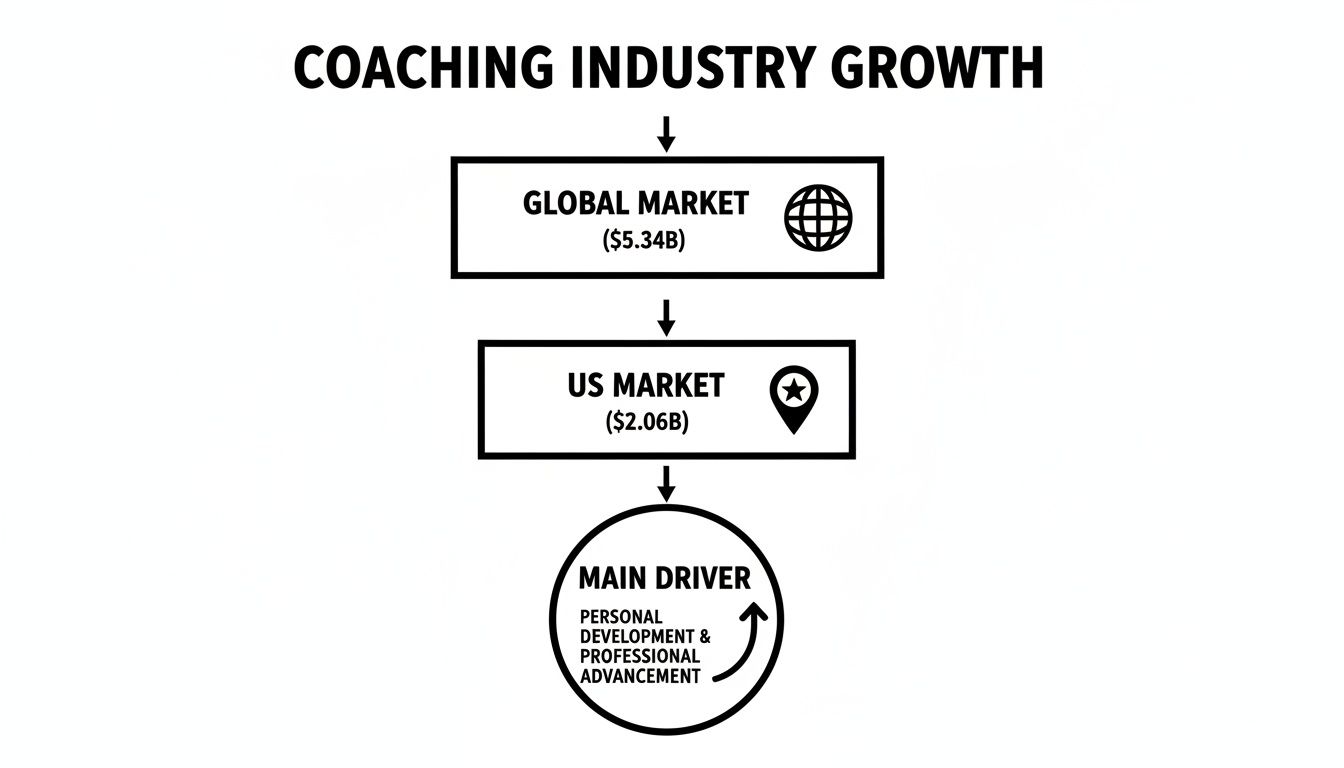
As you can see, coaching has become a major force in personal and professional development, with the global market soaring past $5.3 billion.
Coaching vs Therapy vs Mentoring Key Distinctions
To make it even clearer, here’s a simple table breaking down the core differences between these three powerful disciplines.
| Discipline | Primary Focus | Time Orientation | Ideal For |
|---|---|---|---|
| Therapy | Healing emotional wounds and treating mental health conditions. | Past & Present | Processing trauma, managing anxiety or depression, and addressing deep-rooted emotional challenges. |
| Mentoring | Sharing experience-based advice and industry-specific guidance. | Past & Present | Gaining knowledge from an expert, navigating a specific career path, and learning a defined skill set. |
| Mindset Coaching | Unlocking potential and creating actionable strategies for future goals. | Present & Future | Achieving specific goals, overcoming limiting beliefs, improving performance, and designing your future. |
Ultimately, one isn’t better than the other; they’re just different tools for different jobs. While coaching is distinct, it can work alongside other forms of support. You can learn more about the overlap and unique benefits in this guide to personal growth counseling.
The most important question to ask yourself is: What do I need right now? Are you looking to heal, learn from an expert, or build a clear path to your future? Answering that will point you in the right direction.
Proven Frameworks Used In Mindset Coaching

Great mindset coaching isn’t just a series of feel-good chats. It’s a disciplined process that relies on proven, evidence-based frameworks to map out a clear path to change. These models are what turn abstract goals into concrete actions and, ultimately, measurable results.
Think of these frameworks as a shared language between you and your coach. They provide a reliable system for tackling complex challenges, transforming a vague desire for “improvement” into logical, manageable steps. This structured approach is a big reason why coaching has become so effective and respected.
The demand for this kind of results-oriented coaching is growing fast. People aren’t just looking for a motivational speaker anymore; they want tangible outcomes. This shift from unstructured conversations to specialized methods has cemented coaching’s value, with leadership coaching now being the primary focus for 34% of all coaches.
The GROW Model: A Cornerstone Of Coaching
One of the most trusted and widely used frameworks you’ll encounter is the GROW model. It’s a simple yet incredibly powerful four-step process that gives every coaching conversation a clear, focused, and action-oriented structure.
Developed back in the 1980s, its staying power is a testament to how well it works. The model moves you systematically from a high-level goal to a detailed, practical action plan.
Here’s a quick breakdown of how it works:
- G – Goal: This first step is all about getting crystal clear on what you actually want to achieve. A coach helps you sharpen a fuzzy wish into a specific, measurable, and genuinely inspiring objective.
- R – Reality: Now, it’s time for an honest look at your current situation. What’s really going on? What have you already tried, and what obstacles are standing in your way?
- O – Options: This is where creativity comes in. With a clear goal and an honest assessment of reality, you and your coach brainstorm every possible path forward—no judgment, no limits.
- W – Will (or Way Forward): Finally, you commit to action. This stage is about turning those possibilities into a solid plan with defined steps, timelines, and a system for accountability.
This progression stops conversations from meandering aimlessly and ensures every session ends with a clear sense of purpose and direction.
The real power of the GROW model is its simplicity. It guides you to find your own solutions, rather than having a coach just tell you what to do. This builds self-reliance and empowers you to solve future problems on your own.
Cognitive Reframing: Changing The Story
Beyond broad models like GROW, mindset coaches use specific techniques to challenge and reshape the thought patterns that hold you back. One of the most effective is cognitive reframing. This technique, with roots in cognitive behavioral therapy, is all about learning to see a situation from a different, more empowering angle.
Let’s say you see a failed project as proof that you’re “not good enough.” That’s a classic limiting belief. A coach using cognitive reframing would help you find other, more useful ways to interpret the same event.
They might ask questions like:
- “What did you learn from this that will make the next project even better?”
- “What specific parts of the project were successful, even if the end result wasn’t what you hoped for?”
- “Instead of a failure, could you see this as a necessary experiment on the path to success?”
This isn’t about slapping on a fake smile or engaging in “toxic positivity.” It’s about consciously choosing a perspective that serves you, rather than one that defeats you. By practicing this, you can start to rewire the automatic negative thoughts that get in your way. To dig deeper, you might find our guide on Cognitive Behavioral Therapy techniques helpful.
Ultimately, these frameworks and techniques are the engine of mindset coaching. They provide the structure needed to dismantle long-held mental blocks and build new, more effective ways of thinking, one session at a time.
Who Really Gets the Most Out of Mindset Coaching?
Mindset coaching can be a game-changer, but it isn’t a magic wand. Its power is unlocked by one simple, yet critical, factor: your readiness to engage. This isn’t a passive experience where a coach lectures you or hands over a neat little package of solutions. It’s a dynamic, hands-on partnership. The people who walk away with incredible, lasting results are the ones who show up ready to do the work, get brutally honest, and take the driver’s seat in their own lives.
Think of it this way: this kind of coaching is perfect for people who feel like they’re standing right on the edge of a breakthrough, but some invisible wall keeps holding them back. Often, these are high-achievers who have a gut feeling that their own thinking is the final hurdle between where they are and where they could be. They’re done just talking about what the problem is; they’re hungry to learn how to finally tear it down.
Are You a Good Fit? A Few Common Profiles
While just about anyone can benefit from taking a hard look at their mindset, some people are in the perfect position to hit the ground running with a coach. They see a clear gap between their current reality and their desired future, and they’ve decided they’re going to be the one to close it.
Here are a few classic examples of people who thrive in a coaching partnership:
-
The Entrepreneur Grappling with Imposter Syndrome: She’s built a successful business from scratch, but there’s a nagging voice in her head convinced she’s a total fraud who’s about to be exposed. The sales reports say one thing, but her gut says another. This self-doubt makes her hesitate on big moves and shy away from the spotlight. She’s ready for coaching because she knows this internal critic is capping her company’s potential, and she’s committed to building the rock-solid confidence her leadership role requires.
-
The Executive Hitting a Career Ceiling: He’s a skilled leader who has moved up the corporate ladder for years, but now… nothing. The promotions have dried up, the work feels stale, and the path forward is foggy at best. He knows another certification or technical skill isn’t the answer; the roadblock is somewhere inside. Mindset coaching is for him because he needs to challenge his old beliefs about his own capabilities, figure out what success really means to him now, and architect a new, more fulfilling career path.
-
The Creative Genius Paralyzed by Perfectionism: Whether an artist, writer, or designer, she has immense talent but a portfolio of half-finished projects. The fear that her work won’t be absolutely perfect keeps her stuck in a frustrating loop of starting, tweaking endlessly, and eventually giving up. She’s a perfect candidate for coaching because she’s sick of her own excuses and wants to build a new mindset—one that celebrates progress, embraces “good enough,” and finally lets her share her incredible work with the world.
The common thread here isn’t a lack of talent or ambition. It’s a deep-seated readiness to confront the old stories and internal narratives that have outlived their usefulness. These individuals get it: you can have the best external strategies in the world, but they’re useless without the right internal foundation.
The Right Attitude for Coaching Success
At the end of the day, success in mindset coaching has less to do with your job title and more to do with your attitude. The entire process works best when you come to the table with a mindset rooted in curiosity, ownership, and a real hunger for change.
Clients who get the most out of our work together usually share these traits:
- They’re open to looking at things differently and willing to question beliefs they’ve held for years.
- They’re committed to taking action between sessions and actually applying what they learn.
- They have a strong sense of personal accountability and don’t blame others for their results.
- They’re honest with themselves and their coach, even about the messy, uncomfortable stuff.
If you find yourself nodding along to these descriptions, you’re likely in an ideal spot to make the most of what mindset coaching offers. It’s for the person who is ready to stop being a passenger in their own life and start drawing the map.
The Tangible Impact Of Mindset Coaching
Investing in your mindset isn’t just about feeling better; it’s an investment that shows up in very real, measurable ways. While the internal shifts are life-changing, the external impact of mindset coaching is concrete, affecting everything from your personal performance to a company’s bottom line. We’re talking about quantifiable progress you can see and track.
For individuals, the first things to change are usually productivity and confidence. Think about how often perfectionism or procrastination holds you back. By learning to dismantle those limiting beliefs, you’ll find yourself taking decisive action. This translates into finishing that big project, stepping up as a leader, and feeling ready to take smart risks that actually lead to growth.
Boosting Performance and Productivity
One of the biggest wins is a serious boost in personal effectiveness. A mindset coach helps you pinpoint the exact thought patterns that lead to hesitation and self-sabotage. You then work together to replace them with new mental habits built for focused action and resilience.
This process has a direct effect on your career:
- Increased Productivity: Once you clear away the mental clutter, you’ll get more done in less time, and with way less stress.
- Enhanced Confidence: Coaching builds a genuine self-belief that’s unshakable, which is exactly what you need for public speaking, leading a team, or nailing a negotiation.
- Stronger Leadership Skills: A growth mindset makes you a better problem-solver and communicator, with the ability to truly inspire the people around you.
These individual improvements create a powerful ripple effect, especially within a team where one person’s growth can lift everyone up.
The Business Case for a Coaching Culture
When organizations bring mindset coaching into their culture, the returns are substantial. It stops being just a “personal development” perk and becomes a strategic tool that drives key business goals. Investing in a coaching culture is directly tied to higher employee engagement, better retention, and impressive financial growth.
The real power of coaching within a company is its ability to build a resilient, adaptable, and proactive workforce. When employees learn to manage their mindset, they become better problem-solvers and more engaged contributors, directly fueling the company’s momentum.
The numbers don’t lie. Research shows that companies with a strong coaching culture see remarkable performance gains. These organizations experience an average revenue growth of 27% year-over-year, net profit margins of 87%, and an incredible 225% revenue growth over five years compared to companies without such programs. You can explore more data on the ROI of coaching and see for yourself how it impacts business performance.
This is exactly why mindset coaching is no longer seen as a “soft skill” but as a critical driver of business success.
A Clear Return on Investment
Whether you’re a professional looking to get ahead or a leader trying to grow your company, the goal is the same: get better results. Mindset coaching offers a clear, structured path to make that happen. It’s an investment in the very engine that powers all your other skills—your mind.
By rewiring the core beliefs that guide your actions, you create lasting change that keeps paying you back long after the coaching sessions are over. The impact moves far beyond theory and into the world of real achievement.
Got Questions About Mindset Coaching? We’ve Got Answers.
It’s completely normal to have a few questions when you’re thinking about personal development. Let’s clear up some of the practical stuff so you can feel confident about taking the next step.
How Long Until I Actually See a Change?
This is the big one, right? While a lot of people feel a shift—a new sense of clarity or a different perspective—after just one or two sessions, real, noticeable progress toward your big goals usually starts to show up within 3 to 6 months.
Why so long? Well, the timeline really depends on what you’re working on. Overcoming a lifelong habit is a different beast than, say, prepping for a big presentation. Your own commitment to doing the work between sessions also plays a huge role.
Think of it this way: mindset coaching isn’t about getting a quick shot of motivation. It’s about methodically building new mental habits that stick around for the long haul. Those first few sessions lay the groundwork, but the real magic happens through consistent effort over time.
What’s the Investment? And How Does It Work?
The cost of mindset coaching can vary quite a bit, mostly depending on the coach’s experience and how the program is set up. The key is finding something that fits what you want to achieve and what you’re ready to invest.
Here’s a rough idea of what you might see out there:
- One-on-One Sessions: A single session with a coach can run anywhere from $150 to over $500. This often depends on their track record and area of expertise.
- Coaching Packages: This is the most common route. Coaches typically offer packages spanning several months to make sure you stay committed and get results. A 3-month package, for example, could be anywhere from $1,500 to $5,000.
- Group Programs: If you’re looking for a more budget-friendly option and love the idea of a community, group coaching is fantastic. These programs can start at a few hundred dollars and go up from there.
Sessions are usually pretty flexible, too. Most coaching happens over video calls, but some coaches offer group workshops or even meet in person.
How Do I Find a Coach That’s Right For Me?
This is probably the most important piece of the puzzle. Finding the right coach is everything. This is a partnership, and you need to feel a genuine connection to do the kind of deep work that leads to real change. A great coach isn’t just about a fancy certificate; it’s about finding a style and personality that clicks with you.
Your goal isn’t to find the “best” coach in the world, but to find the best coach for you. This connection, often called ‘chemistry,’ is the foundation of a powerful coaching relationship where you feel safe, challenged, and understood.
Ready to start looking? Here are a few simple steps:
- Figure Out Your “Why”: Before you do anything else, get crystal clear on what you want to accomplish. Is it about climbing the career ladder, finally kicking imposter syndrome to the curb, or building better personal habits? Knowing your goal helps you find a coach who specializes in that exact thing.
- Check Their Background: Look for certifications from respected organizations like the International Coach Federation (ICF). It’s not a deal-breaker if they don’t have one, but it does show they’re serious about their profession and ethics.
- Hop on a “Chemistry Call”: Almost every coach offers a free consultation. Use it! This is your interview. Ask them about their process, see how they listen, and get a feel for their personality. Go with your gut—if the vibe feels right, you’re on the right track.
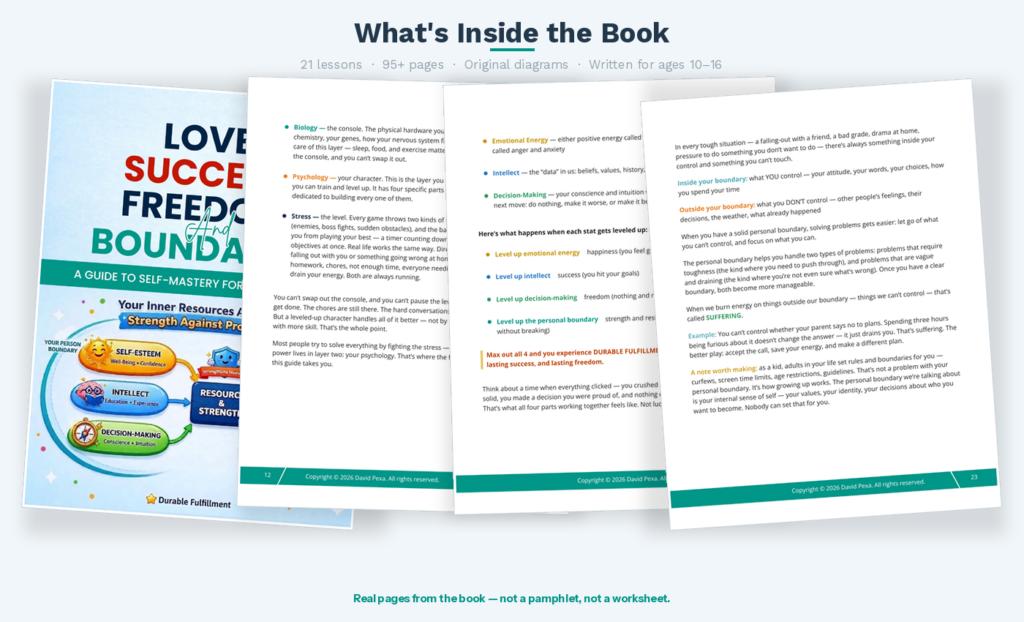
If this resonated, go deeper. My book Love, Success, Freedom and Boundaries gives you twelve frameworks for seeing the patterns that shape your life — and changing the ones that aren’t working.
Frequently Asked Questions
What does a mindset coach do?
A mindset coach helps you identify and shift the mental patterns that limit your performance, relationships, and self-perception. It’s not positive thinking — it’s honest thinking: seeing your patterns clearly and choosing better ones.
Is mindset coaching evidence-based?
The best mindset coaching draws from cognitive behavioral principles, neuroscience, and performance psychology. Be wary of coaches who rely solely on motivation or manifestation — effective coaching is grounded in how the brain actually works.
How do I know if I need mindset coaching?
If you keep hitting the same ceiling despite working hard, if you self-sabotage when things are going well, or if your internal dialogue actively works against your goals — a mindset coach can help you see and break those patterns.
Keep Reading
- Growth vs Fixed Mindset: How to Shift Your Perspective and Succeed
- Your Guide to Finding a Personal Growth Coach
- How to Set Realistic Goals You Actually Achieve
If you process emotions through writing — journaling, drafting hard conversations, putting words to what you’re feeling — the tool I use to draft most of my words is Wispr Flow. It transcribes your voice into clean, edited text in real time, so the friction between thinking it and writing it basically disappears.
Conclusion
Understanding is the first step, but it’s what you do with that understanding that changes things. The ideas in this article aren’t meant to sit in your head — they’re meant to shift how you see your situation and give you something concrete to act on. Start with the one thing that felt most relevant, apply it this week, and notice what changes.
A note on affiliates: This article includes affiliate links to platforms I’ve vetted and would recommend to my own clients and students. If you start with a recommended service through a link here, I may earn a small commission — at no extra cost to you. I only mention what I’d actually point you to in person. The recommendation comes first; the relationship is disclosed second.
If this resonates, the full framework lives in Love, Success, Freedom and Boundaries.
A practical playbook for raising emotionally resilient kids — and breaking the patterns you didn’t choose to inherit.
